PythagoraAI platforma, kas izveido un publicē pilna komplekta tīmekļa lietotnes no dabiskā valoda nosacījumiem.

Pārskats
Galvenās funkcijas
- No nosacījuma līdz lietotnei ģenerācija
- Front-end un back-end scaffolding
- Automātiskā publicēšanas workflow
- Sarunīga iterācija un labojumi
- Datu bāzes iestatīšana un integrācija
- Labojama pamatkode
Cenas
- Modelis
- $180
- Kategorija
- Software Engineering
- Vērtējums
- 4.7 / 5 (6)
Lietošanas gadījumi
Palaišana MVP no nosacījuma
Dibinātāji var aprakstīt savu produktu ideju parastā valodā un Pythagora ģenerē publicējamu pilna komplekta prototipu, izmešot manuālo front-end, back-end un datu bāzes scaffolding.
Ātrā iekšējā rīku izveide
Produkcijas komandas var izveidot iekšējās web lietotnes, aprakstot nepieciešamās workflows, un Pythagora savieno routes, API un datu bāzes struktūru bez atsevišķiem inženierijas cikliem.
Izstrādātāja scaffolding paātrinātājs
Izstrādātāji var izmantot Pythagora, lai ģenerētu pamata pilna komplekta kodu un publicēšanas iestatījumus, un pēc tam pārskatīt un labot pamat kodu, lai pievienotu pielāgotu loģiku.
Iteratīva prototipēšana ar dalībniekiem
Komandas var uzlabot lietotnes sarunīgi, izsniedzot sekotājus norādījumus, lai mainītu funkcijas un lietotāja interfeisu, kas atvieglo demonstrēt un labot prototipus ar netehniskajiem dalībniekiem.
Plusi un mīnusi
Plusi
- Ģenerē pilna komplekta lietotnes no vienkāršiem nosacījumiem
- Pārvalda publicēšanu bez manuālā servera iestatīšanas
- Pieejama neizstrādātājiem un produkcijas komandām
- Iteratīva uzlabošana caur sarunīgiem labojumiem
Mīnusi
- Sarežģīti pielāgoti loģiki var vēl jāraksta ar rokām
- Izlaistā kvalitāte atkarīga no nosacījuma skaidrības
- Mazāk kontrolē nekā kodēšana no sākuma
- Ģenerētais kods var prasīt pārskatīšanu produktīvā lietošanai
Atsauksmes
Vidējais no 6 vērtējumiem.
Pieslēdzies, lai atstātu atsauksmi.
Skeptical, then convinced
I went in skeptical — most tools in this space overpromise. It actually delivers on prompt-to-app generation, and accessible to non-developers and product teams caught me off guard. still, I'd recommend giving it a real trial.
Compared a few options
Evaluated this against two competitors. Where it wins: conversational iteration and edits and generates full-stack apps from simple prompts. Where it lags: generated code may require review for production use. On balance the feature set — especially conversational iteration and edits — justifies the 4 stars for our use case.
Years in this space
I've evaluated a lot of these over the years. What stands out here is automated deployment workflow — handled better than most — and handles deployment without manual server setup. Output quality depends on prompt clarity is my one real gripe. Worth the time if this is your use case.
Solid for our team
We rolled this out across the team last quarter and iterative refinement through conversational edits. Prompt-to-app generation fits neatly into how we already work, and database setup and integration removed a step we used to do by hand. but it has held up under daily use.
Does the job
Pretty happy overall. Conversational iteration and edits just works and handles deployment without manual server setup. but no dealbreakers — I'd recommend it to a friend without hesitating.
Does the job
Pretty happy overall. Database setup and integration just works and iterative refinement through conversational edits. but no dealbreakers — I'd recommend it to a friend without hesitating.
Jautājumi
What kinds of projects is Pythagora best suited for?
It's best for founders, product teams, and developers building full-stack web app prototypes quickly from an idea. Pythagora handles routes, APIs, database setup, and deployment, making it well-suited for MVPs and iterative prototyping rather than highly customized production systems.
Can non-developers actually ship a working app with Pythagora, or do I still need an engineer?
Non-developers and product teams can describe an app in plain language and Pythagora will generate the front end, back end, database, and handle deployment. However, complex custom logic may still require manual coding, and generated code often benefits from developer review before production use.
Do I get access to the underlying code, or am I locked into Pythagora's platform?
Yes, the underlying codebase is editable, so technical users can inspect and modify what Pythagora generates. This gives developers a fallback for custom logic while still benefiting from automated scaffolding and deployment.
Uzdod jautājumu
Software Engineering alternatīvas
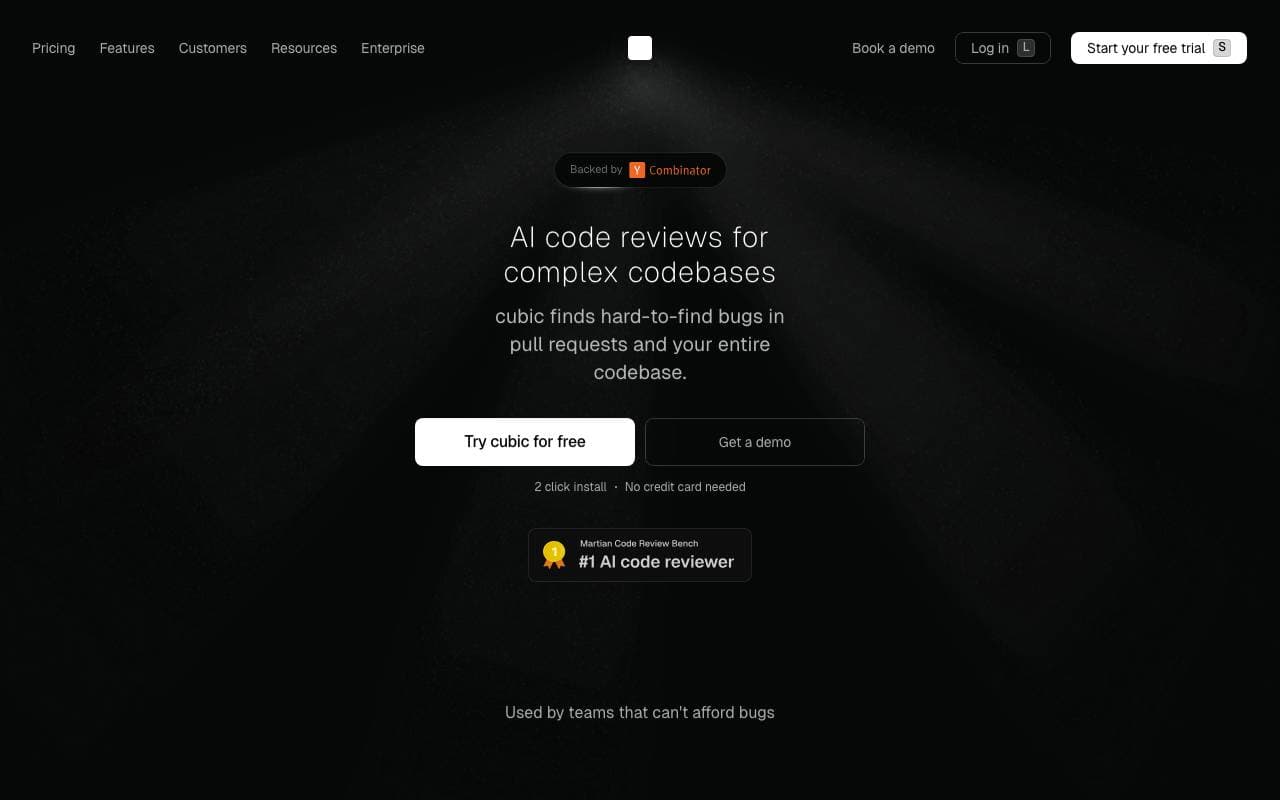
cubic
Software Engineering
AI koda pārskats, kas paātrina pull requestus un atklāj kļūdas pirms piegādes.
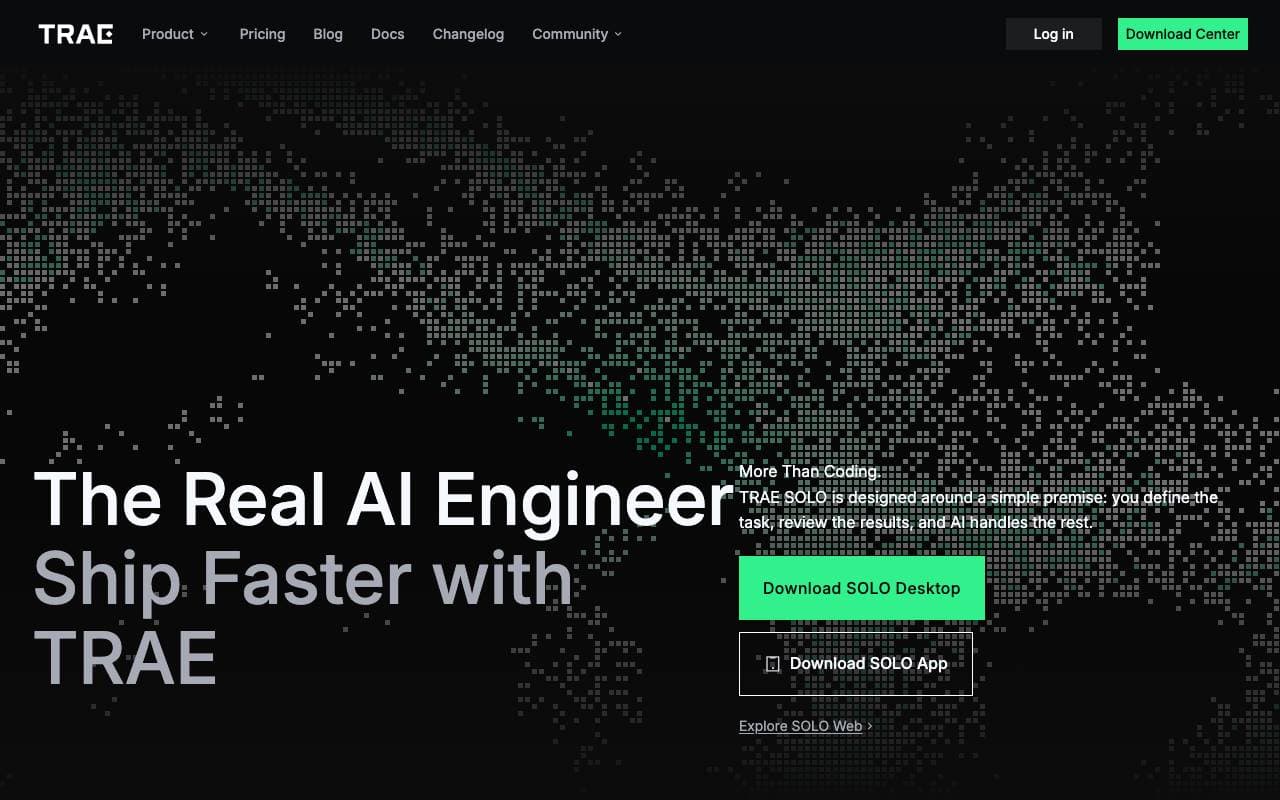
TRAE
Software Engineering
AI programmēšanas inženieris, kas izveido, atkļūdo un nodod kodu jūsu vietā.
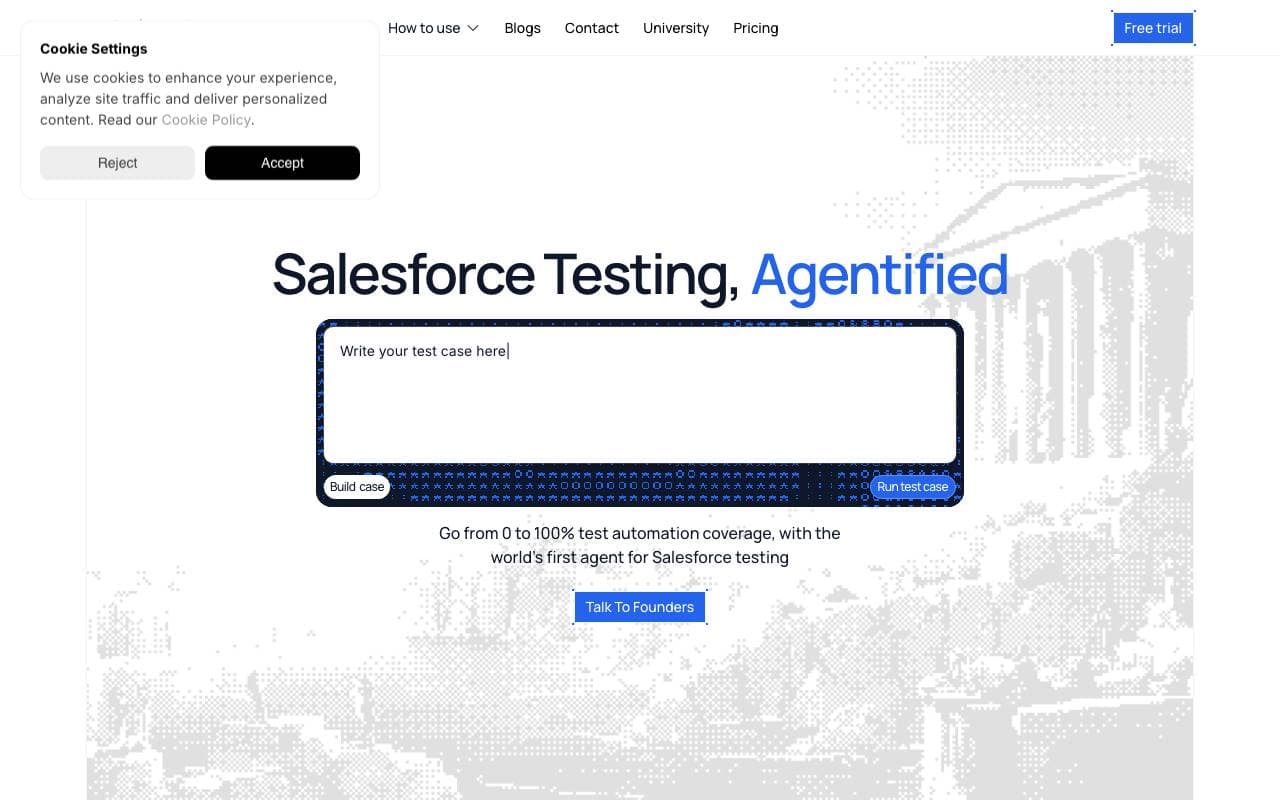
TestZeus
Software Engineering
No-code AI dzintars, kas automatizē un uztur Salesforce no sākuma līdz galam testus
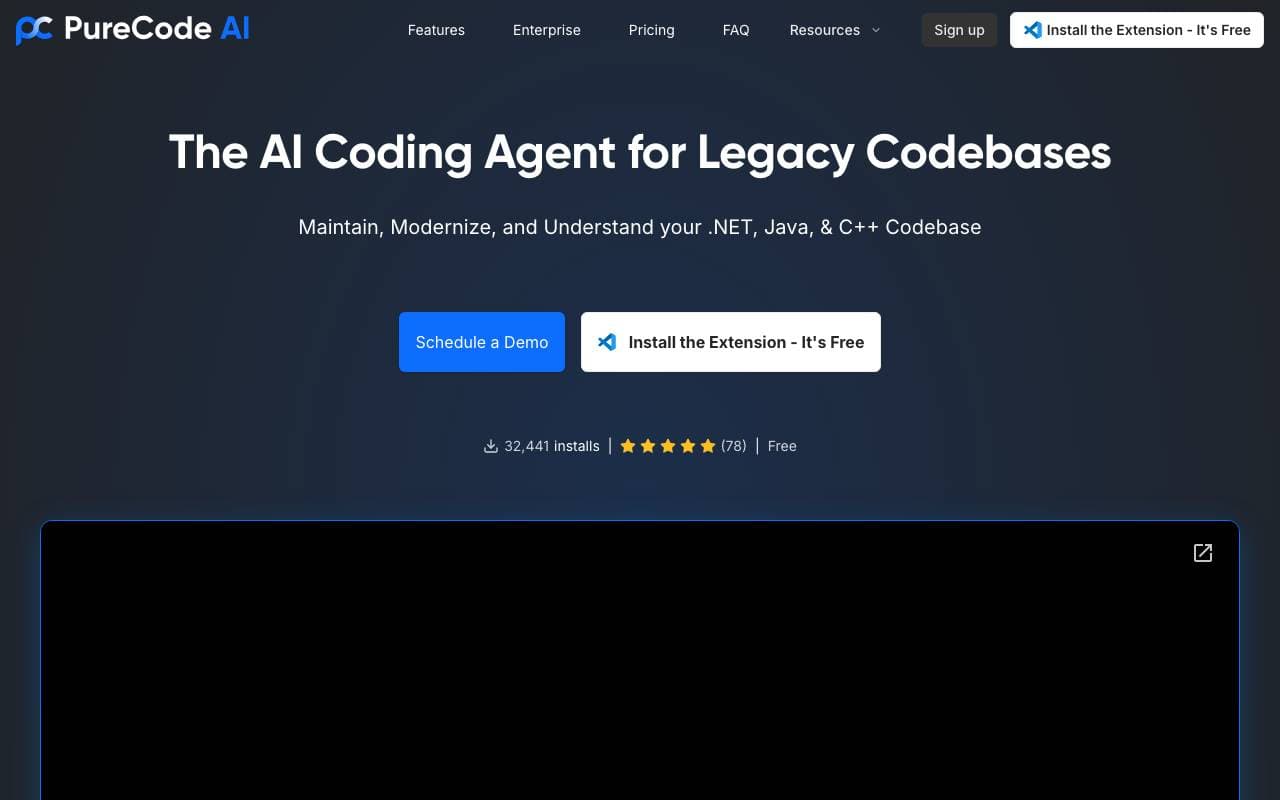

PureCode AI
Software Engineering
AI asistents mantojuma koda bāzu izpratnei, uzturēšanai un modernizācijai.
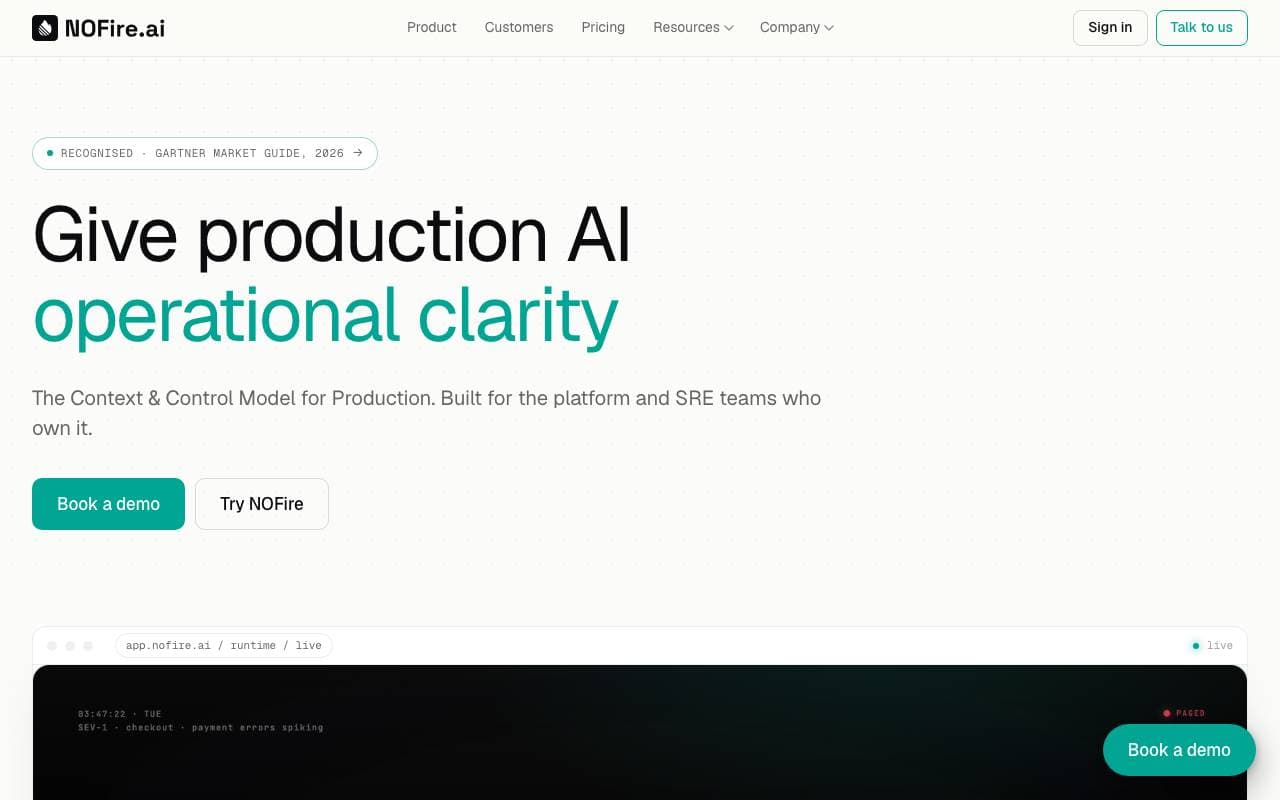
NOFire AI
Software Engineering
Proaktīva incidentu novēršana un ātra saknes iemeslu analīze programmatūras komandām.
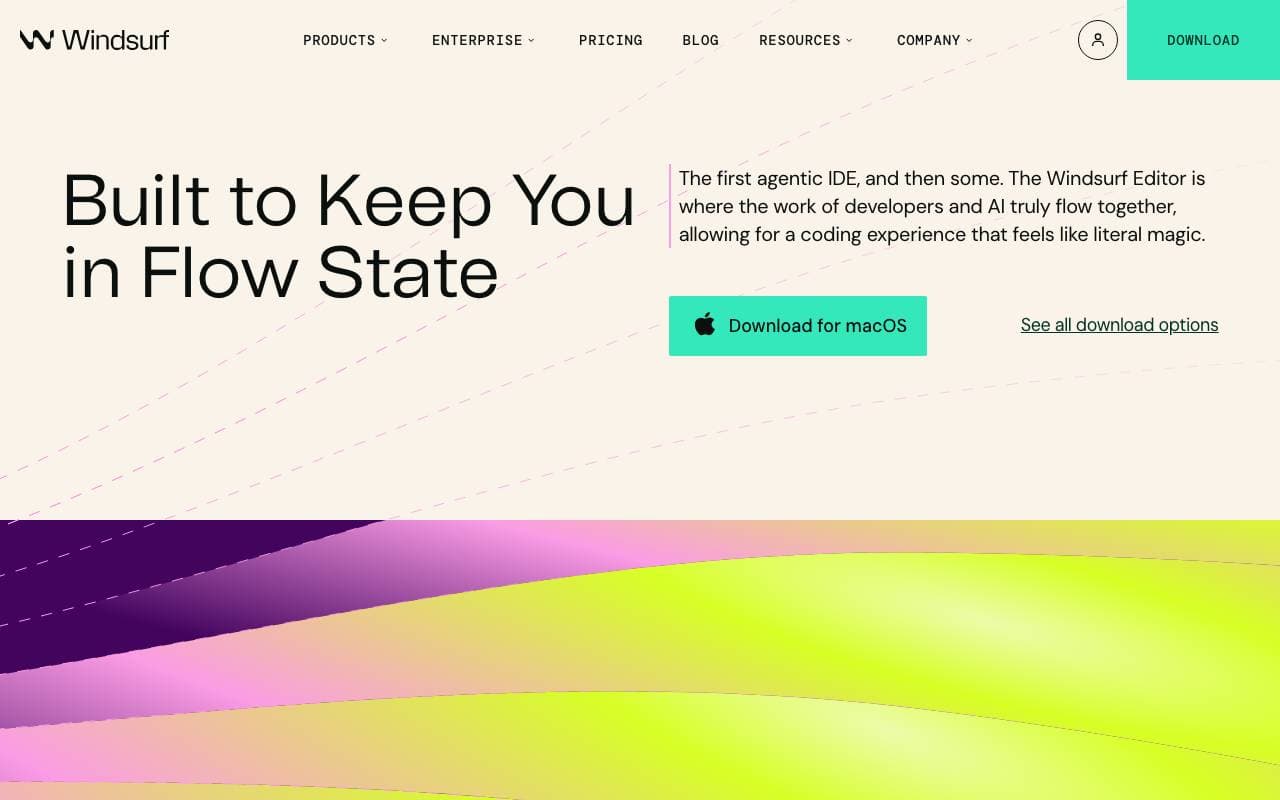
Windsurf
Software Engineering
AI-nativa kodu redaktora, kādu paredzējuši, lai programētāji iegūtu nepārtrauktas saskarņas stāvokli.
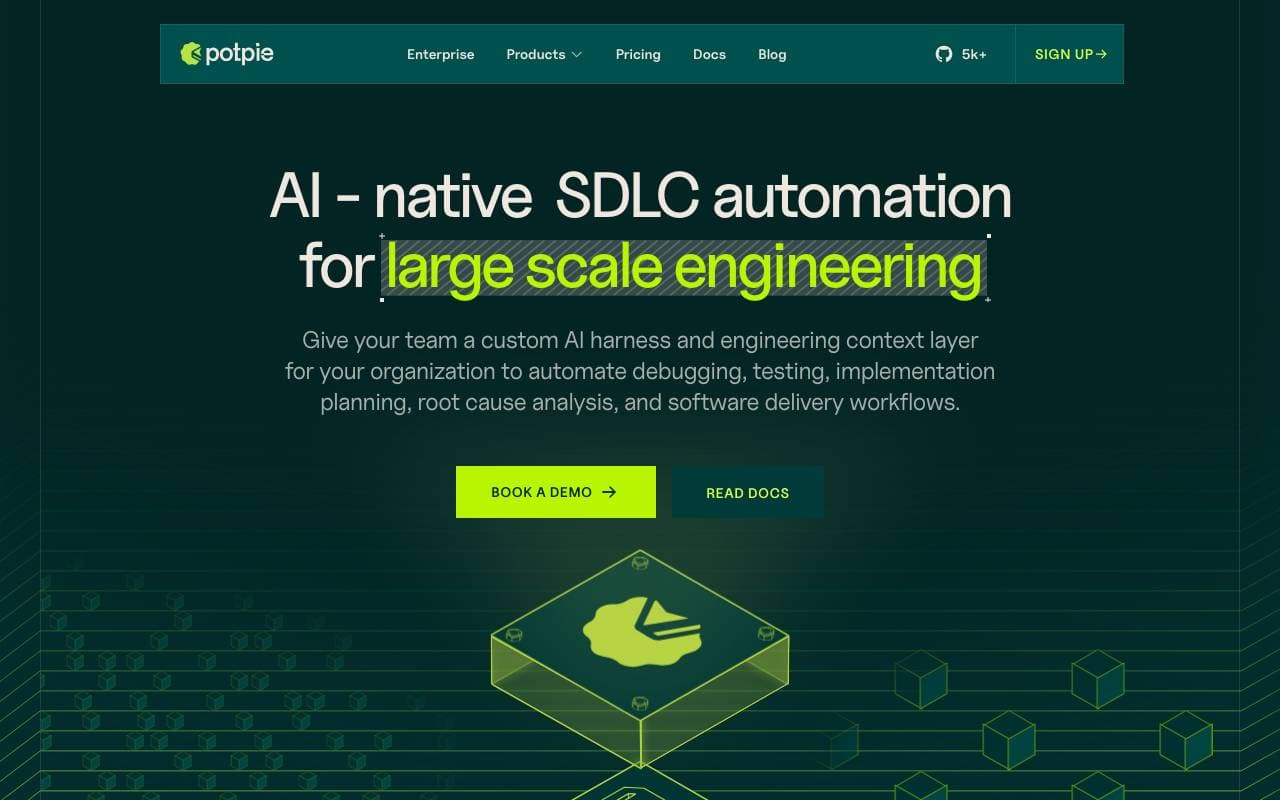

Potpie
Software Engineering
Aizvērtēšanas un pievienošanas tēras veidrotie pašprogrammētie automaģotie veidrotie
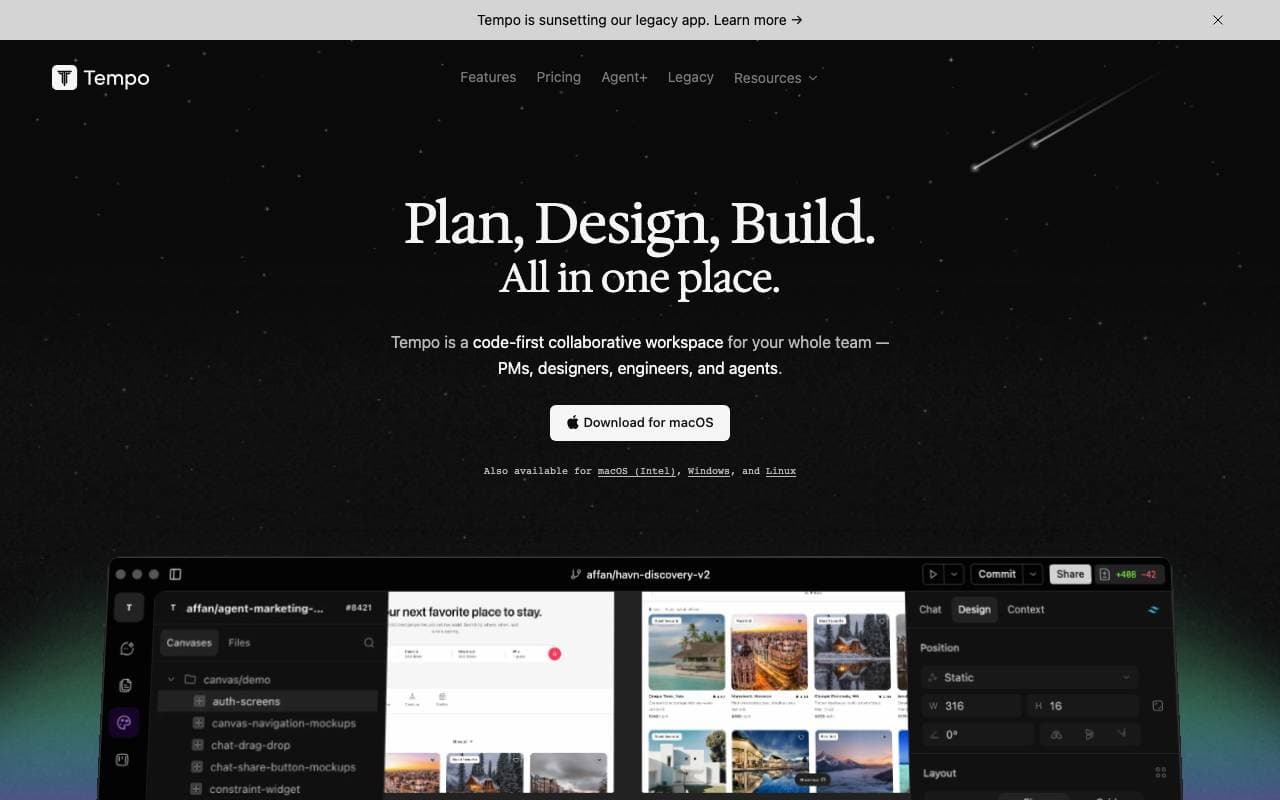
Tempo
Software Engineering
AI atbalstīta izveidošana, lai piegādātu React lietojumprogrammas vienā darba telpā no dizaina līdz kodam.
Trending now

Doozer Ai
Sales Agent
Digitālie kolēģi, kas automatizē operatīvo darba plūsmu, lai paaugstinātu komandas efektivitāti.
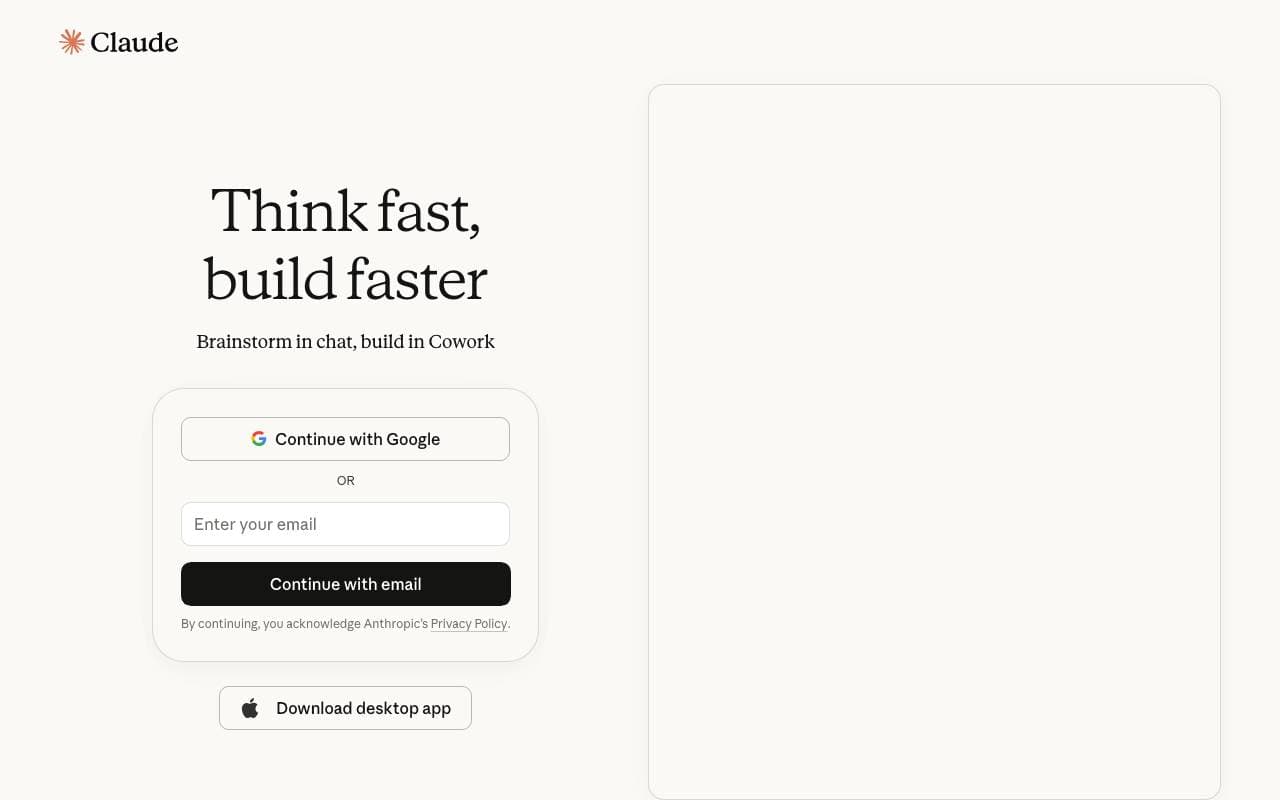

Claude
AI Agents & Chatbots
Konversacionāla AI palīdzība no Anthropic, rakstīšanai, analīzei, kodišanai un dokumentu uzdevumiem
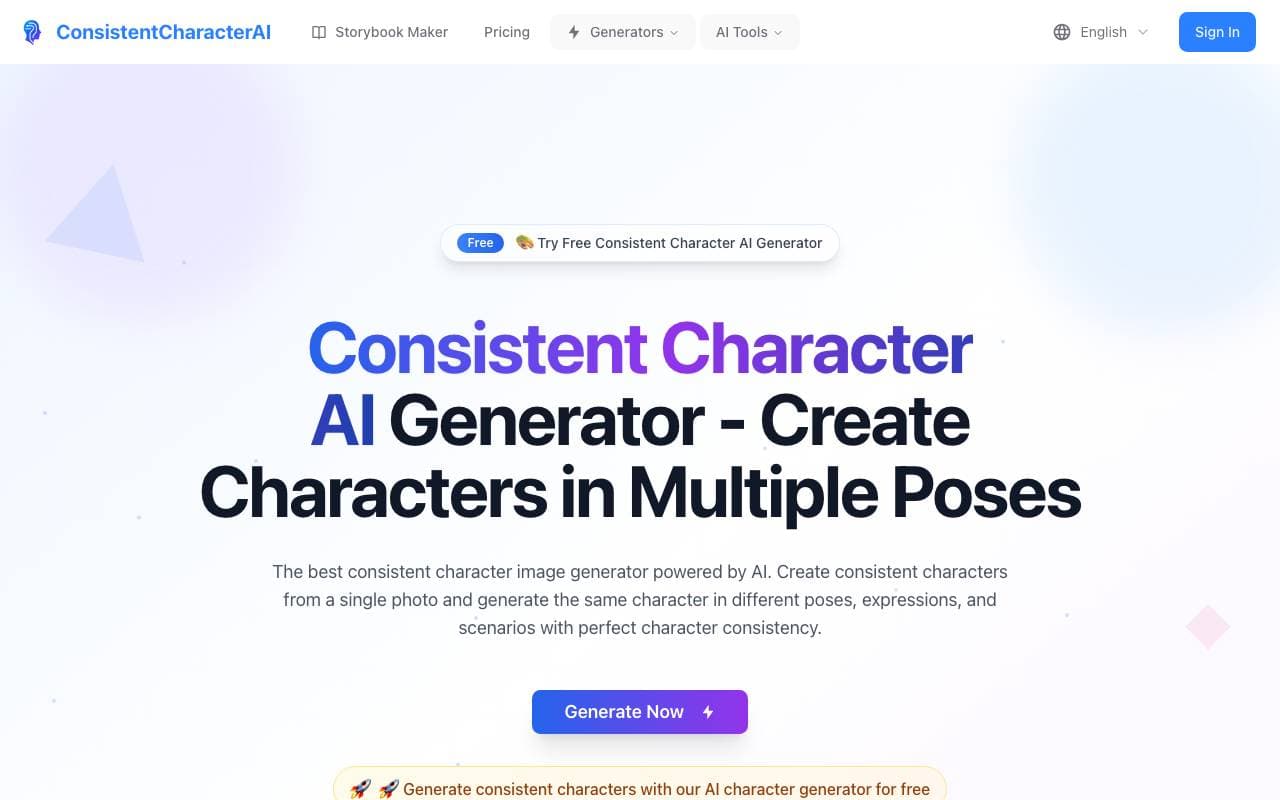

Consistent Character AI
Images
Izveidojiet vienādus AI raksturus dažādās ainās no vienas atsauces fotoattēla.
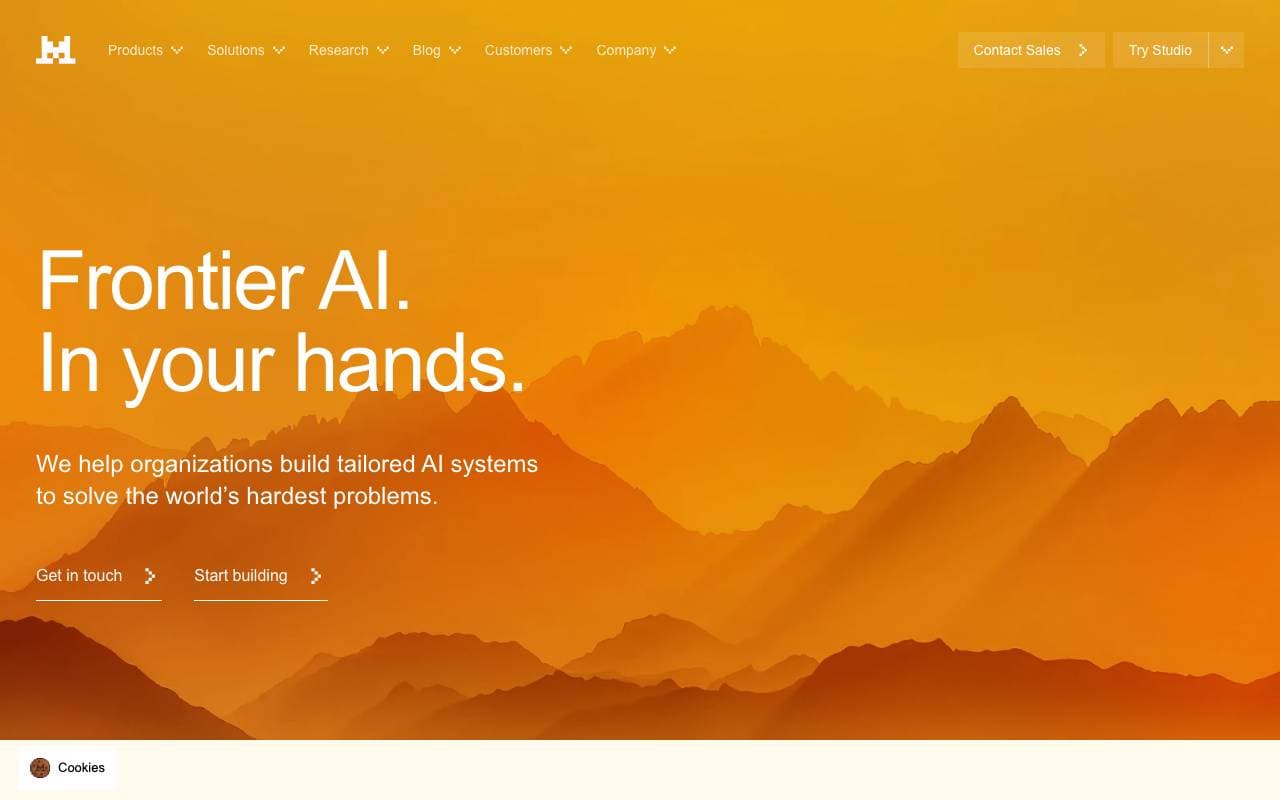

Mistral AI
Large Language Models (LLMs)
Atvērta svara robežas modeļi