
Agent4RecAtvērtā koda rekomendāciju simulatora, kas izmanto 1 000 LLM-dzīvo agentus, lai imitētu lietotāju uzvedību filmju platformās.

Pārskats
Galvenās funkcijas
- 1 000 LLM-dzīvo ģenerējošo agentu
- Persona balstīta lietotāju preferencju modelēšana
- Izveidotas klikšķi, vērtējumi un sesijas izietšana
- Sandbox rekomendācijas algoritmu testēšanai
- Izstrādātas rīki emergējošas lietotāju uzvedības izpētei
- Atvērta koda un atkārtojams ietvars
Cenas
- Modelis
- Free
- Kategorija
- AI Agent Development Frameworks
- Vērtējums
- 4.2 / 5 (5)
Lietošanas gadījumi
Testēt rekomendācijas algoritmus bez reāliem lietotājiem
Novērtējiet jaunus rekomendācijas algoritmus, izmantojot 1 000 LLM-dzīvo agentu, lai savāktu veiktspējas signālus bez dārga reāla A/B testu izpildes uz reāliem lietotājiem.
Izpētīt filtrēšanas buves un atsauksmes ciklus
Simulējiet ilgtermiņa lietotāju mijiedarbību, lai novērotu, kā rekomendācijas sistēmas veido filtrēšanas buves un pastiprina atsauksmes ciklus atkārtotās sesijās.
Modelēt persona balstītu lietotāju apmierinātību
Izmantojiet dažādus agentu persona ar atšķirīgām preferencēm, lai analizētu, kā dažādi lietotāju segmenti reaģē uz rekomendācijām klikšķināšanas, vērtēšanas un sesijas izietšanas brīžos.
Atkārtojams rekomendācijas pētījums
Izmantojiet atvērtā koda ietvaru, lai veiktu atkārtojamu eksperimentu uz emergējošu lietotāju uzvedību, atbalstot akadēmiski pētījumus un rekomendāciju pieeju salīdzināšanu.
Plusi un mīnusi
Plusi
- Bezmaksas un atvērta koda pētījumu lietošanai
- Palielinās līdz 1 000 dažādiem simulētiem lietotājiem
- Samazina atkarību no dārgām lietotāju pētījumiem
- Noderīgs filtrēšanas buves un atsauksmes ciklu izpētei
Mīnusi
- Ierobežots uz filmju rekomendāciju jomu
- Simulēta uzvedība var atšķirties no reāliem lietotājiem
- Prasa tehnisko uzstādīšanu un LLM resursus
- Nav ražošanas rekomendācijas sistēma
Atsauksmes
Vidējais no 5 vērtējumiem.
Pieslēdzies, lai atstātu atsauksmi.
Years in this space
I've evaluated a lot of these over the years. What stands out here is open-source and reproducible framework — handled better than most — and reduces dependence on costly user studies. Simulated behavior may diverge from real users is my one real gripe. Worth the time if this is your use case.
Skeptical, then convinced
I went in skeptical — most tools in this space overpromise. It actually delivers on persona-based user preference modeling, and free and open source for research use caught me off guard. Simulated behavior may diverge from real users is why this isn't a perfect score, still, I'd recommend giving it a real trial.
Skeptical, then convinced
I went in skeptical — most tools in this space overpromise. It actually delivers on persona-based user preference modeling, and free and open source for research use caught me off guard. Requires technical setup and LLM resources is why this isn't a perfect score, still, I'd recommend giving it a real trial.
Years in this space
I've evaluated a lot of these over the years. What stands out here is tools for studying emergent user behavior — handled better than most — and scales to 1,000 diverse simulated users. Requires technical setup and LLM resources is my one real gripe. Worth the time if this is your use case.
Years in this space
I've evaluated a lot of these over the years. What stands out here is simulated clicks, ratings, and session exits — handled better than most — and useful for studying filter bubbles and feedback loops. Worth the time if this is your use case.
Jautājumi
What use cases is Agent4Rec best suited for?
It's designed as a sandbox for testing recommender algorithms, studying filter bubbles, modeling user satisfaction, and analyzing emergent feedback loops. It's well-suited for researchers who want to evaluate recommendation strategies without running costly live A/B tests.
What are the main limitations I should know about before adopting it?
Agent4Rec is currently limited to the movie recommendation domain and is not a production recommender system. Simulated agent behavior may diverge from real users, and setup requires technical expertise plus access to LLM compute resources.
How much does Agent4Rec cost and can I use it commercially?
Agent4Rec is free and open source, intended for research use. There's no licensing fee, but you'll need to provide your own compute and LLM resources to run the 1,000 simulated agents, which can add operational costs.
Uzdod jautājumu
AI Agent Development Frameworks alternatīvas

Wildcard AI / agents.json
AI Agent Development Frameworks
Atvērta specifikācija un platforma, kas ļauj AI aģentiem atklāt un izsaukt API workflow caur agents.json failu.

Strands Agents
AI Agent Development Frameworks
Atklātā pirmkoda SDK vienotu vai daudzu aģentu sistēmu veidošanai un pārvaldībai ar LLMs un rīku integrāciju.

BabyCatAGI
AI Agent Development Frameworks
Sīkais autonomisks AI āgents struktūrvienība tasku automācijai saskaņē

Awesome MCP Servers
AI Agent Development Frameworks
Saraksts Model Context Protokola serveru izvēlnē ar iespēju paplašinātu AI asistentu funkcionalitāti.

Gemma 3
AI Agent Development Frameworks
Atvērtas pirmkoda AI modelis, optimizēts vienas GPU veiktspējai, atbalsta multimodālus ievadus un vairāk nekā 140 valodas.
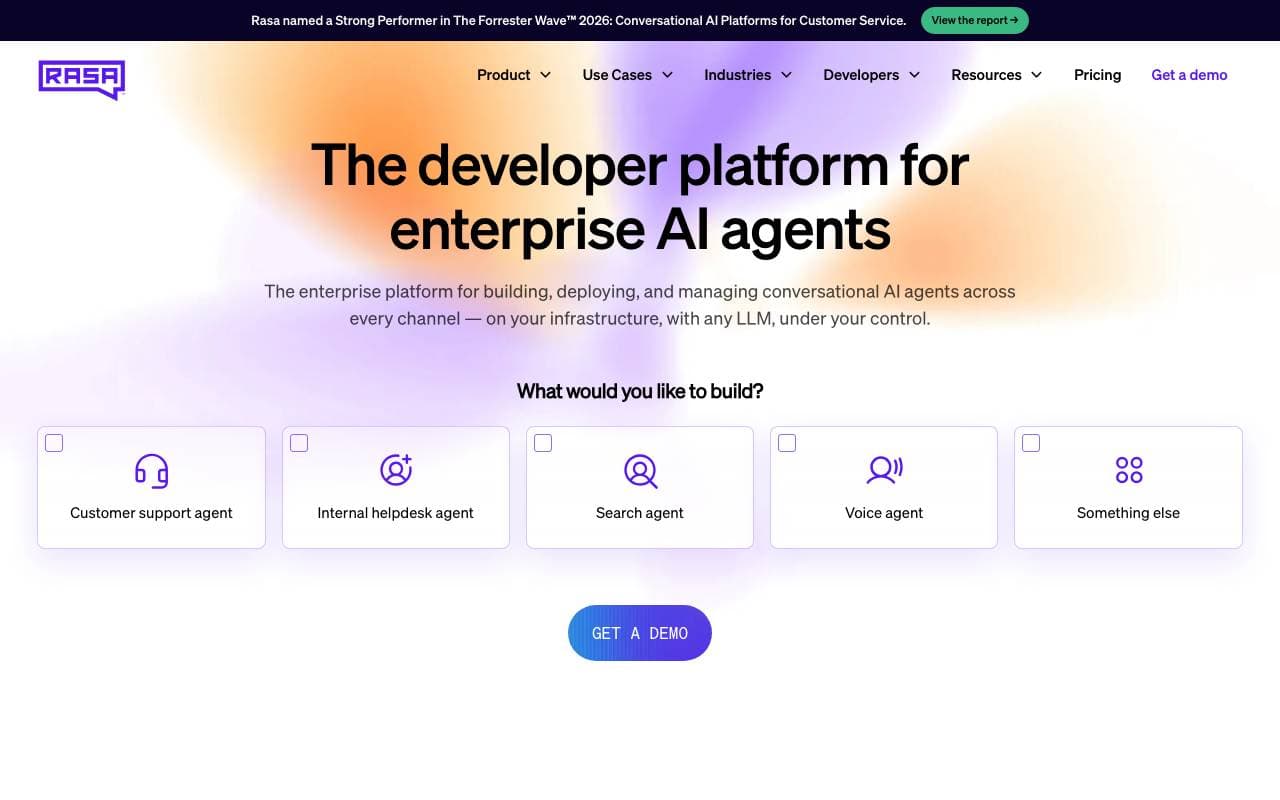

Rasa
AI Agent Development Frameworks
Atvērtā koda framework konversāciju un balss asistentu izstrādei

BabyElfAGI
AI Agent Development Frameworks
Eksperimentāls AI aģentu sistēmas ietvars ar modulāru Skills klasi dinamiskai uzdevumu plānošanai un izpildei.
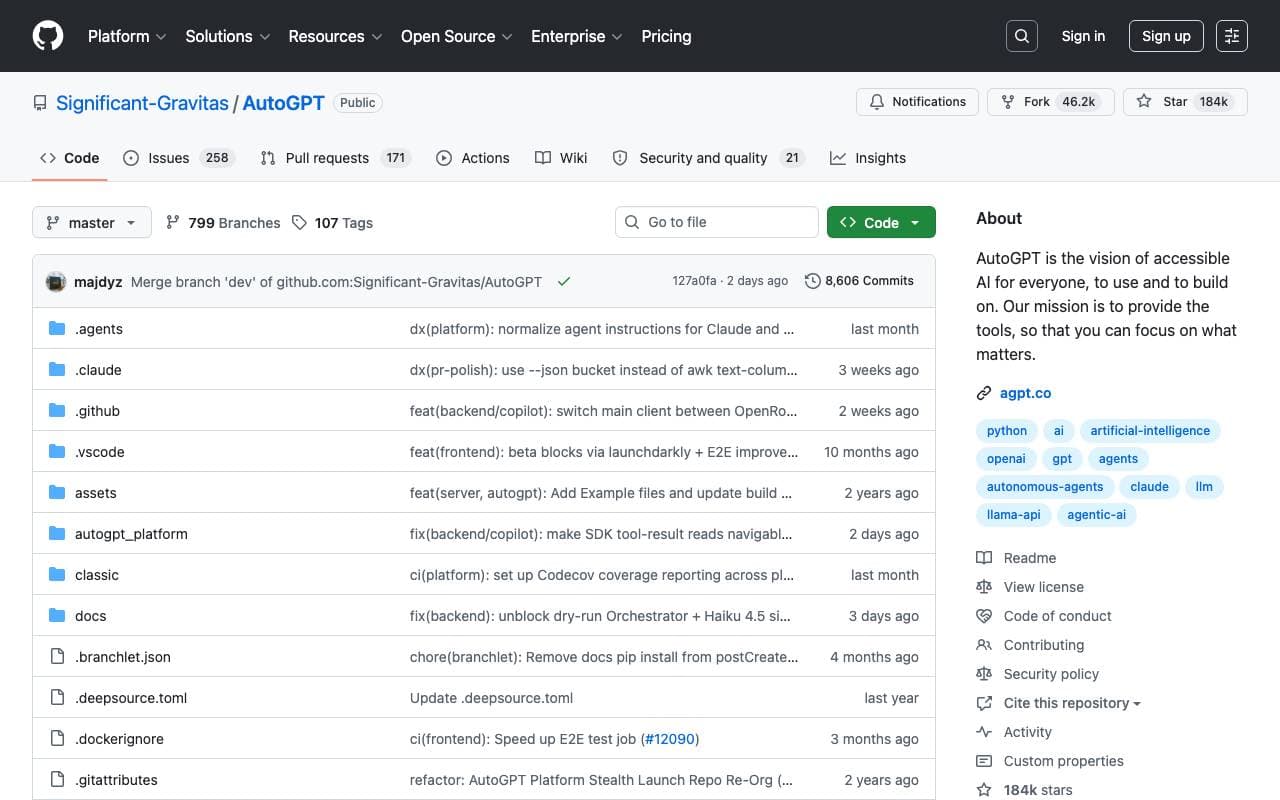

Auto-GPT
AI Agent Development Frameworks
Atvērtsource AI agents, kas spēj autonomi izpildīt kompleksi uzdevumus, izmantojot GPT modeles.
Trending now


Claude
AI Agents & Chatbots
Konversacionāla AI palīdzība no Anthropic, rakstīšanai, analīzei, kodišanai un dokumentu uzdevumiem
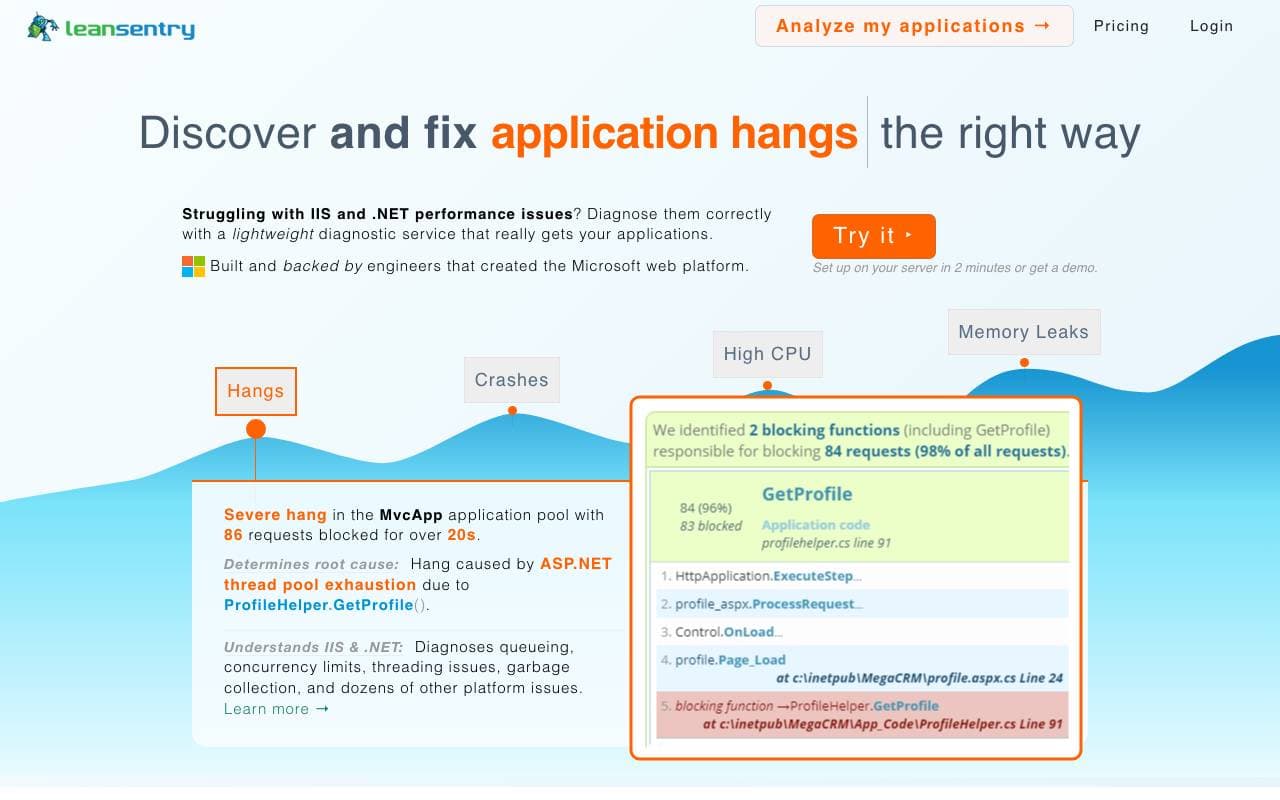

LeanSentry
Software Development
AI balstīta diagnostika un uzraudzība IIS un ASP.NET veiktspējas problēmām.

Doozer Ai
Sales Agent
Digitālie kolēģi, kas automatizē operatīvo darba plūsmu, lai paaugstinātu komandas efektivitāti.

Consistent Character AI
Images
Izveidojiet vienādus AI raksturus dažādās ainās no vienas atsauces fotoattēla.