Best AI Robotics (2026)

이 페이지의 링크를 통해 등록하면 수수료를 받을 수 있지만, 이는 우리의 평가에 영향을 미치지 않습니다.
A curated guide to the best AI robotics platforms, from robot learning frameworks and simulation environments to embodied AI models and developer toolkits for autonomous machines.
숫자로 보는 AI Robotics
가격 구성
Best AI Robotics (2026)
- 1
 3D AI StudioAI, , , 4.8 (5)
 - 2
 NVIDIA CosmosGenerative world foundation models for building physical AI systems like robots and autonomous vehicles.4.7 (6)
 - 3
 Figure AICompany developing general-purpose AI-powered humanoid robots for home and industry4.7 (6)
 - 4
 Aurora Innovation자가 주행 기술 플랫폼으로 대규모 자율 트럭 및 탑승 차량을 구동합니다.4.6 (5)
 - 5
 Unitree R1Compact 26-joint humanoid robot with multimodal AI for research and education4.5 (4)

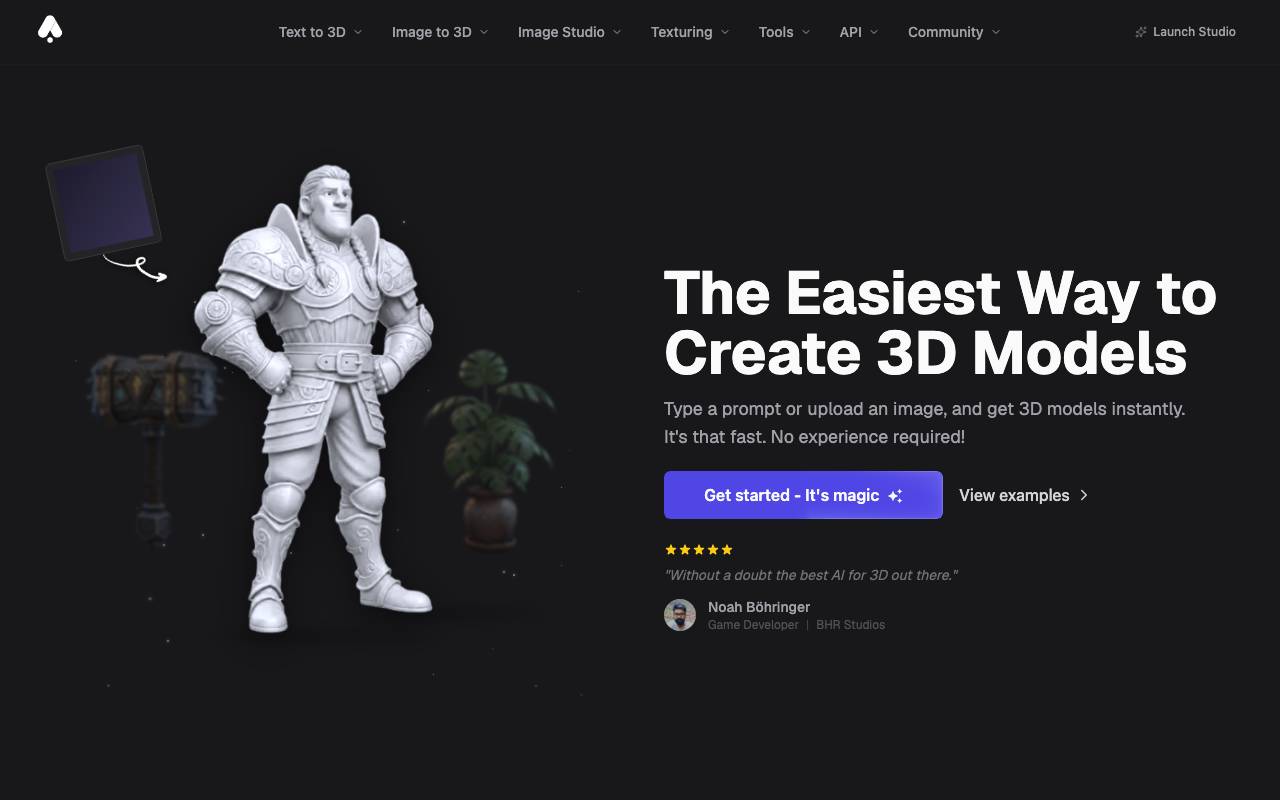
3D AI Studio AI, , . , , , 3D , , , , . Text to 3D, , , , , Image to 3D, 2D, , , , . , , , , , . AI , PBR , , Quad Remeshing , , , , . , Image Studio AI , , , , , Flow , , . , Unity, Unreal, Three.js . , , , , , .
- AI
- 2D
- AI PBR
- ,
- LOD,
- Flow, AI ,

NVIDIA Cosmos
Generative world foundation models for building physical AI systems like robots and autonomous vehicles.
NVIDIA Cosmos is a platform of pretrained generative world foundation models (WFMs) designed to accelerate the development of physical AI. By simulating realistic, physics-aware environments and predicting future world states from text, image, or video inputs, it helps developers train and validate systems such as autonomous vehicles, humanoid robots, and industrial automation. The platform includes tokenizers, guardrails, and an accelerated data processing pipeline, allowing teams to fine-tune models on their own datasets or use them out of the box. Cosmos integrates with NVIDIA's broader robotics and simulation stack, including Omniverse and Isaac, to enable large-scale synthetic data generation and policy evaluation. Released with open model weights and permissive licensing, Cosmos targets researchers and enterprises building real-world AI agents that must understand spatial dynamics, motion, and physical interaction.
- Pretrained generative world foundation models
- Video and image tokenizers for efficient processing
- Built-in safety guardrails
- Accelerated data curation pipeline
- Fine-tuning support for custom domains
- Compatible with Omniverse and Isaac simulation

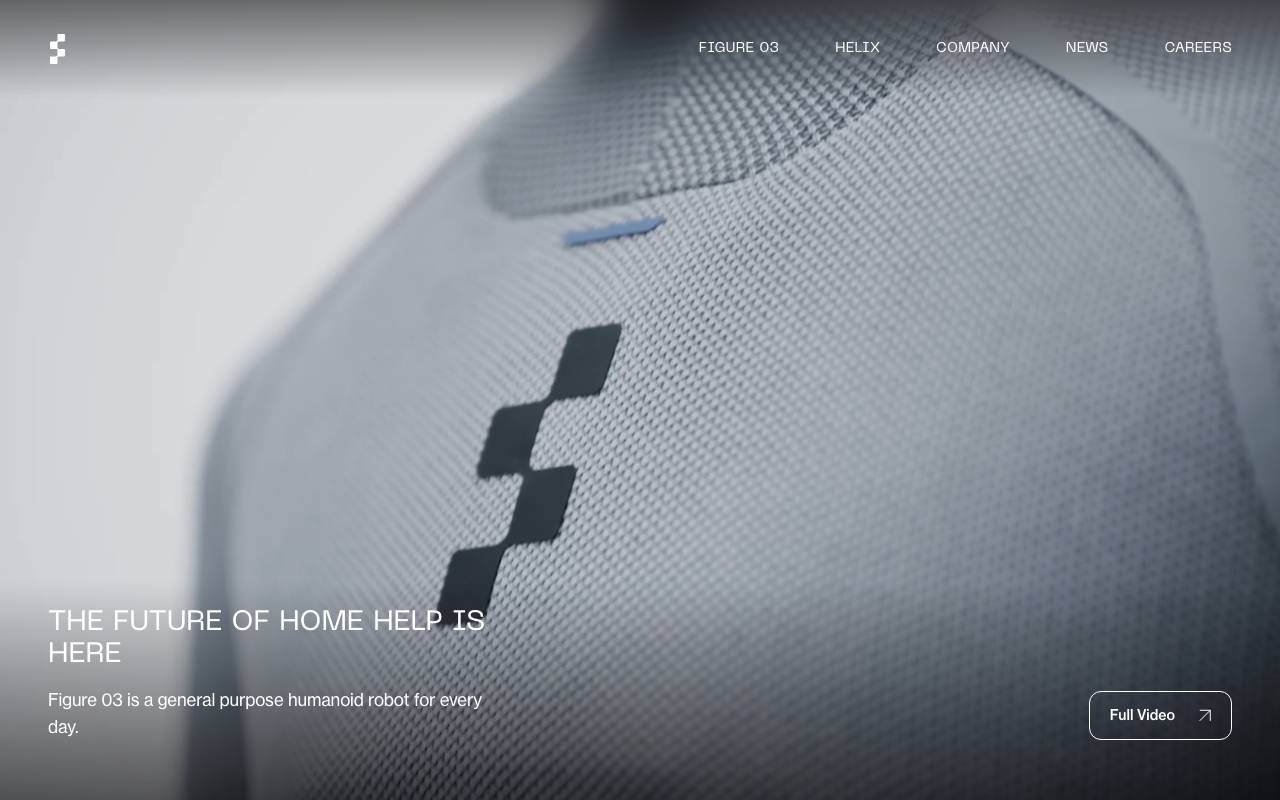
Figure AI is a robotics company building general-purpose humanoid robots intended to perform a wide range of human-like physical tasks. Its hardware platform takes a bipedal, human-shaped form, which the company argues allows robots to operate in environments and use tools designed for people without requiring changes to the surrounding space. The company's latest robot, Figure 03, is positioned as a general-purpose humanoid intended for everyday use, including household and home-help tasks. Earlier iterations were aimed more squarely at commercial and industrial settings such as manufacturing and logistics, where repetitive manual labor is common. Figure's robots are driven by an AI system the company calls Helix, which is described as enabling the robot to perceive, reason about, and act within unpredictable, changing environments. This vision-language-action approach is meant to let the robot interpret its surroundings and carry out tasks rather than following rigidly pre-programmed motions. Figure positions itself among a small group of companies pursuing commercially viable humanoid robots, alongside efforts from firms such as Tesla (Optimus), Agility Robotics, and Boston Dynamics. The category is still early, and much of what is shown publicly comes via demonstration videos rather than broadly available products. As with other humanoid robotics ventures, claims about capabilities should be weighed carefully against real-world deployment. General-purpose autonomy in homes and workplaces remains a hard, unsolved problem, and timelines, reliability, pricing, and availability are not yet established for consumer use.
- General-purpose bipedal humanoid robot platform
- Helix AI for perception and task execution
- Designed to navigate dynamic, unstructured environments
- Human-form factor for tool and environment compatibility
- Targeting both home and industrial applications


Aurora Innovation은 다양한 차량 유형과 사용 사례에서 작동하도록 설계된 자율 주행 시스템인 Aurora Driver를 개발합니다. 이 플랫폼은 장거리 FirstLight 라이더와 머신 러닝 및 가상 테스트 스위트를 결합하여 복잡한 고속도로와 도시 환경을 탐색합니다. 회사는 상업용 차량 대형을 통합하기 위해 주요 OEM 및 물류 제공업체와 협력합니다. Aurora는 도로 안전을 개선하고 운전기사 부족을 완화하며 장거리 수송의 효율성을 높이는 것을 목표로 합니다. 소비자 제품을 판매하는 대신 Aurora는 차량 제조업체와 차량 운영 업체에 기술을 서비스로 제공하여 트럭과 탑승 차량 시장에서 운전자 없는 상업적 운영을 구축합니다.
- Aurora Driver 자율 주행 플랫폼
- FirstLight FMCW 라이더 감지
- 시뮬레이션을 위한 Virtual Testing Suite
- 미국 고속도로에서 자율 주행 트럭 파일럿
- Driver-as-a-Service 비즈니스 모델
- 주요 OEM 차량 플랫폼 통합

Unitree R1
Compact 26-joint humanoid robot with multimodal AI for research and education
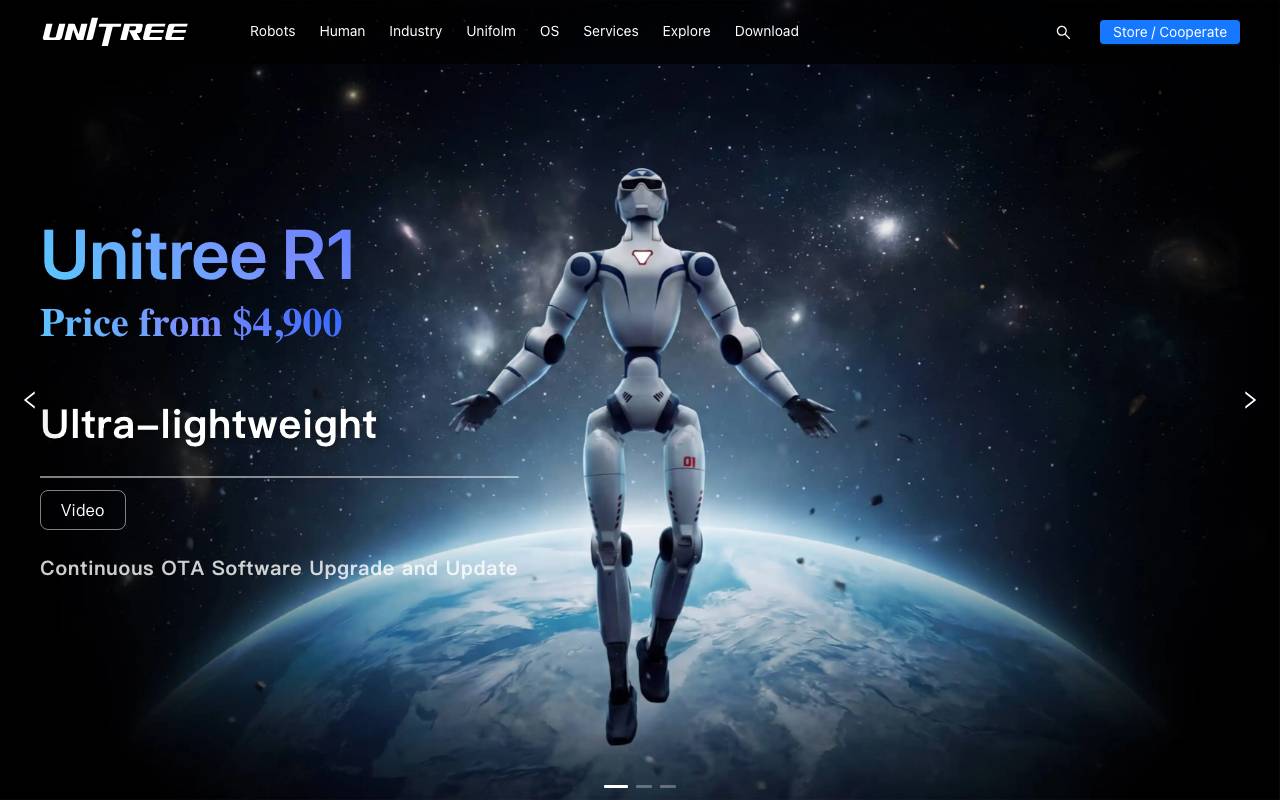
Unitree R1 is an ultra-lightweight humanoid robot designed to make advanced robotics accessible to researchers, educators, and developers. With 26 articulated joints, it can perform a wide range of dynamic movements while remaining portable and manageable in lab or classroom settings. The platform integrates multimodal AI capabilities, allowing it to process visual, auditory, and contextual inputs for interaction and learning tasks. Its accessible price point relative to industrial humanoids positions it as a practical tool for teaching robotics fundamentals, prototyping algorithms, and exploring embodied AI. R1 fits into curricula and research programs focused on locomotion, manipulation, computer vision, and human-robot interaction, offering a tangible platform for experimentation without the overhead of larger systems.
- 26 articulated joints
- Ultra-lightweight humanoid form factor
- Multimodal AI processing
- Research- and education-focused pricing
- Programmable motion and behavior
- Support for embodied AI experimentation
모든 5개의 AI Robotics 도구 둘러보기
완전하고 검색 가능한 디렉터리 — 실제 사용자 리뷰로 순위가 매겨졌습니다.


