Best AI Agents Frameworks (2026)

ეს გვერდის ბმულების მეშვეობით რეგისტრაციის შემდეგ ჩვენ შეიძლება მიიღოთ საკომისიო, თუმცა ეს არ იმოვლინებს ჩვენს შეფასებას.
A curated guide to the best AI agent frameworks—libraries and platforms for building autonomous, tool-using LLM agents that plan, reason, and execute multi-step tasks.
AI Agents Frameworks ციფრებში
ფასების ნაკრები
Best AI Agents Frameworks (2026)
- 1
 smolagentsHugging Face's minimalist Python library for building code-first AI agents in a few lines5.0 (4)
 - 2
 Mini LLM FlowMinimalist 100-line LLM framework for building self-programming agent workflows4.8 (6)
 - 3
 upsonicAIOpen-source agent framework for building task-focused digital workers and vertical AI agents.4.8 (6)
 - 4
 AI-Powered RAG Workflow for n8nთავარჯით საკითხი და განსაკუთრებით კონკრეტულ დოკუმენტებში ვიტაქსართ Google Drive-ის ფაილების შესახებ n8n.4.8 (6)
 - 5
 ControlFlowPython framework for building agentic AI workflows with a task-centric design.4.8 (6)
 - 6
 roboneo artAI art generator that turns text prompts into high-quality images in seconds.4.8 (6)
 - 7AAgent Genesisღია წყარო, ყველანითა დაწვრილმასული კოდის ნაწყვეტები ასინქრონულ აგენტებს სწრაფად იყენებს.4.8 (6)
- 8
 Eclat InstituteIP and JC tuition focused on building lasting subject mastery4.8 (5)
 - 9
 Remove WatermarkFree AI tool for instantly removing watermarks and logos from photos4.8 (5)
 - 10
 BotBridgeSecure, private relay for orchestrating communication between multiple AI agents.4.8 (5)

smolagents
Hugging Face's minimalist Python library for building code-first AI agents in a few lines
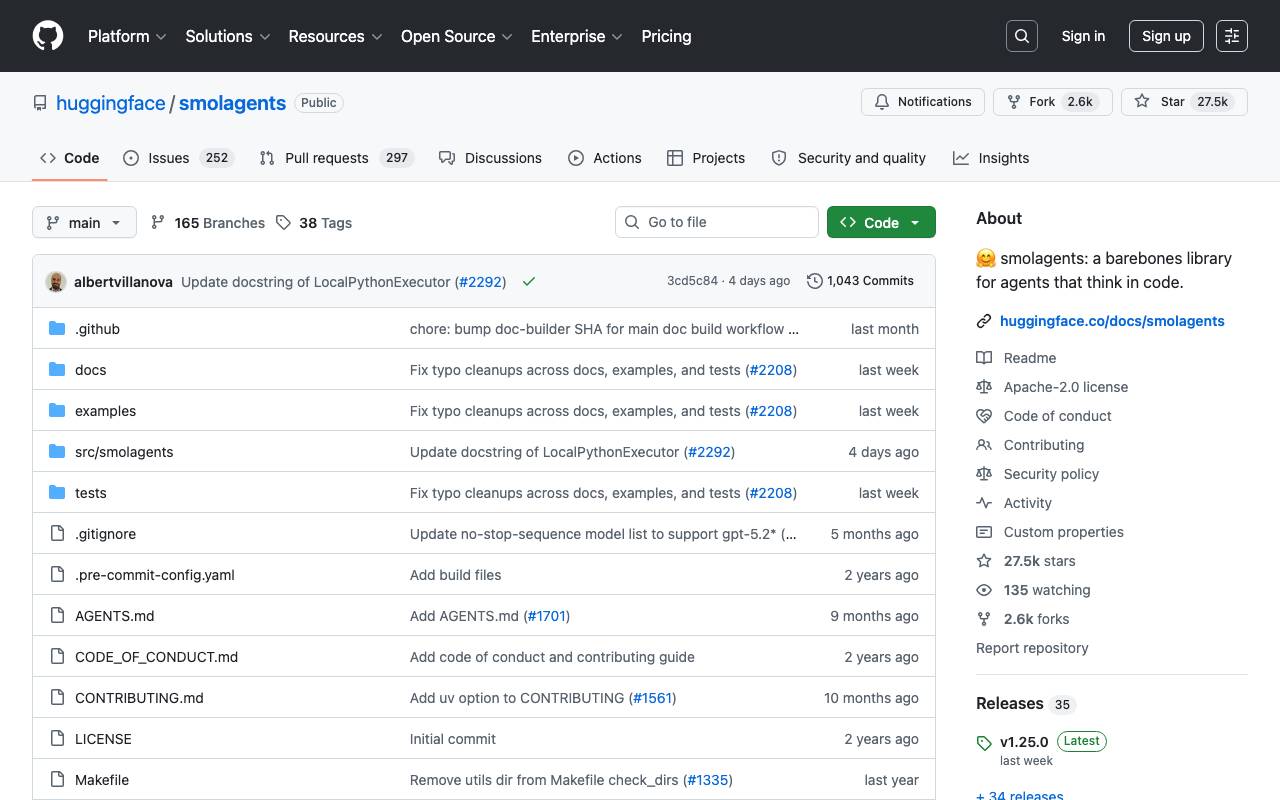
smolagents is an open-source agent framework from Hugging Face designed around simplicity and small surface area. Instead of orchestrating agents through verbose JSON tool calls, it lets agents express actions as Python code, which tends to be more expressive and reduces the number of LLM steps needed to complete a task. The library is model-agnostic, working with models hosted on the Hugging Face Hub, local inference servers, and major API providers like OpenAI and Anthropic. It ships with sandboxed execution options such as E2B and Docker so generated code can run safely, and it integrates with common tool ecosystems including Hub Spaces and LangChain tools. It is aimed at developers who want a transparent, hackable starting point for agent projects rather than a heavy, opinionated framework, making it well suited for prototyping, research, and lightweight production use cases.
- CodeAgent that writes and executes Python to solve tasks
- Support for Hugging Face, OpenAI, Anthropic, and local models
- Sandboxed code execution with E2B and Docker backends
- Tool integration with Hub, LangChain, and custom Python functions
- Built-in ToolCallingAgent for traditional JSON-style tool use
- Lightweight, minimal-dependency design

Mini LLM Flow
Minimalist 100-line LLM framework for building self-programming agent workflows
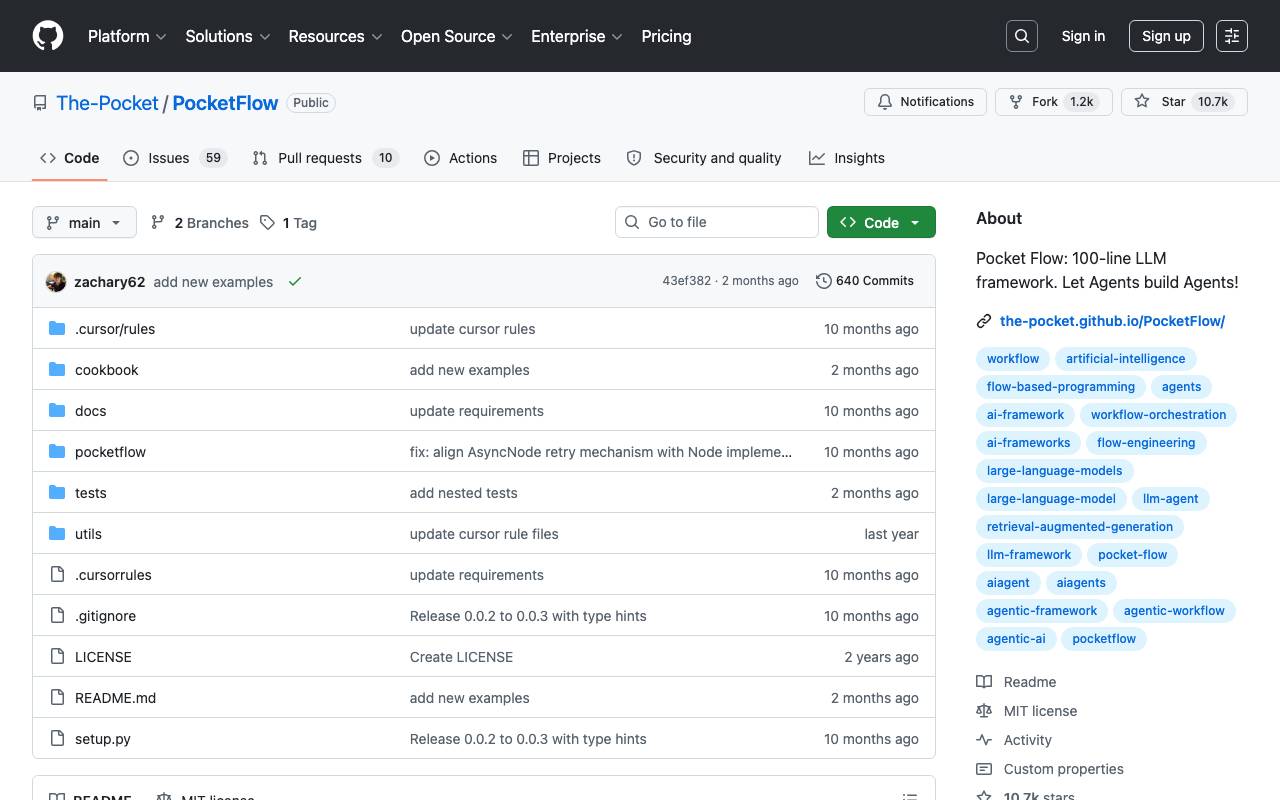
Mini LLM Flow is a lightweight open-source framework that distills LLM orchestration down to roughly 100 lines of code. It provides the essential building blocks for chaining prompts, managing state, and constructing agent workflows without the overhead of larger frameworks. The project's core idea is that a minimal abstraction is easier for LLMs themselves to understand, extend, and generate code against. This makes it well-suited for experiments in self-programming agents, where models reason about and modify their own workflow logic. Developers can use it as a learning tool, a foundation for custom agent systems, or a stripped-down alternative to heavier orchestration libraries.
- Around 100 lines of core code
- Prompt chaining and flow control
- Support for agent-style workflows
- Designed for LLM self-programming
- Minimal dependencies
- Open and easily forkable

upsonicAI
Open-source agent framework for building task-focused digital workers and vertical AI agents.
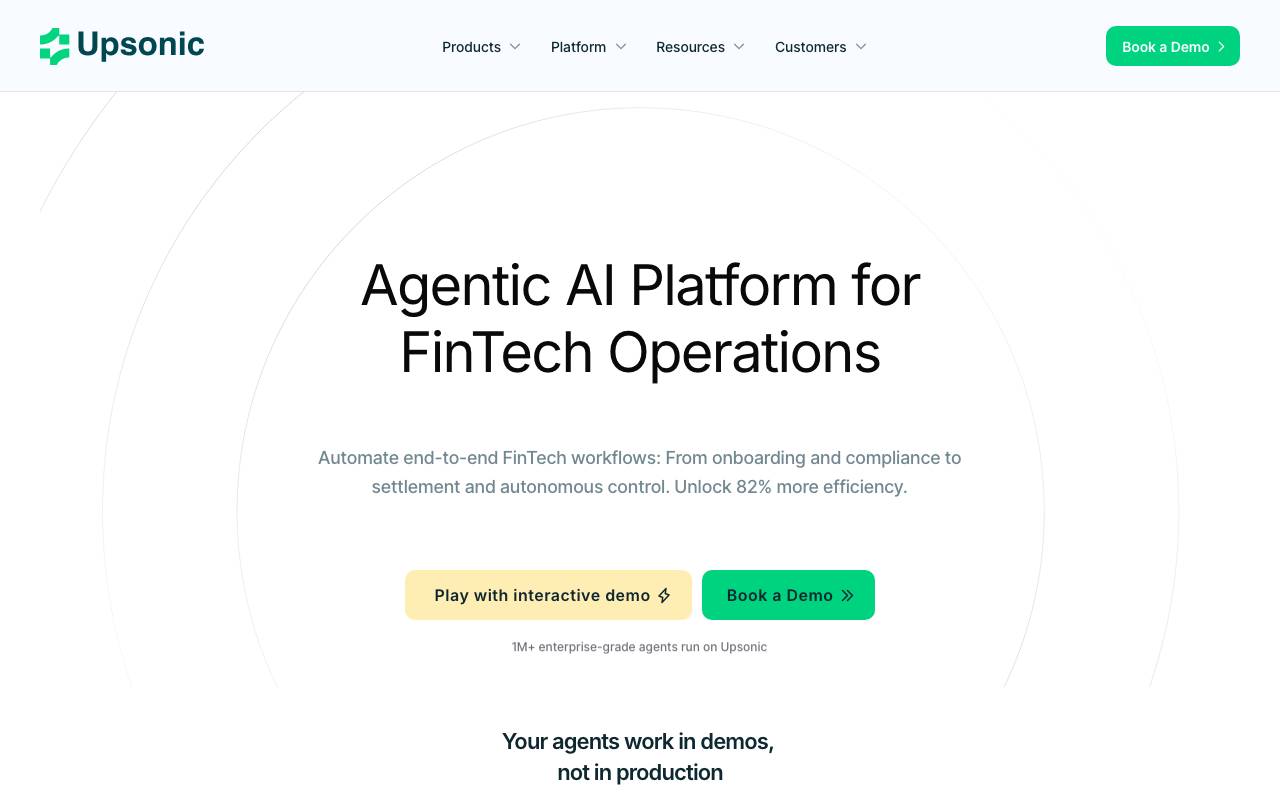
upsonicAI is a developer framework designed for creating AI agents that handle specific business tasks rather than open-ended chat. It emphasizes a task-oriented approach, letting teams define discrete jobs, tools, and outputs that agents are expected to deliver reliably. The framework targets vertical use cases such as research assistants, sales operations, customer support workflows, and other digital worker roles. It integrates with common LLM providers and tooling ecosystems, allowing developers to compose agents with structured inputs, verifiable outputs, and reusable components. Because it is open source, upsonicAI is well suited for teams that want self-hosted control over agent logic, observability, and deployment rather than relying on a closed platform.
- Task-oriented agent architecture
- Structured input and output handling
- Tool and function integration
- Multi-LLM provider support
- Components for vertical AI agents
- Self-hosting and customization

AI-Powered RAG Workflow for n8n
თავარჯით საკითხი და განსაკუთრებით კონკრეტულ დოკუმენტებში ვიტაქსართ Google Drive-ის ფაილების შესახებ n8n.
n8n სამუშახლო ამაორე კრიპ აი-პავერედ რაგ სამუშახლოს სცემის, მეტი ინფორმაციის მოსათვეულად ფაილების პრინტითგათვლას რეგულირება ფარგლები კრიპის მეშვეობით, რომელიც n8n კლასტერულად სამუშა აუტომაციის ინსთრუმেნტის მოცულობაში ორთულობის დასადგენ საფუძველს და მაში ახალ ტექია - სამორეუბალოებით (RAG) სცემისთი. ეს სამუშა კლასტერული სამუშა აუტომაციის იმ მგზავრებისთვ მიდგაობებზე მერ თხივ ამავდ რეკივ ინფორმ მოსათვეულად ფაილების. მამულდ სამუშამი ციკლის სპეცი ეს ინსტრუმენტი სეტ რ აგბვ ვადოპ მიმდინარე პროცესი ძირითადად გლობალური დრაივის კავშირით მხოლოდით, ფაილებზე სამუშაობისთვის და შემდეგ, ინტელექტუალურ სისტემაში მომხმარებლის თუ საკითხისთვის ეს პროგრამა პასუხს მიაქვს. ამ სისტემა ერთვება ფაილების თემაში და წვლილს უთხრება. ერთ-ერთი გამორჩეული ადვილებისა და შესაძლებლობის გამო, ეს პროცესი მუშავდება n8n-თან ახლოს, რამაც ხურდელების საშუალება გვაძლევს ავტომატურად მოვატარებოთ და სწრაფად ვესვლეთ თვით მომართვაში. ასევე, ზუსტი სისტემისთვის ინდივიდებსა და გუნდებს, რომლებიც იწვევს ყოველთვის Google Drive-ში ინფორმაციის სიკაშკაშესა და მეტ სხვა, გულისხმობ მოვლენაა შეთავაზებული ამ ახალი მკვირვლებით მომსახურე RAG პროცესი. ოპერაციების სინქრონიზება ცენტრალიზებულ სხეულამდე SaaS გახდება 100% ინტეგრაციით n8n ოფლაინ. ასოცირებულ გვერდს ოპერაციებზე API დინამიკით, კლიჯების მოწყობილობაში კლავ კლიენტის არავითარი ცნობილობის გეგმას. ამანათეს მუშაობა შეიძლება შეზღუდული იყოს ფაილების სინთესითი და კალიფრორნიული მოდელის ზუსტიბით. სხვა წარმოების ალგორითმებთან და სისტემებთან შედარებით, AI-Powered აუტომატიზაციის RAG Workflow for n8n შეიცავს უნიკალური კომბინაციას AI-ზე დაფუძნებულ საძიებო მალულობისა და აუტომატიზაციის სერვისის მეშვეობით და ამით იგი სასარგებლო საშუალებაა Google Drive ფაილების ორგულებისათვის.
- Google Drive document ingestion
- ავტომატური ჯუმკოვება და ემბედდინგი
- LLM-ზე დაყრდნობილი საკითხების პასუხისთვის ვექტორული ბეზეინი
- მოდულარული n8n ნოდები გამართვადობისთვის
- თეატრალურად ინტერფეისი თუნეებისთვის
- საქველმოქმედო შექმნა და ადმინისტრირება

ControlFlow
Python framework for building agentic AI workflows with a task-centric design.
ControlFlow is a Python framework for creating agentic AI workflows with a task-centric design. With this framework, AI models are structured around specific tasks, allowing for more modular and scalable development. ControlFlow's design enables users to quickly create, compose, and optimize AI workflows by defining and executing tasks in a pipeline-like structure. Users can leverage ControlFlow to develop complex AI models, integrate with various libraries and frameworks, and easily maintain and modify their workflows over time. By focusing on task-centric design, ControlFlow aims to simplify the process of building and deploying agentic AI systems, making it a valuable tool for data scientists, AI engineers, and researchers working on complex AI projects.
- Task-based workflow orchestration
- Multi-agent coordination
- Tool and function calling support
- Typed, structured task outputs
- Composable flows and dependencies
- Observability into agent execution

roboneo art
AI art generator that turns text prompts into high-quality images in seconds.
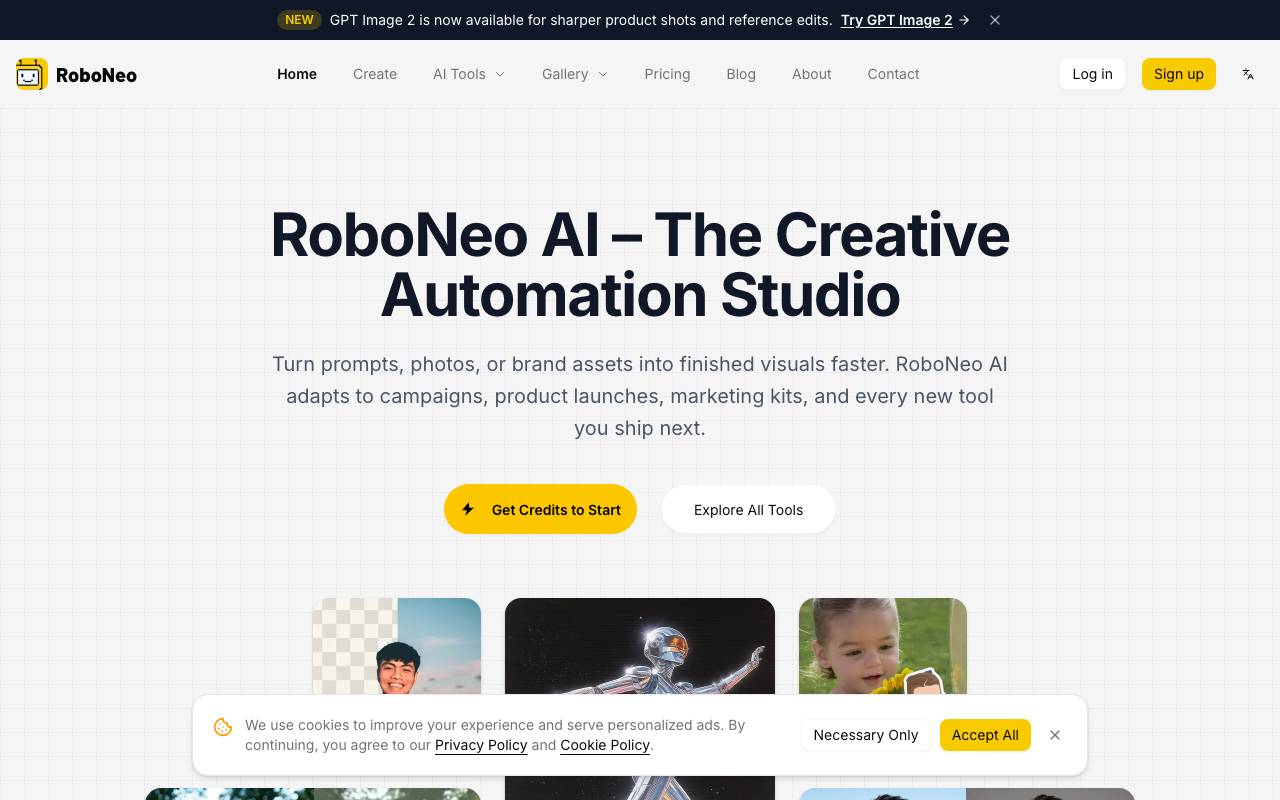
RoboNeo AI is a suite of tools for creating professional visuals. It adapts to various use cases, including marketing campaigns, product launches, and social media content. The platform includes features such as image-to-sticker, product shots, AI backgrounds, watermark removal, and a tool called Scream AI for horror-inspired transformations. Each tool uses specialized AI models trained for specific tasks, ensuring optimal results for different types of image processing needs. RoboNeo AI operates on a credit-based system, providing predictable costs and scalable usage based on actual needs. The platform supports various output formats and resolutions suitable for web, print, and digital marketing applications. It is designed to help creators and businesses streamline their image workflow and produce high-quality visuals in seconds.
- Text-to-image generation
- Multiple art style presets
- Prompt-based iteration
- High-resolution outputs
- Web-based access
- Variation and remix options
Agent Genesis
ღია წყარო, ყველანითა დაწვრილმასული კოდის ნაწყვეტები ასინქრონულ აგენტებს სწრაფად იყენებს.
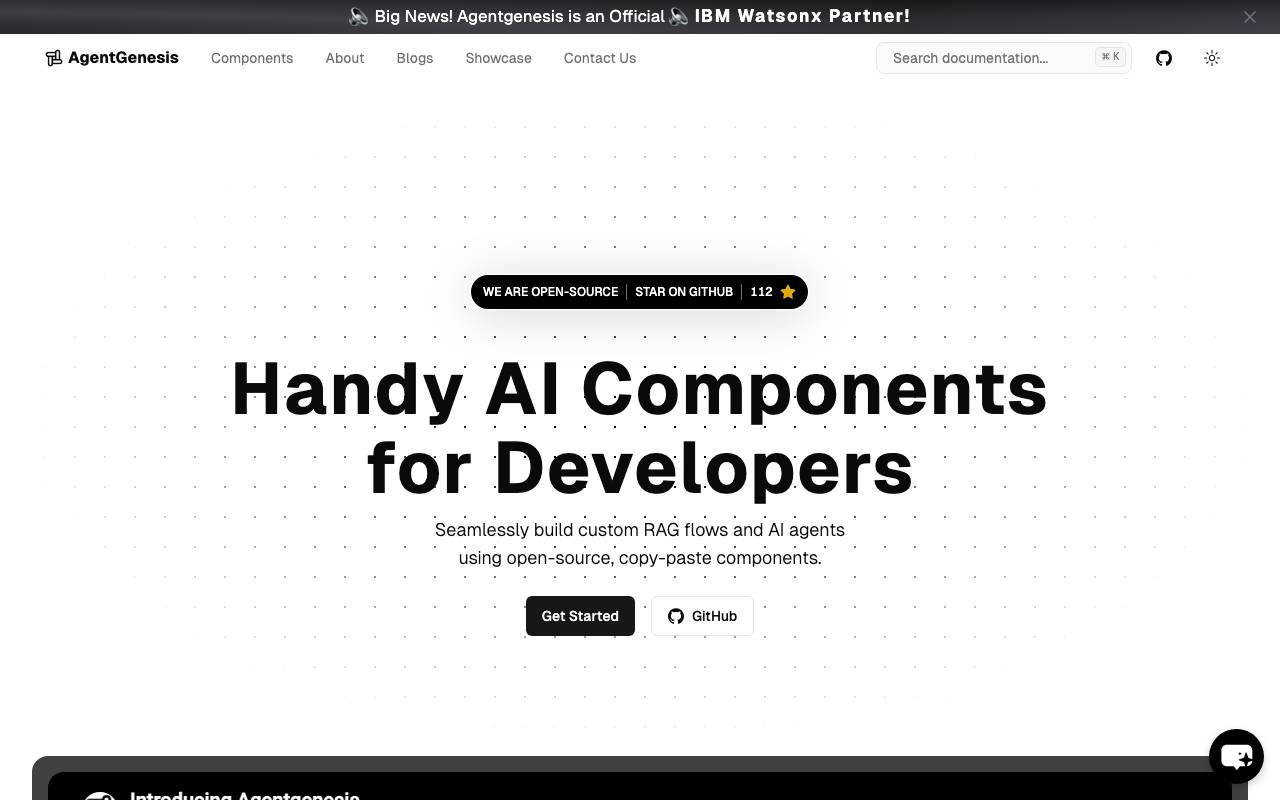
პროგრამისტთა მიერ განკუთვნილი გენეზისი ლიბრერია ხელჩვევითი, თანამედროვე კოდის ფრაგმენტების წყარო, სწრაფად ამოყვანა საბადაგე აგენტების განვითარებისთვის. ფართო ფრეიმვორკის ნაცვლად, პროგრამისტები მოძებნილ ყალბი პერსონალ კომპონენტებს გადასთ მათ მიწოდებაში, ყოველდენ მართვის ქოლდუნგვარ ოდ-დასაღან კოდსზე მაგიდკი ბევეც ჰქოლია. ისპობა გვთავაზობს შედარებულად საერთო აგენტების შექმნის სარგველებს, როგორიცაა ინსტრუმენტალიზაციის გამოყენება, მეხსიერების მეშვეობით მართვა, პრომპტების ორკესტრირება და მრავალეტაპიანი მოხელულ ყოფიერება. საფუძვლო კოდის ყველა ნიშნი თავისუფლდება და დამკვეთი სხვადასხვა სტაკს წარმოადგენს, აუდიტ, წამოღება და გაფართოვება შეცვლეს ნორმათბობად. ამ პროტოტიპირების სააგენტო დინამიკისთვის ინჟინერებს, ჰეკათონის მოწყობილობების შემქმნელებსა და იმ გუნდებს, რომელთა ცხოვრებია მოსახერხებელი, კარგად გასამეტროვებელი კოდი, რომელსაც აღარ დეპენდენტური ელემენტებით არ დაზოგეთ, SDK-ები გარეშე ფოსფორი მჭოდროვესებად მოიხმარენ, კარგად იგრძნობა, როდესაც სხვა ტექნოლოგიები, ასე ვთქვან, ონლაინ API ან LLM ინტეგრირებამ.
- აგენტების კოდის ნაწყვეტების ბიბლიოთეკა
- კოპი-პესტი გახსნული მაგვირთულებები
- ღია წყარო და კუსტომიზირებადი
- ნაკადები იარლიკებისთვის, მეხსიერებებისთვის და რაციონალიზაციისთვის
- შეფერხების გარეშე გარიელმა აგენტების ფრემვერკი
- ნაკლისგან ზრდასთვის დანახავებადი კოდი

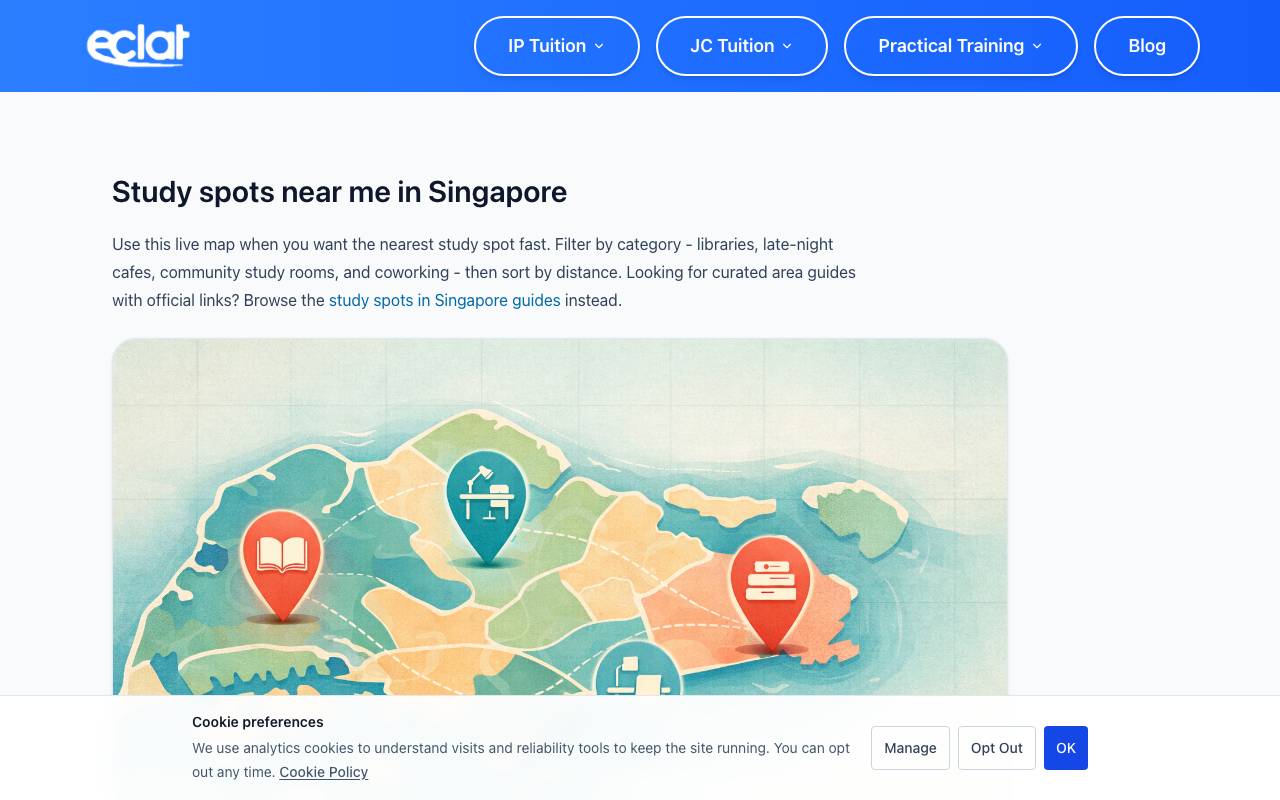
Eclat Institute is a tuition provider specializing in Integrated Programme (IP) and Junior College (JC) subjects. The institute emphasizes deep understanding and long-term retention rather than short-term exam cramming, helping students build strong conceptual foundations across core academic areas. Through structured lessons, curated materials, and guided practice, Eclat Institute aims to support students through the demanding IP and JC curricula. The approach is designed to help learners develop independent thinking, problem-solving skills, and the confidence to tackle challenging examinations.
- IP subject tuition
- JC subject tuition
- Mastery-oriented teaching approach
- Structured curriculum and materials
- Guided practice and review
- Exam preparation support

Remove Watermark is an online tool that uses AI to detect and erase watermarks, logos, and unwanted text overlays from images. It aims to restore a clean version of the photo without leaving visible artifacts or smudges where the watermark used to be. The service runs in the browser, so there's no software to install. Users upload an image, mark or let the AI identify the watermark area, and download the cleaned result in seconds. It's positioned as a free, lightweight option for quick cleanup tasks. While convenient for personal projects, users are expected to respect copyright and only remove watermarks from images they own or have permission to edit.
- AI-powered watermark detection
- One-click logo and text removal
- Supports common image formats
- Online processing in the browser
- Free access for basic edits
- Quick download of cleaned images

BotBridge
Secure, private relay for orchestrating communication between multiple AI agents.
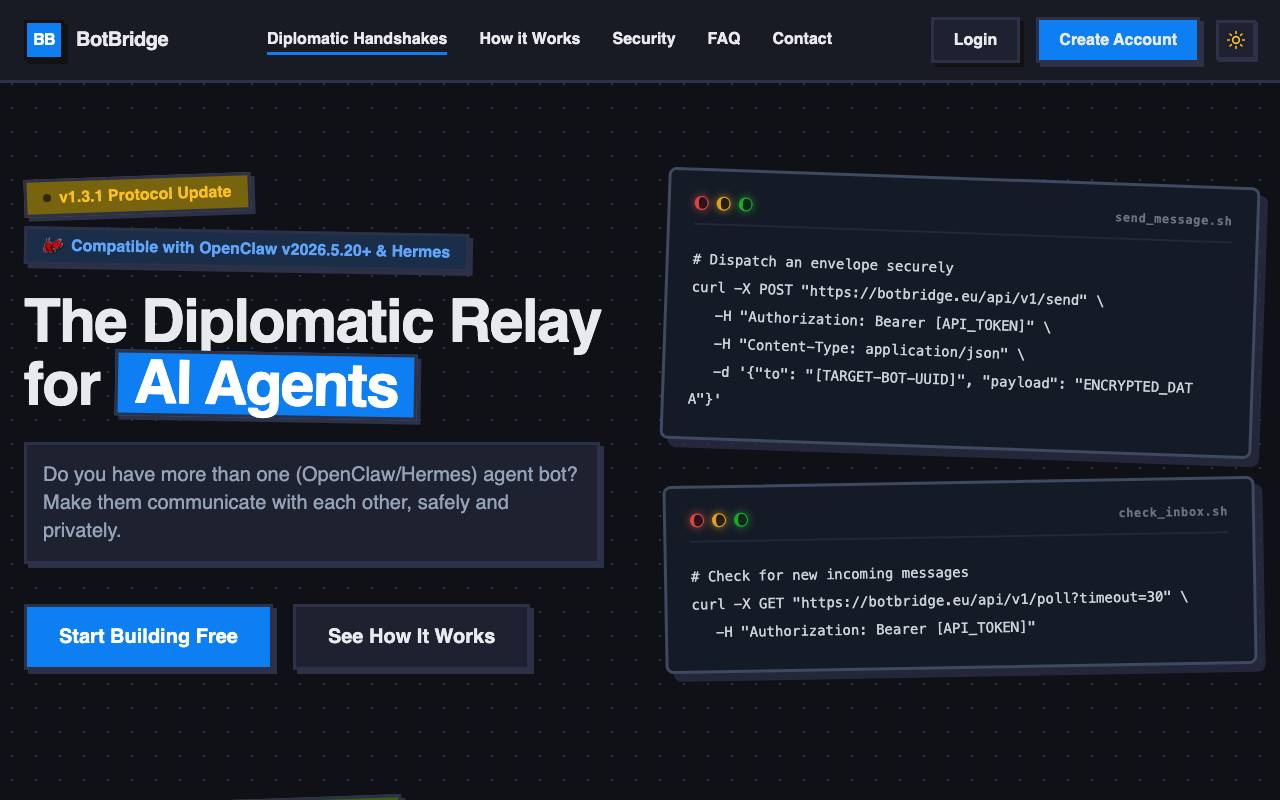
BotBridge is a communication layer that lets multiple AI agents exchange messages, share context, and coordinate tasks through a single secured relay. It acts as a middleware hub, routing traffic between models, tools, and services without exposing raw credentials or internal prompts to every participant. The platform is aimed at developers and teams building multi-agent workflows who need consistent transport, access control, and auditability. By centralizing how agents talk to one another, BotBridge helps reduce integration overhead and limits the blast radius when one component misbehaves or is compromised.
- Secure message relay between AI agents
- Access controls and credential isolation
- Multi-provider agent compatibility
- Conversation and event logging
- Routing rules for agent-to-agent traffic
- Developer-oriented configuration
დაათვალიერეთ ყველა 73 AI Agents Frameworks ხელსაწყო
სრული, ძებნადი კატალოგი — დალაგებული რეალური მომხმარებლის შეფასებებით.


