Best AI Agent Memory (2026)

ეს გვერდის ბმულების მეშვეობით რეგისტრაციის შემდეგ ჩვენ შეიძლება მიიღოთ საკომისიო, თუმცა ეს არ იმოვლინებს ჩვენს შეფასებას.
A curated guide to the best AI agent memory tools, covering platforms that give LLM-based agents persistent context, recall, and long-term knowledge across sessions and tasks.
AI Agent Memory ციფრებში
ფასების ნაკრები
Best AI Agent Memory (2026)
- 1LLettaFramework for building stateful AI agents with long-term memory and continuous learning.5.0 (6)
- 2
 AI Driveღრუბლოვანი შენახვა AI შესაძლებლობებით დოკუმენტების ანალიზის, ძიებისა და თანამშრომლობისთვის.4.7 (6)
 - 3
 ZepAgent memory platform for enterprise-scale AI, built on context graphs.4.5 (6)
 - 4
 Mem0A persistent memory layer designed to provide long-term, personalized context for large language models and AI agents.4.3 (6)
Letta
Framework for building stateful AI agents with long-term memory and continuous learning.
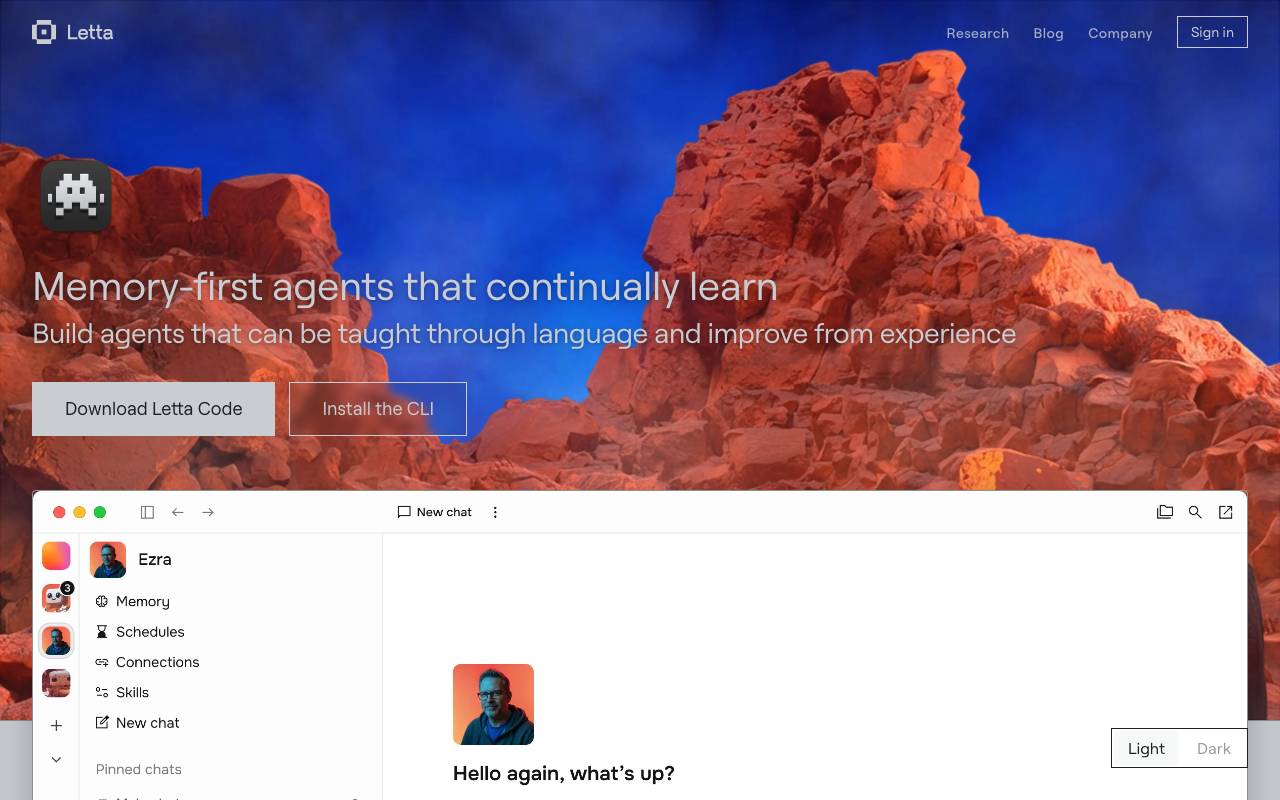
Letta is a developer platform for creating AI agents that retain context across sessions, learn from interactions, and improve their behavior over time. Unlike stateless chatbots, Letta agents maintain persistent memory, allowing them to recall past conversations, user preferences, and accumulated knowledge. The framework provides infrastructure for managing agent memory, reasoning, and tool use, with support for multiple LLM providers. Developers can build, deploy, and observe agents through SDKs and a visual interface, making it suited for applications like personal assistants, customer support, and autonomous workflows that benefit from continuity.
- Stateful agents with persistent memory
- Self-editing memory blocks
- Multi-LLM provider support
- Tool and function calling
- Agent Development Environment (ADE)
- REST API and Python/TypeScript SDKs

AI Drive
ღრუბლოვანი შენახვა AI შესაძლებლობებით დოკუმენტების ანალიზის, ძიებისა და თანამშრომლობისთვის.
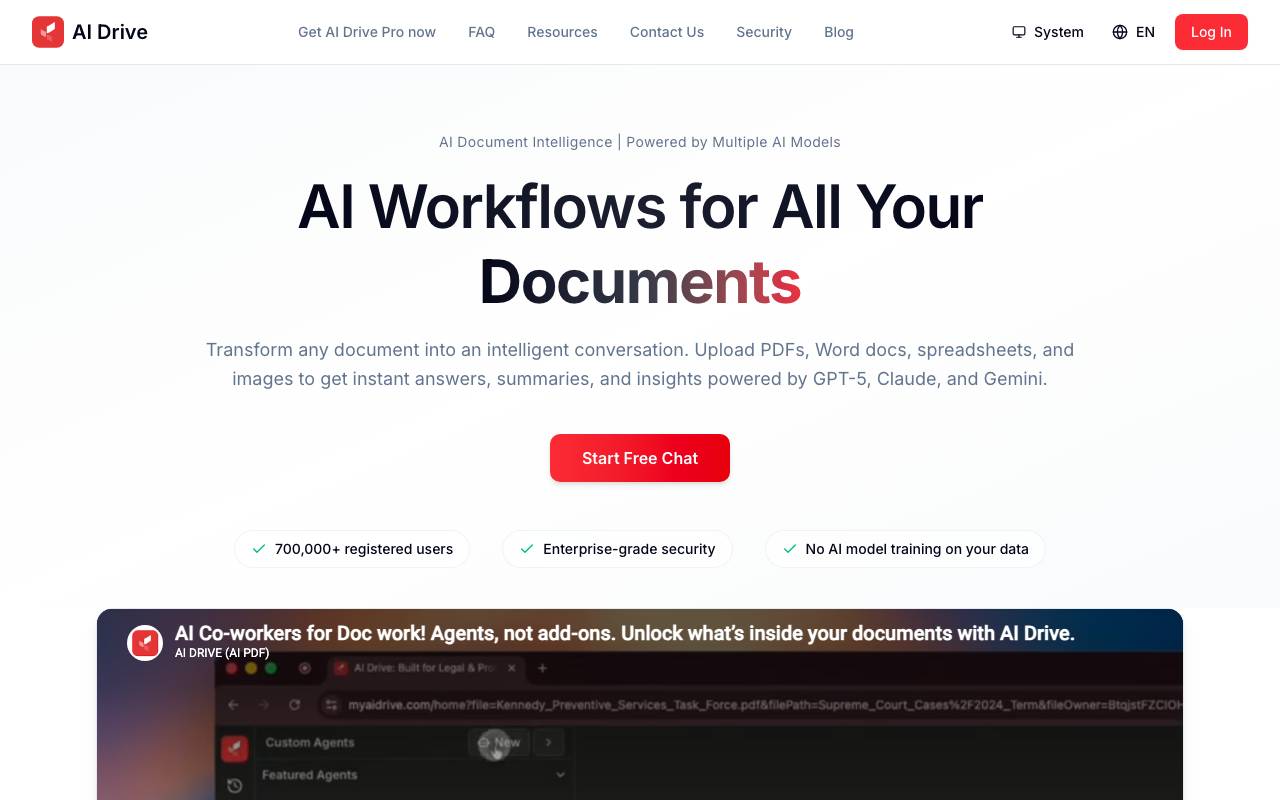
AI Drive არის ინტელექტუალური დოკუმენტების მართვის პლატფორმა, რომელიც სტატიკურ დოკუმენტებს ინტერაქტიულ, ძიებადი ცოდნის ბაზებად გარდაქმნის. ის კლაუდ შენახვას აერთებს განვითარებულ ხელოვნურ ინტელექტთან, რაც მომხმარებლებს საშუალებას აძლევს დოკუმენტების ატვირთვის, ორგანიზების და კონვერსაციულ AI-ს გამოყენებით მათთან ურთიერთობის. პლატფორმის მიზანია დოკუმენტების ანალიზი, ძიება და თანამშრომლობა გახადოს უფრო ინტუიტიური და ეფექტიანი სხვადასხვა სფეროში. მომხმარებლებს შეუძლიათ ატვირთონ სხვადასხვა ფაილების ტიპები, მათ შორის PDF, Word-ის დოკუმენტები, ელექტრონული ცხრილები და სურათები. სისტემა მომხმარებელს საშუალებას აძლევს მიიღოს ინფორმაცია ინსტანტურად, შეჯამებები და დახვეწილი ინფორმაცია, რომელიც მრავალ შერჩეულ AI მოდელზეა დაფუძნებული, მათ შორის GPT-5, Claude და Gemini. ეს მრავალმოდელიანი მიდგომა ანალიზის, წერის და კვლევის განსხვავებული ტასკებისთვისაა გათვლილი, რაც მომხმარებლის კონკრეტულ დანიშნულებაზე დაფუძნებულ მანიპულაციას საშუალებას აძლევს. მთავარი შესაძლებლობებში შედის ავტომატური OCR, რომელიც სკანირებულ დოკუმენტებს გადაყვანს ძიებადი და რედაქტირებადი ტექსტში მაღალი ზუსტით, და Smart Metadata Extraction, რომელიც ავტომატურად იდენტიფიცირებს კრიტიკულ ინფორმაციას, როგორებიცაა სათაურები, ავტორები და დოკუმენტის ტიპები. პლატფორმა ასევე ოფერებს Multi-Session Chat-ს, რომელიც მომხმარებელს საშუალებას აძლევს მრავალ დოკუმენტზე ერთდროულად იმუშაოს, და შესაძლებლობას ქმნას Custom AI Agents პირადი პრომპტებითა და ცოდნის ბაზებით სპეციფიკური ამოცანებისთვის, როგორებიცაა იურიდიული დოკუმენტების ანალიზი ან ფინანსური ანგარიშგება. დეველოპერებისთვის, "Live Artifacts" შეუძლია გენერირება HTML კომპონენტების და კოდის რეალურ დროში ხედვით. AI Drive საკუთარ ინდივიდუალურ აგენტებს განსხვავებულად აღწერს, როგორც „შესაძლებლობების მქონე ასისტენტებს“, რომლებიც შეუძლიათ მონაცემების მასშტაბური ექსტრაქცია, PDF-ფაილების მანიპულაცია სხვადასხვა ნაკრებში, ყველაფერის ერთდროულად ძიება და ისეთი დოკუმენტების შექმნა, როგორიცაა ქრონოლოგიური ცხრილები ან შედარებითი ანგარიშები. ეს განსხვავდება „ჩვეულებრივი AI ჩათისგან“, რომელიც პასუხებს შეიძლება გაძლევდეს, მაგრამ დიდი მასშტაბის მონაცემების ოპერაციებს ვერ შეასრულებს. პლატფორმა შექმნილია კორპორატიული უსაფრთხოების სტანდარტებით, რომელიც მოიცავს end-to-end შიფრაციას (TLS ტრანსპორტში, AES-256 გაჩერებისას), უსაფრთხო ინფრასტრუქტურას Google US მონაცემების ცენტრებში, შეზღუდულ წვდომას და ვერაგირებად პირობას, რომ AI მოდელებს მომხმარებლის მონაცემებზე არ ვაწვრთნებთ. ISO 27001 და SOC-2 Type 2 შესაბამისობის სერტიფიკატები მიმდინარეობის შესახებ იყოს განხილული.
- AI-ძალის დოკუმენტების ჩატ-ინტერფეისი
- ავტომატული OCR გაზიარებული დოკუმენტებისთვის
- სმარტი მეტადანების ექსტრაქცია
- მულტი-სესიური ჩატი ერთდროული დოკუმენტების სამუშაოდ
- პირადი AI აგენტები შესაფერებელი ცოდნის ბაზებით
- შერჩევის მრავალი AI მოდელები (GPT-5, Claude, Gemini)

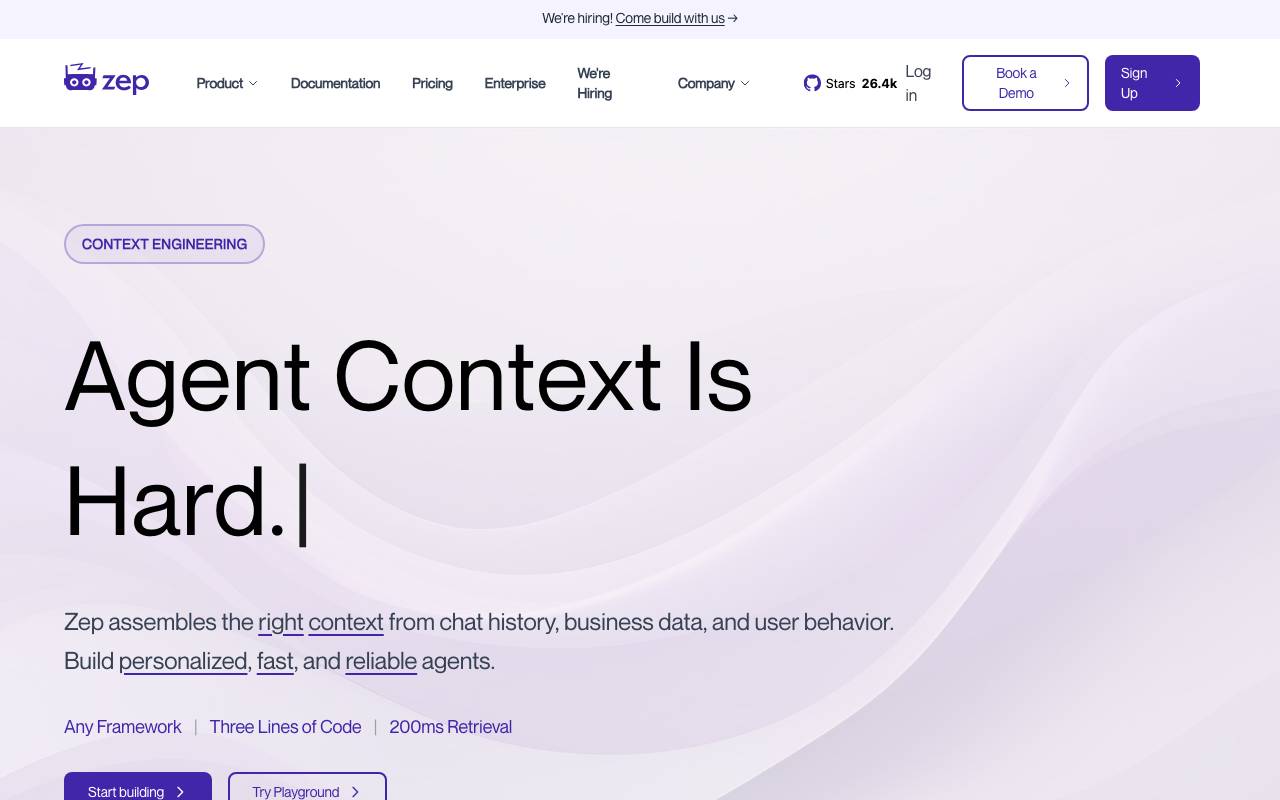
Zep is an enterprise-scale memory platform designed for AI agents, addressing the challenge of maintaining and managing agent memory across numerous users, business data, and past interactions. It aims to provide agents with a continuously learning and evolving understanding of their operational environment, thereby enhancing personalization and accuracy in agent interactions. The core of Zep's architecture is its proprietary Context Graph Engine, which constructs and manages a "Context Lake" of millions of individual context graphs. These graphs are built from diverse sources, including chat history, business data, and user interactions. Zep processes this information to create token-efficient, relevant context for agents through automated context assembly. A key capability is its temporal context graph, which automatically invalidates old facts when new information emerges, ensuring agents always reason with the most current data. Previous states are preserved as history, allowing agents to query what was true at any past date. This system also incorporates "Observations," where Zep analyzes graph structures to surface patterns, recurrences, and co-occurrences in memory, providing agents with a global perspective beyond isolated facts. Zep emphasizes enterprise-grade governance, offering features like attribute-based access control, policy-driven data retention, and full provenance tracking. Every fact within the graph traces back to its original source episode, enabling auditability. The platform is engineered for performance, demonstrating sub-200ms retrieval latency even with graph sizes up to 100 million entities. Designed for seamless integration, Zep can be added to existing agent frameworks or used independently, with SDKs available for Python, TypeScript, and Go. It aims to serve as a foundational layer in the enterprise agent stack, providing a scalable and governed solution for managing complex, evolving agent memory.
- Context Graph Engine
- Context Lake for millions of graphs
- Automated Context Assembly
- Temporal context reasoning
- Provenance tracing for facts
- Observations from memory patterns

Mem0
A persistent memory layer designed to provide long-term, personalized context for large language models and AI agents.
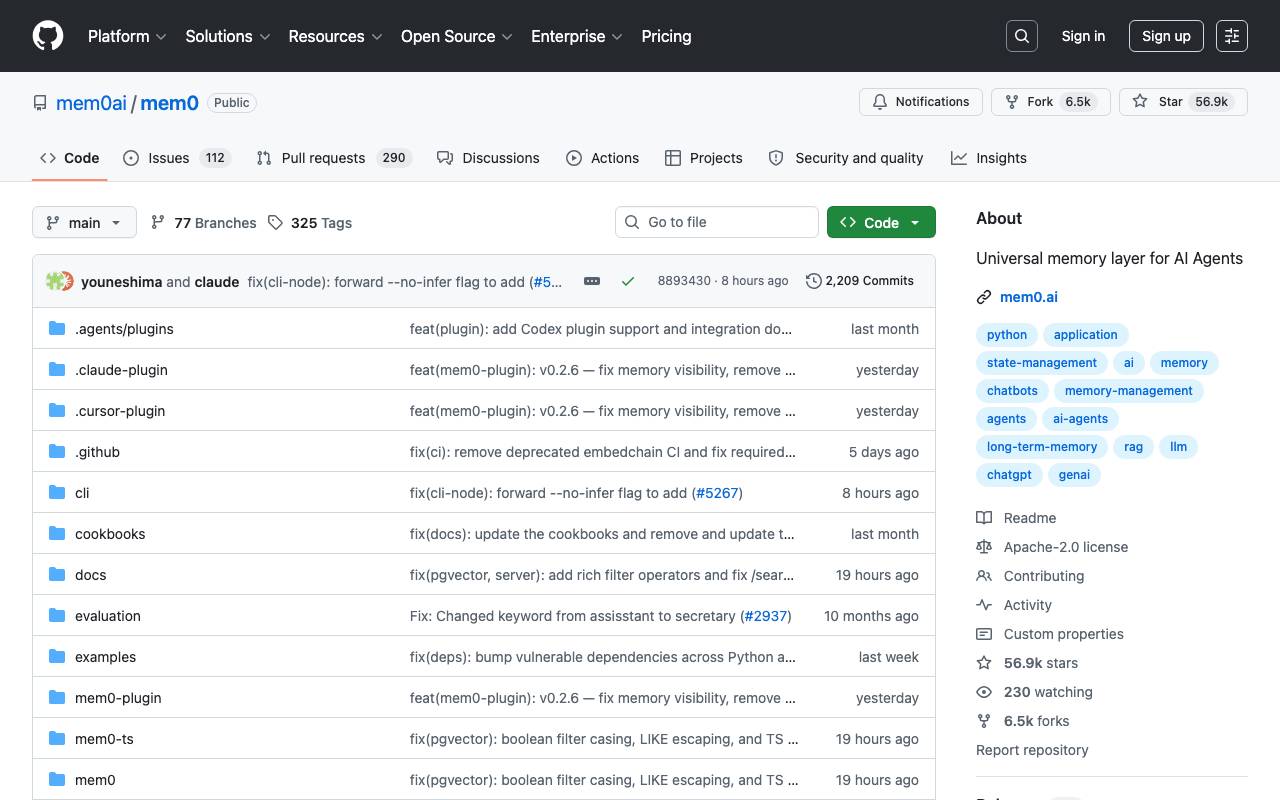
Mem0 is an AI memory layer that integrates with AI assistants and agents to provide personalized and continuous context across interactions. It aims to solve the challenge of maintaining user preferences, adapting to individual needs, and enabling continuous learning for AI systems. The tool utilizes a distinct memory algorithm that focuses on a single-pass, add-only extraction approach, meaning new information is added without overwriting existing memories. Key to its operation are agent-generated facts, which are treated as first-class information. Mem0 also incorporates entity linking, where entities are extracted, embedded, and interconnected across memories to enhance retrieval accuracy. Furthermore, it employs multi-signal retrieval, combining semantic, BM25 keyword, and entity matching to fuse diverse scoring signals, alongside temporal reasoning for time-aware retrieval. Mem0 offers core capabilities such as multi-level memory management, handling User, Session, and Agent states with adaptive personalization. It provides a developer-friendly experience with an intuitive API and cross-platform SDKs for Python and Node.js. Applications include AI assistants requiring consistent, context-rich conversations, customer support chatbots recalling past interactions, healthcare systems tracking patient preferences, and adaptive experiences in productivity tools and gaming. Deployment options are flexible, including a Python/npm library for testing and prototyping, a self-hosted server for teams managing their own infrastructure, and a fully managed cloud platform for zero-operations production use. The platform also reports high benchmark scores on memory evaluation frameworks like LoCoMo, LongMemEval, and BEAM, highlighting its efficiency and recall capabilities.
- Multi-Level Memory (User, Session, Agent state)
- Single-pass, add-only memory extraction
- Entity linking for retrieval boosting
- Multi-signal retrieval (semantic, BM25, entity matching)
- Temporal reasoning for time-aware retrieval
- Developer API, Python SDK, Node.js CLI
დაათვალიერეთ ყველა 4 AI Agent Memory ხელსაწყო
სრული, ძებნადი კატალოგი — დალაგებული რეალური მომხმარებლის შეფასებებით.


