
PyTorch Vision (TorchVision)La libreria ufficiale di visione computerizzata di PyTorch con dataset, trasformazioni e modelli pre-allenati

Panoramica
Funzionalità chiave
- Modelli pre-allenati per la classificazione, la detezione e la segmentazione
- Trasformazioni delle immagini e video componibili
- Caricatore per dataset come COCO, ImageNet e CIFAR
- Operatori per NMS, RoI pooling e bounding boxes
- Supporto nativo per la lettura e la decodifica delle immagini e dei video
- Compatibilità con TorchScript e ONNX
Prezzi
- Modello
- Freemium
- Categoria
- Computer Vision
- Valutazione
- 4.7 / 5 (6)
Casi d’uso
Classificazione delle immagini con modelli pre-allenati
Fina-tuning o la distribuzione di architetture come ResNet, EfficientNet o trasformatori di visione con pesi pre-allenati per un sviluppo di classificazione accelerato delle immagini
Pipline delle detezioni e segmentazioni di oggetto
Costruire sistemi di ragionamento di oggetto e segmentazione di istanza utilizzando Faster R-CNN e Mask R-CNN con operatori interamente integrati come NMS e RoI pooling
Esperimenti con dataset di benchmark
Caricare e pre-processare velocemente dataset standard come COCO, ImageNet e CIFAR per una ricerca e sperimentazione computerizzata riproducibile
Esportazione dei modelli di produzione
Esportare modelli di visione allenati a TorchScript o ONNX per distribuire nel ambiente di produzione e runtime di inferenza incrociati
Pro & contro
Pro
- Integrazione stretta con flussi di lavoro di PyTorch
- Scegliere una vasta gamma di modelli pre-allenati e pesi
- Manutenzione attiva da parte dell'equipo di PyTorch
- Trasformazioni delle immagini accelerate GPU
- Accesso integrato a dataset di visione comuni
- Accessibilità
Contro
- Richiede la conoscenza di PyTorch per essere utilizzato efficacemente
- Modelli di punta in fase di sviluppo non così numerose quanto negli strumenti community come timm
- Documentazione che può restare indietro rispetto alle nuove uscite di features
- Il supporto limitato per le modalità non di visione
- Il supporto per modalità video
Recensioni
Media su 6 valutazioni.
Accedi per lasciare una recensione.
Compared a few options
Evaluated this against two competitors. Where it wins: torchScript and ONNX export compatibility and active maintenance by the PyTorch team. Where it lags: limited support for non-vision modalities. On balance the feature set — especially native support for reading and decoding images and video — justifies the 4 stars for our use case.
Does the job
Pretty happy overall. Native support for reading and decoding images and video just works and wide selection of pre-trained models and weights. Requires PyTorch knowledge to use effectively can be annoying, but no dealbreakers — I'd recommend it to a friend without hesitating.
Skeptical, then convinced
I went in skeptical — most tools in this space overpromise. It actually delivers on composable image and video transforms, and tight integration with PyTorch workflows caught me off guard. Requires PyTorch knowledge to use effectively is why this isn't a perfect score, still, I'd recommend giving it a real trial.
Years in this space
I've evaluated a lot of these over the years. What stands out here is loaders for datasets like COCO, ImageNet, and CIFAR — handled better than most — and active maintenance by the PyTorch team. Worth the time if this is your use case.
Solid for our team
We rolled this out across the team last quarter and active maintenance by the PyTorch team. TorchScript and ONNX export compatibility fits neatly into how we already work, and loaders for datasets like COCO, ImageNet, and CIFAR removed a step we used to do by hand. but it has held up under daily use.
Use it every day
Honestly didn't expect to like it this much. Composable image and video transforms is exactly what I needed, and gPU-accelerated image transforms. I do wish requires PyTorch knowledge to use effectively, but I reach for it almost every day now and it just clicks.
Domande e risposte
What pre-trained models and architectures does TorchVision include out of the box?
TorchVision ships with popular architectures like ResNet, EfficientNet, and Vision Transformers for classification, plus Faster R-CNN and Mask R-CNN for detection and segmentation. Each comes with weights trained on standard benchmarks such as ImageNet and COCO.
Can I export TorchVision models for production deployment?
Yes. TorchVision models are compatible with both TorchScript and ONNX export, allowing you to deploy them outside of Python or integrate with inference runtimes. They also integrate seamlessly with the broader PyTorch ecosystem.
How does TorchVision compare to community libraries like timm?
TorchVision offers tight PyTorch integration, active maintenance by the PyTorch team, and built-in dataset loaders, but it has fewer cutting-edge models than timm. Documentation can also lag behind new releases, so power users sometimes combine both libraries.
Fai una domanda
Alternative a Computer Vision
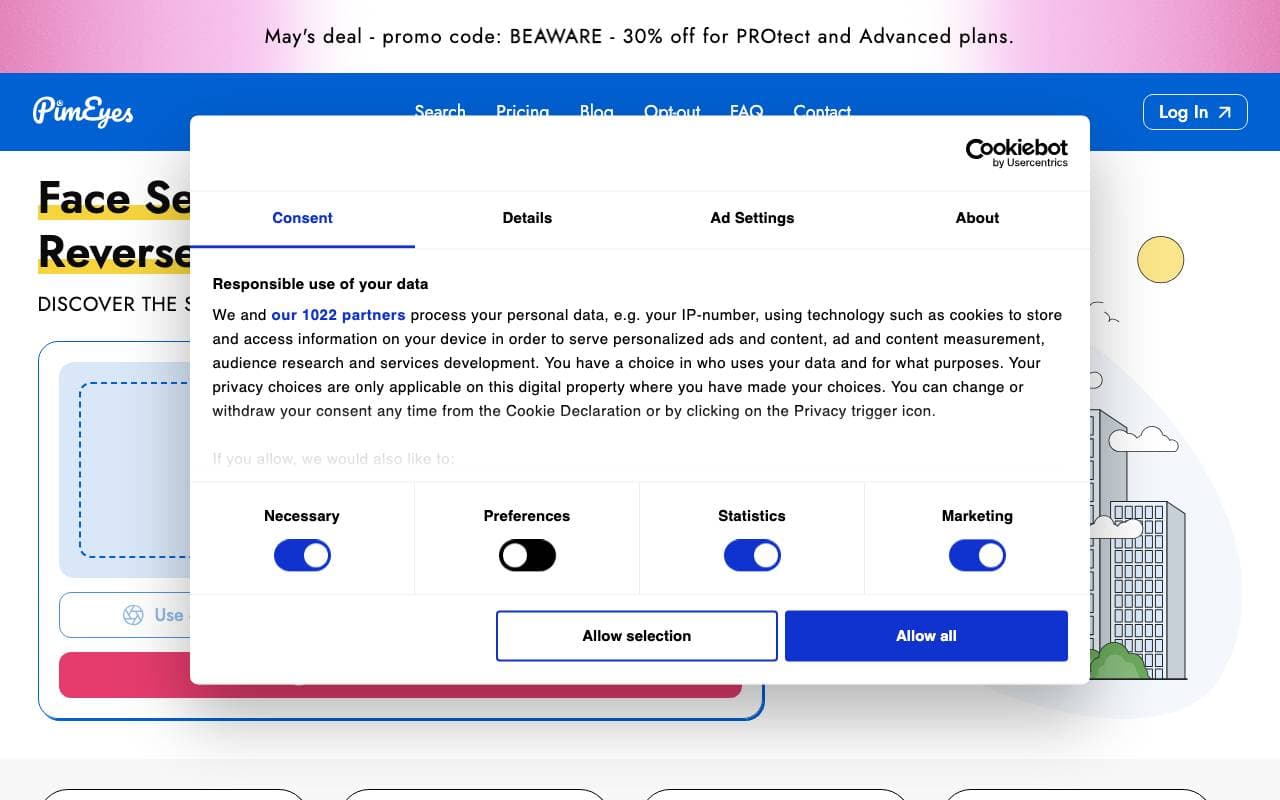

PimEyes
Computer Vision
Motore di ricerca viso per trovare online foto di una persona specifica


Qate AI
Computer Vision
Garanzia QA GenAI che esplora e testa la tua app come un utente reale.
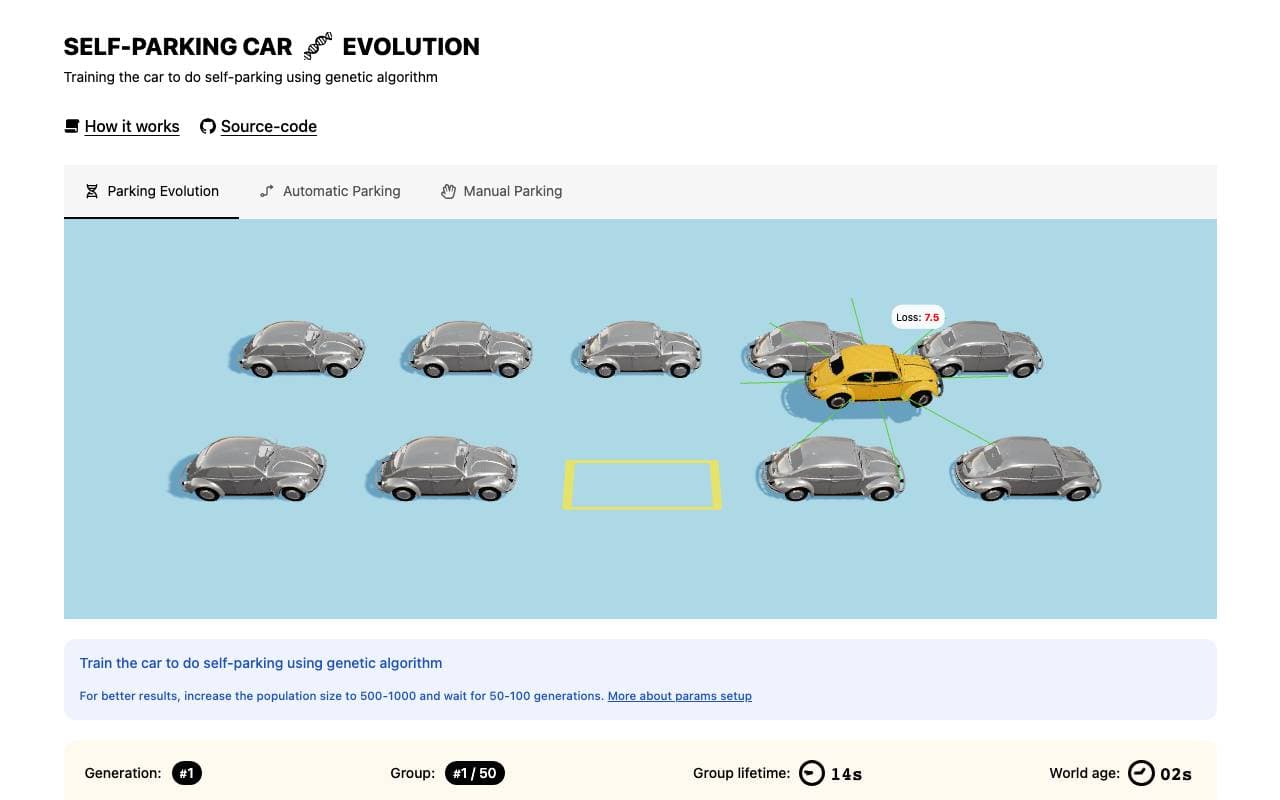

Self-Parking Car Evolution
Computer Vision
Demo di algoritmo genetico che evolve automobili virtuali self-parking nell'ambiente del browser.


Roboco AI
Computer Vision
Frammento di agente AI autonomo per la creazione di applicazioni robotiche con compiti guidati.


Mapless AI
Computer Vision
Piattaforma di controllo remoto per un gestione sicura della flotta autonoma e senza conducente.


Pykaso
Computer Vision
Generazione di immagini e video estremamente realistiche con allenamento personalizzato di LoRA.


ExpertDevTech
Computer Vision
Software personalizzato, intelligenza artificiale e soluzioni digitali progettate per accelerare la crescita aziendale.

Retouch4me
Computer Vision
Plugin AI di retouching che automatizza il lavoro sulla pelle, i colori e i dettagli mentre mantiene le texture naturali.
Trending now


Claude
AI Agents & Chatbots
Assistente AI conversazionale di Anthropic per scrittura, analisi, coding e compiti documentali
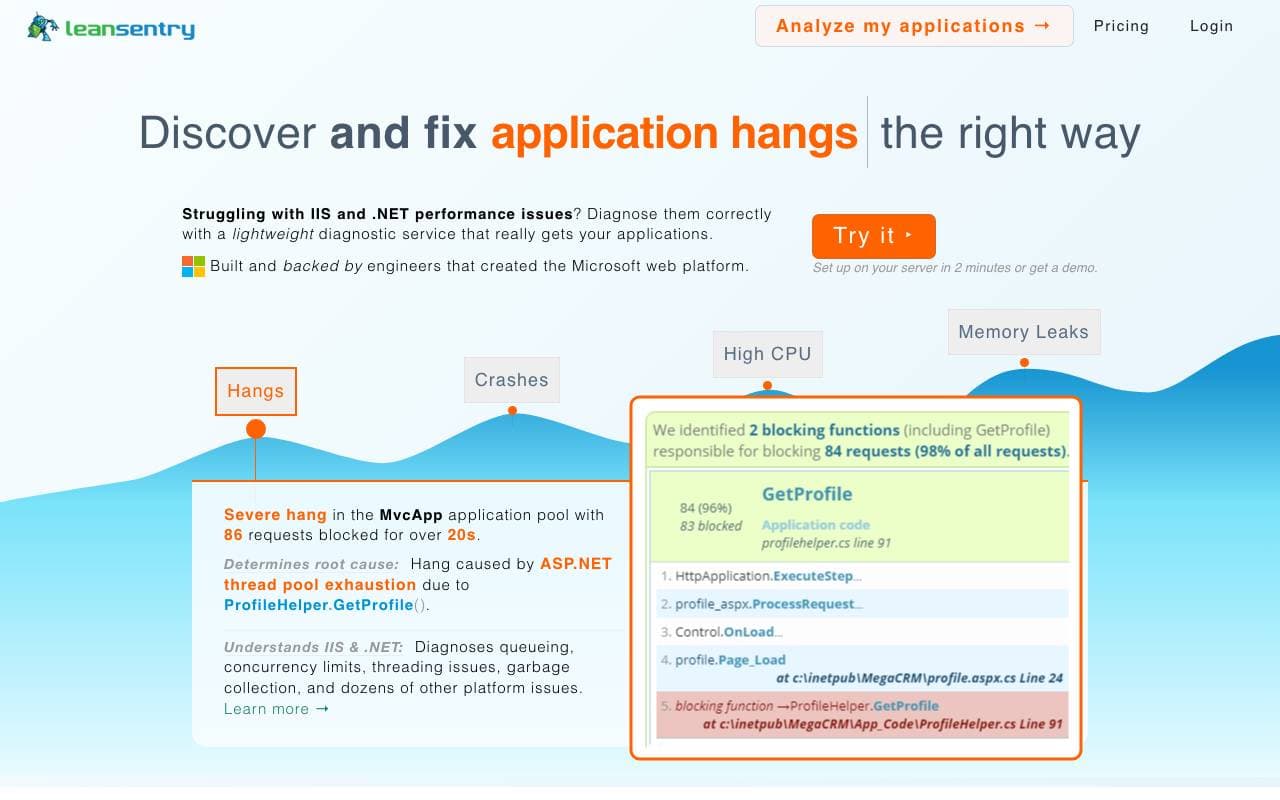

LeanSentry
Software Development
Diagnostica e monitoraggio automatizzati per problemi di prestazioni IIS ed ASP.NET

Doozer Ai
Sales Agent
Coworker digital che automatizzano i flussi operativi per migliorare l'efficienza del team
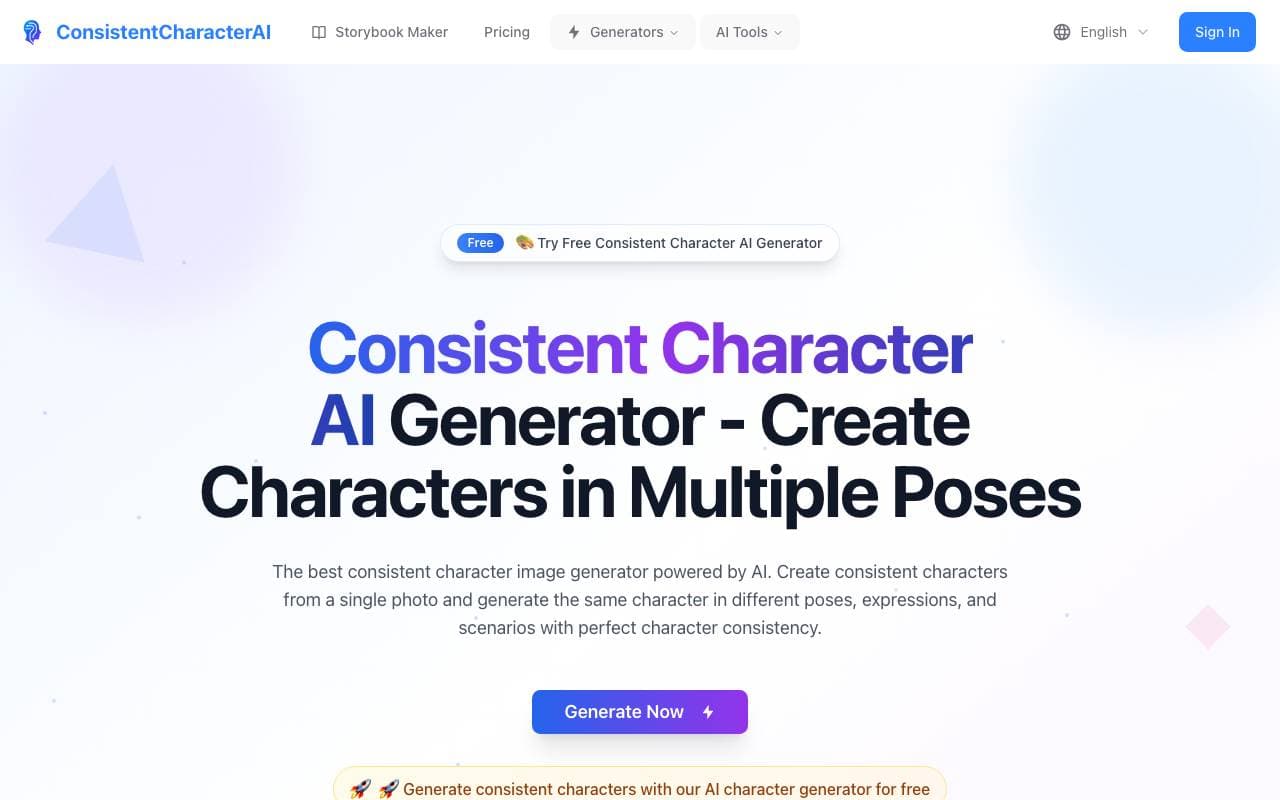

Consistent Character AI
Images
Genera personaggi AI coerenti tra scene da un unico riferimento della foto.