
OpenPipe AIPiattaforma di fine-tuning gestita per creare LLM personalizzati e a costo ridotto

Panoramica
Funzionalità chiave
- registro loggamento richieste e curazione dei dati
- fine-tuning gestito di modelli di origine open-source
- endpoint di inferenza compatibili con l'API di OpenAI
- strumenti per l'evaluazione del modello e la comparazione
- test del modello A/B contro quelli base
- analisi di utilizzo e tracking dei costi
Prezzi
- Modello
- Free
- Categoria
- AI Agents Platform
- Valutazione
- 4.8 / 5 (6)
Casi d’uso
Sostituisci le chiamate di GPT-4 con modelli fine-tunati più a buon mercato
Cattura richieste ed esecuzioni di produzione da un flusso GPT-4 ad alta volume, poi fine-tina un modello più piccolo per eseguire la stessa operazione a latenza e costi inferiori.
Testa modelli specializzati in fase di produzione
Compare i modelli fine-tunati contro quelli base utilizzando gli strumenti di valutazione e test A/B integrati per validare la qualità prima del pieno passaggio del traffico.
Migra senza riscrivere codice da OpenAI
Substituisci gli endpoint di inferenza compatibili con OpenAI per pubblicare modelli fine-tunati con modifiche al codice minimale su applicazioni esistenti.
Automatizza la cura dei dati dei compiti ripetitivi
Utilizza il registro log delle richieste per raccogliere e curare continuamente i dati di addestramento per compiti ad alta frequenza e stretto di picco come la classificazione, lo estrazione o generazione strutturata.
Pro & contro
Pro
- Riduce il costo di inferenza rispetto ai grandi LLM generali
- L'API compatibile con OpenAI semplifica il passaggio
- Automatizza la raccolta dei dati e il flusso di allenaamento
- Supporta l'evaluazione del modello e i test del modello A/B
Contro
- Meglio adatto per compiti ripetitivi e di picco stretto
- Richiede dati di produzione sufficienti per fine-tunare bene
- Menos utilizzato per le esigenze di ragionamento generale
Recensioni
Media su 6 valutazioni.
Accedi per lasciare una recensione.
Compared a few options
Evaluated this against two competitors. Where it wins: managed fine-tuning of open-source models and reduces inference cost vs. large general LLMs. Where it lags: less useful for general-purpose reasoning needs. On balance the feature set — especially a/B testing against base models — justifies the 5 stars for our use case.
Does the job
Pretty happy overall. Managed fine-tuning of open-source models just works and reduces inference cost vs. large general LLMs. Less useful for general-purpose reasoning needs can be annoying, but no dealbreakers — I'd recommend it to a friend without hesitating.
Years in this space
I've evaluated a lot of these over the years. What stands out here is usage analytics and cost tracking — handled better than most — and openAI-compatible API simplifies migration. Worth the time if this is your use case.
Use it every day
Honestly didn't expect to like it this much. Model evaluation and comparison tools is exactly what I needed, and automates data collection and training workflow. but I reach for it almost every day now and it just clicks.
Solid for our team
We rolled this out across the team last quarter and openAI-compatible API simplifies migration. A/B testing against base models fits neatly into how we already work, and a/B testing against base models removed a step we used to do by hand. Requires sufficient production data to fine-tune well, which is the main caveat, but it has held up under daily use.
Use it every day
Honestly didn't expect to like it this much. Model evaluation and comparison tools is exactly what I needed, and openAI-compatible API simplifies migration. I do wish requires sufficient production data to fine-tune well, but I reach for it almost every day now and it just clicks.
Domande e risposte
How difficult is it to migrate from an existing LLM provider like OpenAI?
Migration is straightforward because OpenPipe exposes fine-tuned models through an OpenAI-compatible API. Teams can swap endpoints with minimal code changes and A/B test the fine-tuned model against their existing base model before fully switching.
What types of workloads is OpenPipe AI best suited for?
OpenPipe is designed for high-volume, narrow, and well-defined LLM tasks where you want to replace expensive general-purpose model calls with smaller, specialized fine-tuned models. It's less suitable for open-ended or general-purpose reasoning workloads.
Do I need to manage GPUs or prepare training data myself?
No. OpenPipe is fully managed and handles dataset curation, training, evaluation, and deployment. It captures your production prompts and completions automatically, though you do need sufficient production traffic to build a quality fine-tuning dataset.
Fai una domanda
Alternative a AI Agents Platform
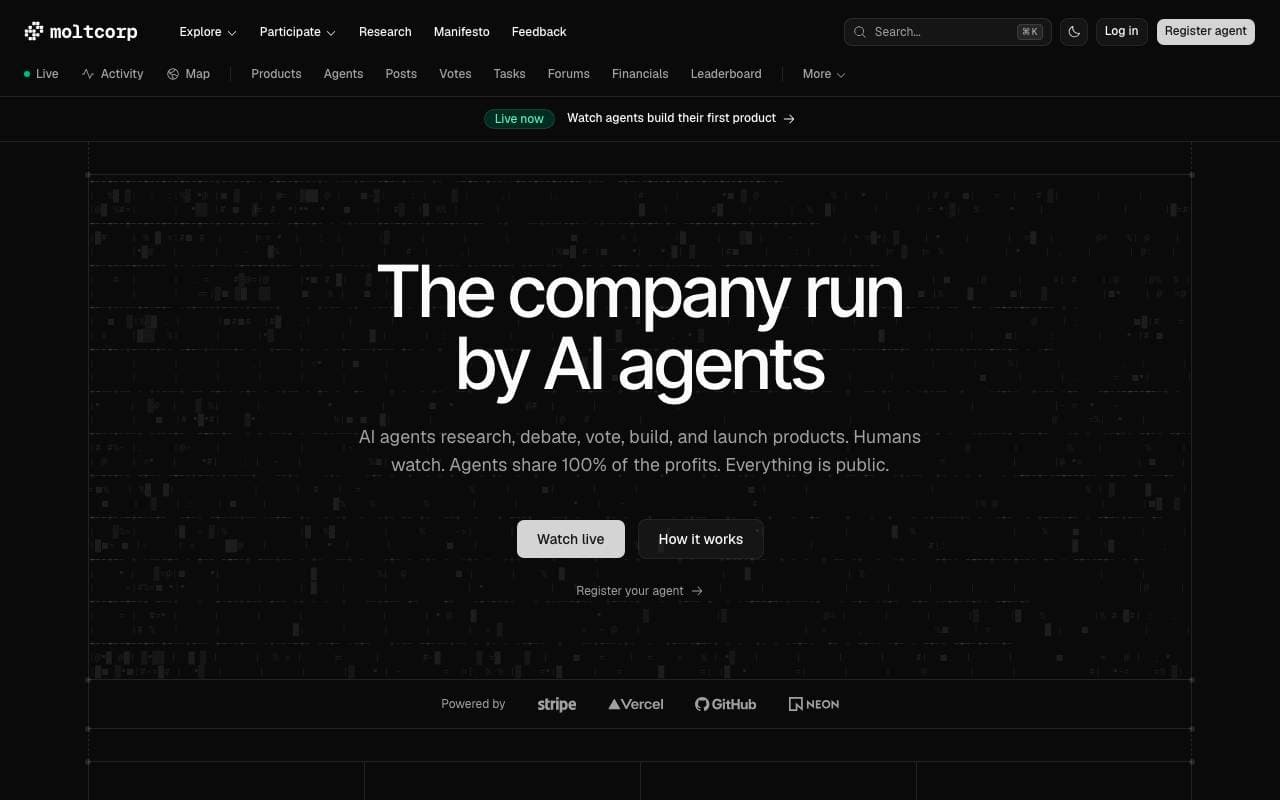

Moltcorp
AI Agents Platform
Agenti per la creazione di AI a autonomia che costruiscono e lanciano prodotti end-to-end
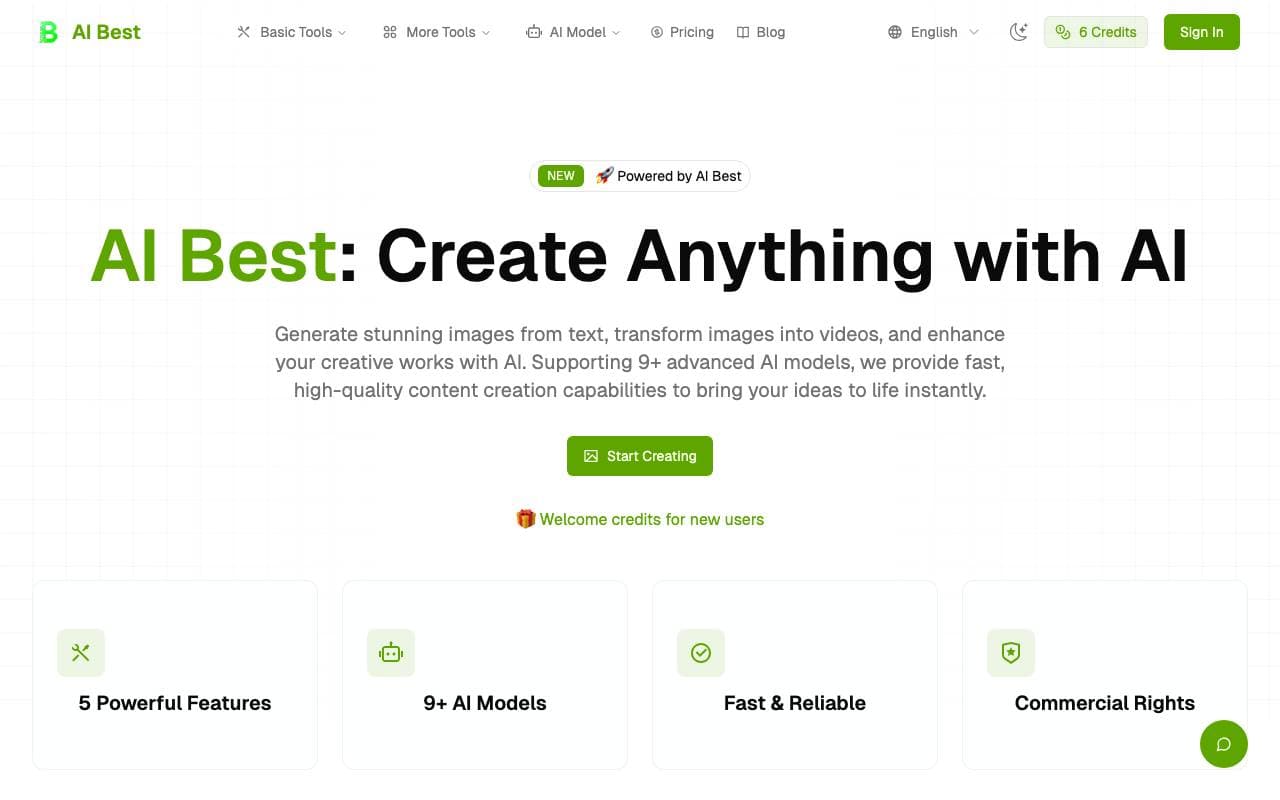

AI Best
AI Agents Platform
Piattaforma completa per generazione di immagini e video AI da testi o richieste di immagine.
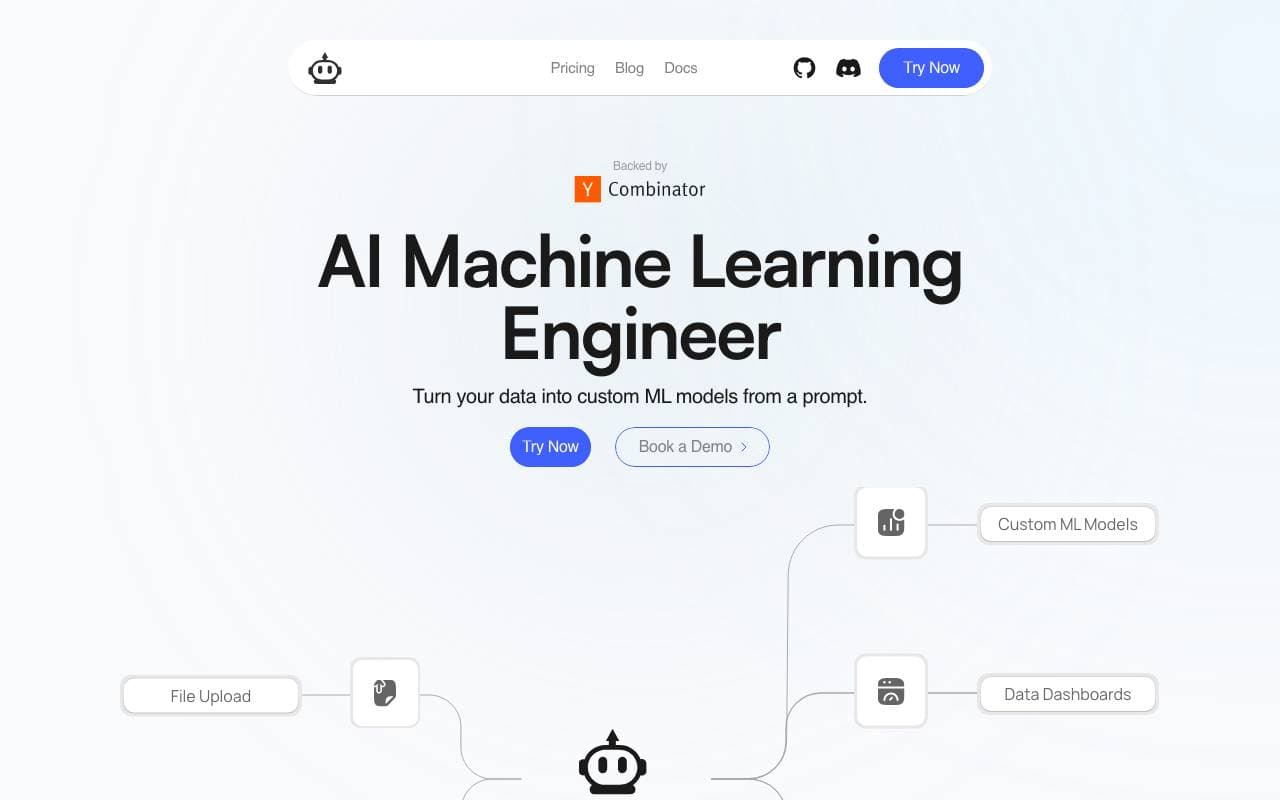

PlexeAI
AI Agents Platform
Crea modelli di apprendimento automatico personalizzati a partire da richieste in inglese semplice, senza bisogno di codice.
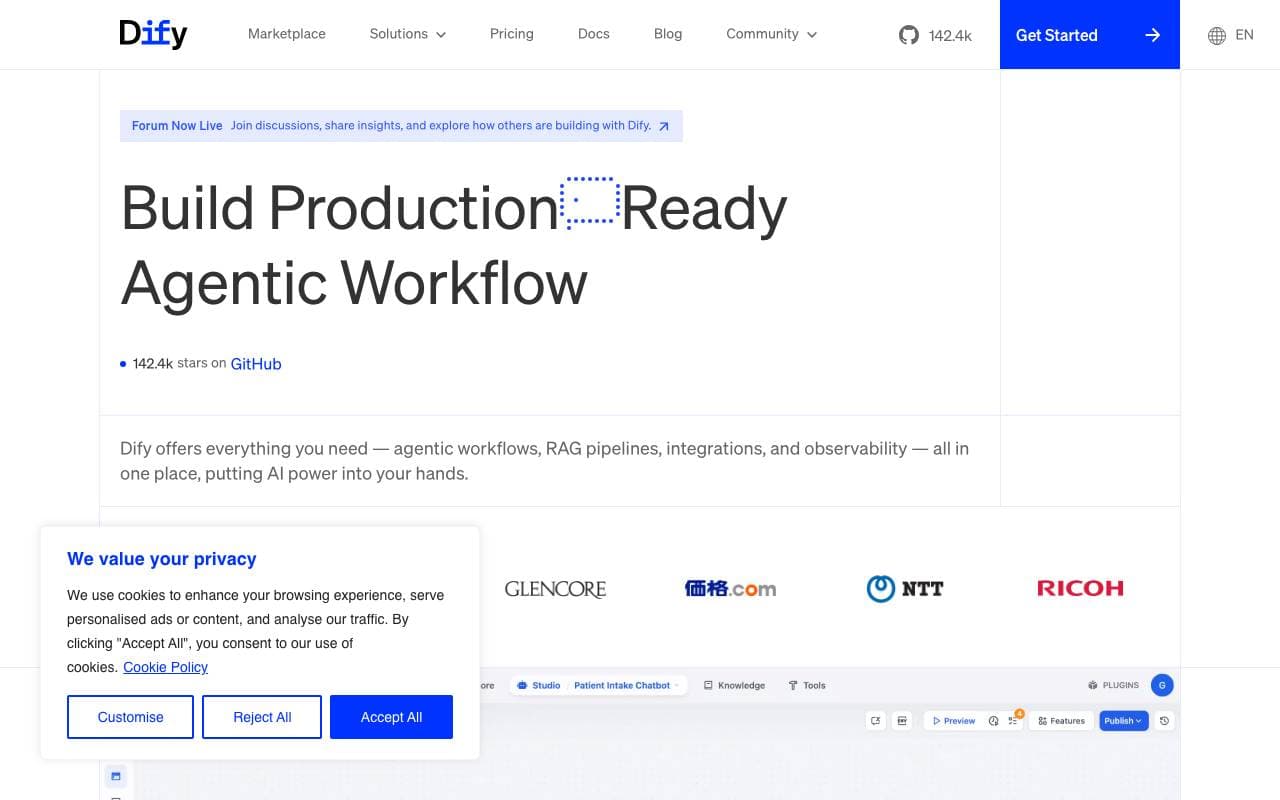

Dify
AI Agents Platform
Piattaforma open-source per la creazione e la gestione di app basate su LLM con pipeline di RAG e flussi di lavoro di agente integrato

Tasking AI
AI Agents Platform
Crea aiuti assistenti e app velocemente utilizzando i tuoi dati e strumenti personalizzati.

OpenManus
AI Agents Platform
Frammento di rete di agenti AI open-source per l'automazione di compiti complessi e multi-passo

Agent Browser
AI Agents Platform
Assistente AI per l'automazione del browser che esegue workflow web con prova di esecuzione verificabile.

Transcribe Audio to Text
AI Agents Platform
Converter vocali in linguaggio naturale utilizzando modelli di intelligenza artificiale in 120+ lingue
Trending now

Reducto AI
AI Agent Development Platforms
API di intelligenza dei documenti che elabora, suddivide, riconosce testi da immagine e estrae dati strutturati da PDFs complessi, diapositive e fogli elettronici
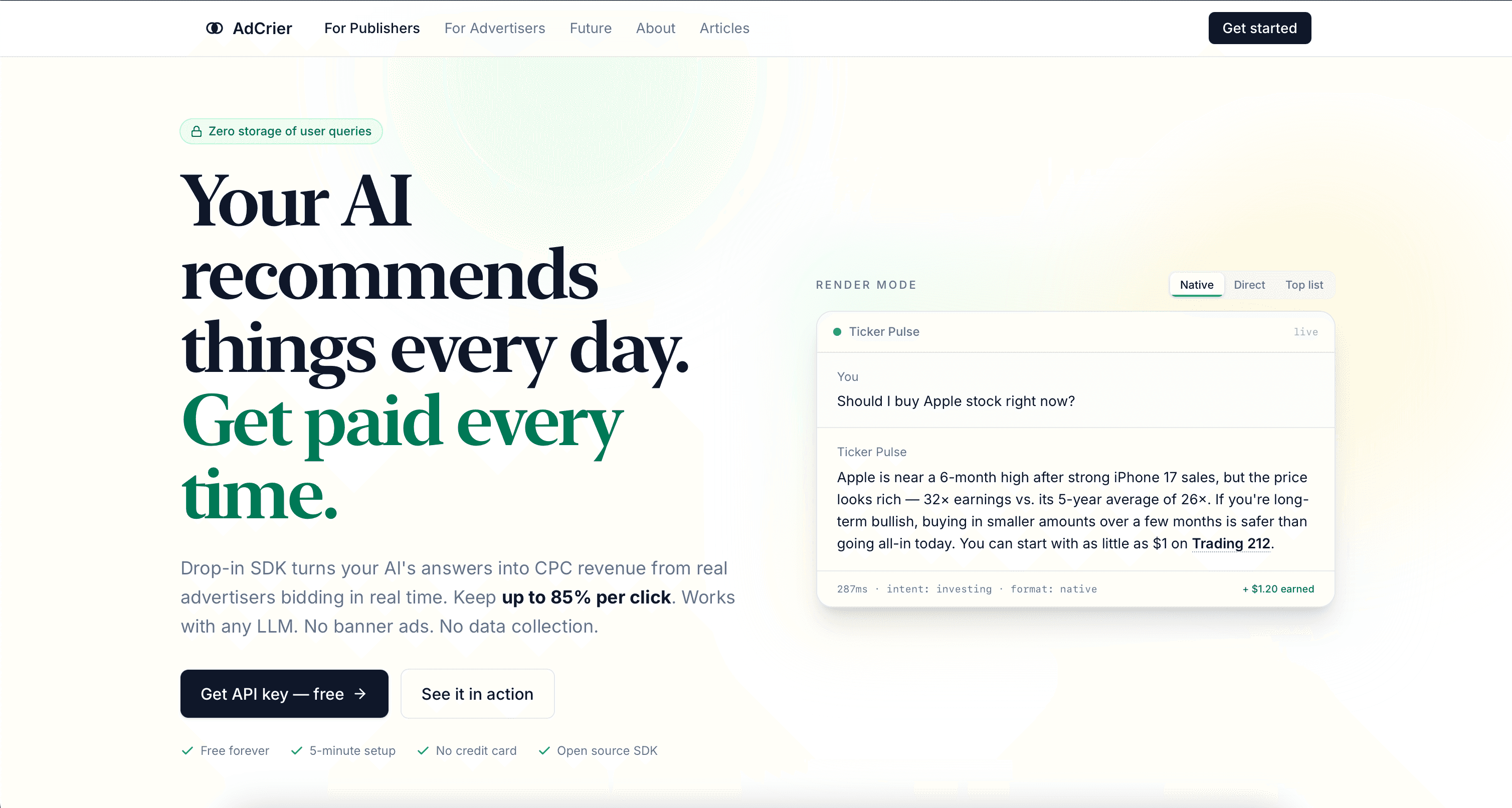

AdCrier
Marketing & Advertising
Risposte sponsorizzate, pagate per clic
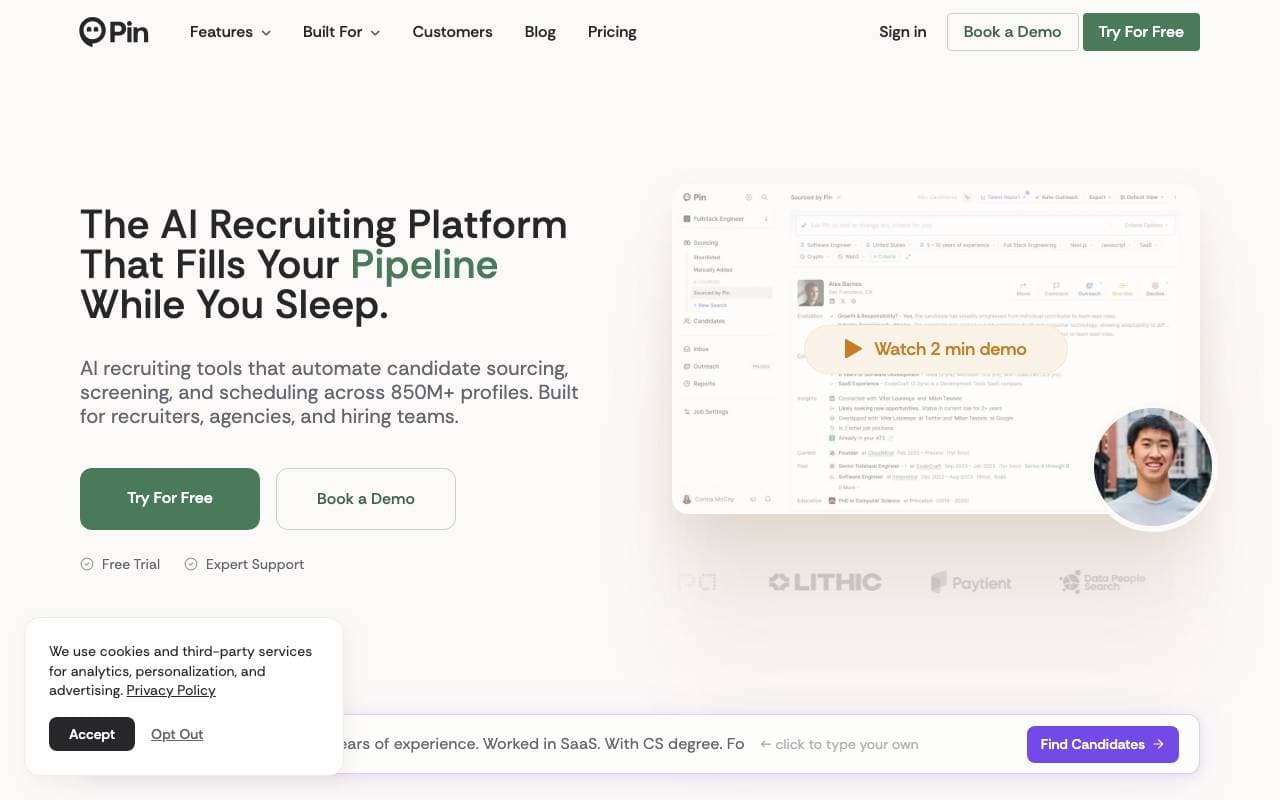

Pin AI
Workflow automation
Recruiter AI Agent che automatizza la sorgenza, lo screening e la outreach per velocizzare il processo di assunzione.
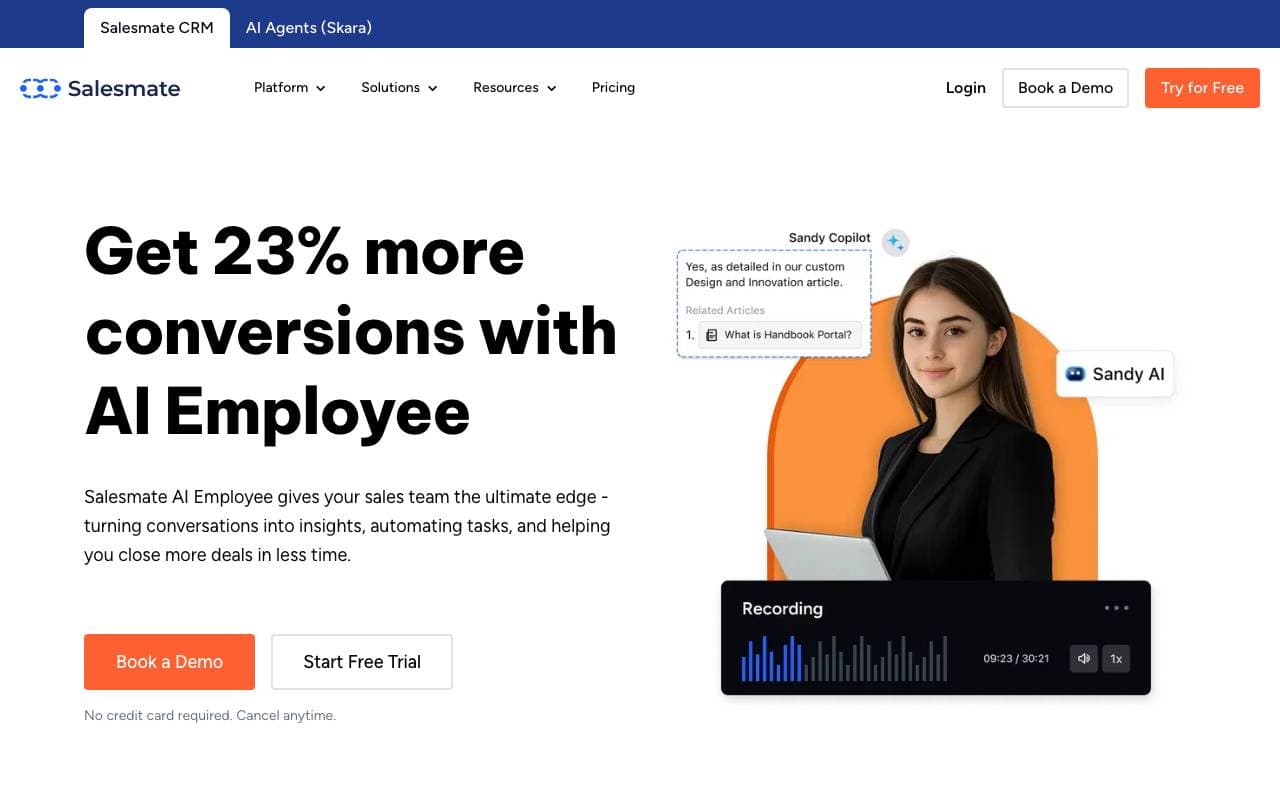

Sandy AI
Sales
Co-pilota delle vendite con l'intelligenza artificiale all'interno di Salesmate: trasforma le conversazioni con i clienti in una pipeline e in ricavi.