
memUFrammento open-source di memoria agente per agenti AI attivi 24/7 con memoria del sistema file, previsione dell'intenzione e minori costi di token.

Panoramica
Funzionalità chiave
- Ingestione multimodale di conversazioni, documenti, immagini, video, audio, URL e log
- Spazio di lavoro di memoria compilato con persistenza dei livelli di Indice, Abilità e Memoria
- Estrazione di memoria tipizzata dalle fonti informazioni informazioni
- Abilità autoreinnovanti attraverso autoeestrazione di modelli e workflow riciclabili dagli strumenti
- Cartelle autoriformanti con edificazione di categorie, collegamenti, riassunti e embedding
Prezzi
- Modello
- Freemium
- Categoria
- AI Agent Development Frameworks
- Valutazione
- 4.8 / 5 (4)
Casi d’uso
Costruire Agenti AI Proattivi 24/7
Utilizzare memU come livello di memoria per agenti sempre attivi che conservano il contesto tra sessioni e agiscono senza richiesta constante del proprio utilizzatore.
Ridurre i Costi di Token degli LLM
Sfruttare la memoria basata su file system per scaricare il contesto dalle domande, diminuendo il consumo di token e i costi operativi per applicazioni potenziati con LLM.
Assistenti Intenzionali
Integrare la previsione dell'intenzione per far sì che gli agenti possano prevedere le esigenze degli utenti e presentare azioni rilevanti o informazioni in anticipo.
Sviluppo di Agenti Personalizzati
Adottare il framework open-source per produrre e distribuire sistemi agenti persistenti e strutturati con memoria.
Pro & contro
Pro
- Recovery veloce grazie a una organizzazione a albero-like della memoria
- Precisione più elevata a causa di un contesto scolpito e tracciamento preciso di conversazioni o documenti
- Costi di token inferiori in quanto non vengono reimpostati interi archivi in ogni richiamo
- Organizzazione della memoria lettabile dagli esseri umani consentendo l'audit e la modifica
Contro
- —
Recensioni
Media su 4 valutazioni.
Accedi per lasciare una recensione.
Solid for our team
We rolled this out across the team last quarter and the value for money is strong. The core workflow fits neatly into how we already work, and the core workflow removed a step we used to do by hand. The mobile experience lags, which is the main caveat, but it has held up under daily use.
Years in this space
I've evaluated a lot of these over the years. What stands out here is the core workflow — handled better than most — and it saves real time. Worth the time if this is your use case.
Skeptical, then convinced
I went in skeptical — most tools in this space overpromise. It actually delivers on the automation, and the value for money is strong caught me off guard. Pricing gets steep at scale is why this isn't a perfect score, still, I'd recommend giving it a real trial.
Skeptical, then convinced
I went in skeptical — most tools in this space overpromise. It actually delivers on the API, and support is responsive caught me off guard. still, I'd recommend giving it a real trial.
Domande e risposte
How does memU help lower token costs?
memU uses a file-system memory approach combined with intention prediction, which lets agents store and retrieve context efficiently rather than reprocessing large prompts—helping reduce the tokens consumed during ongoing agent operations.
Is memU open source, and who is it best suited for?
Yes, memU is open-source. It is best suited for developers and teams building proactive, always-on AI agents that need persistent memory, predictive intent handling, and cost-efficient token usage.
What is memU and what is it designed for?
memU is an open-source agentic memory framework built for 24/7 proactive AI agents. It provides file-system-based memory, intention prediction, and is designed to reduce token costs in long-running agent workflows.
Fai una domanda
Alternative a AI Agent Development Frameworks

Wildcard AI / agents.json
AI Agent Development Frameworks
Spazio aperto e piattaforma che consente agli agenti di intelligenza artificiale di scoprire e chiamare gli workflow delle API attraverso un file agents.json.
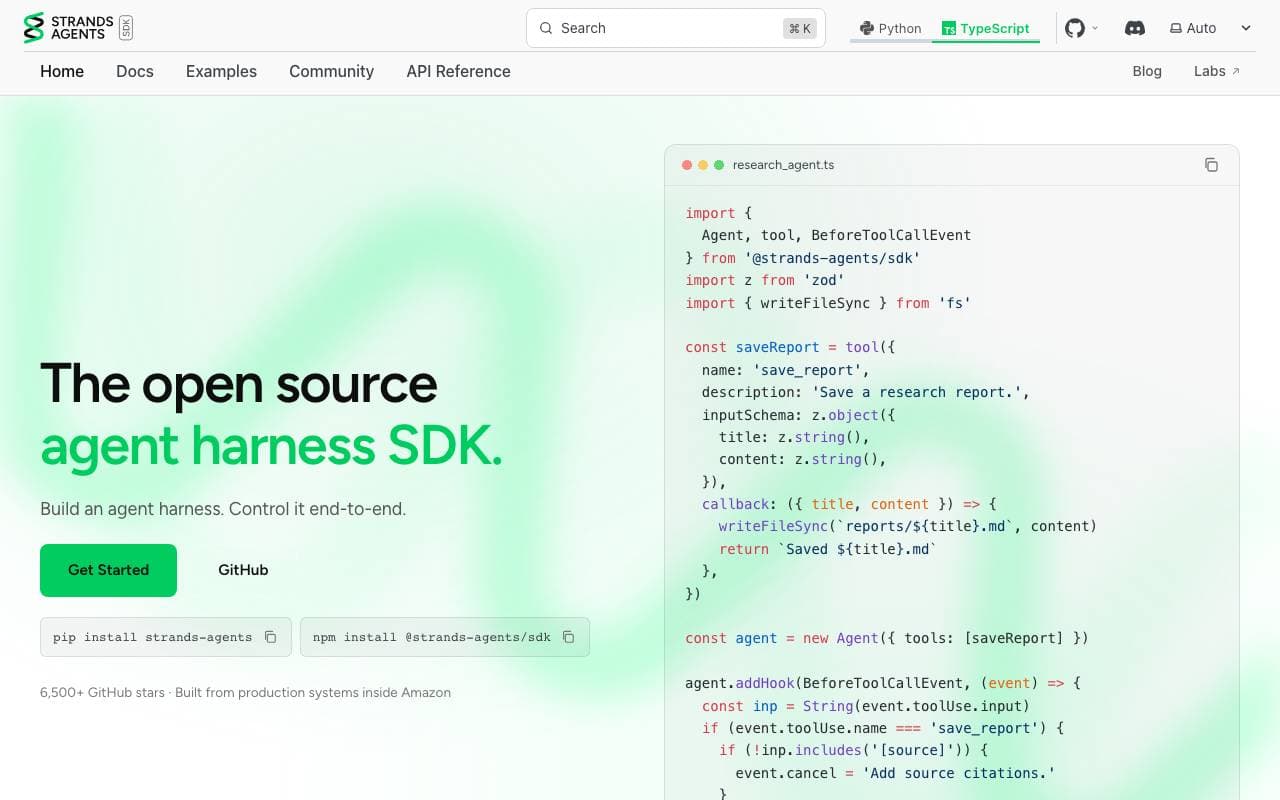

Strands Agents
AI Agent Development Frameworks
SDK di codice aperto per costruire e orchestrare sistemi di agenti single o multipli con LLM e integrazione degli strumenti.

BabyCatAGI
AI Agent Development Frameworks
Frammento leggero di un agente di IA autonomo per l'automazione di task semplificata
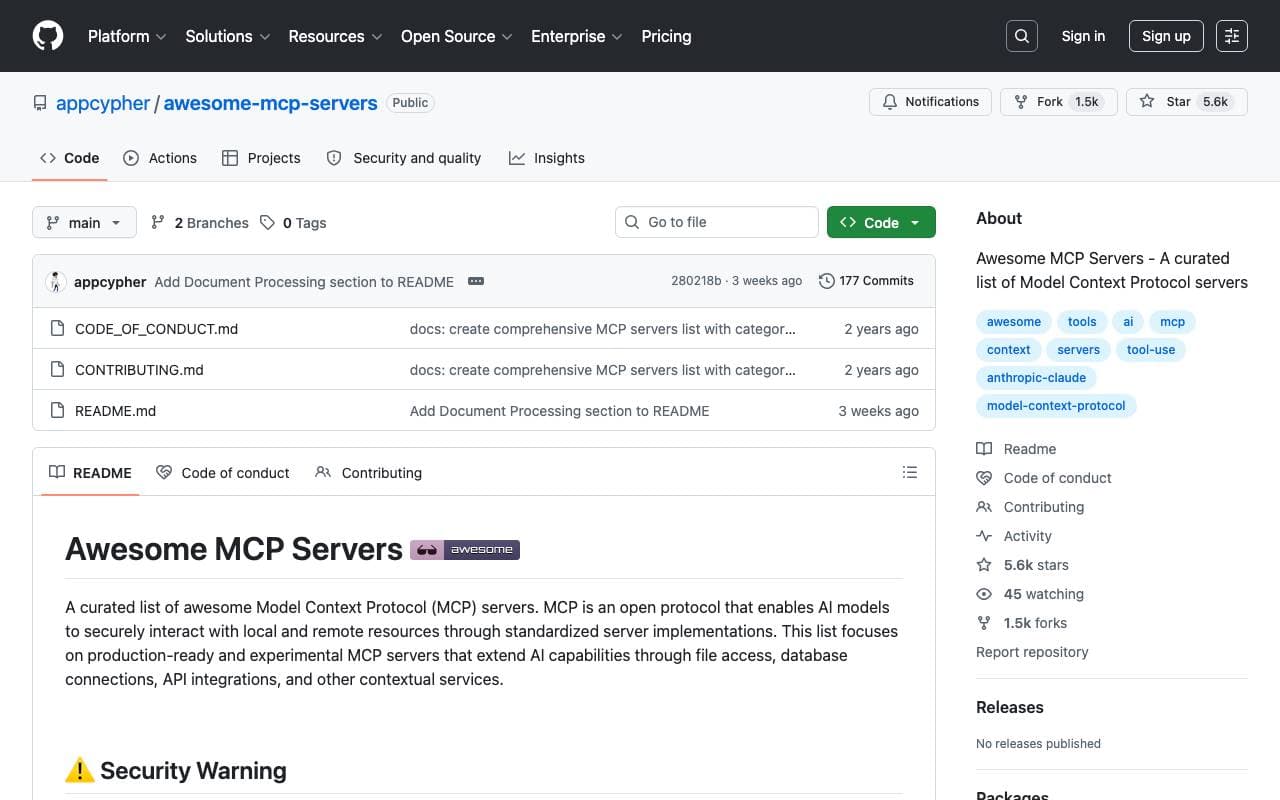

Awesome MCP Servers
AI Agent Development Frameworks
Un elenco curato di server per il protocollo di contesto dei modello per estendere gli assistenti AI con strumenti e dati.
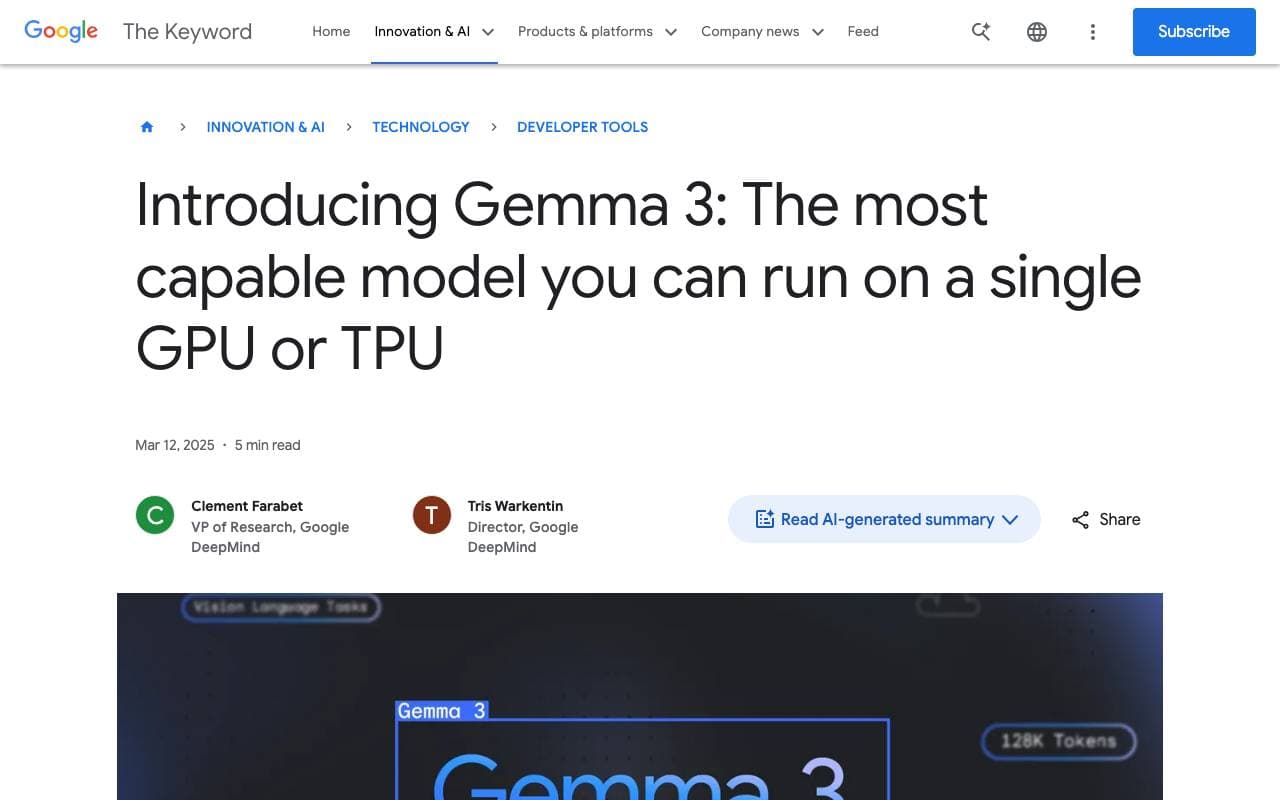

Gemma 3
AI Agent Development Frameworks
Un modello di intelligenza artificiale open-source ottimizzato per le prestazioni da un GPU, che supporta l'ingresso multimodale e oltre 140 lingue.

Rasa
AI Agent Development Frameworks
Fornisce un framework open-source per la creazione di assistenti di chat e vocale a livello di produzione

BabyElfAGI
AI Agent Development Frameworks
Racchiuso in uno strumento di framework per l'agente AI sperimentale, con la Skills classe modulare per piani di attività dinamici e esecuzione.

Auto-GPT
AI Agent Development Frameworks
Agente AI open-source in grado di completare autonomamente compiti complessi utilizzando i modelli GPT.
Trending now

Doozer Ai
Sales Agent
Coworker digital che automatizzano i flussi operativi per migliorare l'efficienza del team


Claude
AI Agents & Chatbots
Assistente AI conversazionale di Anthropic per scrittura, analisi, coding e compiti documentali

Consistent Character AI
Images
Genera personaggi AI coerenti tra scene da un unico riferimento della foto.

Pin AI
Workflow automation
Recruiter AI Agent che automatizza la sorgenza, lo screening e la outreach per velocizzare il processo di assunzione.