
JulesAgente di codifica AI asincrono di Google che affronta i difetti e le test all'interno del workflow GitHub

Panoramica
Funzionalità chiave
- Esecuzione autonoma di compiti in ambienti isolati
- Trasporto di cambiamenti tramite richiesta di pull
- Correzione di bug automatizzata e patching
- Generazione e aggiornamento di test unitari
- Aggiornamenti e versioni di dipendenza
- Integrazione repository di GitHub
Prezzi
- Modello
- Free
- Categoria
- Coding Agent
- Valutazione
- 5.0 / 5 (4)
Casi d’uso
Correzioni di bug automatizzate tramite richiesta di pull
Assegna gli issues GitHub a Jules e lascialo diagnosticare, patch e sottomettere richiesta di pull per essere revisionata, liberando i developer dai compiti di debugging routine.
Generazione di test unitari
Svuota le scorte di test di copertura a Jules, che genera e aggiorna i test unitari in background così gli ingegneri possono concentrarsi sullo sviluppo di feature.
Aggiornamenti e versioni di dipendenza
Utilizza Jules per gestire le spinte di dipendenza e i bump di versione in un repository, consegnando i cambiamenti come richiesta di pull revisionabile.
Ristrutturazioni di codice in background
Passa la ristruttura dei refactoring a Jules, che lavora in modo asincrono in un ambiente isolato e richiede cambiamenti proposti per approvazione umana.
Pro & contro
Pro
- Esegue compiti in modo asincrono senza bloccare i developer
- Integrazione nativa via richiesta di pull tramite GitHub
- Gestisce compiti tediosi come test e correzioni di bug
- Fornito dalla ricerca e dalle infrastrutture di Google
Contro
- Limitato a workflow di GitHub
- I risultati ancora richiedono revisione umana del codice
- Può avere difficoltà con cambiamenti di architettura complessi
- La disponibilità e le quote possono essere restrittive
Storico battaglie
Su 1 battaglia nel Pantheon.
Last battle
Recensioni
Media su 4 valutazioni.
Accedi per lasciare una recensione.
Compared a few options
Evaluated this against two competitors. Where it wins: autonomous task execution in isolated environments and native GitHub integration via pull requests. On balance the feature set — especially dependency and version upgrades — justifies the 5 stars for our use case.
Compared a few options
Evaluated this against two competitors. Where it wins: gitHub repository integration and runs asynchronously without blocking developers. Where it lags: may struggle with complex architectural changes. On balance the feature set — especially automated bug fixing and patching — justifies the 5 stars for our use case.
Compared a few options
Evaluated this against two competitors. Where it wins: automated bug fixing and patching and handles tedious tasks like tests and bug fixes. On balance the feature set — especially unit test generation and updates — justifies the 5 stars for our use case.
Skeptical, then convinced
I went in skeptical — most tools in this space overpromise. It actually delivers on automated bug fixing and patching, and native GitHub integration via pull requests caught me off guard. May struggle with complex architectural changes is why this isn't a perfect score, still, I'd recommend giving it a real trial.
Domande e risposte
How does Jules fit into our existing GitHub code review process?
Jules works asynchronously in an isolated environment and delivers its changes as pull requests against your GitHub repository. Your team reviews, comments on, and merges those PRs using your normal review workflow, so human approval remains a required step.
What kinds of engineering tasks is Jules best suited for?
Jules is designed for routine, well-scoped work like bug fixes, patches, refactors, dependency and version upgrades, and generating or updating unit tests. It's less reliable for complex architectural changes, which still need hands-on developer attention.
What are Jules's main limitations to be aware of before adopting it?
Jules only supports GitHub-based workflows, so non-GitHub repos aren't covered. All output still requires human code review, it may struggle with deep architectural work, and availability and usage quotas can be restrictive depending on access.
Fai una domanda
Alternative a Coding Agent
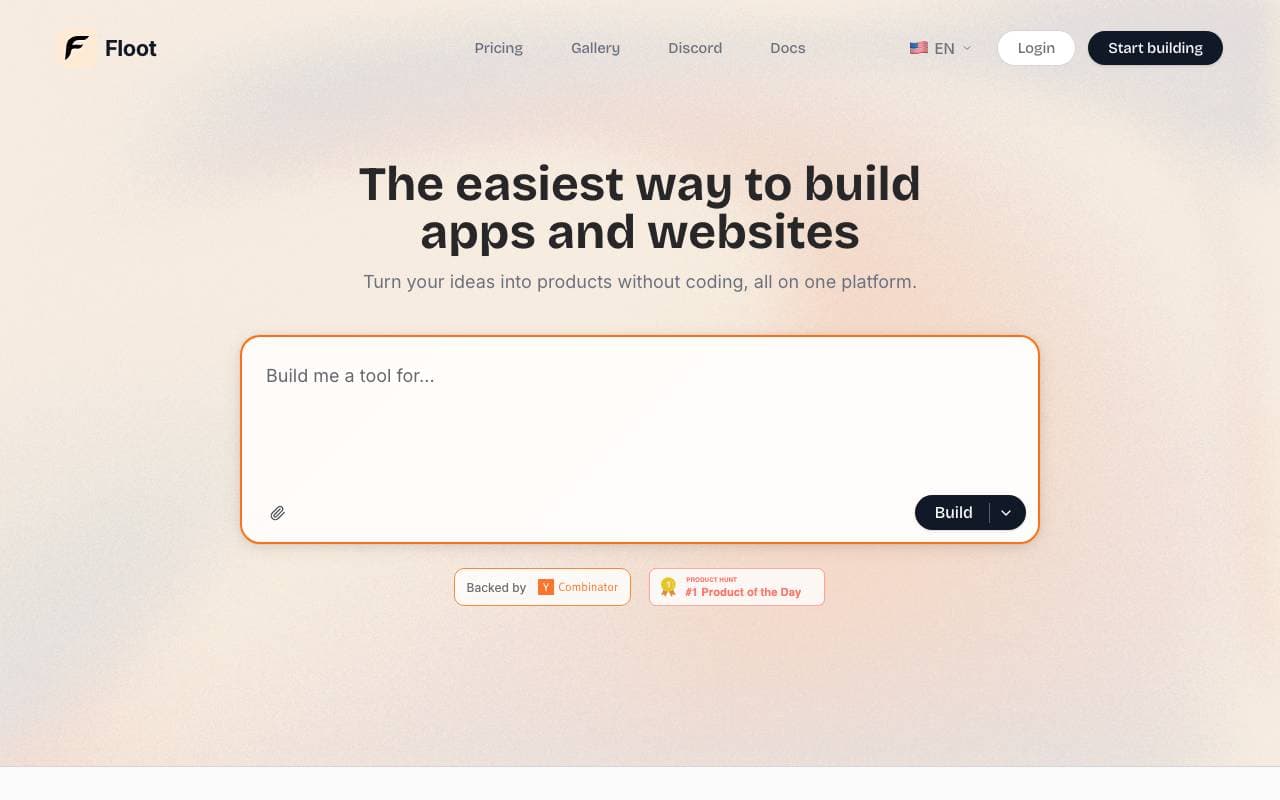

Floot
Coding Agent
Costruttore no-code alimentato da IA per trasformare le richieste in linguaggio naturale in applicazioni e siti Web funzionanti.


Appacella
Coding Agent
Trasforma le idee di app in applicazioni mobili funzionanti in secondi con AI
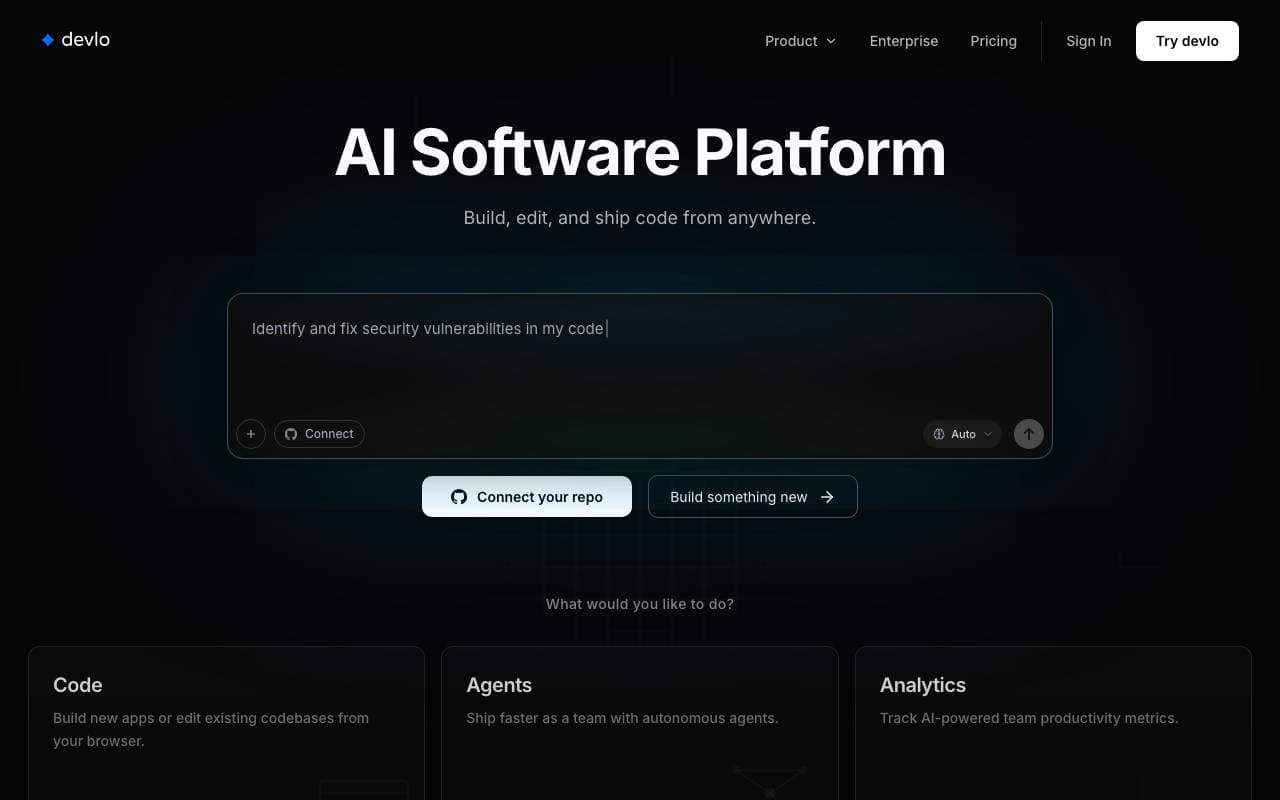

devlo AI
Coding Agent
Collaboratore AI che automatizza compiti di codifica nei tuoi repository e flussi di sviluppo
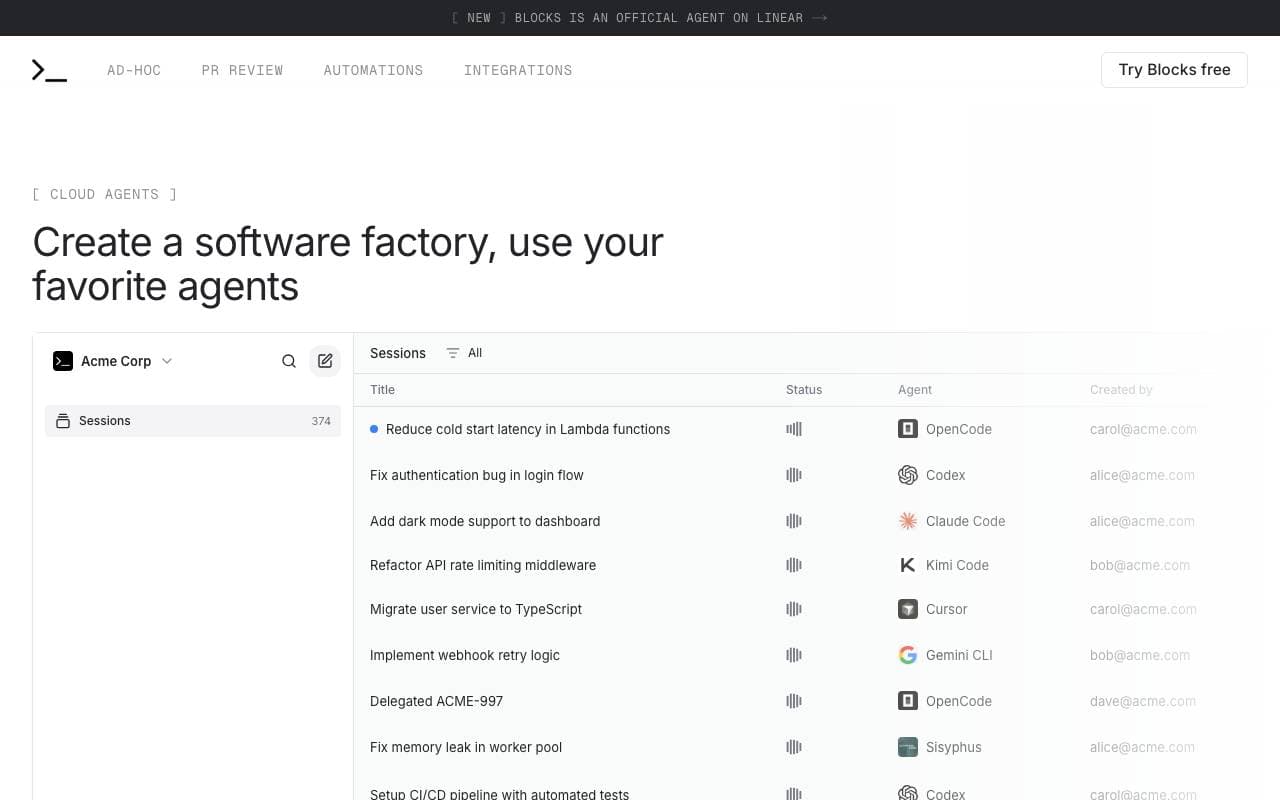

Blocks Team
Coding Agent
Inserisci agenti di codifica direttamente nel flusso di lavoro di sviluppo della tua squadra


HeroUI
Coding Agent
Biblioteca di componenti UI riutilizzabili per costruire interfacce web pulite velocemente.

Fine
Coding Agent
Costruisci, testa e distribuisci applicazioni con potere dell'intelligenza artificiale rapidamente senza un setup pesante.
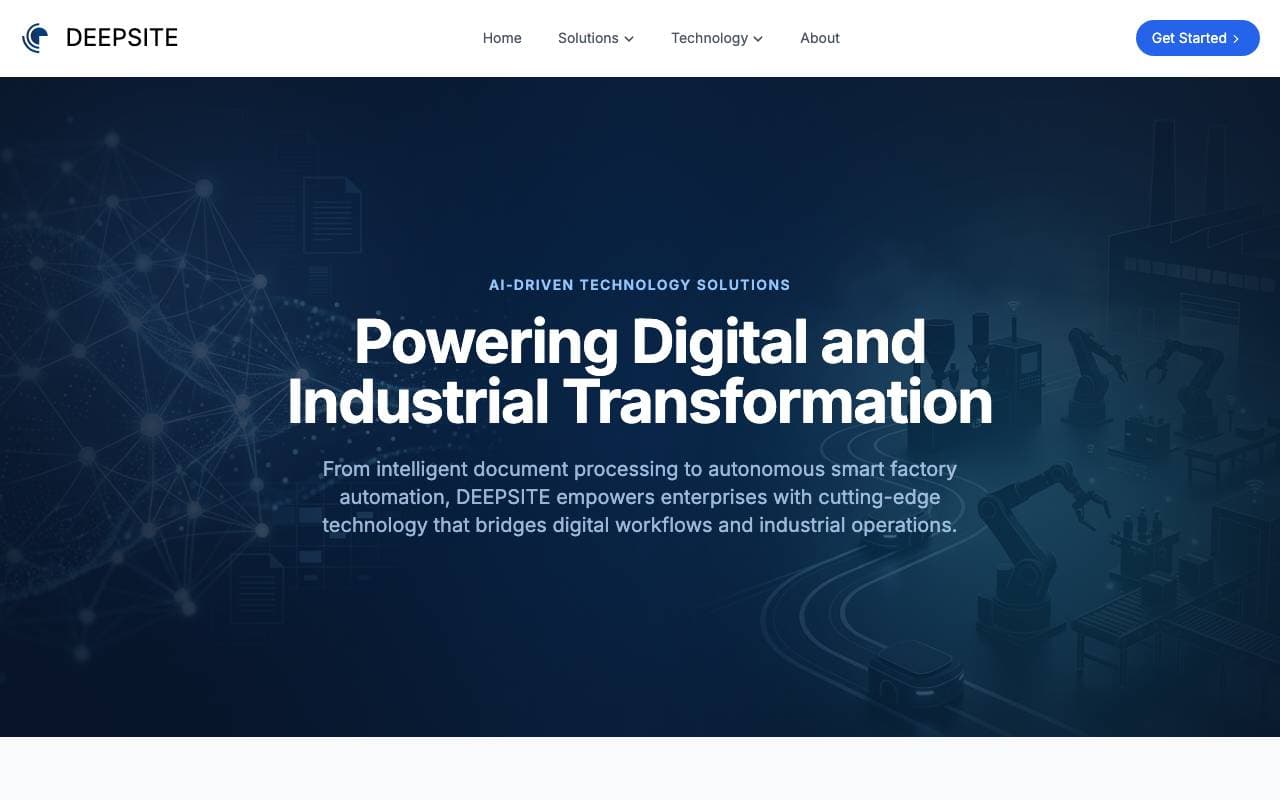

DeepSite
Coding Agent
Processamento di documenti basato su AI per l'estrazione automatica di dati e l'integrazione di workflow.


Shipper.now
Coding Agent
Genera applicazioni complete e deployabili a partire da un singolo promemoria in linguaggio naturale.
Trending now

Doozer Ai
Sales Agent
Coworker digital che automatizzano i flussi operativi per migliorare l'efficienza del team


Claude
AI Agents & Chatbots
Assistente AI conversazionale di Anthropic per scrittura, analisi, coding e compiti documentali
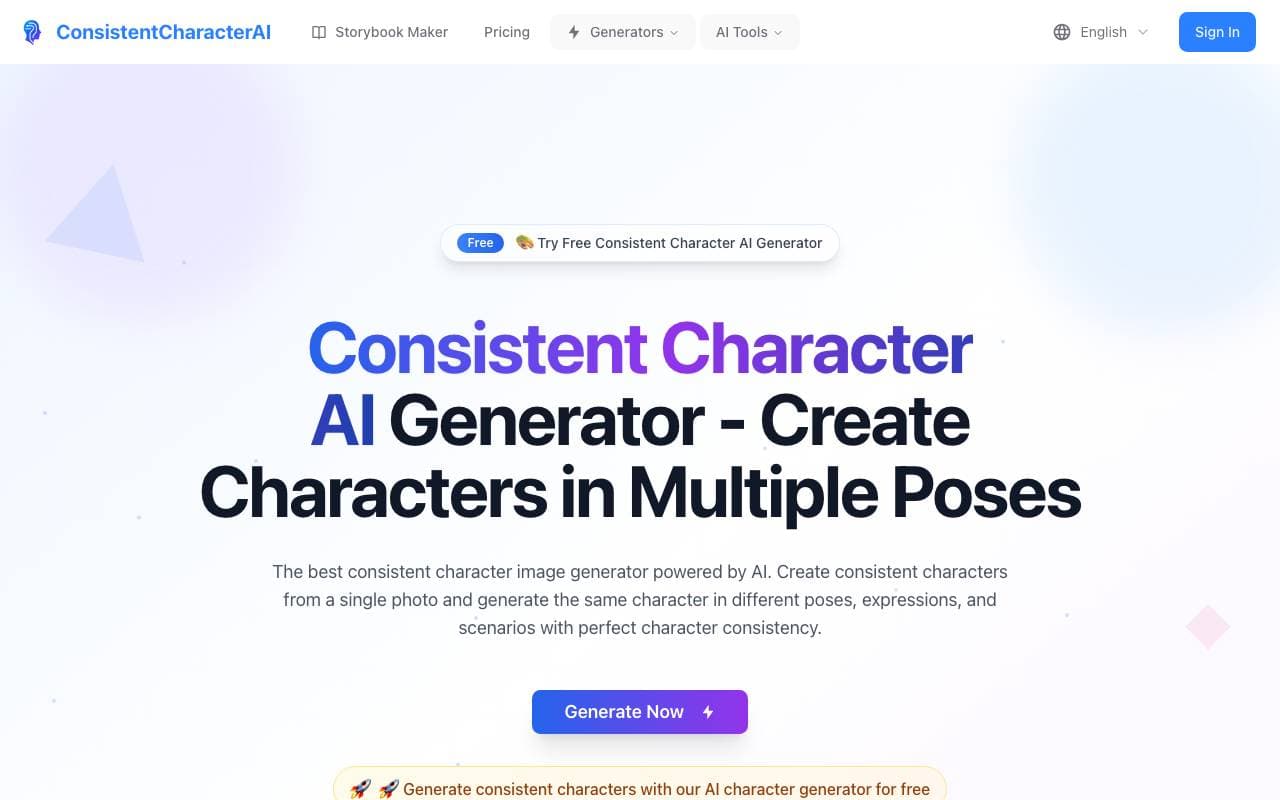

Consistent Character AI
Images
Genera personaggi AI coerenti tra scene da un unico riferimento della foto.


Pin AI
Workflow automation
Recruiter AI Agent che automatizza la sorgenza, lo screening e la outreach per velocizzare il processo di assunzione.