
Intel Automotive SolutionsPiattaforma di silicio e software per vetture software definite, connesse e elettriche.

Panoramica
Funzionalità chiave
- SoCs di fascia automobilistica con accelerazione AI integrata
- Supporto per le architetture delle vetture software definite
- Strumenti per lo sviluppo del cockpit digitale e dell'IVI (in-vehicle infotainment)
- Calcolo ottimizzato per la potenza per le piattaforme EV
- Stack software aperto e allineamento a standard
- Piattaforma scalabile per ADAS e controller zonali
Prezzi
- Modello
- Freemium
- Categoria
- Computer Vision
- Valutazione
- 4.3 / 5 (6)
Casi d’uso
Sviluppo di Digital Cockpit e Infotainment
I costruttori di veicoli costruiscono esperienze di infotainment e cockpit unificate in veicolo su SoCs di fascia automobilistica con accelerazione AI integrata e strumenti di sviluppo.
Consolidamento del calcolo zonale per vetture software definite
I fornitori di Tier 1 consolidano vari domini del veicolo su hardware scalabile comune, abilitando architetture delle vetture software definite e semplificando la dispersione dei componenti del sistema di controllo (ECU).
Piattaforme EV efficienti per il consumo di energia
I programmi di veicoli elettrici utilizzano il calcolo ottimizzato per la potenza per bilanciare prestazioni e efficienza della batteria mentre supportano la prontezza aggiornamenti in over-the-air.
Accelerazione dei carichi di lavoro di ADAS
Gli operatori di veicoli distribuiscono SoCs scalabili con acceleratori AI per eseguire carichi di lavoro di assistenza alla guida avanzata e integrarsi con i flussi di lavoro di sviluppo AI al cloud ed agli edge.
Pro & contro
Pro
- SoCs scalabili che coprono i gradi di prestazione da entry a alta prestazione
- Progettato per architetture software definite e zonali
- Capacità AI e di calcolo robuste per cockpit e ADAS
- Sostenuto da Intel's ecosistema e strumenti per lo sviluppatore
- Backed da Intel's ecosistema e strumenti per lo sviluppatore.
Contro
- Principalmente destinato ai costruttori di veicoli e ai Tier 1, non agli utenti finali
- L'adozione richiede uno sforzo di integrazione significativo.
- Compete in un mercato di silicio automobilistico affollato.
Recensioni
Media su 6 valutazioni.
Accedi per lasciare una recensione.
Compared a few options
Evaluated this against two competitors. Where it wins: power-optimized compute for EV platforms and scalable SoCs spanning entry to high-performance tiers. Where it lags: adoption requires significant integration effort. On balance the feature set — especially support for software-defined vehicle architectures — justifies the 4 stars for our use case.
Use it every day
Honestly didn't expect to like it this much. Tools for digital cockpit and IVI development is exactly what I needed, and designed for software-defined and zonal architectures. but I reach for it almost every day now and it just clicks.
Does the job
Pretty happy overall. Open software stack and standards alignment just works and backed by Intel's ecosystem and developer tools. Primarily aimed at OEMs and Tier 1s, not end users can be annoying, but no dealbreakers — I'd recommend it to a friend without hesitating.
Does the job
Pretty happy overall. Scalable platform for ADAS and zonal controllers just works and strong AI and compute capabilities for cockpit and ADAS. Primarily aimed at OEMs and Tier 1s, not end users can be annoying, but no dealbreakers — I'd recommend it to a friend without hesitating.
Use it every day
Honestly didn't expect to like it this much. Tools for digital cockpit and IVI development is exactly what I needed, and scalable SoCs spanning entry to high-performance tiers. but I reach for it almost every day now and it just clicks.
Skeptical, then convinced
I went in skeptical — most tools in this space overpromise. It actually delivers on support for software-defined vehicle architectures, and strong AI and compute capabilities for cockpit and ADAS caught me off guard. Adoption requires significant integration effort is why this isn't a perfect score, still, I'd recommend giving it a real trial.
Domande e risposte
Ancora nessuna domanda — sii il primo a chiedere.
Fai una domanda
Alternative a Computer Vision
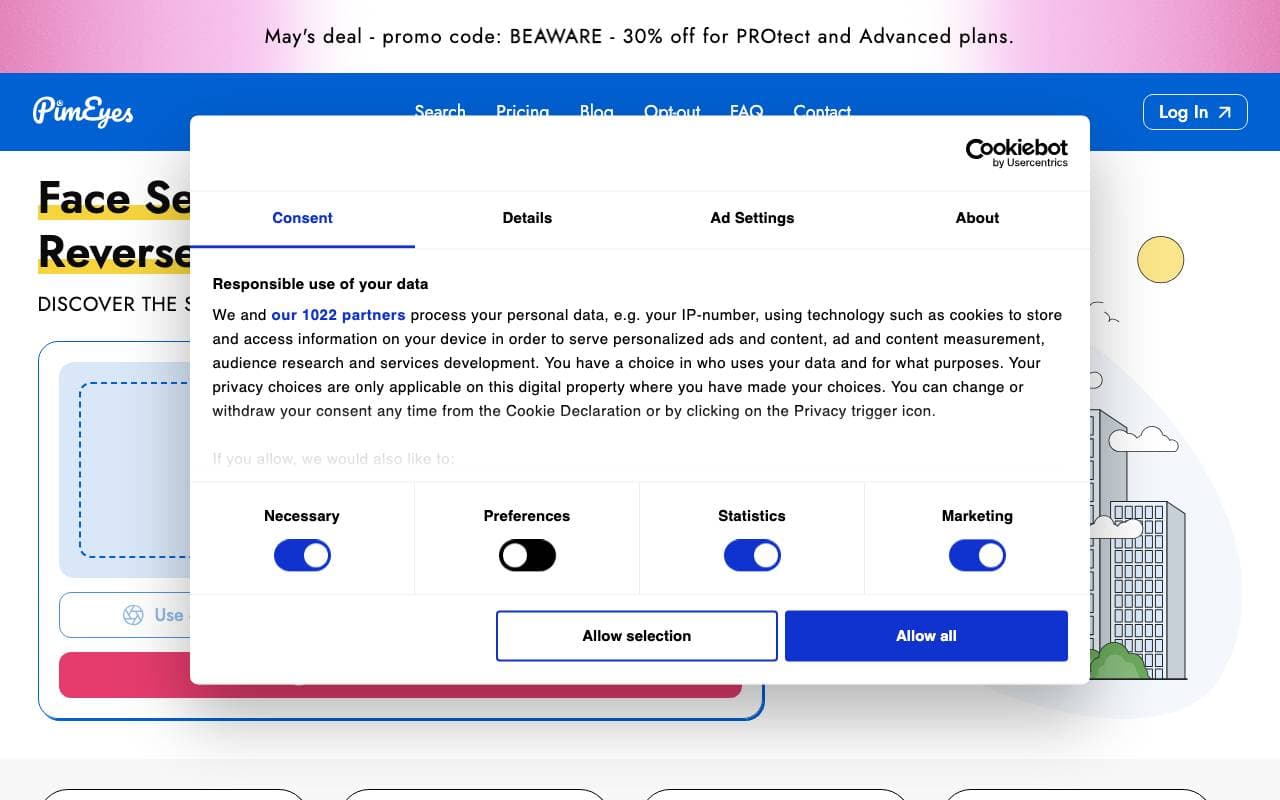

PimEyes
Computer Vision
Motore di ricerca viso per trovare online foto di una persona specifica
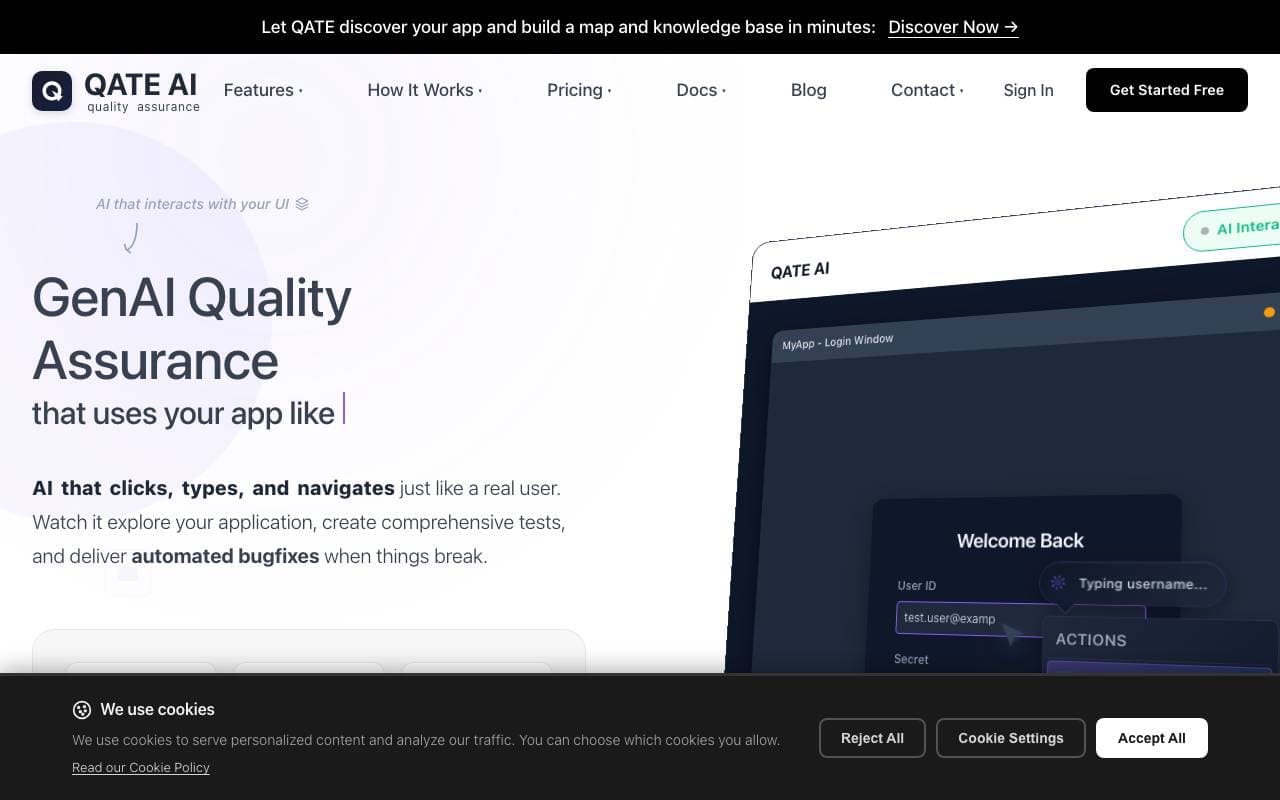

Qate AI
Computer Vision
Garanzia QA GenAI che esplora e testa la tua app come un utente reale.
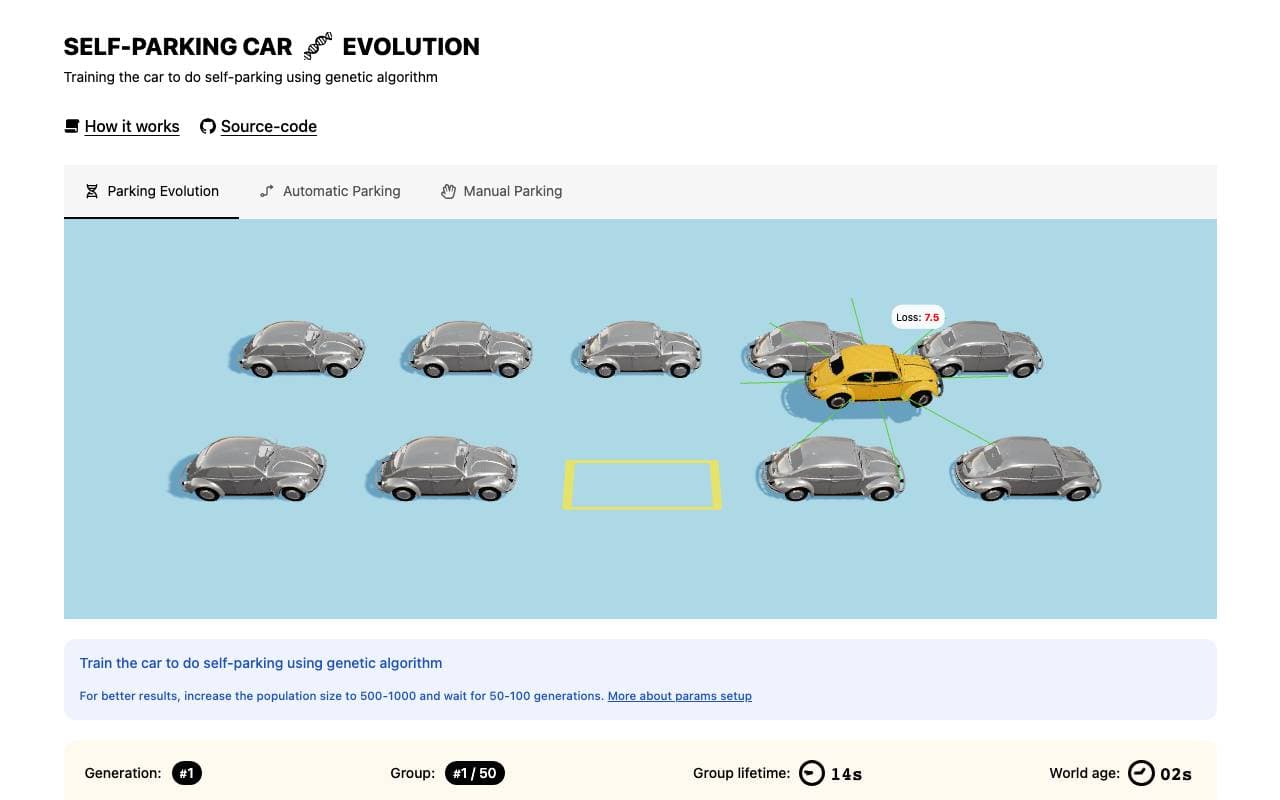

Self-Parking Car Evolution
Computer Vision
Demo di algoritmo genetico che evolve automobili virtuali self-parking nell'ambiente del browser.
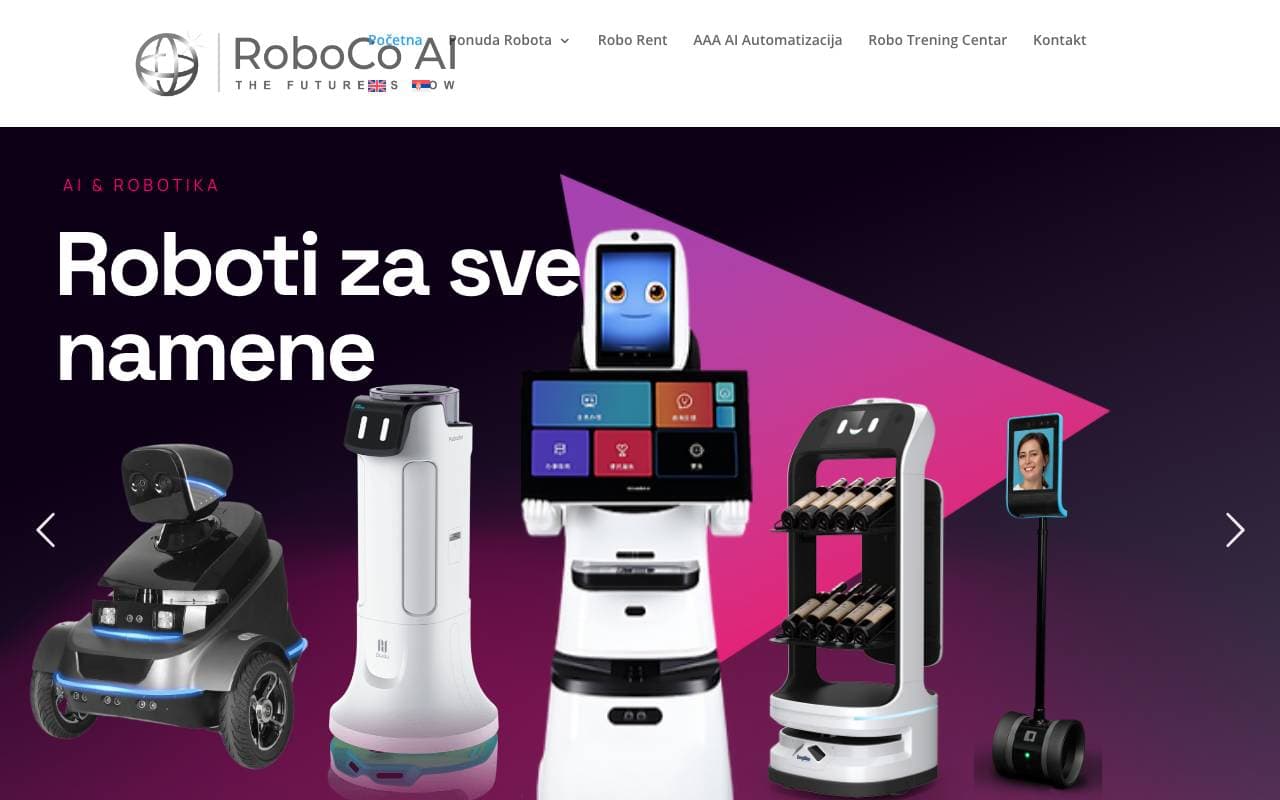

Roboco AI
Computer Vision
Frammento di agente AI autonomo per la creazione di applicazioni robotiche con compiti guidati.
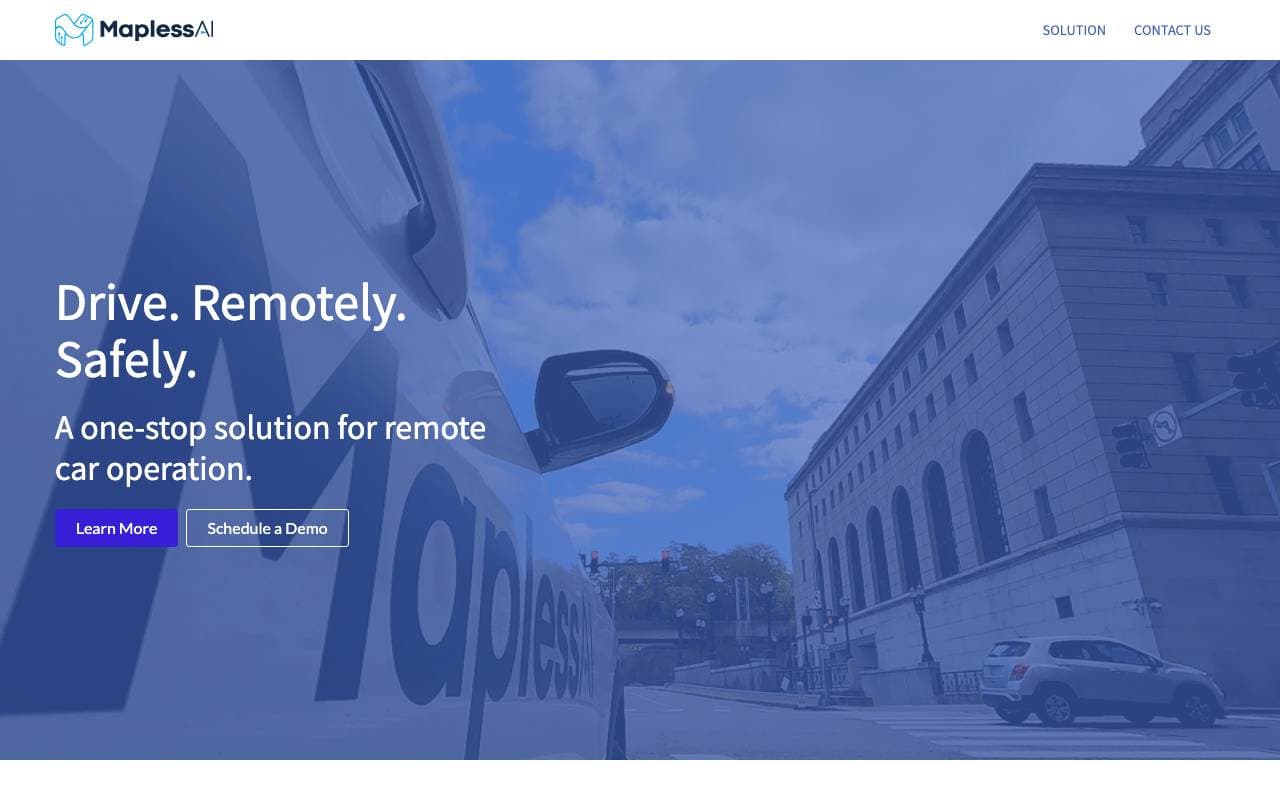

Mapless AI
Computer Vision
Piattaforma di controllo remoto per un gestione sicura della flotta autonoma e senza conducente.


Pykaso
Computer Vision
Generazione di immagini e video estremamente realistiche con allenamento personalizzato di LoRA.


ExpertDevTech
Computer Vision
Software personalizzato, intelligenza artificiale e soluzioni digitali progettate per accelerare la crescita aziendale.

Retouch4me
Computer Vision
Plugin AI di retouching che automatizza il lavoro sulla pelle, i colori e i dettagli mentre mantiene le texture naturali.
Trending now

Doozer Ai
Sales Agent
Coworker digital che automatizzano i flussi operativi per migliorare l'efficienza del team


Claude
AI Agents & Chatbots
Assistente AI conversazionale di Anthropic per scrittura, analisi, coding e compiti documentali

Consistent Character AI
Images
Genera personaggi AI coerenti tra scene da un unico riferimento della foto.

Mistral AI
Large Language Models (LLMs)
frontiere aperte dei modelli