
HuggingGPTAgente orchestrato basato sull'LLM che invia compiti ad architetture AI specializzate in varie modalità.

Panoramica
Funzionalità chiave
- Pianificazione di compiti basata su LLM e decomposizione
- Selezione automatica di modelli da Hugging Face Hub
- Motore di esecuzione per chiamate di modelli concatenate
- Supporto per l'input e l'output multimediali
- Sintesi di risposte dai risultati intermedi
- Implementazione aperta al codice per la personalizzazione
Prezzi
- Modello
- Freemium
- Categoria
- Speech Recognition
- Valutazione
- 4.8 / 5 (4)
Casi d’uso
Automazione di compiti multimediali
Riduci richieste che coprono testo, immagine, Audio e Video, lasciando che il pianificatore LLM decomponga il compito e chiami architetture di Hugging Face specializzate in ogni passo.
Studio sulla ricerca dell'orchestrazione degli agenti
Studiare e estendere la pianificazione dei task guidata da LLM, la selezione dei modelli e la sintesi delle risposte, utilizzando l'implementazione aperta come baseline.
Pipelining di prototipi AI
Chainare insieme architetture visione, voce e linguaggio senza riaddestramenti per creare prototipi complessi come la sovrapposizione di immagini con la traduzione e la descrizione.
Router dei modelli personalizzato
Aggiungi nuovi modelli da Hugging Face Hub per costruire un sistema di orchestrazione personalizzato che invia sottotask a esperti di area specifica.
Pro & contro
Pro
- Corda molte architetture specializzate in un workflow
- Gestisce compiti multimediali all'interno di testo, immagine, Audio e Video
- Progetto di ricerca pubblica con codice open
- Estendibile verso nuovi modelli su Hugging Face Hub
- Consente una personalizzazione completa dei modelli selezionati
Contro
- Richiede chiavi API e setup tecnico avanzato
- La latenza cresce con catene di compiti multi-steps
- La qualità dipende dall'accuratezza del pianificatore LLM
- Non un prodotto fine utente lavorato
- Non è facile da utilizzare per utenti non tecnici
Recensioni
Media su 4 valutazioni.
Accedi per lasciare una recensione.
Does the job
Pretty happy overall. Execution engine for chained model calls just works and coordinates many specialized models in one workflow. Requires API keys and technical setup can be annoying, but no dealbreakers — I'd recommend it to a friend without hesitating.
Skeptical, then convinced
I went in skeptical — most tools in this space overpromise. It actually delivers on multi-modal input and output support, and handles multi-modal tasks across text, image, audio, and video caught me off guard. still, I'd recommend giving it a real trial.
Does the job
Pretty happy overall. Open-source implementation for customization just works and handles multi-modal tasks across text, image, audio, and video. Quality depends on the LLM planner's accuracy can be annoying, but no dealbreakers — I'd recommend it to a friend without hesitating.
Years in this space
I've evaluated a lot of these over the years. What stands out here is lLM-based task planning and decomposition — handled better than most — and open research project with public code. Requires API keys and technical setup is my one real gripe. Worth the time if this is your use case.
Domande e risposte
What types of tasks can HuggingGPT actually handle end-to-end?
It handles complex, multi-modal requests spanning text, image, audio, and video by decomposing them into subtasks and routing each to a specialized Hugging Face model. The LLM controller then synthesizes the intermediate outputs into a unified response, making it suited for workflows that no single model could complete alone.
What are the main performance limitations to be aware of?
Latency increases with each step in a multi-model chain, so complex tasks can be slow. Overall quality also depends heavily on the LLM planner's accuracy in decomposing tasks and selecting appropriate expert models from the Hugging Face Hub.
How technical is the setup, and is HuggingGPT ready for non-developer end users?
HuggingGPT is an open-source research framework, not a polished end-user product. It requires API keys and technical setup to run, and is best suited to developers and researchers who want to customize agent-style orchestration over Hugging Face models.
Fai una domanda
Alternative a Speech Recognition
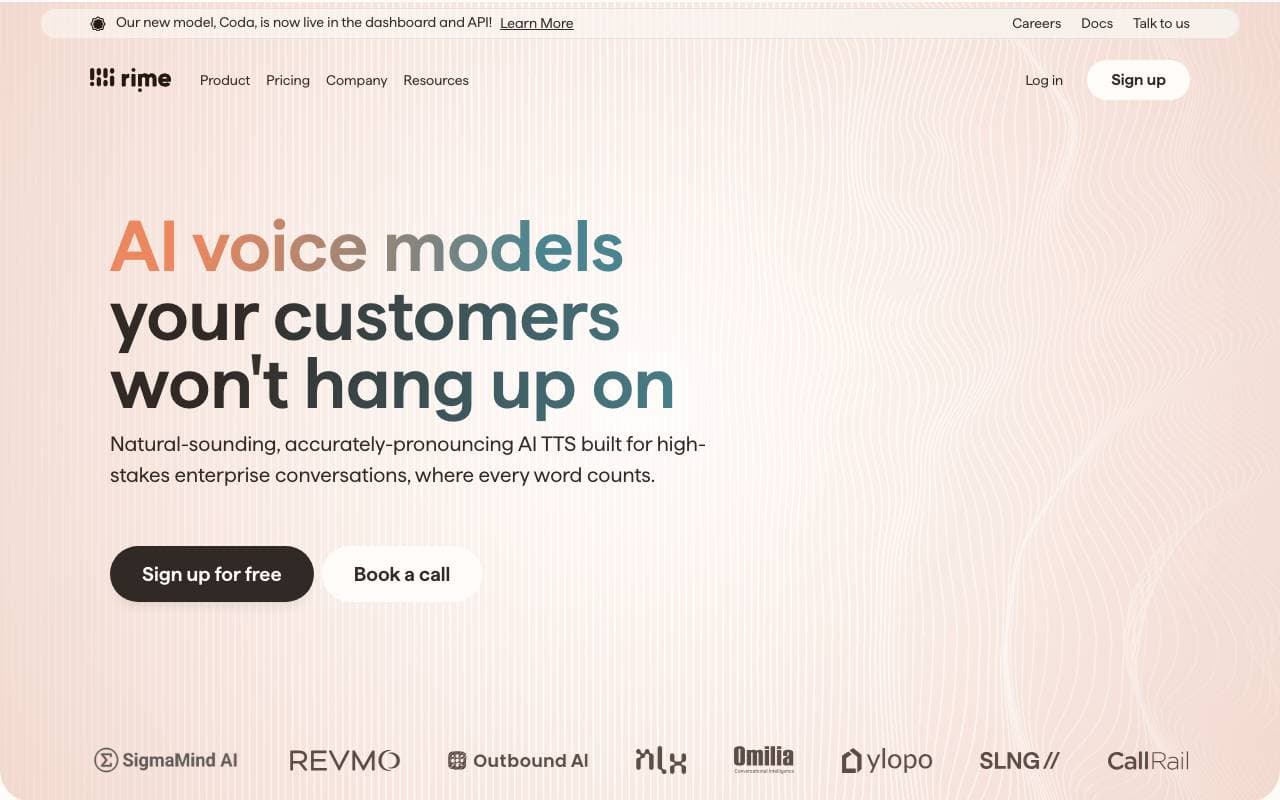

Rime
Speech Recognition
Voci AI simili a quelle umane costruite per conversazioni di customer care in tempo reale

AITernet
Speech Recognition
Un browser AI attivato a voce che esegue comandi dell'utente automatizzando interazioni web.
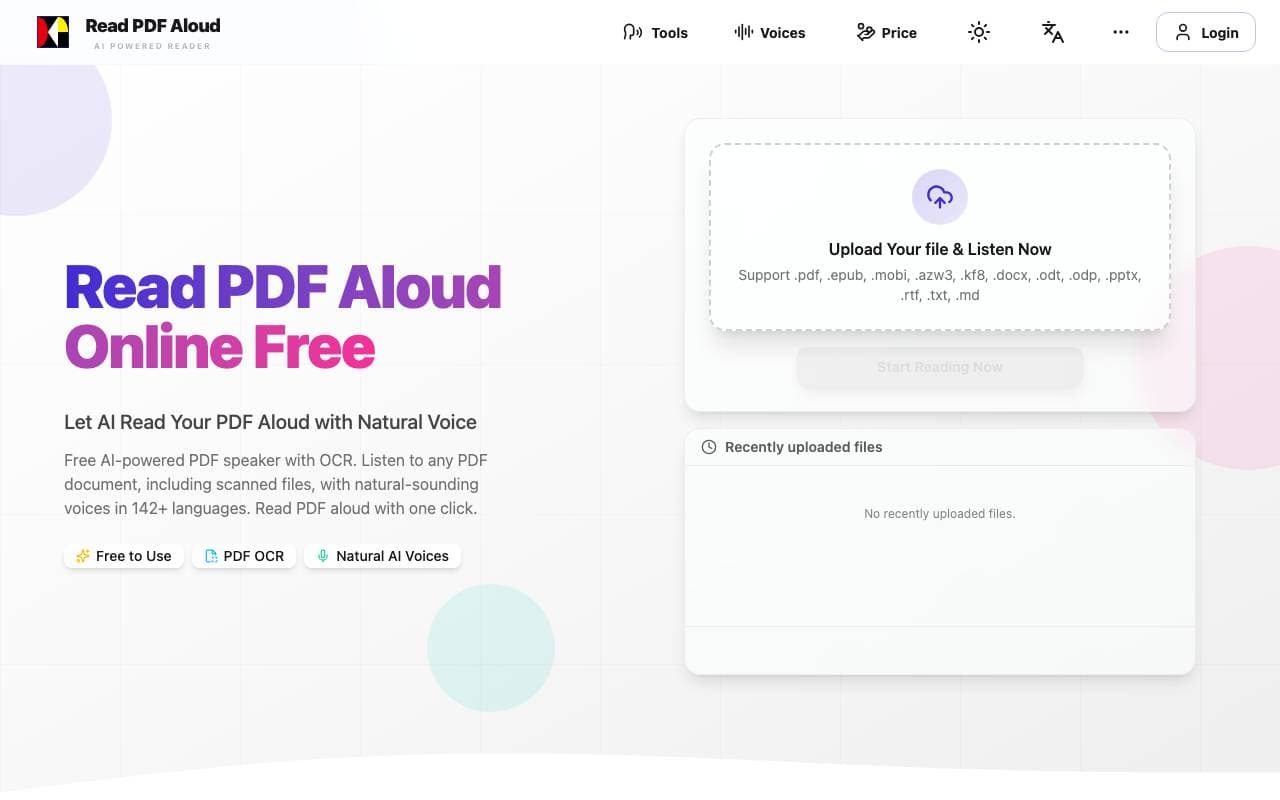

Read PDF Aloud
Speech Recognition
Trasforma PDF in audiostream naturali con voci AI per la lettura senza sforzo.
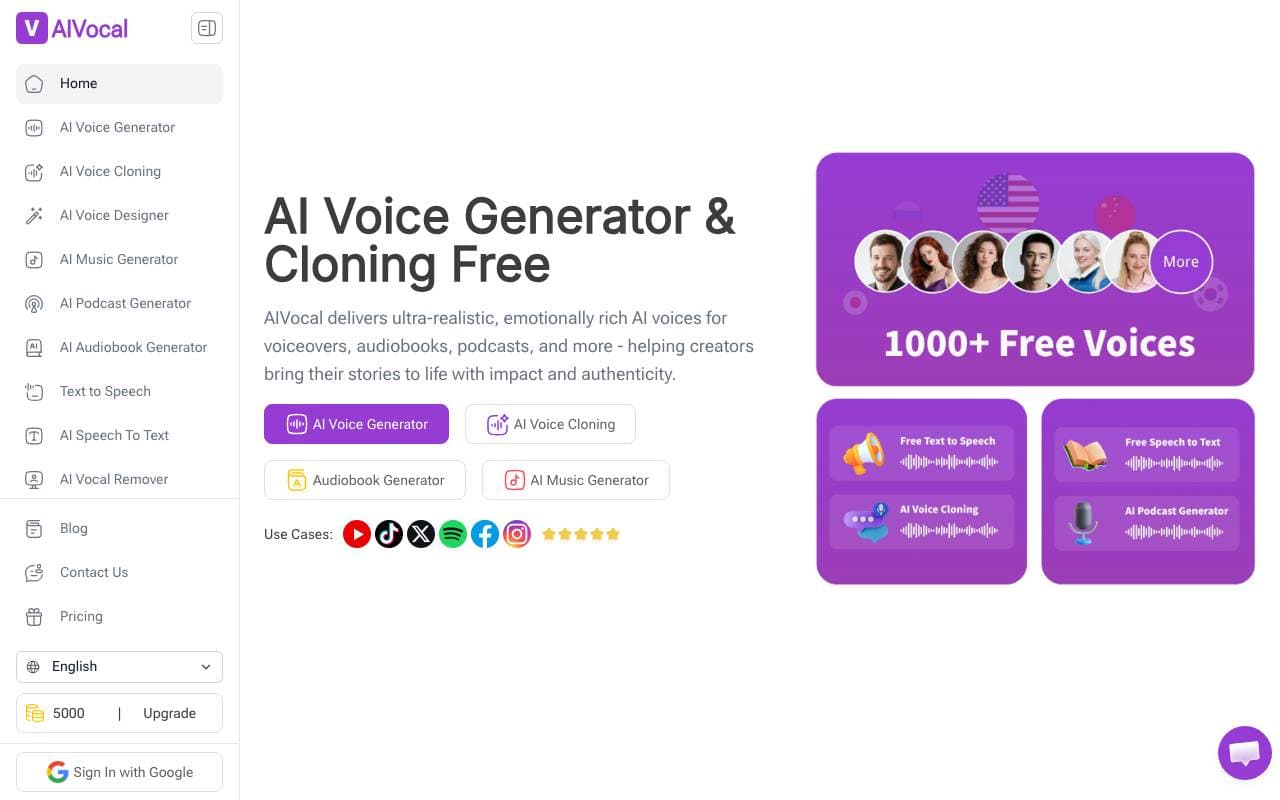

AIVocal
Speech Recognition
Tutto-in-uno AI assistente vocale per la generazione, la modifica e l'innalzamento dell'audio vocale.
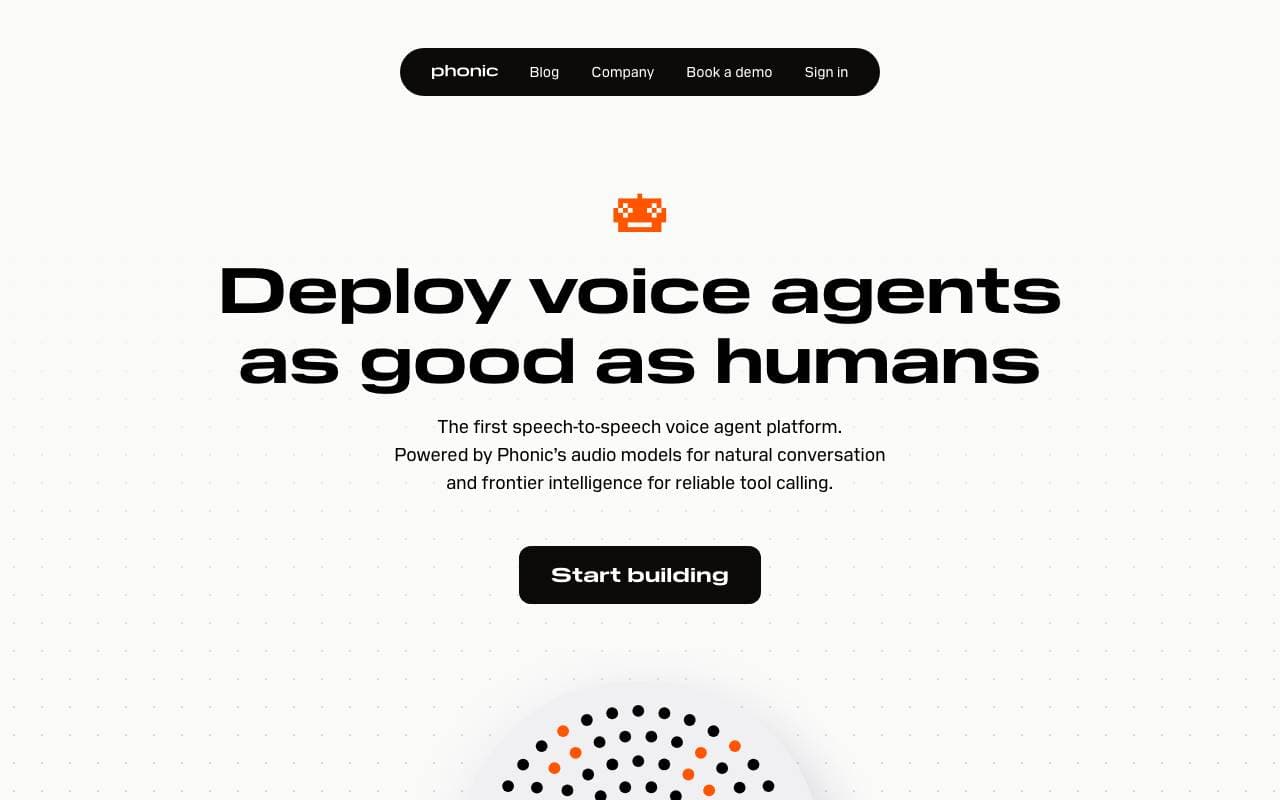

Phonic
Speech Recognition
Piattaforma completa per la creazione di agenti AI di voce realistici e affidabili.
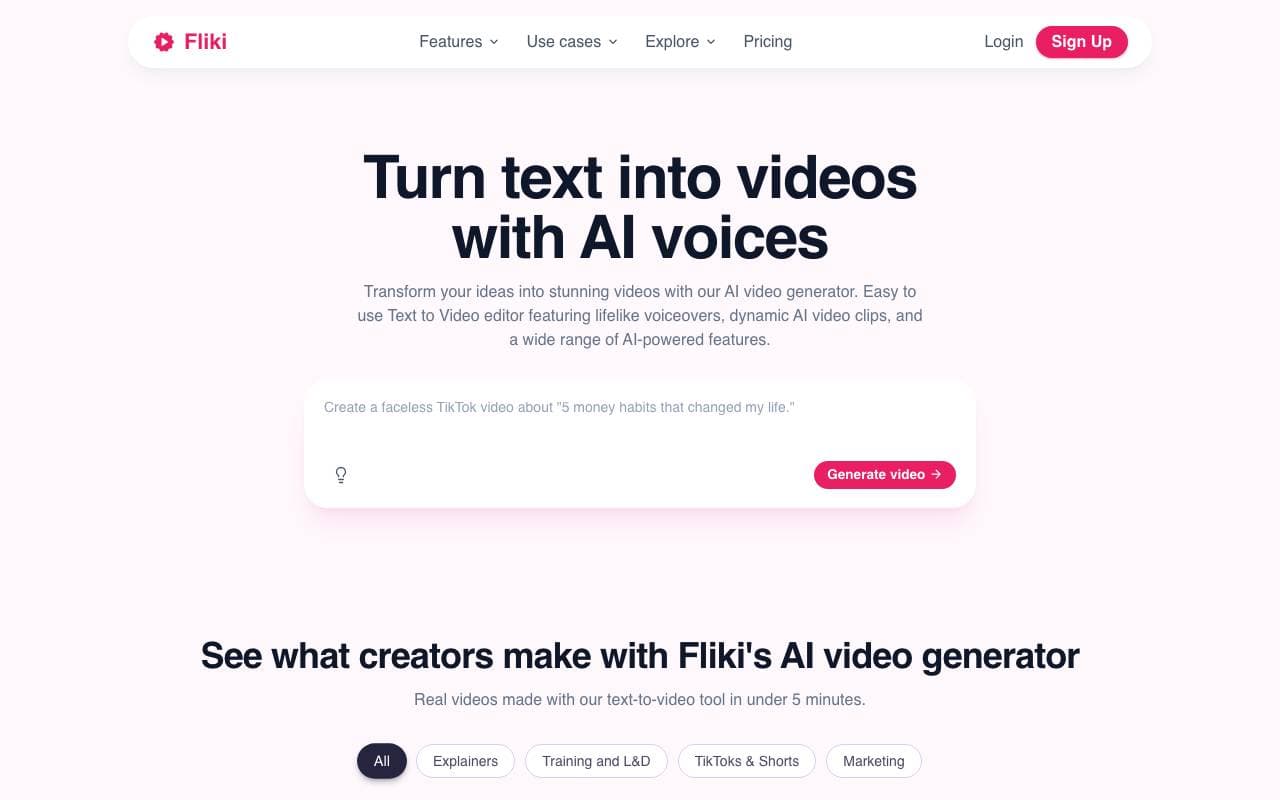

Fliki AI
Speech Recognition
Trasforma testi, script e idee in video narrati con voci e avatar AI.
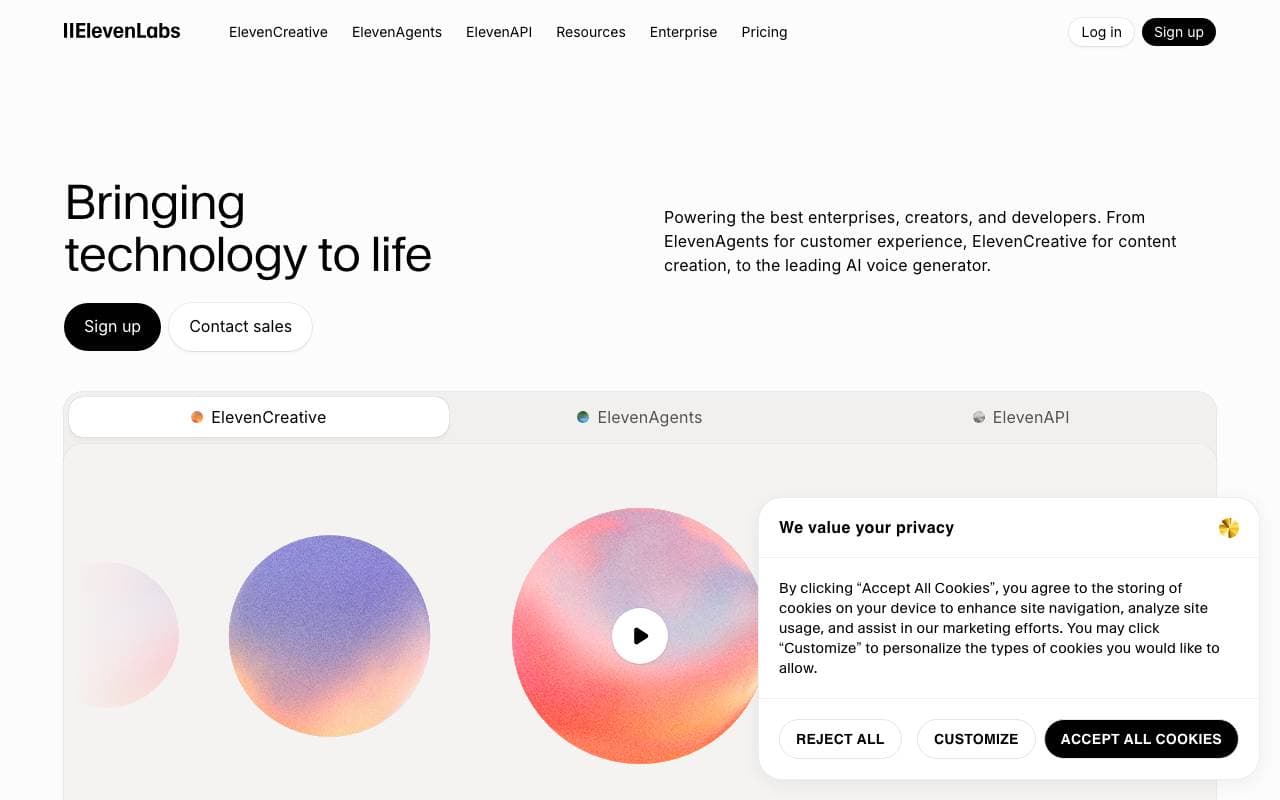

ElevenLabs
Speech Recognition
Testo AI parla con suoni realistici e clonazione vocale in dozzine di lingue.
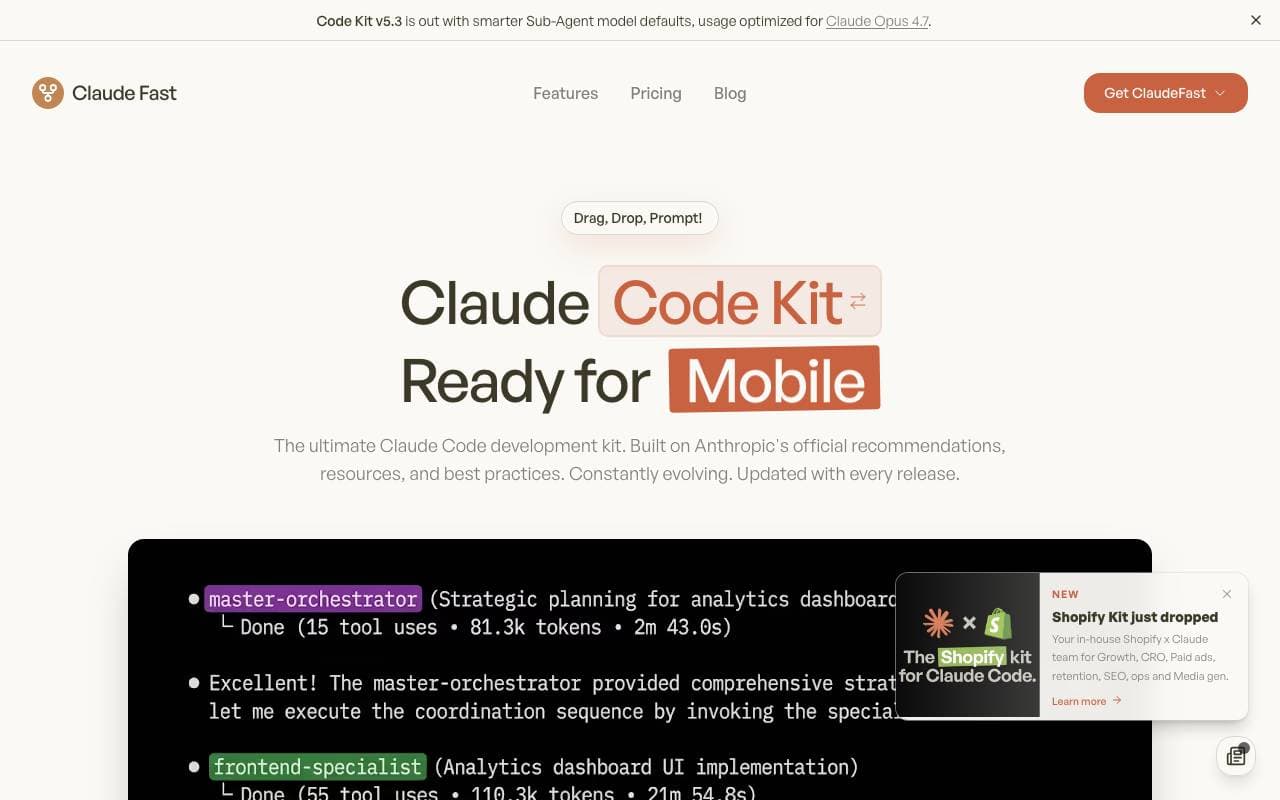

Claudefast
Speech Recognition
Configurazioni predefinite di Claudefast per saltare la configurazione e iniziare a spedire più velocemente.
Trending now
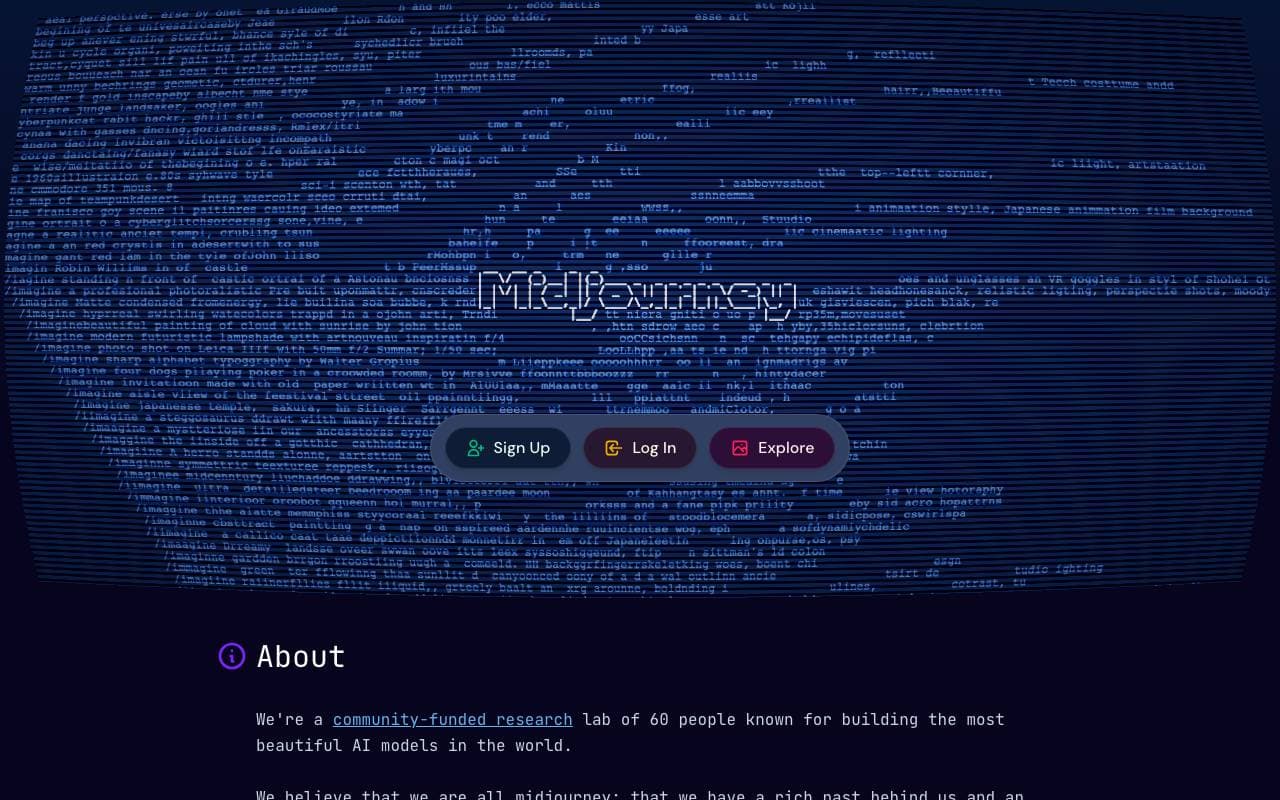

Midjourney
Image Generation
Generare immagini stupende dal testo

Doozer Ai
Sales Agent
Coworker digital che automatizzano i flussi operativi per migliorare l'efficienza del team
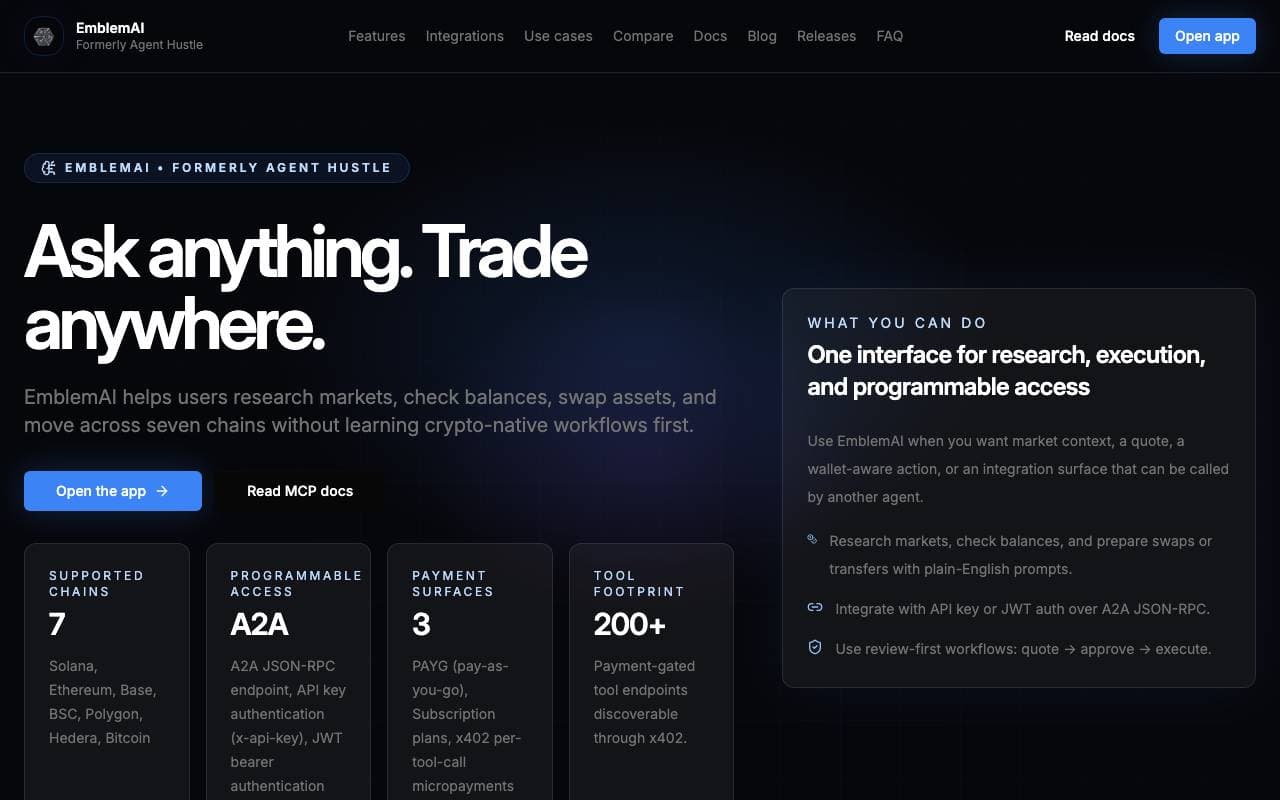

EmblemAI
DeFi Agents
Assistente AI per criptovalute per la gestione degli asset in più blockchain.
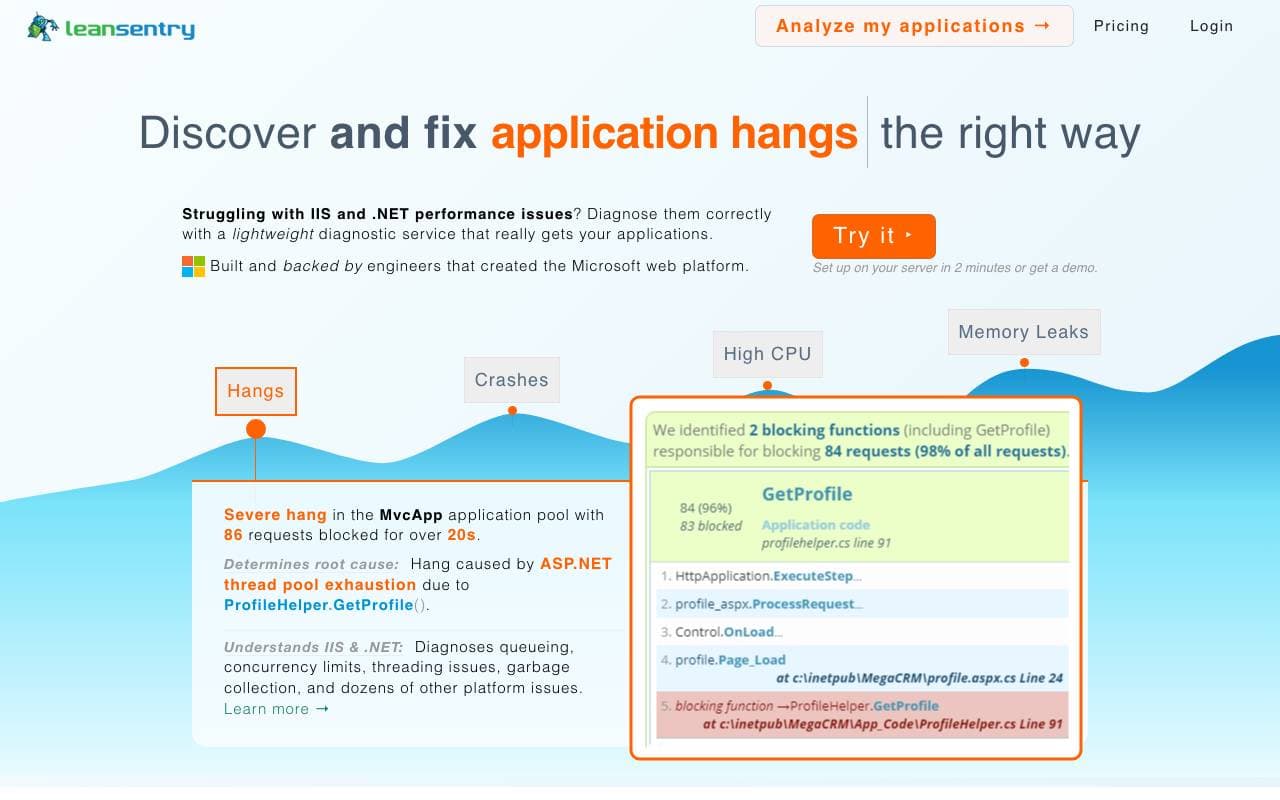

LeanSentry
Software Development
Diagnostica e monitoraggio automatizzati per problemi di prestazioni IIS ed ASP.NET