
Flowise AICreastruttore open-source basato su zero-coda per app e agenti LLM

Panoramica
Funzionalità chiave
- Creastruttore di pipeline LLM basato su zero-coda
- Nodi predefiniti per catene, agenti e memoria
- Integrazioni con OpenAI
- Hugging Face e modelli locali
- Supporto per il magazzino di vettori e RAG
- Endpoint API e widget di chat integrato
- Opzioni di deployment host e cloud
Prezzi
- Modello
- Free
- Categoria
- AI Agents Frameworks
- Valutazione
- 4.7 / 5 (6)
Casi d’uso
Progettare Chatbot LLM Visivamente
Trascinare e rilasciare nodi per assemblare chatbot con promemoria, memory, e strumenti, consentendo alle squadre di iterare rapidamente sulla AI conversazionale senza scrivere codice di boilerplate estensivo.
Sviluppare Pipeline di Ricerca e Recupero
Collegare strutture vettoriali, modelli di embedding e LLM per creare pipeline di ricerca e generazione che rispondano alle domande da basi di conoscenza custom.
Distribuire Flussi come API
Esportare flussi costruiti come endpoint di API o integrarli come widget di chat sui siti Web, consentendo la distribuzione in produzione di applicazioni LLM con scarsa ingegneria.
Ospitare in Auto Multi-Step Agenti di AI
Usare agenti e nodi di catena preconfezionati con integrazione LangChain o LlamaIndex per progettare agenti a passaggi multipli e ospitarli per privacy dei dati e controllo.
Pro & contro
Pro
- Open source e gratuito con opzione di hosting
- Interfaccia visiva che abbassa il baratro per la creazione di app LLM
- Intrattenzioni ampie con modelli
- strumenti e database vettoriali
- Flussi esportabili come endpoint API per una facile deploy
- Comunità attiva e sistema componente estensibile
Contro
- Richiede impostazione tecnica per l'hosting self
- Agenti complessi possono diventare difficili da debug in modo visivo
- La documentazione può rimanere indietro rispetto ai mutamenti veloci di funzione
- Casi di utilizzo avanzati richiedono ancora codice personalizzato
- useCases
- :
- [object Object],[object Object],[object Object],[object Object]
Recensioni
Media su 6 valutazioni.
Accedi per lasciare una recensione.
Does the job
Pretty happy overall. Integrations with OpenAI, Hugging Face, and local models just works and active community and extensible component system. Documentation can lag behind rapid feature changes can be annoying, but no dealbreakers — I'd recommend it to a friend without hesitating.
Skeptical, then convinced
I went in skeptical — most tools in this space overpromise. It actually delivers on drag-and-drop flow builder for LLM pipelines, and free and open source with self-hosting option caught me off guard. Complex agents can become hard to debug visually is why this isn't a perfect score, still, I'd recommend giving it a real trial.
Solid for our team
We rolled this out across the team last quarter and broad integrations with models, tools, and vector databases. Vector store and RAG support fits neatly into how we already work, and self-hosted or cloud deployment options removed a step we used to do by hand. Some advanced use cases still need custom code, which is the main caveat, but it has held up under daily use.
Does the job
Pretty happy overall. Drag-and-drop flow builder for LLM pipelines just works and broad integrations with models, tools, and vector databases. Documentation can lag behind rapid feature changes can be annoying, but no dealbreakers — I'd recommend it to a friend without hesitating.
Skeptical, then convinced
I went in skeptical — most tools in this space overpromise. It actually delivers on prebuilt nodes for chains, agents, and memory, and visual interface lowers the barrier to building LLM apps caught me off guard. still, I'd recommend giving it a real trial.
Does the job
Pretty happy overall. Self-hosted or cloud deployment options just works and active community and extensible component system. Some advanced use cases still need custom code can be annoying, but no dealbreakers — I'd recommend it to a friend without hesitating.
Domande e risposte
Ancora nessuna domanda — sii il primo a chiedere.
Fai una domanda
Alternative a AI Agents Frameworks

smolagents
AI Agents Frameworks
Biblioteca Python minimalistica di Hugging Face per la creazione di agenti AI basati sul codice in poche righe

Mini LLM Flow
AI Agents Frameworks
Kernel di flusso LLM minimalista per la creazione di workflow agenti che si programmano da soli

upsonicAI
AI Agents Frameworks
Frammento aperto di agente per la creazione di operatori digitali focalizzati su compiti specifici e agenti AI verticali.

AI-Powered RAG Workflow for n8n
AI Agents Frameworks
Ponetevi delle domande e ottenete risposte radicate nei vostri file Google Drive usando n8n.


ControlFlow
AI Agents Frameworks
Frammento di codice Python per la creazione di workflow AI agentivi con un design incentrato sulle attività.
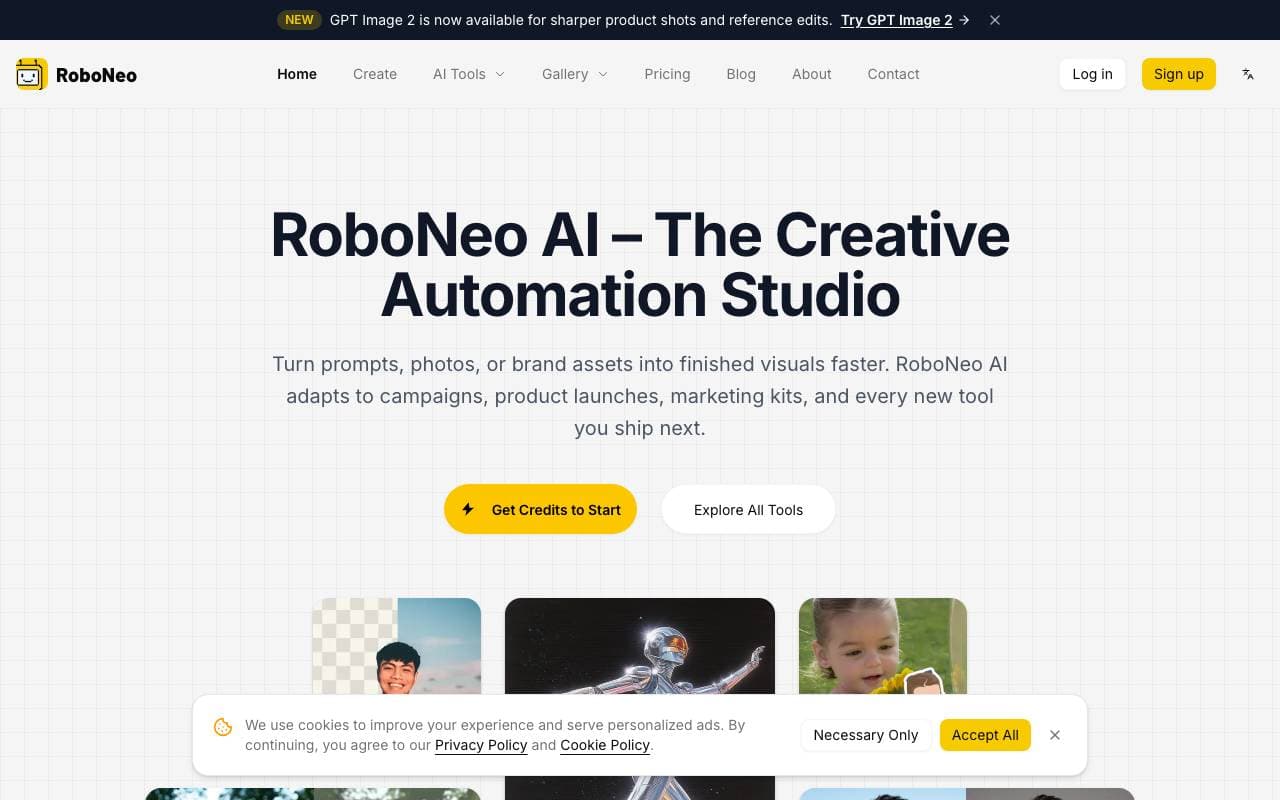

roboneo art
AI Agents Frameworks
Generatore di arte AI che converte i suggerimenti di testo in immagini di alta qualità in secondi.

Agent Genesis
AI Agents Frameworks
Snippet di codice open-source da copiare e incollare per creare agenti AI in modo rapido.
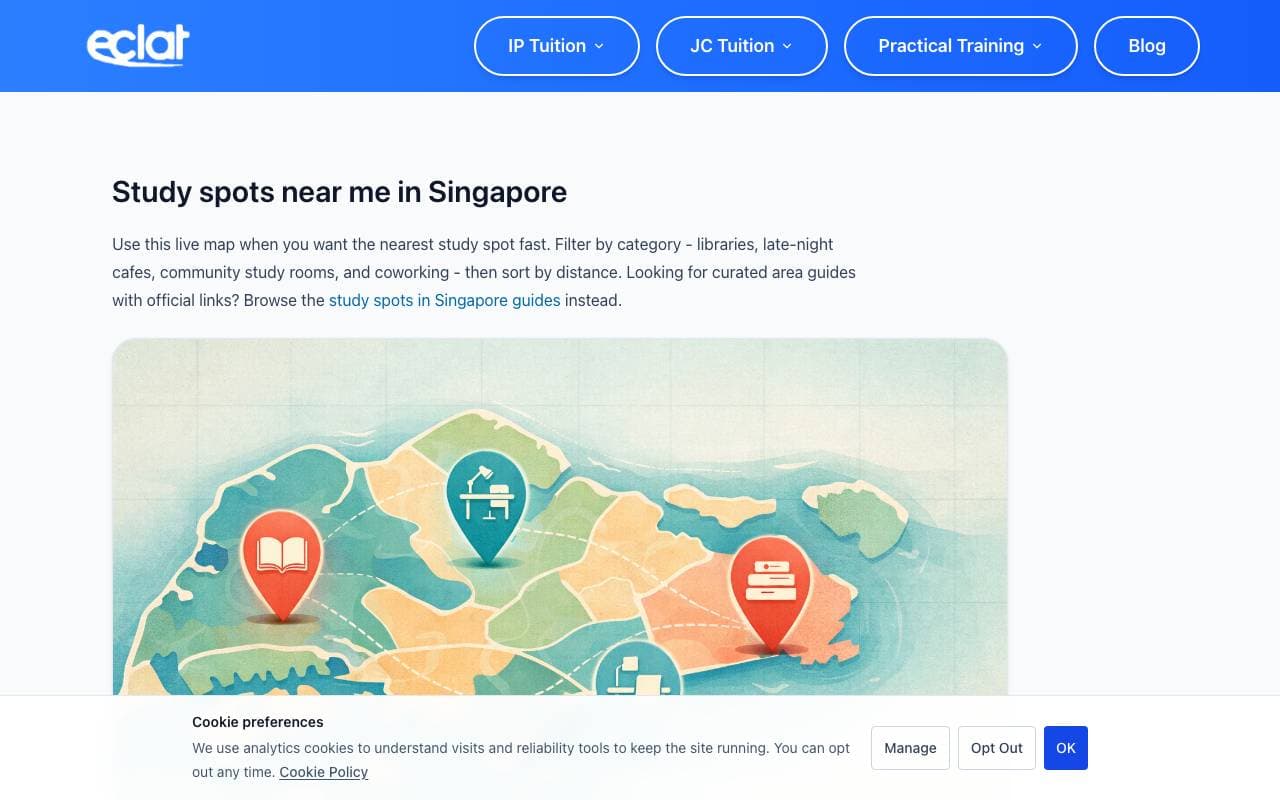

Eclat Institute
AI Agents Frameworks
Tematica di IP e JC focalizzata per costruire una profonda padronanza della materia
Trending now

Doozer Ai
Sales Agent
Coworker digital che automatizzano i flussi operativi per migliorare l'efficienza del team


Claude
AI Agents & Chatbots
Assistente AI conversazionale di Anthropic per scrittura, analisi, coding e compiti documentali
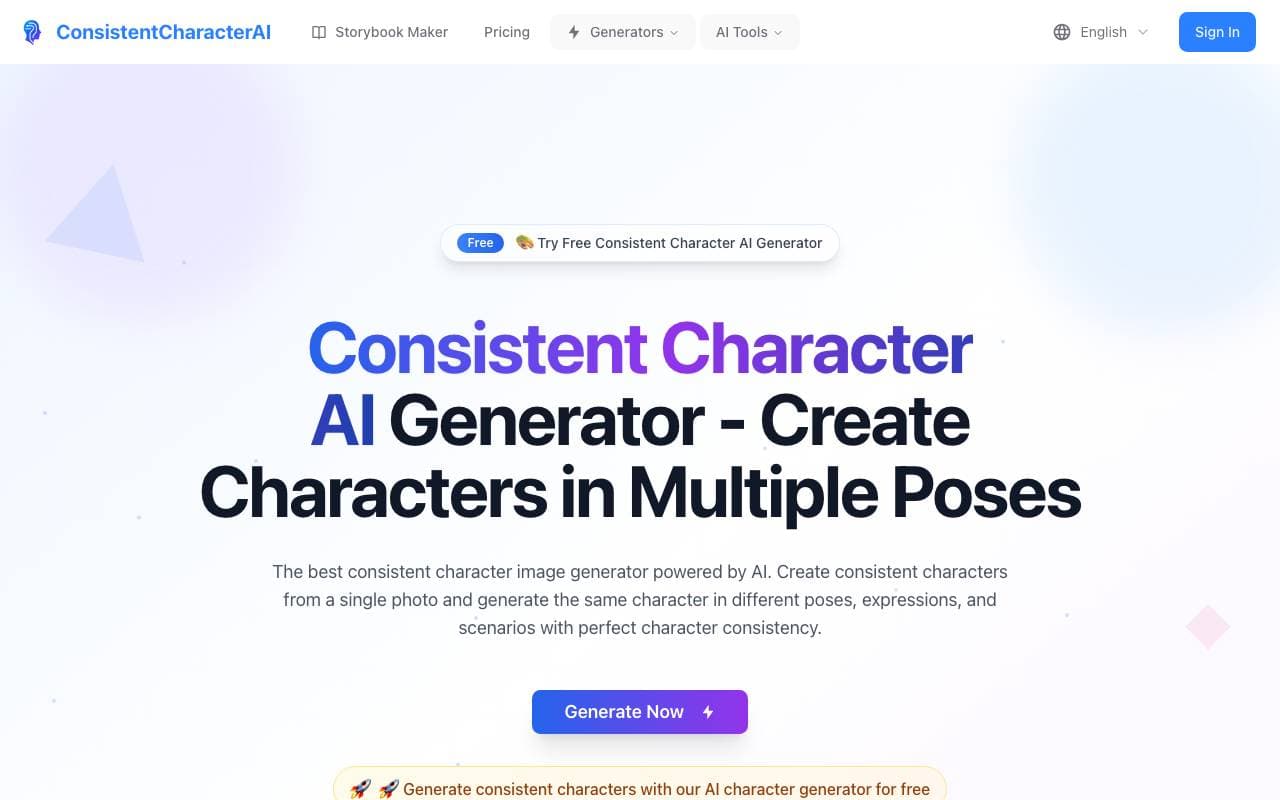

Consistent Character AI
Images
Genera personaggi AI coerenti tra scene da un unico riferimento della foto.


Mistral AI
Large Language Models (LLMs)
frontiere aperte dei modelli