
FloAIFrammento Python open-source per costruire agenti AI componibili e flussi di lavoro complessi

Panoramica
Funzionalità chiave
- Blocchi costruttivi di agenti componibili
- Gestione di orchestrazione del flusso per attività complesse
- Supporto per più provider di modello linguistico (LLM)
- Integrazione di strumenti e funzioni personalizzati
- Pattern di collaborazione multi-agente
- Codice-base open-source estensibile
Prezzi
- Modello
- Free
- Categoria
- AI Agents Frameworks
- Valutazione
- 4.8 / 5 (4)
Casi d’uso
Prototipare Sistemi Agenti Autonomi Multiagente
Gli ricercatori possono compostare velocemente agenti collaudanti con ruoli e LLM diversi senza scrivere codice di orchestrazione personalizzato.
Costruire Flussi di lavoro AI di Produzione
I team di ingegneri possono strutturare complesse attività AI multi-steps in pipeline modulari, integrando strumenti e funzioni personalizzati per applicazioni di agenti di produzione di alta qualità.
Flussi di lavoro di Agenti con Pipeline LLM auto-hosted
Le squadre con requisiti di dati e conformità possono auto-hostare FloAI per eseguire flussi di lavoro di agenti Python nativi in più provider LLM all'interno della propria infrastruttura.
Estensione con strumenti personalizzati
I sviluppatori possono integrare API e funzioni proprietarie come strumenti di agente, valorizzando il codice-base open-source estensibile per adattarsi a casi di uso specifici del dominio.
Pro & contro
Pro
- Open-source e gratuito da utilizzare
- Architettura componibile per flussi di lavoro flessibili
- Nativo Python e facile da integrare
- Supporta l'orchestrazione delle attività multi-agente
Contro
- Richiede esperienza di sviluppo in Python
- Comunità più piccola rispetto a quella delle framework consolidate
- La documentazione può ritardare rispetto alle funzionalità
Storico battaglie
Su 1 battaglia nel Pantheon.
Last battle
Recensioni
Media su 4 valutazioni.
Accedi per lasciare una recensione.
Skeptical, then convinced
I went in skeptical — most tools in this space overpromise. It actually delivers on composable agent building blocks, and python-native and easy to integrate caught me off guard. Requires Python development experience is why this isn't a perfect score, still, I'd recommend giving it a real trial.
Solid for our team
We rolled this out across the team last quarter and supports multi-agent task orchestration. Composable agent building blocks fits neatly into how we already work, and extensible open-source codebase removed a step we used to do by hand. Requires Python development experience, which is the main caveat, but it has held up under daily use.
Compared a few options
Evaluated this against two competitors. Where it wins: composable agent building blocks and composable architecture for flexible workflows. On balance the feature set — especially composable agent building blocks — justifies the 5 stars for our use case.
Does the job
Pretty happy overall. Composable agent building blocks just works and open-source and free to use. but no dealbreakers — I'd recommend it to a friend without hesitating.
Domande e risposte
Ancora nessuna domanda — sii il primo a chiedere.
Fai una domanda
Alternative a AI Agents Frameworks
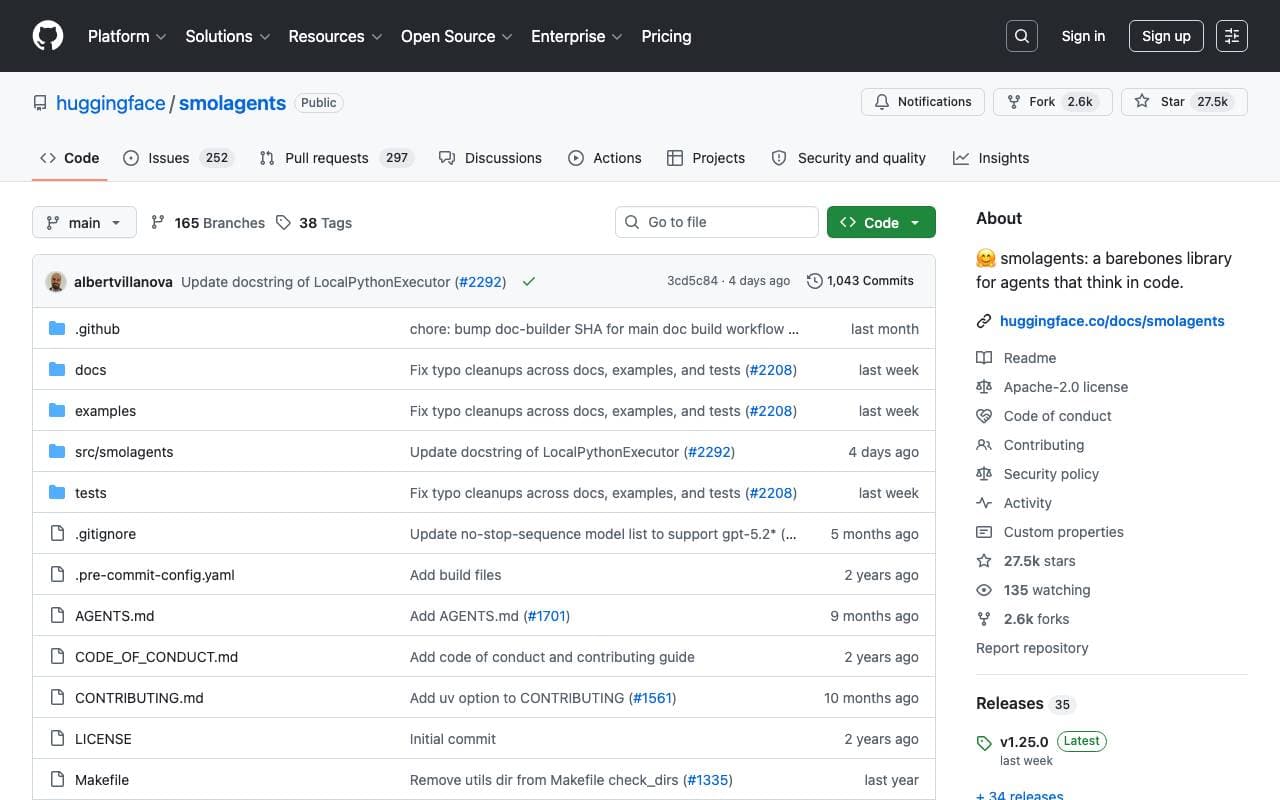

smolagents
AI Agents Frameworks
Biblioteca Python minimalistica di Hugging Face per la creazione di agenti AI basati sul codice in poche righe
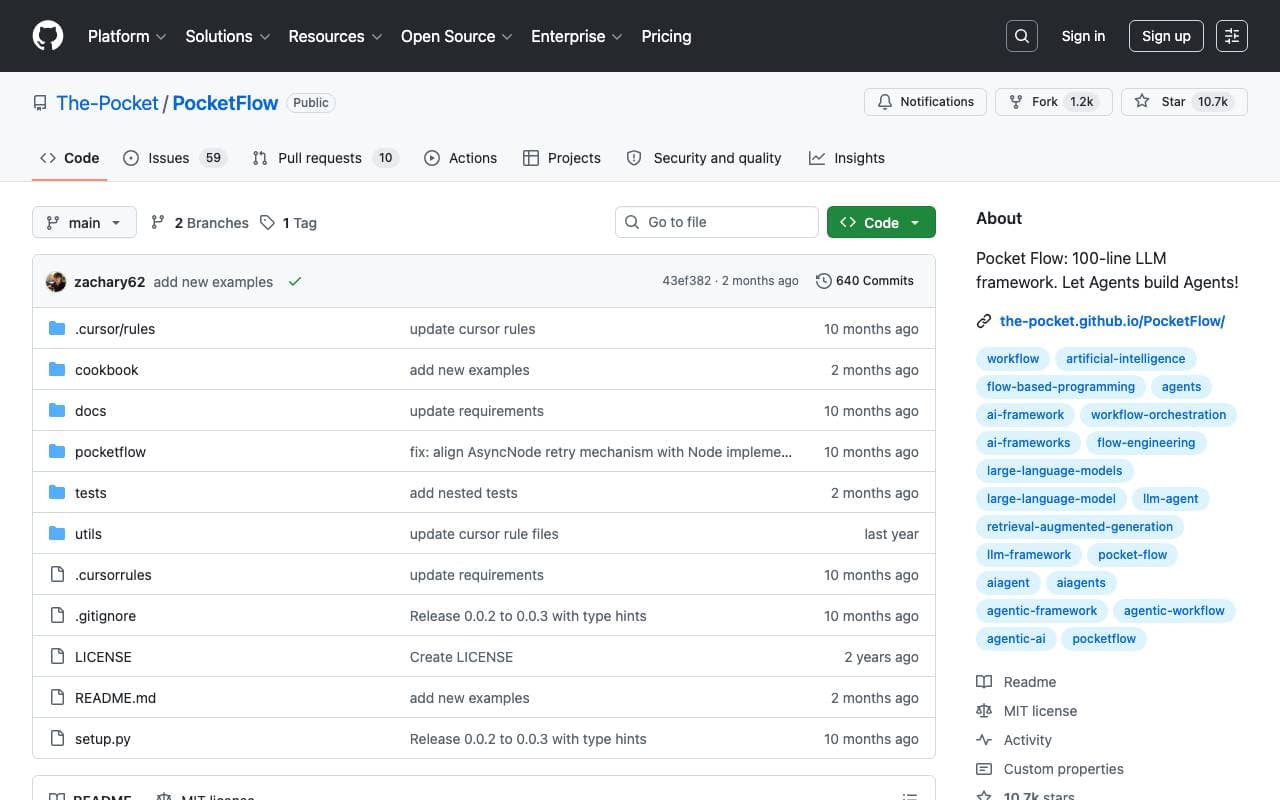

Mini LLM Flow
AI Agents Frameworks
Kernel di flusso LLM minimalista per la creazione di workflow agenti che si programmano da soli
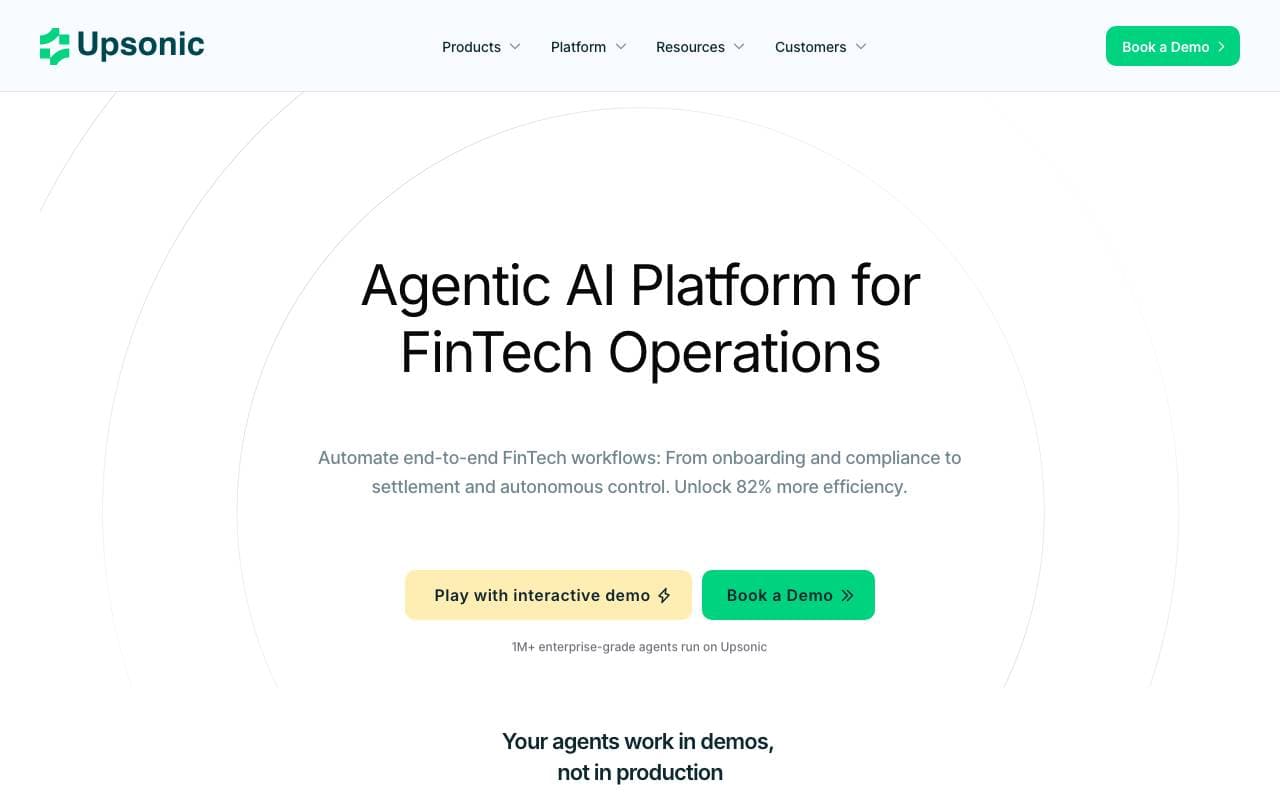

upsonicAI
AI Agents Frameworks
Frammento aperto di agente per la creazione di operatori digitali focalizzati su compiti specifici e agenti AI verticali.

AI-Powered RAG Workflow for n8n
AI Agents Frameworks
Ponetevi delle domande e ottenete risposte radicate nei vostri file Google Drive usando n8n.

ControlFlow
AI Agents Frameworks
Frammento di codice Python per la creazione di workflow AI agentivi con un design incentrato sulle attività.
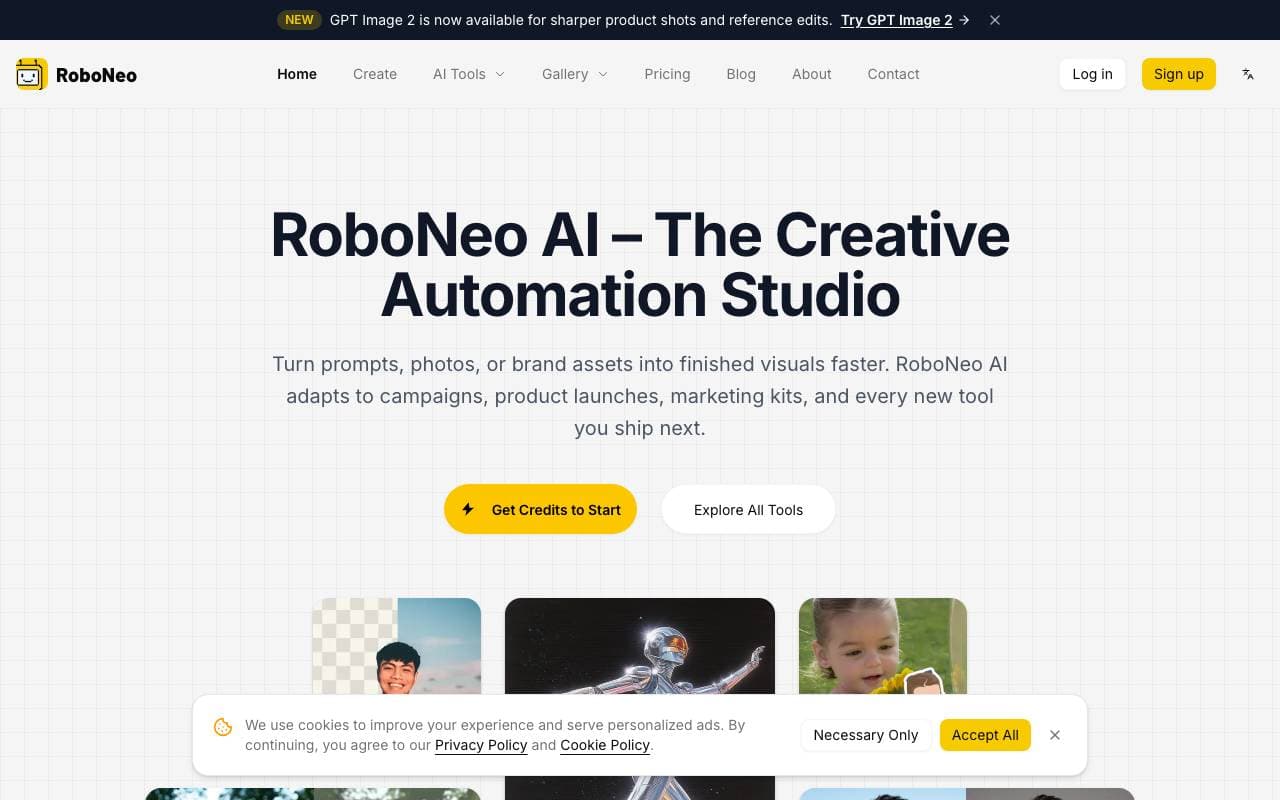

roboneo art
AI Agents Frameworks
Generatore di arte AI che converte i suggerimenti di testo in immagini di alta qualità in secondi.

Agent Genesis
AI Agents Frameworks
Snippet di codice open-source da copiare e incollare per creare agenti AI in modo rapido.
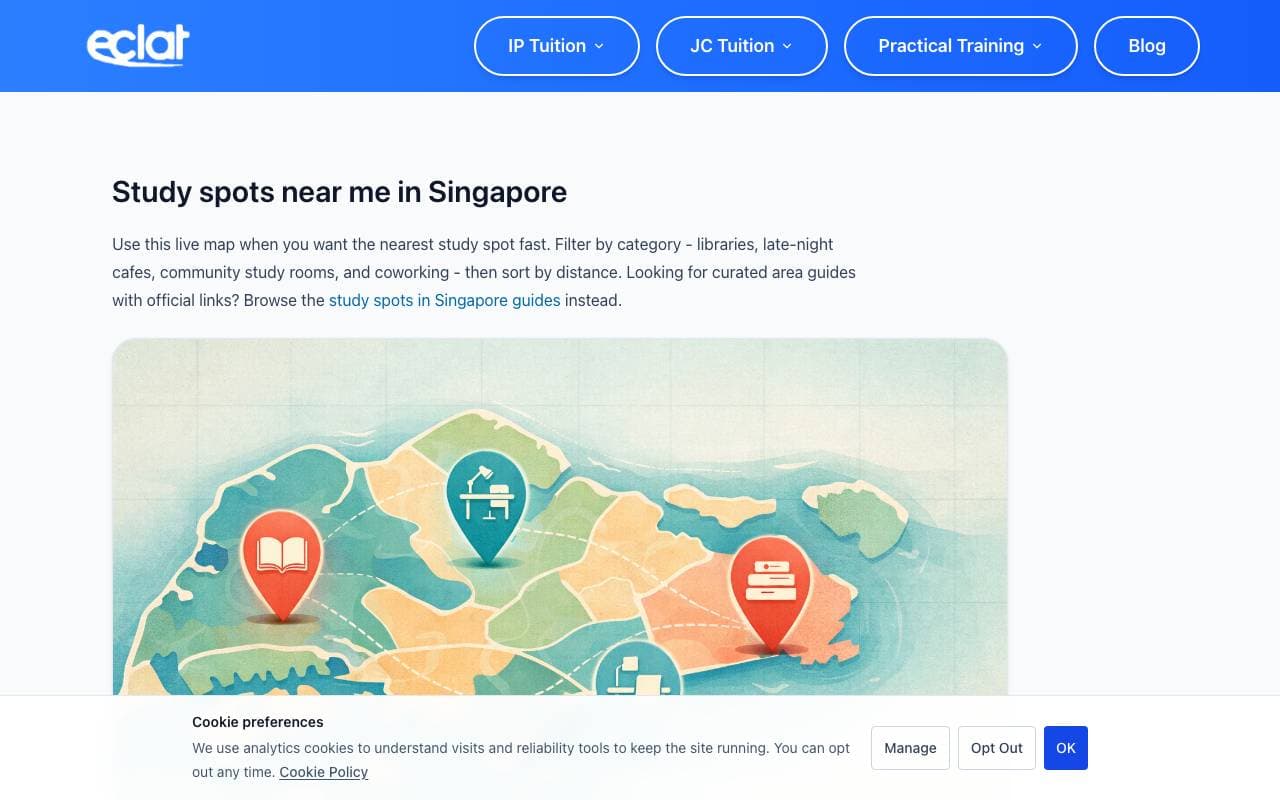

Eclat Institute
AI Agents Frameworks
Tematica di IP e JC focalizzata per costruire una profonda padronanza della materia
Trending now

Claude
AI Agents & Chatbots
Assistente AI conversazionale di Anthropic per scrittura, analisi, coding e compiti documentali
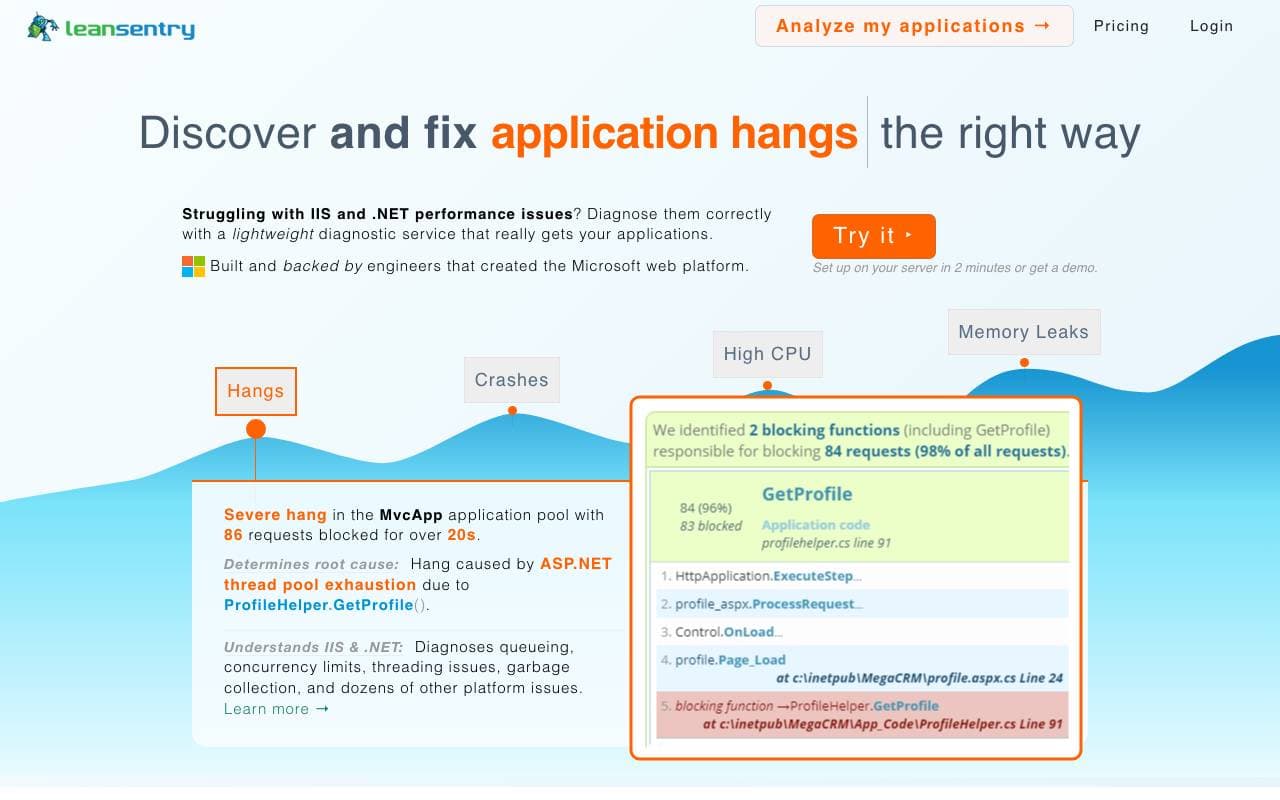

LeanSentry
Software Development
Diagnostica e monitoraggio automatizzati per problemi di prestazioni IIS ed ASP.NET

Doozer Ai
Sales Agent
Coworker digital che automatizzano i flussi operativi per migliorare l'efficienza del team
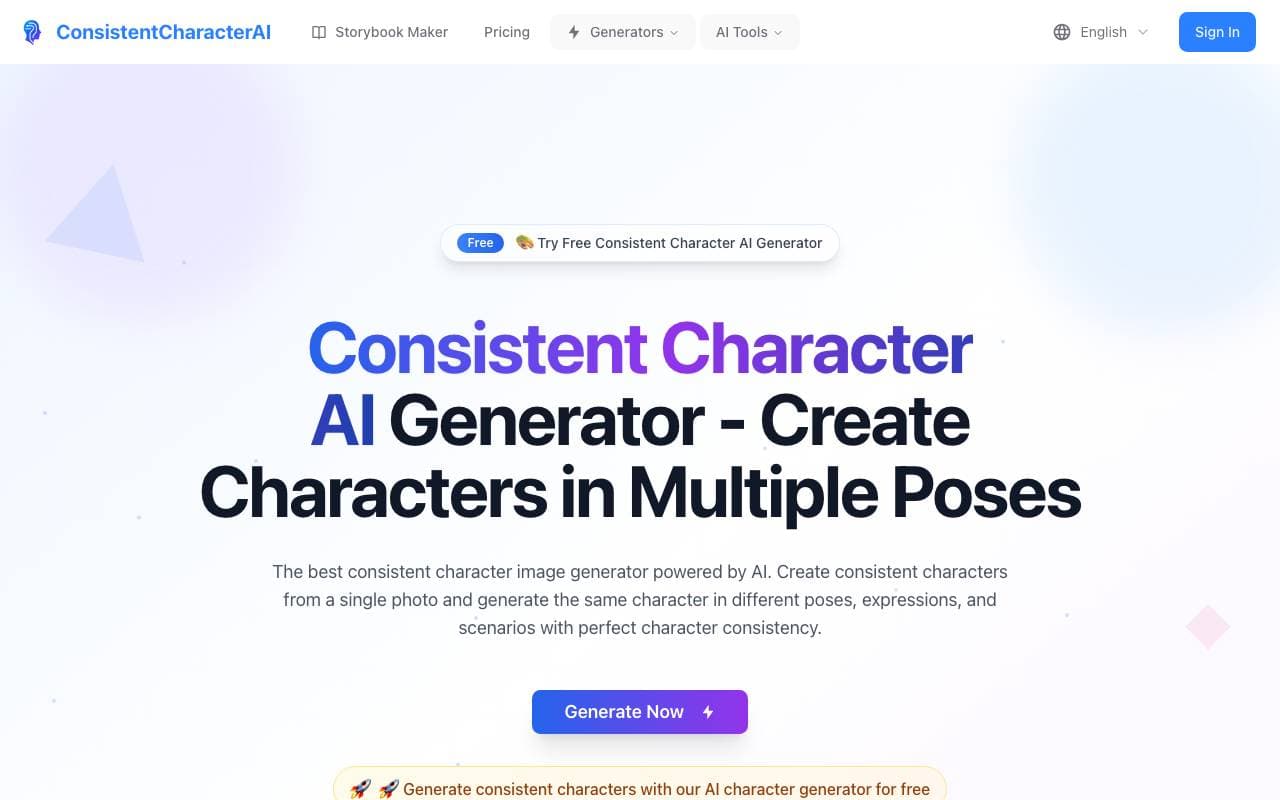

Consistent Character AI
Images
Genera personaggi AI coerenti tra scene da un unico riferimento della foto.