
BabyCatAGIFrammento leggero di un agente di IA autonomo per l'automazione di task semplificata

Panoramica
Funzionalità chiave
- Creazione e priorizzazione della lista delle task
- Esecuzione autonomia delle sottotasks
- Integrazione web per il recupero del contesto
- Flusso di lavoro di ragionamento sequenziale
- Implementazione Python leggera
- Obiettivi e promemoria personalizzabili
Prezzi
- Modello
- Free
- Categoria
- AI Agent Development Frameworks
- Valutazione
- 4.8 / 5 (6)
Casi d’uso
Assistente di ricerca automatico
Definisci un obiettivo di ricerca e lascia che BabyCatAGI lo suddivida in task, esegua ricerche web e sintetizzi le trovate in un output strutturato.
Generazione di contenuti a step
Genera contenuti a lunga forma o multistrato decomponendo il compito di scrittura in sequence di sottotask come il delineamento, lo scrivere le bozze e la fase finale di raffinamento.
Esecuzione di esperienze di IA agenti
Usa il codice base leggero e facile da leggere come un contenitore per creare ambienti sandbox per lo sperimentare di flussi di lavoro di agenti autonomi senza l'infittimento di framework più grandi.
Decomposizione complicata del problema
Affronta i problemi multi-passi lasciando che l'agente pianifichi, esegua e adatti sottotask in sequenza sulla base di ragionamenti intermedie.
Pro & contro
Pro
- Codice base semplice e leggibile
- Facile da personalizzare e estendere
- Buon punto di partenza per l'esplorazione dell'esperienza degli agenti
- Supporta la decomposizione delle task multistep
- Supporta la decomposizione multi-steps delle task
Contro
- Sperimentale e non pronto per la produzione
- Integrazioni di tool incorporate limitate
- Richiede chiavi dell'API e impostazione tecnica
- La prestazione dipende massicciamente da LLM di base
Recensioni
Media su 6 valutazioni.
Accedi per lasciare una recensione.
Solid for our team
We rolled this out across the team last quarter and simple, readable codebase. Autonomous subtask execution fits neatly into how we already work, and lightweight Python implementation removed a step we used to do by hand. but it has held up under daily use.
Skeptical, then convinced
I went in skeptical — most tools in this space overpromise. It actually delivers on task list creation and prioritization, and simple, readable codebase caught me off guard. Performance depends heavily on underlying LLM is why this isn't a perfect score, still, I'd recommend giving it a real trial.
Does the job
Pretty happy overall. Customizable objectives and prompts just works and easy to customize and extend. Limited built-in tool integrations can be annoying, but no dealbreakers — I'd recommend it to a friend without hesitating.
Years in this space
I've evaluated a lot of these over the years. What stands out here is sequential reasoning workflow — handled better than most — and supports multi-step task decomposition. Worth the time if this is your use case.
Skeptical, then convinced
I went in skeptical — most tools in this space overpromise. It actually delivers on lightweight Python implementation, and easy to customize and extend caught me off guard. still, I'd recommend giving it a real trial.
Years in this space
I've evaluated a lot of these over the years. What stands out here is sequential reasoning workflow — handled better than most — and good starting point for agent experimentation. Worth the time if this is your use case.
Domande e risposte
Is BabyCatAGI ready for production use?
No. BabyCatAGI is an open experimental project intended for prototyping and learning, not production workloads. Its performance also depends heavily on the underlying LLM, so reliability and output quality can vary across runs and tasks.
What technical setup and integrations does BabyCatAGI require?
You'll need Python, API keys for a language model, and access to a web search tool, which BabyCatAGI integrates with to gather context. Built-in tool integrations are limited, but the lightweight, readable codebase makes it straightforward to customize objectives, prompts, and extend functionality.
What are the main use cases for BabyCatAGI?
BabyCatAGI is best suited for prototyping agent workflows, research tasks, content generation, and multi-step problem solving. It's designed for developers who want to experiment with autonomous AI agents and learn how task-driven systems work, rather than for production deployments.
Fai una domanda
Alternative a AI Agent Development Frameworks

Wildcard AI / agents.json
AI Agent Development Frameworks
Spazio aperto e piattaforma che consente agli agenti di intelligenza artificiale di scoprire e chiamare gli workflow delle API attraverso un file agents.json.
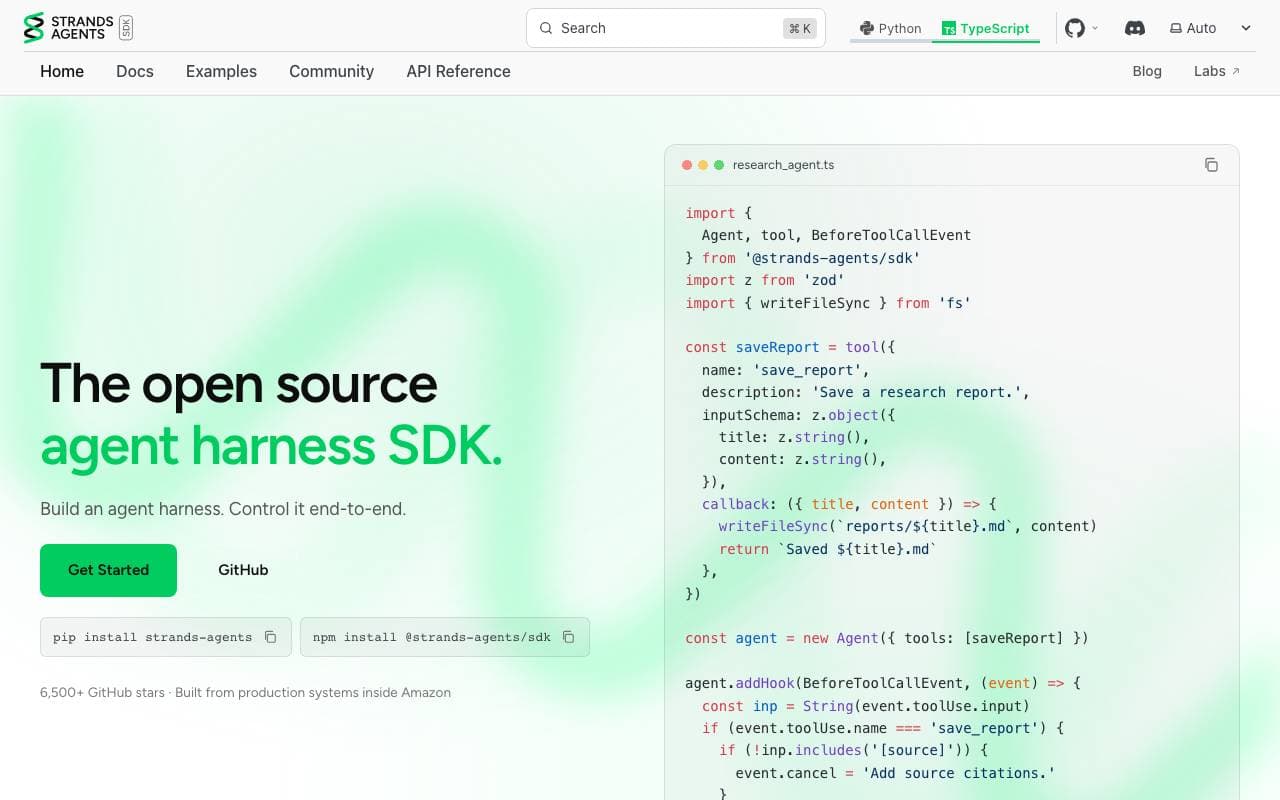

Strands Agents
AI Agent Development Frameworks
SDK di codice aperto per costruire e orchestrare sistemi di agenti single o multipli con LLM e integrazione degli strumenti.
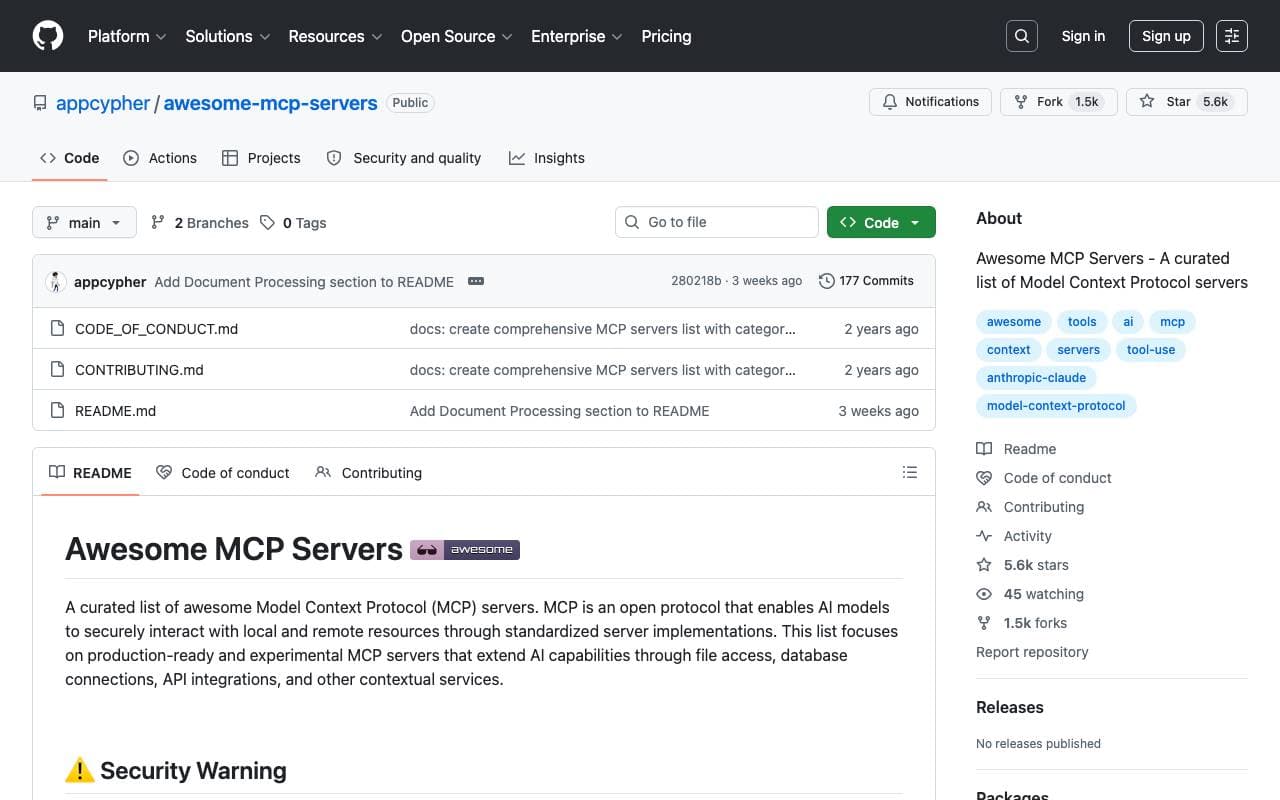

Awesome MCP Servers
AI Agent Development Frameworks
Un elenco curato di server per il protocollo di contesto dei modello per estendere gli assistenti AI con strumenti e dati.
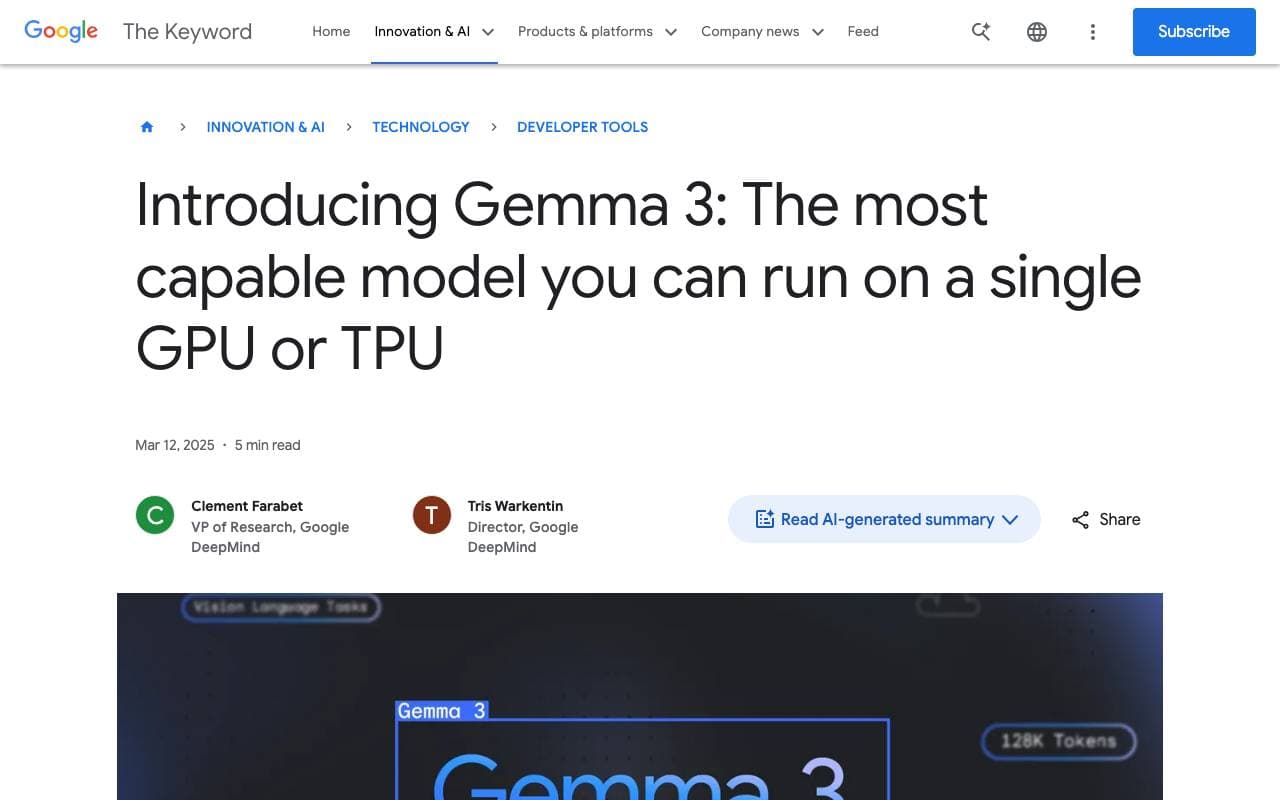

Gemma 3
AI Agent Development Frameworks
Un modello di intelligenza artificiale open-source ottimizzato per le prestazioni da un GPU, che supporta l'ingresso multimodale e oltre 140 lingue.
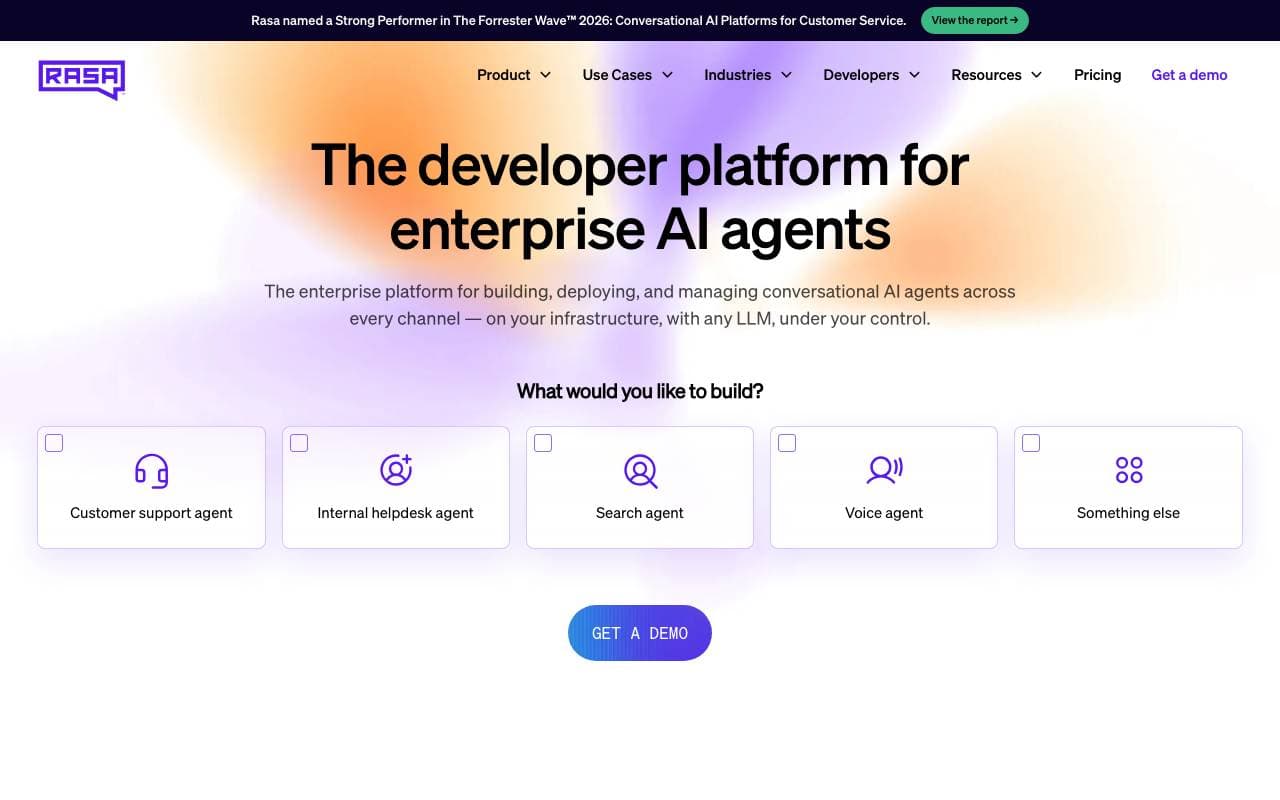

Rasa
AI Agent Development Frameworks
Fornisce un framework open-source per la creazione di assistenti di chat e vocale a livello di produzione

BabyElfAGI
AI Agent Development Frameworks
Racchiuso in uno strumento di framework per l'agente AI sperimentale, con la Skills classe modulare per piani di attività dinamici e esecuzione.
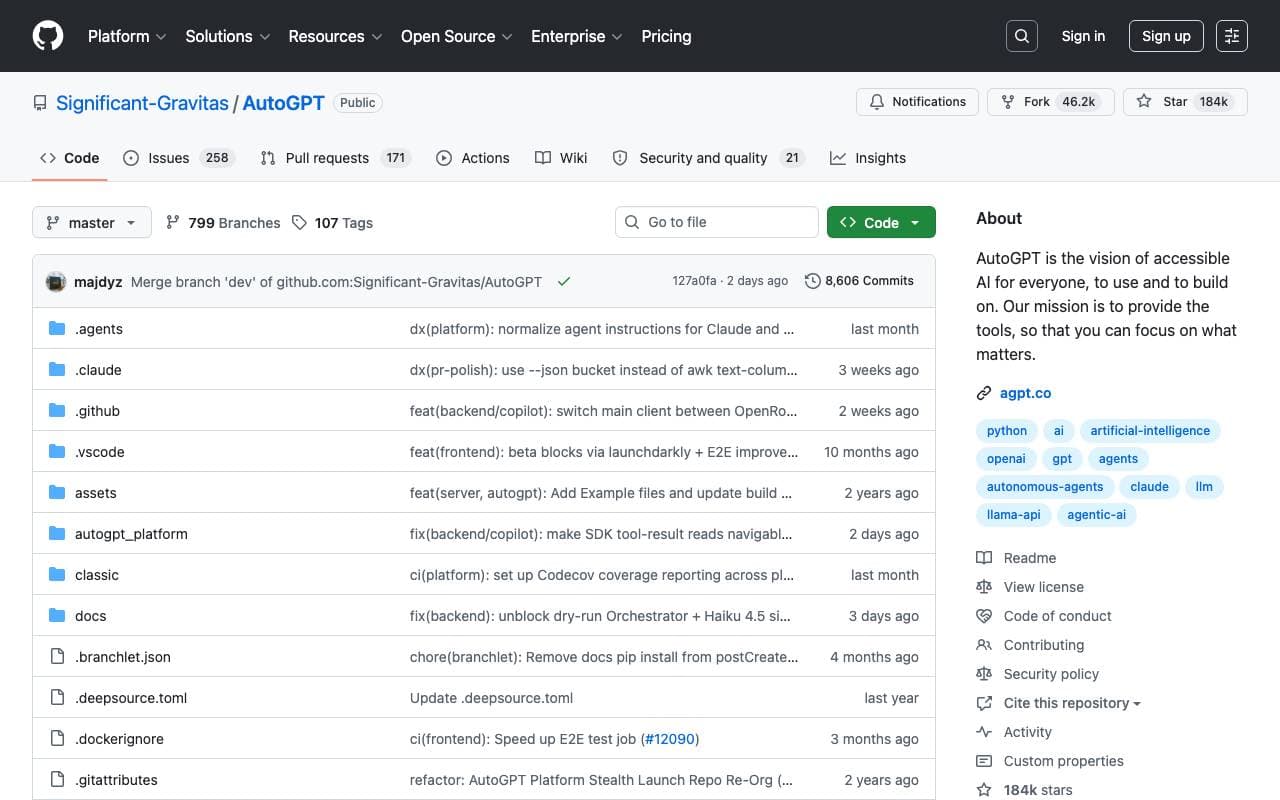

Auto-GPT
AI Agent Development Frameworks
Agente AI open-source in grado di completare autonomamente compiti complessi utilizzando i modelli GPT.
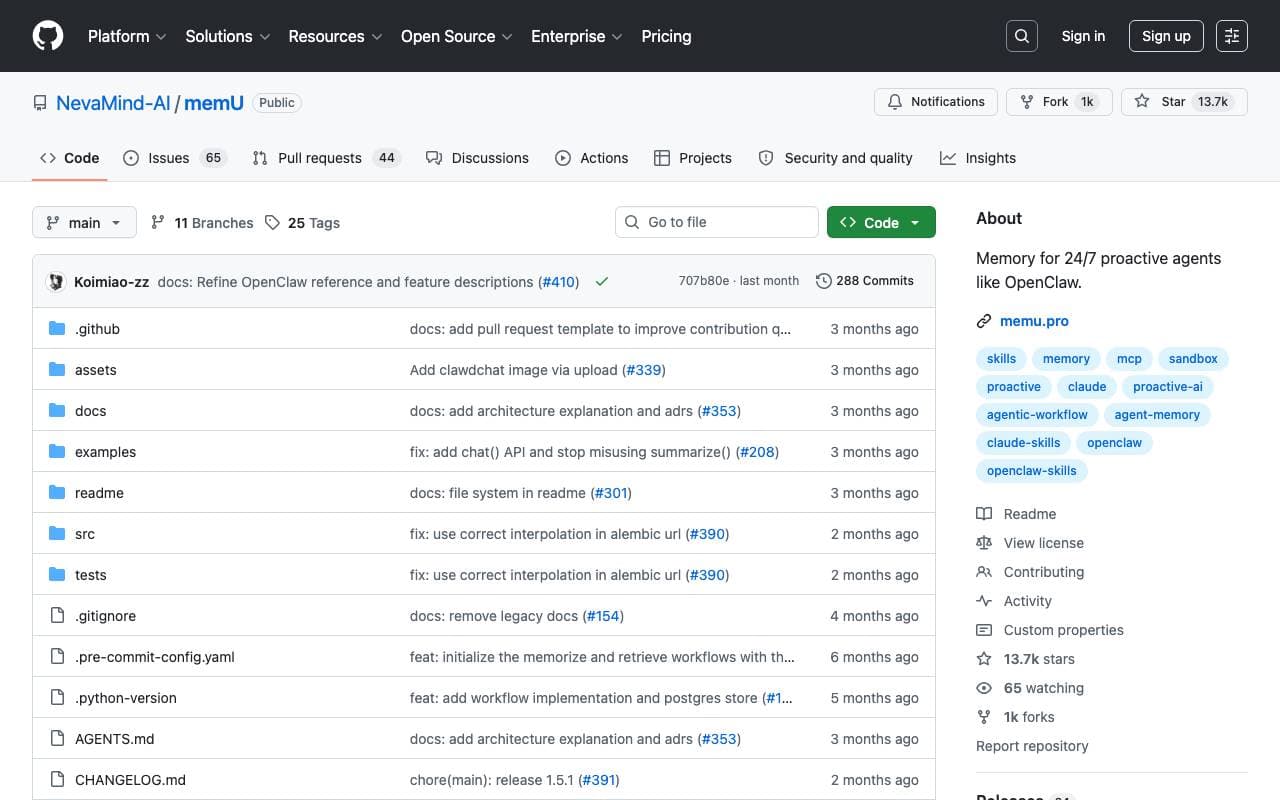

memU
AI Agent Development Frameworks
Frammento open-source di memoria agente per agenti AI attivi 24/7 con memoria del sistema file, previsione dell'intenzione e minori costi di token.
Trending now


Claude
AI Agents & Chatbots
Assistente AI conversazionale di Anthropic per scrittura, analisi, coding e compiti documentali
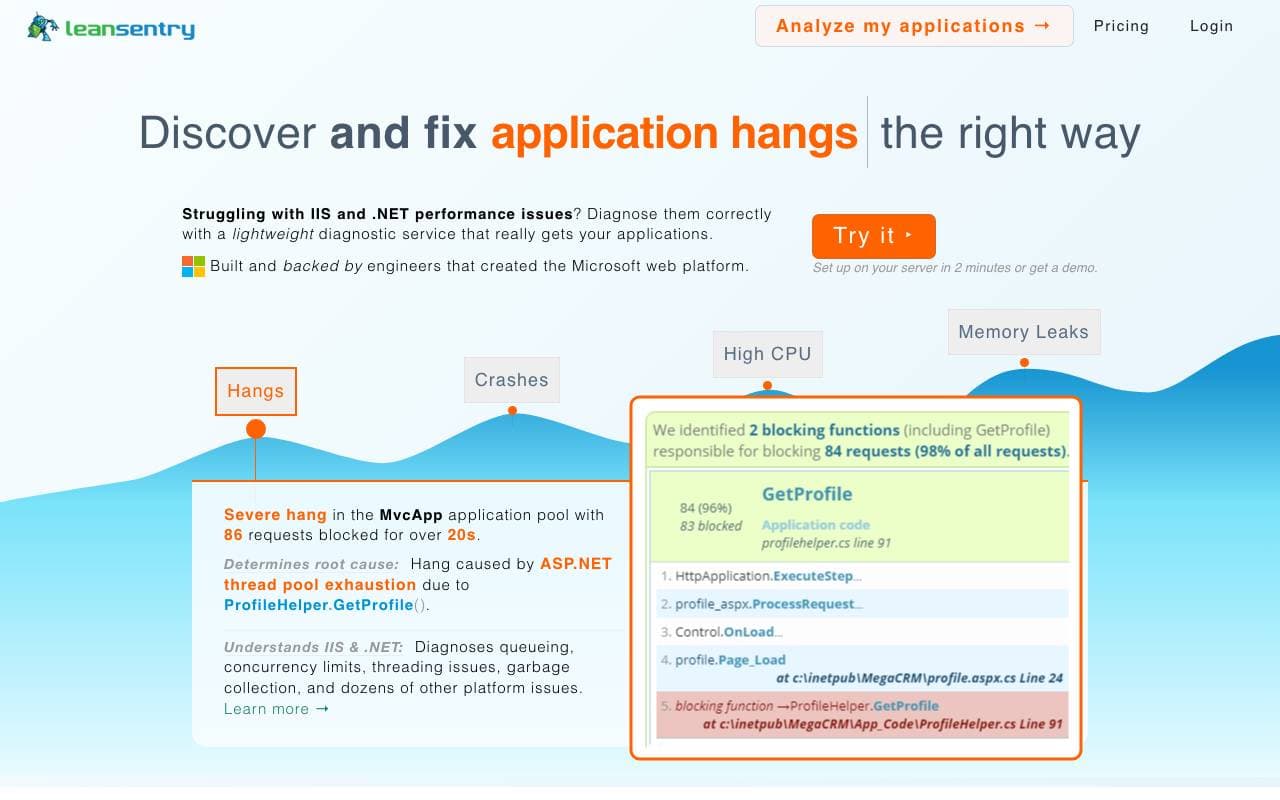

LeanSentry
Software Development
Diagnostica e monitoraggio automatizzati per problemi di prestazioni IIS ed ASP.NET

Doozer Ai
Sales Agent
Coworker digital che automatizzano i flussi operativi per migliorare l'efficienza del team

Consistent Character AI
Images
Genera personaggi AI coerenti tra scene da un unico riferimento della foto.