
Anchor BrowserBrowser in cloud ospitato che consente agli agenti AI di navigare ed agire sul web in modo sicuro.

Panoramica
Funzionalità chiave
- Istanze di browser ospitate in cloud
- Controllo programmatico amicabile per gli agenti
- Gestione di sessioni e credenziali
- Ambienti isolati per compito
- Funziona su siti senza API pubbliche
- Sessi concorrenti scalabili
Prezzi
- Modello
- Paid
- Categoria
- Workflow Automation Agents
- Valutazione
- 4.2 / 5 (5)
Casi d’uso
Automatizzare gli app SaaS senza API
Lascia che gli agenti AI accedano e operino sugli strumenti SaaS che difettano di API pubbliche, eseguendo attività come l'aggiornamento dei record o l'estrazione delle relazioni tramite una sessione di browser gestita.
Raccolta dati web autenticata
Esegui agenti che accedono ai portali e raccolgono i dati dietro i log in, utilizzando la gestione delle credenziali e le sessioni persistenti per mantenere l'accesso in esecuzione.
Flussi di lavoro agenti scalabili
Accendi istanze di browser isolate e concorrenti così che molti agenti AI possono completare compiti di compilazione di form o di navigazione in parallelo senza sovraccaricare l'infrastruttura.
Automazione di portallo interno
Potenzia flussi di lavoro autonomi in portallo interno di società dove le integrazioni dirette non sono disponibili, con ambienti isolati per un'esecuzione sicura.
Pro & contro
Pro
- Non richiede l'API per automatizzare le attività web
- Sessioni di browser isolate e sicure
- Progettata specificamente per flussi di lavoro degli agenti AI
- Gestisce l'autenticazione e la persistenza delle credenziali
Contro
- Richiede una configurazione tecnica e codice
- L'automatizzazione del browser può essere più lenta delle API
- I cambiamenti dei siti possono interrompere i flussi
Recensioni
Media su 5 valutazioni.
Accedi per lasciare una recensione.
Solid for our team
We rolled this out across the team last quarter and isolated, secure browser sessions. Works on sites without public APIs fits neatly into how we already work, and session and credential management removed a step we used to do by hand. Site changes may break flows, which is the main caveat, but it has held up under daily use.
Years in this space
I've evaluated a lot of these over the years. What stands out here is scalable concurrent sessions — handled better than most — and no API needed to automate web tasks. Requires technical setup and coding is my one real gripe. Worth the time if this is your use case.
Years in this space
I've evaluated a lot of these over the years. What stands out here is isolated environments per task — handled better than most — and isolated, secure browser sessions. Site changes may break flows is my one real gripe. Worth the time if this is your use case.
Skeptical, then convinced
I went in skeptical — most tools in this space overpromise. It actually delivers on session and credential management, and no API needed to automate web tasks caught me off guard. Browser automation can be slower than APIs is why this isn't a perfect score, still, I'd recommend giving it a real trial.
Solid for our team
We rolled this out across the team last quarter and isolated, secure browser sessions. Session and credential management fits neatly into how we already work, and works on sites without public APIs removed a step we used to do by hand. Site changes may break flows, which is the main caveat, but it has held up under daily use.
Domande e risposte
What kinds of use cases is Anchor Browser best suited for?
It's designed for AI agents that need to automate tasks on websites without public APIs, such as navigating SaaS apps, internal portals, filling forms, and gathering public web data. It's ideal for autonomous workflows requiring authenticated sessions at scale.
What are the main limitations or trade-offs to be aware of?
Anchor Browser requires technical setup and coding to integrate with agent logic, browser-based automation is generally slower than direct API calls, and flows can break when target sites change their UI or structure.
How does Anchor Browser handle authentication and session state across tasks?
It provides built-in credential management, session persistence, and isolated environments per task, so agents can stay logged in and resume work without you building auth infrastructure yourself.
Fai una domanda
Alternative a Workflow Automation Agents
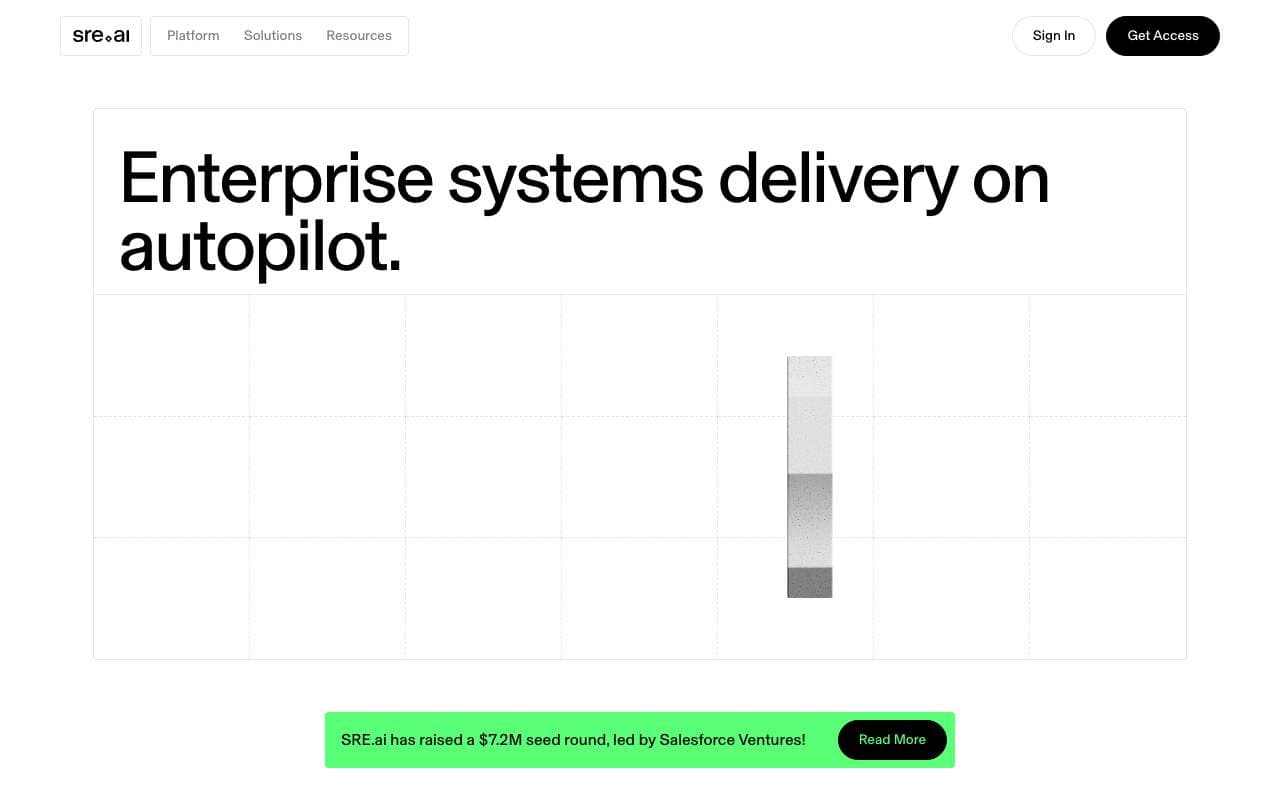

SRE.ai
Workflow Automation Agents
Un piattaforma di DevOps alimentata dall'intelligenza artificiale dovù gli agenti automatizzano i flussi di lavoro CI/CD, la detezione degli incidenti e le raccomandazioni basate sul contesto.
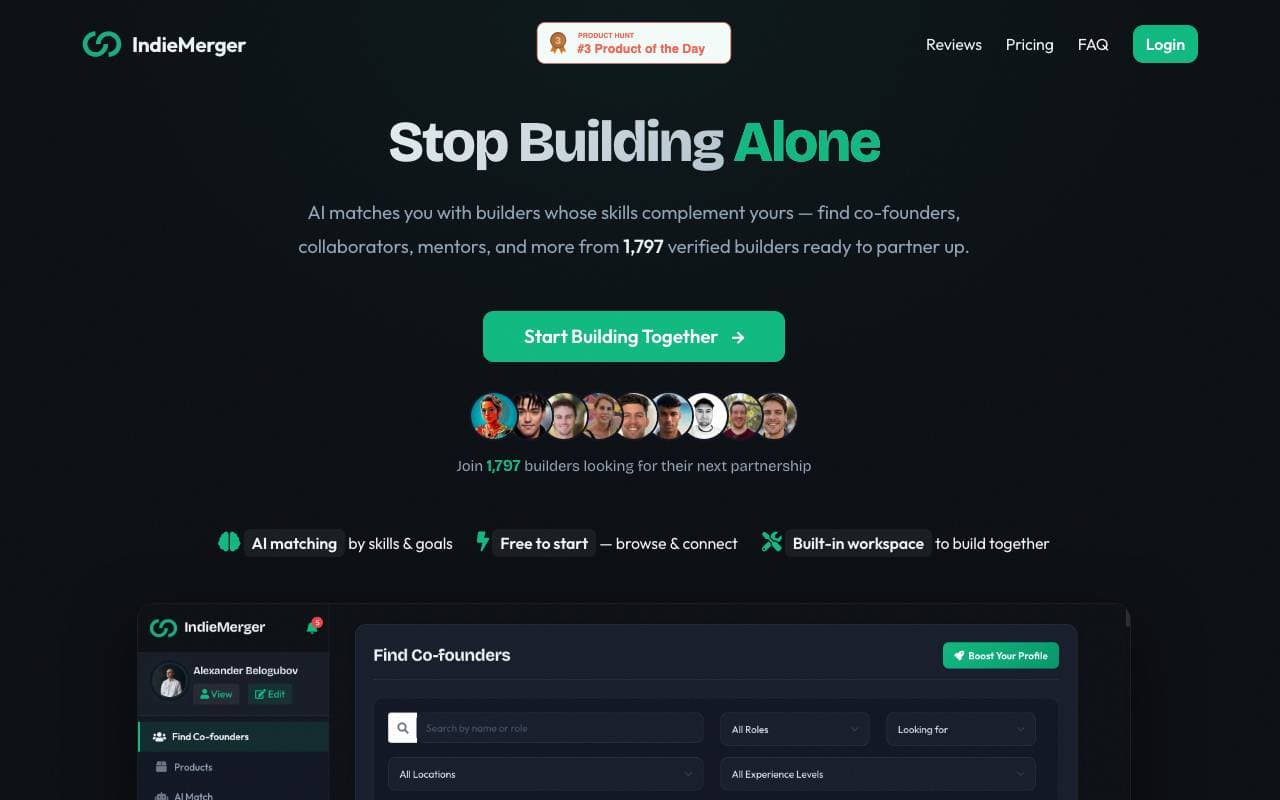

IndieMerger
Workflow Automation Agents
Matching dei co-fondatori con intelligenza artificiale per indie hacker e costruitori di startup
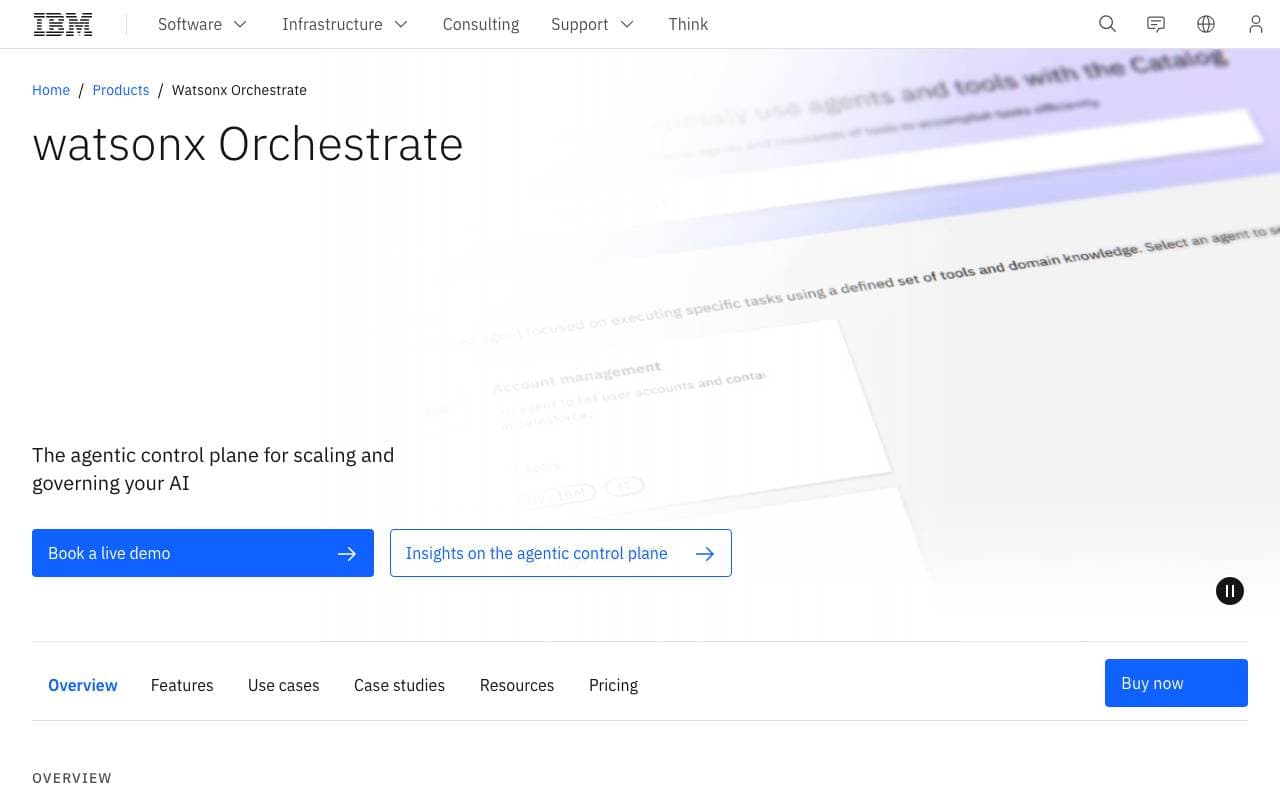

IBM watsonx Orchestrate
Workflow Automation Agents
Una piattaforma per costruire, distribuire ed orchestrare agenti AI e assistenti che automatizzano flussi di lavoro all'interno di sistemi aziendali.

AI Assistify
Workflow Automation Agents
Crea agenti AI no-code basati su GPT-4, Claude e Gemini in un unico workspace.
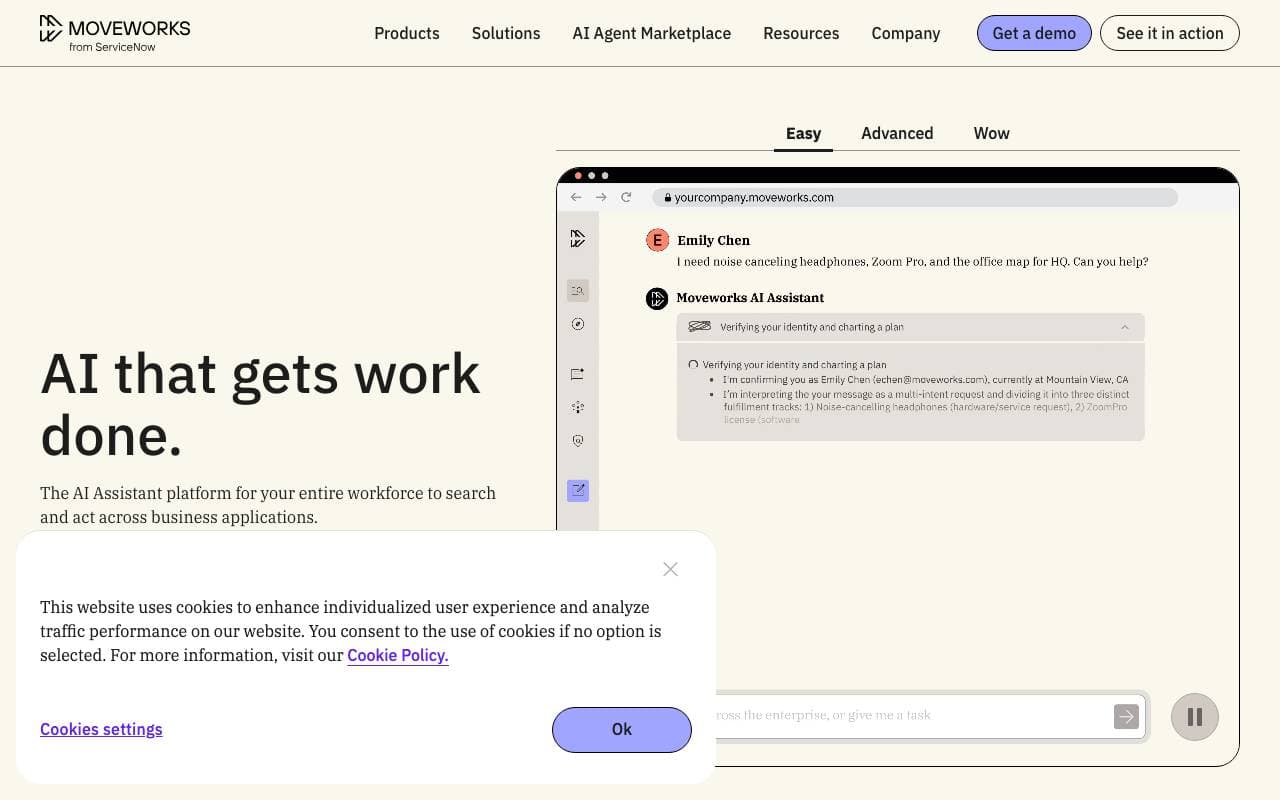

Moveworks AI Assistant
Workflow Automation Agents
Assistente AI agente che automatizza i flussi di lavoro aziendali, la ricerca e il supporto across piattaforme per gli dipendenti.


Convergence Proxy AI
Workflow Automation Agents
Piattaforma di agenti di intelligenza artificiale che consente l'esecuzione autonomo degli task all'interno di flussi di lavoro digitali dinamici.
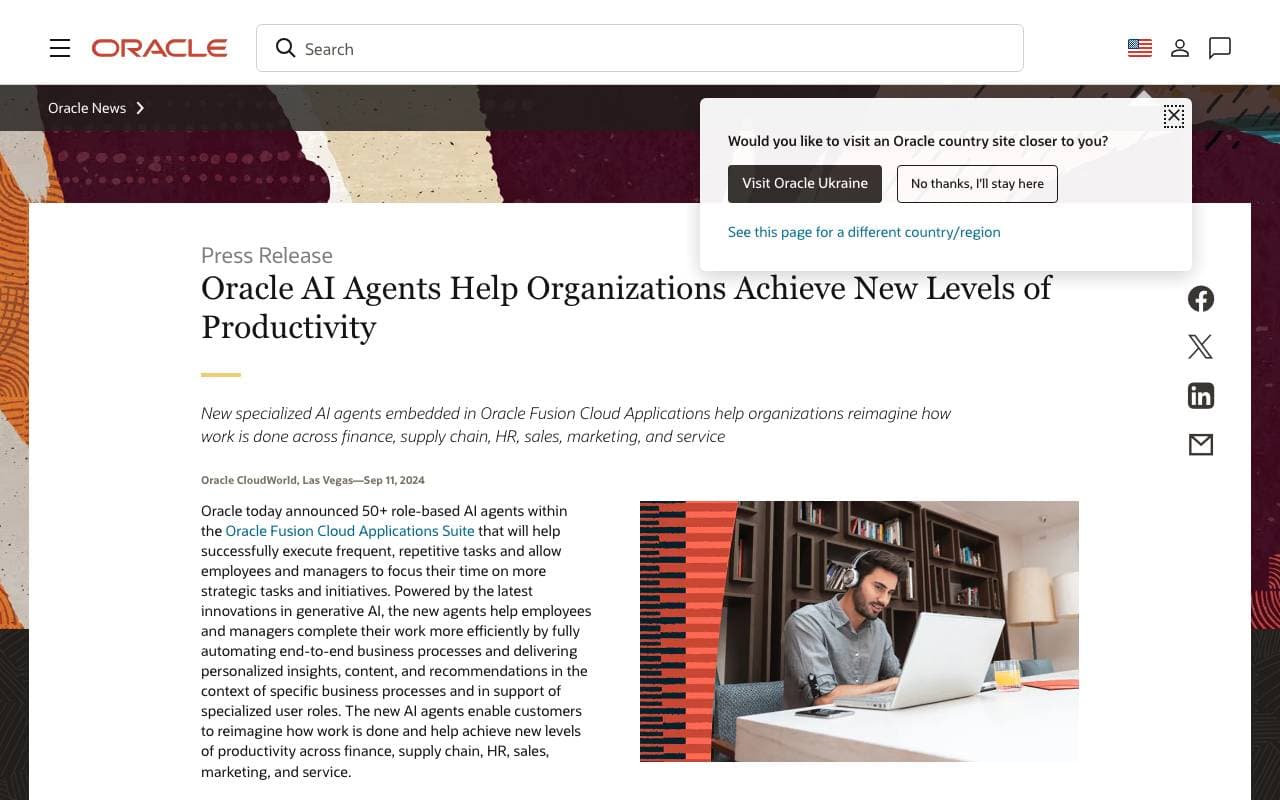

Oracle Miracle Agent
Workflow Automation Agents
Un agente AI all'interno delle Applicazioni Cloud di Oracle che automatizza i processi aziendali chiave.

ProAgents
Workflow Automation Agents
Crea copie digitali potenziate dall'IA per automatisare compiti, coinvolgere clienti e gestire operazioni aziendali comodamente.
Trending now
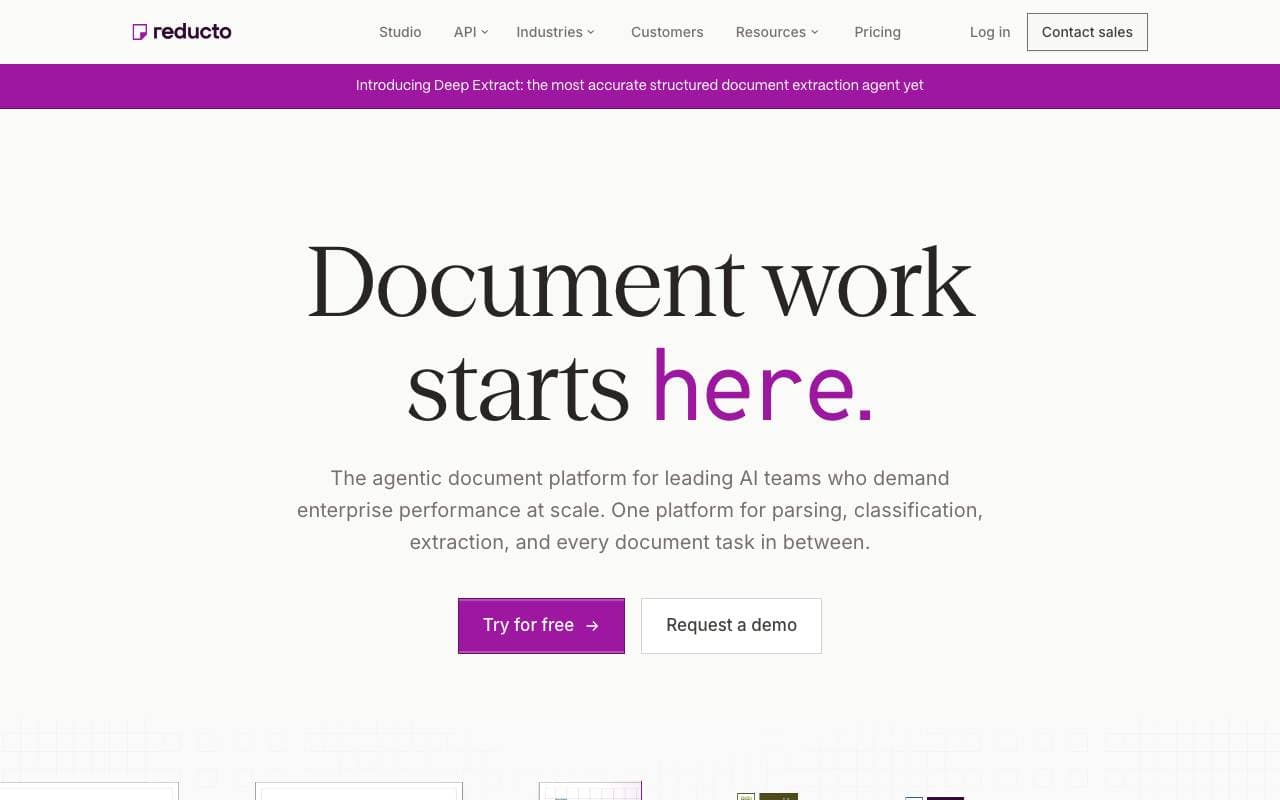

Reducto AI
AI Agent Development Platforms
API di intelligenza dei documenti che elabora, suddivide, riconosce testi da immagine e estrae dati strutturati da PDFs complessi, diapositive e fogli elettronici
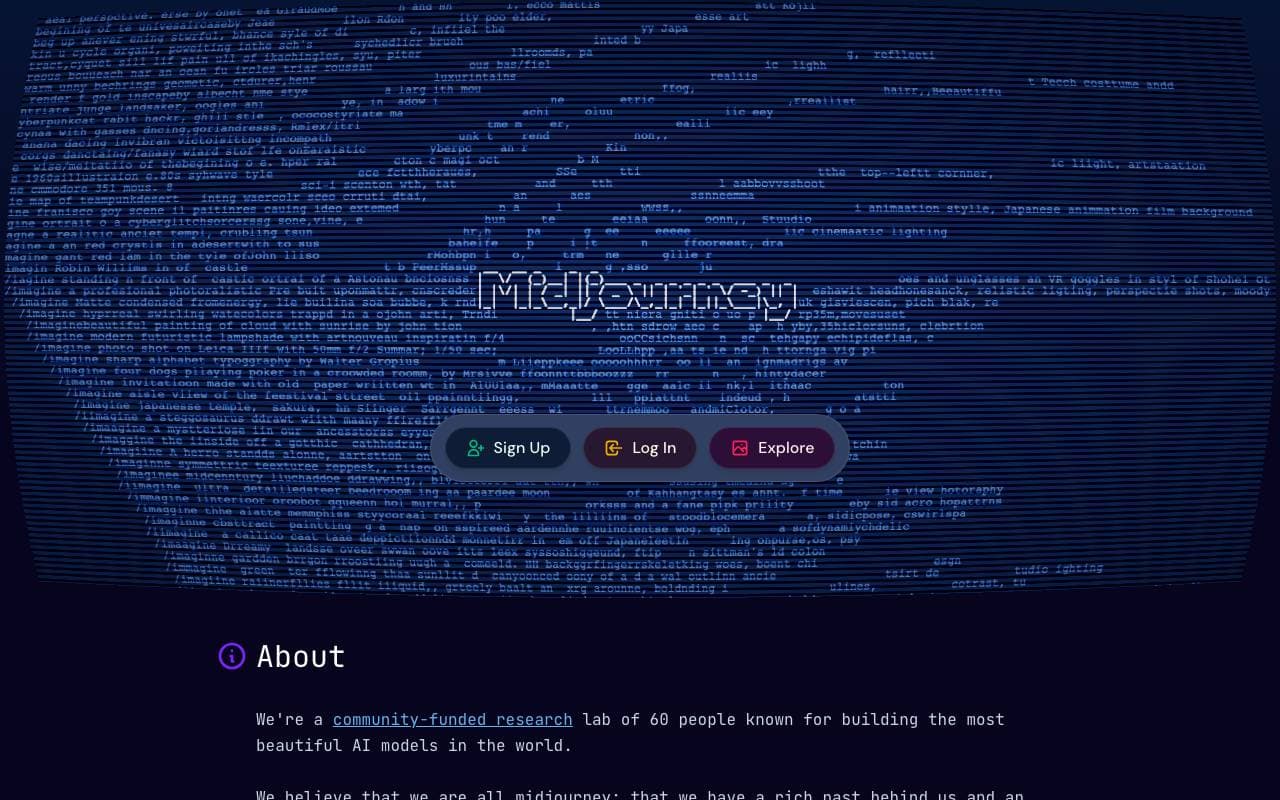

Midjourney
Image Generation
Generare immagini stupende dal testo
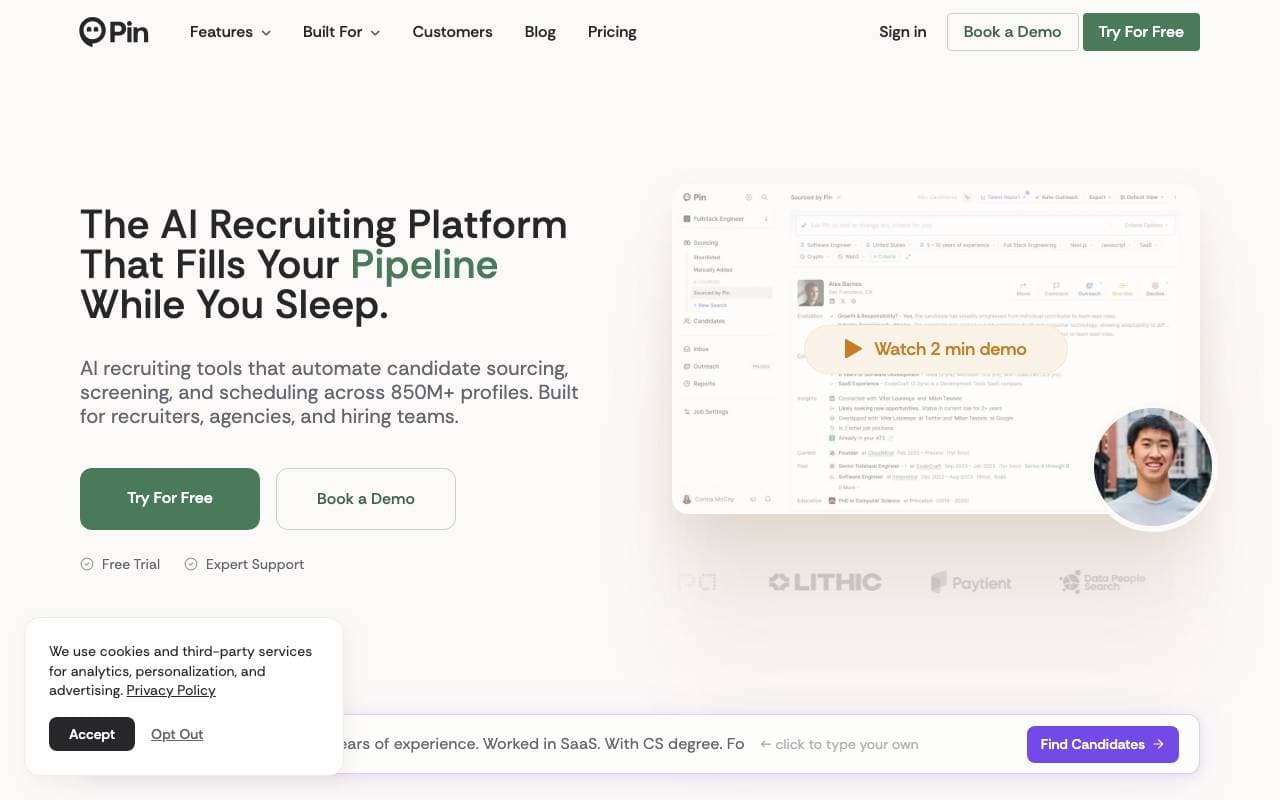

Pin AI
Workflow automation
Recruiter AI Agent che automatizza la sorgenza, lo screening e la outreach per velocizzare il processo di assunzione.

Doozer Ai
Sales Agent
Coworker digital che automatizzano i flussi operativi per migliorare l'efficienza del team