How to Evaluate AI Coding Assistants
A practical framework for comparing AI coding tools on accuracy, context awareness, security, developer experience, and long-term ROI

Daniel Nikulshyn
Editor
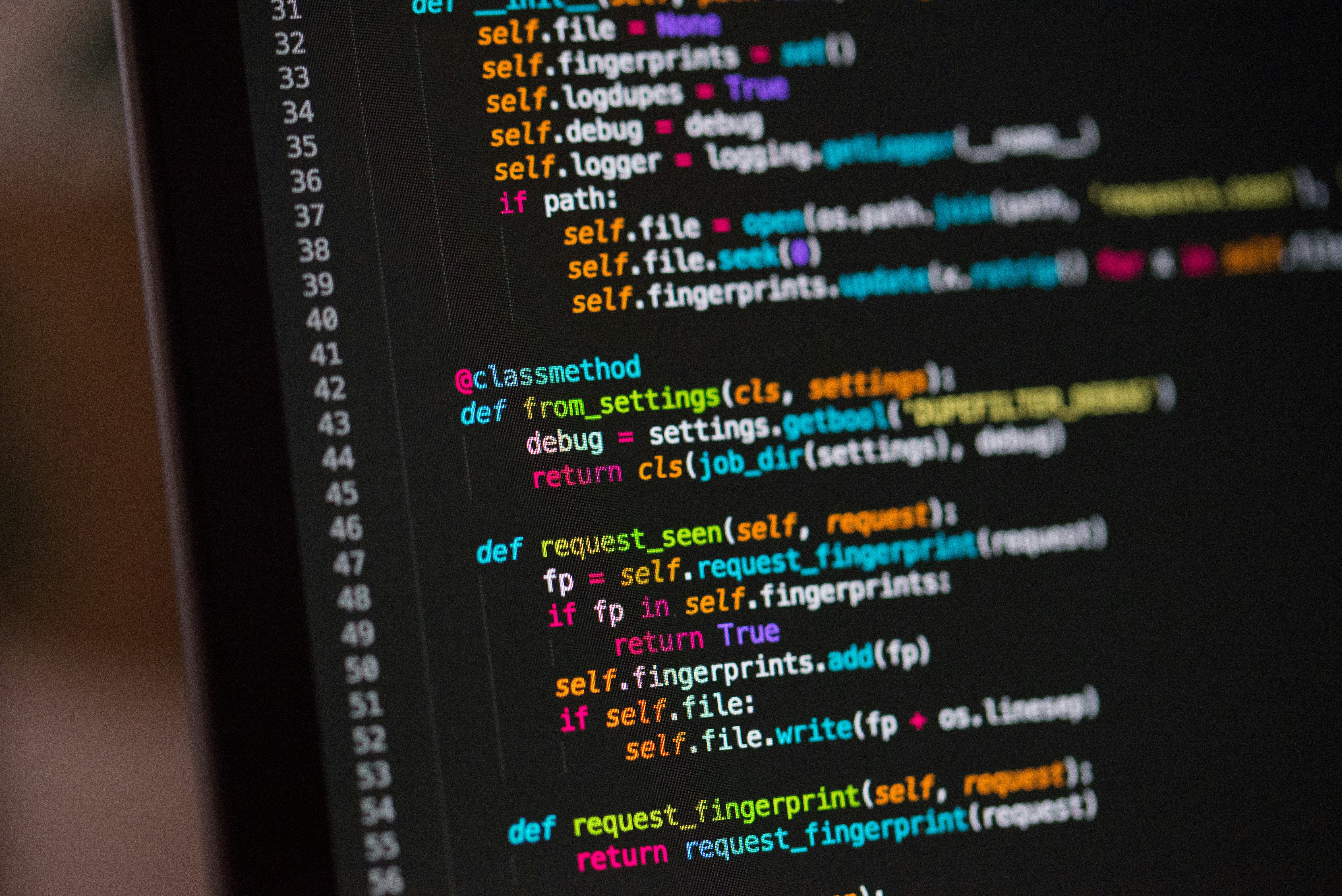




Why benchmarks rarely predict real-world productivity
Start with your real workflow
Many organizations evaluate AI coding assistants by looking at benchmark scores, marketing claims, or online reviews. While these sources can provide useful information, they rarely reflect how a tool will perform inside your actual engineering environment. The most effective evaluation approach is to run each assistant against real development tasks from your codebase. Select a representative sample of projects, including new feature development, bug fixing, refactoring, documentation updates, test creation, and code reviews. Allow developers to use each assistant for at least one week and measure outcomes that actually matter. Examples include accepted code suggestions, task completion time, bug rates, review feedback, and developer satisfaction. Many teams discover that the assistant with the highest benchmark score is not necessarily the one that delivers the greatest productivity gains. Integration quality, workflow compatibility, and context understanding often have a larger impact than raw model performance. The ultimate goal is not generating more code. The goal is helping engineers ship higher-quality software faster and with less cognitive overhead.
Fast code generation means little if quality suffers
Evaluate code quality, not just speed
One of the most common mistakes when evaluating AI coding assistants is focusing solely on output volume. Generating hundreds of lines of code in seconds may appear impressive, but poor-quality suggestions often create additional review and maintenance work. Assess whether generated code follows project conventions, architectural patterns, naming standards, and established best practices. Pay close attention to readability, maintainability, testability, and security implications. Review generated code for hidden technical debt. Some assistants may produce working solutions that are difficult to maintain or scale over time. Others may introduce unnecessary complexity, duplicate logic, or ignore existing abstractions. The best coding assistants generate solutions that experienced engineers would be comfortable merging into production after reasonable review. Quality should always outweigh quantity.
Can the assistant understand your entire codebase?
Measure context awareness
Modern software systems are rarely isolated files. Most development tasks require understanding project architecture, business logic, APIs, libraries, design patterns, and historical decisions. The strongest AI coding assistants can access and reason across multiple files, understand repository structure, follow references, and incorporate existing implementations into their suggestions. During evaluation, test how well each assistant handles large repositories, complex dependency graphs, and multi-file refactoring tasks. Ask it to explain architecture decisions, locate relevant code, identify duplicate implementations, and suggest improvements across modules. Context awareness is often the difference between an assistant that feels genuinely helpful and one that behaves like an advanced autocomplete tool.
Protecting source code and intellectual property
Weigh context and security
Security and compliance requirements should be treated as primary evaluation criteria rather than secondary considerations. Organizations must understand exactly how their code is processed, stored, transmitted, and potentially used for model improvement. Review vendor documentation regarding data retention, encryption, training policies, audit logging, and access controls. Determine whether prompts and code snippets are stored permanently, temporarily, or not at all. For regulated industries, evaluate data residency options, self-hosted deployments, private model hosting, and enterprise security certifications. Some organizations may require on-premise or virtual private cloud deployments to meet compliance obligations. Engineering leaders should also assess permission management, authentication systems, and administrative controls. Security decisions made during tool selection can have long-term implications for risk management and governance.

Adoption depends on usability as much as capability
Assess developer experience
Even highly capable coding assistants can fail if developers find them frustrating to use. User experience directly affects adoption rates, satisfaction, and long-term productivity gains. Evaluate how naturally the assistant integrates into existing workflows. Consider editor support, latency, interface design, onboarding experience, documentation quality, and customization options. Developers should be able to access AI assistance without interrupting their flow state. The most successful tools feel like a natural extension of the development environment rather than a separate application. Gather feedback from engineers with different levels of experience. Junior developers, senior engineers, architects, and DevOps specialists may interact with AI tools differently and uncover unique strengths or weaknesses.

Beyond subscription costs and licensing fees
Calculate long-term ROI
The true value of an AI coding assistant extends beyond monthly subscription pricing. Organizations should consider the broader impact on engineering efficiency, delivery speed, code quality, onboarding, and employee satisfaction. Measure reductions in repetitive work, faster bug resolution, accelerated onboarding for new team members, and improvements in documentation quality. These benefits often exceed the direct value of generated code. At the same time, account for hidden costs such as training, governance, security reviews, policy development, and infrastructure requirements. The most successful evaluations focus on business outcomes rather than tool capabilities. A slightly more expensive assistant that significantly improves delivery velocity may provide substantially higher long-term value than a cheaper alternative.
Erőforrások
- GitHub Copilot
Official GitHub Copilot website
- OpenAI
AI models powering many coding assistants
- Anthropic
Claude AI models widely used for software development
- Cursor
AI-first code editor for modern developers
Gyakran ismételt kérdések
Do coding assistants leak code?
It depends on the vendor. Organizations should carefully review retention policies, model training practices, encryption standards, and enterprise security options before deployment.
Which AI coding assistant is best?
The answer depends on your workflow, technology stack, security requirements, and team preferences. Real-world testing is the most reliable evaluation method.
Should AI-generated code always be reviewed?
Yes. All generated code should undergo the same review standards applied to human-written code before being merged into production.
Can AI coding assistants improve developer productivity?
Many organizations report meaningful productivity improvements, especially for repetitive coding tasks, documentation, testing, and debugging.
Are AI coding assistants suitable for enterprise environments?
Yes, provided that security, compliance, governance, and data protection requirements are properly evaluated and addressed.
What metrics should teams track during evaluation?
Useful metrics include accepted suggestions, task completion speed, code review outcomes, defect rates, developer satisfaction, and overall delivery velocity.
Can coding assistants understand large repositories?
Some modern assistants provide advanced repository awareness, though capabilities vary significantly between vendors.
How long should an evaluation period last?
Most teams benefit from testing each assistant for at least one to two weeks across representative development tasks.