
BabyCatAGICadre léger d'agents IA autonomes pour une automatisation de tâches simplifiée

Aperçu
Fonctionnalités clés
- Création et priorisation de listes de tâches
- Exécution autonome de sous-tâches
- Intégration de la recherche web pour le contexte
- Flux de travail de raisonnement séquentiel
- Implémentation Python légère
- Objectifs et invites personnalisables
Tarifs
- Modèle
- Free
- Catégorie
- AI Agent Development Frameworks
- Note
- 4.8 / 5 (6)
Cas d’usage
Assistant de Recherche Automatisé
Définissez un objectif de recherche et laissez BabyCatAGI le découper en sous-tâches, effectuer des recherches web et synthétiser les résultats dans une sortie structurée.
Génération de Contenu Multi-Étape
Générez un contenu long ou en plusieurs couches en décomposant l'objectif d'écriture en sous-tâches séquentielles comme la planification, la rédaction et la révision.
Expérimentation en IA Agentique
Utilisez la base de code minimaliste et lisible comme bac à sable pour prototyper des flux de travail d'agents autonomes personnalisés sans la complexité des gros frameworks.
Décomposition de Problèmes Complexes
Traitez des problèmes à plusieurs étapes en laissant l'agent planifier, exécuter et adapter les sous-tâches séquentiellement en fonction des résultats de raisonnement intermédiaires.
Pour & contre
Pour
- Code simple et lisible
- Facile à personnaliser et étendre
- Bon point de départ pour l'expérimentation d'agents
- Prise en charge de la décomposition de tâches en plusieurs étapes
Contre
- Expérimental et pas prêt pour la production
- Intégrations d'outils limitées
- Nécessite des clés API et une configuration technique
- La performance dépend fortement du LLM sous-jacent
Avis
Moyenne sur 6 avis.
Connecte-toi pour laisser un avis.
Solid for our team
We rolled this out across the team last quarter and simple, readable codebase. Autonomous subtask execution fits neatly into how we already work, and lightweight Python implementation removed a step we used to do by hand. but it has held up under daily use.
Skeptical, then convinced
I went in skeptical — most tools in this space overpromise. It actually delivers on task list creation and prioritization, and simple, readable codebase caught me off guard. Performance depends heavily on underlying LLM is why this isn't a perfect score, still, I'd recommend giving it a real trial.
Does the job
Pretty happy overall. Customizable objectives and prompts just works and easy to customize and extend. Limited built-in tool integrations can be annoying, but no dealbreakers — I'd recommend it to a friend without hesitating.
Years in this space
I've evaluated a lot of these over the years. What stands out here is sequential reasoning workflow — handled better than most — and supports multi-step task decomposition. Worth the time if this is your use case.
Skeptical, then convinced
I went in skeptical — most tools in this space overpromise. It actually delivers on lightweight Python implementation, and easy to customize and extend caught me off guard. still, I'd recommend giving it a real trial.
Years in this space
I've evaluated a lot of these over the years. What stands out here is sequential reasoning workflow — handled better than most — and good starting point for agent experimentation. Worth the time if this is your use case.
Questions & réponses
Is BabyCatAGI ready for production use?
No. BabyCatAGI is an open experimental project intended for prototyping and learning, not production workloads. Its performance also depends heavily on the underlying LLM, so reliability and output quality can vary across runs and tasks.
What technical setup and integrations does BabyCatAGI require?
You'll need Python, API keys for a language model, and access to a web search tool, which BabyCatAGI integrates with to gather context. Built-in tool integrations are limited, but the lightweight, readable codebase makes it straightforward to customize objectives, prompts, and extend functionality.
What are the main use cases for BabyCatAGI?
BabyCatAGI is best suited for prototyping agent workflows, research tasks, content generation, and multi-step problem solving. It's designed for developers who want to experiment with autonomous AI agents and learn how task-driven systems work, rather than for production deployments.
Poser une question
Alternatives à AI Agent Development Frameworks

Wildcard AI / agents.json
AI Agent Development Frameworks
Découvrez notre page officielle française
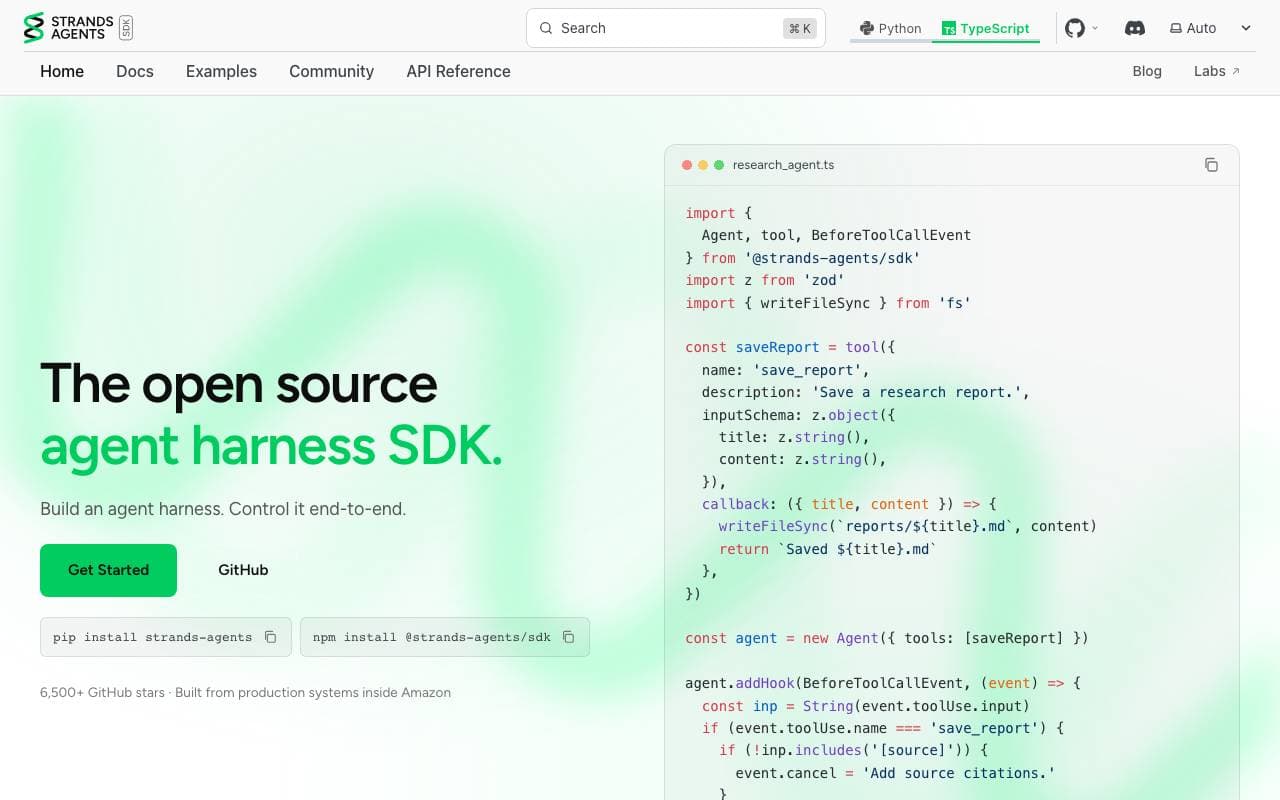

Strands Agents
AI Agent Development Frameworks
SDK open source pour la construction et l'orchestration de systèmes à un ou plusieurs agents avec LLMs et intégration d'outils.
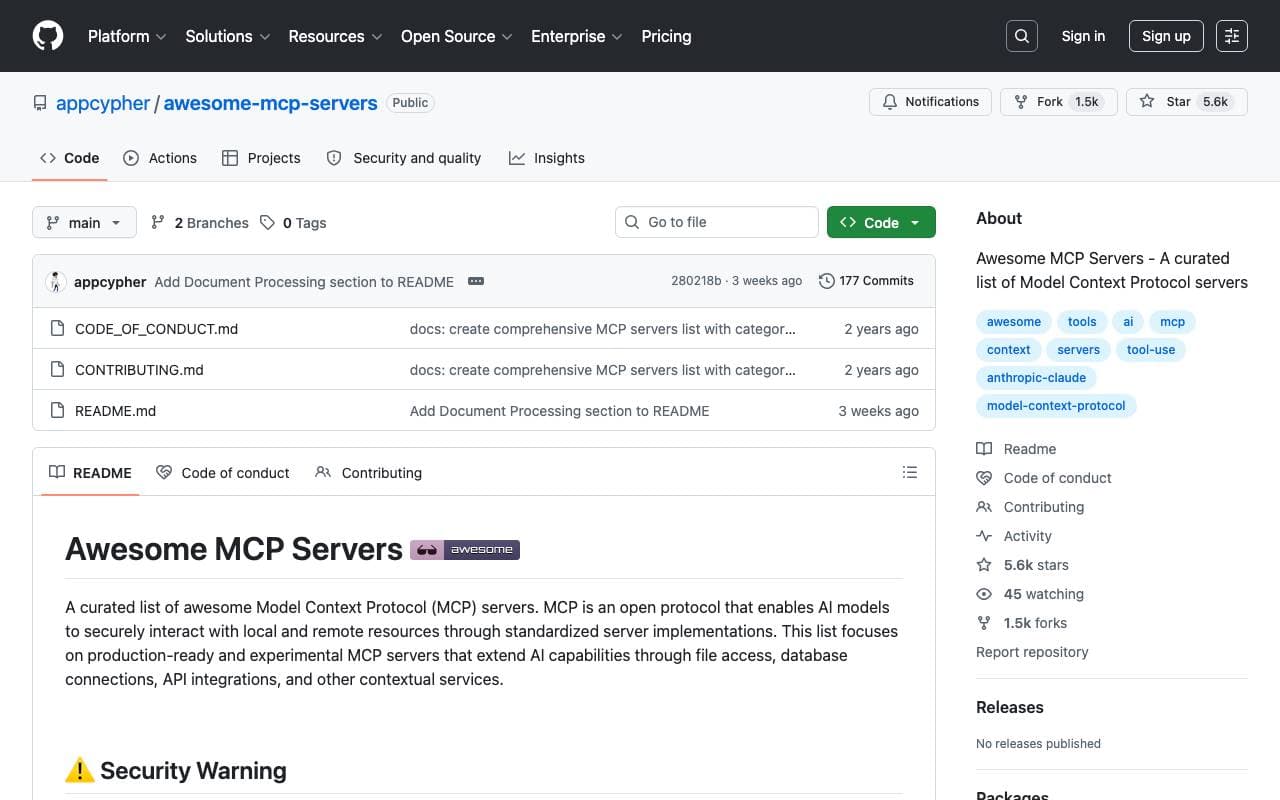

Awesome MCP Servers
AI Agent Development Frameworks
Un annuaire trié de serveurs Model Context Protocol pour étendre les assistants IA avec des outils et des données.
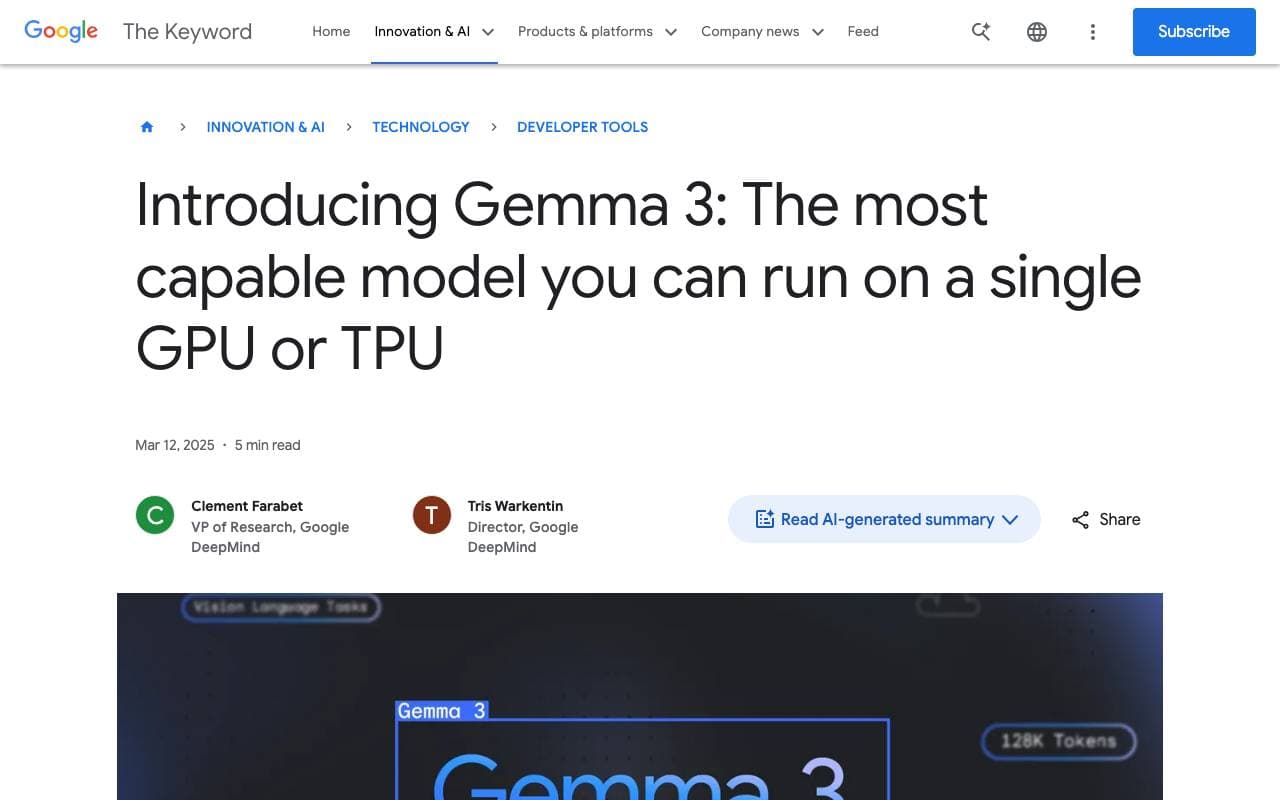

Gemma 3
AI Agent Development Frameworks
Un modèle AI open-source optimisé pour la performance d'un GPU unique, supportant les entrées multimodales et plus de 140 langues.
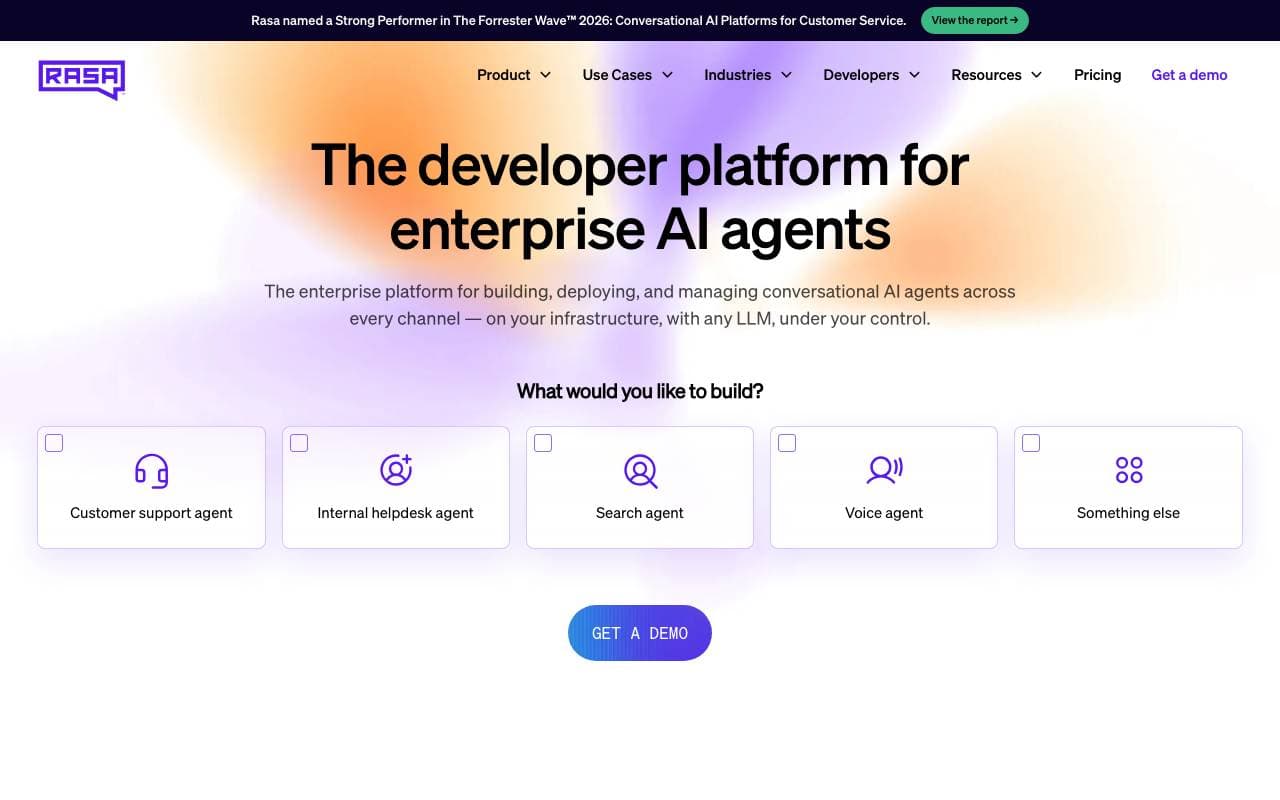

Rasa
AI Agent Development Frameworks
Plate-forme open-source pour la construction d'assistants de discours et voix de production

BabyElfAGI
AI Agent Development Frameworks
Framework expérimental d’agents IA avec une classe Skills modulaire pour la planification et l’exécution dynamiques des tâches.
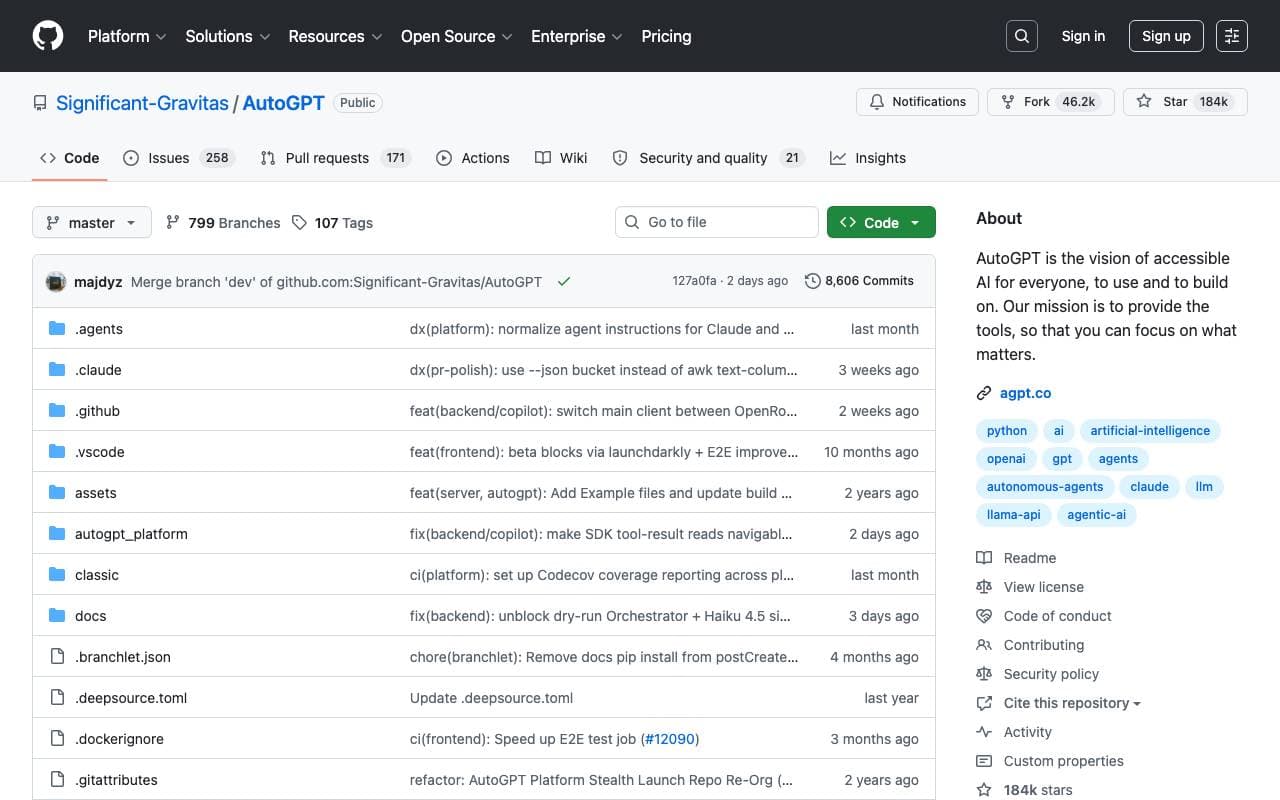

Auto-GPT
AI Agent Development Frameworks
Un agent IA open-source capable d'accomplir de manière autonome des tâches complexes grâce aux modèles GPT.
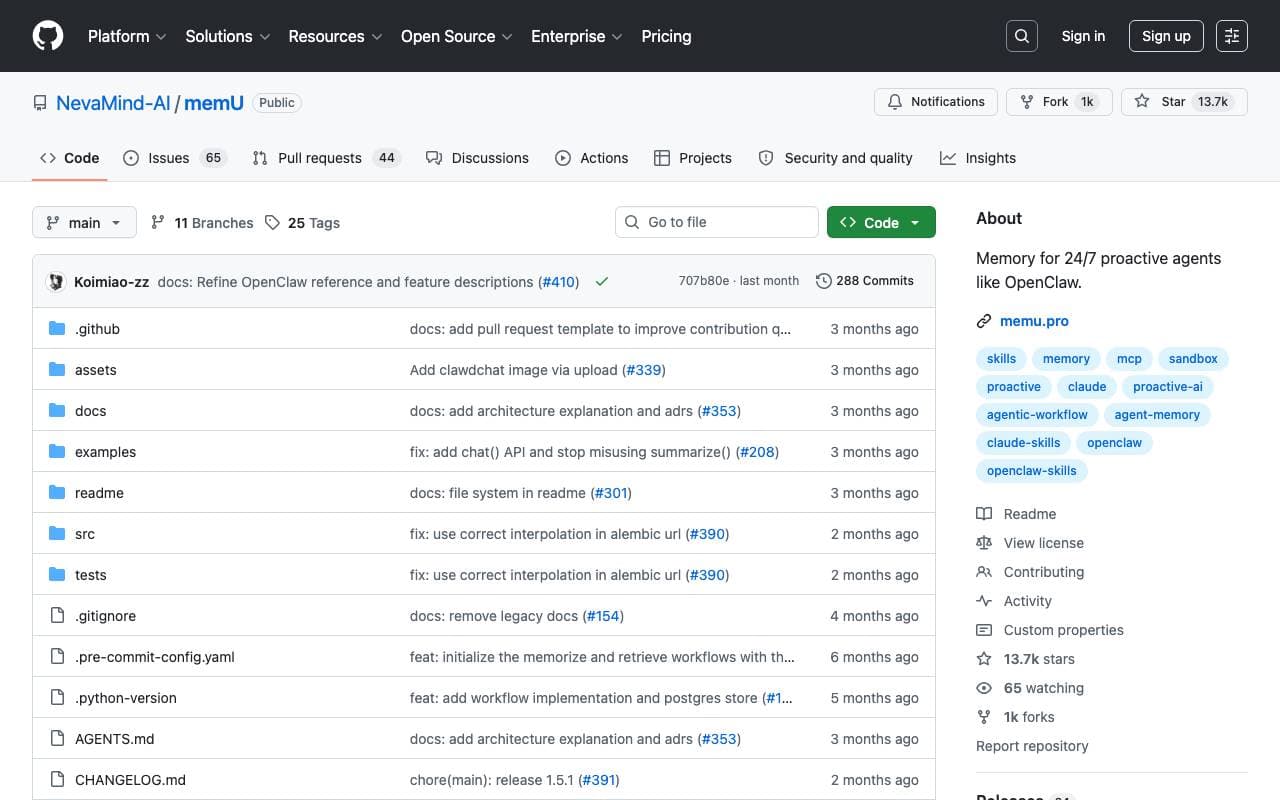

memU
AI Agent Development Frameworks
Cadre de mémoire agentique open-source pour des agents IA proactifs 24/7 avec mémoire sur le système de fichiers, prédiction d'intention et coûts de jetons réduits.
Trending now

Doozer Ai
Sales Agent
Les co-travailleurs numériques qui automatisent les workflows opérationnels pour augmenter l'efficacité de l'équipe.


Claude
AI Agents & Chatbots
Assistant IA conversationnel d'Anthropic pour la rédaction, l'analyse, la programmation et les tâches documentaires

Consistent Character AI
Images
Générez des personnages IA cohérents à travers des scènes à partir d'une seule photo de référence.


Mistral AI
Large Language Models (LLMs)
Modèles de pointe à poids ouverts