
AutowarePlataforma de software de código abierto para construir sistemas de conducción autónoma

Resumen
Funciones clave
- Percepción con fusión de lidar, cámara y radar
- Soporte para localización y mapas HD
- Módulos de planificación de misión y movimiento
- Interfaces de control de vehículos
- Herramientas de simulación y pruebas
- Compatibilidad con ROS 2
Precio
- Modelo
- Freemium
- Categoría
- Computer Vision
- Valoración
- 4.8 / 5 (4)
Casos de uso
Desarrollo de vehículos autónomos
Las startups automotrices y los OEM utilizan los módulos de percepción, planificación y control de Autoware como base para construir automóviles, lanzaderas y vehículos industriales autónomos de producción.
Investigación académica sobre autonomía
Las universidades aprovechan el stack de código abierto ROS 2 para crear prototipos y evaluar nuevos algoritmos de percepción, localización y planificación de movimiento sin tener que construir un stack de autonomía desde cero.
Integración de sensores personalizados
Los equipos de ingeniería intercambian componentes modulares para integrar configuraciones personalizadas de lidar, cámara y radar, adaptando el stack a dominios de diseño operativo específicos.
Simulación y pruebas
Los desarrolladores utilizan las herramientas de simulación y pruebas de Autoware para validar el comportamiento de conducción autónoma en entornos virtuales antes de realizar el despliegue en vehículos reales.
Pros y contras
Ventajas
- Totalmente de código abierto y de uso gratuito
- Comunidad global activa y respaldo de una fundación
- Arquitectura modular basada en ROS
- Admite una amplia gama de vehículos y sensores
- Utilizado en despliegues e investigaciones del mundo real
Contras
- Curva de aprendizaje pronunciada para principiantes
- Requiere un trabajo importante de hardware e integración
- La documentación puede quedar rezagada frente al rápido desarrollo
- El uso en producción exige una profunda experiencia en ingeniería de seguridad
Reseñas
Promedio de 4 valoraciones.
Inicia sesión para dejar una reseña.
Compared a few options
Evaluated this against two competitors. Where it wins: localization and HD map support and active global community and foundation backing. Where it lags: production use demands deep safety engineering expertise. On balance the feature set — especially simulation and testing tools — justifies the 4 stars for our use case.
Solid for our team
We rolled this out across the team last quarter and modular ROS-based architecture. Mission and motion planning modules fits neatly into how we already work, and simulation and testing tools removed a step we used to do by hand. Production use demands deep safety engineering expertise, which is the main caveat, but it has held up under daily use.
Years in this space
I've evaluated a lot of these over the years. What stands out here is simulation and testing tools — handled better than most — and supports a wide range of vehicles and sensors. Worth the time if this is your use case.
Years in this space
I've evaluated a lot of these over the years. What stands out here is perception with lidar, camera, and radar fusion — handled better than most — and modular ROS-based architecture. Worth the time if this is your use case.
Preguntas y respuestas
Aún no hay preguntas — sé el primero en preguntar.
Hacer una pregunta
Alternativas a Computer Vision
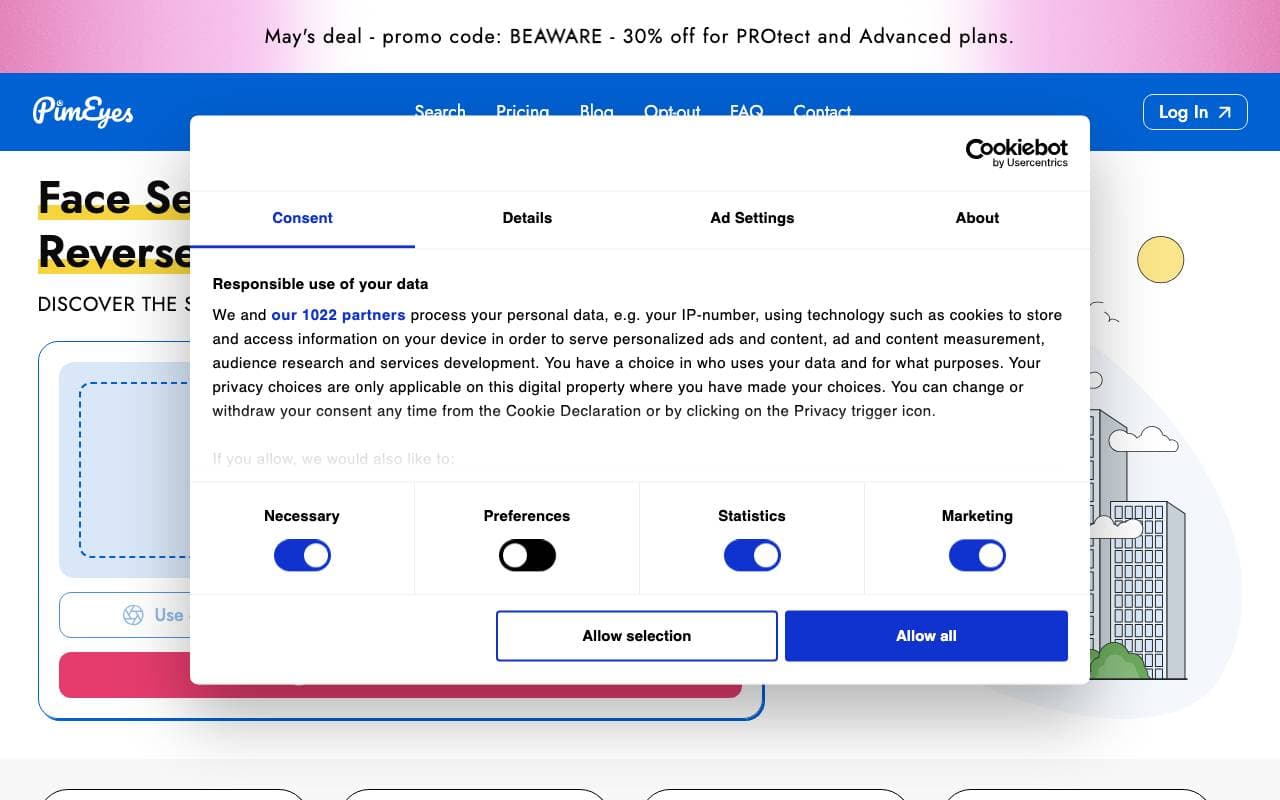

PimEyes
Computer Vision
motor de búsqueda de rostros con inteligencia artificial para encontrar fotos en línea de una persona específica
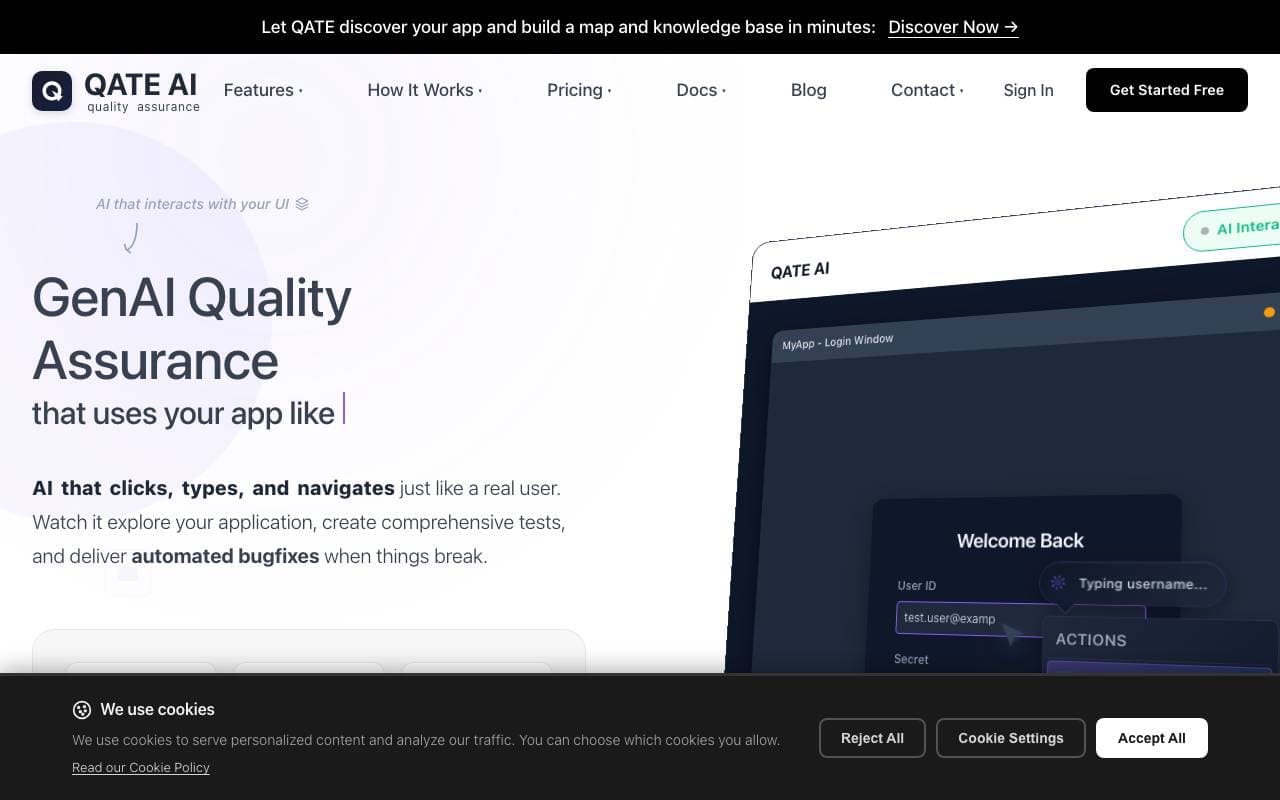

Qate AI
Computer Vision
Garantía de calidad de GenAI que explora y prueba tu aplicación como un usuario real.
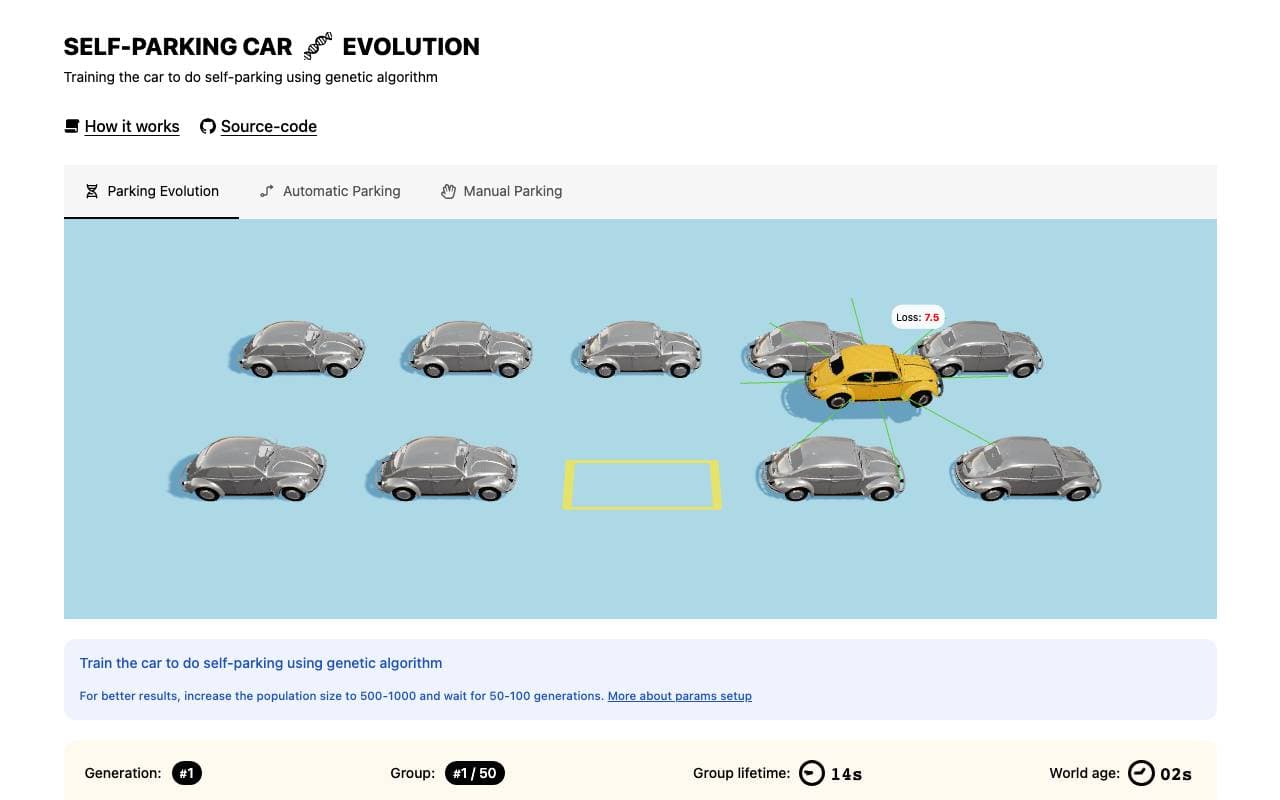

Self-Parking Car Evolution
Computer Vision
Demo de algoritmo genético que evoluciona coches autoseparadores virtuales en el navegador.
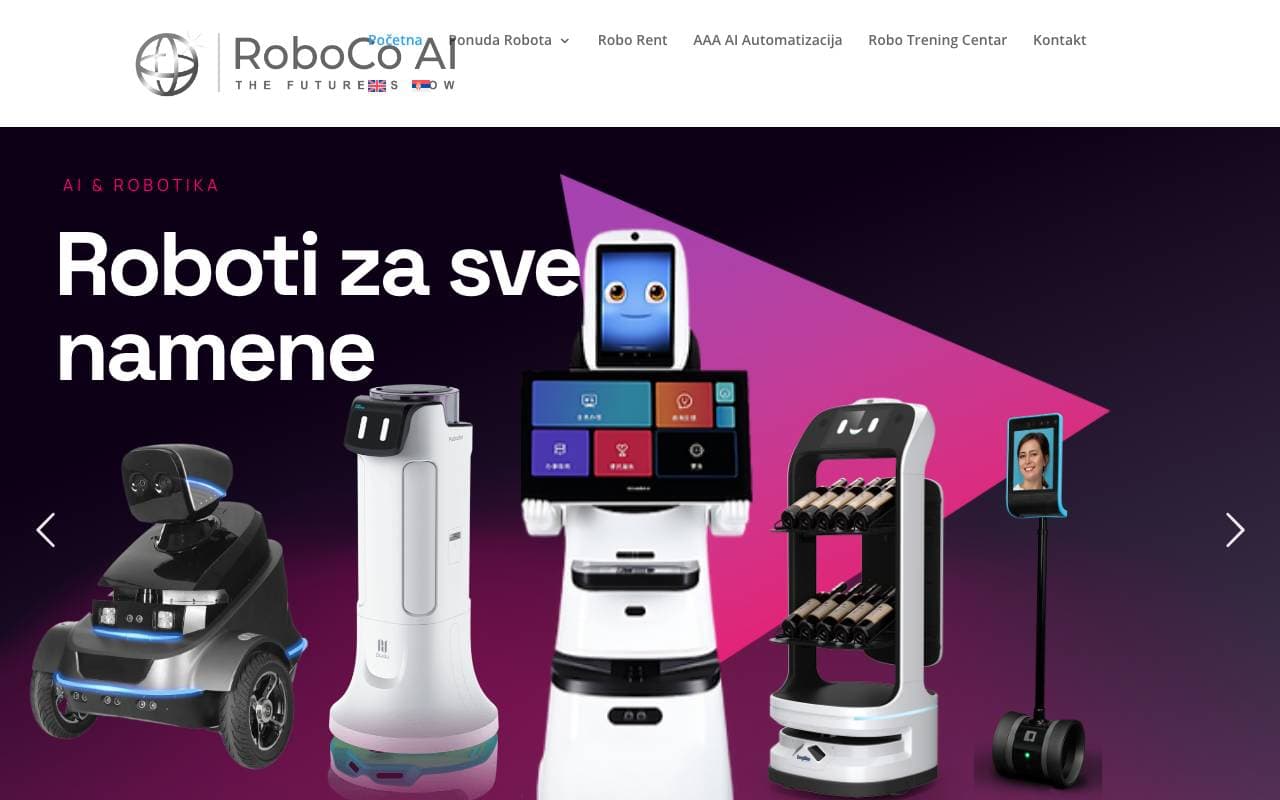

Roboco AI
Computer Vision
Marco de frameworks de agentes de IA autónomos para la construcción de aplicaciones robotizadas basadas en tareas.
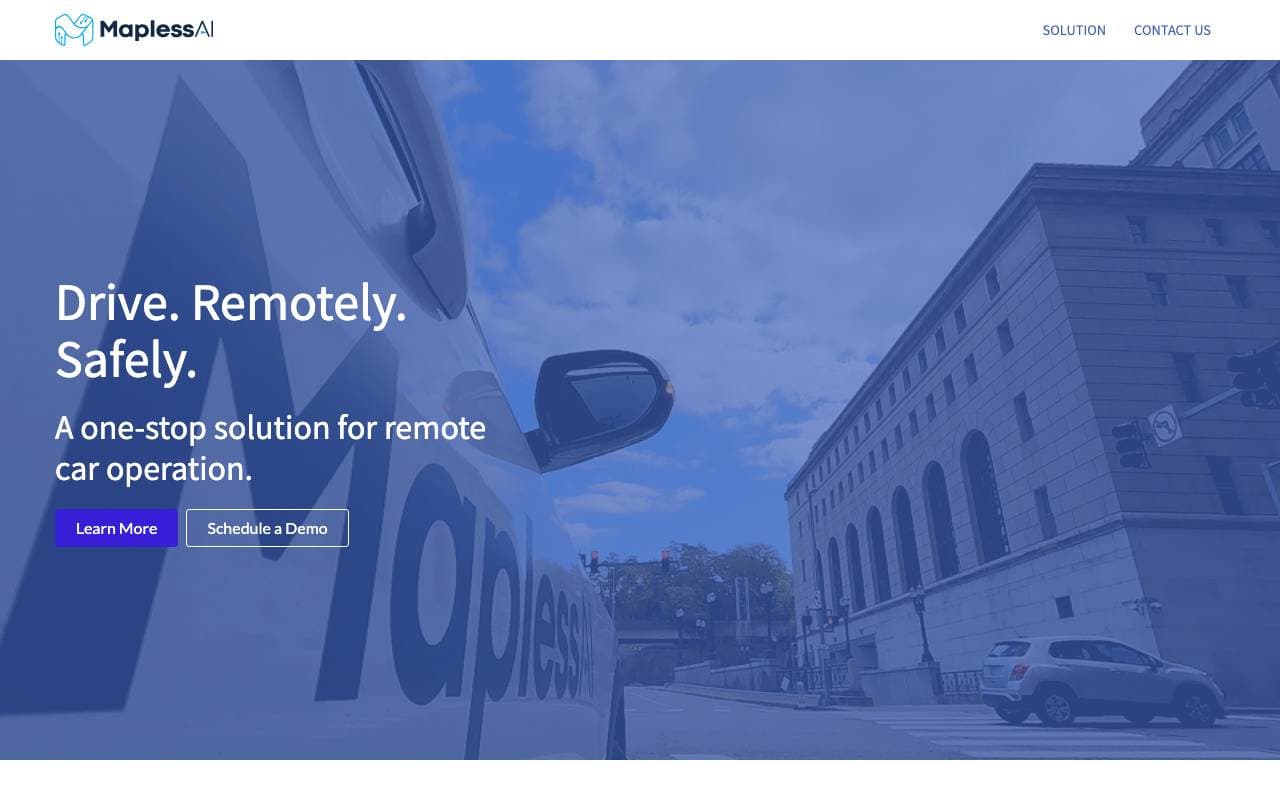

Mapless AI
Computer Vision
Plataforma de operación remota de vehículos para un manejo de flotas de vehículos sin conductor seguro.
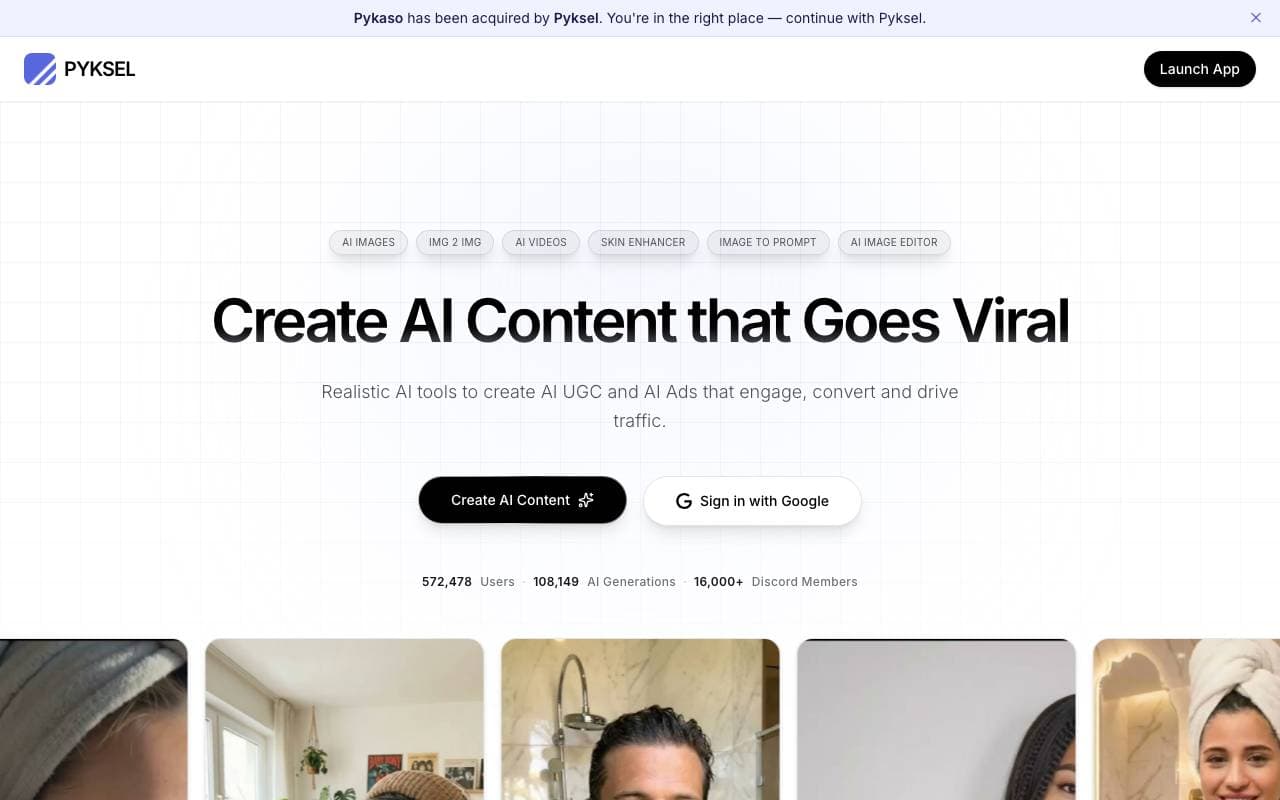

Pykaso
Computer Vision
Generación de imágenes y vídeo ultra-realísticas con entrenamiento personalizado de modelos LoRA.


ExpertDevTech
Computer Vision
Software personalizado, IA y soluciones digitales diseñadas para acelerar el crecimiento empresarial.

Retouch4me
Computer Vision
plugins de mejora de fotos con inteligencia artificial que automatizan trabajos de piel, color y detalles mientras conservan los texturas naturales.
Trending now


Claude
AI Agents & Chatbots
Asistente conversacional de IA de Anthropic para escritura, análisis, codificación y tareas documentales

Doozer Ai
Sales Agent
Co-trabajadores digitales que automatizan flujos de trabajo operativos para impulsar la eficiencia del equipo
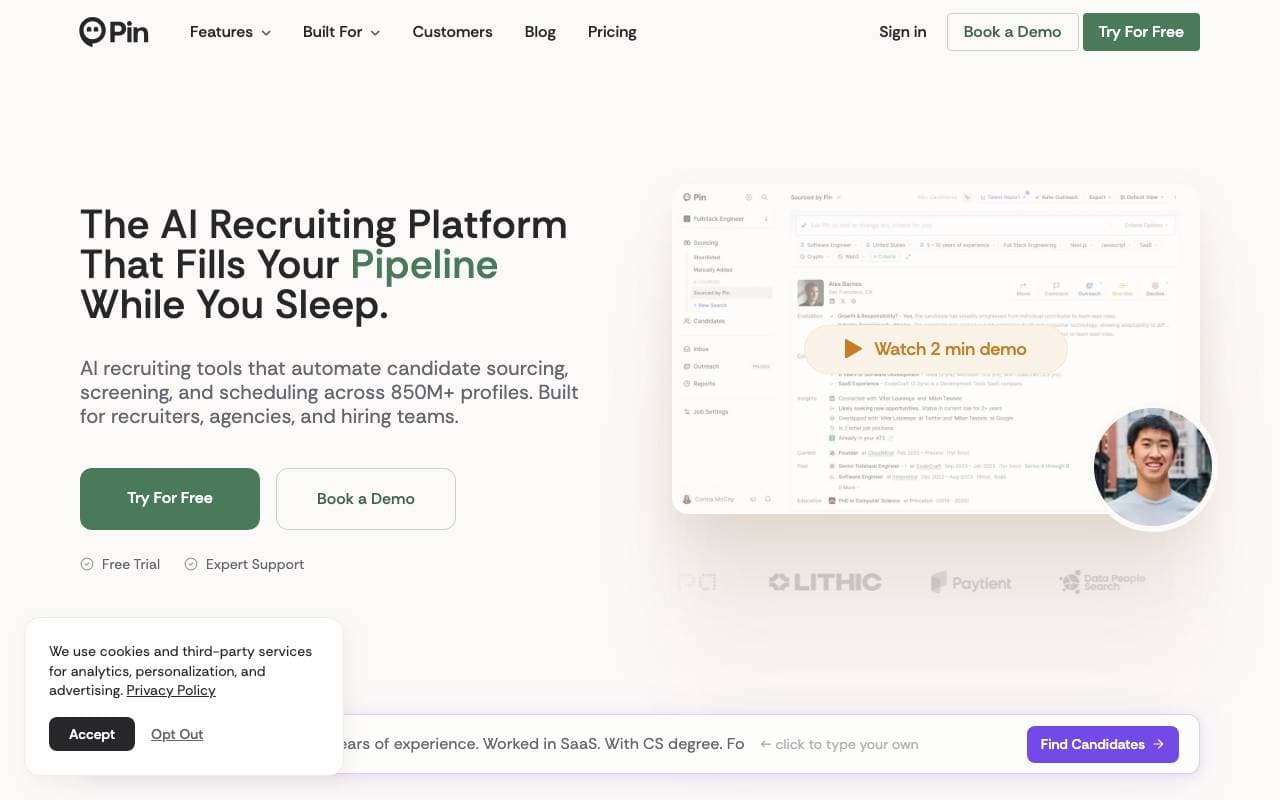

Pin AI
Workflow automation
Contratista de AI agente que automatiza la busca, la selección y el acercamiento para acelerar el reclutamiento.
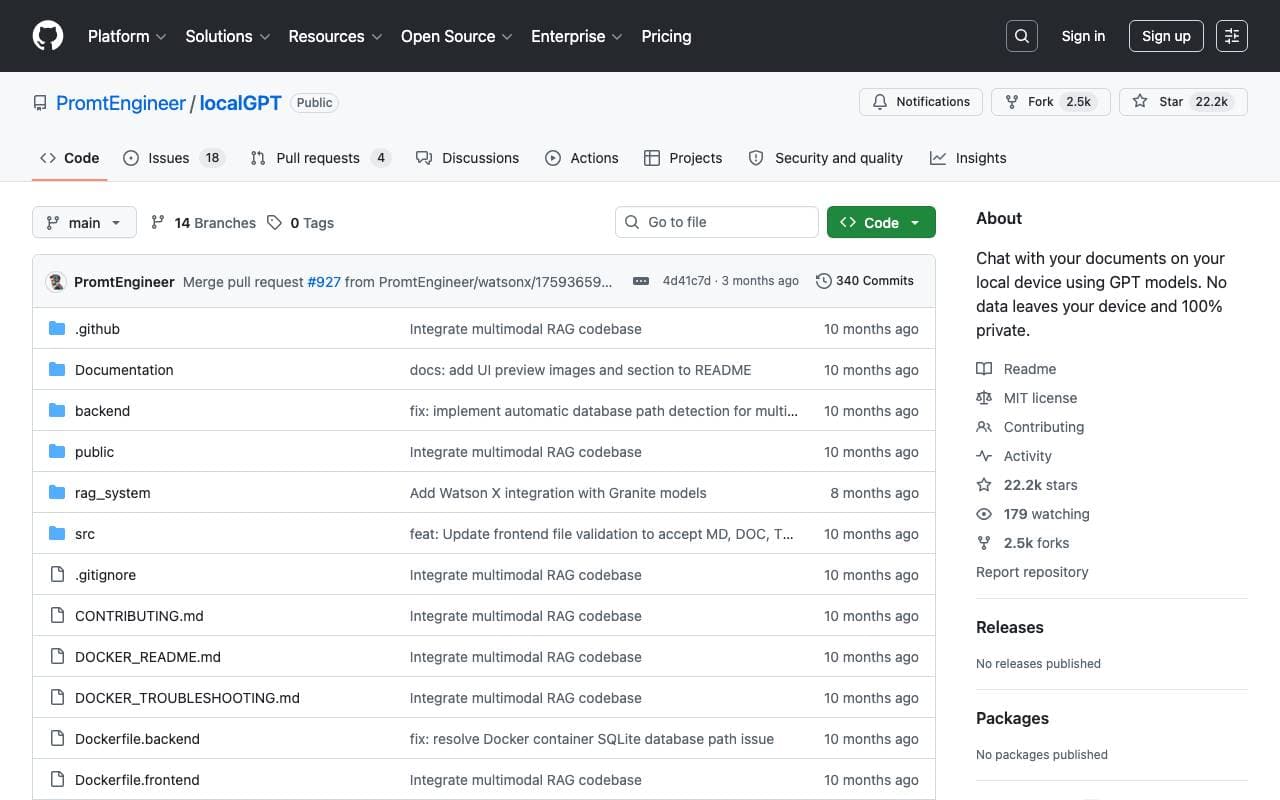

Local GPT
Other
Apostar al conocimiento local de AI para una charla privada, en línea y fuera de línea con modelos GPT en tu hardware propio.