
Vorim AICryptographic identity, scoped permissions, and signed audit trails for AI agents

Overview
Key features
- Ed25519 cryptographic agent identities with SHA-256 fingerprints
- Seven hierarchical, time-bound permission scopes
- Hash-chained, signed immutable audit trails
- Sub-5ms Redis-cached permission verification
- Trust scoring with signed, verifiable attestations
- Scoped OAuth credential delegation and runtime approval queues
Pricing
- Model
- Free
- Category
- AI security
- Rating
- 4.8 / 5 (4)
Use cases
Authenticate autonomous AI agent actions
Assign each deployed agent a verifiable cryptographic identity so downstream systems can confirm which agent initiated an action and under whose authority before executing it.
Compliance-ready audit trails for AI activity
Capture tamper-resistant logs of agent behavior to satisfy governance and regulatory requirements, giving compliance teams a clear record of what was done and by whom.
Enforce least-privilege permissions for agents
Apply policy and permission controls to AI agents so they can only perform authorized actions, reducing blast radius when scaling automation across the enterprise.
Trace activity across multi-agent workflows
Follow signed actions across chained agents and systems to debug incidents, investigate misuse, and understand responsibility in complex autonomous pipelines.
Pros & Cons
Pros
- Cryptographic per-agent identity using Ed25519 keypairs instead of shared secrets
- Fine-grained, time-bound permission scopes with least-privilege defaults
- Tamper-evident, hash-chained audit trails exportable for compliance
- Low-latency permission checks (sub-5ms p99) suitable for production pipelines
- Broad set of advertised integrations with agent frameworks and automation tools
Cons
- Adds an additional infrastructure and protocol layer to your agent stack
- Relatively new product; long-term track record and integration depth unproven
- Compliance and audit value depends on how it's adopted across an organization
Reviews
Average from 4 ratings.
Sign in to leave a review.
Skeptical, then convinced
I went in skeptical — most tools in this space overpromise. It actually delivers on cryptographic agent identities, and strong cryptographic identity model for agents caught me off guard. still, I'd recommend giving it a real trial.
Use it every day
Honestly didn't expect to like it this much. Verifiable action signing is exactly what I needed, and useful for regulated and enterprise environments. I do wish may be overkill for small or experimental projects, but I reach for it almost every day now and it just clicks.
Compared a few options
Evaluated this against two competitors. Where it wins: integration with existing AI agent frameworks and useful for regulated and enterprise environments. Where it lags: value depends on broader security maturity. On balance the feature set — especially traceability across multi-agent workflows — justifies the 5 stars for our use case.
Does the job
Pretty happy overall. Tamper-resistant audit logs just works and strong cryptographic identity model for agents. May be overkill for small or experimental projects can be annoying, but no dealbreakers — I'd recommend it to a friend without hesitating.
Q&A
No questions yet — be the first to ask.
Ask a question
AI security alternatives
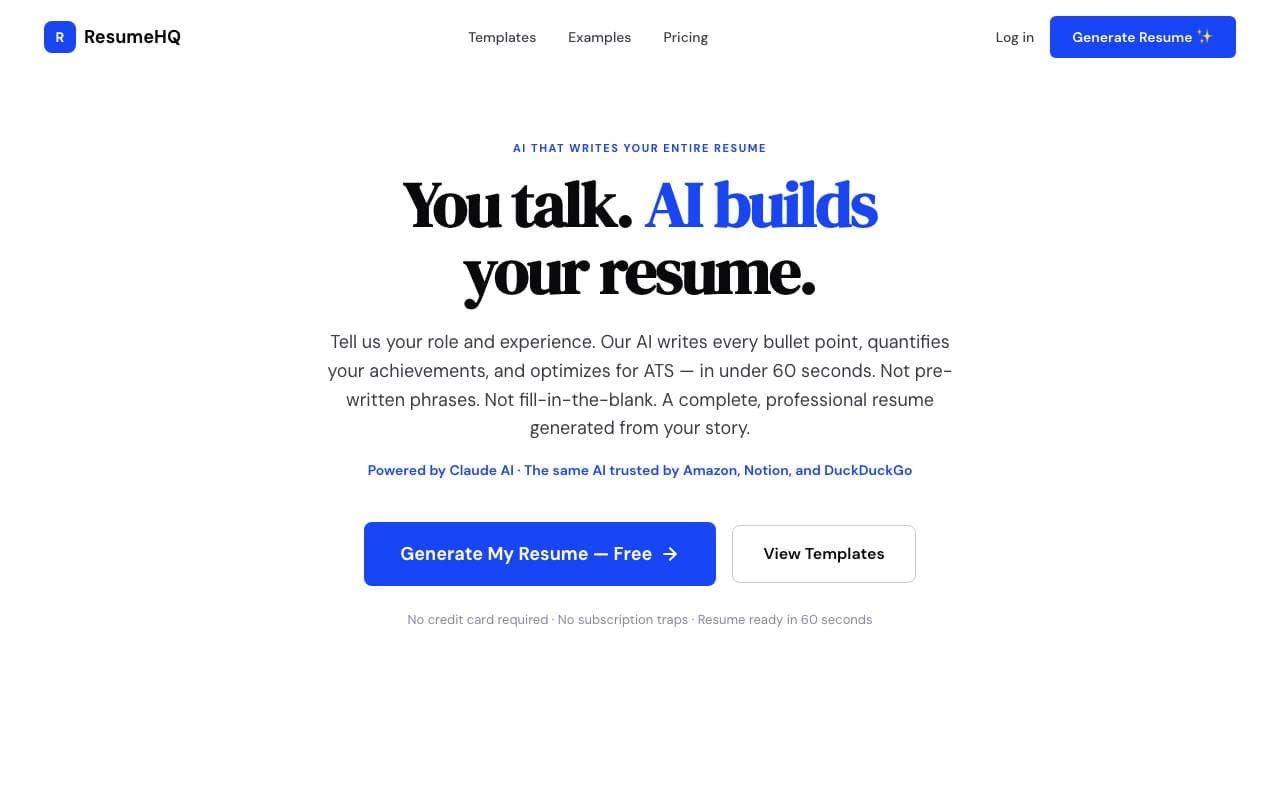

ResumeHQ
AI security
Conversational AI resume builder powered by Claude that generates ATS-optimized resumes from your description
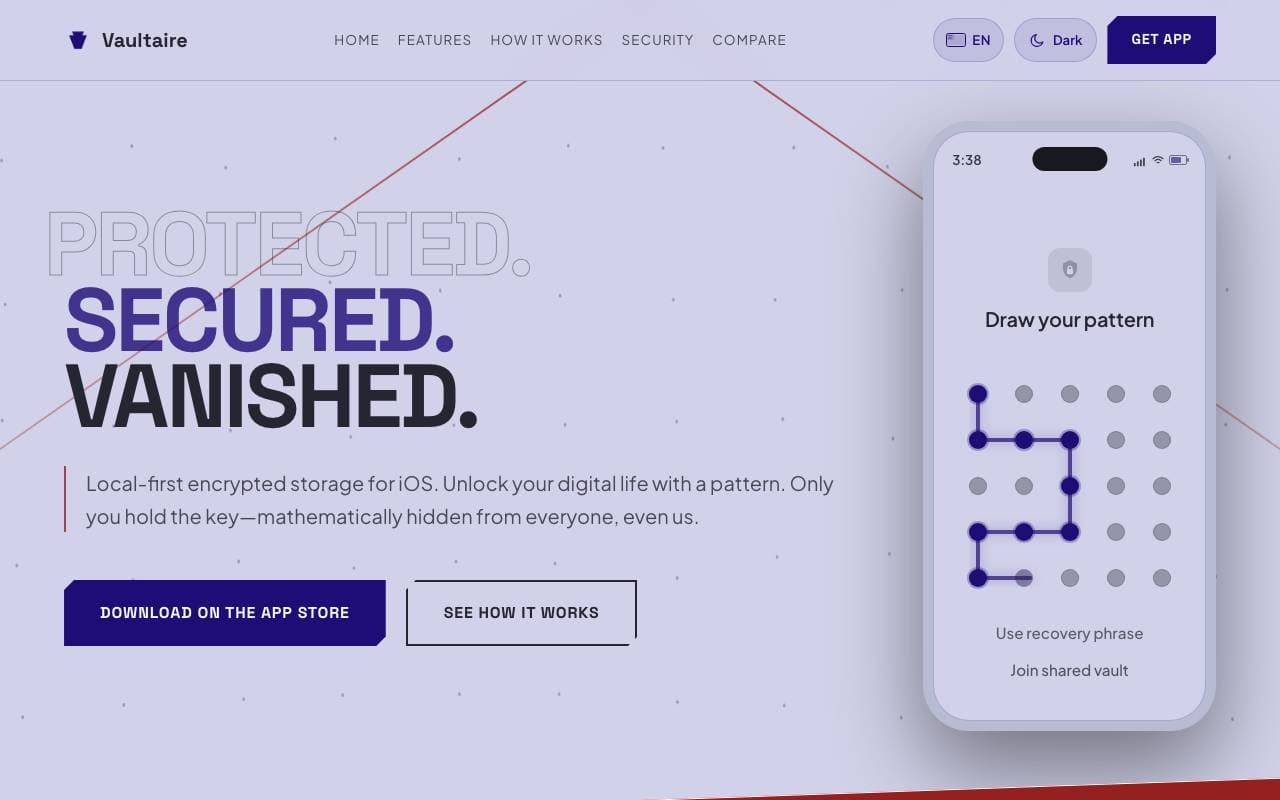

Vaultaire
AI security
Pattern-encrypted iPhone vault for photos, videos and files with zero-knowledge security.
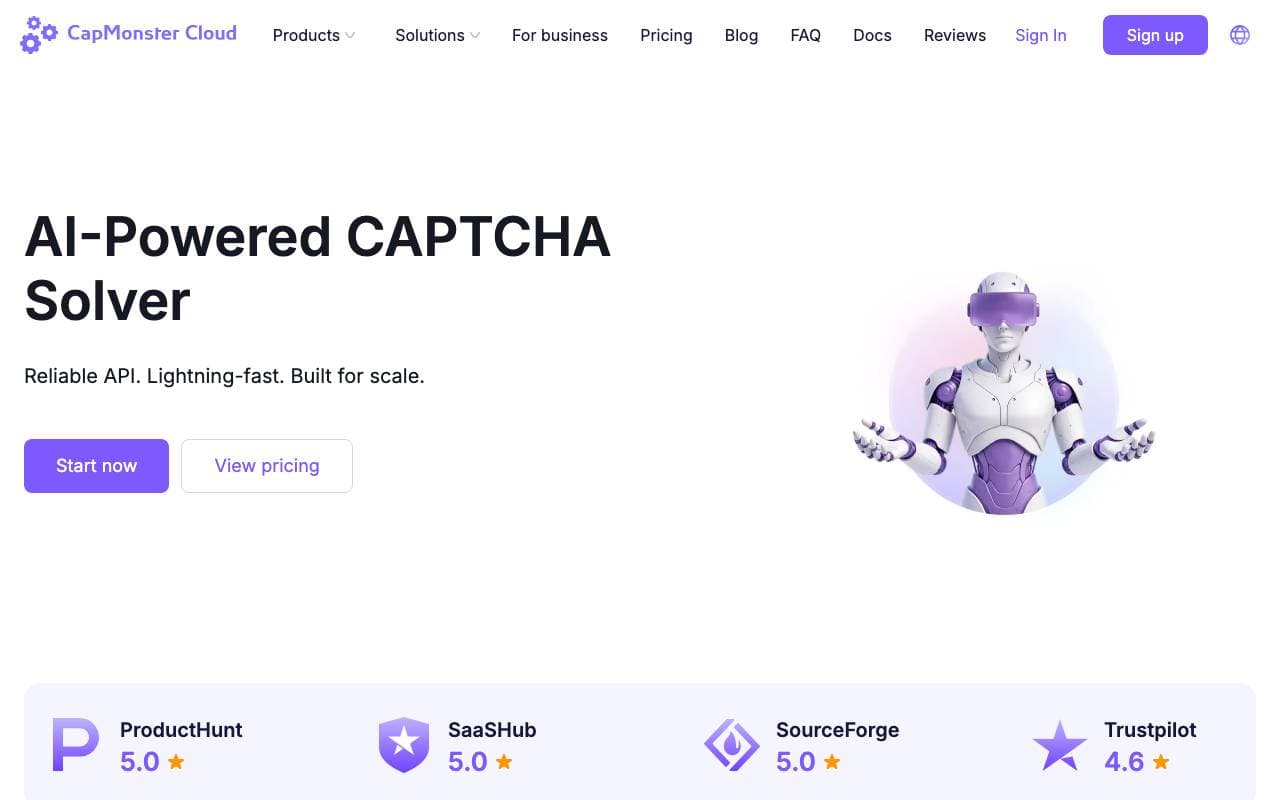

CapMonster Cloud
AI security
Automated CAPTCHA-solving API built for high-volume scraping and automation workflows.
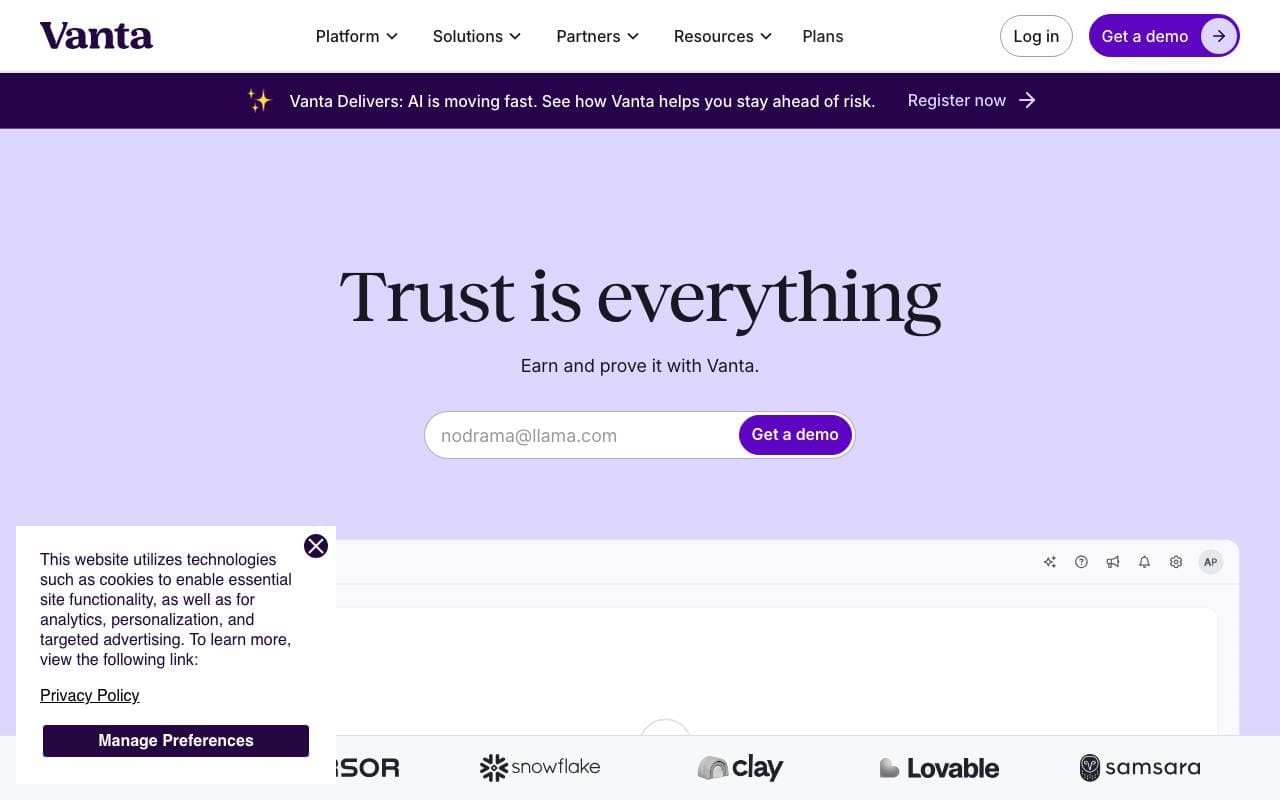

Vanta
AI security
Automated trust management platform for security and compliance.
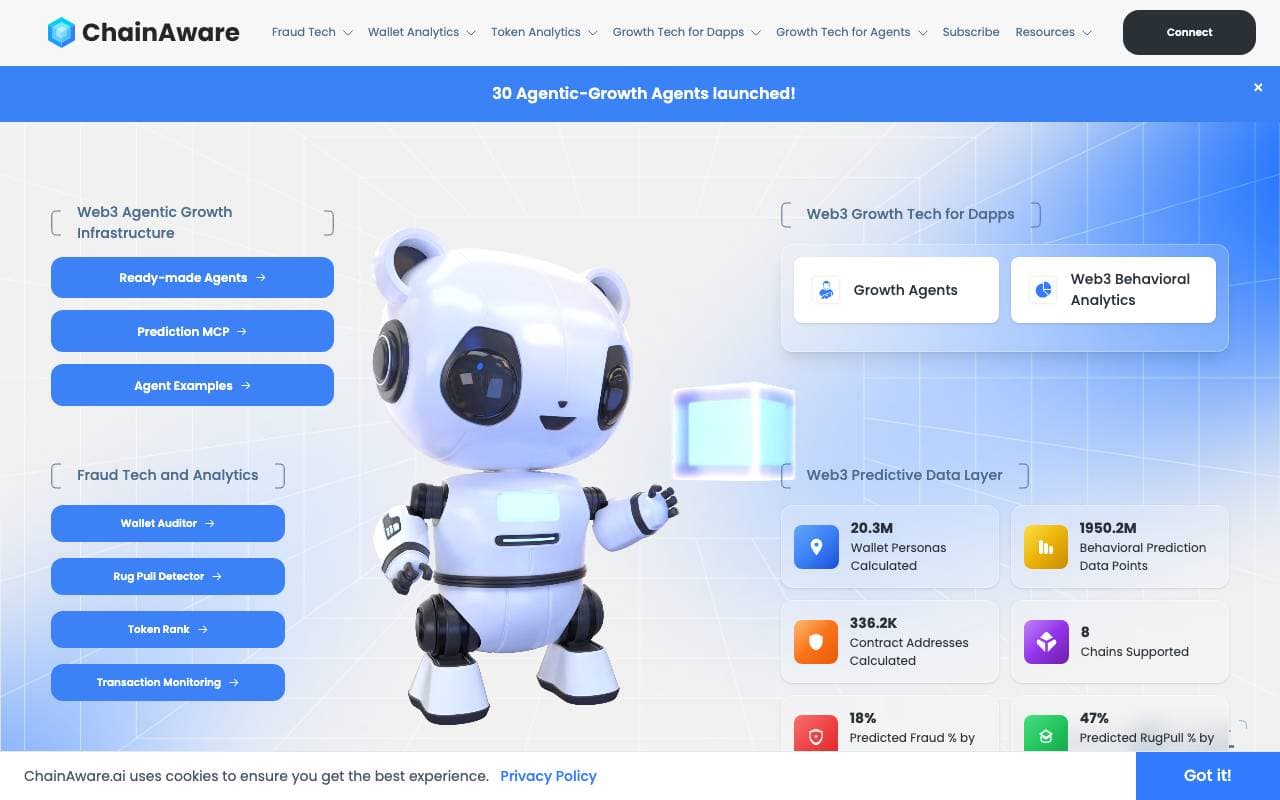

ChainAware.ai
AI security
Predictive analytics and fraud detection for Web3 wallets, tokens, and dApps.


Creasura
AI security
AI toolbox for optimizing online business performance, security, and marketing workflows.
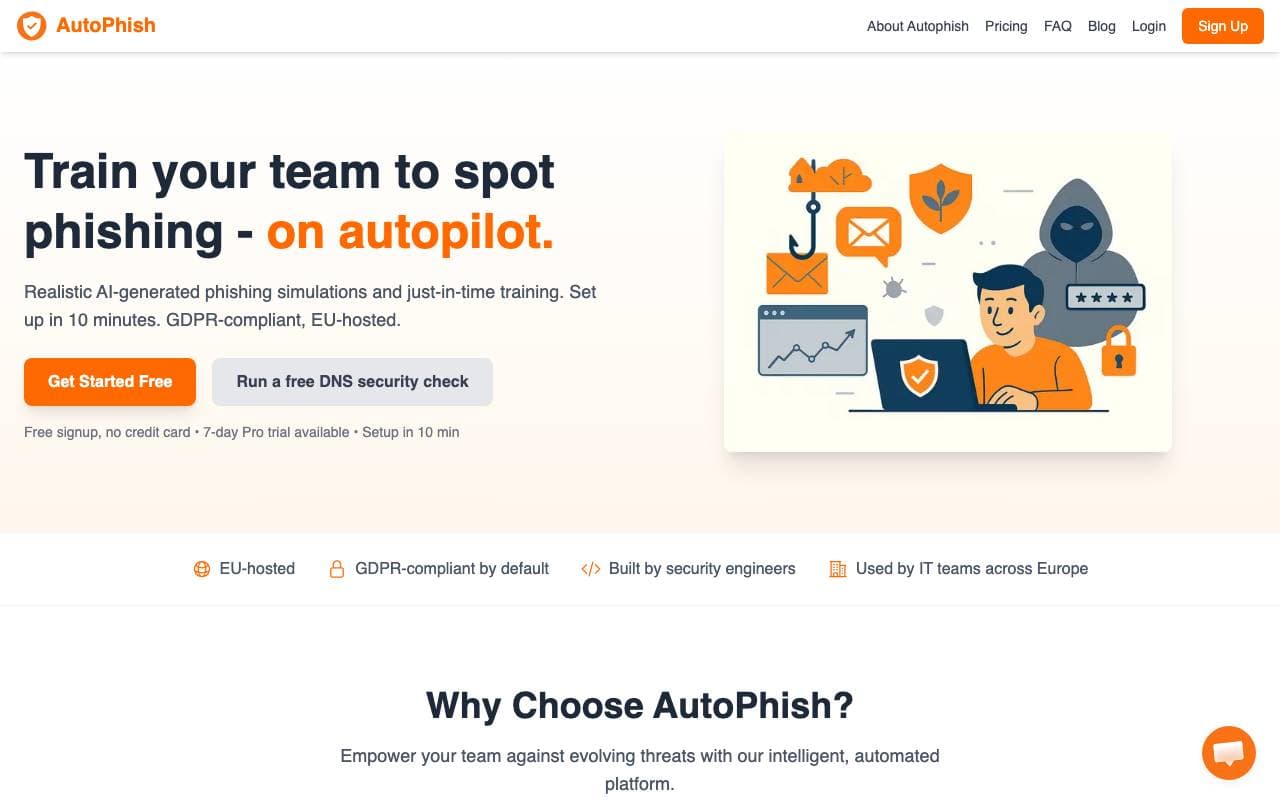

AutoPhish
AI security
AI-driven phishing simulations that train employees and expose human security gaps.
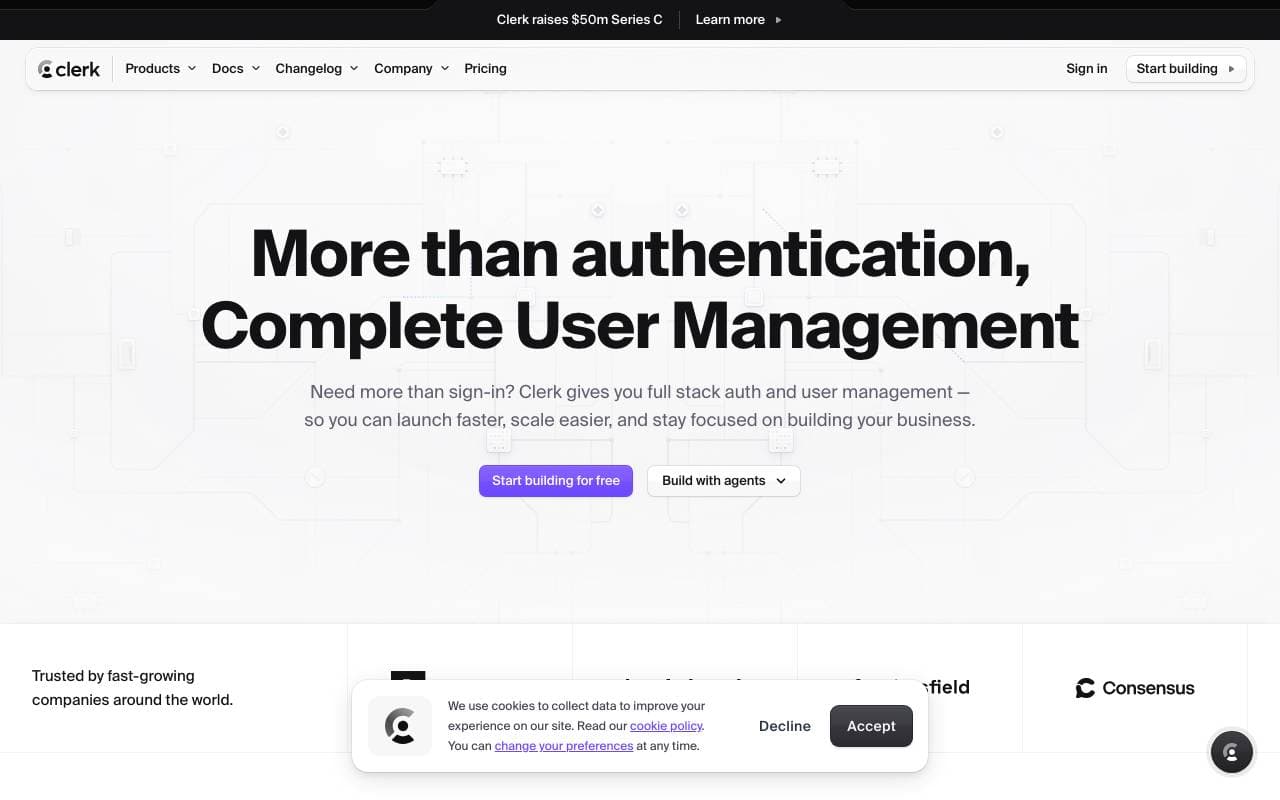

Clerk
AI security
Drop-in authentication and user management for modern web and mobile apps.
Trending now


Claude
AI Agents & Chatbots
Conversational AI assistant from Anthropic for writing, analysis, coding, and document tasks

Doozer Ai
Sales Agent
Digital co-workers that automate operational workflows to boost team efficiency.
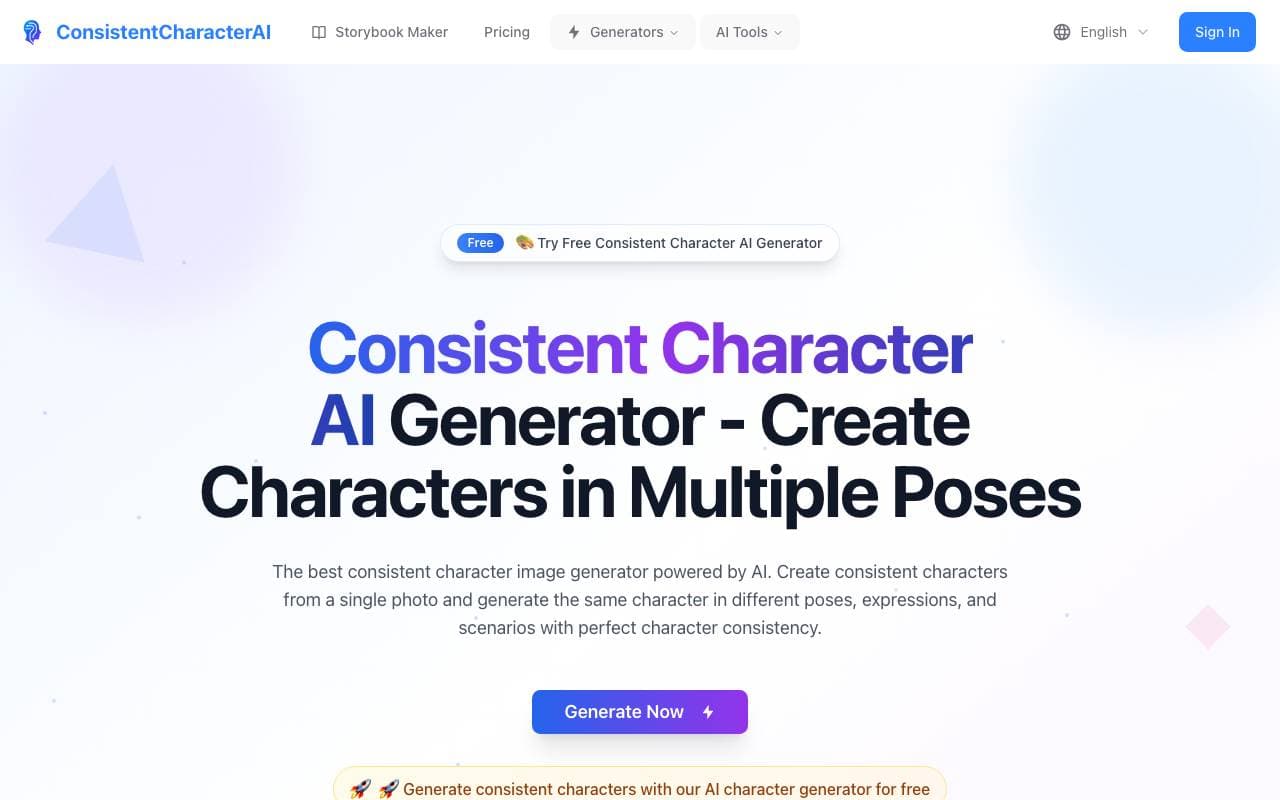

Consistent Character AI
Images
Generate consistent AI characters across scenes from a single reference photo.

Reducto AI
AI Agent Development Platforms
Document intelligence API that parses, splits, OCRs, and extracts structured data from complex PDFs, slides, and spreadsheets.