
VocodeOpen-source framework for building real-time voice AI agents from speech-to-text, LLM, and text-to-speech components

Overview
Key features
- Real-time streaming voice agent pipeline
- Integrations with multiple STT, LLM, and TTS providers
- Phone call support via Twilio and similar telephony services
- Interruption (barge-in) handling
- Python SDK for building custom agents
- Support for browser and local-microphone conversations
Pricing
- Model
- Freemium
- Category
- Agent Development
- Rating
- 4.8 / 5 (4)
Use cases
Build Voice-Based Customer Support Agents
Developers can use Vocode to create hyper-realistic voice AI agents that handle inbound and outbound customer support calls.
Deploy Voice Assistants in Applications
Integrate conversational voice agents into web, mobile, or telephony apps to enable natural spoken interactions with users.
Scale Outbound Voice Campaigns
Leverage the open-source platform to deploy and scale voice AI agents for outreach, surveys, or appointment scheduling.
Prototype Custom Voice AI Workflows
Use Vocode's open-source framework to experiment with and build bespoke voice agent workflows tailored to specific business needs.
Pros & Cons
Pros
- Open-source and self-hostable for full control over the stack
- Modular, provider-agnostic design for transcription, LLM, and TTS
- Built-in telephony support via providers like Twilio
- Streaming pipeline with interruption handling for responsive conversations
Cons
- Requires assembling and paying for multiple third-party services
- Building production-grade agents demands real engineering effort
- Latency and conversational tuning are left to the developer
Reviews
Average from 4 ratings.
Sign in to leave a review.
Use it every day
Honestly didn't expect to like it this much. The integrations is exactly what I needed, and it is genuinely easy to set up. I do wish the docs could be deeper, but I reach for it almost every day now and it just clicks.
Does the job
Pretty happy overall. The dashboard just works and support is responsive. Pricing gets steep at scale can be annoying, but no dealbreakers — I'd recommend it to a friend without hesitating.
Does the job
Pretty happy overall. The dashboard just works and it saves real time. Pricing gets steep at scale can be annoying, but no dealbreakers — I'd recommend it to a friend without hesitating.
Use it every day
Honestly didn't expect to like it this much. The automation is exactly what I needed, and support is responsive. but I reach for it almost every day now and it just clicks.
Q&A
No questions yet — be the first to ask.
Ask a question
Agent Development alternatives
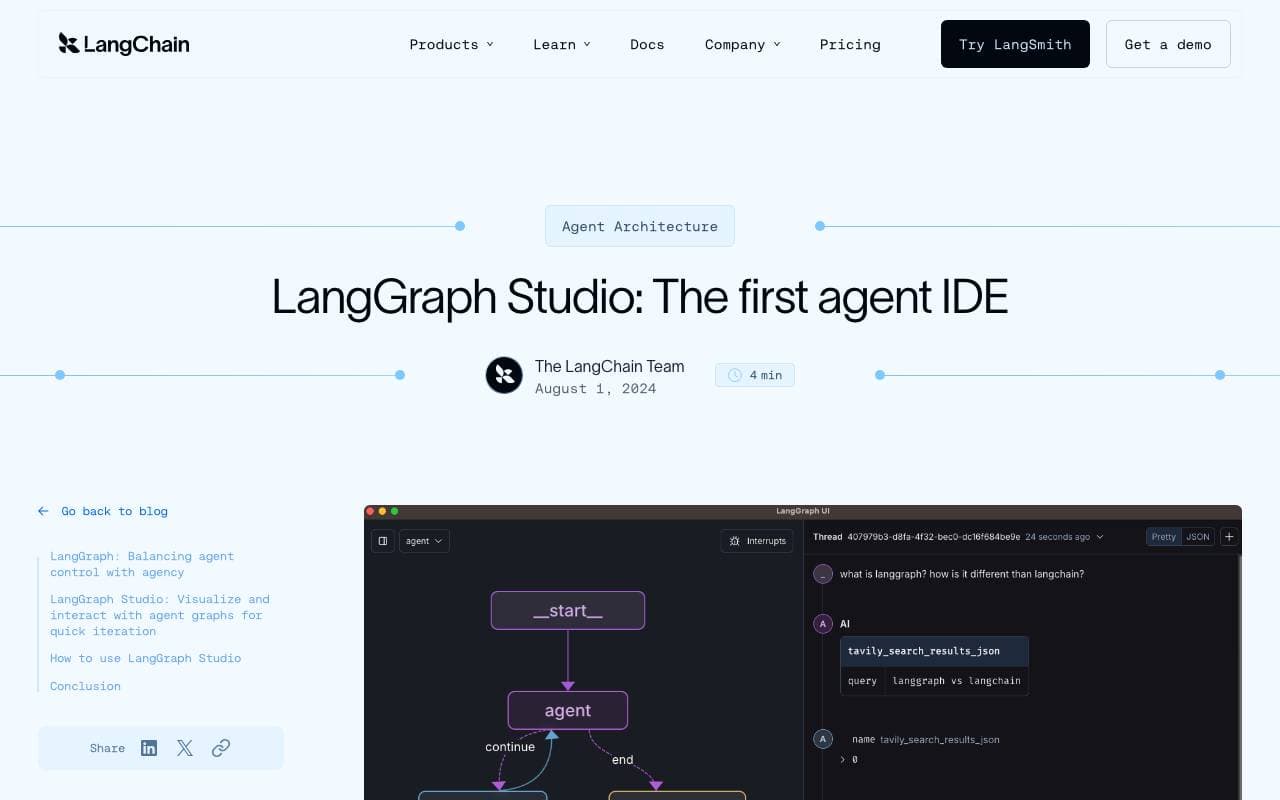

LangGraph Studio
Agent Development
Visual IDE for building, debugging, and inspecting LangGraph agent workflows

BrainSoup
Agent Development
Build custom AI agents that automate tasks and workflows through natural language.
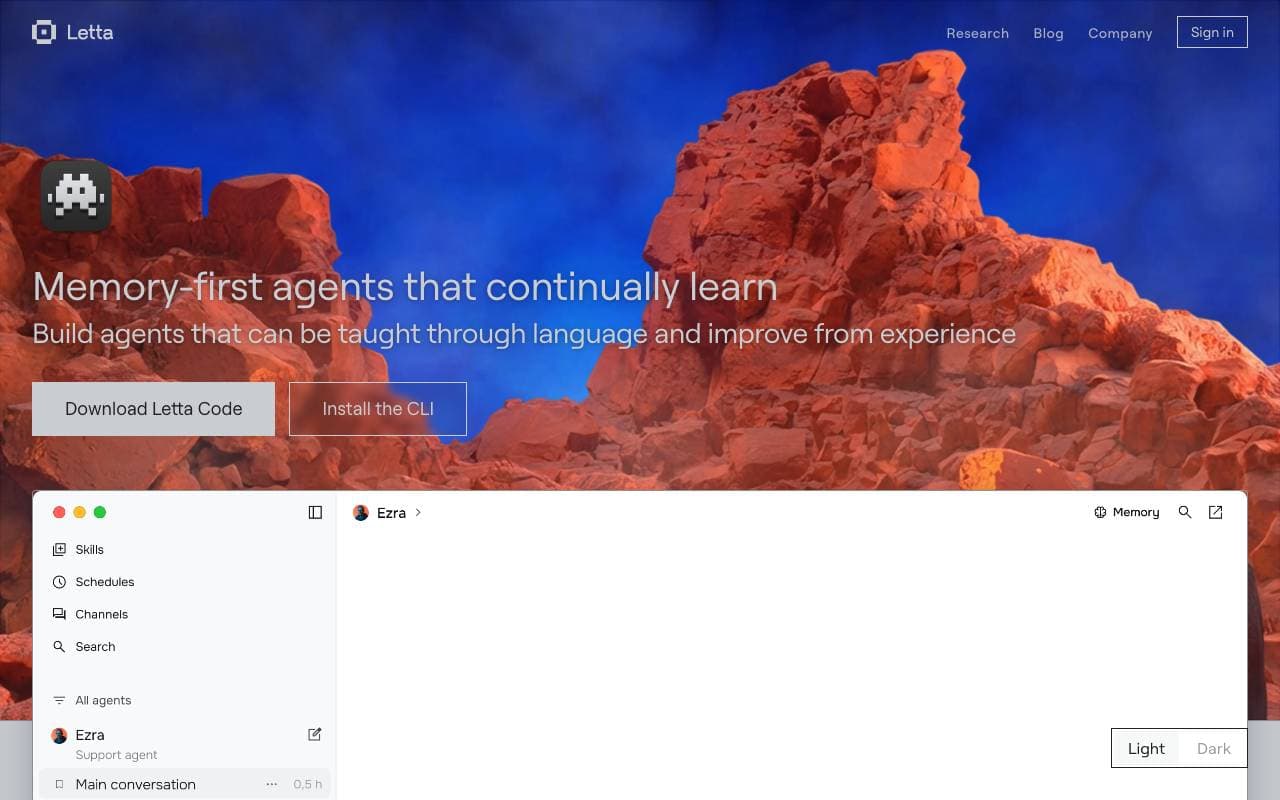

Letta AI
Agent Development
An open-source platform for building stateful AI agents with long-term memory and advanced reasoning.

Snorkel Flow
Agent Development
Programmatic data labeling and AI development platform for building production models faster.

NetX
Agent Development
Modular economic network combining blockchain infrastructure with AI capabilities.

Theoriq AI
Agent Development
Decentralized protocol for building and governing multi-agent AI systems on-chain

Botpress
Agent Development
End-to-end platform for building, deploying and managing AI agents and chatbots.
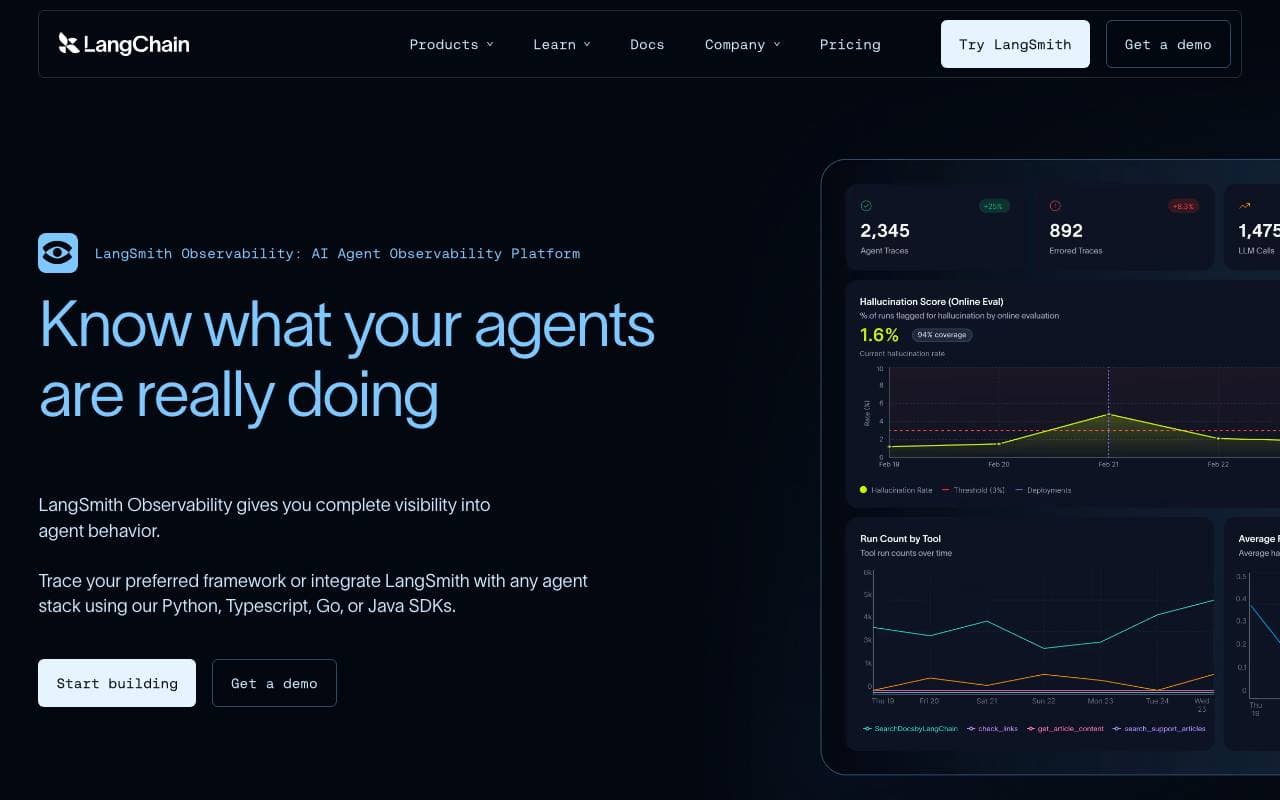

LangSmith
Agent Development
Observability, evaluation, and debugging platform for LLM applications from the LangChain team
Trending now


Claude
AI Agents & Chatbots
Conversational AI assistant from Anthropic for writing, analysis, coding, and document tasks
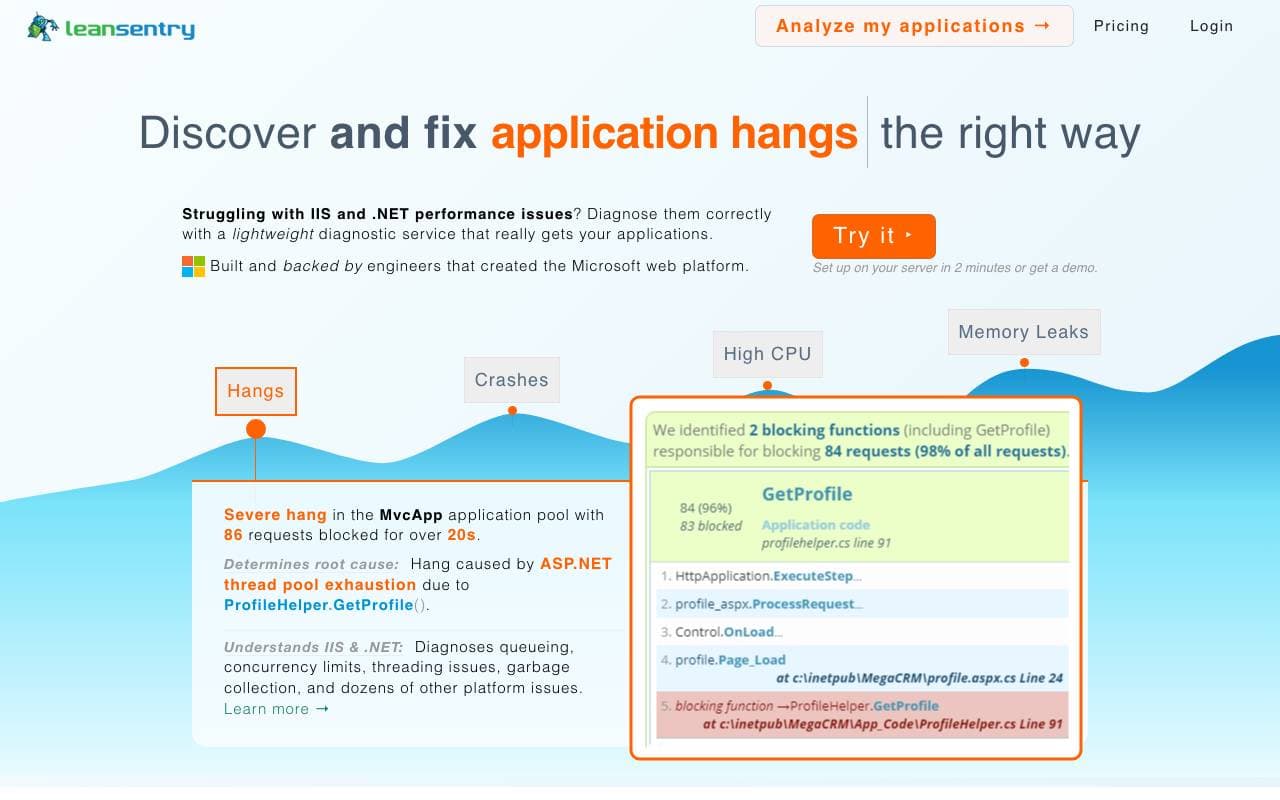

LeanSentry
Software Development
AI-powered diagnostics and monitoring for IIS and ASP.NET performance issues.

Doozer Ai
Sales Agent
Digital co-workers that automate operational workflows to boost team efficiency.

Consistent Character AI
Images
Generate consistent AI characters across scenes from a single reference photo.