
Playwright MCPOpen-source MCP server that lets LLMs drive real browsers via Playwright and accessibility snapshots.

Overview
Key features
- MCP server interface for LLM agents
- Structured accessibility tree snapshots
- Cross-browser support via Playwright
- Click, type, navigate, and form-filling actions
- Headless or headed browser modes
- Integration with Claude, Cursor, and custom clients
Pricing
- Model
- Free
- Category
- MCP Servers
- Rating
- 4.8 / 5 (6)
Use cases
Autonomous Web Navigation for AI Agents
Enable LLM agents in Claude Desktop, Cursor, or custom frameworks to browse websites, click links, and complete multi-step tasks using deterministic accessibility snapshots instead of screenshots.
Automated Form Filling and Workflows
Let agents log into portals, fill out forms, and execute end-to-end workflows across Chromium, Firefox, and WebKit without writing custom automation scripts.
Structured Web Data Extraction
Use accessibility tree snapshots to reliably extract content from web pages, giving LLMs a fast, token-efficient view of the DOM for scraping and research tasks.
End-to-End Testing with LLM Assistance
Pair Playwright's cross-browser automation with an LLM to generate, run, and debug end-to-end tests interactively through an MCP-compatible client.
Pros & Cons
Pros
- Free and open source
- No screenshots needed for reliable automation
- Works with any MCP-compatible client
- Supports multiple browser engines via Playwright
- Fast, deterministic accessibility-based interactions
Cons
- Requires technical setup and Node environment
- MCP ecosystem still maturing
- Token usage can grow on complex pages
- Limited usefulness for purely visual tasks
Reviews
Average from 6 ratings.
Sign in to leave a review.
Does the job
Pretty happy overall. Structured accessibility tree snapshots just works and works with any MCP-compatible client. but no dealbreakers — I'd recommend it to a friend without hesitating.
Solid for our team
We rolled this out across the team last quarter and free and open source. MCP server interface for LLM agents fits neatly into how we already work, and integration with Claude, Cursor, and custom clients removed a step we used to do by hand. but it has held up under daily use.
Does the job
Pretty happy overall. Integration with Claude, Cursor, and custom clients just works and fast, deterministic accessibility-based interactions. MCP ecosystem still maturing can be annoying, but no dealbreakers — I'd recommend it to a friend without hesitating.
Use it every day
Honestly didn't expect to like it this much. MCP server interface for LLM agents is exactly what I needed, and supports multiple browser engines via Playwright. but I reach for it almost every day now and it just clicks.
Compared a few options
Evaluated this against two competitors. Where it wins: headless or headed browser modes and free and open source. Where it lags: mCP ecosystem still maturing. On balance the feature set — especially click, type, navigate, and form-filling actions — justifies the 4 stars for our use case.
Skeptical, then convinced
I went in skeptical — most tools in this space overpromise. It actually delivers on structured accessibility tree snapshots, and works with any MCP-compatible client caught me off guard. Limited usefulness for purely visual tasks is why this isn't a perfect score, still, I'd recommend giving it a real trial.
Q&A
Is it suitable for visual or screenshot-based testing tasks?
Not really. Playwright MCP is designed around structured accessibility tree snapshots rather than screenshots, which makes it fast and deterministic for DOM-based actions but limits its usefulness for purely visual tasks like pixel comparisons.
How much does Playwright MCP cost and what's the licensing?
Playwright MCP is free and open source, so there are no license fees. You only pay for the underlying compute to run the Node environment and any LLM tokens consumed by your MCP client when interacting with pages.
Which LLM clients and browsers does it work with?
It works with any MCP-compatible client, including Claude Desktop, Cursor, and custom agent frameworks. For browsers, it supports Chromium, Firefox, and WebKit via Playwright, in either headless or headed modes.
Ask a question
MCP Servers alternatives
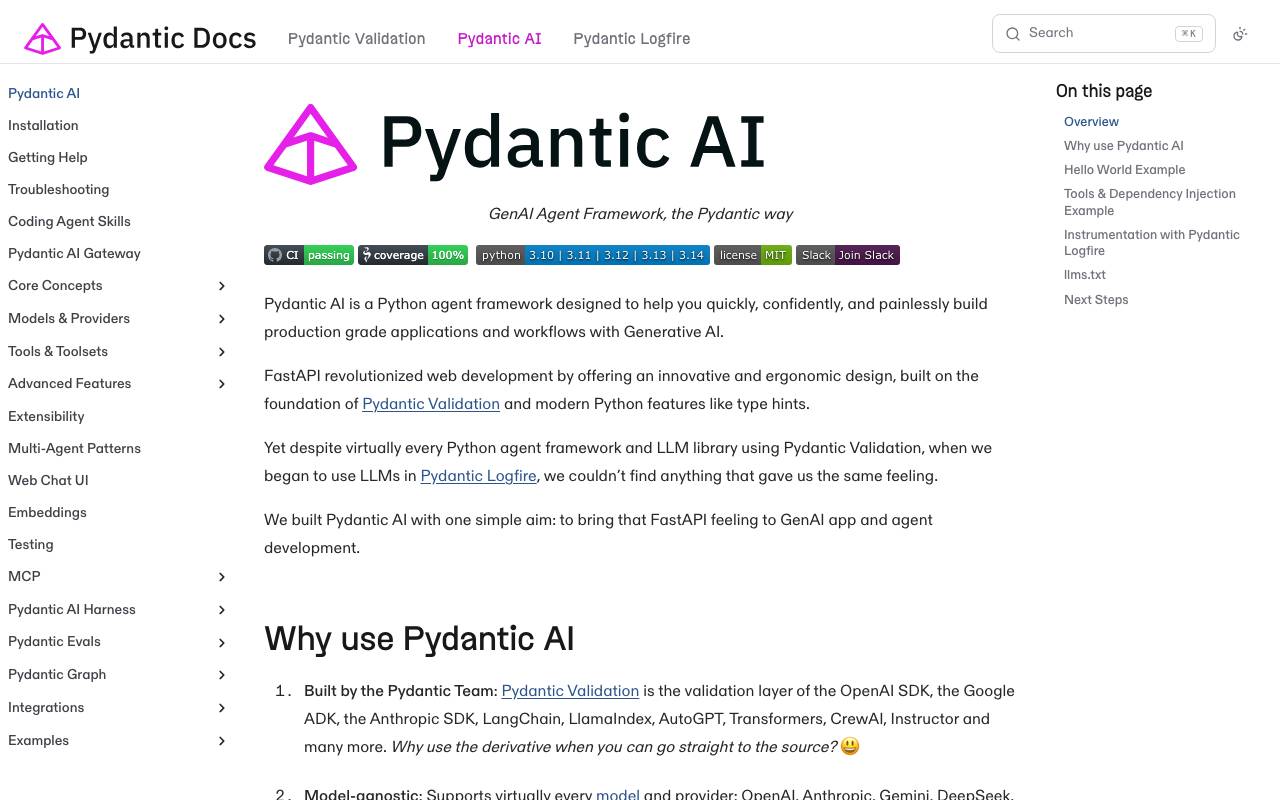
Pydantic AI
MCP Servers
Python agent framework from the Pydantic team for building type-safe GenAI apps.
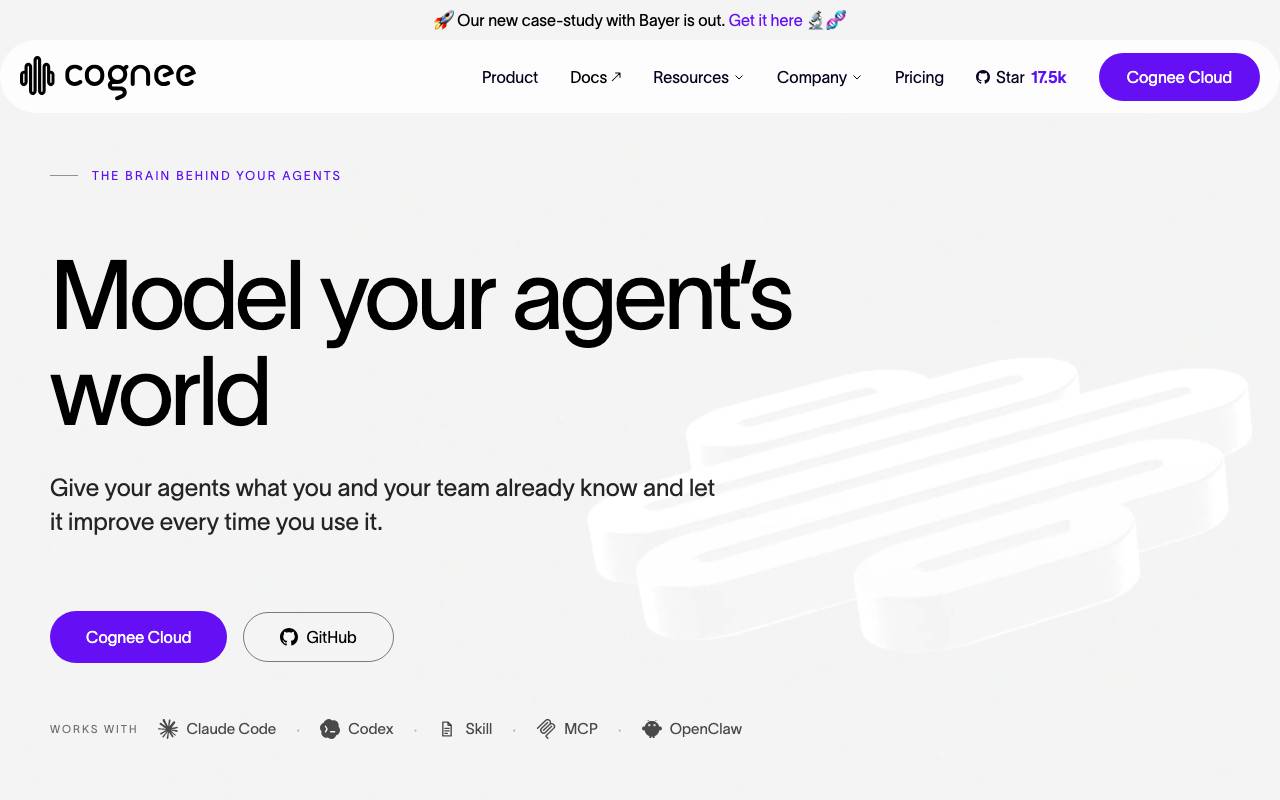
Cognee
MCP Servers
Adaptive memory layer that helps AI agents learn from context over time.
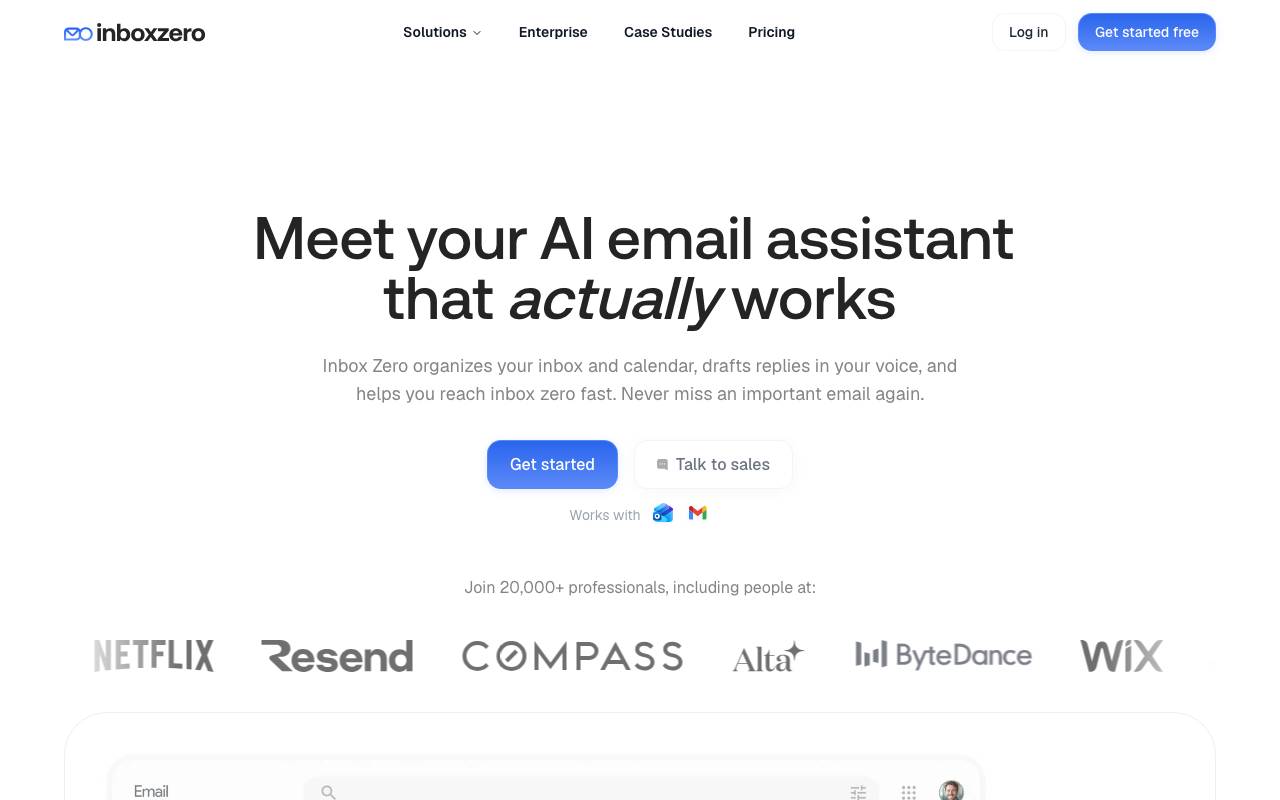
Inbox Zero
MCP Servers
AI email assistant that organizes, drafts replies, and helps you reach inbox zero faster.
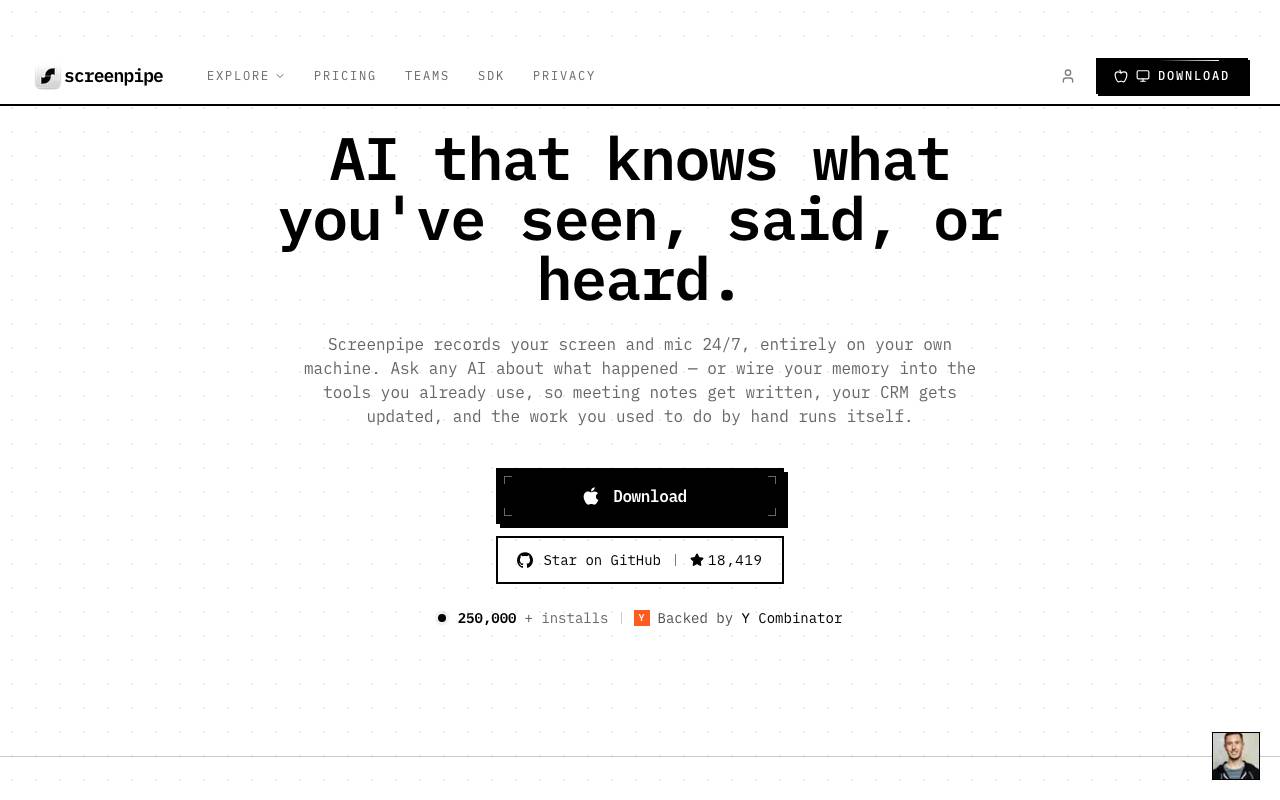

Screenpipe
MCP Servers
Open-source 24/7 local screen and audio recording for building context-aware AI apps

AgentKit
MCP Servers
TypeScript library for building and orchestrating AI agents with tools, memory, and multi-agent workflows.
onchain-mcp
MCP Servers
Bringing the bankless onchain API to MCP
markitdown
MCP Servers
Python tool for converting files and office documents to Markdown.
mcp-clickhouse
MCP Servers
mcp-clickhouse MCP server