
Pixal3DImage-to-3D generator that lifts pixel features into 3D for view-consistent, PBR-ready GLB assets

Overview
Key features
- Explicit pixel back-projection into a 3D feature volume
- View-consistent geometry generation
- Multi-view feature aggregation
- PBR texture generation (base color, normal, roughness)
- GLB asset export
- Modular scene synthesis with object separation
Pricing
- Model
- Free
- Category
- AI Avatar
- Rating
- 4.8 / 5 (4)
Use cases
Rapid Game Asset Prototyping
Game developers can convert concept art or reference photos into textured 3D meshes, accelerating prototyping and reducing manual modeling time during early production.
AR/VR Content Creation
Generate 3D assets from images for use in AR and VR experiences, enabling faster population of virtual environments with custom objects.
Multi-View Product Reconstruction
Capture several angles of a physical product and reconstruct an accurate 3D model with preserved geometry and textures for visualization or e-commerce.
Design Visualization from Concepts
Designers can upload a single reference image to quickly turn 2D ideas into 3D models for presentations, mockups, and iterative design reviews.
Pros & Cons
Pros
- Pixel-aligned approach preserves input proportions and silhouettes
- Production-ready PBR materials exportable as GLB
- Scales from single image to multiple views for better 360 consistency
- Open source with GitHub code and Hugging Face models
- Game-engine-ready output for Unity, Unreal, and Blender
Cons
- New research-stage release with limited track record
- Pricing and commercial licensing terms not clearly stated
- Scene synthesis and occluded-region quality may vary by input
- Focuses on input fidelity rather than creative variation
Reviews
Average from 4 ratings.
Sign in to leave a review.
Years in this space
I've evaluated a lot of these over the years. What stands out here is supports varied subject types — handled better than most — and works from a single image when needed. Complex or occluded subjects may need cleanup is my one real gripe. Worth the time if this is your use case.
Skeptical, then convinced
I went in skeptical — most tools in this space overpromise. It actually delivers on textured mesh output, and useful for games, AR/VR, and design caught me off guard. still, I'd recommend giving it a real trial.
Compared a few options
Evaluated this against two competitors. Where it wins: high-fidelity geometry capture and speeds up 3D asset creation. Where it lags: limited control over fine topology. On balance the feature set — especially textured mesh output — justifies the 5 stars for our use case.
Solid for our team
We rolled this out across the team last quarter and speeds up 3D asset creation. High-fidelity geometry capture fits neatly into how we already work, and high-fidelity geometry capture removed a step we used to do by hand. but it has held up under daily use.
Q&A
No questions yet — be the first to ask.
Ask a question
AI Avatar alternatives

AI Beardless Filter
AI Avatar
Online AI filter that digitally removes beards from photos in seconds.

upscayl
AI Avatar
Free AI image upscaler that enlarges and enhances photos up to 16x without losing detail.

Ai pet portrait generator
AI Avatar
Turn pet photos into stylized AI portraits in seconds.

Nano Banana 2 AI
AI Avatar
Photorealistic AI image generation focused on authentic, lifelike visuals.


Square Face Icon Generator
AI Avatar
Free online generator for square-style face icons and avatars.

Gemini AI Photo Editor
AI Avatar
Free online photo editor and image generator powered by Gemini AI.

Action Figure
AI Avatar
Turn your photos into custom collectible-style action figure images using AI.


Lovart-Al Ip Avatar Design
AI Avatar
Custom IP avatar and character design platform powered by AI
Trending now

Claude
AI Agents & Chatbots
Conversational AI assistant from Anthropic for writing, analysis, coding, and document tasks

Doozer Ai
Sales Agent
Digital co-workers that automate operational workflows to boost team efficiency.

Pin AI
Workflow automation
Agentic AI recruiter that automates sourcing, screening, and outreach to accelerate hiring.
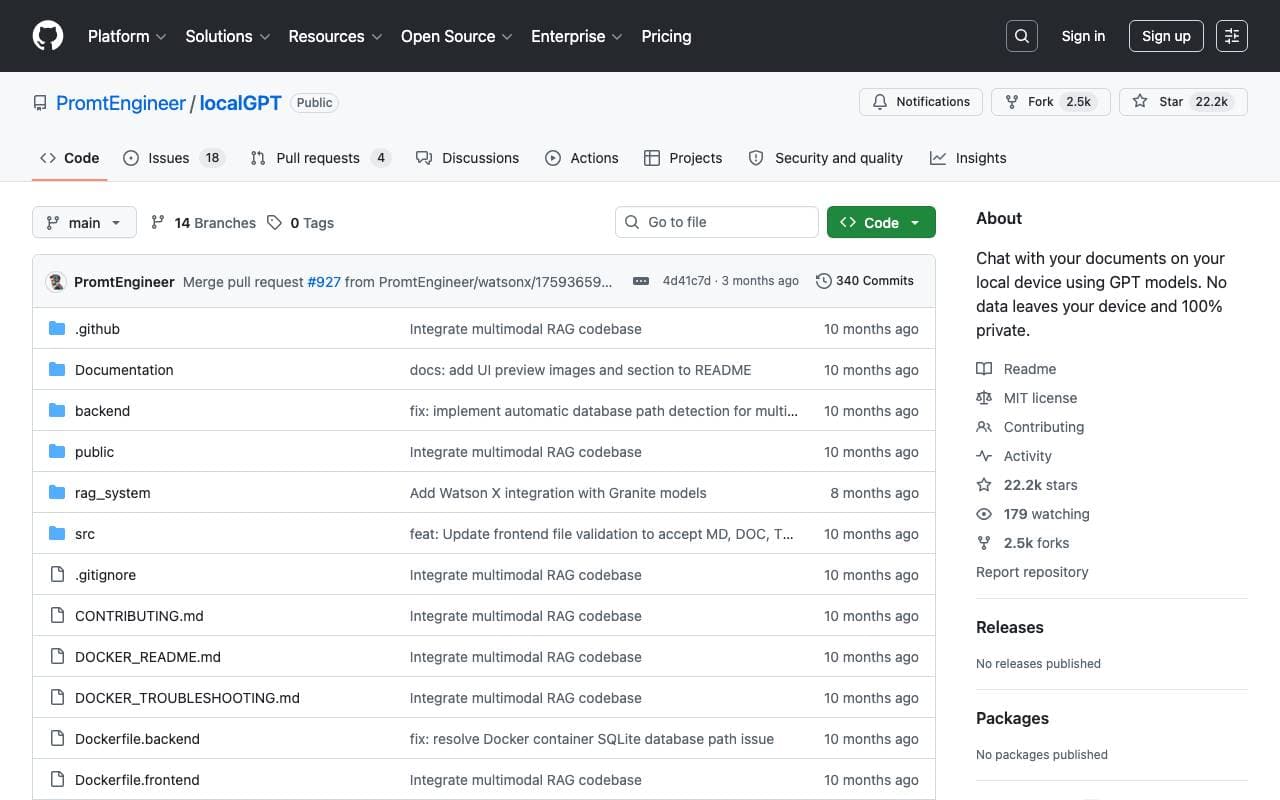

Local GPT
Other
Open-source local AI for private, offline document chat using GPT-style models on your own hardware.