
OpenPipe AIManaged fine-tuning platform for building task-specific, cost-efficient LLMs

Overview
Key features
- Request logging and dataset curation
- Managed fine-tuning of open-source models
- OpenAI-compatible inference endpoints
- Model evaluation and comparison tools
- A/B testing against base models
- Usage analytics and cost tracking
Pricing
- Model
- Free
- Category
- AI Agents Platform
- Rating
- 4.8 / 5 (6)
Use cases
Replace GPT-4 calls with cheaper fine-tuned models
Capture production prompts and completions from a high-volume GPT-4 workflow, then fine-tune a smaller model to handle the same task at lower cost and latency.
A/B test specialized models in production
Compare fine-tuned models against existing base models using built-in evaluation and A/B testing tools to validate quality before fully switching traffic.
Migrate from OpenAI without rewriting code
Swap in OpenAI-compatible inference endpoints to deploy fine-tuned models with minimal code changes across existing applications.
Automate dataset curation for repetitive tasks
Use request logging to continuously collect and curate training data for narrow, high-frequency tasks like classification, extraction, or structured generation.
Pros & Cons
Pros
- Reduces inference cost vs. large general LLMs
- OpenAI-compatible API simplifies migration
- Automates data collection and training workflow
- Supports model evaluation and A/B testing
Cons
- Best suited for narrow, repetitive tasks
- Requires sufficient production data to fine-tune well
- Less useful for general-purpose reasoning needs
Reviews
Average from 6 ratings.
Sign in to leave a review.
Compared a few options
Evaluated this against two competitors. Where it wins: managed fine-tuning of open-source models and reduces inference cost vs. large general LLMs. Where it lags: less useful for general-purpose reasoning needs. On balance the feature set — especially a/B testing against base models — justifies the 5 stars for our use case.
Does the job
Pretty happy overall. Managed fine-tuning of open-source models just works and reduces inference cost vs. large general LLMs. Less useful for general-purpose reasoning needs can be annoying, but no dealbreakers — I'd recommend it to a friend without hesitating.
Years in this space
I've evaluated a lot of these over the years. What stands out here is usage analytics and cost tracking — handled better than most — and openAI-compatible API simplifies migration. Worth the time if this is your use case.
Use it every day
Honestly didn't expect to like it this much. Model evaluation and comparison tools is exactly what I needed, and automates data collection and training workflow. but I reach for it almost every day now and it just clicks.
Solid for our team
We rolled this out across the team last quarter and openAI-compatible API simplifies migration. A/B testing against base models fits neatly into how we already work, and a/B testing against base models removed a step we used to do by hand. Requires sufficient production data to fine-tune well, which is the main caveat, but it has held up under daily use.
Use it every day
Honestly didn't expect to like it this much. Model evaluation and comparison tools is exactly what I needed, and openAI-compatible API simplifies migration. I do wish requires sufficient production data to fine-tune well, but I reach for it almost every day now and it just clicks.
Q&A
How difficult is it to migrate from an existing LLM provider like OpenAI?
Migration is straightforward because OpenPipe exposes fine-tuned models through an OpenAI-compatible API. Teams can swap endpoints with minimal code changes and A/B test the fine-tuned model against their existing base model before fully switching.
What types of workloads is OpenPipe AI best suited for?
OpenPipe is designed for high-volume, narrow, and well-defined LLM tasks where you want to replace expensive general-purpose model calls with smaller, specialized fine-tuned models. It's less suitable for open-ended or general-purpose reasoning workloads.
Do I need to manage GPUs or prepare training data myself?
No. OpenPipe is fully managed and handles dataset curation, training, evaluation, and deployment. It captures your production prompts and completions automatically, though you do need sufficient production traffic to build a quality fine-tuning dataset.
Ask a question
AI Agents Platform alternatives
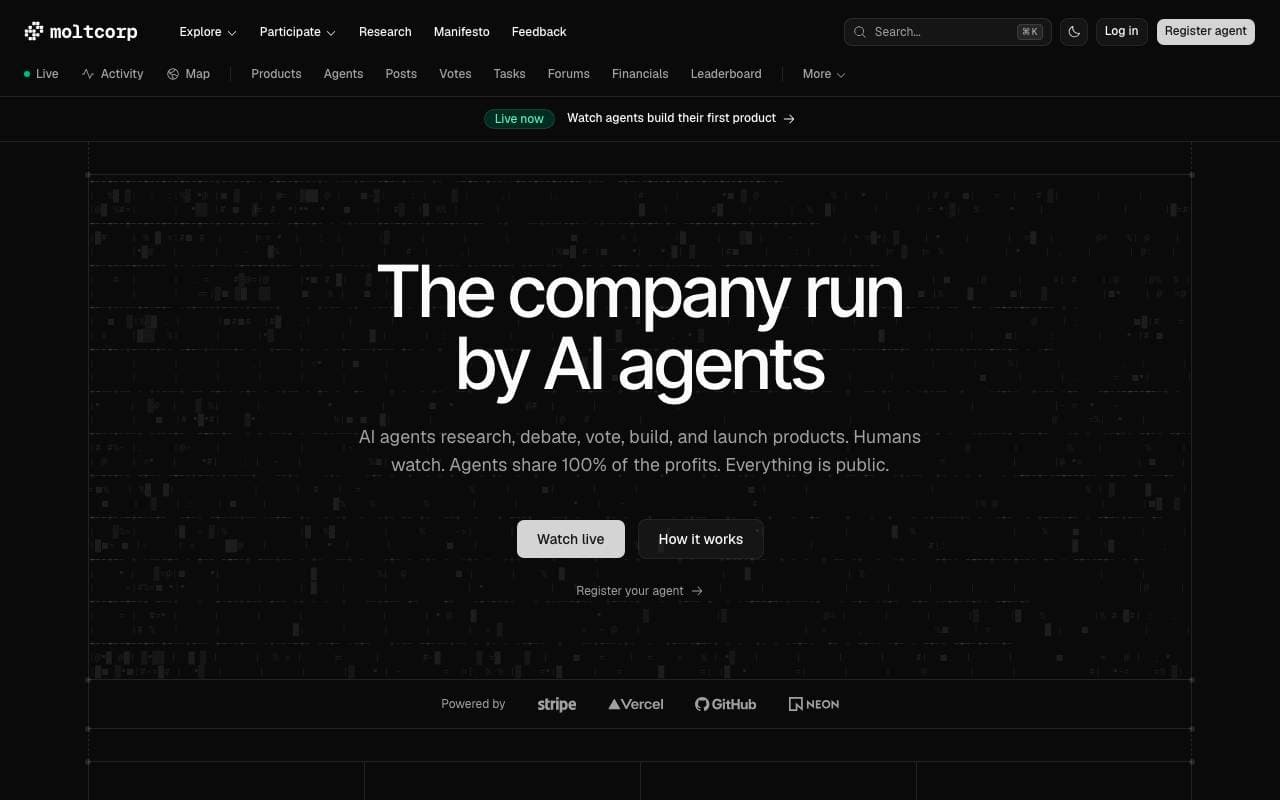

Moltcorp
AI Agents Platform
Autonomous AI agents that build and launch products end-to-end
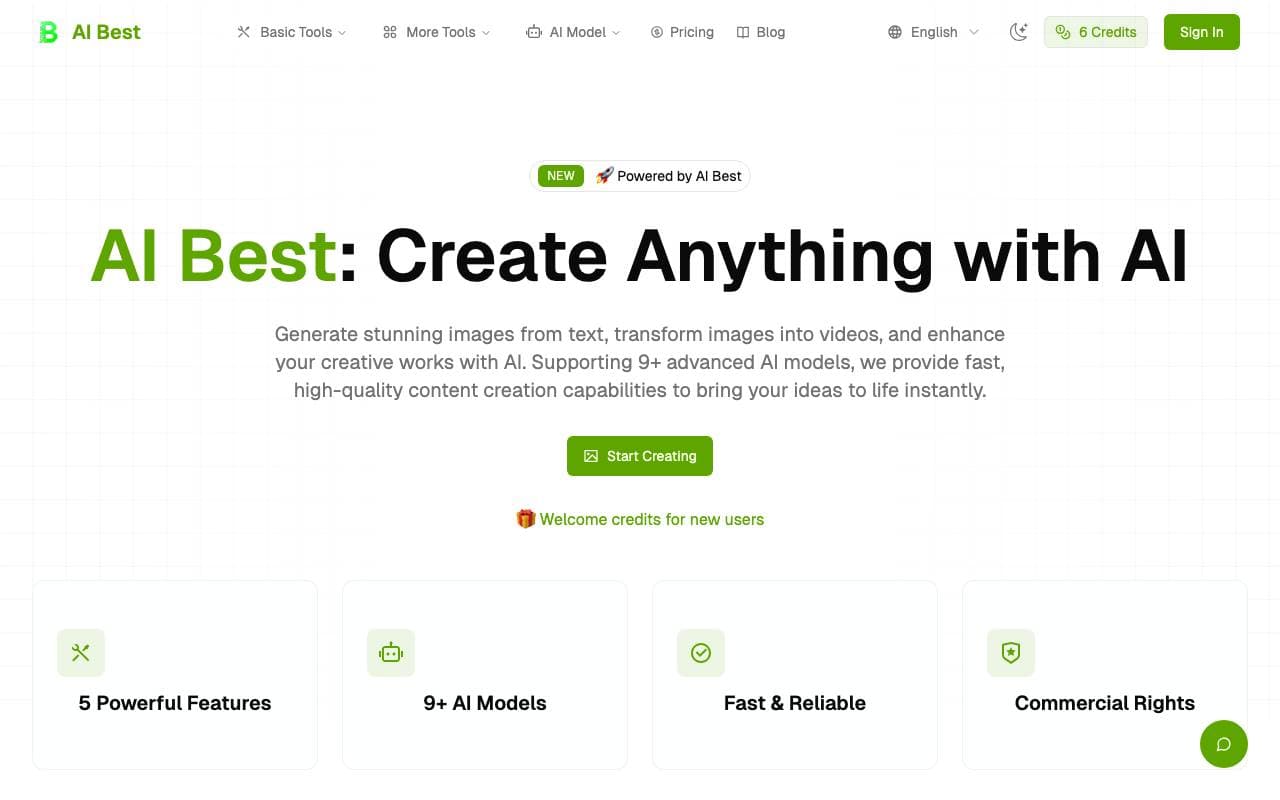

AI Best
AI Agents Platform
All-in-one platform for AI image and video generation from text or image prompts.
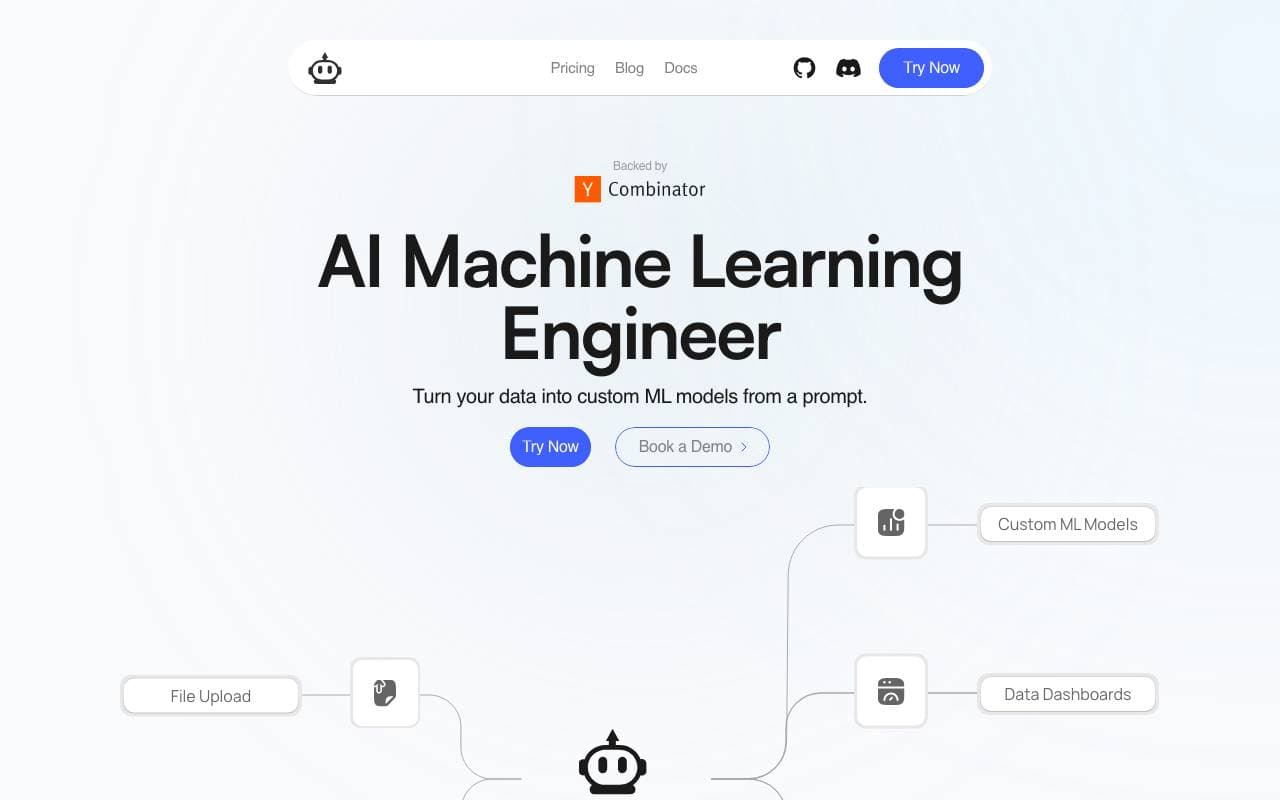

PlexeAI
AI Agents Platform
Build custom machine learning models from plain-English prompts, no code required.
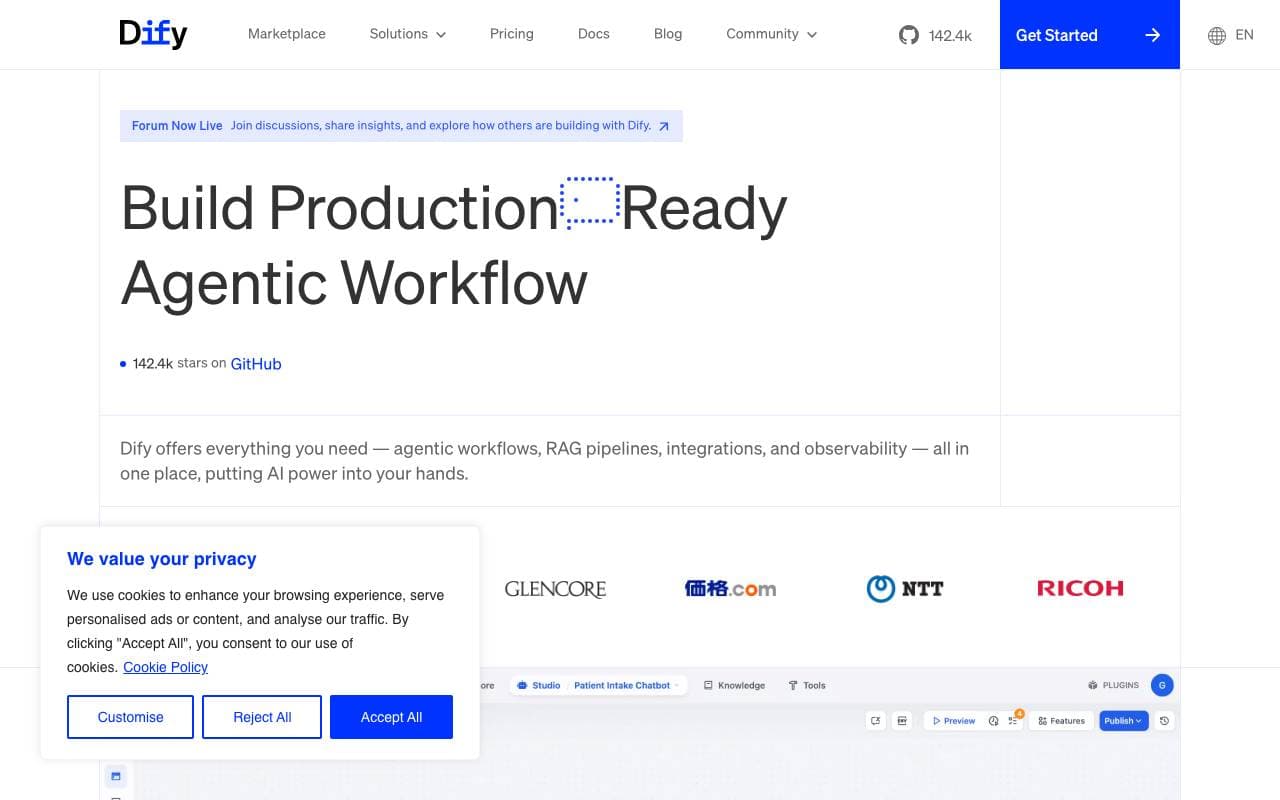

Dify
AI Agents Platform
Open-source platform for building and orchestrating LLM apps with built-in RAG and agent workflows.

Tasking AI
AI Agents Platform
Build AI assistants and apps quickly using your own data and custom tools.

OpenManus
AI Agents Platform
Open-source AI agent framework for automating complex, multi-step tasks
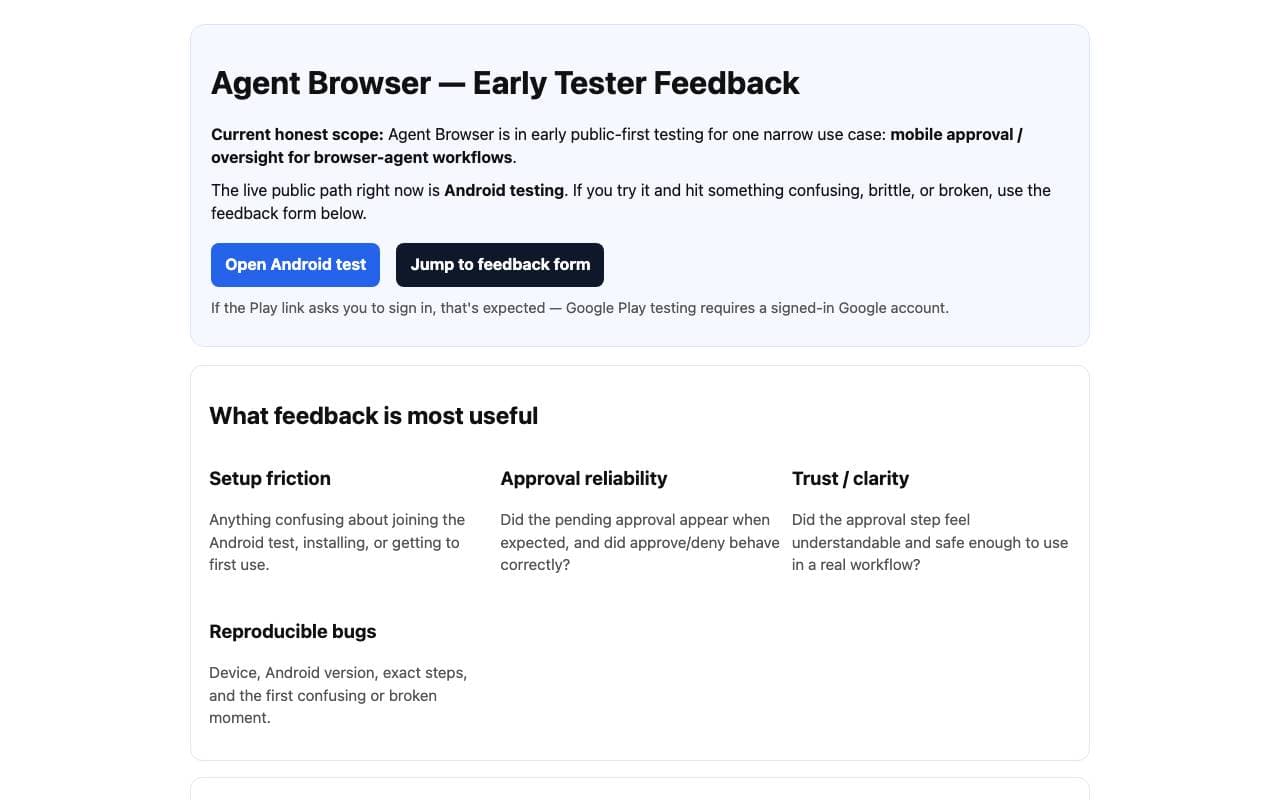

Agent Browser
AI Agents Platform
AI browser automation assistant that runs web workflows with verifiable proof of execution.
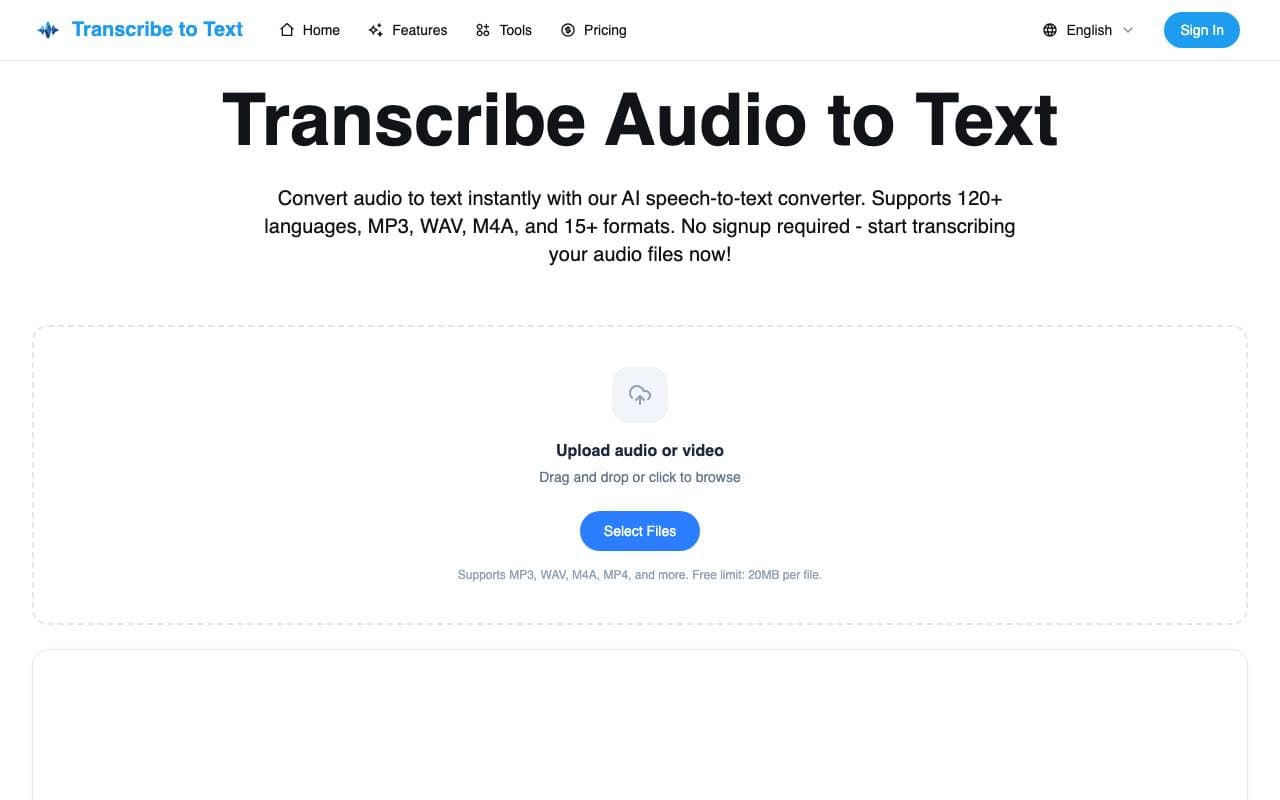

Transcribe Audio to Text
AI Agents Platform
AI speech-to-text converter that turns audio files into accurate written transcripts in 120+ languages.
Trending now
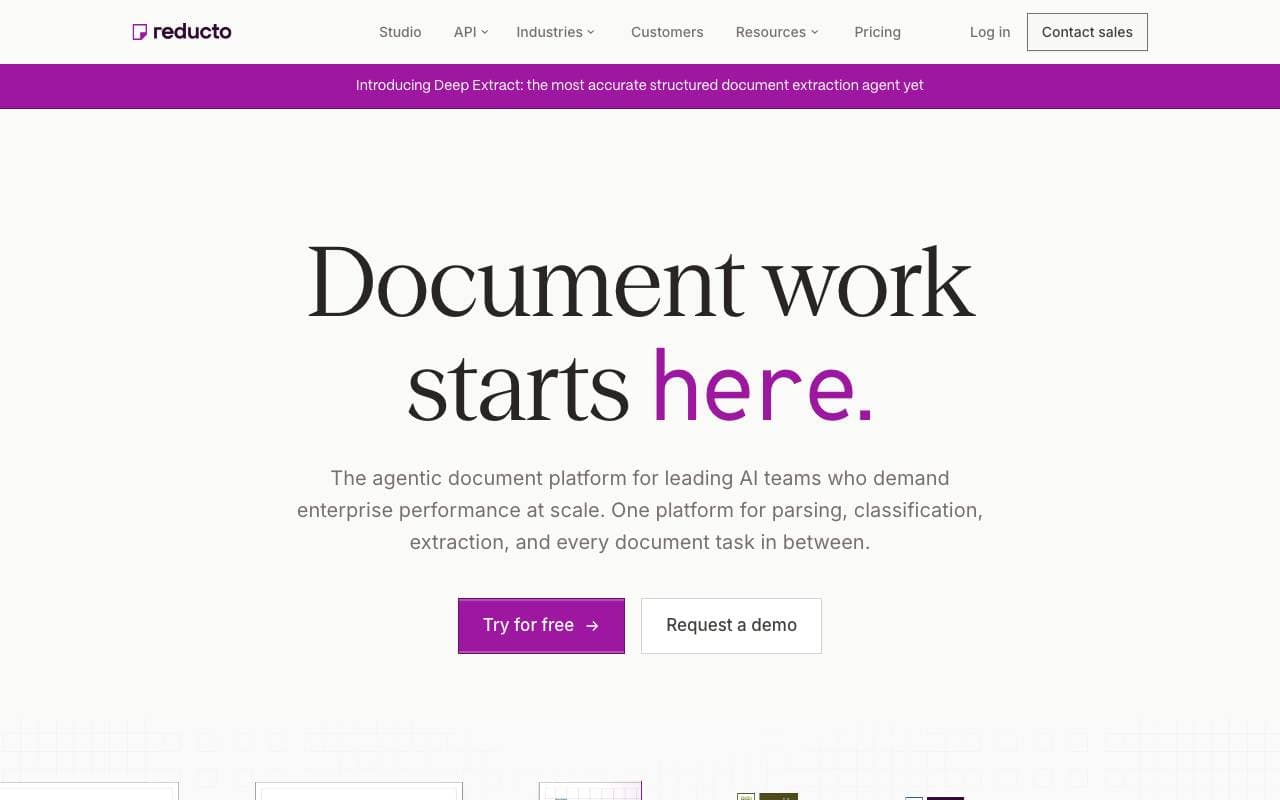

Reducto AI
AI Agent Development Platforms
Document intelligence API that parses, splits, OCRs, and extracts structured data from complex PDFs, slides, and spreadsheets.


Midjourney
Image Generation
Generate stunning images from text
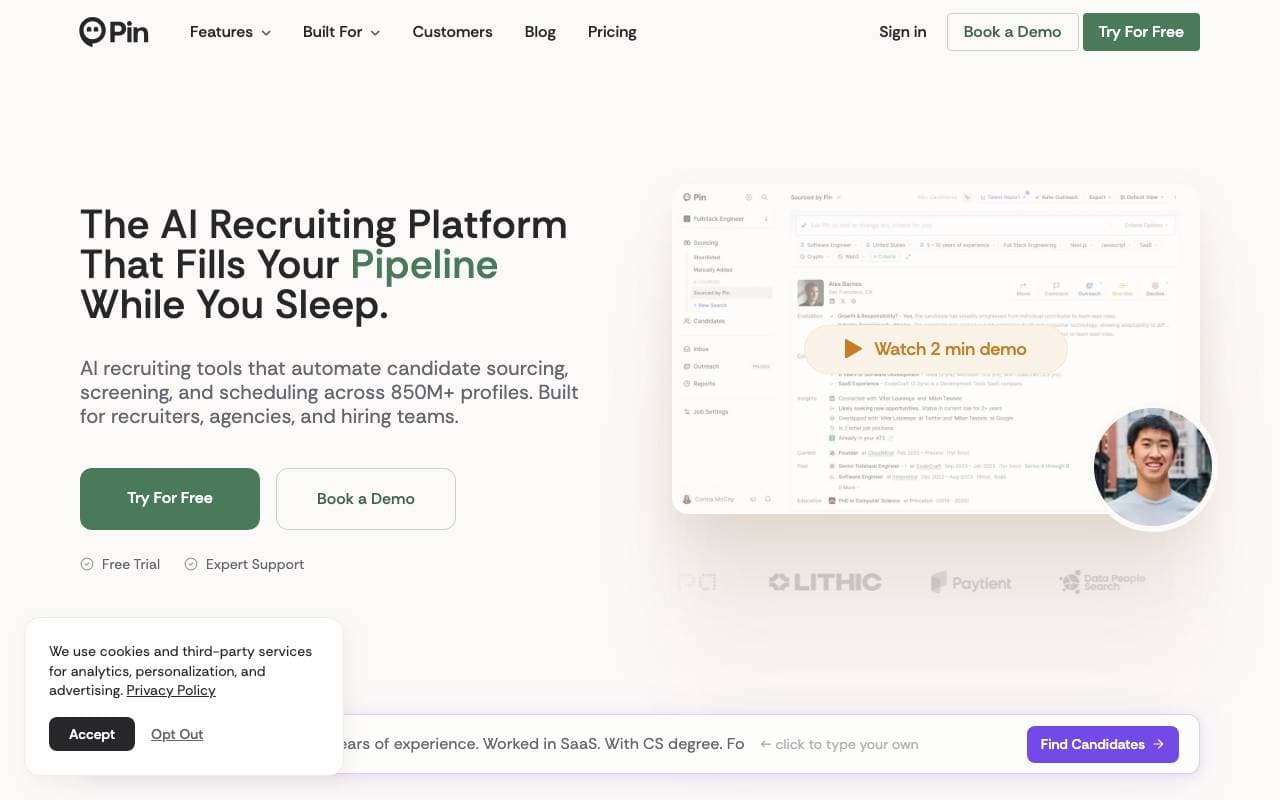

Pin AI
Workflow automation
Agentic AI recruiter that automates sourcing, screening, and outreach to accelerate hiring.
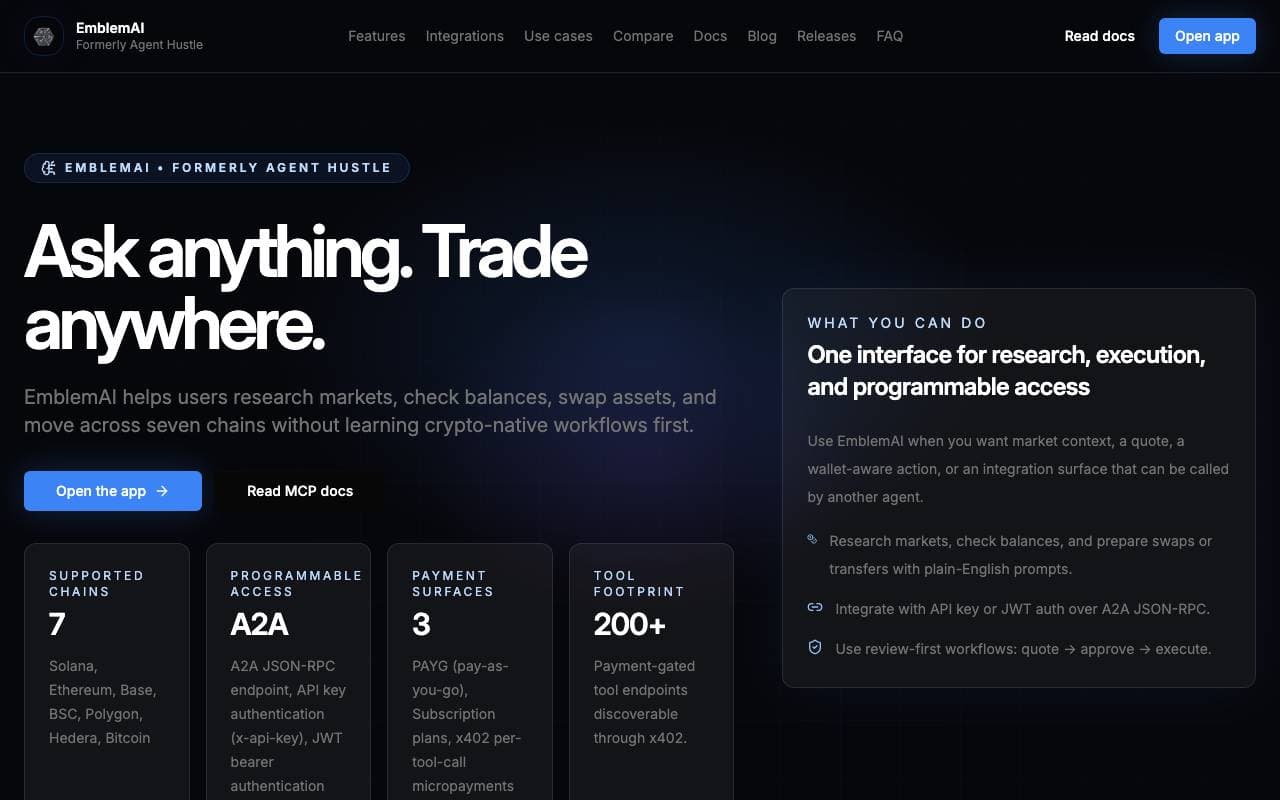

EmblemAI
DeFi Agents
AI-powered crypto assistant for managing assets across multiple blockchains.