
OpenAI Realtime AgentsOpen-source starter kit for building multi-agent realtime voice apps on OpenAI's Realtime API.

Overview
Key features
- Multi-agent orchestration examples
- Realtime streaming voice input and output
- Tool calling and function integration
- Agent handoff and routing patterns
- Guardrail and supervisor agent demos
- Next.js starter template
Pricing
- Model
- Free
- Category
- Voice AI Agents
- Rating
- 4.8 / 5 (4)
Use cases
Customer Service Chatbots
Use OpenAI Realtime Agents to create customer service chatbots that interact with users in real-time, handling basic tasks and deferring complex queries to intelligent supervisor models.
Sequential Handling of User Intents
Use the Sequential Handoff pattern to transfer users between specialized agents that excel in specific domains, such as customer service, to handle user intents in a sequential manner.
Advanced Voice Interactions
Use OpenAI Realtime Agents to build advanced voice-based interactions, integrating multiple models and tools to provide high-quality answers and improve performance by avoiding overcomplicated agents.
Pros & Cons
Pros
- Open-source and freely forkable
- Concrete patterns for multi-agent handoffs
- Built on OpenAI's low-latency Realtime API
- Quick path from concept to working voice prototype
Cons
- Requires OpenAI API access and usage costs
- Reference code, not a turnkey product
- Focused on Next.js/TypeScript stack
- Voice quality and latency depend on underlying API
Reviews
Average from 4 ratings.
Sign in to leave a review.
Years in this space
I've evaluated a lot of these over the years. What stands out here is agent handoff and routing patterns — handled better than most — and concrete patterns for multi-agent handoffs. Worth the time if this is your use case.
Compared a few options
Evaluated this against two competitors. Where it wins: guardrail and supervisor agent demos and built on OpenAI's low-latency Realtime API. Where it lags: reference code, not a turnkey product. On balance the feature set — especially guardrail and supervisor agent demos — justifies the 5 stars for our use case.
Use it every day
Honestly didn't expect to like it this much. Tool calling and function integration is exactly what I needed, and open-source and freely forkable. I do wish requires OpenAI API access and usage costs, but I reach for it almost every day now and it just clicks.
Solid for our team
We rolled this out across the team last quarter and concrete patterns for multi-agent handoffs. Agent handoff and routing patterns fits neatly into how we already work, and multi-agent orchestration examples removed a step we used to do by hand. Focused on Next.js/TypeScript stack, which is the main caveat, but it has held up under daily use.
Q&A
No questions yet — be the first to ask.
Ask a question
Voice AI Agents alternatives

Custodia AI
Voice AI Agents
AI voice agents that automate regulatory compliance and customer data management


Tailo
Voice AI Agents
AI agent that runs instant, interactive product demo calls with prospects


Destiny
Voice AI Agents
AI-guided self-reflection for shaping life decisions and personal growth


HappyRobot AI
Voice AI Agents
AI voice agents automating logistics communications like calls, emails, and texts for freight operations.
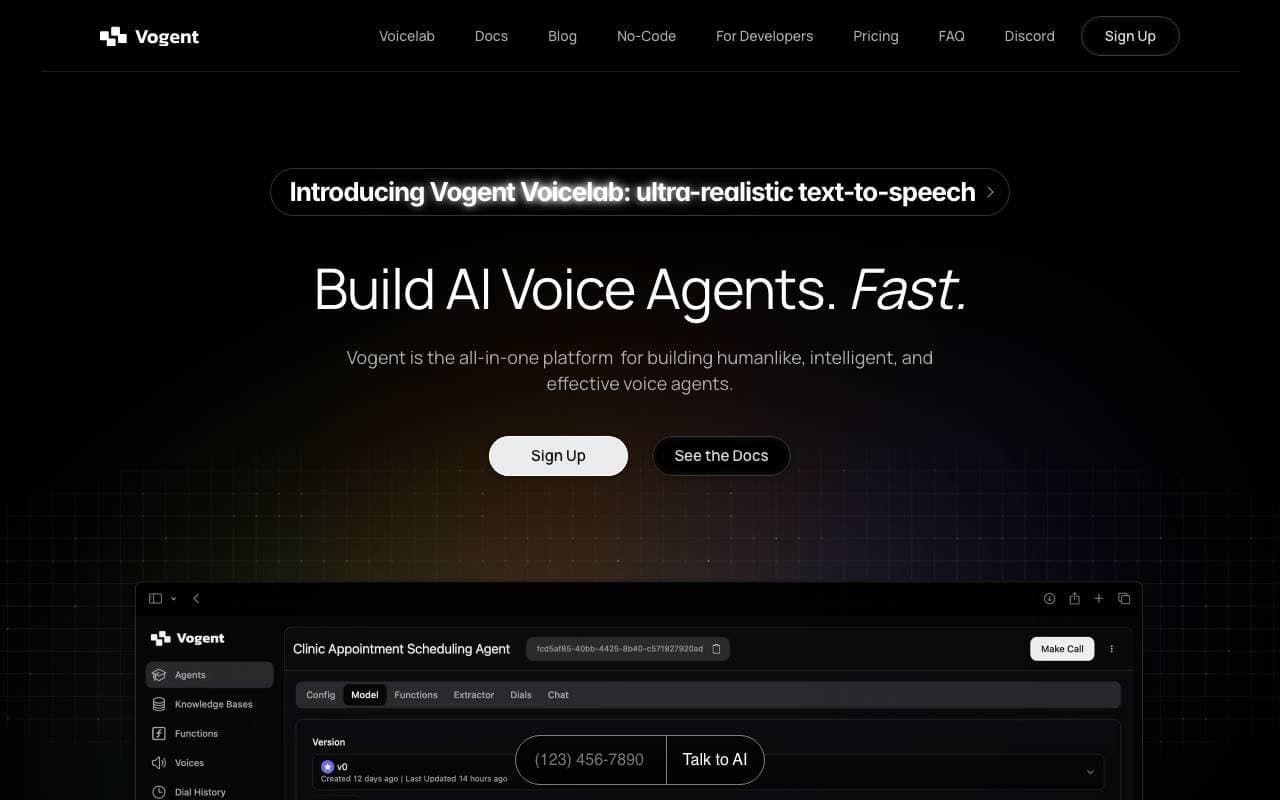
Vogent AI
Voice AI Agents
Build human-sounding AI voice agents for automated phone calls.
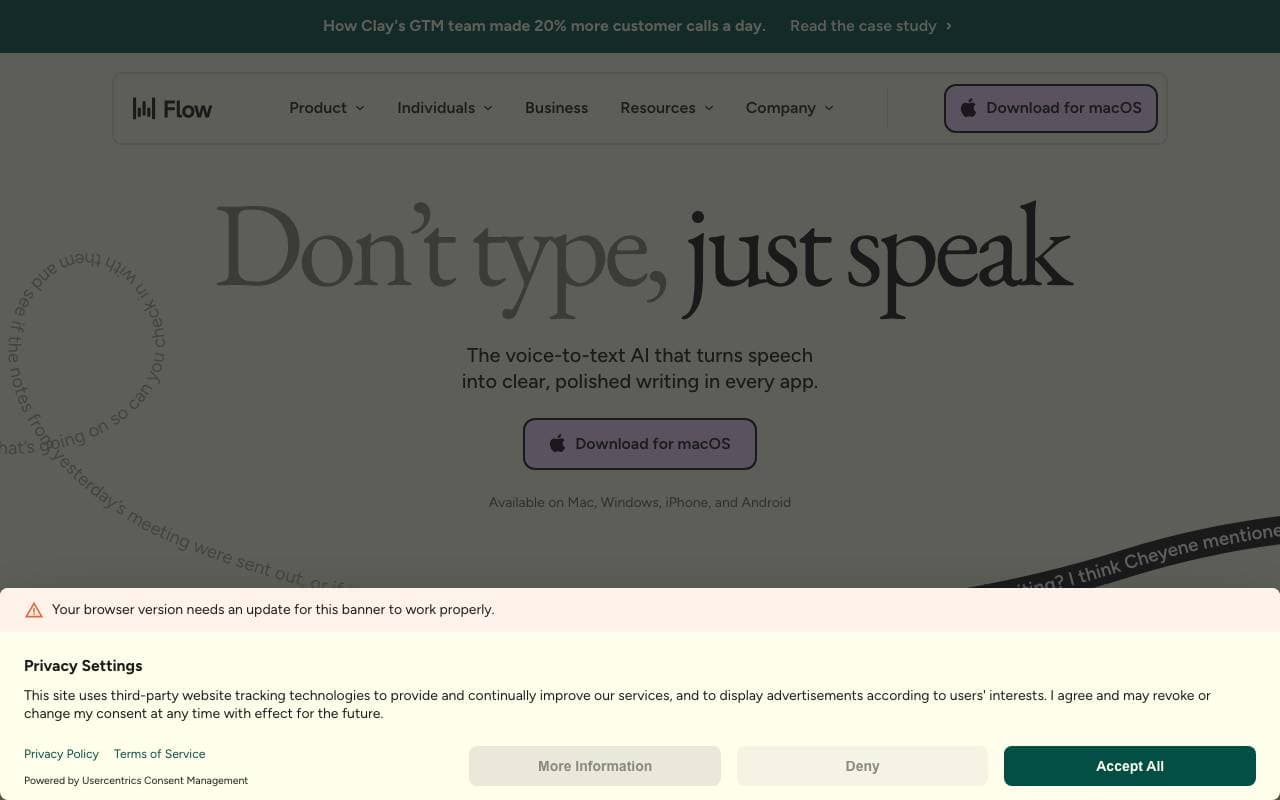

Wispr Flow
Voice AI Agents
Voice dictation that types for you across any app, with AI-polished accuracy.
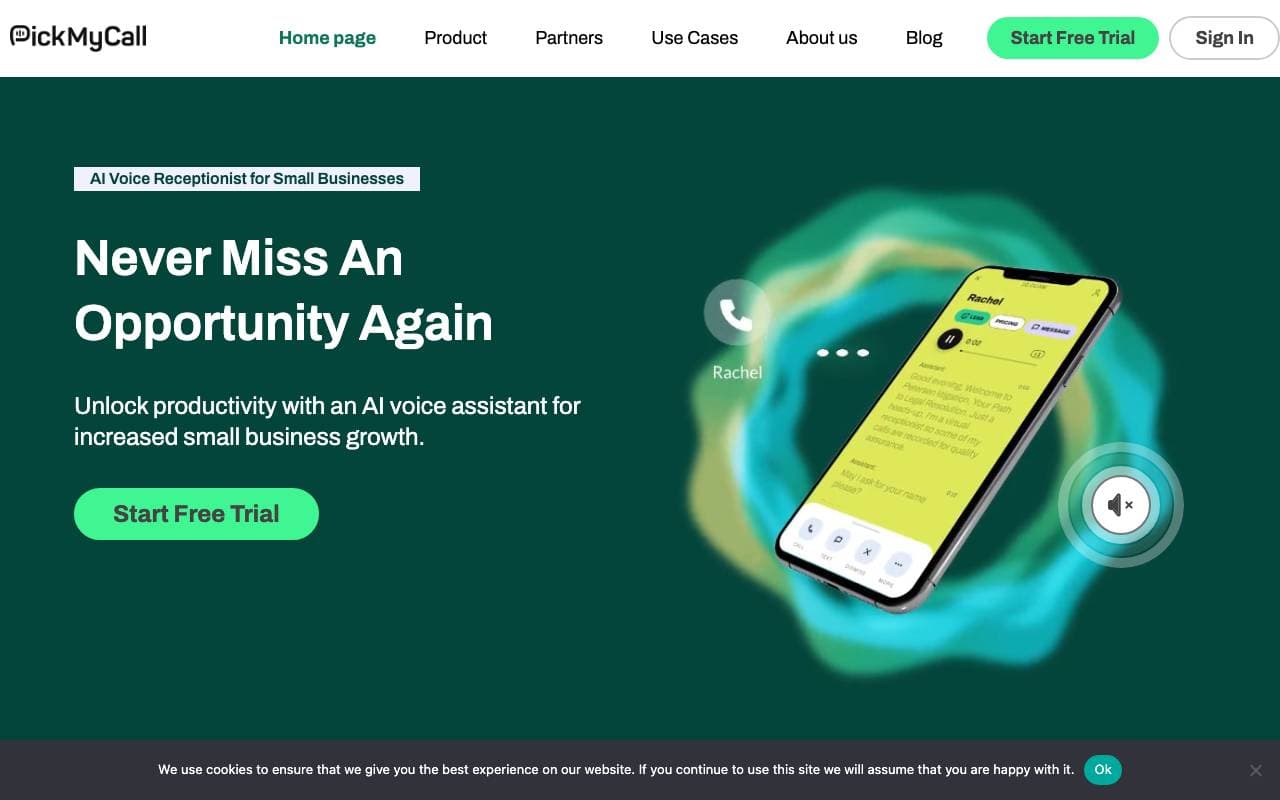

PickMyCall
Voice AI Agents
AI call answering built for small and midsize businesses that never miss a customer.
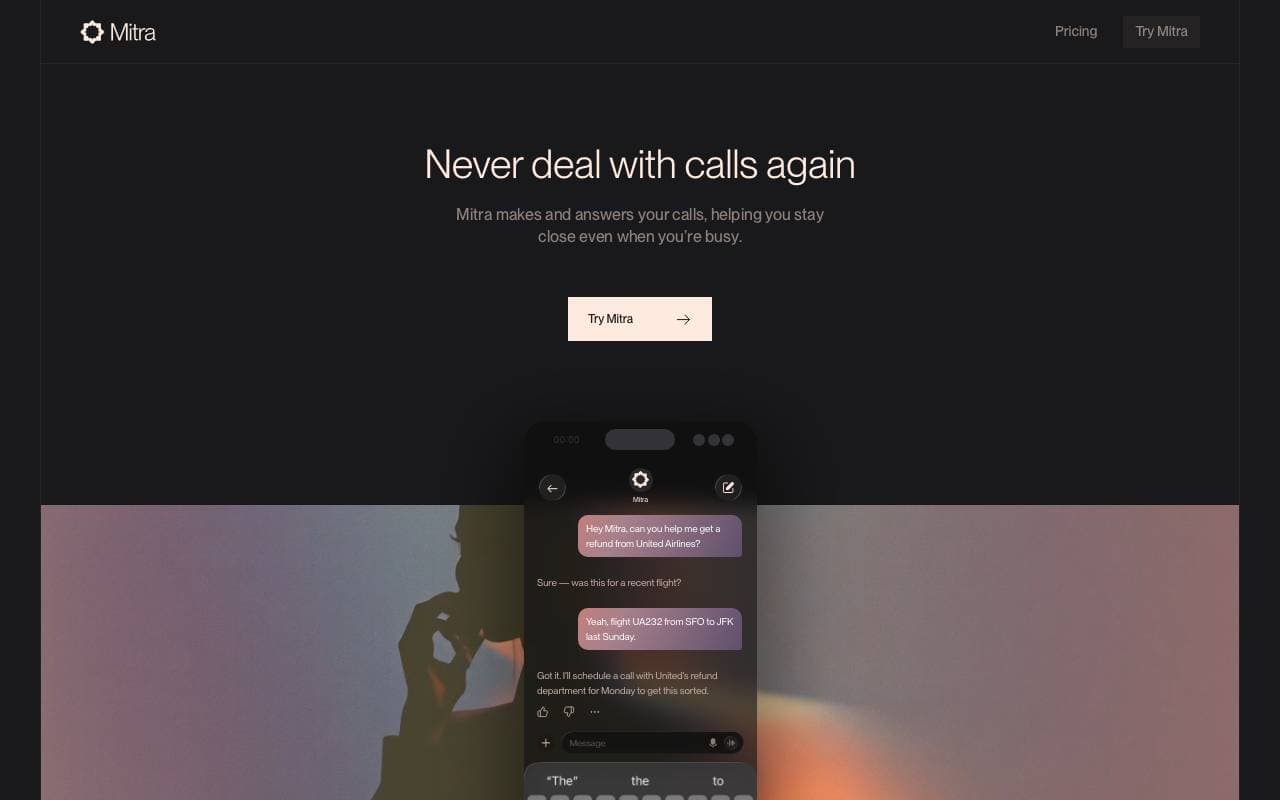

Mitra AI Phone Calling
Voice AI Agents
AI assistant that makes phone calls for you using your own caller ID
Trending now
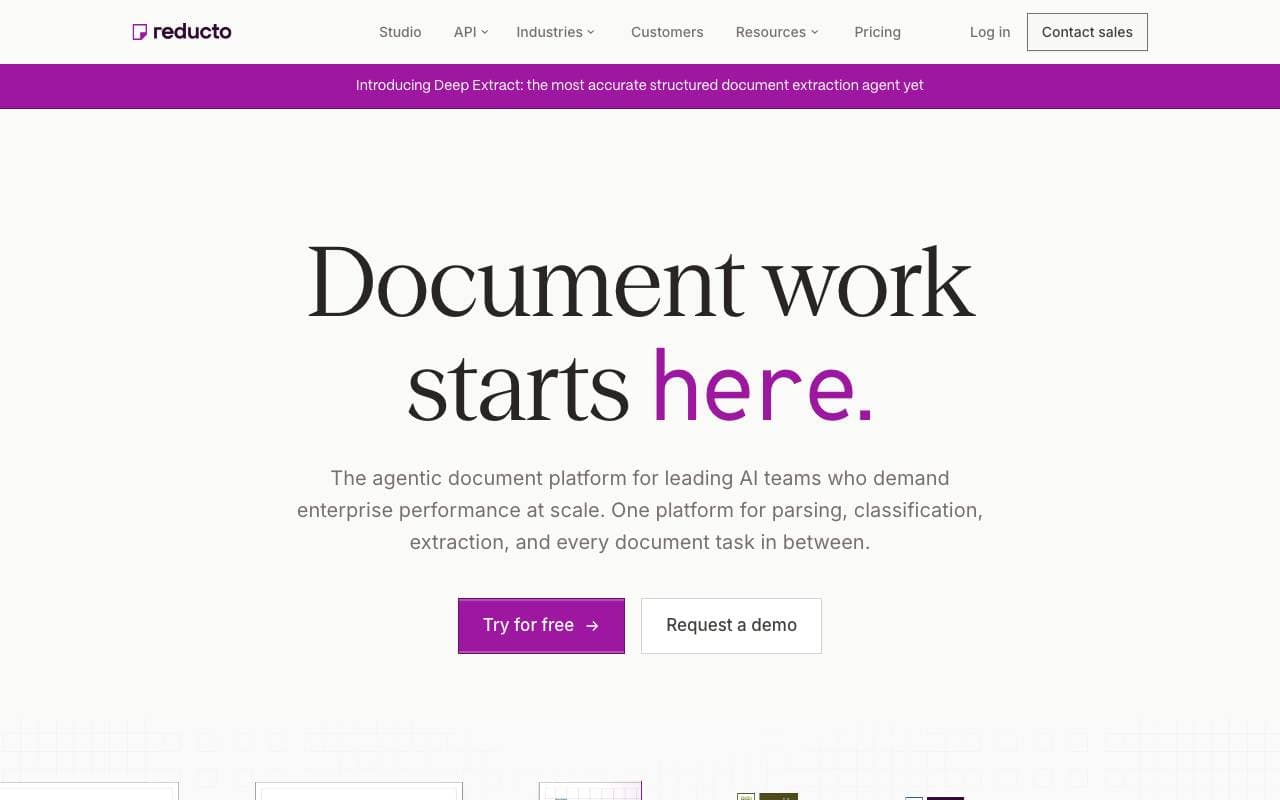

Reducto AI
AI Agent Development Platforms
Document intelligence API that parses, splits, OCRs, and extracts structured data from complex PDFs, slides, and spreadsheets.
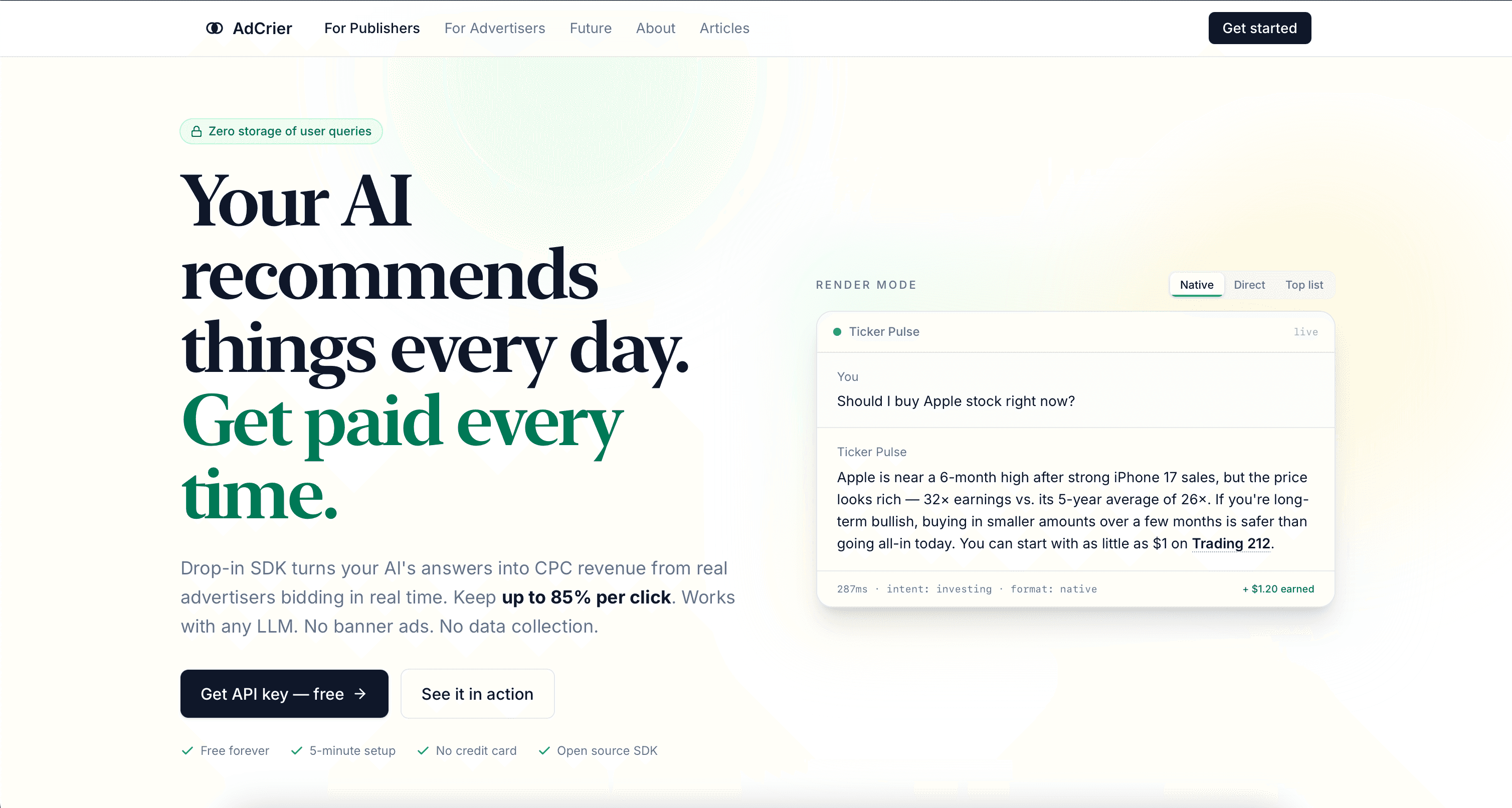

AdCrier
Marketing & Advertising
Sponsored answers, paid per click.
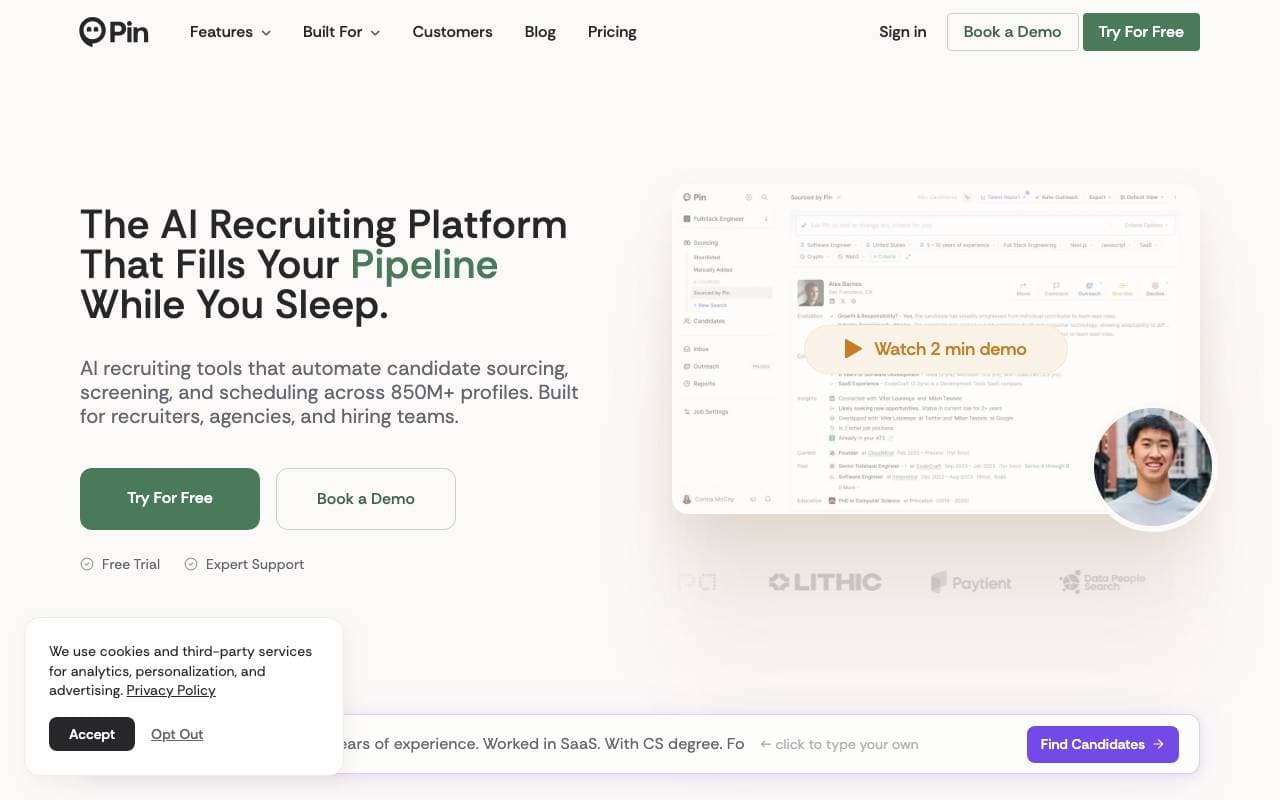

Pin AI
Workflow automation
Agentic AI recruiter that automates sourcing, screening, and outreach to accelerate hiring.
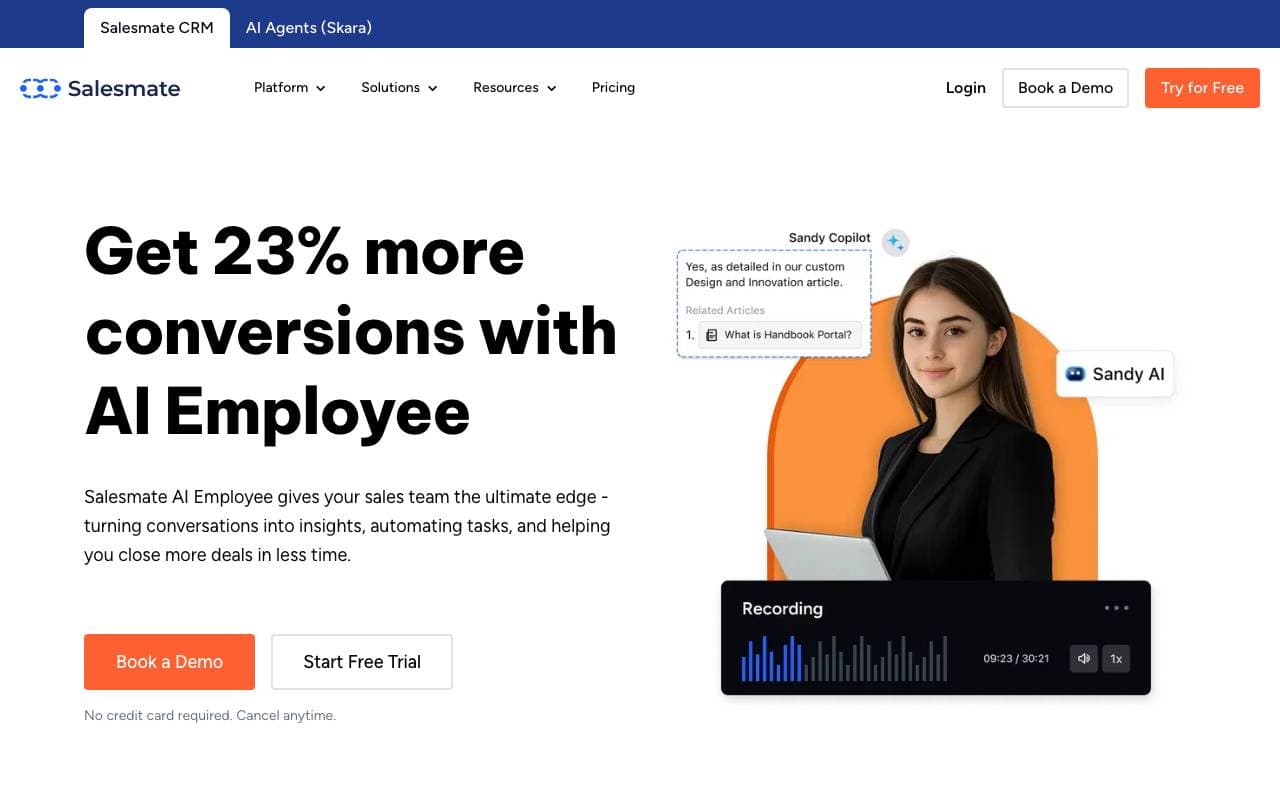

Sandy AI
Sales
AI sales copilot inside Salesmate that turns customer conversations into pipeline and revenue.