NullClawUltra-light OpenClaw-style assistant runtime in Zig: 678KB static binary, ~1MB RAM, <2ms boot, with tools, memory, channels, and providers.

Overview
Key features
- Tools for file manipulation, shell command execution, and memory operations
- Hybrid memory engines
- Omnichannel routing (CLI, Telegram, Discord, Slack, etc.)
- Fully swappable architecture
- Support for hardware peripherals (Serial connections, Arduino devices, etc.)
- Agnostic tunnels and runtimes (Docker, WASM, Native environments)
Pricing
- Model
- Free
- Category
- Personal AI Assistants
- Rating
- 4.7 / 5 (6)
Use cases
Embedded AI Assistant on Edge Devices
Deploy a sub-1MB RAM assistant runtime onto resource-constrained edge or IoT hardware where heavier frameworks won't fit.
Fast-Boot CLI Agent for Scripts
Use the <2ms boot time and 678KB static binary to spin up assistant calls inside shell scripts and automation pipelines without overhead.
Self-Hosted Multi-Provider Assistant
Run a local agent that routes through configurable providers, with built-in tools, memory, and channels for custom assistant workflows.
Minimal Footprint Container Deployments
Ship tiny container images with the static Zig binary for serverless or microservice environments where cold-start latency matters.
Pros & Cons
Pros
- Ultra-lightweight footprint (678KB binary, ~1MB RAM)
- Fast startup times (<2ms)
- Wide range of integrations, including 22 API providers
- Flexible and customizable architecture
- Deep security engine and robust security features
Cons
- Limited documentation and community support
- Steep learning curve due to Zig programming language
- Potential performance issues on very low-end hardware
Battle record
Across 1 battle in the Pantheon.
Last battle
Reviews
Average from 6 ratings.
Sign in to leave a review.
Solid for our team
We rolled this out across the team last quarter and support is responsive. The core workflow fits neatly into how we already work, and the API removed a step we used to do by hand. Pricing gets steep at scale, which is the main caveat, but it has held up under daily use.
Compared a few options
Evaluated this against two competitors. Where it wins: the automation and the value for money is strong. Where it lags: the docs could be deeper. On balance the feature set — especially the onboarding — justifies the 5 stars for our use case.
Compared a few options
Evaluated this against two competitors. Where it wins: the dashboard and it saves real time. On balance the feature set — especially the API — justifies the 5 stars for our use case.
Skeptical, then convinced
I went in skeptical — most tools in this space overpromise. It actually delivers on the core workflow, and it saves real time caught me off guard. The docs could be deeper is why this isn't a perfect score, still, I'd recommend giving it a real trial.
Years in this space
I've evaluated a lot of these over the years. What stands out here is the integrations — handled better than most — and the value for money is strong. A few rough edges remain is my one real gripe. Worth the time if this is your use case.
Skeptical, then convinced
I went in skeptical — most tools in this space overpromise. It actually delivers on the integrations, and it is genuinely easy to set up caught me off guard. still, I'd recommend giving it a real trial.
Q&A
No questions yet — be the first to ask.
Ask a question
Personal AI Assistants alternatives
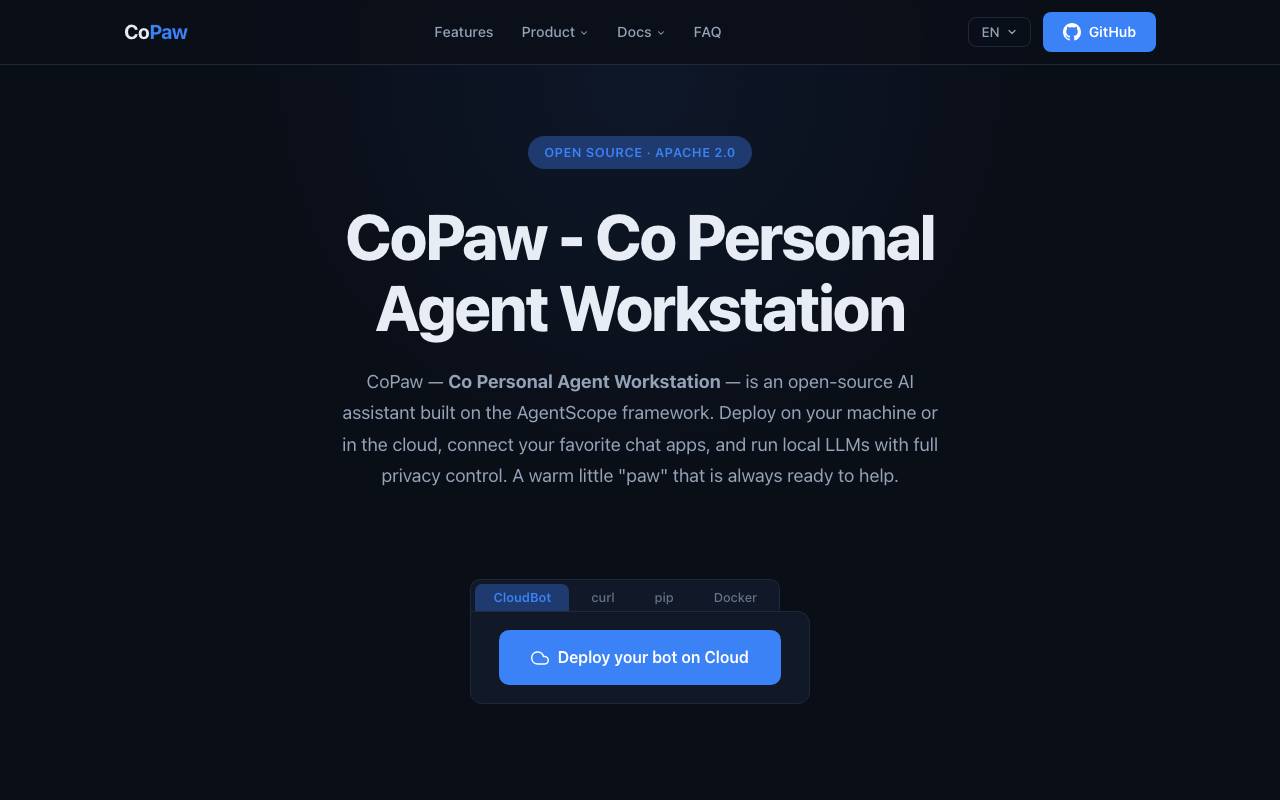
CoPaw
Personal AI Assistants
Open-source personal agent workstation to run your own AI assistant locally or in the cloud, with multi-channel chat, tools, and memory control.
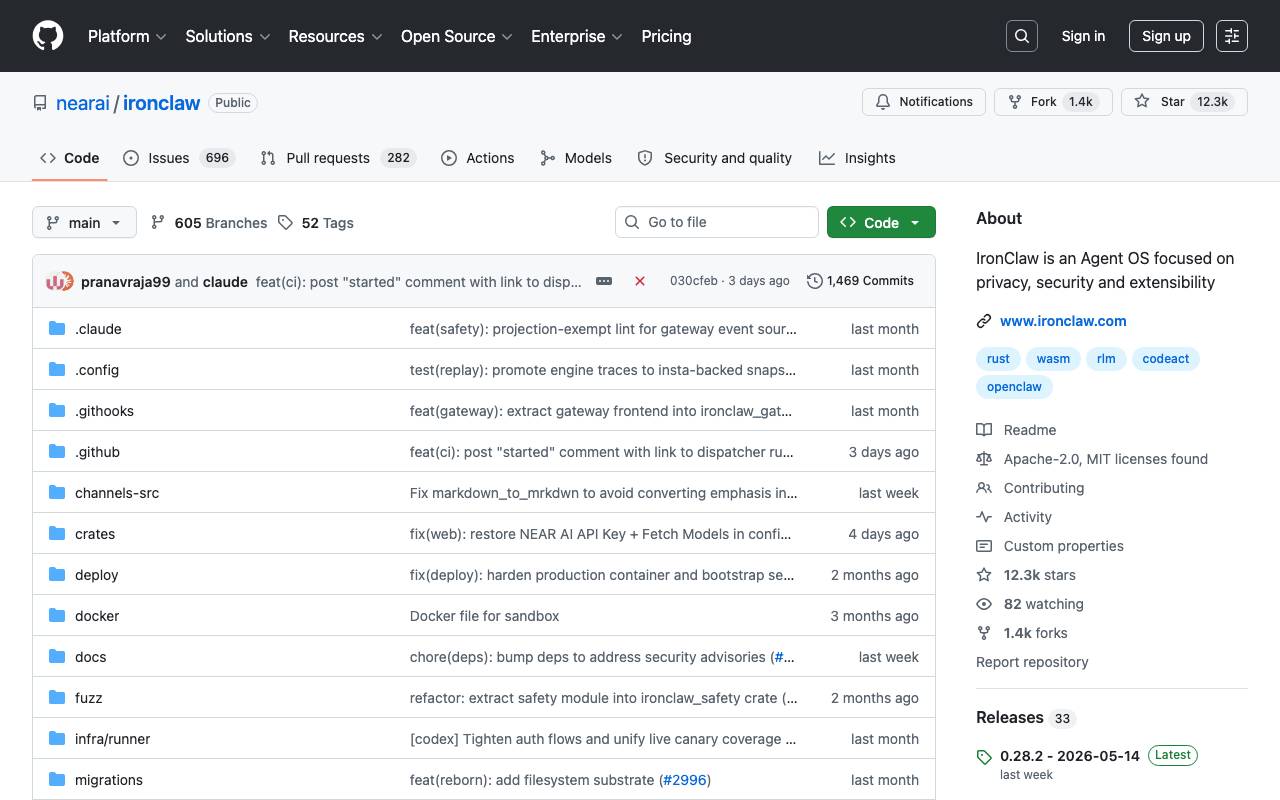

IronClaw
Personal AI Assistants
An open-source personal AI assistant focused on privacy, local control, secure tool use, and background automation.
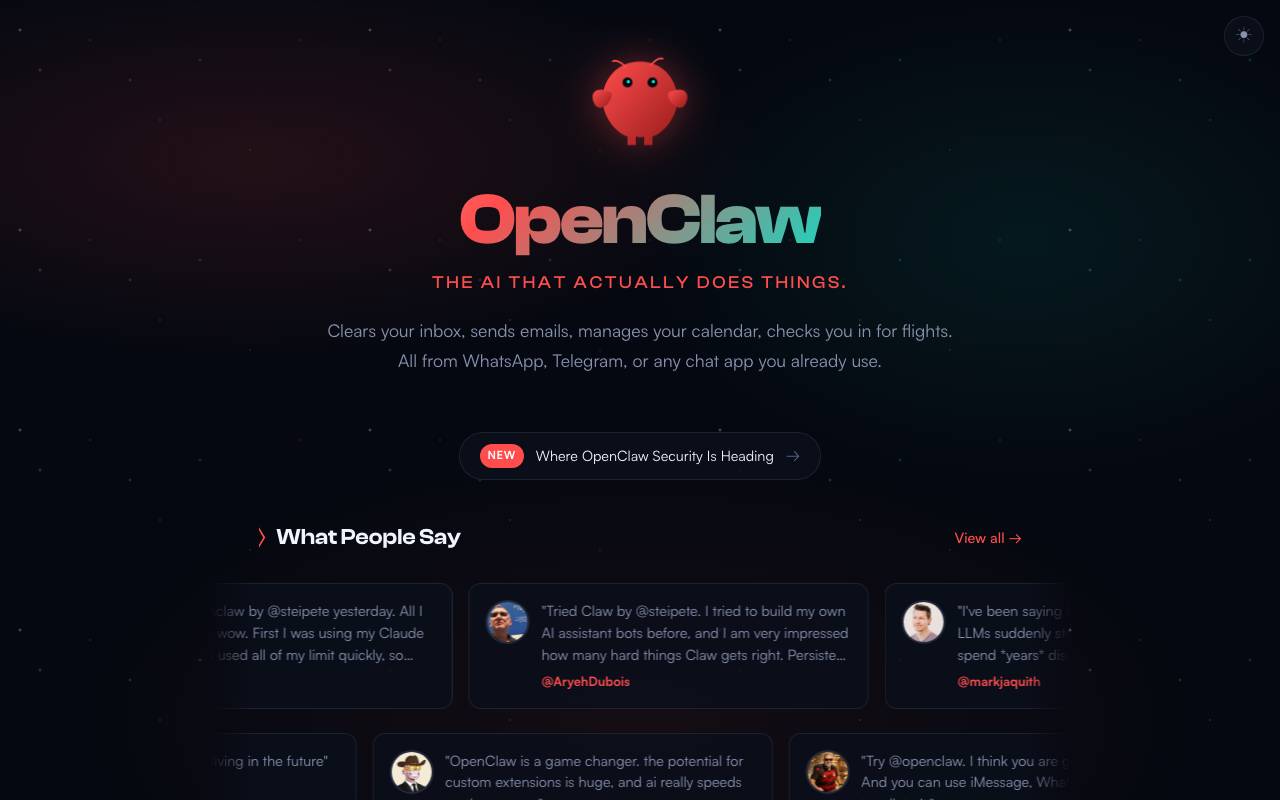

OpenClaw (Moltbot)
Personal AI Assistants
Open-source personal assistant you run on your own device to manage email, calendar, and tasks from chat apps like WhatsApp and Telegram.
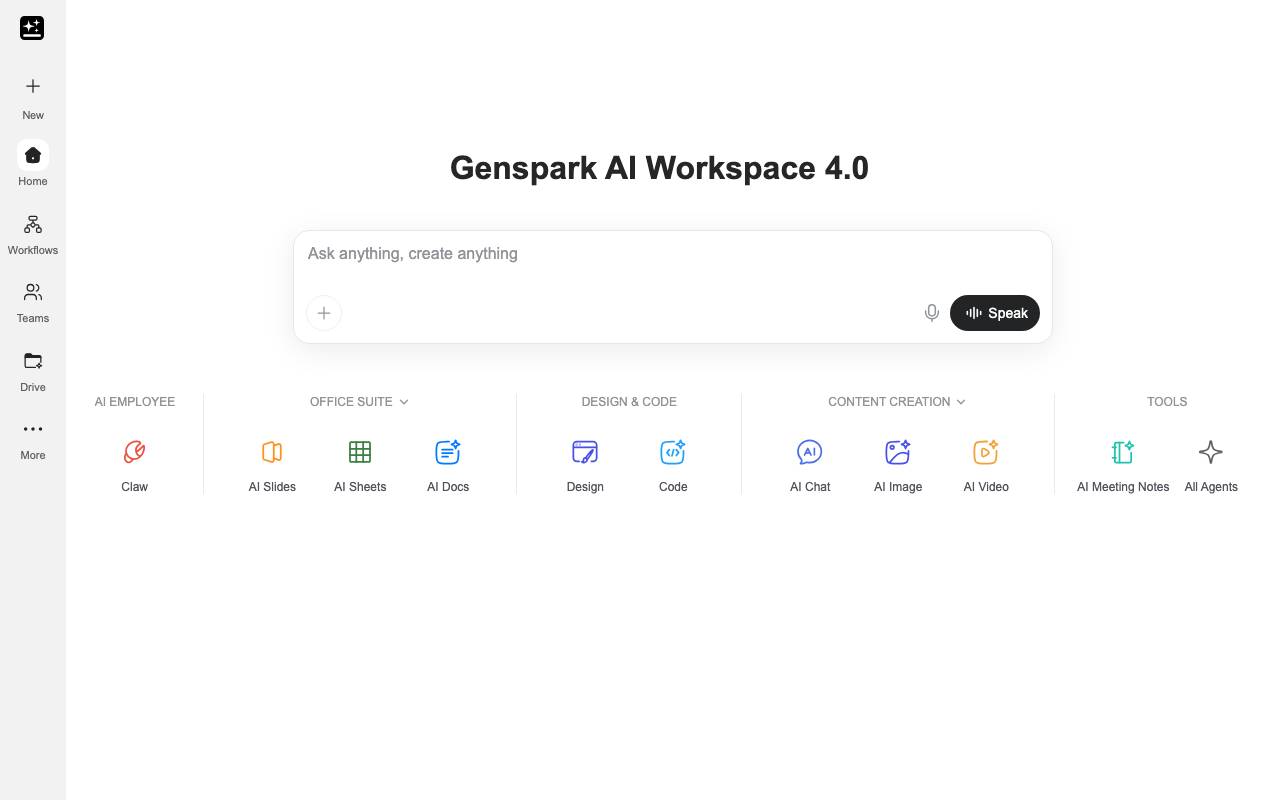

Genspark Super Agent
Personal AI Assistants
A general-purpose AI agent built to handle everyday tasks with speed and tool integrations.
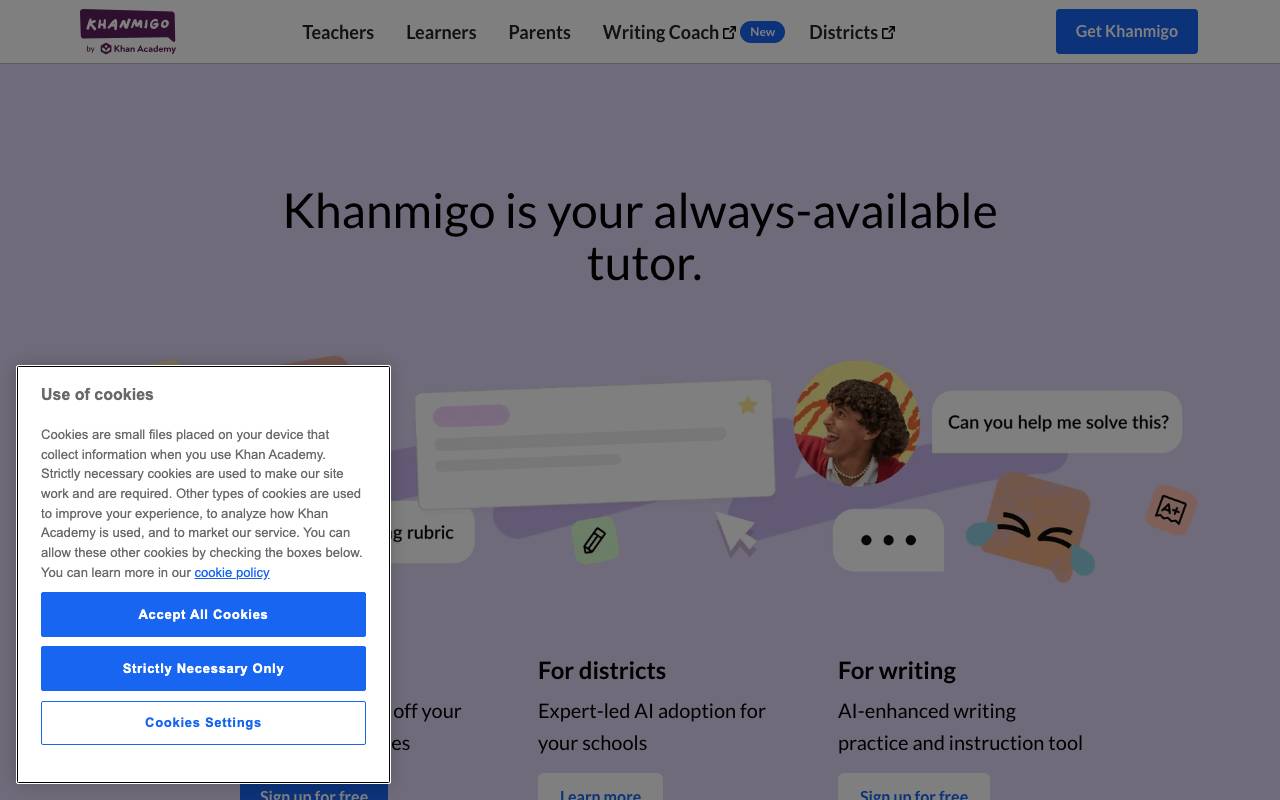
Khanmigo (Khan Academy)
Personal AI Assistants
Khan Academy's AI tutor and teacher assistant offering Socratic-style learning support.
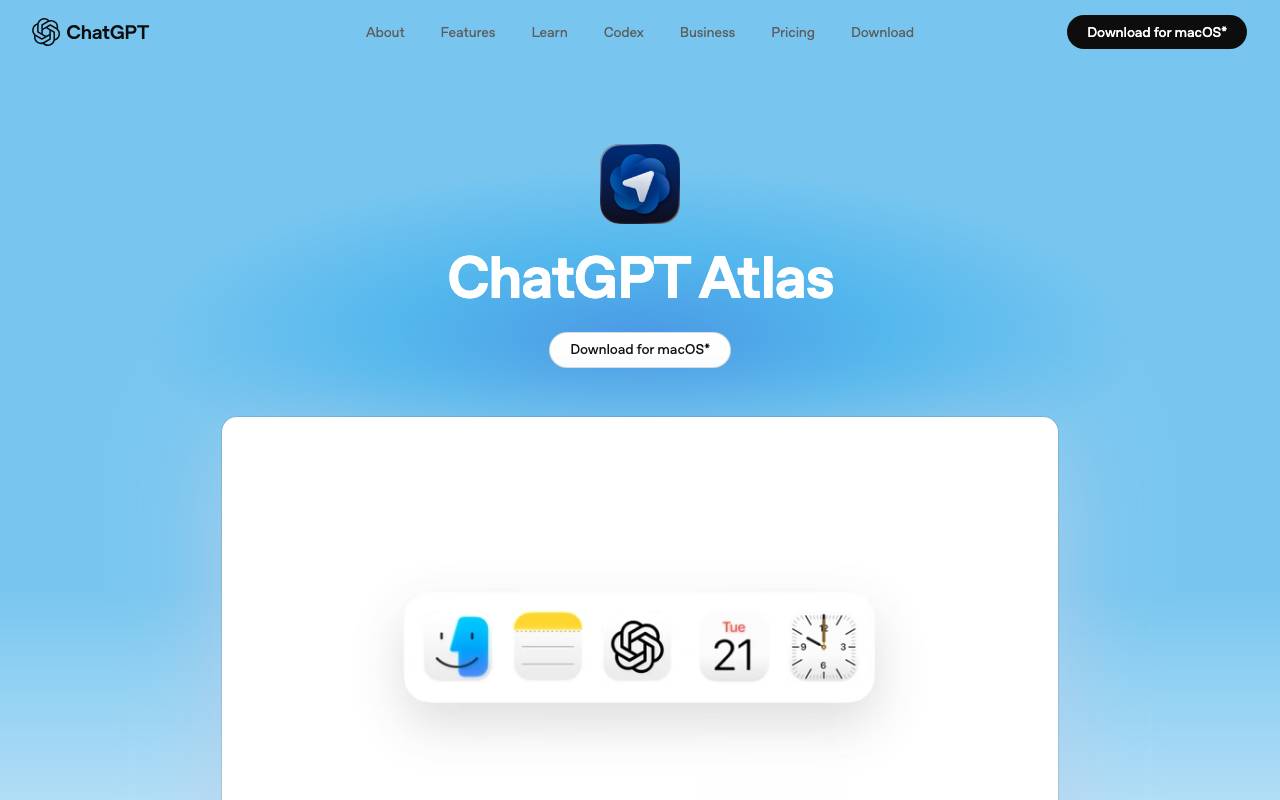

ChatGPT Atlas
Personal AI Assistants
AI browser with a ChatGPT sidebar, memory, and agent mode to summarize, search, and act across the web; macOS app, free with upgrades.

11.ai
Personal AI Assistants
A voice‑first MCP‑powered AI assistant that integrates with your tools to research, communicate, and act via voice.
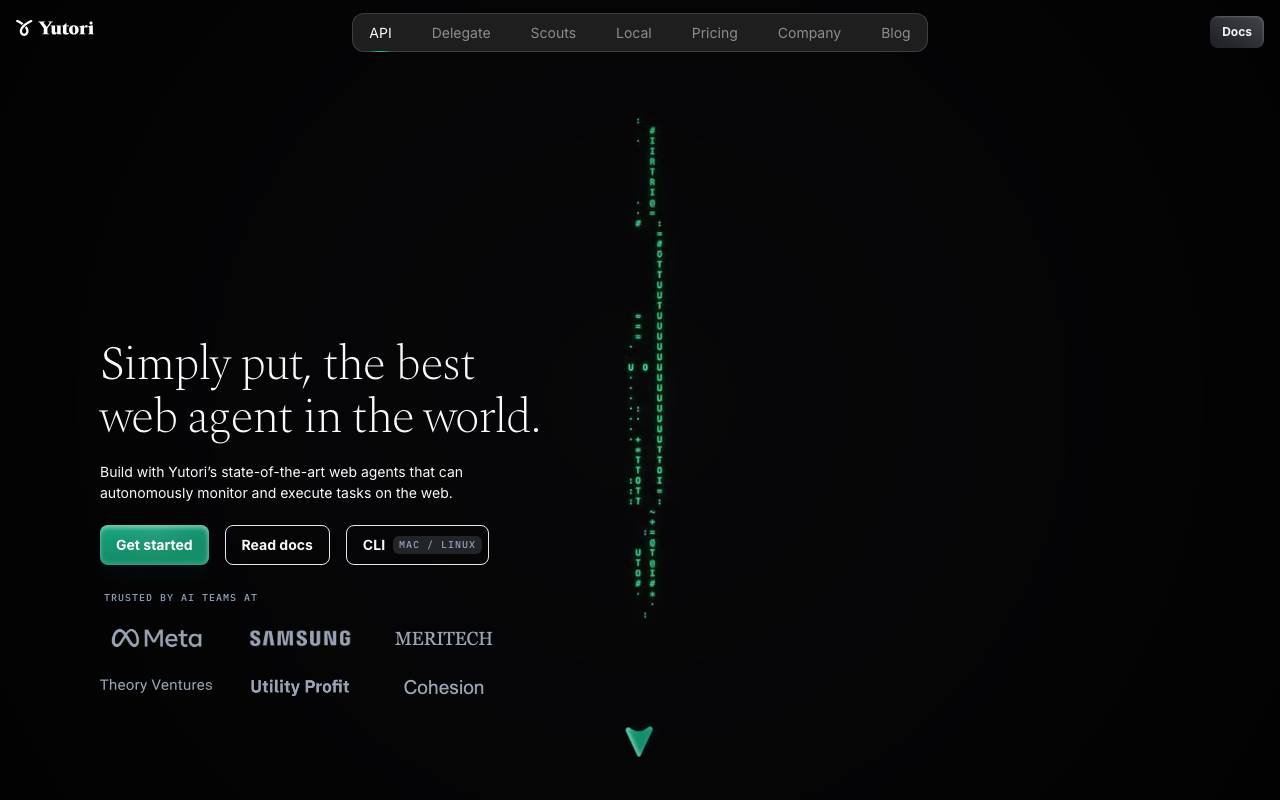

Yutori
Personal AI Assistants
AI-powered web agents that autonomously perform everyday digital tasks for users.