
Nexus AgentEnterprise AI infrastructure layer connecting business systems and models to team-built agents

Overview
Key features
- Infrastructure layer connecting business systems to AI agents
- Reusable building blocks for systems, models, and permissions
- IT-managed connections and access control
- Business-team agent building and deployment
- Support for multiple AI models and external/internal systems
Pricing
- Model
- Free
- Category
- AI Infrastructure & MLOps
- Rating
- 4.8 / 5 (4)
Use cases
Automate Customer Follow-Ups
Configure an agent to send timely follow-up messages to leads and customers, reducing manual outreach work for sales and support teams.
Streamline Data Entry Tasks
Deploy agents that capture, validate, and enter data across business apps, eliminating repetitive manual input for operations teams.
Scheduled Report Generation
Set agents to run on a schedule to compile and deliver recurring business reports, keeping stakeholders informed without manual effort.
Internal Process Automation
Use the visual builder and prebuilt templates to automate routine internal workflows, letting non-technical teams launch automations quickly.
Pros & Cons
Pros
- Aims to connect existing systems and models without replacing or migrating them
- Separates IT-controlled infrastructure from business-owned agent building
- Emphasizes security, observability, and enterprise ownership
- Reusable building blocks can reduce repeated integration and approval work
Cons
- Marketing-heavy messaging with vendor-reported outcome metrics
- No public pricing or specific integration list available
- Enterprise-focused approach may be heavyweight for smaller teams
- Early-stage company (recent seed round) with limited independent track record
Reviews
Average from 4 ratings.
Sign in to leave a review.
Solid for our team
We rolled this out across the team last quarter and accessible to non-technical teams. Performance monitoring dashboard fits neatly into how we already work, and workflow automation across apps removed a step we used to do by hand. Enterprise-grade controls unclear, which is the main caveat, but it has held up under daily use.
Compared a few options
Evaluated this against two competitors. Where it wins: workflow automation across apps and no coding required to build agents. On balance the feature set — especially scheduled and triggered runs — justifies the 5 stars for our use case.
Use it every day
Honestly didn't expect to like it this much. Performance monitoring dashboard is exactly what I needed, and accessible to non-technical teams. I do wish limited public detail on integrations, but I reach for it almost every day now and it just clicks.
Years in this space
I've evaluated a lot of these over the years. What stands out here is visual no-code agent builder — handled better than most — and fast setup and execution. Worth the time if this is your use case.
Q&A
No questions yet — be the first to ask.
Ask a question
AI Infrastructure & MLOps alternatives


Oraczen
AI Infrastructure & MLOps
Smart AI agents that automate complex business workflows across teams.
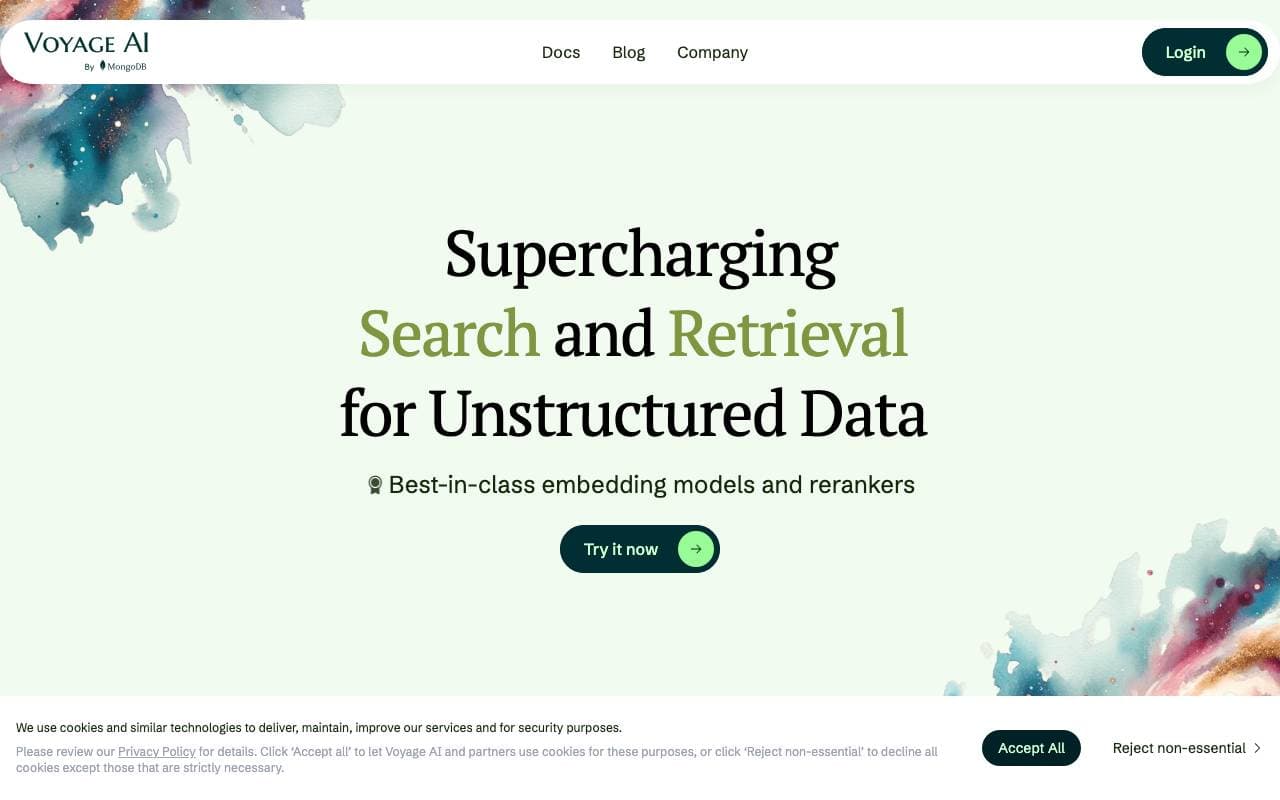
Voyage AI
AI Infrastructure & MLOps
Embedding and reranking models for high-accuracy retrieval and search.
Nexa AI
AI Infrastructure & MLOps
On-device AI runtime for running models locally across phones, PCs, and edge hardware.
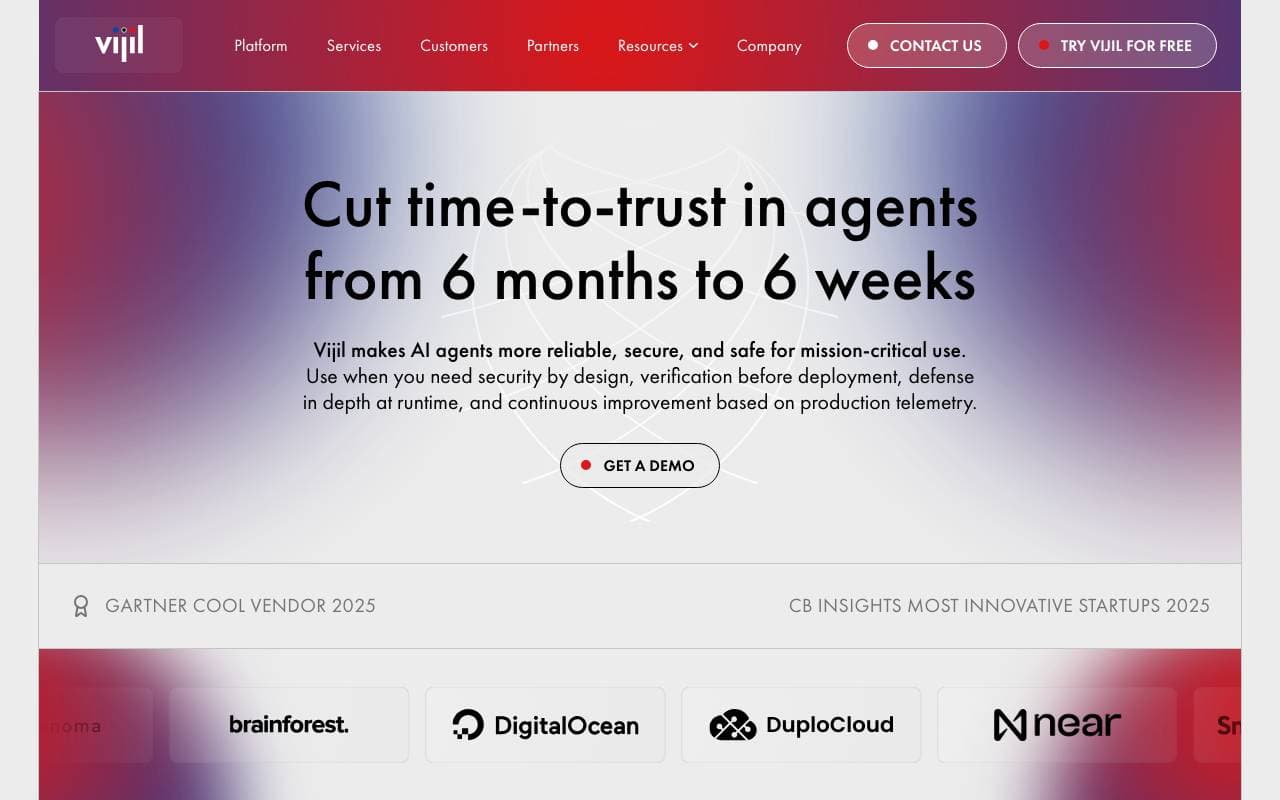
Vijil
AI Infrastructure & MLOps
Platform to build, evaluate, and operate trustworthy AI agents with reliability and safety guardrails.
Convolytic
AI Infrastructure & MLOps
Analytics platform for improving voice and chat AI agent performance and revenue impact.
GaiaHub AI
AI Infrastructure & MLOps
No-code platform for building and deploying AI applications quickly.
ModelBench
AI Infrastructure & MLOps
No-code playground for testing and comparing AI models side by side.
Helicone
AI Infrastructure & MLOps
Unified gateway to monitor, debug, and optimize LLM applications across providers.
Trending now


Claude
AI Agents & Chatbots
Conversational AI assistant from Anthropic for writing, analysis, coding, and document tasks

Doozer Ai
Sales Agent
Digital co-workers that automate operational workflows to boost team efficiency.

Consistent Character AI
Images
Generate consistent AI characters across scenes from a single reference photo.

Reducto AI
AI Agent Development Platforms
Document intelligence API that parses, splits, OCRs, and extracts structured data from complex PDFs, slides, and spreadsheets.