
MS FabricA unified analytics platform integrating data engineering, warehousing, and AI for real-time insights and automation.

Overview
Key features
- Unified analytics platform
- Real-time insights
- Automation capabilities
- Data engineering
- Data warehousing
- AI integration
Pricing
- Model
- Paid
- Category
- AI Agent Development Platforms
- Rating
- 4.8 / 5 (6)
Use cases
Unified Enterprise Data Analytics
Consolidate data engineering and warehousing workloads on a single platform to streamline analytics pipelines and reduce tool sprawl across teams.
Real-Time Business Insights
Leverage real-time data processing to power dashboards and decision-making, enabling organizations to react quickly to operational changes.
AI-Powered Automation
Integrate AI capabilities into data workflows to automate reporting, anomaly detection, and routine analytics tasks at scale.
Centralized Data Warehousing
Use the unified warehousing layer to store and query large datasets, supporting cross-departmental reporting and analytical workloads.
Pros & Cons
Pros
- Unified platform for data engineering, warehousing, and AI
- Real-time analysis and insights
- Automation of repetitive tasks
- Scalability and reliability on Microsoft Cloud
- Comprehensive solution for data management and processing
Cons
- Dependence on Microsoft ecosystem for full integration
- Potential high upfront costs for implementation and licensing
- Steep learning curve due to unified analytics platform with many features
- Data governance and security complexities may require significant resource allocation
Reviews
Average from 6 ratings.
Sign in to leave a review.
Years in this space
I've evaluated a lot of these over the years. What stands out here is the API — handled better than most — and it is genuinely easy to set up. The docs could be deeper is my one real gripe. Worth the time if this is your use case.
Does the job
Pretty happy overall. The core workflow just works and the value for money is strong. Pricing gets steep at scale can be annoying, but no dealbreakers — I'd recommend it to a friend without hesitating.
Skeptical, then convinced
I went in skeptical — most tools in this space overpromise. It actually delivers on the automation, and the value for money is strong caught me off guard. still, I'd recommend giving it a real trial.
Use it every day
Honestly didn't expect to like it this much. The dashboard is exactly what I needed, and it is genuinely easy to set up. I do wish the mobile experience lags, but I reach for it almost every day now and it just clicks.
Use it every day
Honestly didn't expect to like it this much. The dashboard is exactly what I needed, and it is genuinely easy to set up. but I reach for it almost every day now and it just clicks.
Compared a few options
Evaluated this against two competitors. Where it wins: the automation and it is genuinely easy to set up. Where it lags: a few rough edges remain. On balance the feature set — especially the API — justifies the 5 stars for our use case.
Q&A
Who is Microsoft Fabric best suited for?
It's designed for organizations that need an end-to-end analytics solution—combining data engineering, warehousing, and AI—rather than stitching together separate tools. Teams seeking real-time insights and automation in a single platform are the primary fit.
What does Microsoft Fabric actually do?
Microsoft Fabric is a unified analytics platform that brings together data engineering, data warehousing, and AI capabilities in one environment, enabling real-time insights and workflow automation across your data stack.
Does Microsoft Fabric support real-time analytics and AI use cases?
Yes. Fabric is built to deliver real-time insights and integrates AI alongside data engineering and warehousing, making it suitable for automated, AI-driven analytics workflows within one unified platform.
Ask a question
AI Agent Development Platforms alternatives
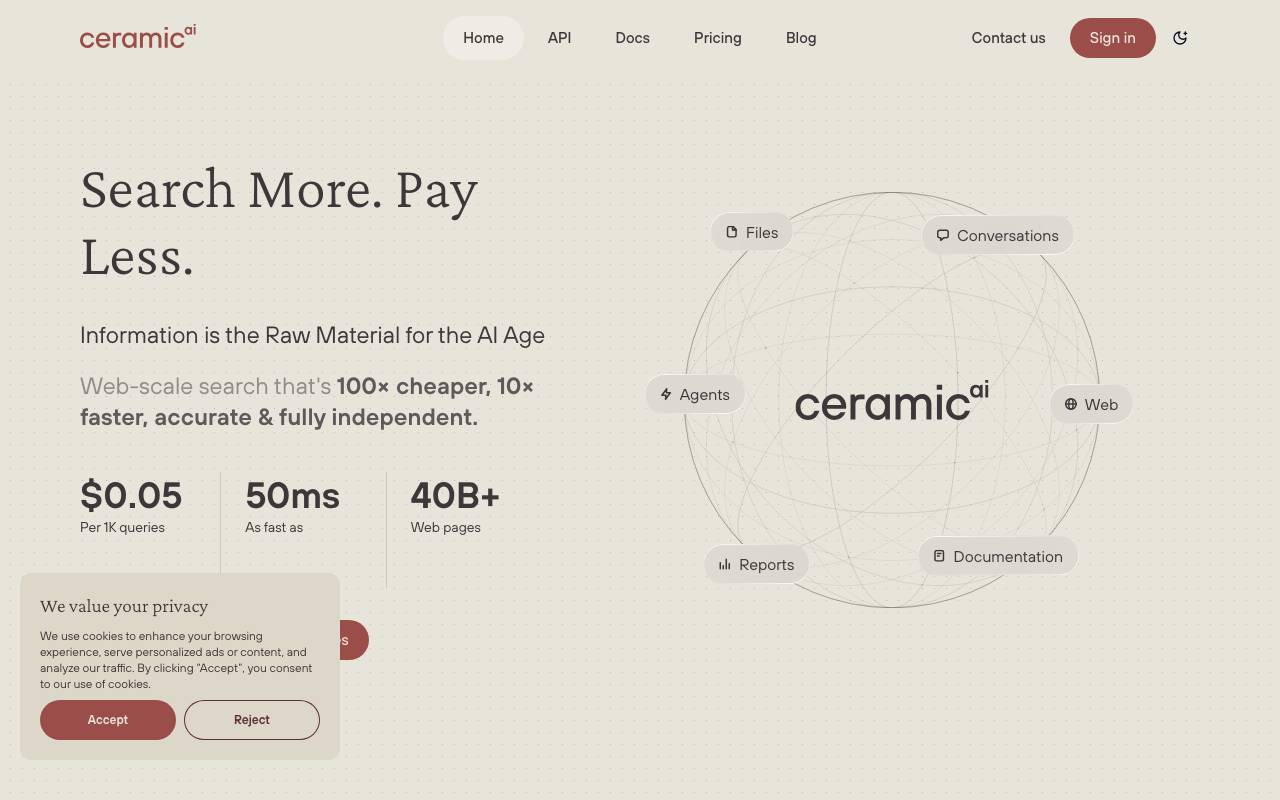

Ceramic.ai
AI Agent Development Platforms
An AI infrastructure platform optimizing large-scale model training with enhanced efficiency and scalability.
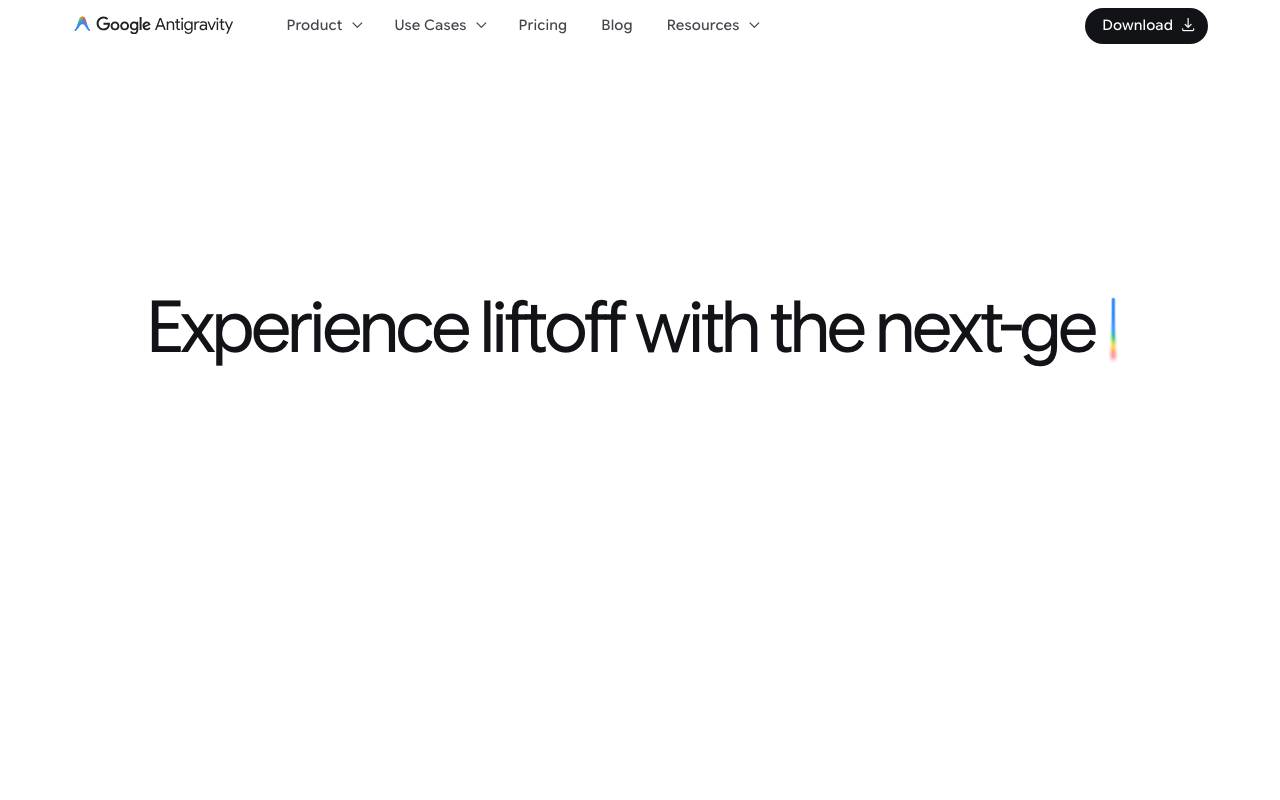

Google Antigravity
AI Agent Development Platforms
Agent-first AI coding environment and IDE from Google where autonomous agents plan, write, test, and debug software across editor, terminal, and browser.
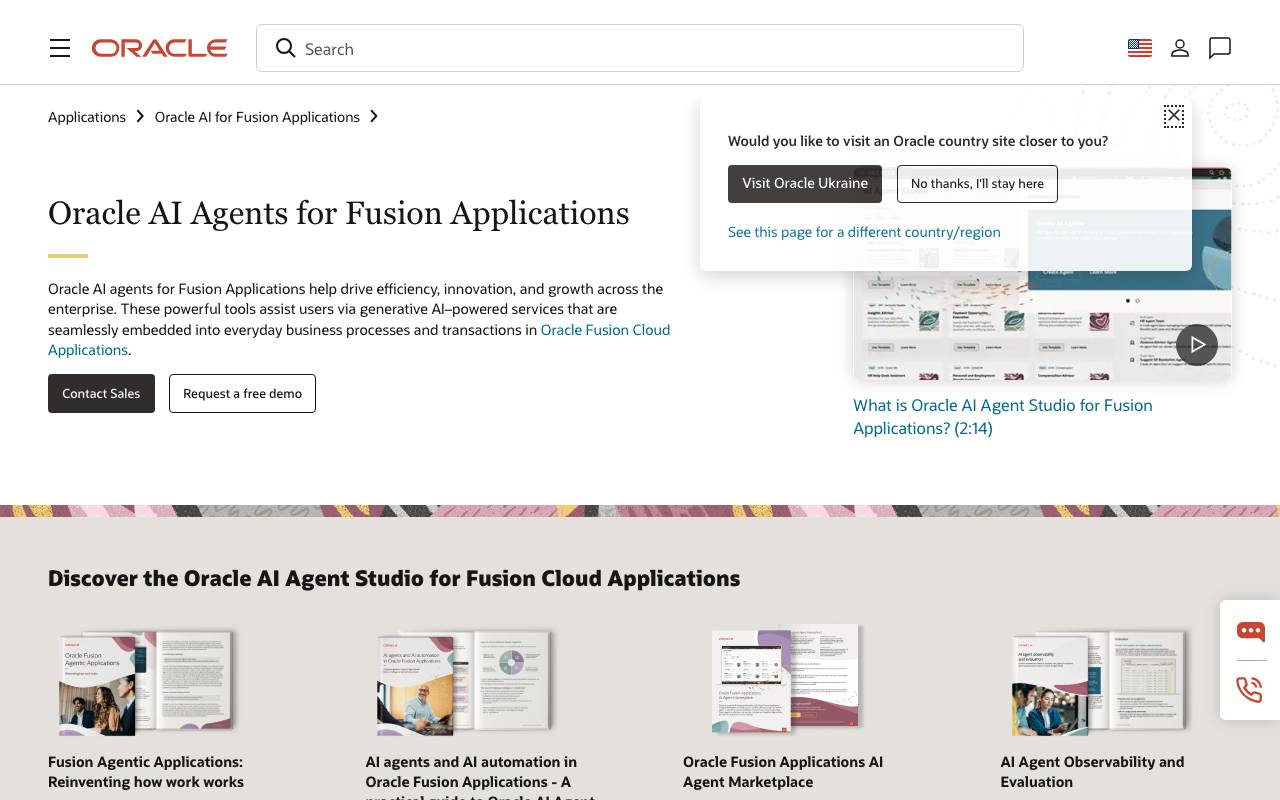
Oracle AI Agent Studio
AI Agent Development Platforms
An enterprise platform for building, validating, deploying, and managing AI agents inside Oracle Fusion Applications.
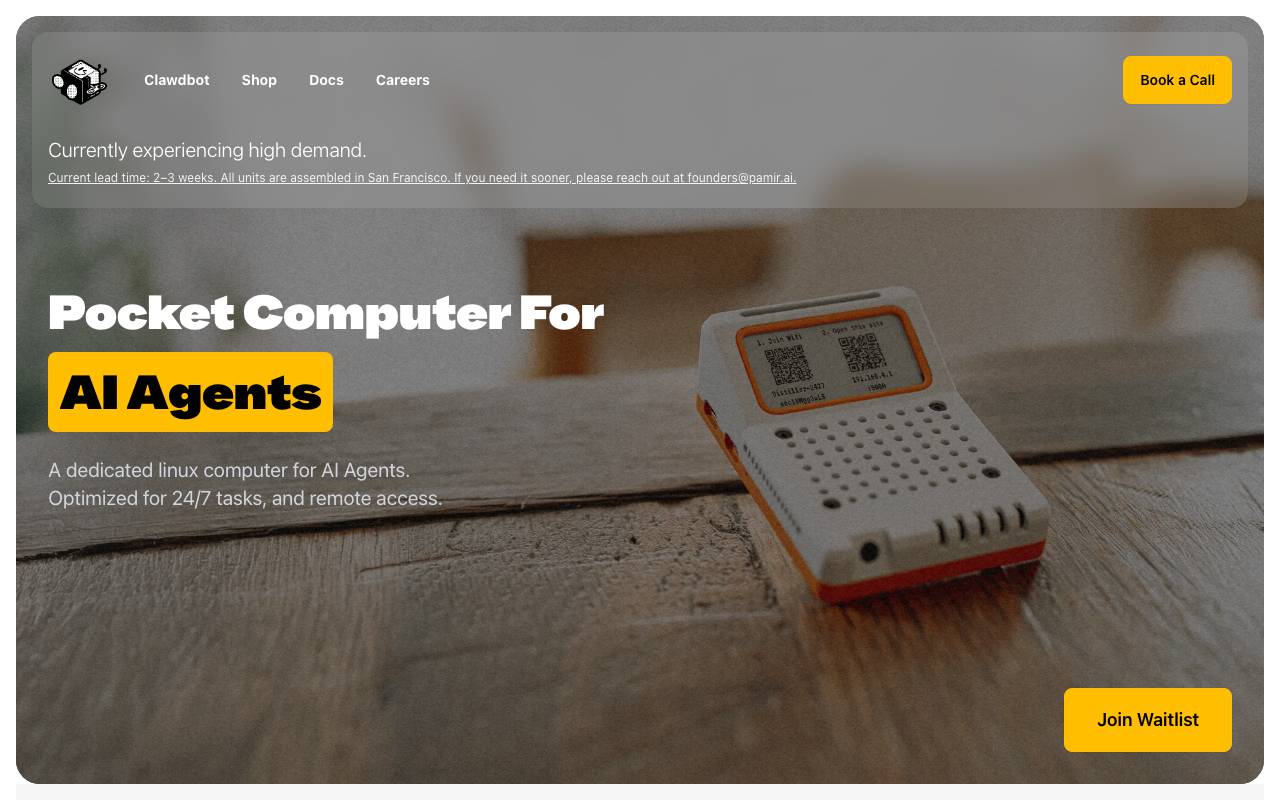

Pamir AI
AI Agent Development Platforms
Provides edge AI solutions with hardware and software for offline-capable AI agents.
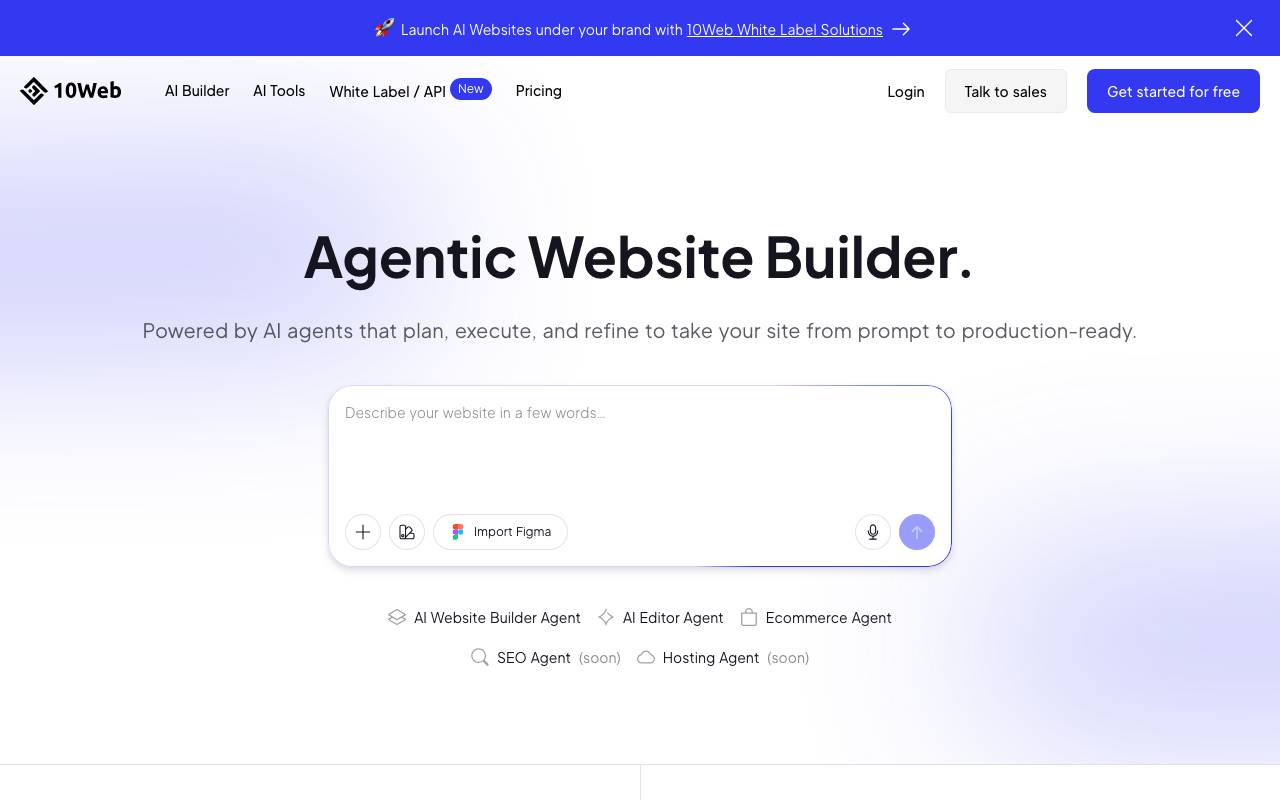

10Web
AI Agent Development Platforms
AI-powered platform for building, hosting, and scaling WordPress websites effortlessly.

Natoma MCP Platform
AI Agent Development Platforms
Hosted MCP servers for connecting AI agents to enterprise tools and data.
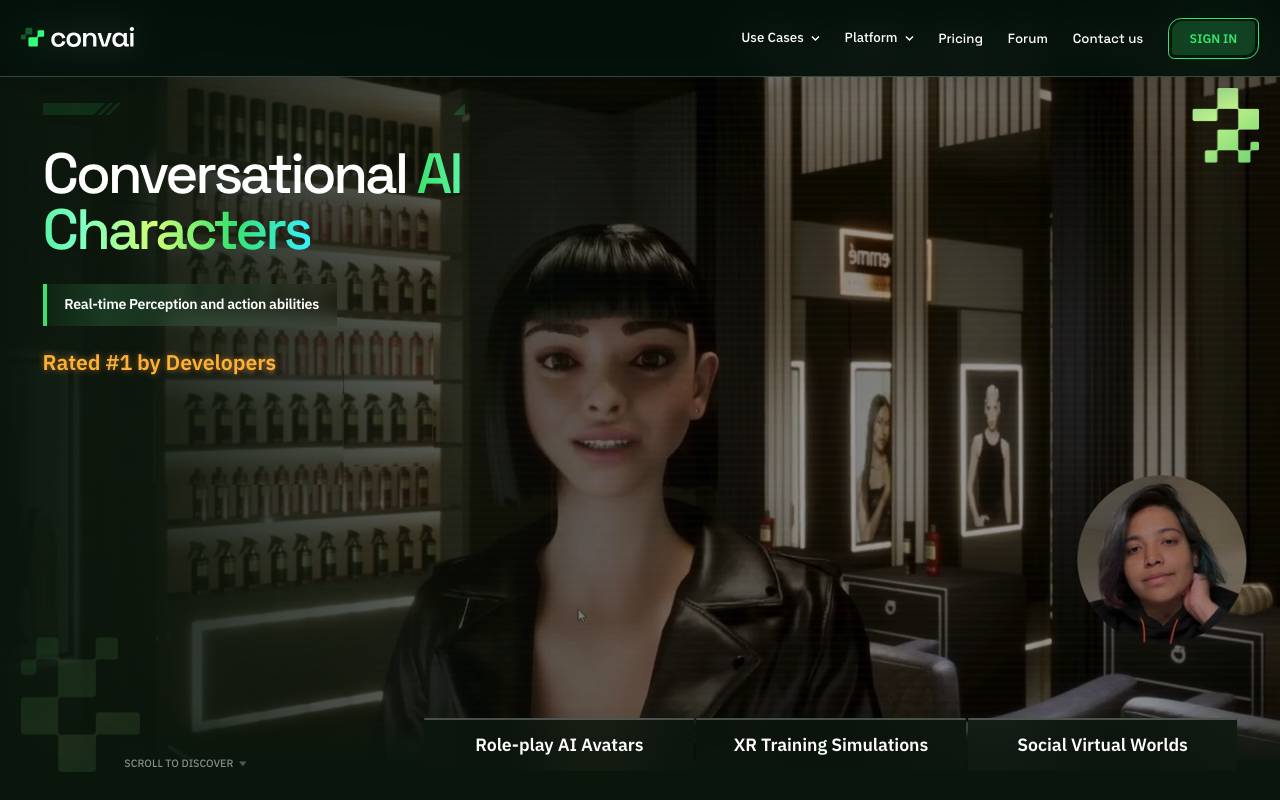

Convai
AI Agent Development Platforms
SDK and platform for real-time conversational NPCs in games and virtual worlds with voice, vision, and action APIs for Unity/Unreal.
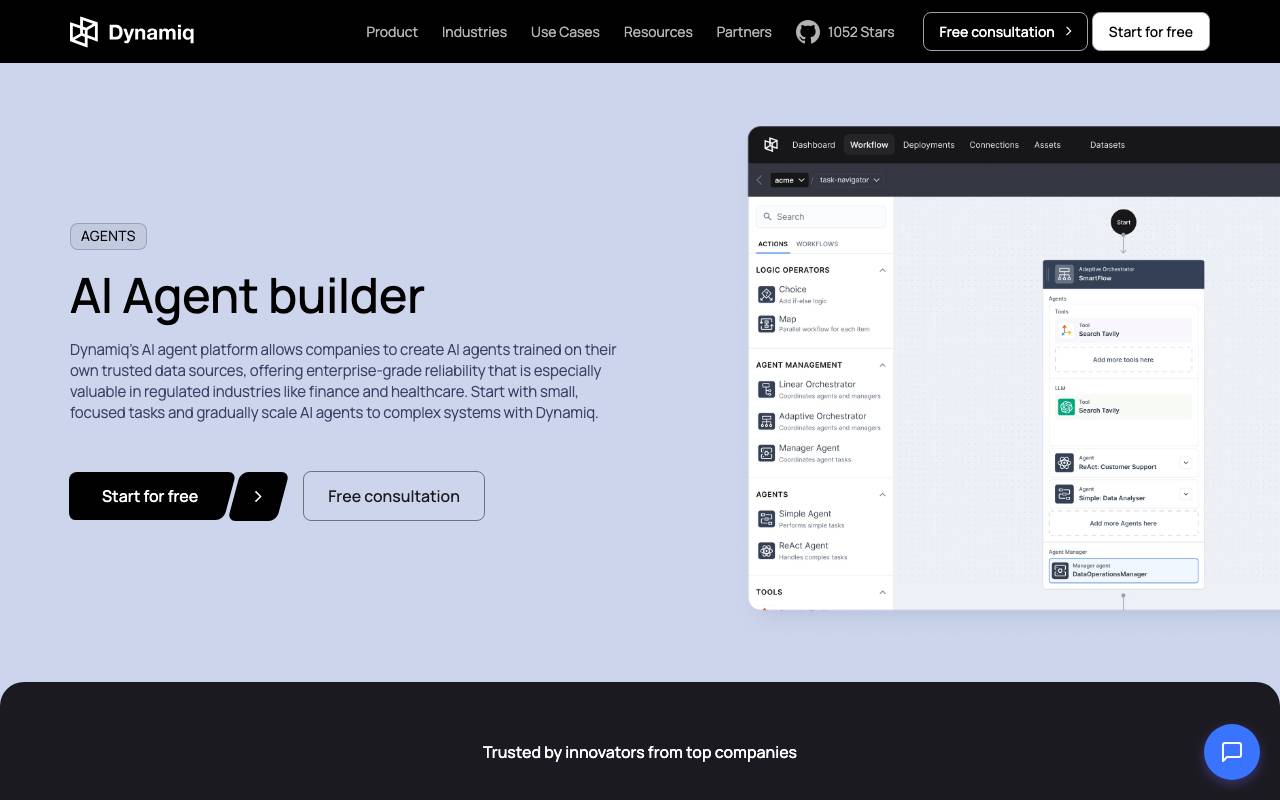

Dynamiq AI Agents
AI Agent Development Platforms
Build and deploy custom AI agents for automating business workflows and operations.