
MiniMax‑M1Open‑source large‑scale reasoning model with 1 million token context and hybrid Mixture‑of‑Experts architecture.

Overview
Key features
- Hybrid Mixture-of-Experts (MoE) architecture
- Lightning attention mechanism
- Reinforcement learning (RL) scale framework
- Context length of 1 million tokens
- Efficient scaling of test-time compute
Pricing
- Model
- Free
- Category
- AI Agent Development Frameworks
- Rating
- 4.4 / 5 (5)
Use cases
Long-Document Analysis
Leverage the 1 million token context window to analyze lengthy documents, contracts, or codebases in a single pass without chunking.
Complex Reasoning Tasks
Use the model's large-scale reasoning capabilities to solve multi-step problems in math, logic, and research scenarios.
Self-Hosted AI Deployment
Deploy the open-source model on private infrastructure for full data control, customization, and cost-efficient inference via its MoE architecture.
Research and Fine-Tuning
Build on the open-source weights to conduct AI research or fine-tune the model for domain-specific applications.
Pros & Cons
Pros
- Enables efficient scaling of test-time compute
- Outperforms other strong open-weight models on complex software engineering, tool using, and long context tasks
- Supports a context length of 1 million tokens
- Trained using large-scale reinforcement learning (RL) on diverse problems
Cons
- Limited information on the model's training data and parameters
- May not generalize well to tasks outside its trained domain
- Requires significant computational resources for training and testing
Reviews
Average from 5 ratings.
Sign in to leave a review.
Does the job
Pretty happy overall. The API just works and it saves real time. but no dealbreakers — I'd recommend it to a friend without hesitating.
Solid for our team
We rolled this out across the team last quarter and the value for money is strong. The automation fits neatly into how we already work, and the dashboard removed a step we used to do by hand. The docs could be deeper, which is the main caveat, but it has held up under daily use.
Compared a few options
Evaluated this against two competitors. Where it wins: the dashboard and support is responsive. On balance the feature set — especially the API — justifies the 5 stars for our use case.
Does the job
Pretty happy overall. The API just works and it saves real time. Pricing gets steep at scale can be annoying, but no dealbreakers — I'd recommend it to a friend without hesitating.
Years in this space
I've evaluated a lot of these over the years. What stands out here is the dashboard — handled better than most — and it is genuinely easy to set up. A few rough edges remain is my one real gripe. Worth the time if this is your use case.
Q&A
How large of a context window does MiniMax-M1 support?
MiniMax-M1 supports a context window of up to 1 million tokens, making it suitable for tasks that involve very long documents, extended conversations, or large codebases that require reasoning across substantial amounts of input.
Is MiniMax-M1 free to use since it's open-source?
MiniMax-M1 is released as an open-source model, which generally means the weights and code are publicly available. However, you should review its specific license terms to confirm permitted commercial or derivative use.
What is MiniMax-M1 and what makes its architecture notable?
MiniMax-M1 is an open-source large-scale reasoning model featuring a hybrid Mixture-of-Experts (MoE) architecture. Its design is aimed at efficient large-scale reasoning while remaining openly available for use and modification.
Ask a question
AI Agent Development Frameworks alternatives

Wildcard AI / agents.json
AI Agent Development Frameworks
Open spec and platform that lets AI agents discover and call API workflows through an agents.json file.
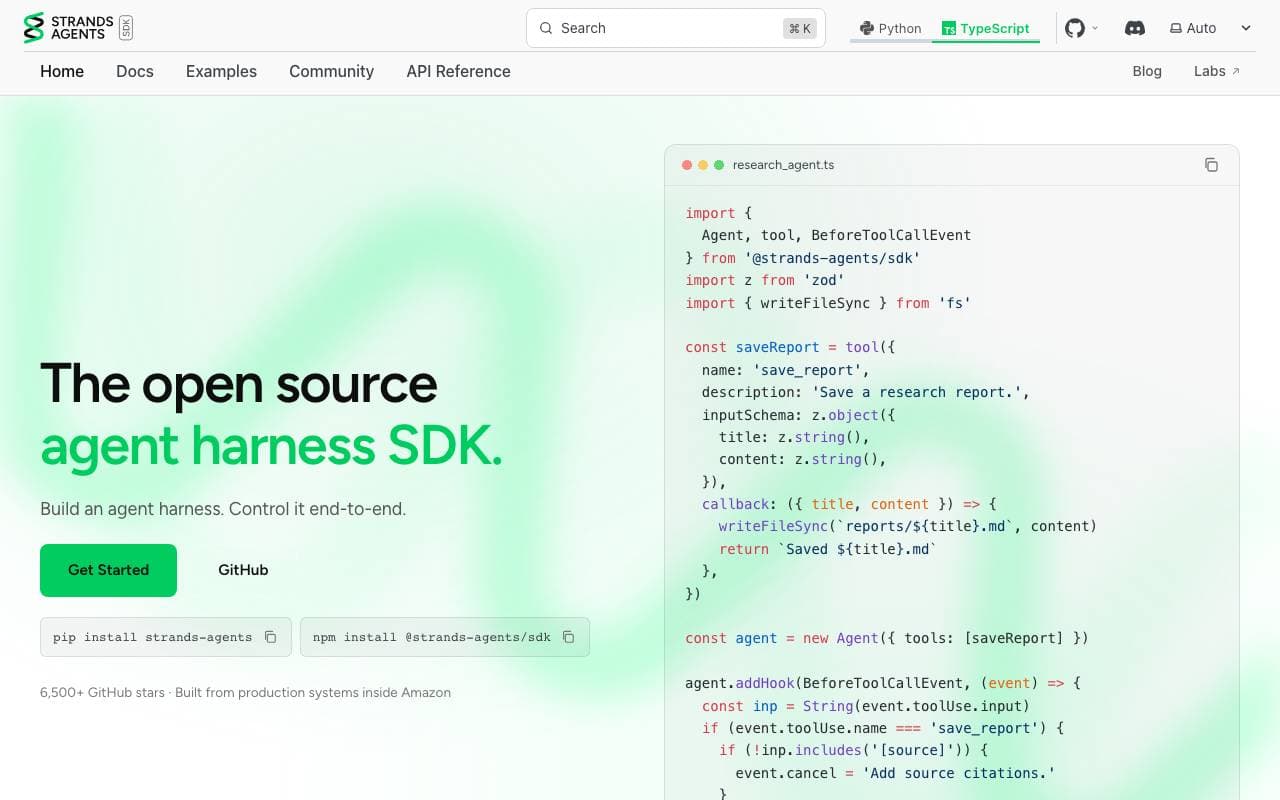

Strands Agents
AI Agent Development Frameworks
Open‑source SDK for building and orchestrating single or multi‑agent systems with LLMs and tool integration.
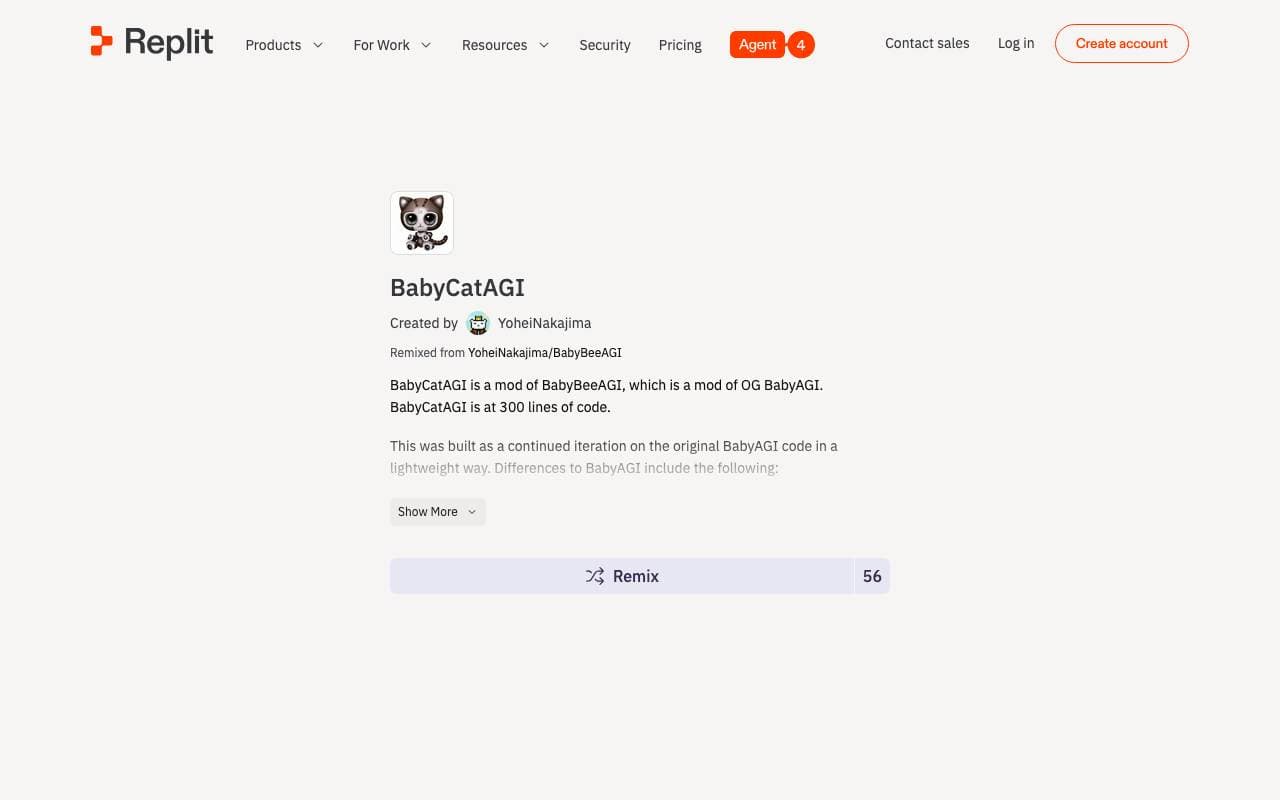

BabyCatAGI
AI Agent Development Frameworks
Lightweight autonomous AI agent framework for streamlined task automation
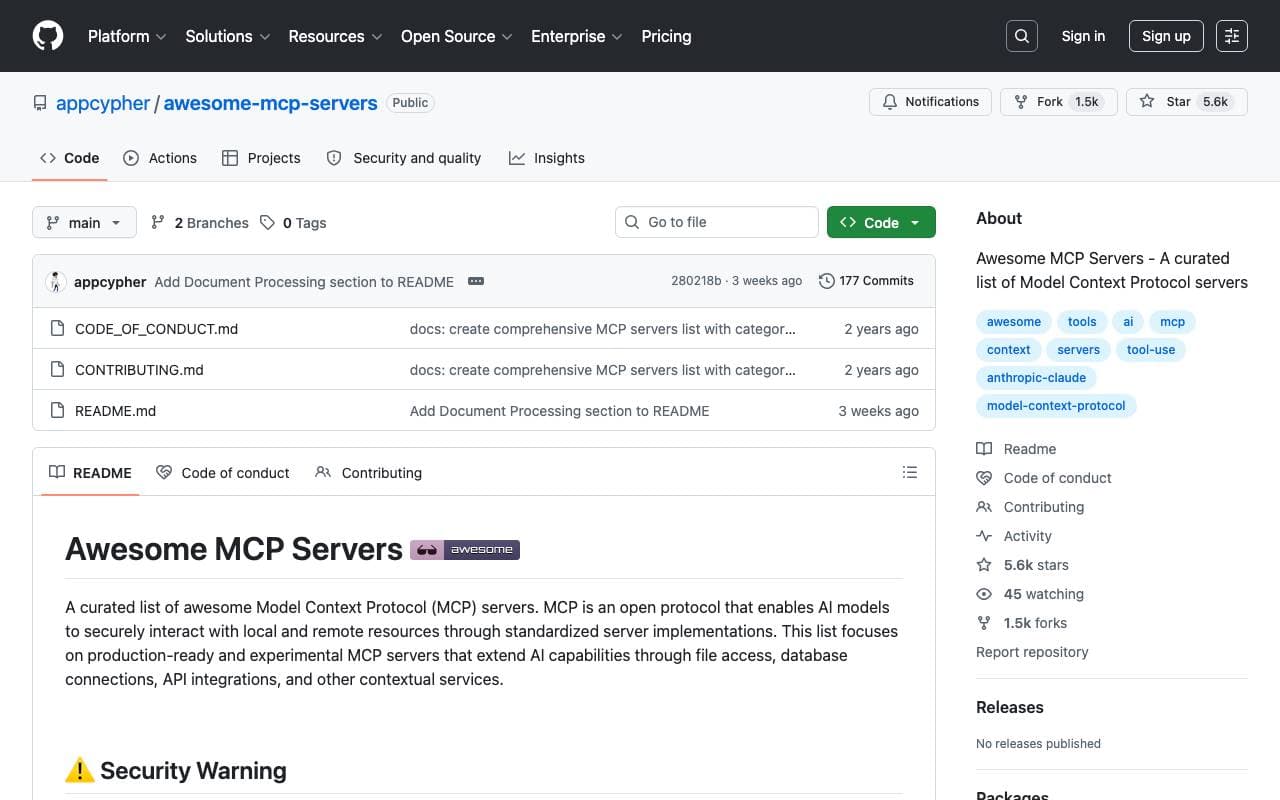

Awesome MCP Servers
AI Agent Development Frameworks
A curated directory of Model Context Protocol servers for extending AI assistants with tools and data.
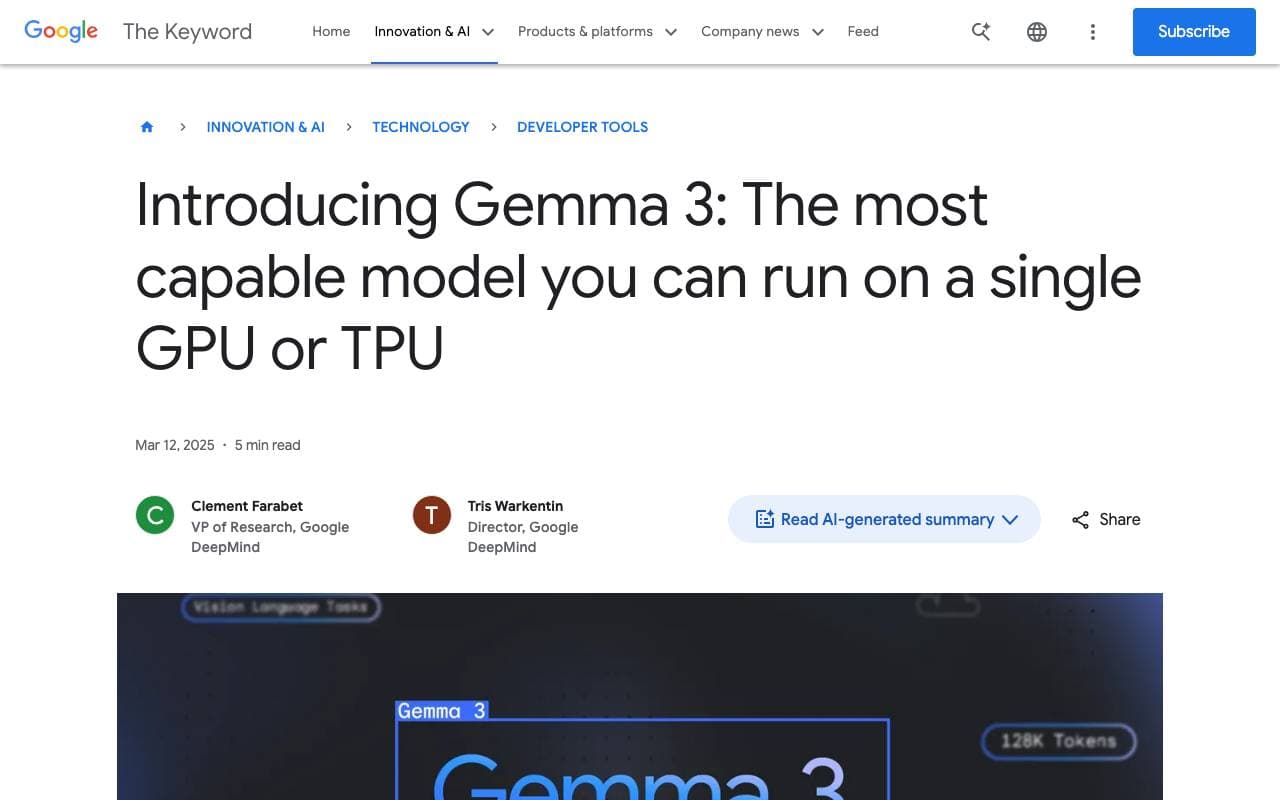

Gemma 3
AI Agent Development Frameworks
An open-source AI model optimized for single-GPU performance, supporting multimodal inputs and over 140 languages.

Rasa
AI Agent Development Frameworks
Open-source framework for building production-grade chat and voice assistants

BabyElfAGI
AI Agent Development Frameworks
Experimental AI agent framework with a modular Skills class for dynamic task planning and execution.

Auto-GPT
AI Agent Development Frameworks
An open-source AI agent capable of autonomously completing complex tasks using GPT models.
Trending now

Doozer Ai
Sales Agent
Digital co-workers that automate operational workflows to boost team efficiency.

Claude
AI Agents & Chatbots
Conversational AI assistant from Anthropic for writing, analysis, coding, and document tasks
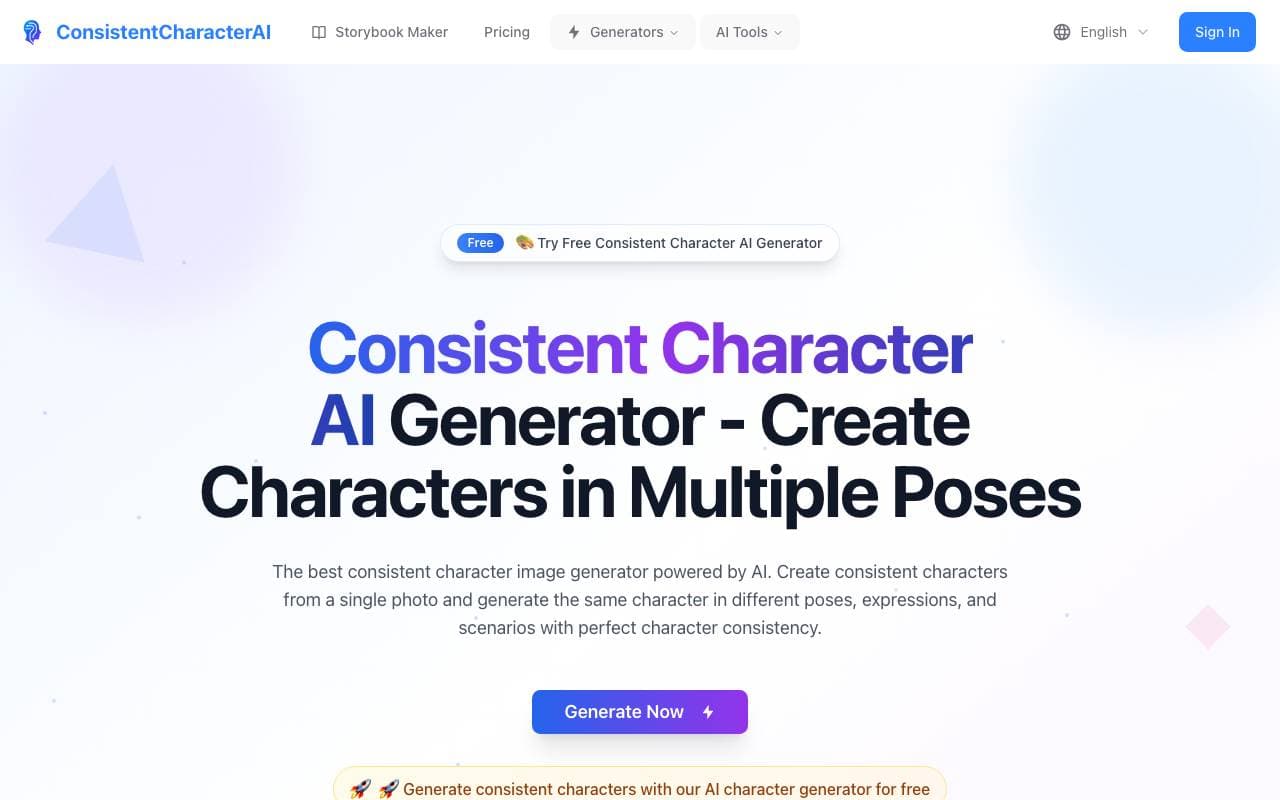

Consistent Character AI
Images
Generate consistent AI characters across scenes from a single reference photo.
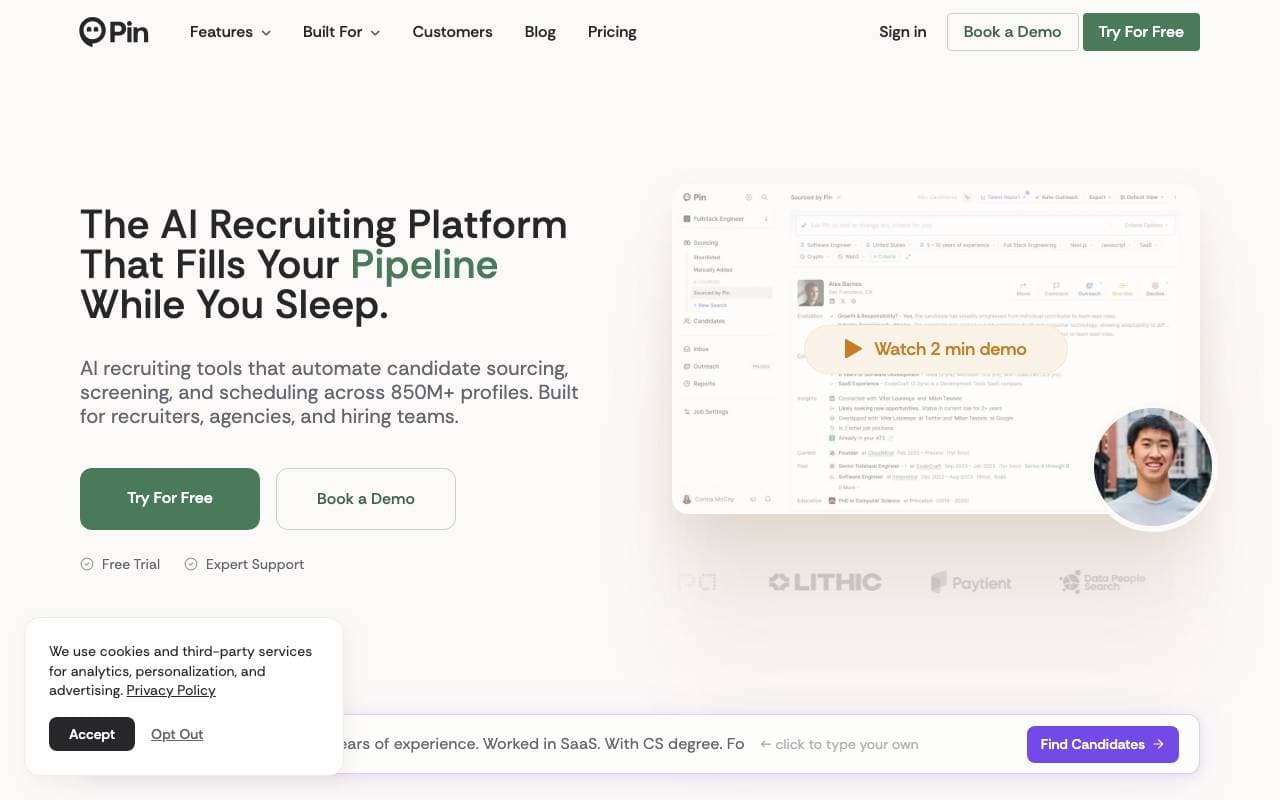

Pin AI
Workflow automation
Agentic AI recruiter that automates sourcing, screening, and outreach to accelerate hiring.