
LiteLLMAn open-source Python SDK and proxy server for managing authentication, load balancing, and spend tracking across 100+ LLMs using a unified OpenAI format.

Overview
Key features
- Unified OpenAI format for 100+ LLMs
- Drop-in replacement for OpenAI client
- Router with retry, fallback, and load balancing
- Observability callbacks (Langfuse, MLflow, Helicone)
- Virtual keys with per-key/team/user budgets
- Centralized logging, guardrails, and caching
Pricing
- Model
- Freemium
- Category
- Large Language Models (LLMs)
- Rating
- 4.6 / 5 (5)
Use cases
Unified Multi-LLM Integration
Call 100+ LLM providers through a single OpenAI-compatible interface, simplifying code and enabling easy switching between models without rewriting integrations.
Load Balancing Across Providers
Distribute requests across multiple LLM endpoints to improve reliability and performance, with automatic failover when providers experience downtime or rate limits.
Centralized Authentication Management
Manage API keys and authentication for many LLM providers from one proxy server, reducing credential sprawl and simplifying access control.
LLM Spend Tracking
Monitor and track spending across different LLM providers in one place, helping teams control costs and analyze usage patterns.
Pros & Cons
Pros
- Unified interface for multiple LLMs
- Simplified authentication and spend tracking
- Support for observability and logging tools
- Self-hosted proxy server for customizable deployment
- Drop-in replacement for OpenAI client
Cons
- Requires Python expertise for integration
- May require additional setup for specific LLMs or use cases
- Complexity in managing and monitoring large-scale deployments
Reviews
Average from 5 ratings.
Sign in to leave a review.
Use it every day
Honestly didn't expect to like it this much. The dashboard is exactly what I needed, and it is genuinely easy to set up. I do wish pricing gets steep at scale, but I reach for it almost every day now and it just clicks.
Does the job
Pretty happy overall. The dashboard just works and it saves real time. but no dealbreakers — I'd recommend it to a friend without hesitating.
Skeptical, then convinced
I went in skeptical — most tools in this space overpromise. It actually delivers on the onboarding, and support is responsive caught me off guard. still, I'd recommend giving it a real trial.
Solid for our team
We rolled this out across the team last quarter and it saves real time. The automation fits neatly into how we already work, and the onboarding removed a step we used to do by hand. The mobile experience lags, which is the main caveat, but it has held up under daily use.
Years in this space
I've evaluated a lot of these over the years. What stands out here is the API — handled better than most — and it is genuinely easy to set up. Worth the time if this is your use case.
Q&A
No questions yet — be the first to ask.
Ask a question
Large Language Models (LLMs) alternatives

Mistral AI
Large Language Models (LLMs)
Open-weight frontier models


Kore.ai
Large Language Models (LLMs)
A no-code conversational AI platform enabling enterprises to build and deploy intelligent virtual assistants.

🍌 Nano Banana - Where Ideas Instantly Come to Life, The New Era of AI Image Generation
Large Language Models (LLMs)
Fast AI image generation powered by Google Gemini 2.5 Flash for rapid visual prototyping.

Reka AI
Large Language Models (LLMs)
Multimodal foundation models that understand text, images, video, and audio.

WebVoyager
Large Language Models (LLMs)
An LMM-powered web agent completing user instructions end-to-end by interacting with real-world websites.
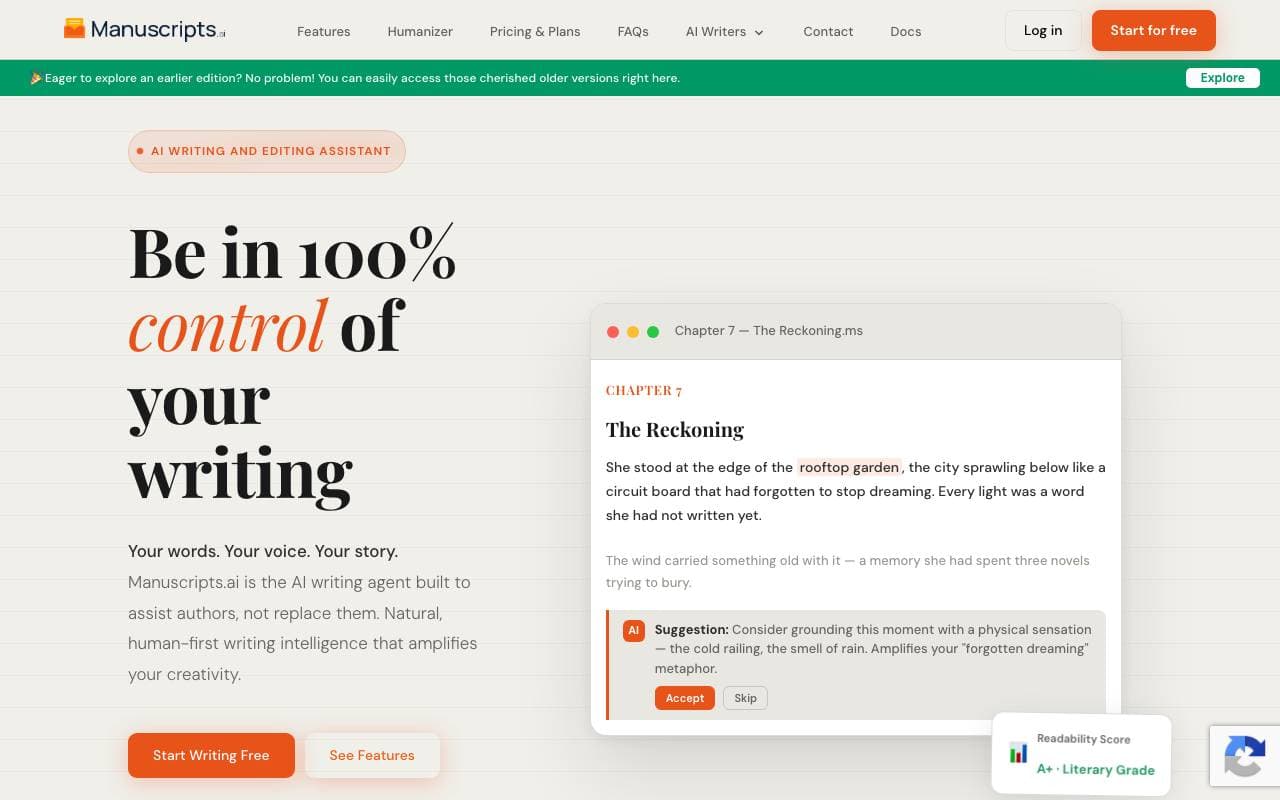

AI Writer
Large Language Models (LLMs)
AI-assisted writing platform for generating, researching, and refining long-form content.
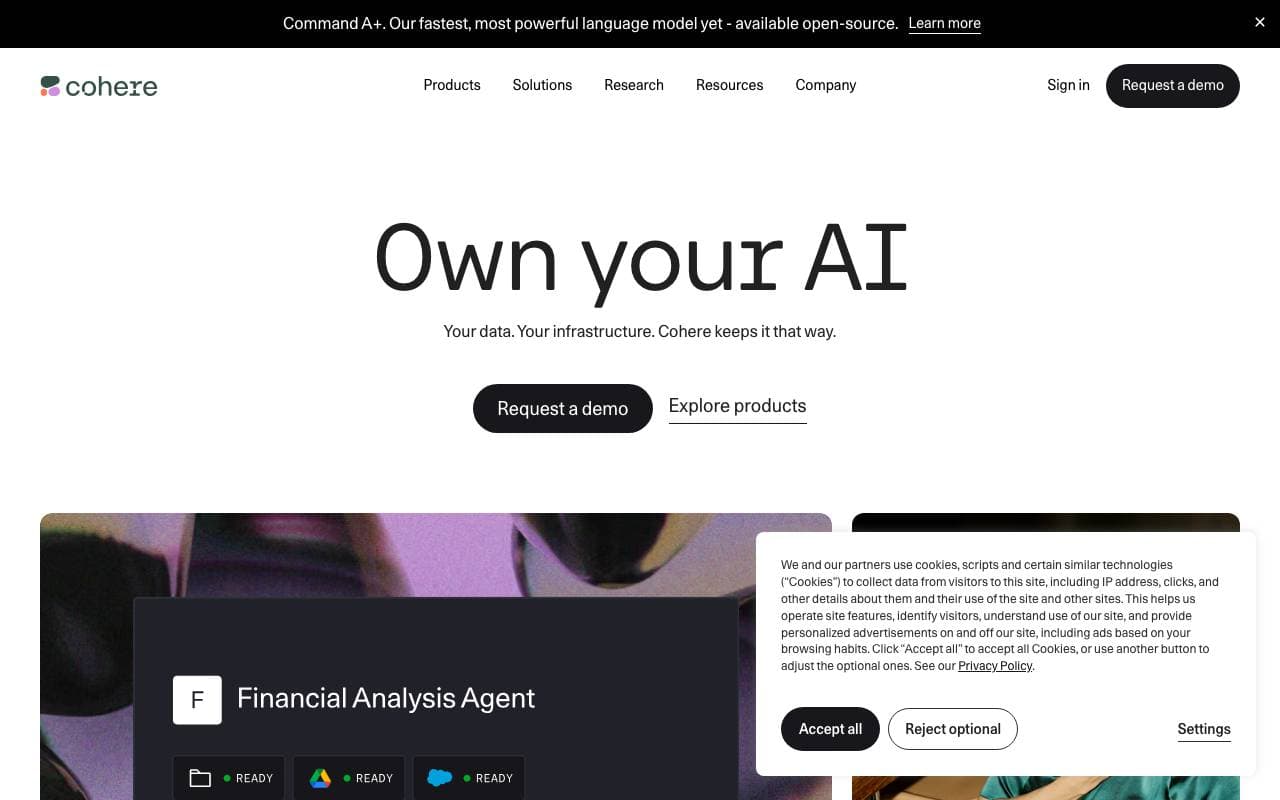

Cohere
Large Language Models (LLMs)
A platform offering enterprise-focused AI solutions, specializing in large language models for natural language processing tasks.
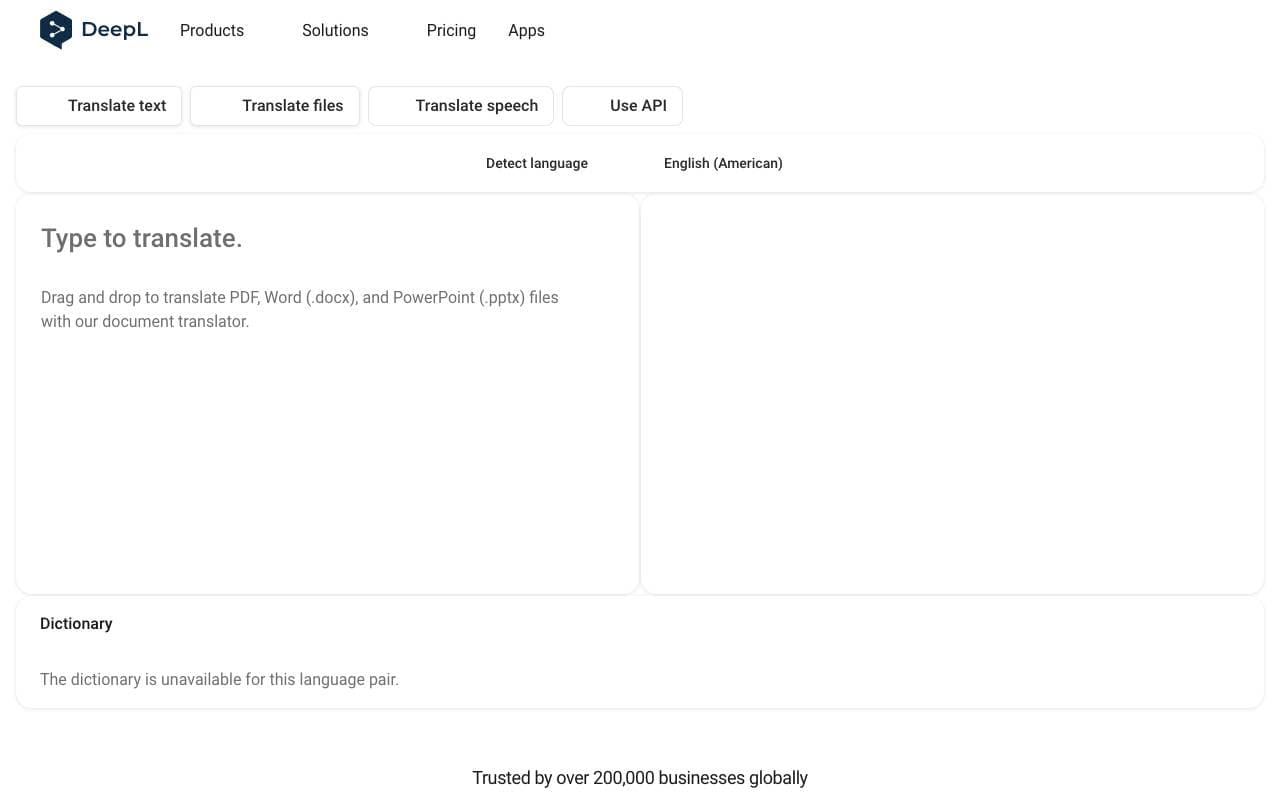

DeepL
Large Language Models (LLMs)
Neural machine translation tool known for accurate, natural-sounding results across major languages.
Trending now


Claude
AI Agents & Chatbots
Conversational AI assistant from Anthropic for writing, analysis, coding, and document tasks
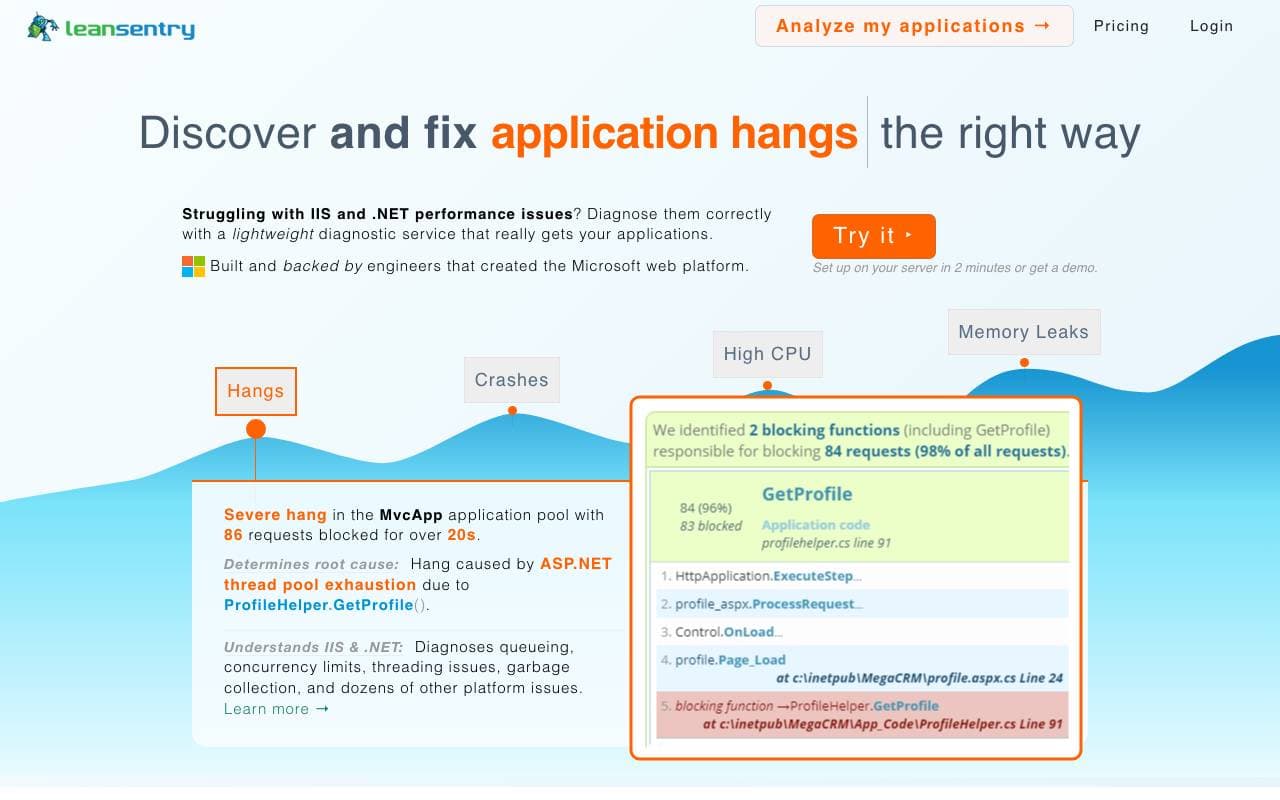

LeanSentry
Software Development
AI-powered diagnostics and monitoring for IIS and ASP.NET performance issues.

Doozer Ai
Sales Agent
Digital co-workers that automate operational workflows to boost team efficiency.

Consistent Character AI
Images
Generate consistent AI characters across scenes from a single reference photo.