
LangSmithObservability, evaluation, and debugging platform for LLM applications from the LangChain team

Overview
Key features
- Run tracing with step-by-step inputs, outputs, and token usage
- Dataset creation and automated evaluation
- Built-in, code-based, and LLM-as-judge evaluators
- Production monitoring dashboards
- Human feedback and annotation collection
- Prompt management, versioning, and playground
Pricing
- Model
- Freemium
- Category
- Agent Development
- Rating
- 4.8 / 5 (5)
Use cases
Debug LLM Application Traces
Inspect detailed execution traces of LLM chains and agents to identify failures, latency bottlenecks, and unexpected outputs during development.
Evaluate Model Performance
Run evaluations on LLM outputs against test datasets to measure quality, accuracy, and regressions before shipping changes to production.
Monitor Production LLM Apps
Track real-time performance, usage, and errors of deployed LLM applications to maintain reliability and quickly diagnose issues.
Optimize Prompt Engineering
Iterate on prompts and compare versions using observability data and evaluation metrics to improve LLM application outcomes.
Pros & Cons
Pros
- Detailed nested tracing of chains, agents, and tool calls
- Integrated datasets and evaluation workflow for regression testing
- Tight integration with LangChain and LangGraph
- Production monitoring of cost, latency, and feedback
- Framework-agnostic SDKs work beyond LangChain
Cons
- Best experience assumes use of the LangChain ecosystem
- LLM-as-judge evaluation requires careful setup and validation
- Commercial usage-based pricing can grow with volume
Reviews
Average from 5 ratings.
Sign in to leave a review.
Use it every day
Honestly didn't expect to like it this much. The automation is exactly what I needed, and the value for money is strong. I do wish the mobile experience lags, but I reach for it almost every day now and it just clicks.
Use it every day
Honestly didn't expect to like it this much. The dashboard is exactly what I needed, and support is responsive. I do wish the mobile experience lags, but I reach for it almost every day now and it just clicks.
Years in this space
I've evaluated a lot of these over the years. What stands out here is the integrations — handled better than most — and support is responsive. Worth the time if this is your use case.
Years in this space
I've evaluated a lot of these over the years. What stands out here is the onboarding — handled better than most — and the value for money is strong. Pricing gets steep at scale is my one real gripe. Worth the time if this is your use case.
Solid for our team
We rolled this out across the team last quarter and the value for money is strong. The onboarding fits neatly into how we already work, and the API removed a step we used to do by hand. The docs could be deeper, which is the main caveat, but it has held up under daily use.
Q&A
No questions yet — be the first to ask.
Ask a question
Agent Development alternatives
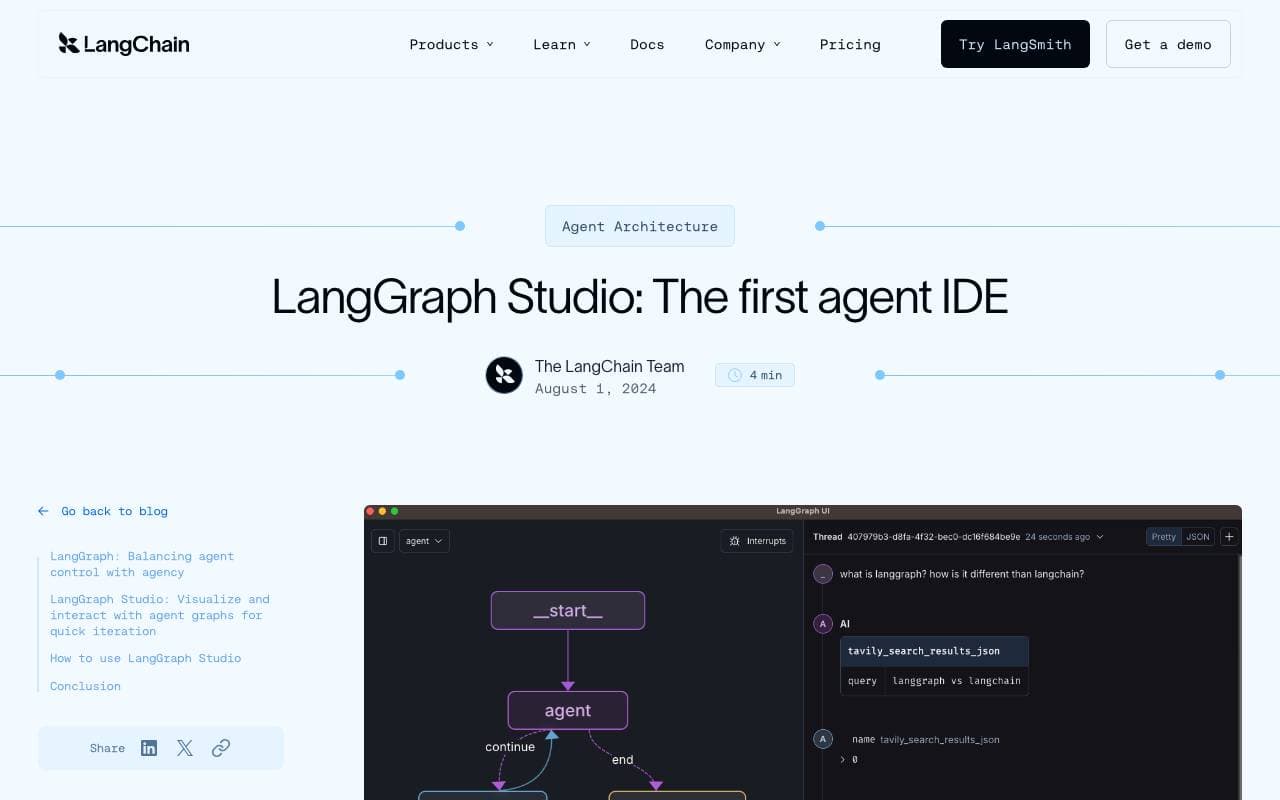

LangGraph Studio
Agent Development
Visual IDE for building, debugging, and inspecting LangGraph agent workflows

BrainSoup
Agent Development
Build custom AI agents that automate tasks and workflows through natural language.
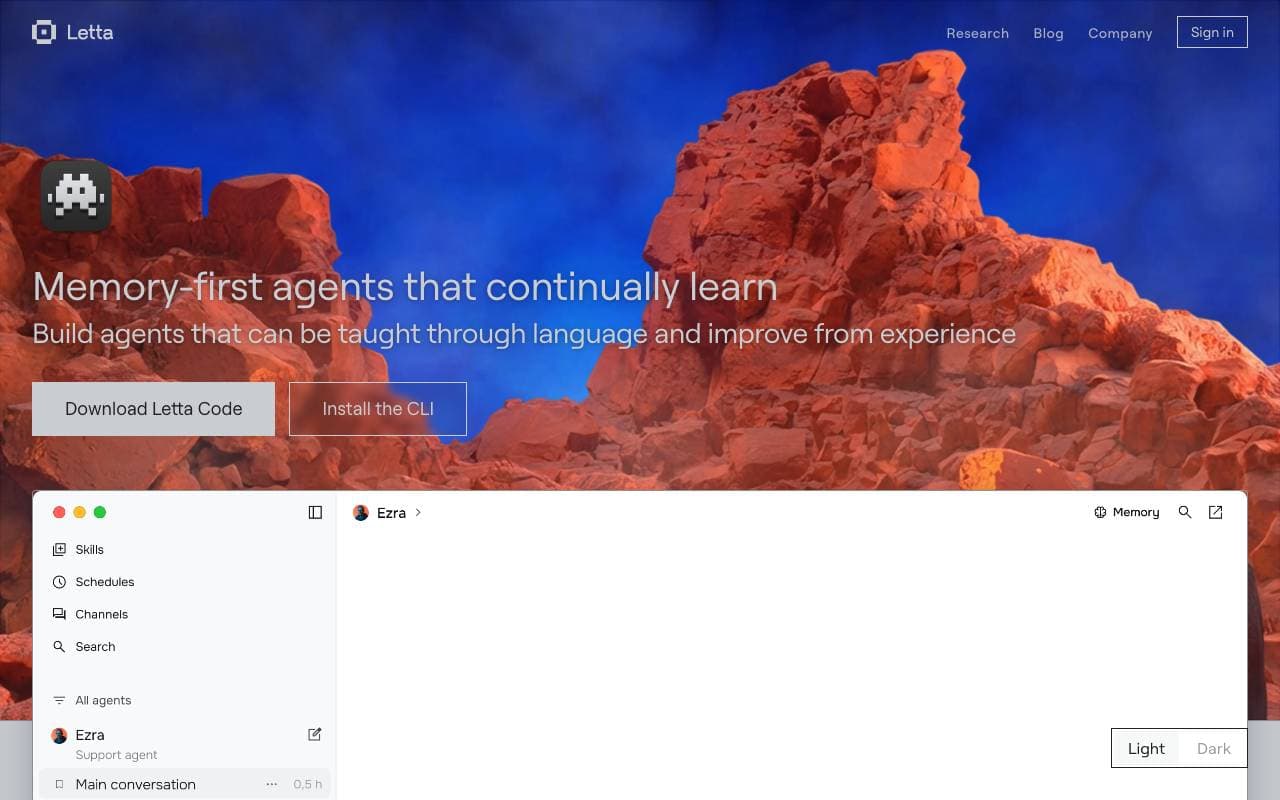

Letta AI
Agent Development
An open-source platform for building stateful AI agents with long-term memory and advanced reasoning.
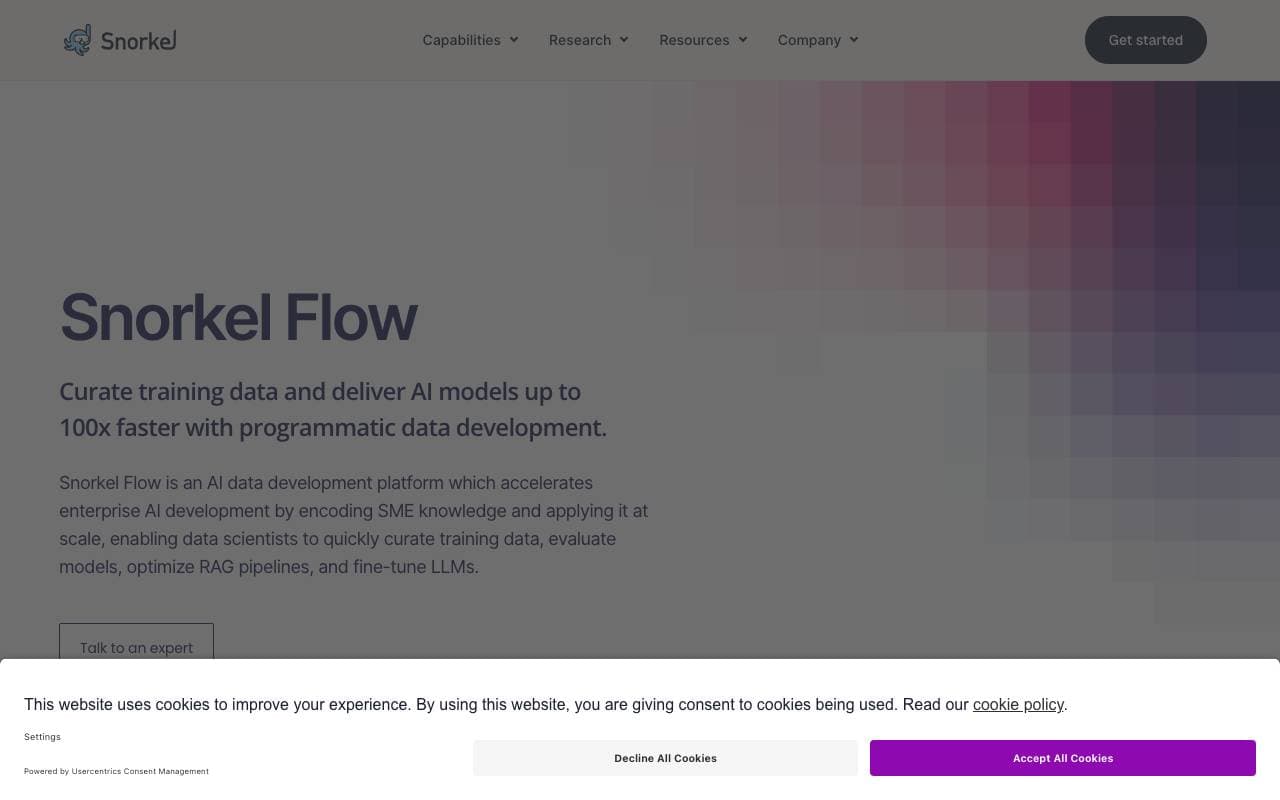

Snorkel Flow
Agent Development
Programmatic data labeling and AI development platform for building production models faster.

NetX
Agent Development
Modular economic network combining blockchain infrastructure with AI capabilities.
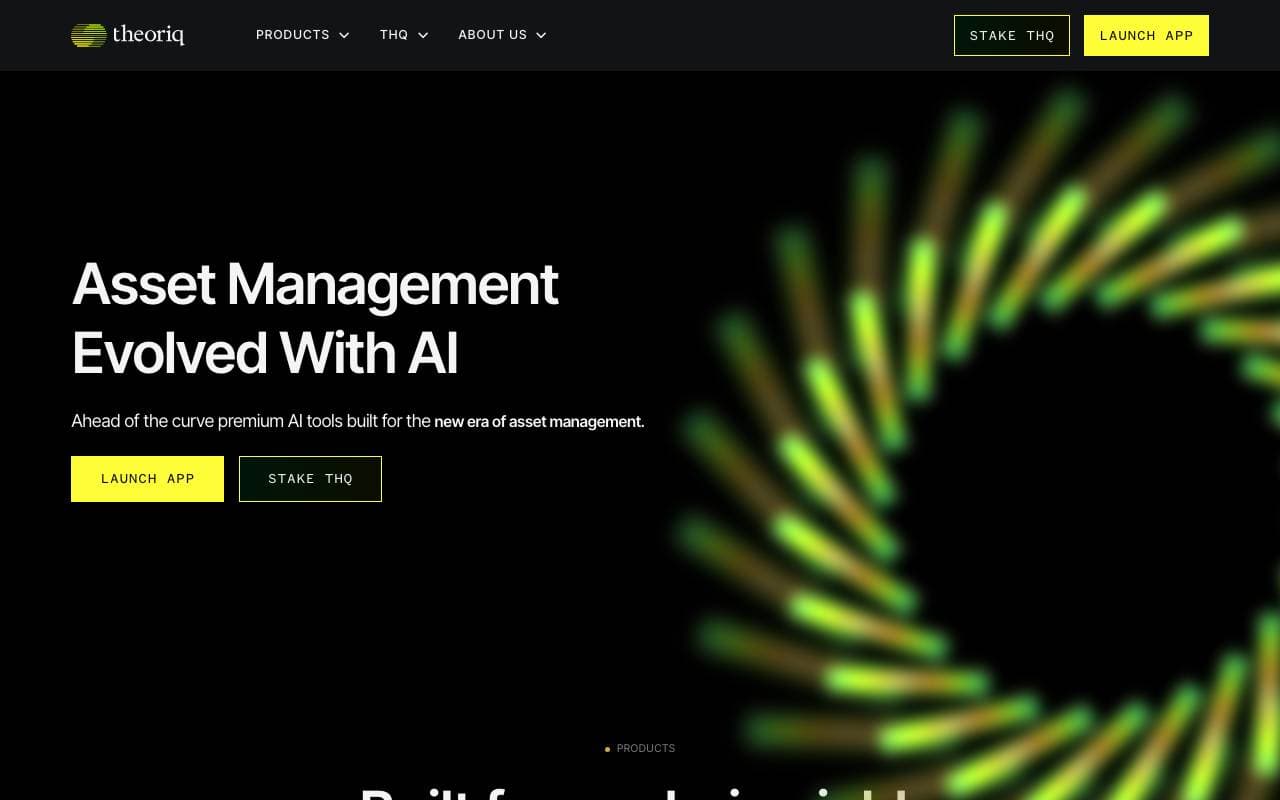

Theoriq AI
Agent Development
Decentralized protocol for building and governing multi-agent AI systems on-chain
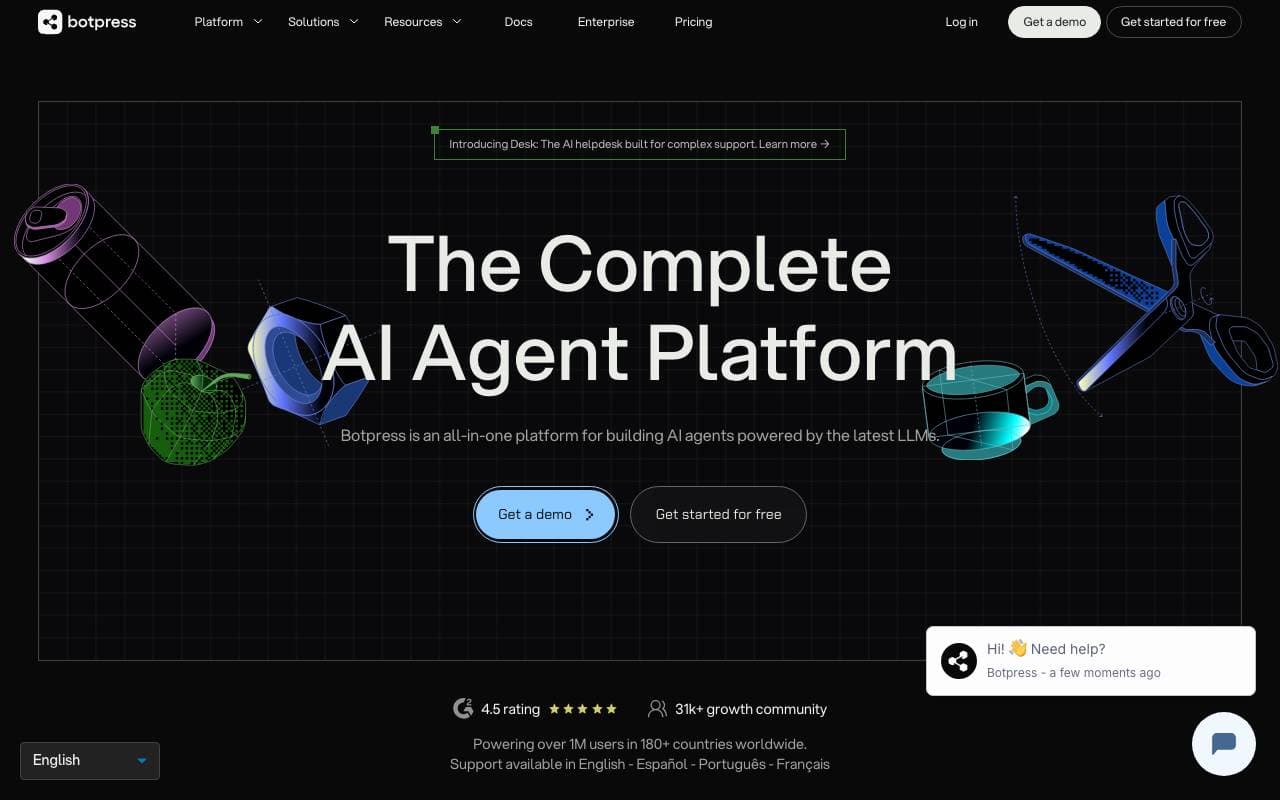

Botpress
Agent Development
End-to-end platform for building, deploying and managing AI agents and chatbots.
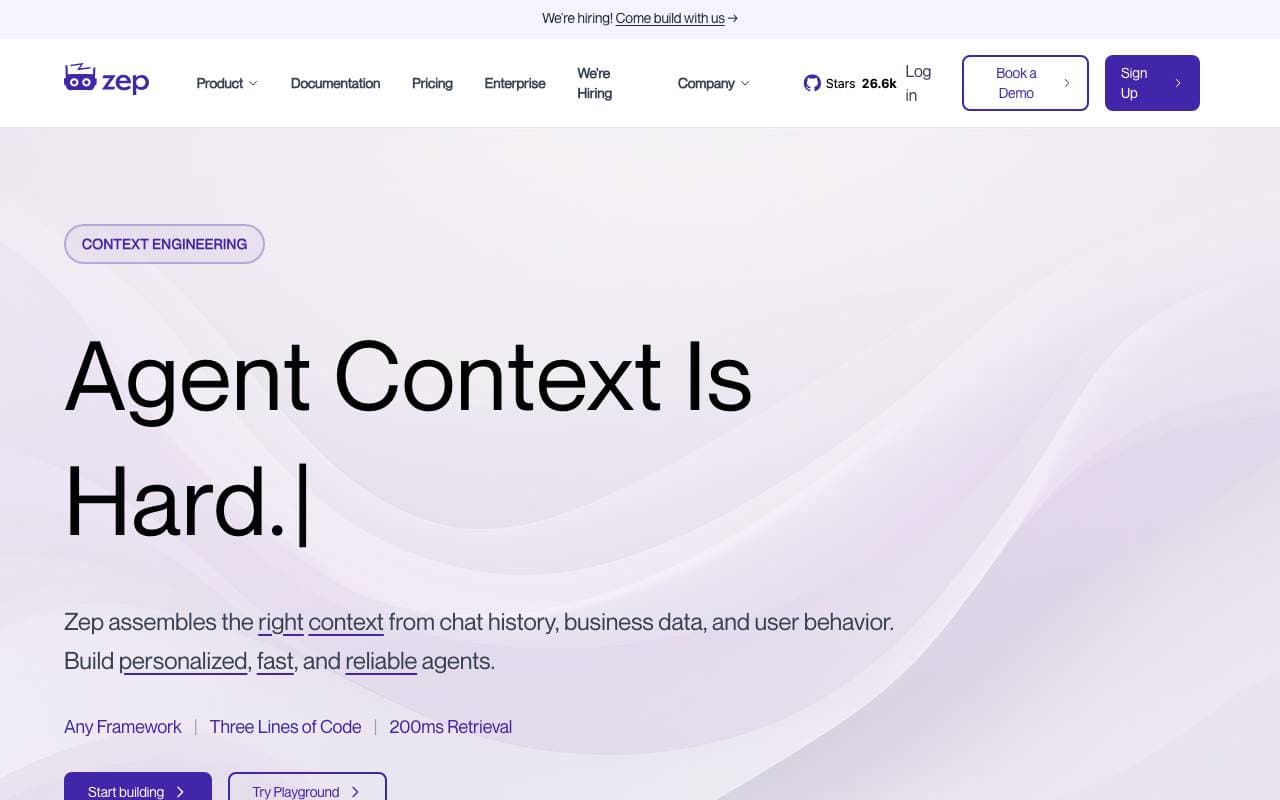

Zep AI Memory
Agent Development
Long-term memory layer for AI agents and LLM apps
Trending now


Claude
AI Agents & Chatbots
Conversational AI assistant from Anthropic for writing, analysis, coding, and document tasks

Doozer Ai
Sales Agent
Digital co-workers that automate operational workflows to boost team efficiency.
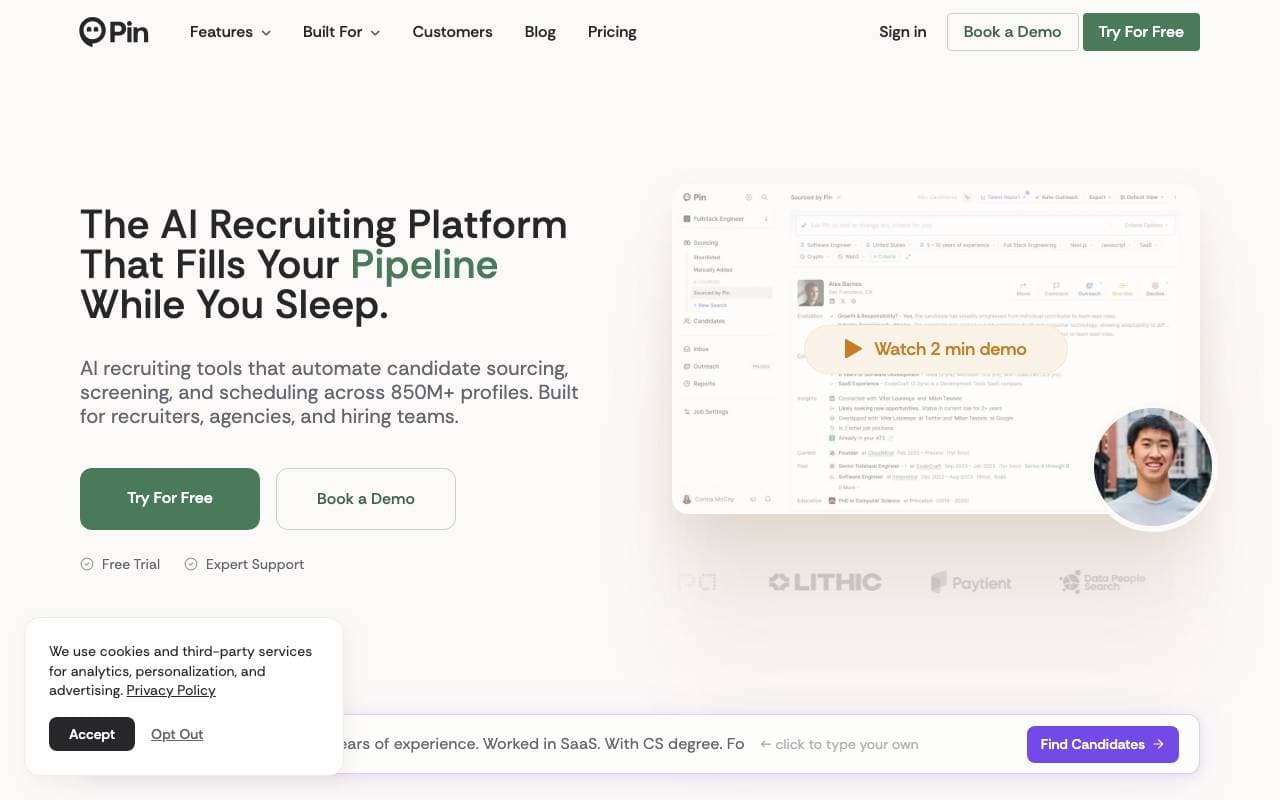

Pin AI
Workflow automation
Agentic AI recruiter that automates sourcing, screening, and outreach to accelerate hiring.
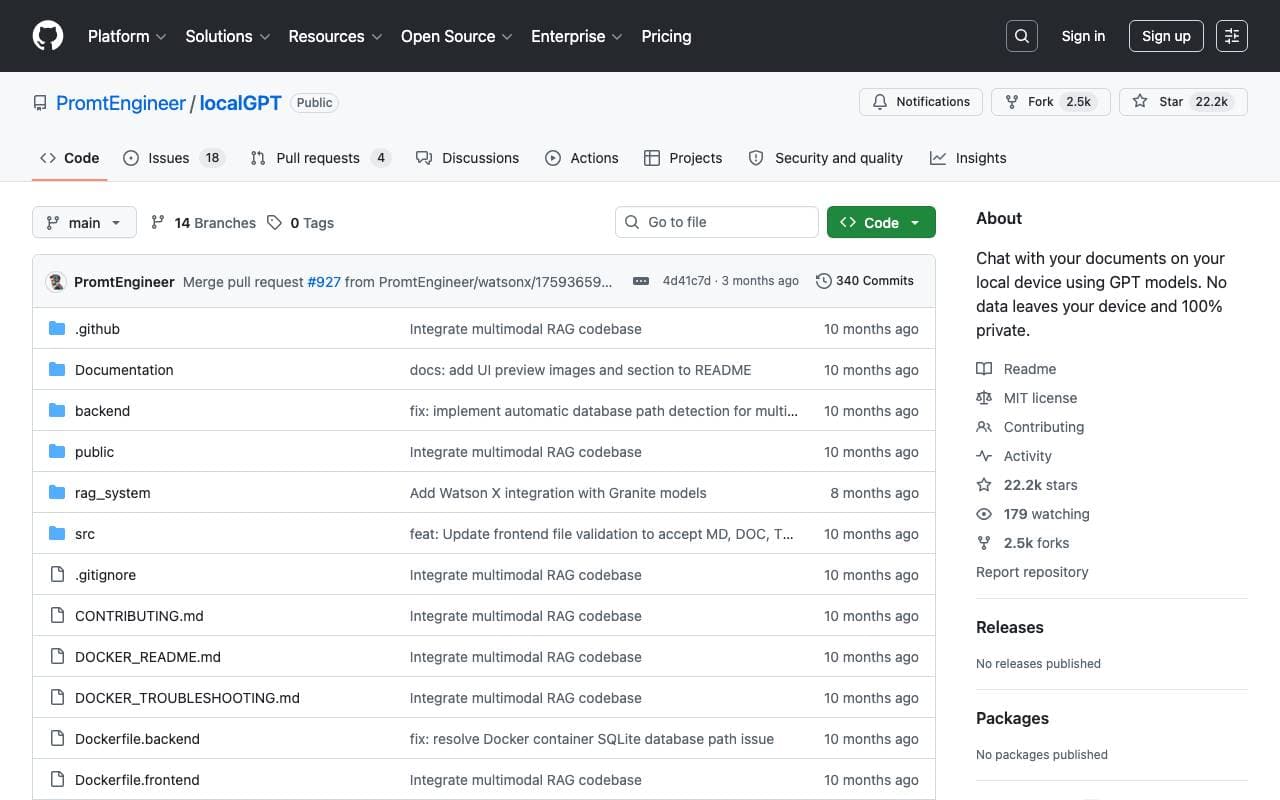

Local GPT
Other
Open-source local AI for private, offline document chat using GPT-style models on your own hardware.