
Gretel AISynthetic data platform for generating privacy-safe, AI-ready datasets that mirror real-world data.

Overview
Key features
- Generative models for synthetic tabular and text data
- Differential privacy and PII redaction controls
- Quality, accuracy, and privacy scoring reports
- Python SDK and REST API integration
- Pre-trained models and customizable templates
- Cloud and self-hosted deployment options
Pricing
- Model
- Freemium
- Category
- Agent Development
- Rating
- 4.8 / 5 (4)
Use cases
Train ML models without exposing sensitive data
Generate privacy-safe synthetic datasets that statistically mirror production data, enabling ML teams to build and train models without violating compliance or privacy constraints.
Augment underrepresented classes in datasets
Use generative models to create additional synthetic samples for rare classes, improving model accuracy and reducing bias in imbalanced training data.
Share realistic data across teams safely
Create artificial but realistic tabular, text, or time-series datasets that can be shared between teams or external partners without leaking PII.
Test software with realistic artificial records
Generate synthetic records via API or SDK to populate staging environments and run QA tests with production-like data while avoiding privacy risks.
Pros & Cons
Pros
- Strong privacy guarantees with differential privacy options
- Developer-friendly APIs and Python SDK
- Supports tabular, text, and time-series data
- Built-in quality and privacy evaluation reports
Cons
- Synthetic data quality depends on source data size and structure
- Advanced features may require a paid plan
- Learning curve for tuning generative models
Reviews
Average from 4 ratings.
Sign in to leave a review.
Does the job
Pretty happy overall. Pre-trained models and customizable templates just works and built-in quality and privacy evaluation reports. Synthetic data quality depends on source data size and structure can be annoying, but no dealbreakers — I'd recommend it to a friend without hesitating.
Compared a few options
Evaluated this against two competitors. Where it wins: pre-trained models and customizable templates and developer-friendly APIs and Python SDK. On balance the feature set — especially pre-trained models and customizable templates — justifies the 5 stars for our use case.
Solid for our team
We rolled this out across the team last quarter and built-in quality and privacy evaluation reports. Differential privacy and PII redaction controls fits neatly into how we already work, and generative models for synthetic tabular and text data removed a step we used to do by hand. but it has held up under daily use.
Skeptical, then convinced
I went in skeptical — most tools in this space overpromise. It actually delivers on cloud and self-hosted deployment options, and strong privacy guarantees with differential privacy options caught me off guard. Learning curve for tuning generative models is why this isn't a perfect score, still, I'd recommend giving it a real trial.
Q&A
No questions yet — be the first to ask.
Ask a question
Agent Development alternatives
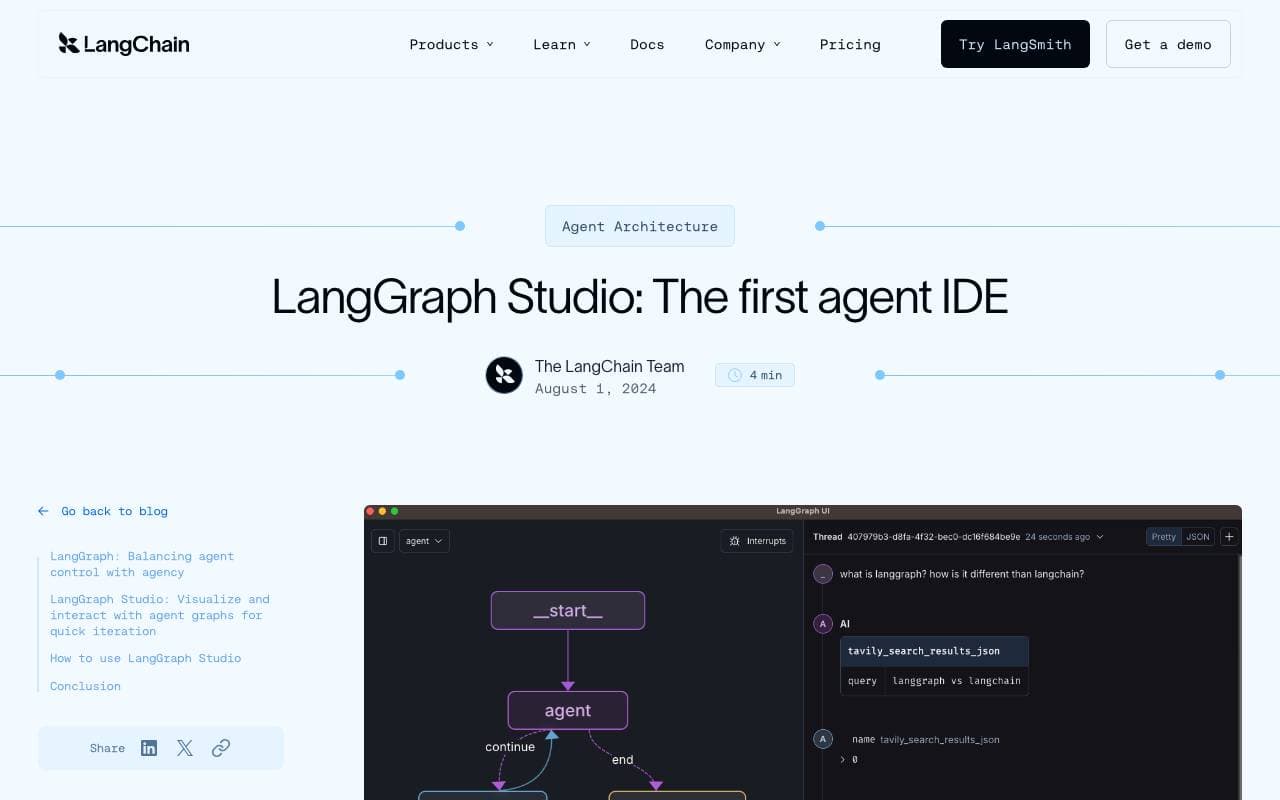

LangGraph Studio
Agent Development
Visual IDE for building, debugging, and inspecting LangGraph agent workflows

BrainSoup
Agent Development
Build custom AI agents that automate tasks and workflows through natural language.
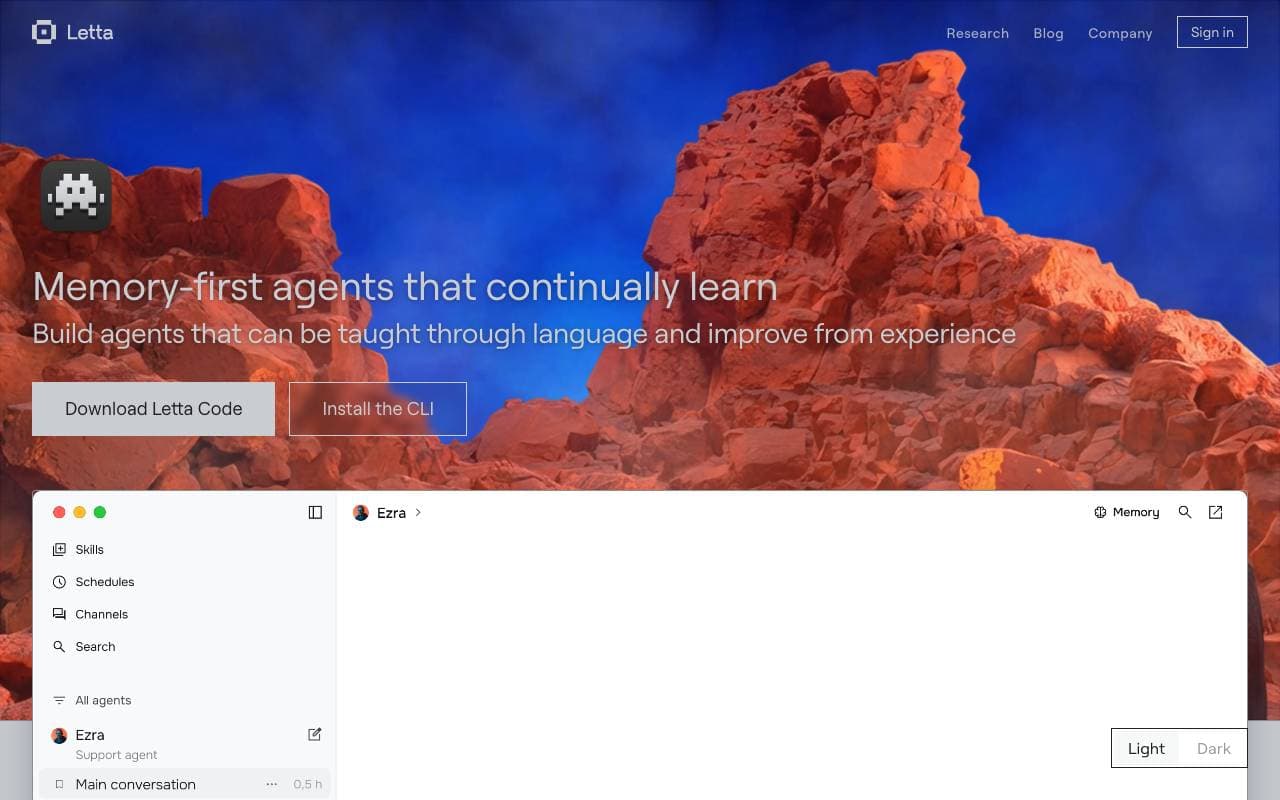

Letta AI
Agent Development
An open-source platform for building stateful AI agents with long-term memory and advanced reasoning.

Snorkel Flow
Agent Development
Programmatic data labeling and AI development platform for building production models faster.

NetX
Agent Development
Modular economic network combining blockchain infrastructure with AI capabilities.
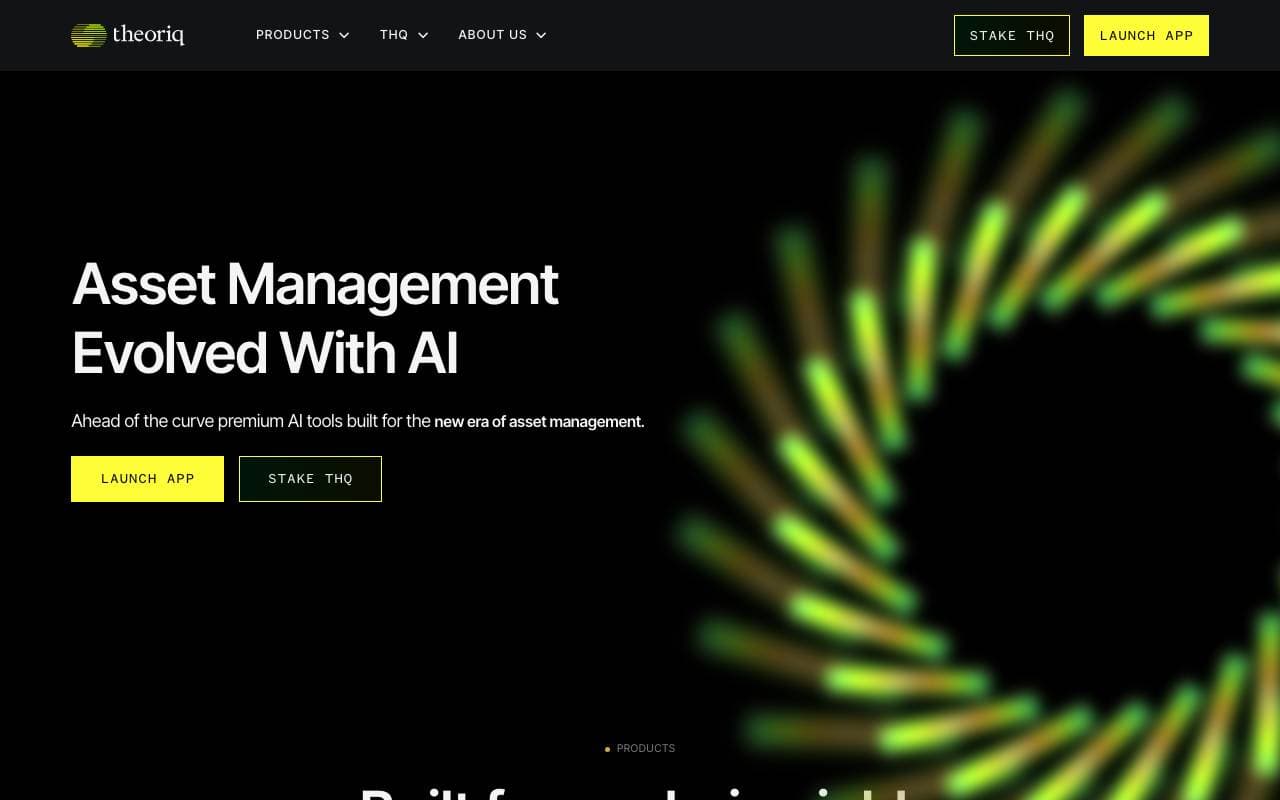

Theoriq AI
Agent Development
Decentralized protocol for building and governing multi-agent AI systems on-chain
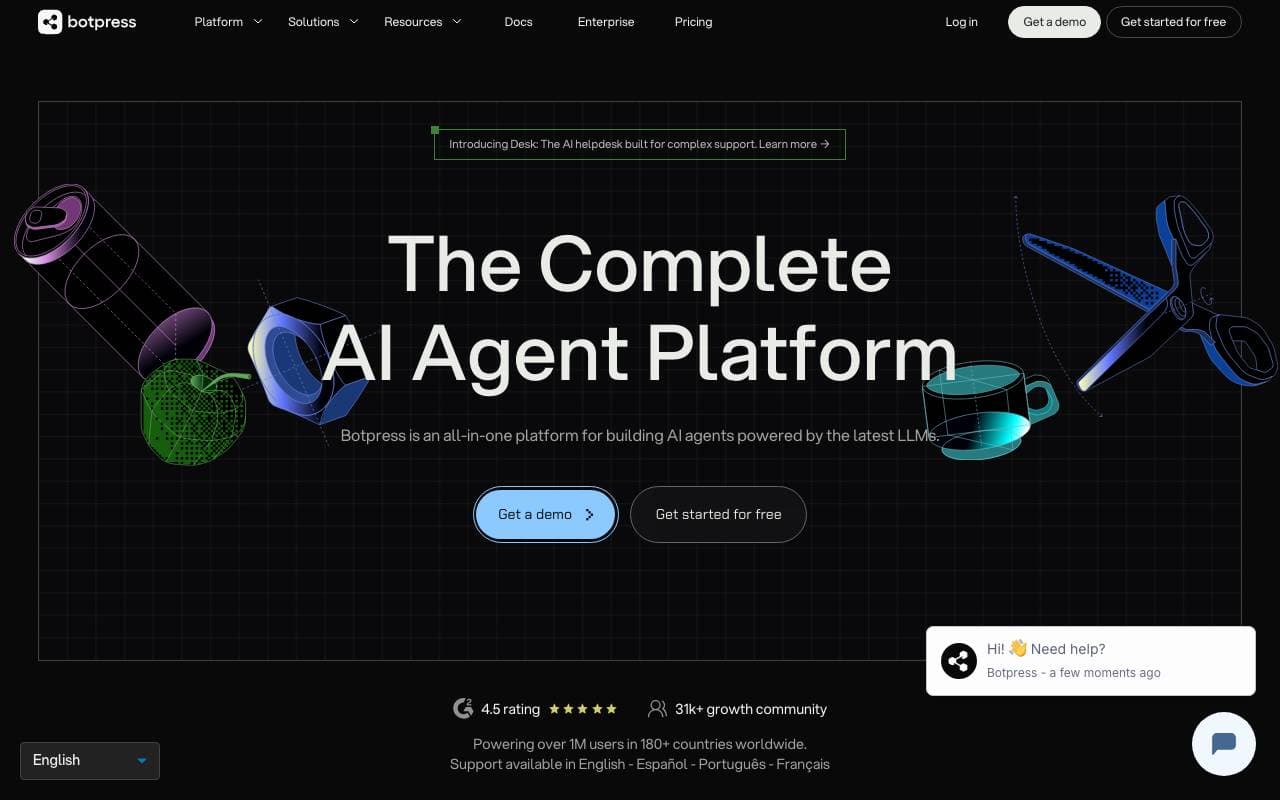

Botpress
Agent Development
End-to-end platform for building, deploying and managing AI agents and chatbots.
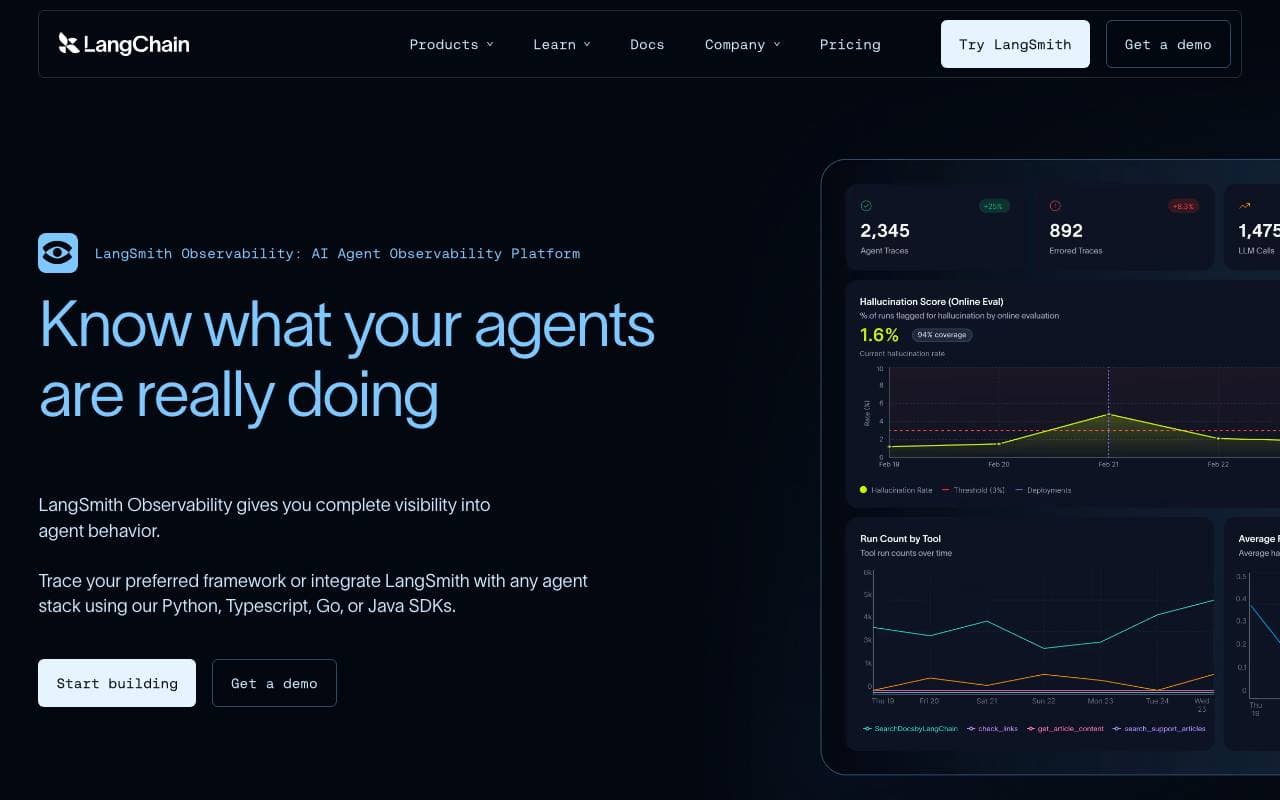

LangSmith
Agent Development
Observability, evaluation, and debugging platform for LLM applications from the LangChain team
Trending now


Claude
AI Agents & Chatbots
Conversational AI assistant from Anthropic for writing, analysis, coding, and document tasks

Doozer Ai
Sales Agent
Digital co-workers that automate operational workflows to boost team efficiency.
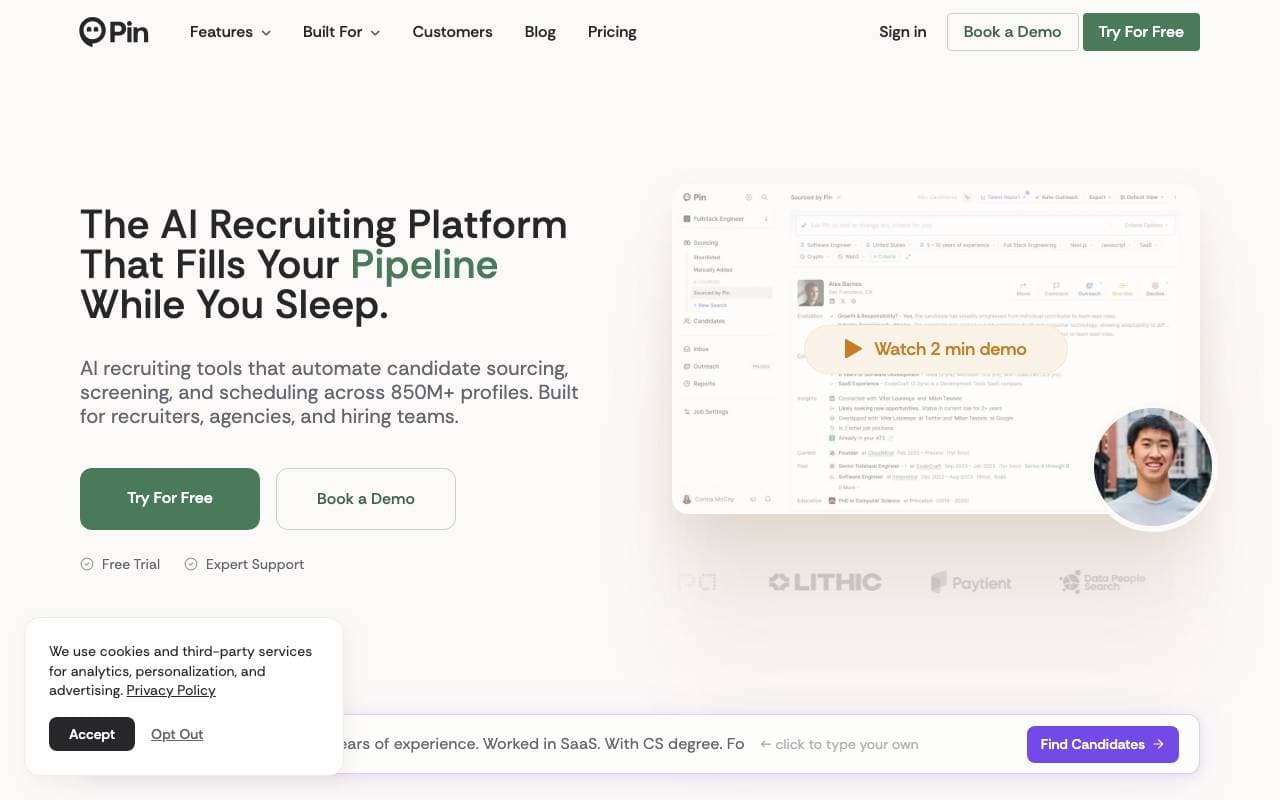

Pin AI
Workflow automation
Agentic AI recruiter that automates sourcing, screening, and outreach to accelerate hiring.
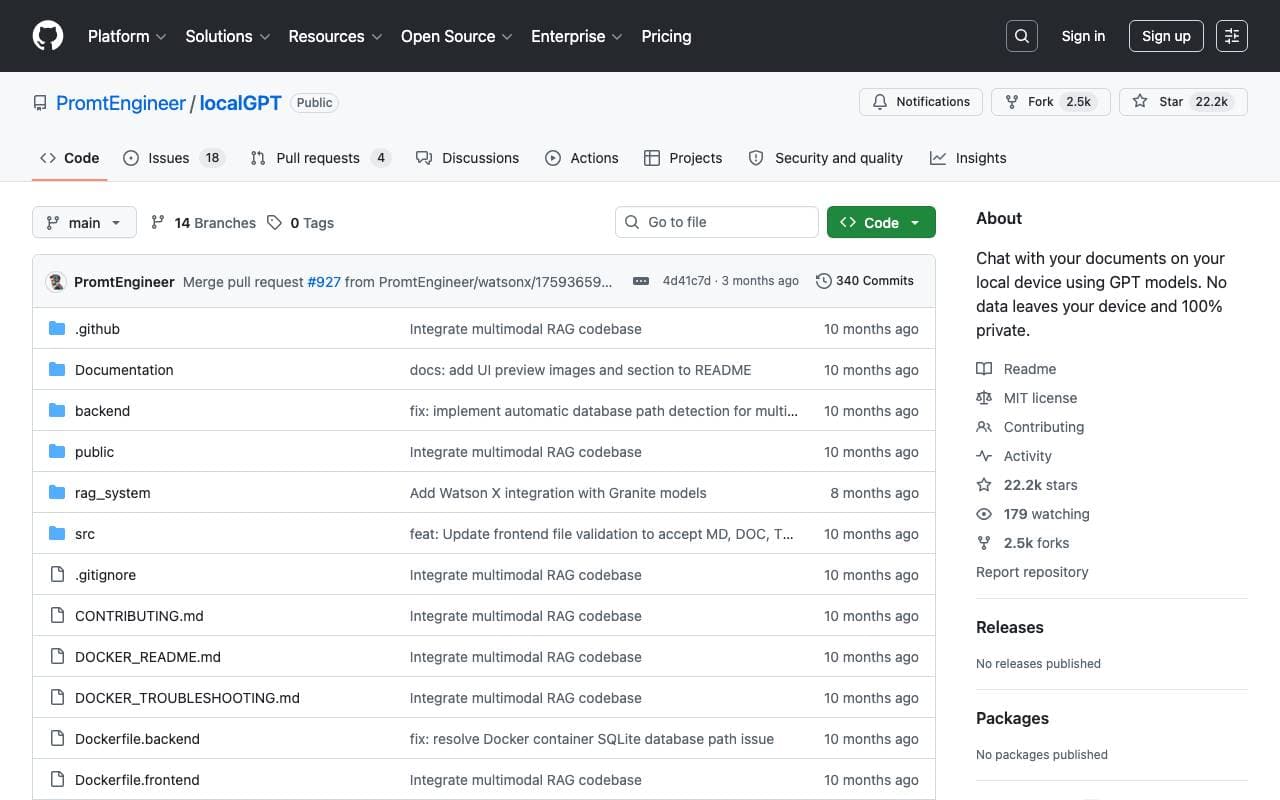

Local GPT
Other
Open-source local AI for private, offline document chat using GPT-style models on your own hardware.