
Google Cloud Vision APIA cloud-based image analysis API for OCR, image labeling, face and landmark detection, and content moderation.

Overview
Key features
- Optical character recognition (OCR)
- Image labeling and object classification
- Face, landmark, and logo detection
- Safe Search explicit content detection
- Dominant color and crop-hints analysis
Pricing
- Model
- Freemium
- Category
- AI Agents
- Rating
- 4.3 / 5 (4)
Use cases
Automated Image Labeling
Analyze and categorize large volumes of images by detecting objects and assigning descriptive labels for content moderation, search, or cataloging.
Document Text Extraction (OCR)
Extract printed or handwritten text from scanned documents and images to digitize records, automate data entry, and enable searchable archives.
Face Detection in Media
Detect faces and facial attributes within photos to power identity verification, photo organization, or audience analytics applications.
Visual Content Moderation
Integrate image analysis via API into apps to automatically flag inappropriate or unwanted visual content at scale.
Pros & Cons
Pros
- Easy integration via standard REST and RPC APIs
- Highly accurate OCR for both printed and handwritten text
- Reliable, pre-built content moderation filters
- Scales seamlessly within the Google Cloud ecosystem
Cons
- Limited options for custom-training on niche, proprietary datasets
- Accumulated costs can be high when applying multiple features per image
- Requires active internet connectivity with no native offline execution
Battle record
Across 1 battle in the Pantheon.
Last battle
Reviews
Average from 4 ratings.
Sign in to leave a review.
Use it every day
Honestly didn't expect to like it this much. The onboarding is exactly what I needed, and it is genuinely easy to set up. I do wish the docs could be deeper, but I reach for it almost every day now and it just clicks.
Does the job
Pretty happy overall. The API just works and the value for money is strong. The mobile experience lags can be annoying, but no dealbreakers — I'd recommend it to a friend without hesitating.
Use it every day
Honestly didn't expect to like it this much. The onboarding is exactly what I needed, and it saves real time. I do wish the docs could be deeper, but I reach for it almost every day now and it just clicks.
Years in this space
I've evaluated a lot of these over the years. What stands out here is the onboarding — handled better than most — and it saves real time. Worth the time if this is your use case.
Q&A
No questions yet — be the first to ask.
Ask a question
AI Agents alternatives
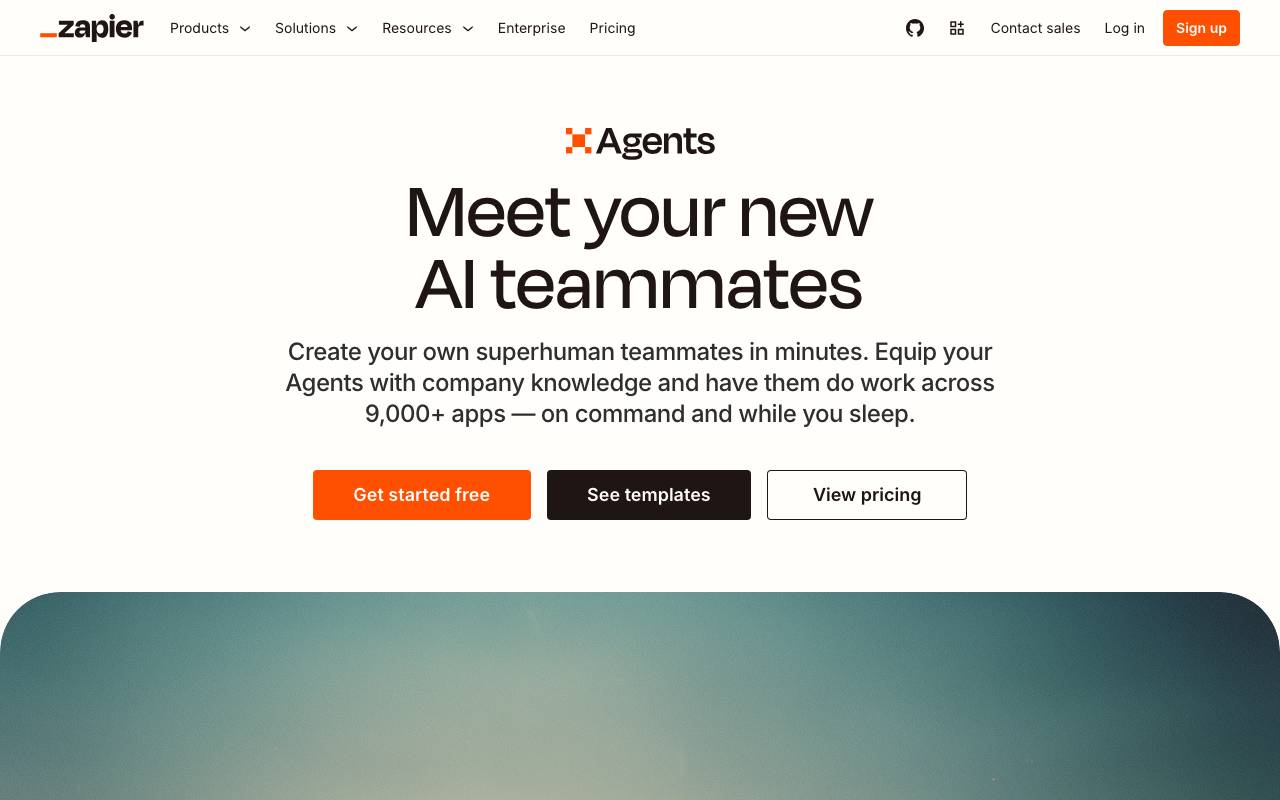

Zapier's Agents
AI Agents
AI-powered agents that automate workflows across 7,000+ connected apps
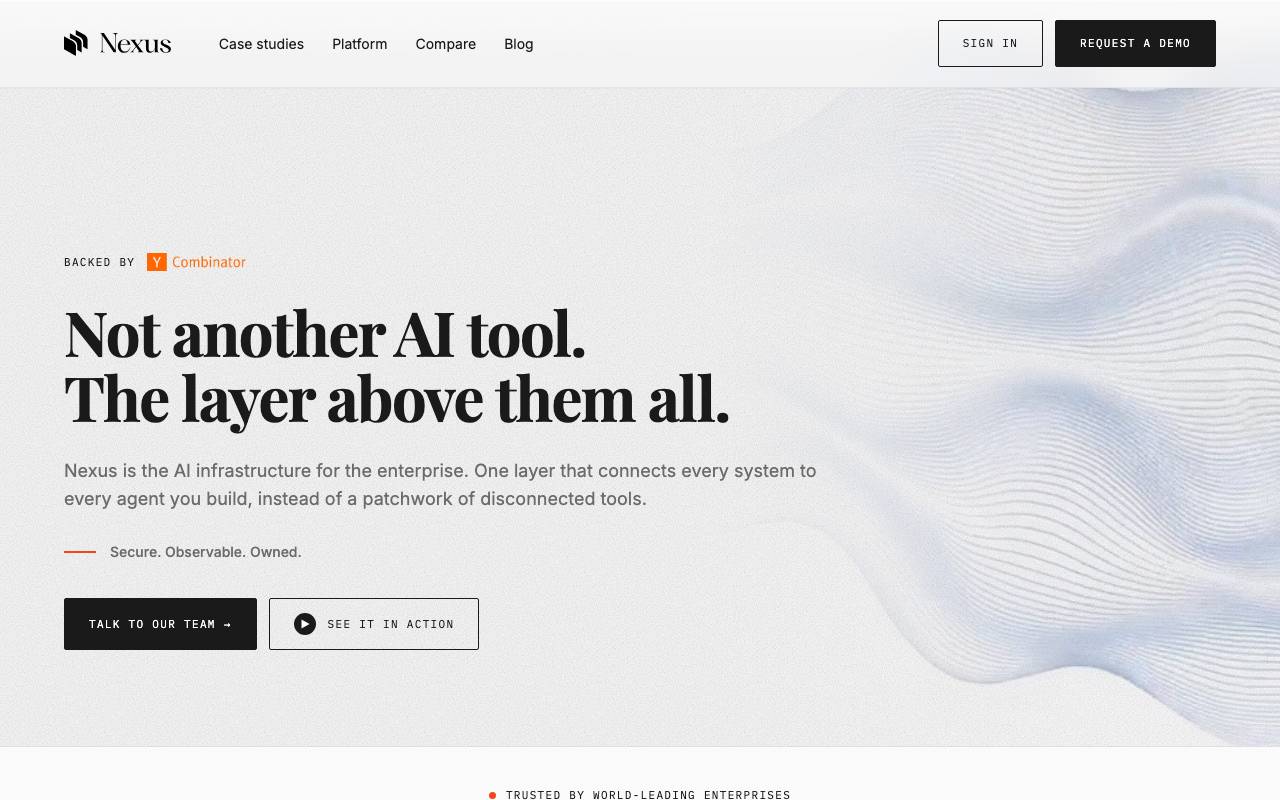

NexusGPT
AI Agents
No-code platform for building and deploying custom AI agents to automate business workflows.
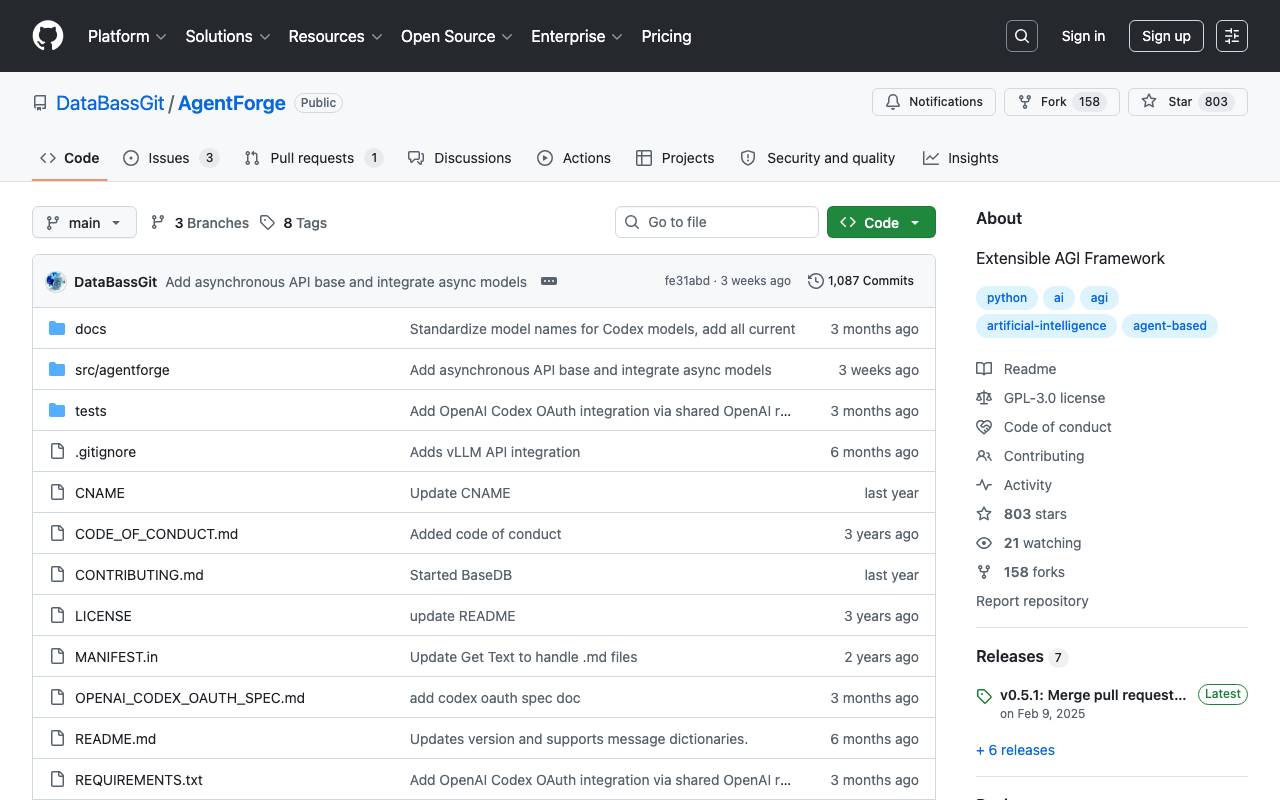

AgentForge
AI Agents
Low-code framework for building autonomous AI agents and cognitive architectures
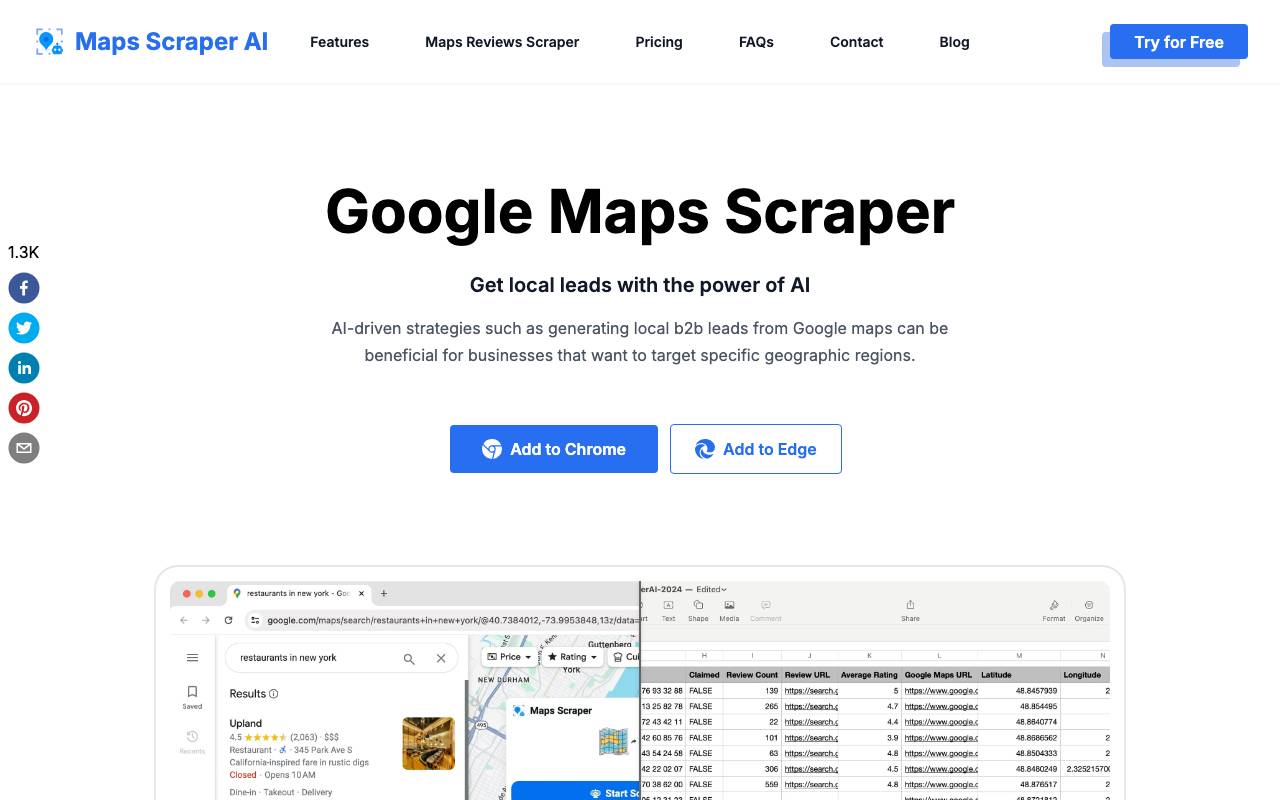

Maps Scraper AI
AI Agents
An AI-driven tool that automates the extraction of business data from Google Maps, enhancing lead generation and market research.
Momentic AI
AI Agents
Write, fix, and run software tests using plain English prompts.

Micro Agent
AI Agents
AI coding agent that iterates on code until your tests pass

Mogoj AI
AI Agents
AI-powered workflow optimization and business process automation


Figure
AI Agents
Humanoid robots built to integrate AI-driven labor into real-world workforces.