
Gemma 3An open-source AI model optimized for single-GPU performance, supporting multimodal inputs and over 140 languages.

Overview
Key features
- multimodal AI support
- responsibility-focused development
- extensive fine-tuning
- support for 140 languages
- improved performance
Pricing
- Model
- Free
- Category
- AI Agent Development Frameworks
- Rating
- 4.8 / 5 (5)
Use cases
Multilingual Content Generation
Generate and translate text across more than 140 languages, enabling global content workflows for writers, marketers, and localization teams.
Multimodal Application Prototyping
Build prototypes that process both text and visual inputs, allowing developers to experiment with multimodal AI features without large infrastructure.
Cost-Efficient Local Deployment
Run advanced AI workloads on a single GPU, making it suitable for researchers and small teams who need performance without multi-GPU clusters.
Custom Open-Source Fine-Tuning
Leverage the open-source model to fine-tune on domain-specific data, giving organizations full control over customization and deployment.
Pros & Cons
Pros
- single-GPU responsiveness
- superior user preferences
- quantized models
- extensive rigorous testing
Cons
- Potential for biased or misaligned AI outputs due to data and development limitations
- Dependence on computational resources, potentially limiting accessibility to under-resourced communities or individuals
- Quantized models may compromise accuracy to achieve performance gains, introducing trade-offs for users
- Over-reliance on a limited set of pre-trained languages and datasets, potentially excluding minority language speakers or under-represented groups from accessing AI-driven services
Reviews
Average from 5 ratings.
Sign in to leave a review.
Skeptical, then convinced
I went in skeptical — most tools in this space overpromise. It actually delivers on the integrations, and it saves real time caught me off guard. still, I'd recommend giving it a real trial.
Years in this space
I've evaluated a lot of these over the years. What stands out here is the automation — handled better than most — and the value for money is strong. Worth the time if this is your use case.
Compared a few options
Evaluated this against two competitors. Where it wins: the automation and the value for money is strong. Where it lags: the mobile experience lags. On balance the feature set — especially the dashboard — justifies the 5 stars for our use case.
Does the job
Pretty happy overall. The dashboard just works and it is genuinely easy to set up. The docs could be deeper can be annoying, but no dealbreakers — I'd recommend it to a friend without hesitating.
Compared a few options
Evaluated this against two competitors. Where it wins: the API and the value for money is strong. On balance the feature set — especially the automation — justifies the 5 stars for our use case.
Q&A
No questions yet — be the first to ask.
Ask a question
AI Agent Development Frameworks alternatives

Wildcard AI / agents.json
AI Agent Development Frameworks
Open spec and platform that lets AI agents discover and call API workflows through an agents.json file.
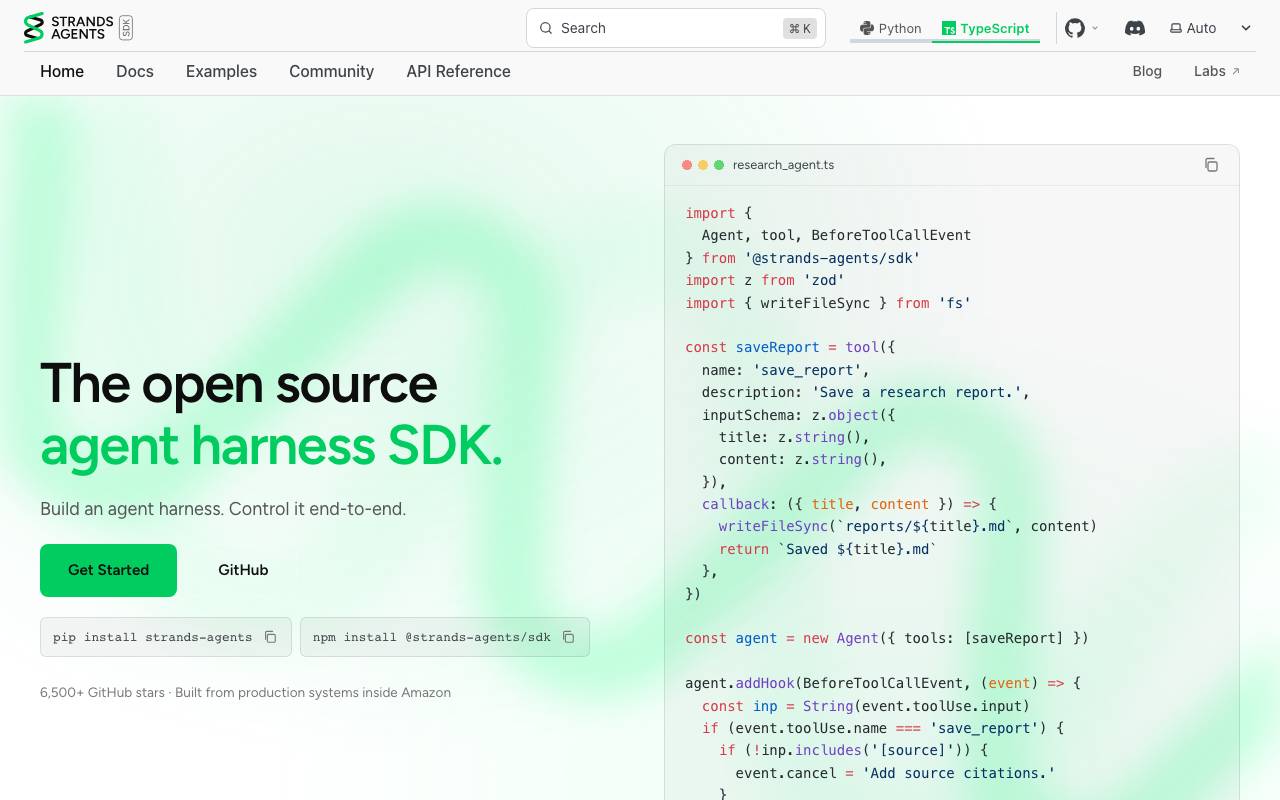

Strands Agents
AI Agent Development Frameworks
Open‑source SDK for building and orchestrating single or multi‑agent systems with LLMs and tool integration.
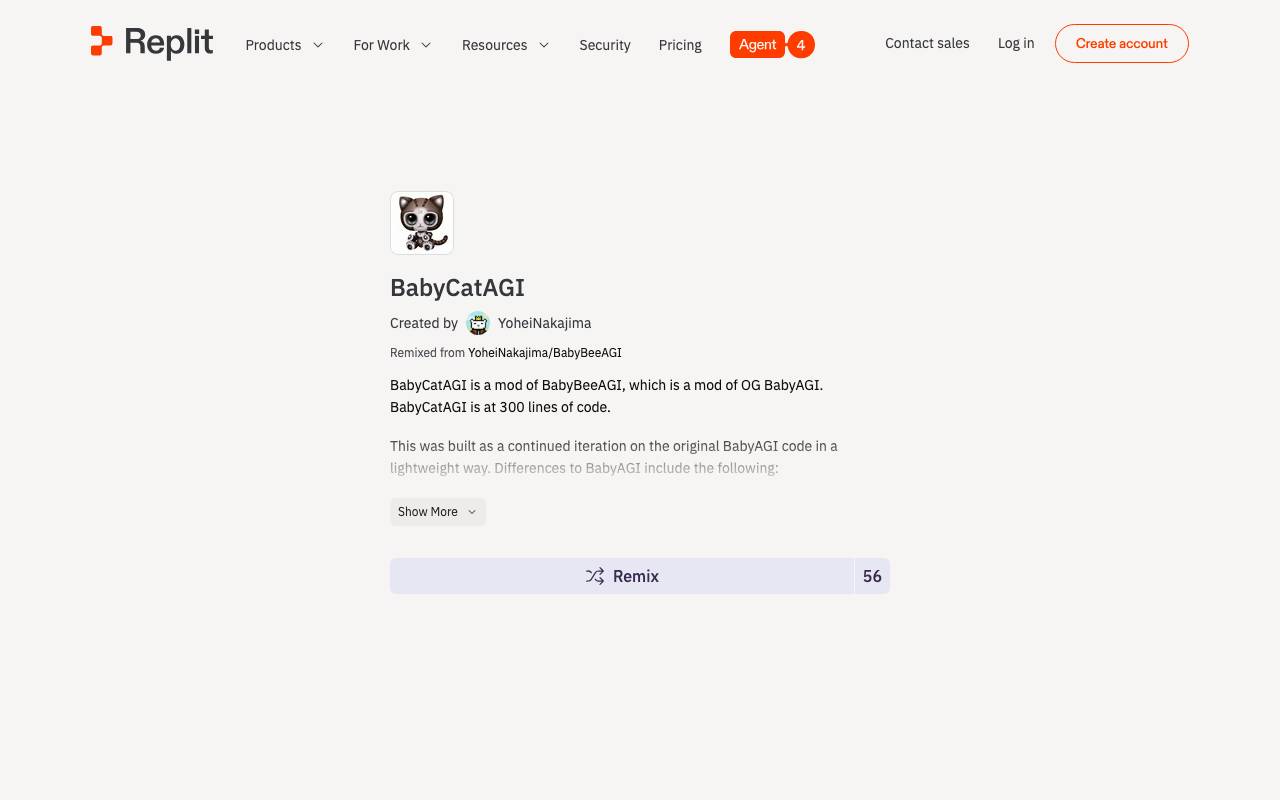

BabyCatAGI
AI Agent Development Frameworks
Lightweight autonomous AI agent framework for streamlined task automation
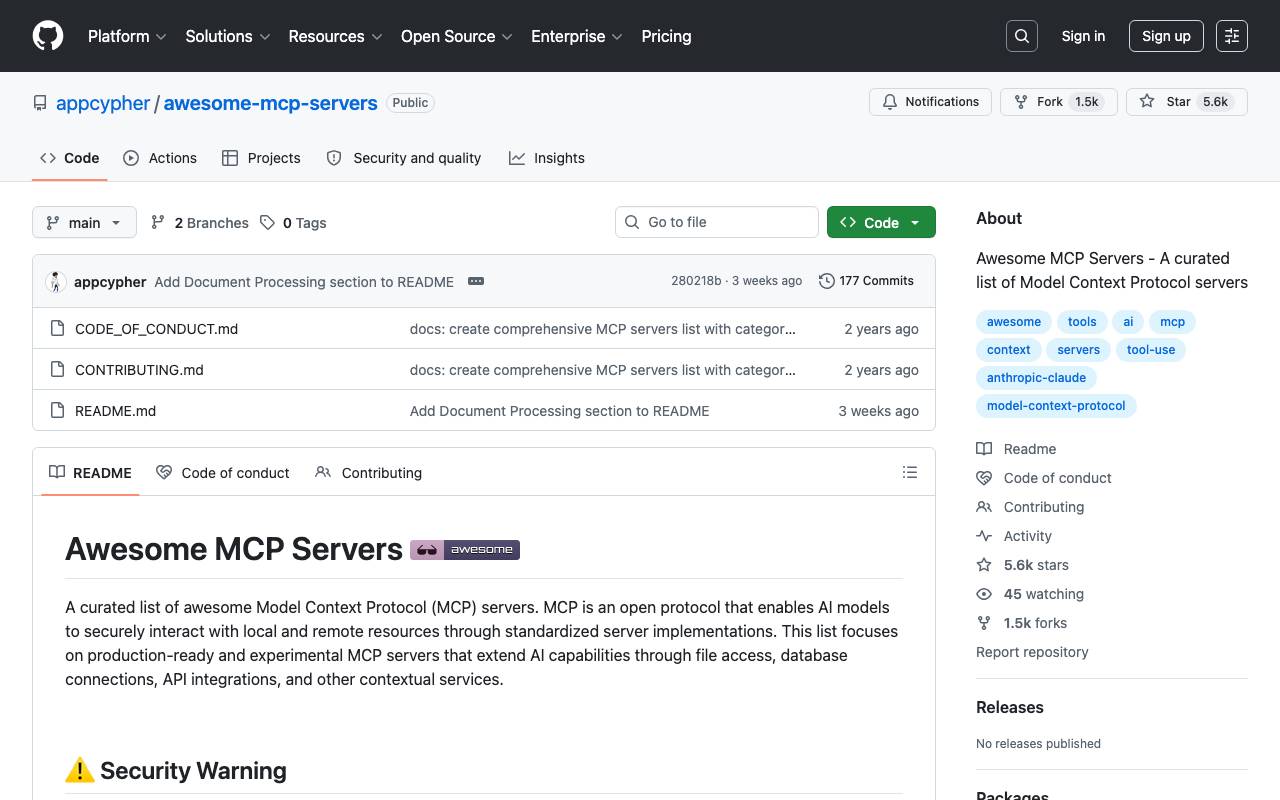

Awesome MCP Servers
AI Agent Development Frameworks
A curated directory of Model Context Protocol servers for extending AI assistants with tools and data.
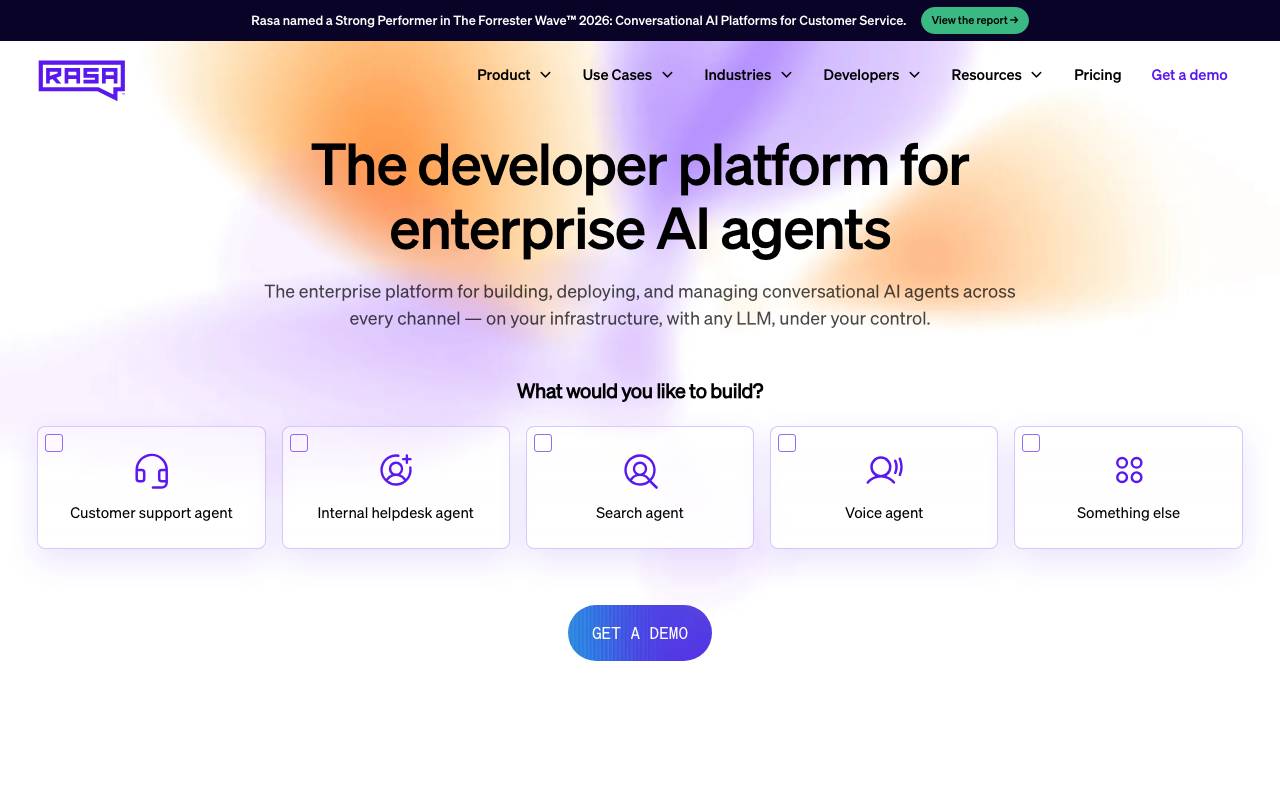

Rasa
AI Agent Development Frameworks
Open-source framework for building production-grade chat and voice assistants

BabyElfAGI
AI Agent Development Frameworks
Experimental AI agent framework with a modular Skills class for dynamic task planning and execution.
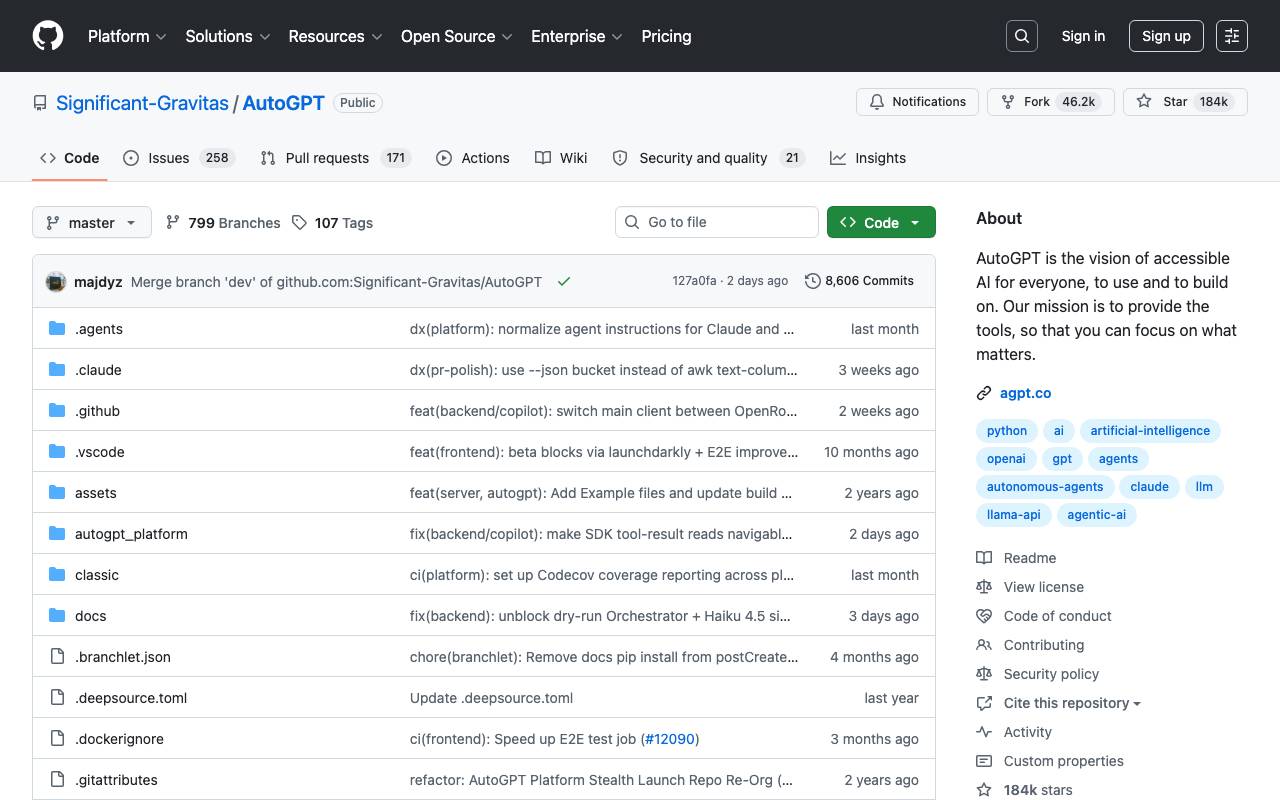

Auto-GPT
AI Agent Development Frameworks
An open-source AI agent capable of autonomously completing complex tasks using GPT models.
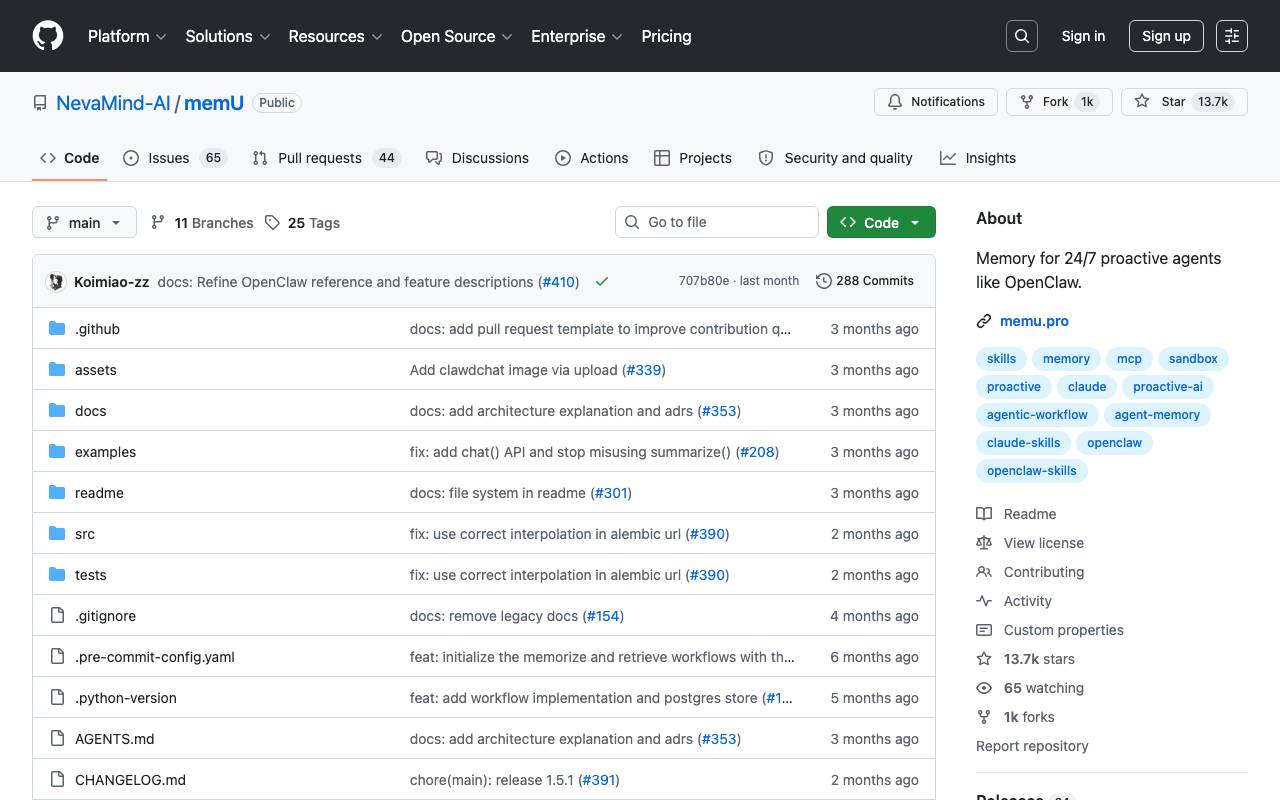

memU
AI Agent Development Frameworks
Open-source agentic memory framework for 24/7 proactive AI agents with file-system memory, intention prediction, and lower token costs.