
ChromaAn open‑source vector database and embeddings engine for building retrieval‑augmented AI applications.

Overview
Key features
- Sparse vector search
- Lexical search (BM25, SPLADE)
- Vector search
- Semantic similarity search
- Full-text search
- Trigram and regex search
Pricing
- Model
- Free
- Category
- AI Agent Development Frameworks
- Rating
- 4.8 / 5 (4)
Use cases
Retrieval-Augmented Generation
Store and query embeddings to provide LLMs with relevant context, enabling RAG pipelines that ground responses in your own data.
Semantic Search
Index documents as embeddings and perform similarity search to find conceptually related content beyond keyword matching.
AI Application Memory
Give chatbots and agents long-term memory by storing past interactions as embeddings for later retrieval.
Document Q&A Systems
Build question-answering tools over knowledge bases by embedding documents and retrieving relevant passages for LLM responses.
Pros & Cons
Pros
- Low latency search
- Fast queries over billions of multi-tenant indexes
- Up to 10x cheaper compared to legacy search systems
- Auto-scales with usage
- Serverless pricing
Cons
- Requires expertise in setting up and managing Chroma
- May require manual tuning for optimal performance
- Does not provide out-of-the-box solutions for specific use cases
Reviews
Average from 4 ratings.
Sign in to leave a review.
Does the job
Pretty happy overall. The onboarding just works and the value for money is strong. The mobile experience lags can be annoying, but no dealbreakers — I'd recommend it to a friend without hesitating.
Skeptical, then convinced
I went in skeptical — most tools in this space overpromise. It actually delivers on the automation, and the value for money is strong caught me off guard. Pricing gets steep at scale is why this isn't a perfect score, still, I'd recommend giving it a real trial.
Solid for our team
We rolled this out across the team last quarter and it is genuinely easy to set up. The integrations fits neatly into how we already work, and the core workflow removed a step we used to do by hand. but it has held up under daily use.
Years in this space
I've evaluated a lot of these over the years. What stands out here is the core workflow — handled better than most — and it is genuinely easy to set up. Worth the time if this is your use case.
Q&A
What are common use cases for Chroma?
Chroma is commonly used for retrieval-augmented generation (RAG), semantic search, recommendation systems, and any AI application that relies on storing and querying vector embeddings to provide contextually relevant results.
What is Chroma and what is it used for?
Chroma is an open-source vector database and embeddings engine designed for building retrieval-augmented AI applications. It stores and retrieves vector embeddings, making it useful for RAG pipelines, semantic search, and other AI workflows that need similarity-based lookups.
Is Chroma free to use?
Yes, Chroma is open-source, so you can use it without licensing fees. You'll be responsible for your own hosting, infrastructure, and operational costs when self-deploying.
Ask a question
AI Agent Development Frameworks alternatives

Wildcard AI / agents.json
AI Agent Development Frameworks
Open spec and platform that lets AI agents discover and call API workflows through an agents.json file.
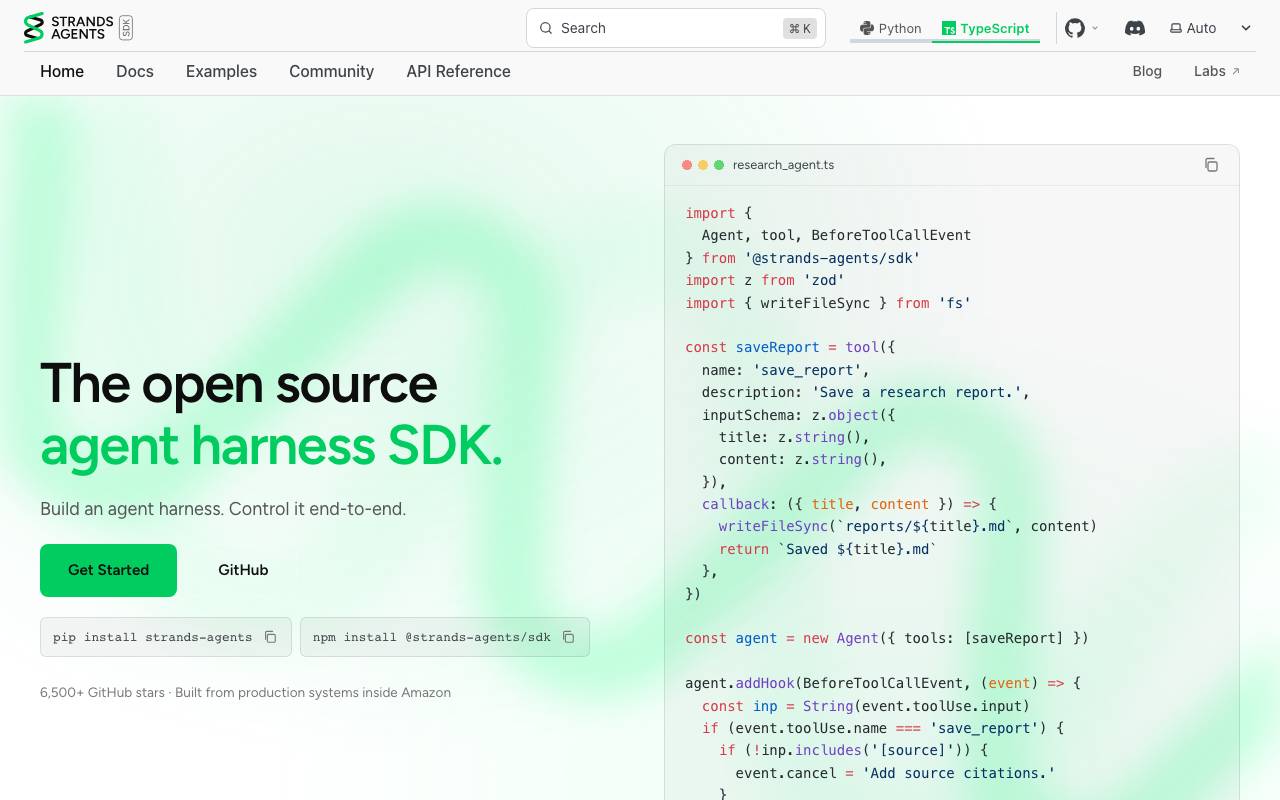

Strands Agents
AI Agent Development Frameworks
Open‑source SDK for building and orchestrating single or multi‑agent systems with LLMs and tool integration.
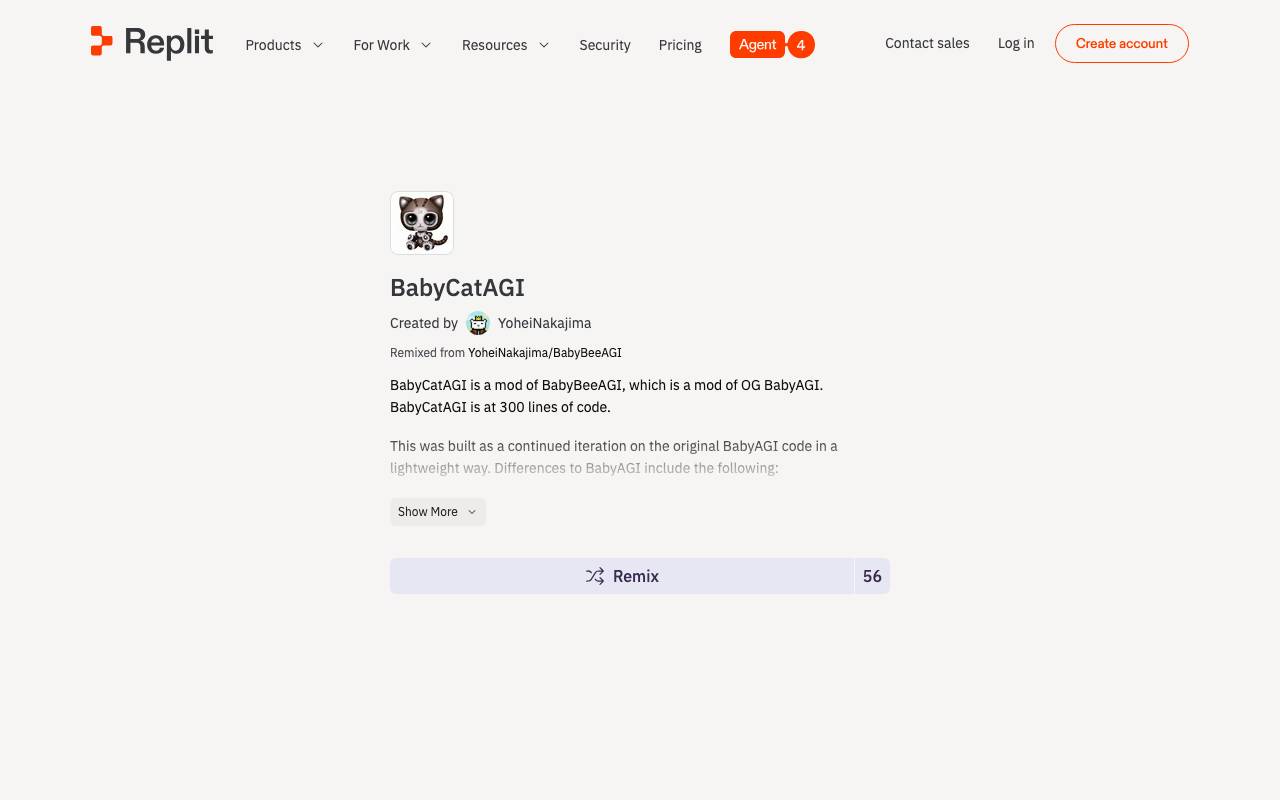

BabyCatAGI
AI Agent Development Frameworks
Lightweight autonomous AI agent framework for streamlined task automation
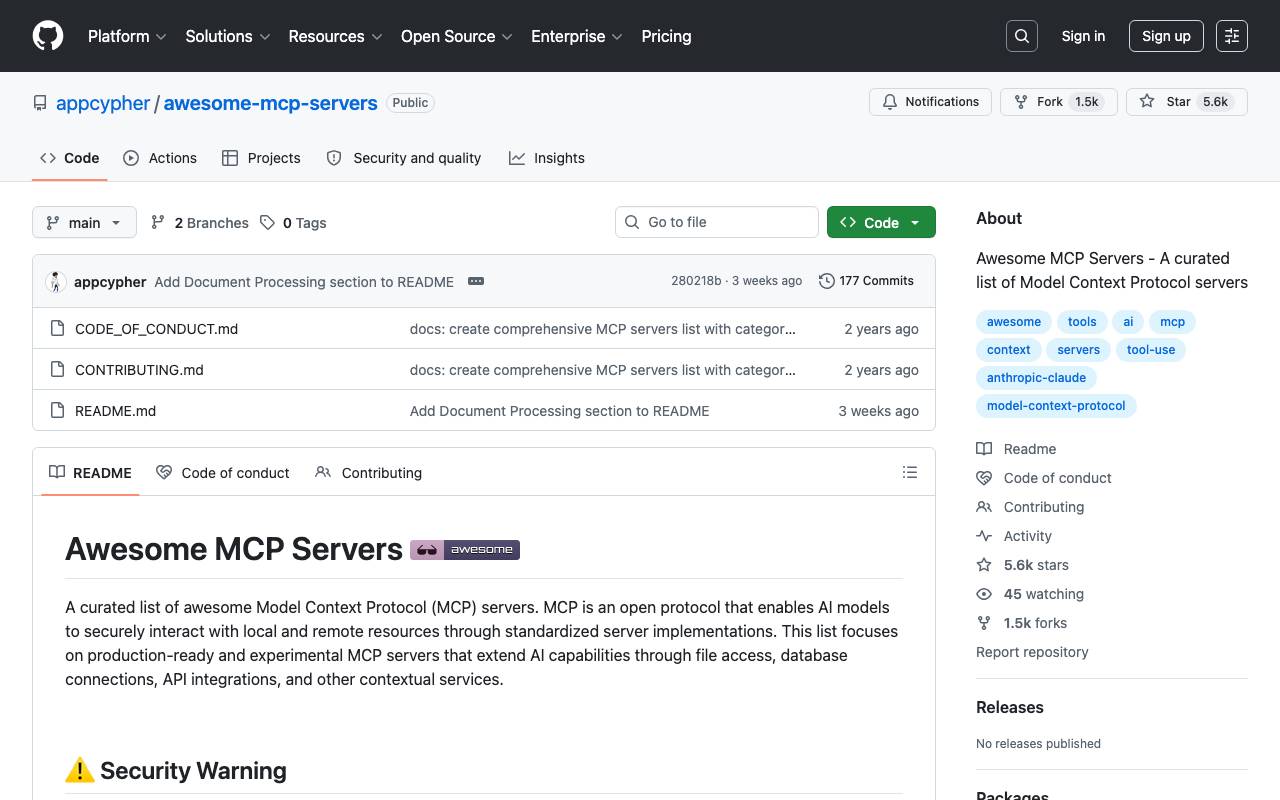

Awesome MCP Servers
AI Agent Development Frameworks
A curated directory of Model Context Protocol servers for extending AI assistants with tools and data.
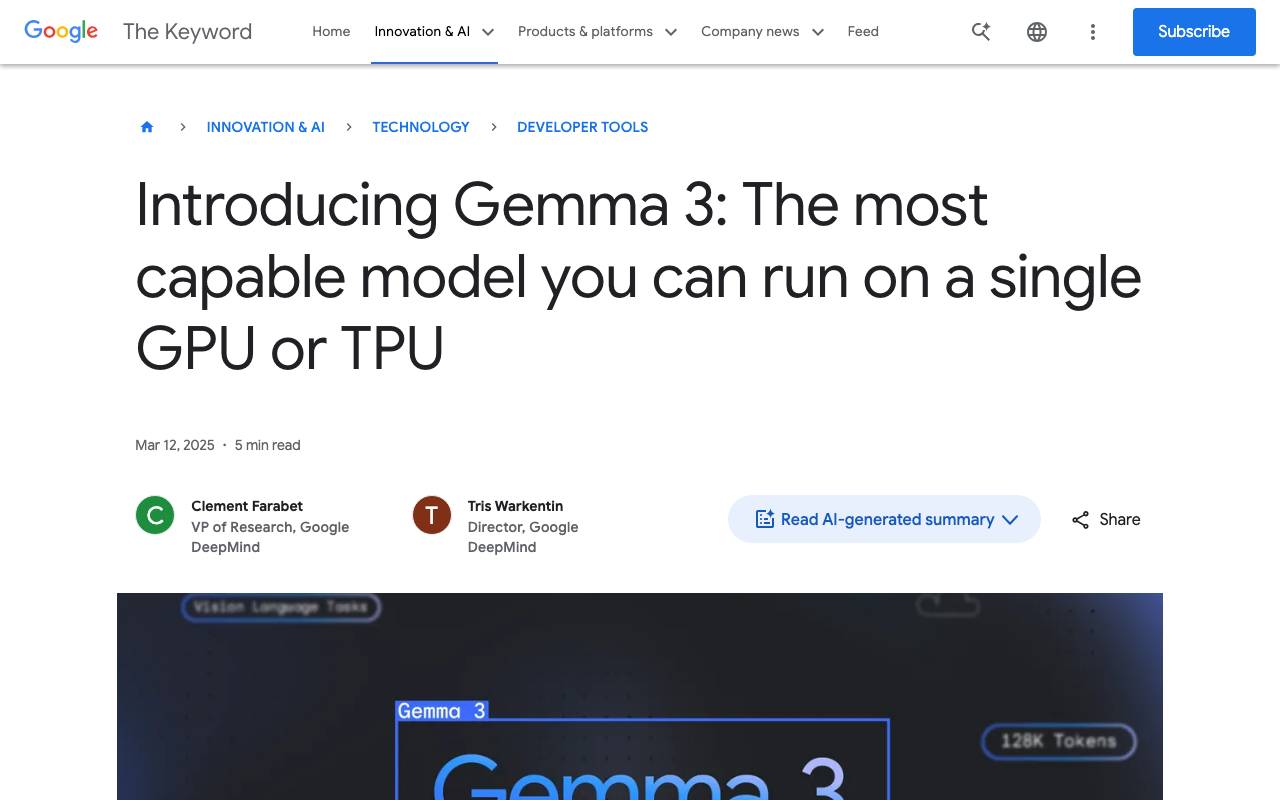

Gemma 3
AI Agent Development Frameworks
An open-source AI model optimized for single-GPU performance, supporting multimodal inputs and over 140 languages.
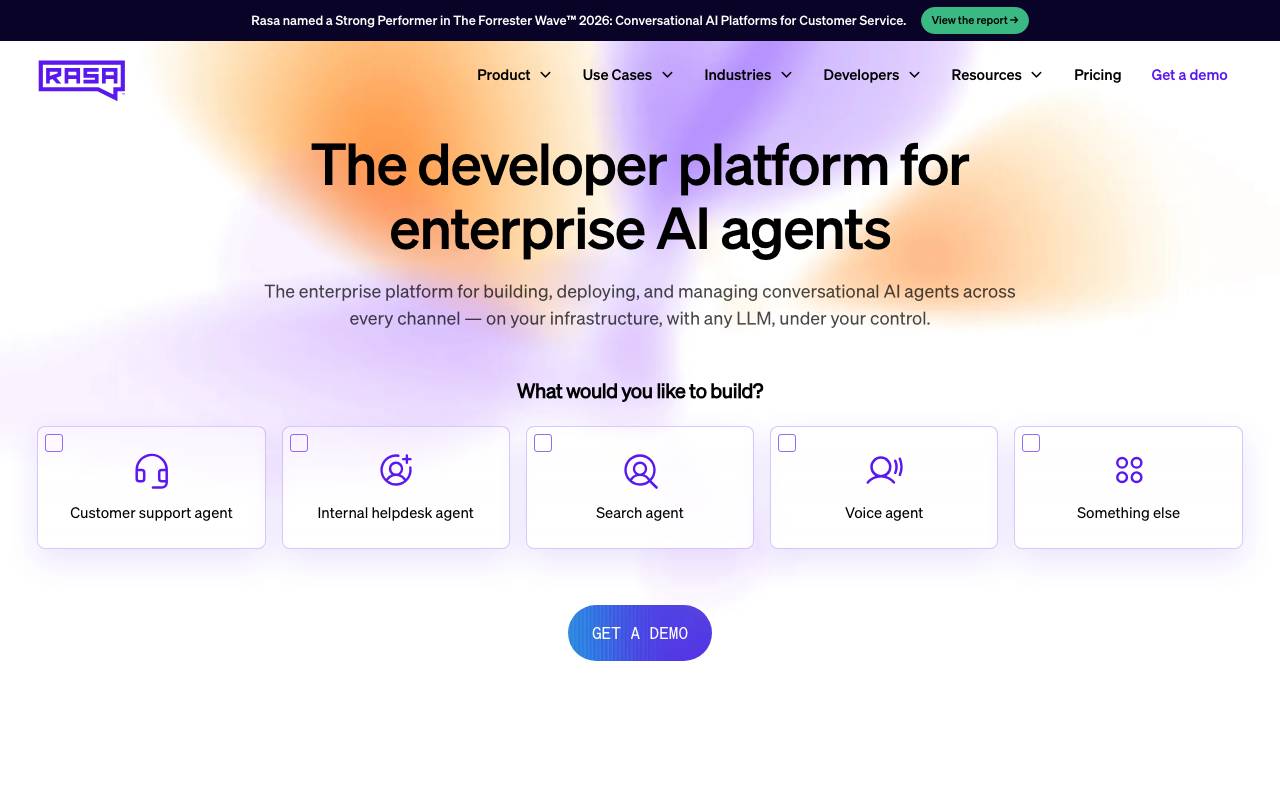

Rasa
AI Agent Development Frameworks
Open-source framework for building production-grade chat and voice assistants

BabyElfAGI
AI Agent Development Frameworks
Experimental AI agent framework with a modular Skills class for dynamic task planning and execution.
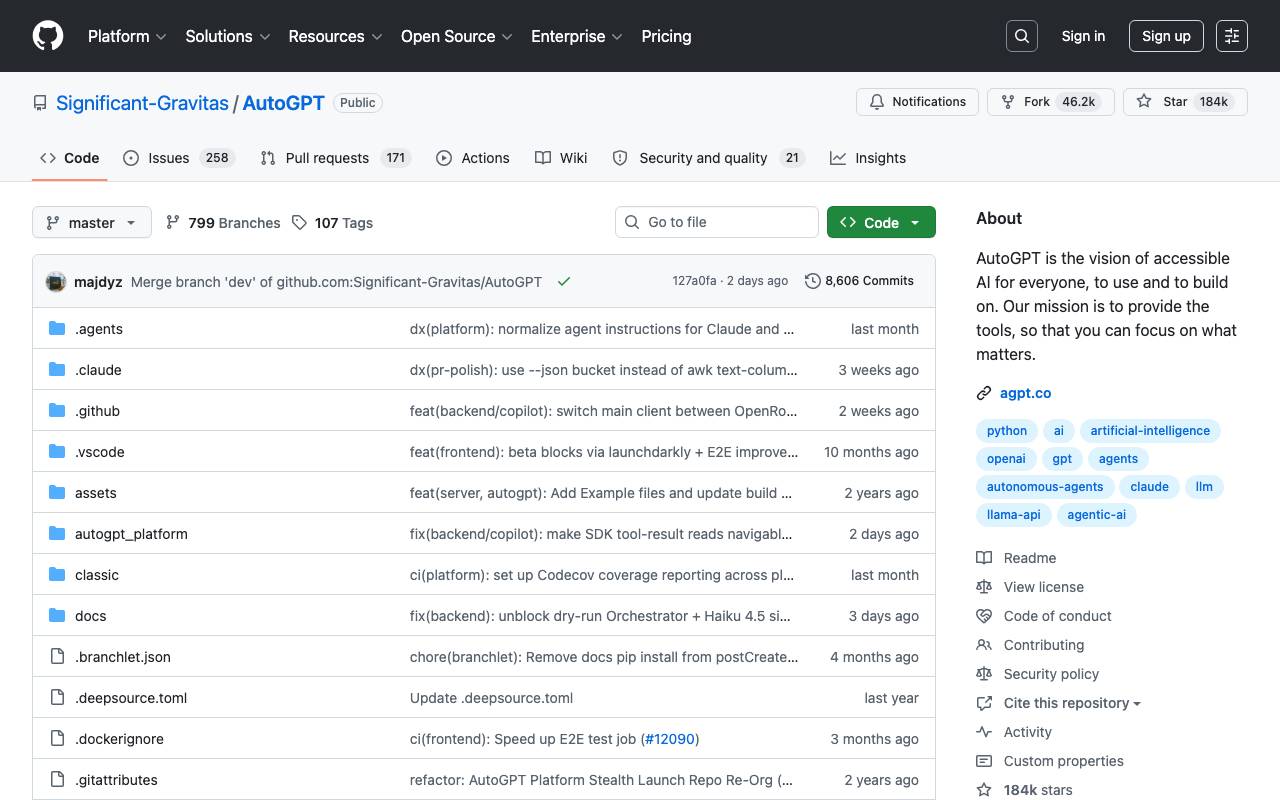

Auto-GPT
AI Agent Development Frameworks
An open-source AI agent capable of autonomously completing complex tasks using GPT models.