ChemcrowGPT-4 powered autonomous agent for chemistry research and synthesis planning.

Overview
Key features
- Autonomous multi-step reasoning agent
- Integration with RDKit and PubChem
- Reaction prediction and retrosynthesis tools
- Molecule property and similarity analysis
- Safety and controlled-substance screening
- Python-based and customizable toolset
Pricing
- Model
- Freemium
- Category
- Research Assistants
- Rating
- 5.0 / 5 (4)
Use cases
Plan multi-step organic syntheses
Researchers can describe a target molecule and let ChemCrow propose retrosynthetic routes, calling reaction prediction tools to validate each step.
Analyze molecule properties and similarity
Use integrated RDKit and PubChem tools to compute properties, compare structures, and explore candidates during drug discovery or materials design.
Screen compounds for safety risks
Automatically check whether requested molecules are hazardous or controlled substances before proceeding with synthesis planning.
Prototype custom chemistry agents
Developers can extend the open-source Python toolset to build tailored autonomous workflows for specialized research tasks.
Pros & Cons
Pros
- Combines GPT-4 reasoning with domain-specific chemistry tools
- Open-source and extensible for custom workflows
- Useful for synthesis planning and molecule analysis
- Includes safety checks for hazardous compounds
Cons
- Requires API access and technical setup
- Output accuracy still depends on underlying tools and LLM
- Not a replacement for expert chemist review
- Limited polished UI for non-developers
Reviews
Average from 4 ratings.
Sign in to leave a review.
Skeptical, then convinced
I went in skeptical — most tools in this space overpromise. It actually delivers on safety and controlled-substance screening, and includes safety checks for hazardous compounds caught me off guard. still, I'd recommend giving it a real trial.
Does the job
Pretty happy overall. Safety and controlled-substance screening just works and includes safety checks for hazardous compounds. but no dealbreakers — I'd recommend it to a friend without hesitating.
Does the job
Pretty happy overall. Python-based and customizable toolset just works and open-source and extensible for custom workflows. but no dealbreakers — I'd recommend it to a friend without hesitating.
Years in this space
I've evaluated a lot of these over the years. What stands out here is molecule property and similarity analysis — handled better than most — and open-source and extensible for custom workflows. Worth the time if this is your use case.
Q&A
No questions yet — be the first to ask.
Ask a question
Research Assistants alternatives

LevelFields AI
Research Assistants
AI-driven platform that surfaces event-based stock trade ideas and automates investment research.

Foundry.ai
Research Assistants
A technology studio creating AI software products and companies in partnership with Global 2000 firms.

WhispriNote
Research Assistants
Turn voice, audio, and YouTube links into structured study notes with flowcharts.


Atria by Senso Labs
Research Assistants
AI assistant for architects that streamlines code compliance, sustainability analysis, and project data.
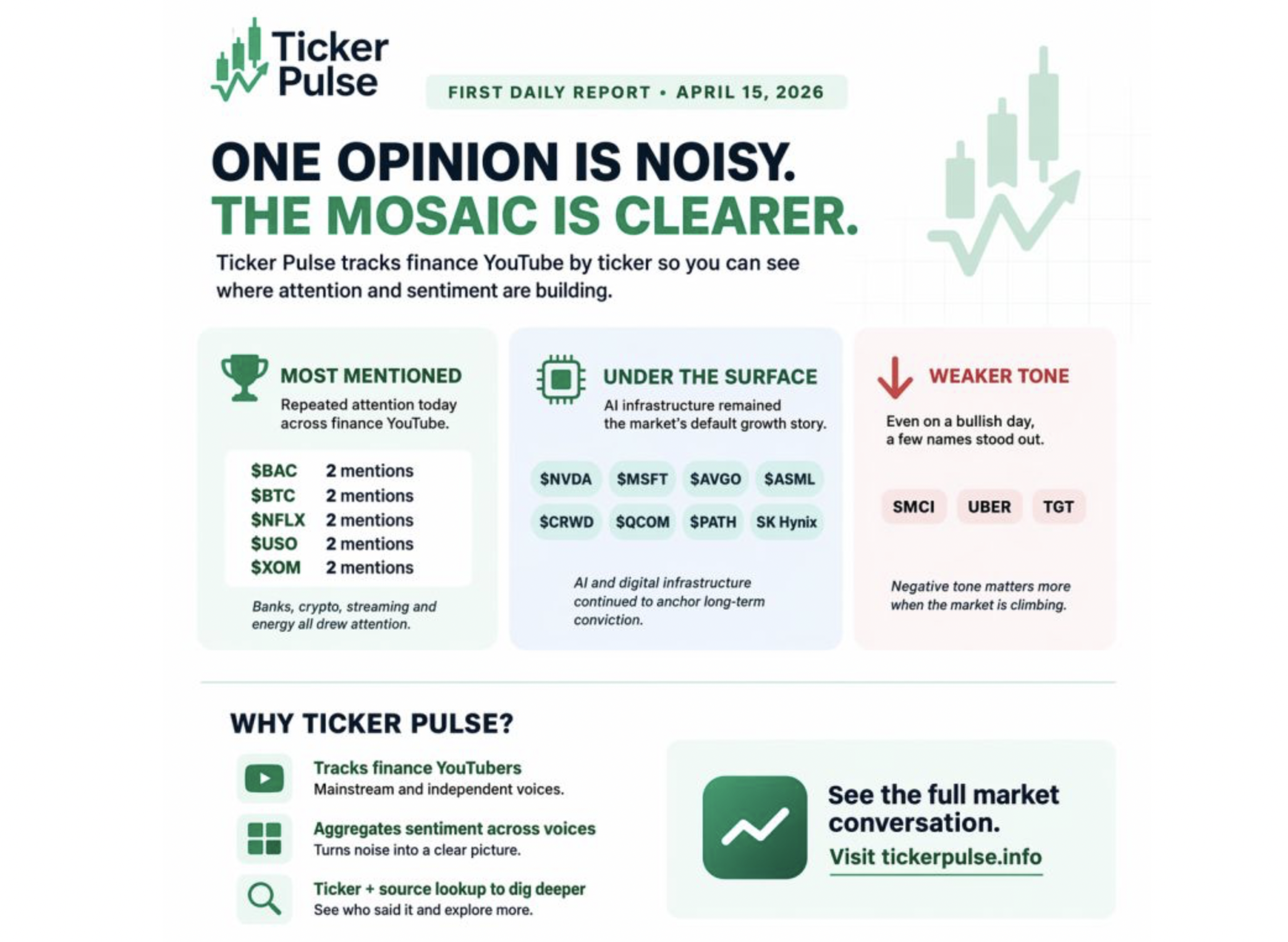

Ticker Pulse
Research Assistants
Discover Market Trends Before They Become Headlines


Legora
Research Assistants
A collaborative AI platform helping legal teams review, draft, and research faster with precision and scale.
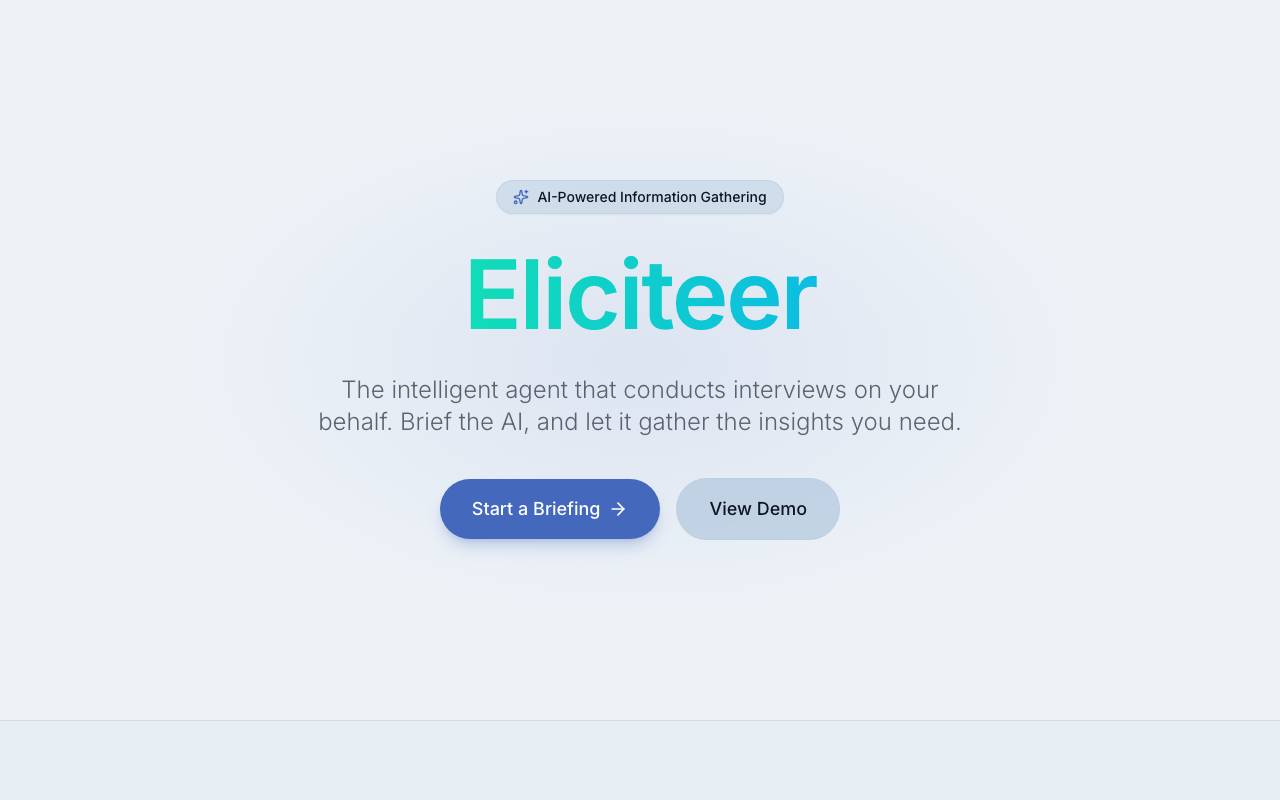

Eliciteer
Research Assistants
AI-powered interviews that scale—brief, share a link, get structured insights without meetings.
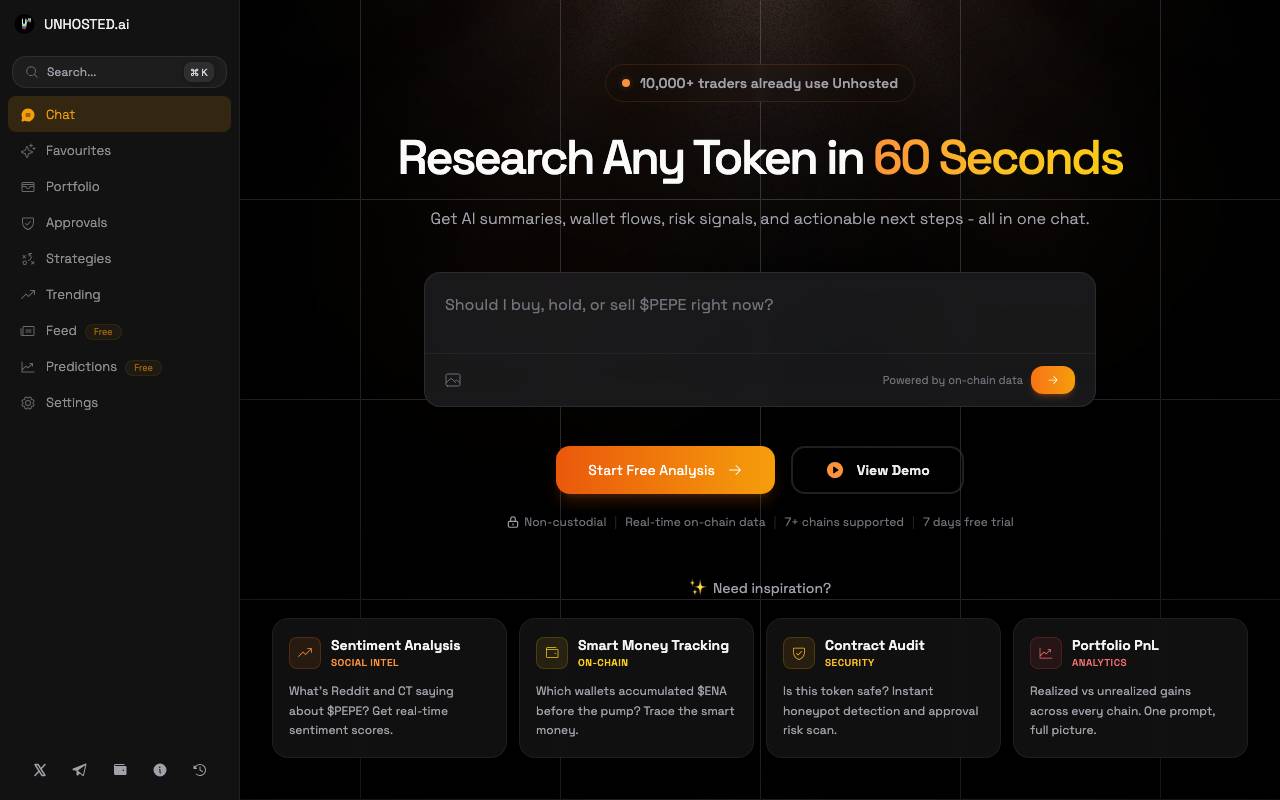

Unhosted AI
Research Assistants
AI-powered crypto analytics assistant for smarter, data-driven trading decisions.