Best Software testing (2026)

Αν εγγραφείτε μέσω συνδέσμου σε αυτή τη σελίδα, μπορούμε να πάρουμε προμήθεια — αυτό δεν επηρεάζει ποτέ τις βαθμολογίες μας.
A curated guide to the best AI-powered software testing tools, covering test generation, automation, visual regression, and QA analytics to help teams ship reliable code faster.
Software testing σε αριθμούς
Δομή τιμών
Best Software testing (2026)
- 1
 OwlityΠλατφόρμα QA με τεχνητή νοημοσύνη που δοκιμάζει εφαρμογές ιστού χωρίς χειροκίνητη δημιουργία σεναρίων5.0 (6)
 - 2PPosiumΠράκτορες AI που αυτοματοποιούν δοκιμές ιστού και κινητών έως 10× πιο γρήγορα.5.0 (4)
- 3AAutoQAΙαματικά πράγματα που自動 перевірουν το λογισμικό σας και προσβάλλουν τις ασταθείς BUGS UI πριν οι χρήστες το πράξουν.4.8 (6)
- 4
 CodeBeaverΑυτόματες εξετάσεις μονάδας και ανίχνευση τρωτών σημείων που τηρούν την υγεία του στοιχείου δοκιμών αυτόματη πλοήγηση.4.8 (5)
 - 5
 TestDriver.aiΠράκτορας AI QA που προσθέτει ολοκληρωμένη κάλυψη δοκιμών σε εφαρμογές web, mobile και desktop4.8 (5)
 - 6
 Credit Card GeneratorΠroduce προσαρμόσιμες τυχαίες αριθμούς κάρτας για δοκιμή και ανάπτυξη.4.7 (6)
 - 7KKushoAIΠράκτορας AI που αυτοματοποιεί τις δοκιμές API και εντοπίζει σφάλματα σε λίγα λεπτά4.6 (5)
- 8BBismuthΑυτόνομος μηχανισμός IA που σάρει κώδικες προγράμματος, детέκτει ελαττώματα και αποστέλλει διορθώσεις με δοκιμή.4.5 (4)
- 9
 Vijil EvaluateΠλατφόρμα δοκιμών και αξιολόγησης πριν από την ανάπτυξη για AI agents και εφαρμογές LLM.4.5 (4)
 - 10
 Nogrunt API TesterΔοκιμή API με υποστήριξη AI που μετατρέπει τις προθέσεις σε απλή γλώσσα σε αυτοματοποιημένες συλλογές αιτήσεων.4.5 (4)

Owlity
Πλατφόρμα QA με τεχνητή νοημοσύνη που δοκιμάζει εφαρμογές ιστού χωρίς χειροκίνητη δημιουργία σεναρίων
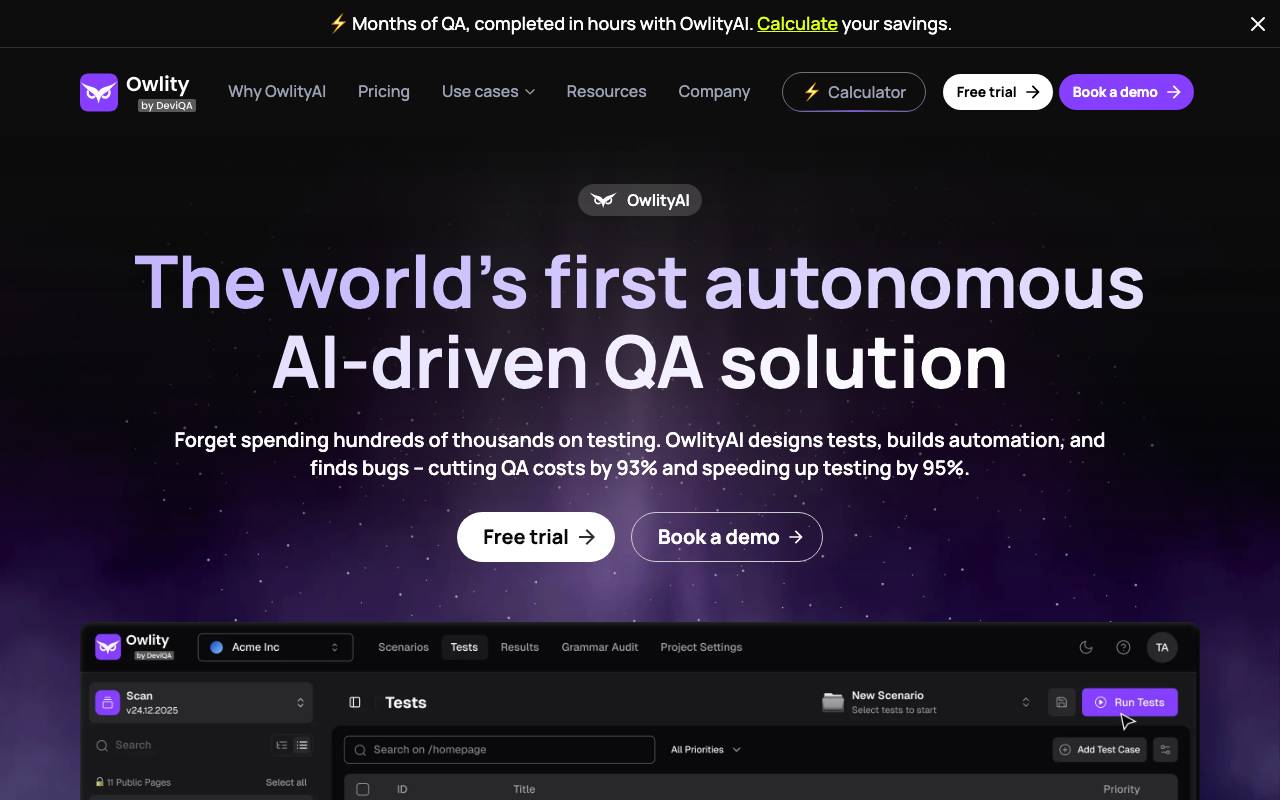
Owlity είναι μια αυτόνομη λύση διασφάλισης ποιότητας που χρησιμοποιεί AI για την εξερεύνηση, δοκιμή και επιβεβαίωση εφαρμογών ιστού, χωρίς να απαιτείται από τις ομάδες να γράφουν ή να συντηρούν παραδοσιακά σενάρια δοκιμών. Στόχος της είναι η μείωση του μηχανικού φόρτου που συνήθως συνδέεται με το QA, μέσω της αυτόματης δημιουργίας, εκτέλεσης και αναφοράς δοκιμών. Η πλατφόρμα έχει σχεδιαστεί για ομάδες προϊόντος, μηχανικής και QA που επιθυμούν συνεχή κάλυψη των εφαρμογών τους καθώς εξελίσσονται τα χαρακτηριστικά. Με την αυτοματοποίηση της ανακάλυψης και των regression checks, η Owlity βοηθά να εντοπιστούν προβλήματα νωρίτερα στον κύκλο ανάπτυξης και ελευθερώνει τους ανθρώπινους δοκιμαστές ώστε να επικεντρωθούν σε πιο πολύπλοκες, εξερευνητικές εργασίες.
- Αυτόνομη δημιουργία τεστ με AI
- Αυτόματη διατήρηση κάλυψης τεστ
- Αυτόματη ανίχνευση και αναφορά σφαλμάτων
- Συνεχής παρακολούθηση QA
- Ενσωμάτωση με ροές εργασίας ανάπτυξης
Το Posium είναι μια πλατφόρμα δοκιμών με τεχνητή νοημοσύνη που χρησιμοποιεί αυτόνομους πράκτορες για τη δημιουργία, εκτέλεση και συντήρηση αυτοματοποιημένων δοκιμών για εφαρμογές ιστού και κινητών. Αντί να γράφουν εύθραυστα scripts, οι ομάδες περιγράφουν σενάρια δοκιμών σε φυσική γλώσσα και αφήνουν τους πράκτορες να αλληλεπιδρούν με την εφαρμογή όπως ένας ανθρώπινος δοκιμαστής. Η πλατφόρμα στοχεύει στη μείωση του τεχνικού φόρτου που συνήθως σχετίζεται με την αυτοματοποίηση QA. Με την έξυπνη ερμηνεία των αλλαγών UI, το Posium βοηθά στην μείωση των ασταθών δοκιμών και της συνεχούς συντήρησης, επιτρέποντας στις ομάδες να εκπέμψουν πιο γρήγορα με μεγαλύτερη εμπιστοσύνη στην ποιότητα της κυκλοφορίας.
- Πράκτορες AI για αυτόνομη εκτέλεση δοκιμών
- Δημιουργία δοκιμών με φυσική γλώσσα
- Υποστήριξη πολλαπλών πλατφορμών για ιστό και κινητές συσκευές
- Αυτοκαταγόριες δοκιμές που προσαρμόζονται στις αλλαγές UI
- Αυτοματοποιημένη συντήρηση και ενημέρωση δοκιμών
- Πιο γρήγορο κύκλο QA για ροές CI/CD
AutoQA
Ιαματικά πράγματα που自動 перевірουν το λογισμικό σας και προσβάλλουν τις ασταθείς BUGS UI πριν οι χρήστες το πράξουν.
Το AutoQA χρησιμοποιεί οντότητες AI για να εξερευνά και ελέγχει αυτόνομα διαδικτυακές και κινητές εφαρμογές,simulώντας την πραγματική συμπεριφορά χρηστών σε κρίσιμες ροές. Κατά τη διαφορά από την γράφση και συντήρηση brittle κωδικών, οι ομάδες περιγράφουν ό,τι να εξεταστούν σε πλαιños λέξεις και αφήνουν τα αγγελιαφόρους να χειρίζονται την εφαρμογή, την επισπερματική ελέγχους και την αναφορά. Η πλατφόρμα επικεντρώνεται στην μείωση των περιστατικών αποτυχίας_UI στερεού, προσαρμόζοντας στις αλλαγές της εγγυόμενης γραμμής υπηρεσιών, προσπαθώντας μιγαδικά και διακρίνουμε πραγματικές ατέλειες από προσωρινά προβλήματα. Τα αποτελέσματα surface με στιγμιότυπα της οθόνης, след, και με κινήσεις αναπαραγωγής για την αύξηση της ταχύτητας debugging. To AutoQA εντάσσεται στις υπάρχουσες διαδικασίες CI/CD, κάνουσα το κατάλληλο για τα ομάδες μηχανικών που θέλουν πιο ευρεία κάλυψη δοκιμών χωρίς την εκτεταμένη διαχείριση ονείρου των παραδοσιακών πλαισίων τελικής-σε-τελέομαι δοκιμών.
- Αυτόνομοι ιαματικοί πράκτορες ανάλυσης
- Δηλωμένο γράφημα δοκιμών φυσικής γλώσσας
- Αυτόματη επούλωση επιλογέων
- Ενοποίηση CI/CD
- Αριστοποιημένη παλίρροια και λειτουργικότητα ελέγχου
- Λεπτομερείς σφάλμα TRACE και Screenshots

CodeBeaver
Αυτόματες εξετάσεις μονάδας και ανίχνευση τρωτών σημείων που τηρούν την υγεία του στοιχείου δοκιμών αυτόματη πλοήγηση.
To CodeBeaver είναι ένα εργαλείο ενσωματωμένο με AI που δημιουργεί, συντηρεί και更新άρει ατομικά διαθέσιμες δοκιμές για το αποθετήριο کد σας, έτσι ώστε οι ομάδες μηχανικών να αποστείλουν τα προϊόντα τους πιο εύκολα χωρίς να στερηθούν το σεφάλμα. Βάσει της υπάρχουσας διαδικασίας ανάπτυξης, γράφει νέες δοκιμές κατά τη μεταβολήν του κώδικα και ανανεώνει τις παλαιές όταν η εκτέλεσή τους αλλάξει. Πέρα από την γραφή των δοκιμών, ο CodeBeaver πραγματοποιεί ενεργά κριτique κώδικα για να φανεί προσωρινό ακαθαραρισμό και περιπτώσεις άκρων που οι προγραμματιστές μπορεί να μην προσέχουν. Βελτιώνοντας τις αναπαραγώγισες μεμονωμένες ενεργοποιημένες με τον πηγαίο κώδικα, βοηθά τις ομάδες να πιάσουν προσωρινές εκφυλιστικές μεταβολές νωρίτερα και να στρέψουν την προσοχή τους στην κατασκευή της χαρακτηριστικής τους αντί να επικεντρωθούν στην διατήρηση υποδομής δοκιμών.
- Διαγεγραμμένες από AI εξετάσεις μονάδας
- Αυτόματη διατηρησιμότητα του στοιχείου δοκιμών στα αλλαγές του κώδικα
- Ανίχνευση τρωτών σημείων και αναδρομικής ανίχνευσης
- Ευρεία από την επικύρωση του αποθετηρίου και την αίτηση εισαγωγής
- Απογραφή και προτάσεις βελτίωσης της επικαλυμένου διακοσμησμένων
- Απεριόριστη υποστήριξη σε δημοφιλείς πλαισίες δοκιμών

TestDriver.ai
Πράκτορας AI QA που προσθέτει ολοκληρωμένη κάλυψη δοκιμών σε εφαρμογές web, mobile και desktop
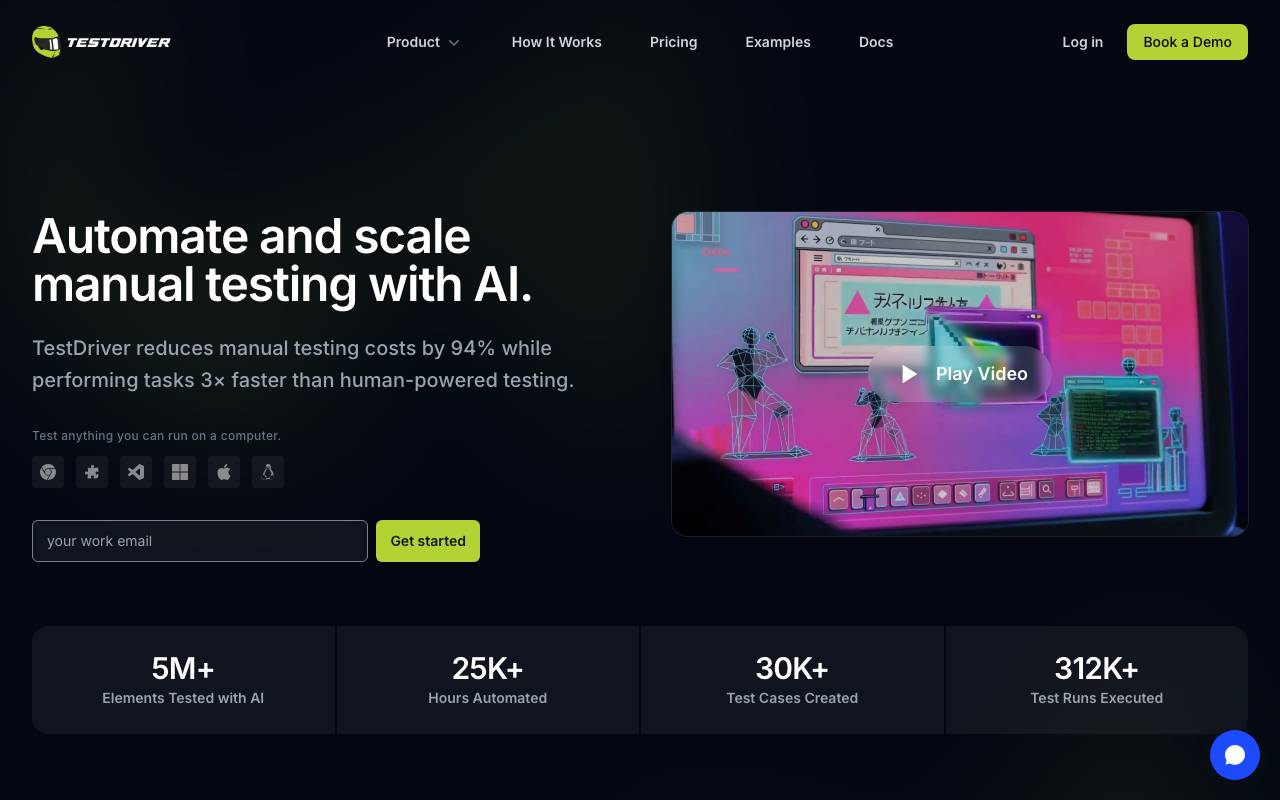
Το TestDriver.ai είναι ένας υπεύθυνος ελέγχου ποιότητας με τεχνητή νοημοσύνη, σχεδιασμένος να βοηθά τις ομάδες να δημιουργούν και να εκτελούν αυτοματοποιημένα τεστ χωρίς να γράφουν εκτενούς σκριπτ. Επιδρά με τις εφαρμογές με τον ίδιο τρόπο που θα έκανε ένας ανθρώπινος δοκιμαστικός, εξερευνώντας διεπαφές και δημιουργώντας κάλυψη για στόχους ιστού, κινητής συσκευής και επιτραπέζιων εφαρμογών. Το εργαλείο στοχεύει στη μείωση της εμπόδιας για ολοκληρωμένη δοκιμή, επιτρέποντας στους μηχανικούς να περιγράφουν σενάρια με φυσική γλώσσα, ενώ ο πράκτορας διαχειρίζεται την εκτέλεση, τις επιβεβαιώσεις και την αναφορά. Αυτό το καθιστά χρήσιμο για γρήγορα κινούμενες ομάδες που επιθυμούν κάλυψη μείωσης σφαλμάτων χωρίς εξειδικευμένη γραφή QA. Το TestDriver εντάσσεται σε CI workflows και μπορεί να εντοπίσει regressions, visual changes ή broken flows ως μέρος του development cycle.
- Πράκτορας AI QA για διασυνοριακές δοκιμές
- Ορισμός σενάριων με φυσική γλώσσα
- Αυτόματη ανίχνευση αναστροφής
- Ενσωμάτωση CI/CD
- Οπτικές και λειτουργικές επιβεβαιώσεις
- Αναφορές κάλυψης

Credit Card Generator
Πroduce προσαρμόσιμες τυχαίες αριθμούς κάρτας για δοκιμή και ανάπτυξη.
Η RandomoCard είναι ένα εργαλείο που παράγει τυχαίους έγκυρους αριθμούς πιστωτικών картών, που προορίζονται για τη δοκιμή προγράμματος, την επικύρωση τύπων και εκπαιδευτικούς σκοπούς. Οι χρήστες μπορούν να προσαρμόσουν παραμέτρους όπως τύπος πιστωτικής κάρτας, προθεσμη, ή ποσότητα για να генερήσουν δεδομένα δοκιμής τα οποία μπορούν να προσαρμοστούν στις ανάγκες τους. Η συσκευή αποστέλνει προς επαγγελματίες ανάπτυξης, μηχανικούς ελέγχου ποιοσύνης και σπουδαστές που χρειάζονται ψευδείς αριθμούς κάρτας για τη επικύρωση μορφών πληρωμών, 算ισμό Luhn-檢查 ή αλγόριθμους workflows εμπορικών επιχειρήσεων χωρίς τη χρήση πραγματικής financial δεδομένων. Τα γεννόμενα αριθμός δεν συνδέονται σε πραγματικές λογαριασμούς και δεν μπορούν να χρησιμοποιηθούν για πραγματικές συναλλαγές.
- Πroduce τυχαία αριθμό κάρτας
- Προσαρμόσιμα параметρά της κάρτας
- Підστηρισμός_bulk generation
- Συμμόρφωση με thuậtείο Luhn
- Μножάρι μορφών πήχεις κάρτας
- Εξαιρετικά ανεκτική απόδοση για τους προγραμματιστές
KushoAI
Πράκτορας AI που αυτοματοποιεί τις δοκιμές API και εντοπίζει σφάλματα σε λίγα λεπτά
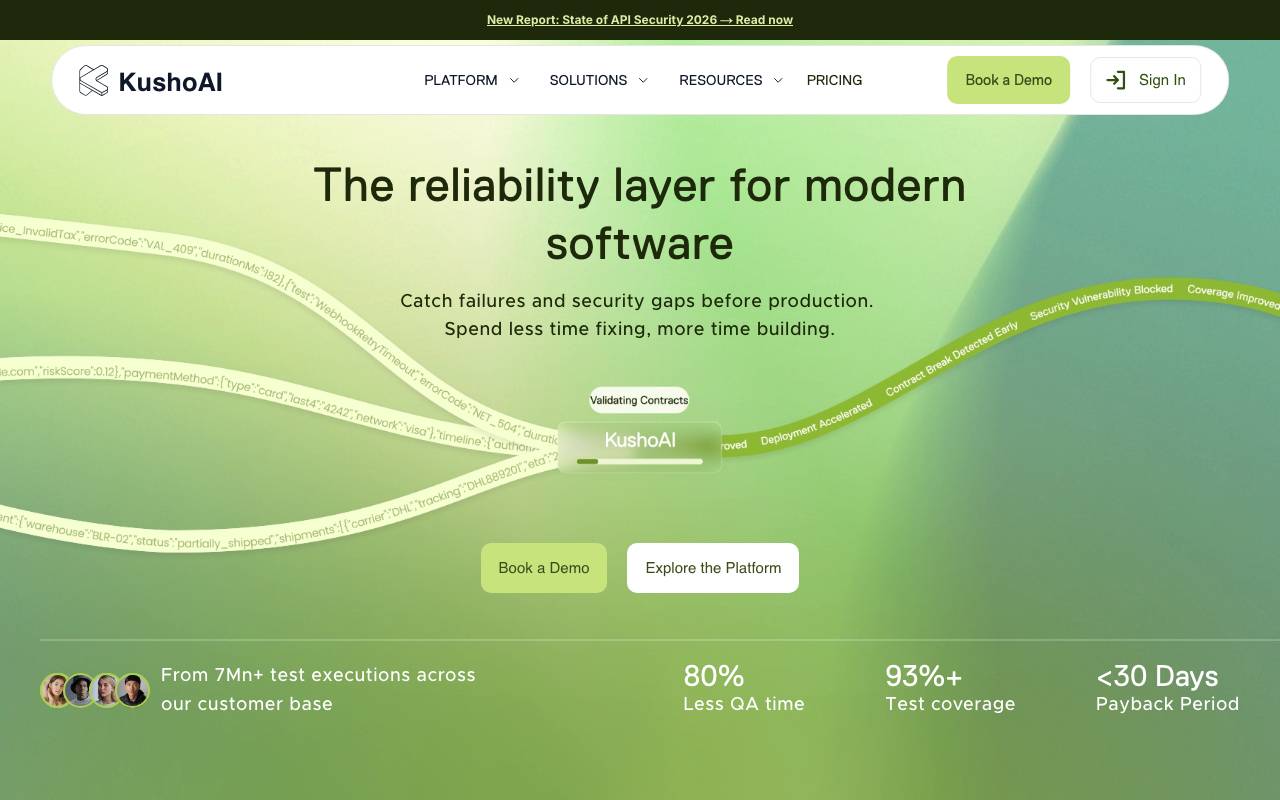
Το KushoAI είναι ένας βοηθός δοκιμών με τεχνητή νοημοσύνη σχεδιασμένος να βοηθά προγραμματιστές και ομάδες QA να δημιουργούν, εκτελούν και διατηρούν σύνολα δοκιμών API χωρίς να τις γράφουν με το χέρι. Αναλύοντας τα endpoints και τα μοτίβα αιτημάτων, παράγει εξαντλητικές δοκιμές που καλύπτουν περιθώρια, αποτυχίες επικύρωσης και απρόσμενα payloads. Το εργαλείο ενσωματώνεται σε υπάρχουσες ροές εργασίας ανάπτυξης, επιτρέποντας στις ομάδες να εντοπίζουν σφάλματα νωρίτερα στον κύκλο και να μειώνουν την χειροκίνητη προσπάθεια που παραδοσιακά απαιτείται για πλήρη κάλυψη του API. Οι δοκιμές παράγουν σαφείς αναφορές που επισημαίνουν αποτυχίες, regressions και πιθανά ζητήματα που αξίζουν διερεύνησης. Το KushoAI απευθύνεται σε ομάδες μηχανικών που θέλουν να σφίξουν τους κύκλους κυκλοφορίας, να βελτιώσουν την αξιοπιστία και να αναθέσουν επαναλαμβανόμενες εργασίες συγγραφής δοκιμών σε έναν AI agent, διατηρώντας παράλληλα τον έλεγχο πάνω σε τι δοκιμάζεται.
- Συνολικά σετ δοκιμών API που δημιουργούνται από AI
- Περίεκταση δοκιμών για περιπτώσεις άκρων και αρνητικές δοκιμές
- Αυτοματοποιημένη εκτέλεση δοκιμών και αναφορές
- Εντοπισμός σφαλμάτων και έλεγχοι αναστροφής
- Ένταξη με τις εργασιακές ροές των προγραμματιστών
- Εξαγωγικά αρχεία δοκιμών
Bismuth
Αυτόνομος μηχανισμός IA που σάρει κώδικες προγράμματος, детέκτει ελαττώματα και αποστέλλει διορθώσεις με δοκιμή.
Ο Bismuth είναι αυτόνομος δρομολόγησης AI, σχεδιασμένος για την διαχείριση κωδικών βάσεων, την ανίχνευση βλαβών και τη αυτόματη εκτόξευση αποσφαλματολογημένων διορθωτικών ενεργειών. Προσφέρει λύση στο προβλημα της επιτάχυνσης της ανίχνευσης βλαβών και της αποτελώντας βλαβών, ιδιαίτερα σε πολυπλοκότερα προγράμματα λογισμικού. Ο Bismuth προσανατολίζεται σε κοινότητες ανάπτυξης και εταιρείες λογισμικού, με στόχο την Streamlining των διαδικασιών τους αποκατάστασης. Το Bismuth λειτουργεί αναλύοντας κώδικες βάσης χρησιμοποιώντας αλλώσεις intelijentiai και μαθηματικές αλγόριθμους για την identification των πιθαίων σφαλμάτων και ελαττωμάτων. Ένας AI άγοντας διαμορφώνει και δοκιμάζει λύσεις, διασφαλίζοντας ότι το codebase παραμένει σταθερό και ασφαλές. Αν όμως οι λεπτομέρειες του workflow και των ενοτήτων παραμένουν απροσδιορισμένες, είναι δύσκολο να τον συγκρίνουμε άμεσα με αλλα alternative tools στην αγορά. Κατά την περίπτωση μου, οι δυνατότητες του Bismuth βασίζονται κυρίως στις αυτοματοποιημένες δυνατότητες debugging, ενώ οι περιορισμοί του περιλαμβάνουν προβλήματα με την ακρίβεια των model AI και την πολυπλοκότητα των codebase. Ακόμη και πιο επανεξέταση απαιτείται για ουσιαστική αξιολόγηση των αποτελεσμάτων σε πραγματικές scenarios.
- Αυτόματη εξέταση κώδικας για ελαττώματα
- Διηγήσεις διόρθωσης από το IA με εγκυρότητα δοκιμών
- Εκτελέσιμες αιτήσεις για αναθεώρηση
- Εγκατάσταση με σύστημα καταμερισμού προορισμού
- Οngoing παρακολούθηση αποθευτηρίων
- Подστηριζμό πολλαπλάχων γλώσσων προγραμματισμού

Vijil Evaluate
Πλατφόρμα δοκιμών και αξιολόγησης πριν από την ανάπτυξη για AI agents και εφαρμογές LLM.
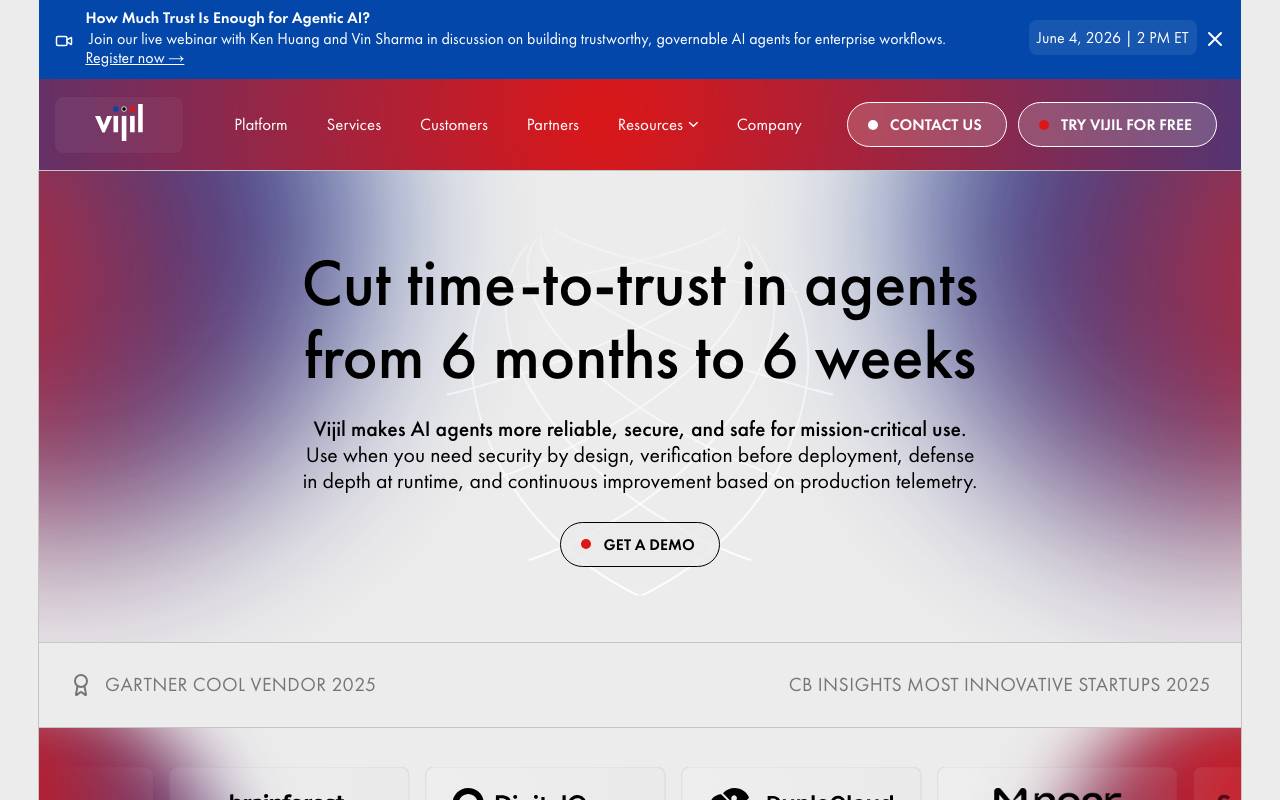
Η Vijil Evaluate είναι μια πλατφόρμα δοκιμών σχεδιασμένη να αξιολογεί την αξιοπιστία, την ασφάλεια και την απόδοση των AI agents πριν φτάσουν στην παραγωγή. Εκτελεί δομημένες αξιολογήσεις σε μοντέλα και agentic systems για να ανακαλύψει αδυναμίες σε τομείς όπως η ακρίβεια, η ανθεκτικότητα, η ασφάλεια και η ευθυγράμμιση με την επιθυμητή συμπεριφορά. Το εργαλείο βοηθά τις ομάδες που κατασκευάζουν με LLMs να αποκτήσουν αυτοπεποίθηση στις αναπτύξεις τους, παρέχοντας επαναλαμβανόμενα benchmarks και λεπτομερείς αναφορές. Οι προγραμματιστές μπορούν να εντοπίσουν regressions, να συγκρίνουν τις εκδόσεις του agent, και να ανιχνεύσουν προβλήματα όπως κακόβουλες εξόδους ή ευπάθειες prompt injection νωρίτερα στον κύκλο ανάπτυξης. Με την αντιμετώπιση της αξιολόγησης των πρακτόρων ως συνεχής πρακτική μηχανικής, το Vijil Evaluate στοχεύει να κλείσει το χάσμα μεταξύ πειραματισμού και αξιόπιστης παραγωγικής χρήσης της AI.
- Αυτόματες αξιολογήσεις agents και LLM
- Δοκιμές κινδύνου ασφαλείας και ασφάλειας
- Βεβαίωση ανθεκτικότητας και ακρίβειας
- Σύγκριση εκδόσεων και έλεγχοι παλινδρόμησης
- Λεπτομερή αναφορές αξιολόγησης
- Αξιολογήσεις εμπιστοσύνης πριν την ανάπτυξη

Nogrunt API Tester
Δοκιμή API με υποστήριξη AI που μετατρέπει τις προθέσεις σε απλή γλώσσα σε αυτοματοποιημένες συλλογές αιτήσεων.
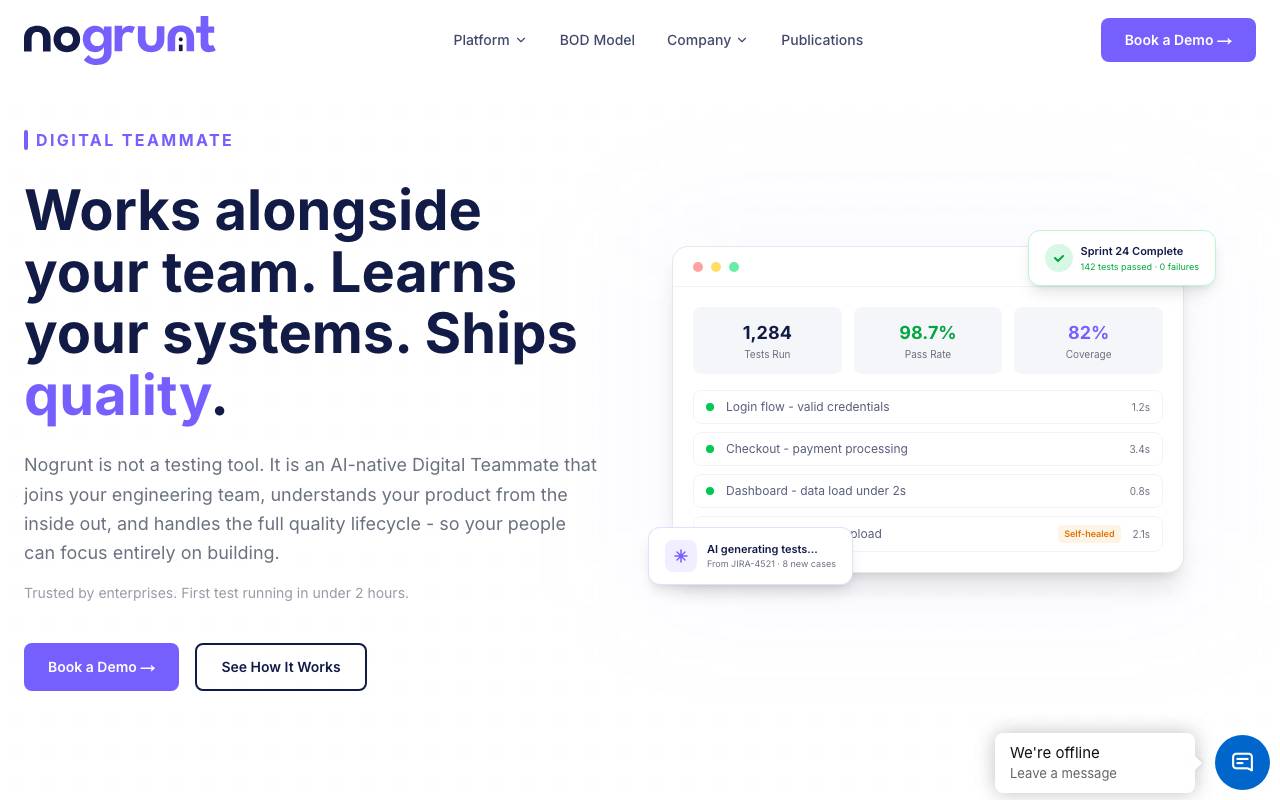
Το Nogrunt API Tester είναι ένα εργαλείο αυτοματοποίησης σχεδιασμένο ώστε να απλοποιεί τη διαδικασία δημιουργίας, εκτέλεσης και συντήρησης συνόλων δοκιμών API. Χρησιμοποιεί AI για να ερμηνεύει τις spec των endpoints και περιγραφές σε φυσική γλώσσα, παράγοντας ροές αιτήσεων, assertions και edge‑case checks, χωρίς να απαιτείται από τους δοκιμαστές να γράφουν χειροκίνητα κάθε σενάριο. Η εφαρμογή απευθύνεται σε backend προγραμματιστές, μηχανικούς QA και μικρές ομάδες που χρειάζονται αξιόπιστη κάλυψη API αλλά θέλουν να παραλείψουν το boilerplate των παραδοσιακών testing frameworks. Υποστηρίζει κοινά μοτίβα αυθεντικοποίησης, συνδεδεμένες αιτήσεις και διαμόρφωση βασισμένη σε περιβάλλον, καθιστώντας την κατάλληλη τόσο για γρήγορες εξερευνητικές δοκιμές όσο και για προγραμματισμένες εκτελέσεις regression. Τα αποτελέσματα παρουσιάζονται με σαφείς διαχωρισμούς επιτυχίας/αποτυχίας και λεπτομερείς διαγνωστικές πληροφορίες, βοηθώντας τους χρήστες να εντοπίζουν γρήγορα τις αποτυχίες και να τις συνδέουν με τις συγκεκριμένες αιτήσεις ή πεδία απάντησης.
- Δοκιμαστικές περιπτώσεις που δημιουργούνται από AI βασιζόμενες σε προδιαγραφές τελικού σημείου
- Υποστήριξη ροών εξουσιοδότησης και διακριτικών
- Συνδεδεμένες πολυ-βήμα αιτήσεις (σενάρια)
- Διαχείριση περιβάλλοντος και μεταβλητών
- Λεπτομερείς αναφορές εκτέλεσης με προβολές διαφοράς
- Προγραμματισμός εκτέλεσης για αναπαραγωγή (regression)
Περιηγηθείτε σε όλα τα 11 εργαλεία Software testing
Ο πλήρης, αναζητήσιμος κατάλογος — καταταγμένος με βάση πραγματικές αξιολογήσεις χρηστών.


