أفضل Computer Vision (2026)

إذا اشتركت من خلال رابط على هذه الصفحة، قد نحصل على عمولة — لا يؤثر ذلك على تقييمنا.
A curated guide to the best Computer Vision tools, covering platforms for image recognition, object detection, OCR, video analysis, and visual AI model training.
Computer Vision بالأرقام
تشكيلة الأسعار
أفضل Computer Vision (2026)
- 1
 PimEyesمحرك بحث بالوجه بواسطة الذكاء الاصطناعي للعثور على الصور عبر الإنترنت للشخص المحدد5.0 (6)
 - 2
 Qate AIضمان جودة GenAI الذي يستكشف ويختبر تطبيقك مثل مستخدم حقيقي.5.0 (5)
 - 3
 Self-Parking Car Evolutionعرض توضيحي للخوارزمية الجينية التي تتطور السيارات الافتراضية ذاتية الوقوف في المتصفح.5.0 (4)
 - 4
 Roboco AIعمفائك الذكاء الاصطناعي المستقل للبنية النختكفئة بكجتتف رقـكفخة الفيكبكفبكفكب التفسکفكبو4.8 (6)
 - 5
 Mapless AIمنصة تشغيل المركبات عن بعد للتحكم الآمن في أساطيل المركبات بدون سائق4.8 (6)
 - 6
 Pykasoإنشاء صور وفيديوهات AI واقعية للغاية مع تدريب نماذج LoRA المخصصة.4.8 (6)
 - 7
 ExpertDevTechحلول برمجية مخصصة، وخدمات الذكاء الاصطناعي والرقمية لتسريع نمو الأعمال.4.8 (6)
 - 8
 Retouch4meإضافات تعديل الصور بالذكاء الاصطناعي تُسرّع عمليات تنظيف البشرة، اللون، والتفاصيل مع الحفاظ على القوام الطبيعي.4.8 (6)
 - 9
 YOLO (You Only Look Once)YOLO (ترى فقط مرة واحدة) - كشف الكائنات الفوري وتحديد مسارات الأشخاص والمركبات أو العناصر المثيرة للاهتمام في البث المباشر لكاميرات المراقبة4.8 (6)
 - 10
 NVIDIA Isaacمنصة NVIDIA الشاملة للذكاء الاصطناعي لتطوير و محاكاة و نشر الروبوتات الذاتية الحركة.4.8 (6)

PimEyes
محرك بحث بالوجه بواسطة الذكاء الاصطناعي للعثور على الصور عبر الإنترنت للشخص المحدد
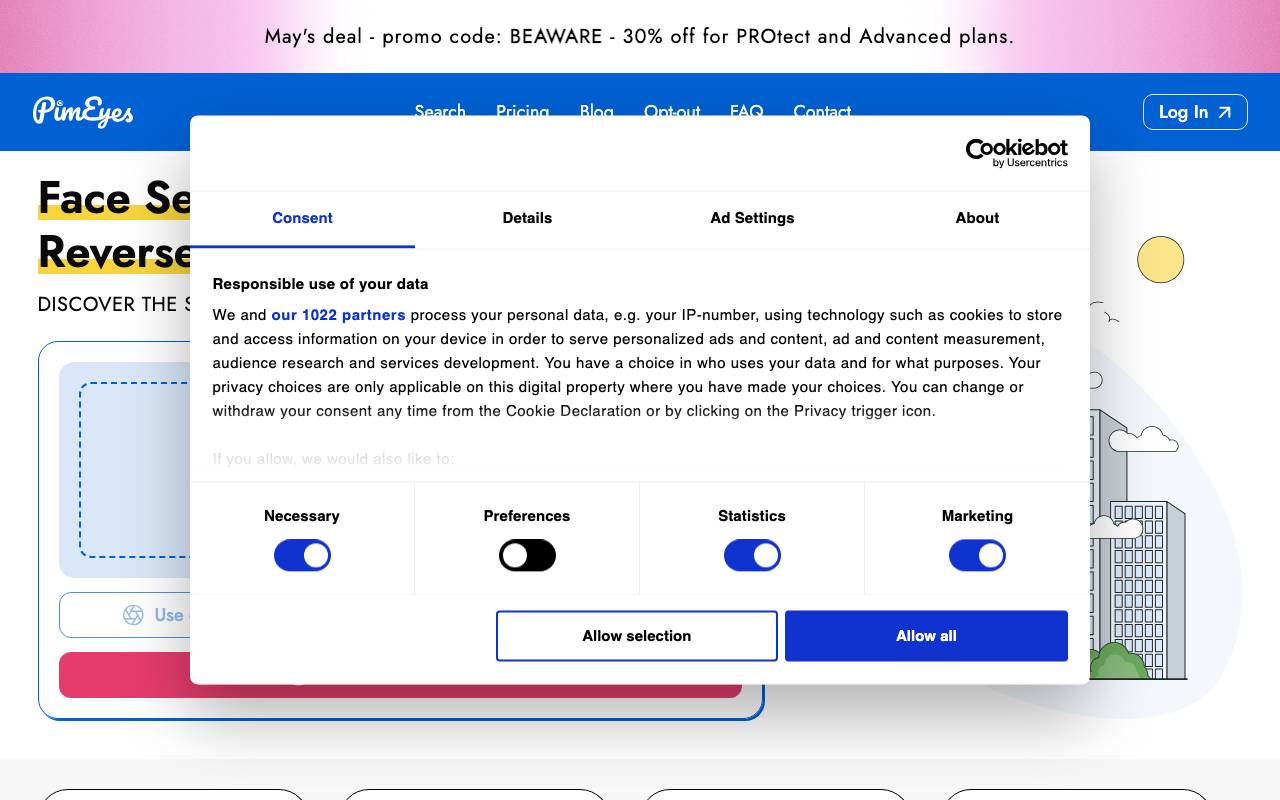
هذا أداة إدراك واجهة وجهاً لتعيين مواضع الصور الأخرى التي تحتوي على نفس الوجه المنشور على مواقع الإنترنت العامة العامة. ويستخدم التعلم العميق للاستغلال في الميزات الوجهية بدلاً من الاعتماد على الأسماء، الوسوم، أو البيانات الوصفية، ويتيح الوصول إلى صفحات الويب التي يتم فيها توضيح النتائج اللازمة. يستخدم هذا الخدمة بصفةٍ شائعةٍ للرقابة على الخصوصية الشخصية والإدارة المتعلقة بالشخصية وترخيص استخدام صورتك في الانترنت. تعمل خطط الدفع على فتح جميع عناوين المصادر المنسوخة، ونتائج أعمق، و إشعارات جديدة بمساعدتين على حذفها من خلال خدمات PROtect. لأن الإحتراف في التعرف على النماذج الوجهية يثير تساؤلات قانونية و أخلاقية كبيرة، يحد PimEyes البحث إلى الأشخاص فقط ويقدم عملية للتلافي، على الرغم من دقته و سهلتي الاستخدام التي جعلته يُشجع على بعض المخاطبين في السرية، وتنقض بعضها من قبل السلطات والجماعات المطالبة بحقوق الإنسان.
- البحث العكسي عن الصورة من خلال الوجه
- استكشاف التخزين الموثوق للويب للاتفاق على الصور
- تنبيهات بريد إلكتروني للظهور الجديد
- مساعدة تعديل PRO
- نظام طلب الخروج
- ملاذات الأشتراك المتعددة


Qate AI هي منصة ضمان جودة مدفوعة bởi الذكاء الإصطناعي التوليدي التي تتفاعل مع تطبيقك بالطريقة التي يفعلها مستخدم حقيقي. تتبع عملية عمل من خمس خطوات - الاستكشاف و สร้าง و تشغيل و تحليل و إصلاح - لتعيين تدفقات التطبيق بشكل tự động و إنشاء حالات اختبار و تشغيلها و إ hiển示 المشكلات و recommand التصحيحات. من خلال دمج الاستكشاف المستقل مع 논理 الاختبار التي تم توليدها بواسطة الذكاء الاصطناعي، يقلل Qate من الجهد اليدوي المطلوب لصيانة مجموعات الاختبار随 تطور المنتجات. يمكن للفرق تقصير دورات الانحدار، والبحث عن انحدارات الواجهة والوظائف في وقت مبكر، والحفاظ على التغطية المتوافقة مع سلوك المستخدم الفعلي دون كتابة سكريبتات متطورة. يستهدفه مهندسي جودة الضمان، والمطوّرون، وفرق المنتج الذين ي muốnون دوائر反馎 سريعة ووقت قليلاً مصروف على صيانة الاختبارات الهشة.
- اكتشاف التطبيق وتخطيط التدفقات بواسطة الذكاء الاصطناعي
- إنشاء حالات اختبار تلقائي
- تنفيذ الاختبار المستقل
- تحليل الفشل ورؤية الأسباب الجذرية
- توصيات الإصلاح للمشكلات المكتشفة
- تغطية الانحدار المستمرة

Self-Parking Car Evolution
عرض توضيحي للخوارزمية الجينية التي تتطور السيارات الافتراضية ذاتية الوقوف في المتصفح.
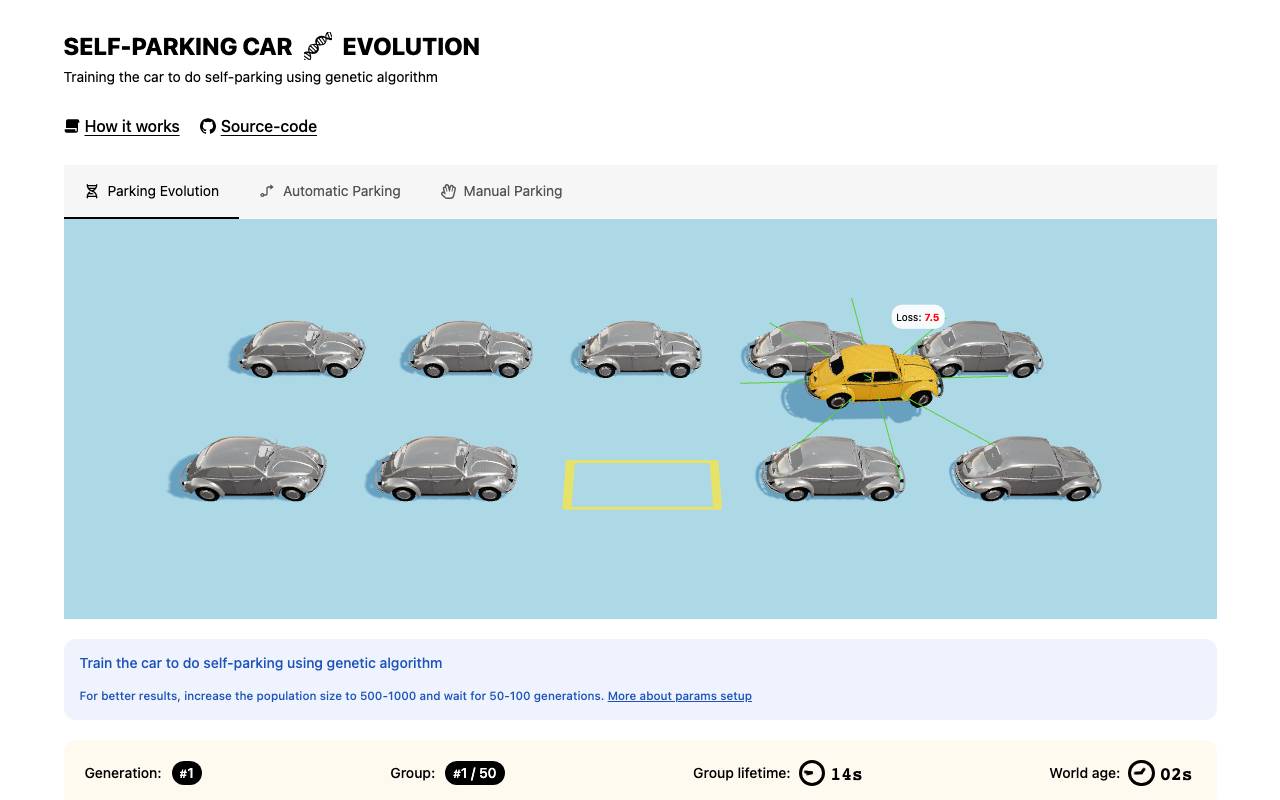
Self-Parking Car Evolution هو مشروع تعليمي مفتوح يستخدم خوارزمية جينية لتعليم السيارات المحاكاة كيفية الوقوف بأنفسها في بيئة افتراضية ثنائية الأبعاد. يتم التحكم في كل سيارة من خلال شبكة عصبية صغيرة يتم تشفير أوزانها كجينوم، ويتم تربية الأجيال المتوالية، وتحورها، واختيارها بناءً على مدى قربها من مكان وقوف السيارة المستهدف. تعمل المحاكاة بالكامل في المتصفح، مما يسمح للمستخدمين بمشاهدة تحسن السكان بمرور الوقت حيث يتم تصفية السيارات ذات الأداء الضعيف ويتم تمرير معلمات السائقين الأقوى. يعمل كتوضيح عملي للحساب التطوري، ووظائف اللياقة، والسلوك الناشئ بدلاً من نظام القيادة الذاتية الجاهز للإنتاج. يمكن للمطورين والطلاب وعشاق الذكاء الاصطناعي استكشاف الشفرة المصدرية لتعلم كيفية عمل الخوارزميات الجينية في الممارسة العملية، وتعديل المعلمات، أو تكييف النهج مع مشاكل التحكم الأخرى.
- حلقة تدريب تعتمد على الخوارزمية الجينية
- أجهزة تحكم للسيارات بالشبكات العصبية
- بيئة محاكاة وقوف السيارات ثنائية الأبعاد
- معلمات سكانية وتحور قابلة للتكوين
- تصور مباشر للأجيال المتطورة
- قاعدة كود مفتوحة المصدر للتجريب

Roboco AI
عمفائك الذكاء الاصطناعي المستقل للبنية النختكفئة بكجتتف رقـكفخة الفيكبكفبكفكب التفسکفكبو
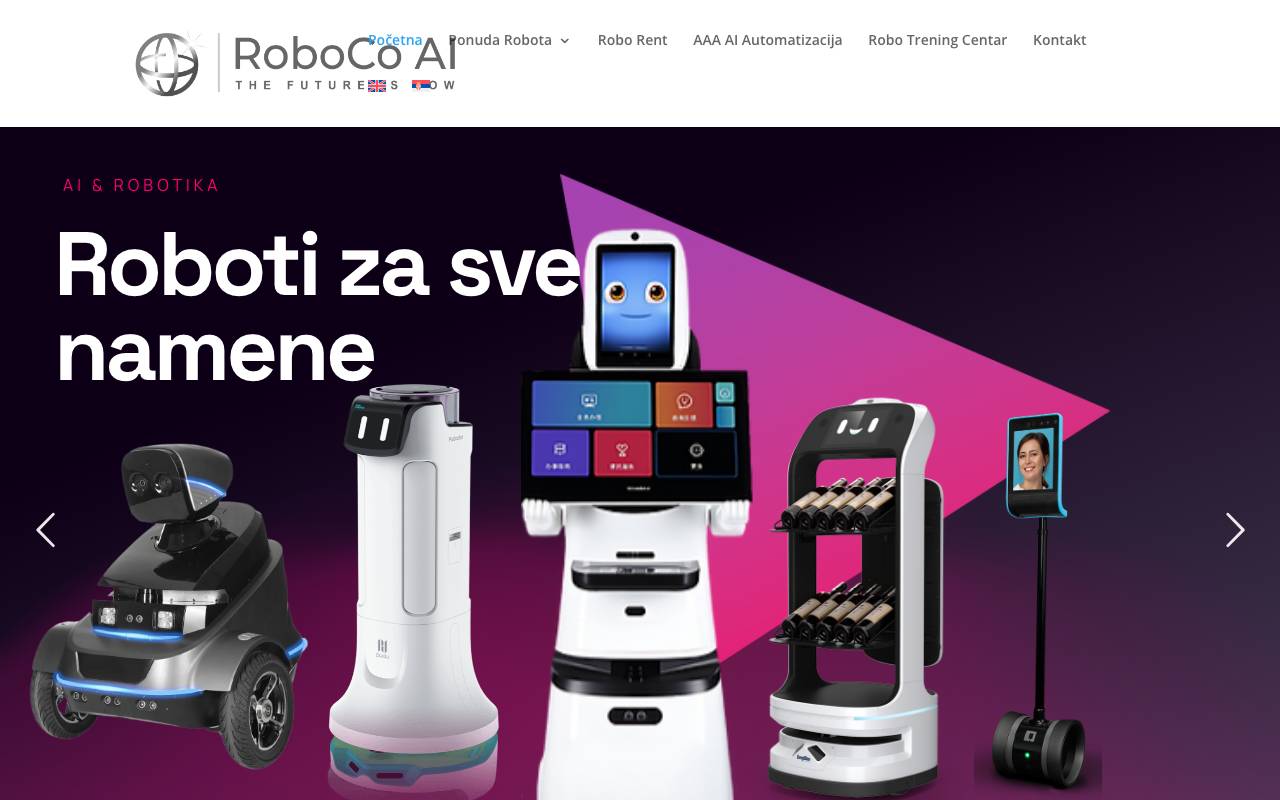
Roboco AI هي إطار عمل مصمم خصيصًا للاستخدام من قبل مطوري البرامج لوضع الخوادم الذاتية التي تعمل في سياقات الروبوتية. توفر هذه الإطار الحاجة إلى الحاملات المطلوبة لتجهيز التصميم والتنسيق وتشغيل الخوادم القادرة على التخطيط وتفويض التugas الحقيقية والمحاكاة عبر البيئات الورقي وال محاكاة يُعد البرنامج ذا خصوصية ميكانيكية، حيث تسمح للمجموعات تجميع-components للملاحظة ومنطق والتنسيق إلى تدفقات مستويات متقدمة للعوامل الذاتية. بحلقة بين Large Language Model المنطق مع تنفيذ المهام الروبوطية- task Execution، تهدف Roboco AI لتبني تشغيل النماذج المستندة على المعايير العقلية للأحمال البرمجية المتشعبة، مما يقود لتسريع التخطيط والتخطيط لمنظومات تكنولوجيا الذكاء الآلي لمراحل البحوث الصناعية.
- التطوير الذاتي للوحدات الحاسبة وتخطيط واستعراض المهام
- تصميم وتنفيذ وخطط
- تركيبات محددة للأدوات الآلية
- تصميم مكونات مقسِّمة ومزودة
- دعم تنسيق الوحدات الآلية المتعددة
- مطوِّرين منسقين متميز لAPI

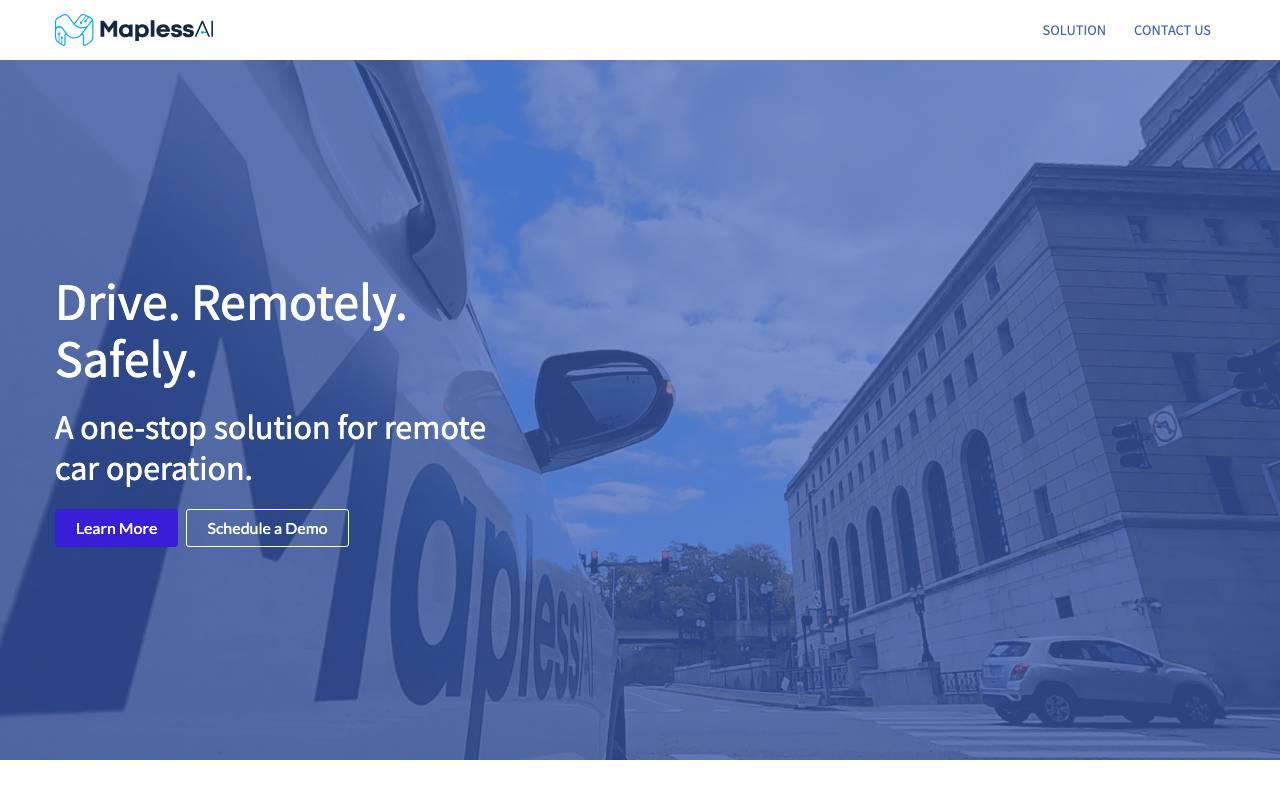
تُنشأ Mapless AI تقنيات التحكم عن بُعد التي تمكن الأفراد من متابعة وسيطرة التحكم عن بعد على المركبات الذاتية عندما تواجه الحالات التي تجاوزت قدراتها الذاتية. ويُصمم المنفذ على الحفاظ على السير الآمن للfleet ذات التحكم الذاتي دون الحاجة إلى تواصل تفصيلي قبل خريطة بيئات المكان. بجمع بين بث الفيديو بالمنخفض اللاطالة والمنصات المحددة لمسافة عن بحر، والاستشارة المدعومة بنظريات الذكاء الاصطناعي، تحاورت Mapless AI غرس الثقة بين المستوى الحالي التام للسيطرة الذاتية والقيادة الذاتية. وتواجه Mapless AI المُشغلين للجماعات في الخدمات اللوجيستية والملاحة والصناعية الذين يسعون إلى الحصول على إمكانية السيطرة على السيارات المستأرجمة بثقة تامة.
- واجهة تشغيل عن بعد
- تدفق فيديو ومعلومات القيادة بسرعة منخفضة
- دعم الملاحة بدون خرائط
- لوحة إدارة الأسطول
- أدوات مشغل بمساعدة الذكاء الاصطناعي
- التكامل مع مكدسات المركبات المستقلة


Pykaso هي أداة AI لإنشاء صور وفيديوهات واقعية للغاية. يمكن للمستخدمين الوصول إلى نماذج مسبقًا مدربة وعمليات عمل مخصصة لإنشاء محتوى AI على نطاق واسع. تتميز المنصة بمكتبة من الشخصيات AI الموجودة مسبقًا والتي يمكن للمستخدمين اختيارها أو إنشاء شخصية AI خاصة بهم لتمثيل علامتهم التجارية. تشمل الأدوات الرئيسية ميزة الصورة إلى الصورة، والتي تسمح للمستخدمين بإعادة إنشاء المرئيات مع شخصية AI الخاصة بهم، وميزة الصورة إلى الاقتراح، والتي تولد اقتراحات واقعية لإنشاء صور AI. بالإضافة إلى ذلك، توفر المنصة محرر صور AI، مما يسمح للمستخدمين بتحرير الصور من اقتراحات بسيطة دون الحاجة إلى برامج تحرير الصور مثل Photoshop. يمكن أيضًا إنشاء فيديو AI، ويمكن استخدام ميزة معزز الجلد (المُحسّن) لتحسين الصور بدقة عالية، وإضافة التفاصيل والجلد الطبيعي.
- تدريب نماذج LoRA المخصصة
- إنشاء صور واقعية للغاية
- أدوات إنشاء الفيديو AI
- ضوابط الاتساق بين الشخصيات والأساليب
- التحرير المستند إلى الصورة المرجعية والاقتراح
- مكتبة لإدارة النماذج المدربة
ExpertDevTech
حلول برمجية مخصصة، وخدمات الذكاء الاصطناعي والرقمية لتسريع نمو الأعمال.
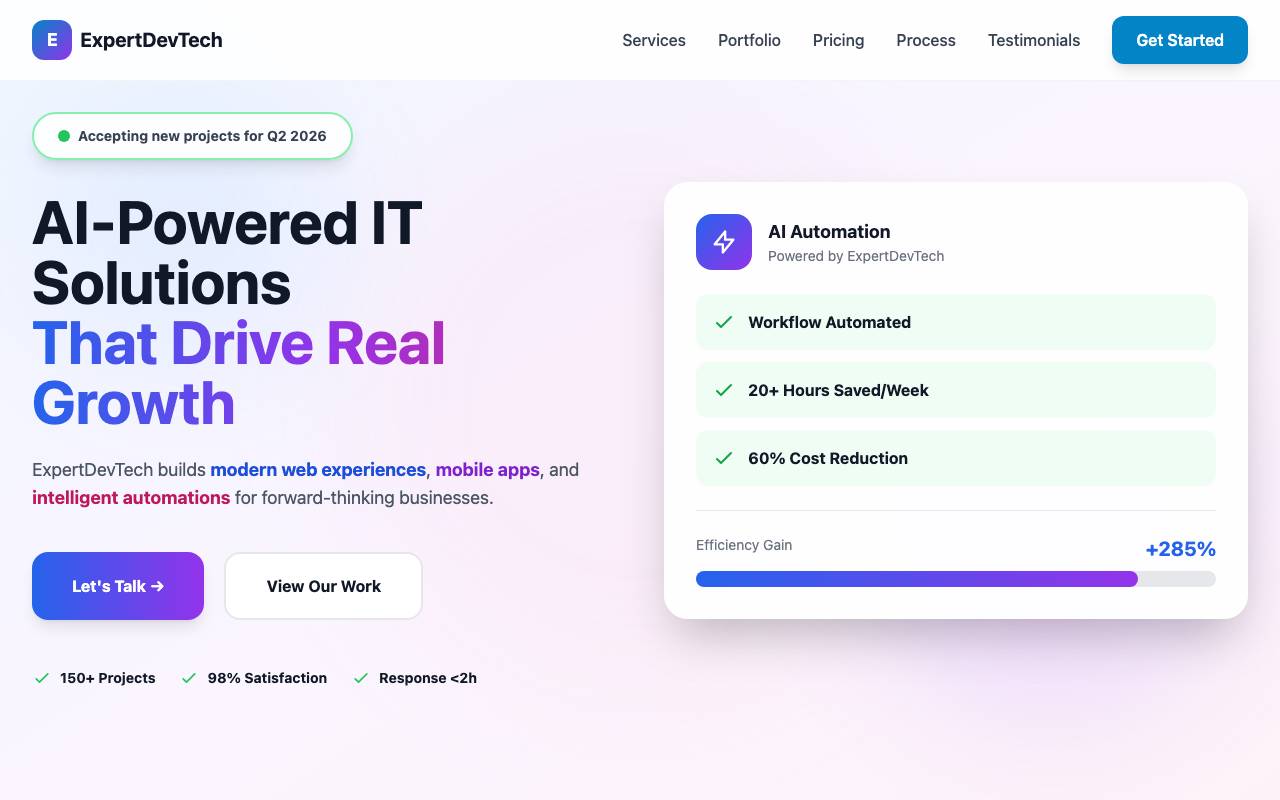
ExpertDevTech هي مزود لخدمات التكنولوجيا التي تصمم وطوّرت برامجيات و أنظمة ذكاء اصطناعي ومنتجات رقمية مُصمّمة خصيصاً لأعمال من أحجام مختلفة. تركز الشركة على مواءمة الأعمال الهندسية مع نتائج أعمال قابلة للقياس، وتغطي مجالات مثل التطبيقات الوبية والجوالة والتحكم الآلي والأدوات المدفوعة بالبيانات. يشمل عرضها عادةً الاستكشاف والتصميم والتنمية والدعم المستمر، مع توافر تكامل الذكاء الاصطناعي للفرق التي تبحث عن إضافة ميزات ذكية مثل التحليلات التنبؤية oder حوارات المحادثة أو تطبيق آلي للعمل. ExpertDevTech ي позиțione نفسه كشريك بناء طويل الأمد أكثر من كونه بائعًا لمرة واحدة. الخدمة наиболее適ة للمنظمات التي تحتاج إلى حلول مخصصة بدلاً من حلول SaaS جاهزة، بما في ذلك الشركات الناشئة التي تثبت أفكارها والشركات التابعة التي تحدث أنظمةها التراثية.
- تطوير البرمجيات المخصص
- تكامل الذكاء الاصطناعي والتعلم الالي
- هندسة التطبيقات الويب والجوال
- استشارات التحول الرقمي
- خدمات تصميم الواجهة والخبرة المستخدم
- الصيانة والدعم المستمر

Retouch4me
إضافات تعديل الصور بالذكاء الاصطناعي تُسرّع عمليات تنظيف البشرة، اللون، والتفاصيل مع الحفاظ على القوام الطبيعي.
ريتو تش 4 مي هو مجموعة من الإضافات المدعومة بالذكاء الاصطناعي لمحرّكات الصور والفيديو، تُعالج مهام التعديل المتكررة مثل تنظيف البشرة، التباين (دودج وبورن)، تصحيح الألوان، وتحسين الوجوه. يركّز كل أداة على مهمة محددة، ما يتيح للمستخدم دمجها في سير عمل مخصص داخل Photoshop أو Lightroom أو Capture One أو أي برنامج تحرير فيديو. تم تدريب الإضافات لتقلد اختيارات المتقنين المحترفين، مع الحرص على حفظ المسام، الشعر، وغيرها من التفاصيل الدقيقة بدلاً من إنتاج مظهر مبستر بشكل زائد. هذا يجعلها مفيدة للمصورين في مجال البورتريه، الجمال، الأزياء، والعرس، وكذلك للمصوريين الذين يحتاجون نتائج ثابتة عبر عدة إطارات. يُباع ريتو تش 4 مي كأقسام فردية أو حزم، مع ترخيص لمرة واحدة لكل إضافة وتحديثات مجانية داخل نفس الإصدار، ما يجعله مناسبًا للخبراء المستقلين وورش العمل الباحثة عن تسريع ما بعد الإنتاج.
- تعديل البشرة بالذكاء الاصطناعي مع حفظ النسيج
- التباين التلقائي (دودج وبورن)
- إضافات تحسين الوجه، العين، والأسنان
- أدوات تصحيح الألوان والتوازن الأبيض
- دعم الإضافات لـ Photoshop و Lightroom و Capture One
- معالجة جماعية للمشاهد الكبيرة

YOLO (You Only Look Once)
YOLO (ترى فقط مرة واحدة) - كشف الكائنات الفوري وتحديد مسارات الأشخاص والمركبات أو العناصر المثيرة للاهتمام في البث المباشر لكاميرات المراقبة
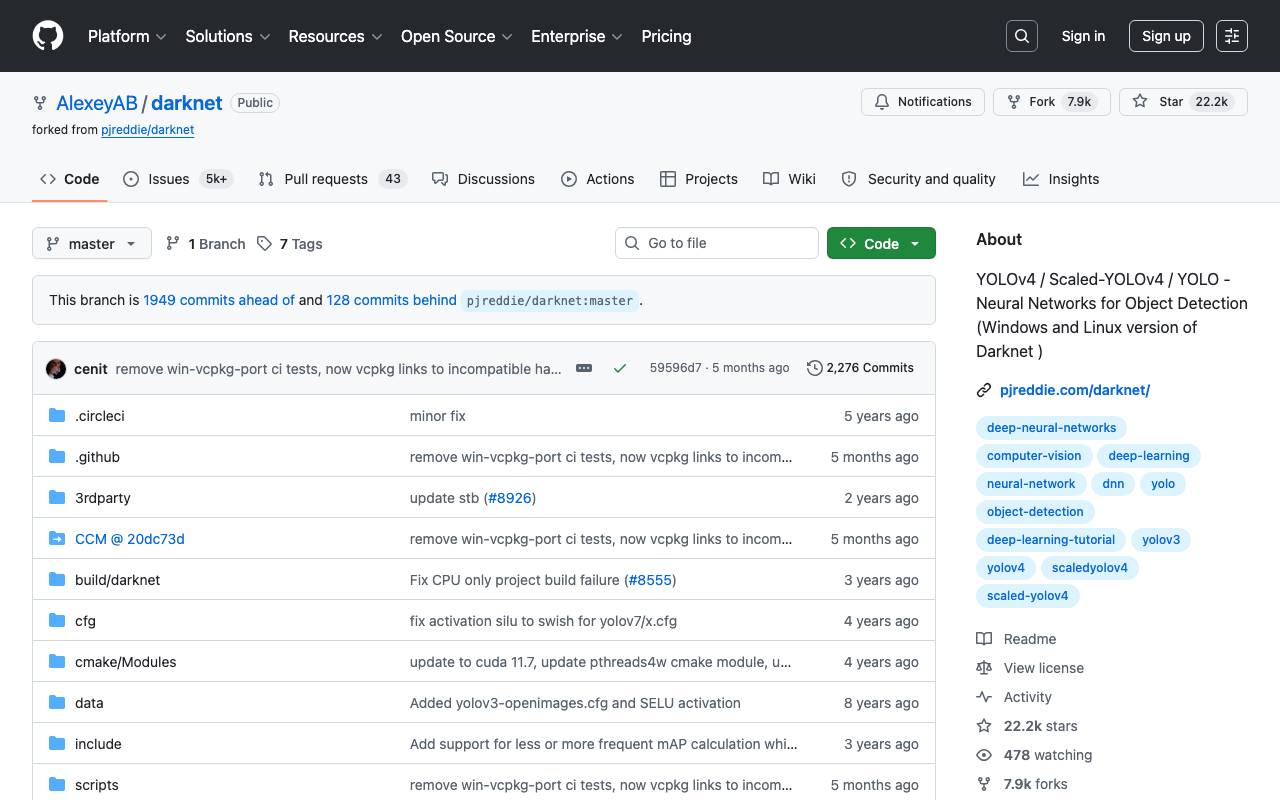
هيئة YOLO (كُن تَدَمُغ بِضَمٍ حَسَبَ وَصْفِها ) مجموعة من أَلْغُورَمَاتِ تَعَدّي الأَجسامِ مُصَمّمةٌ للِخَطَأِ والِعَجَلِ. تَختَلِفُ في هَذا الِخِطابِ الِسِياساتِ التّقليدِيَّةَ التّي تَأَمَلُ مُودِلاً عَلى صُورَةٍ فِي مَواضِعٍ مُتعدِدة وَمِلّاتِ نِسبِيَّةٍ، يَحولُ YOLO تَعَدّي أَجسامٍ إِلى مُشكَلَةٍ وَاحِدةٍ مَستَفيضة التّفاصيل، حيث تُقَدَّمُ خارِطاتُ الحُدُودِ والِاحتمالاتُ الدّاخليَّةُ لِفَيضٍ وَاحِدٍ مَعمُولٍ بِهِ شَرَفَ الشبكةِ الِحِجائِرِيَّةِ. يعد هذا المفهوم من الأنظار خاصةً متناسباً مع التطبيقات الحقيقية الوقت، مثل التحليل الفيديو، المركبات الذاتية، الروبوتات، المراقبة، والواقع المحسّن. الإصدارات المتلاحقة (YOLOv3, v5, v7, v8, و الخلاّف) تحسّن الدقة، توسيع دعم المهام إلى التجزئة وقيمة التقدير، والمحافظة على إطار العمل لإعجابه بالأداء السريع للتحليل. تعد YOLO من بين الإدخالات الشائعة بين المحترفين والمطورين نتيجة لتطبيقاتها المفتوحة المصدر والمجتمع النشط وتوازنها بين دقة обнаружية المكونات وسرعة المعالجة في المنصات GPU وكذلك أجهزة الحواف.
- التكنولوجيا الأحادية الجانب للكشف عن الأجسام
- تنبؤ نطاق الحد الأقصى وتحليل احتمالية الفئة
- دعم المهام مثل الكشف، والتفرقة، والتحديد الوضع
- الإصدارات الموجودة مسبقا على datasets الشائعة مثل COCO
- القدرة على التطبيق على أجهزة GPU ، CPU، والأجهزة الإدارية
- التدريب المخصص على datasets المستخدم

NVIDIA Isaac
منصة NVIDIA الشاملة للذكاء الاصطناعي لتطوير و محاكاة و نشر الروبوتات الذاتية الحركة.
هو NVIDIA Isaac منصة لتنمية البرامج الذكية التي تجمع بين hardware والبرمجيات و أدوات الرؤية المحاكية لتحسينمهندسي الماشین الذی المهارة الذاتیة. یشمل کل دورة العمل من التدریب للحدسین وتطبیقهم فی السیانات الذاتیة الظاهرة الحائیثة إلى نشرهم على أجهزة الأجهزة المنزلية الأجبان. تضم المنصة إيساك Sim لنظام المحاكاة المبني على قوانين الفيزياء، وإيساك ROS لكتل الروبوطيقية المسرعة التي تعمل وفقًا للمنظومة ROS، وأساليب مرجعية ومودلات مسوقة مسبقًا للمهام الشائعة مثل التنقل، والقبض، ووظائف التعامل بين الإنسان والروبوت. وتنفذ في العديد من الصناعات بما في ذلك الصناعة، والتمويل، والرعاية الصحية، والمقاومة البحثية. من خلال توحيد الحصول على النماذج والتدريب والتشغيل على أجهزة NVIDIA GPU، تهدف أنظمة Isaac إلى خفض فجوة بين التصميم التخيلي لروبوت في البرمجيات و تشغيله بشكل موثوق في العالم الحقيقي.
- Isaac Sim لمحاكاة الروبوتات الواقعية و الفيزيائية
- Isaac ROS حزم معجلة بواسطة GPU
- نماذج مسبقة للتدريب للإدراك و التلاعب
- توليد بيانات اصطناعية للتدريب
- النشر على أجهزة Jetson الحافة
- سير عمل مرجعية للملاحة و التلاعب
تصفح جميع أدوات Computer Vision الـ 51
الدليل الكامل القابل للبحث — مرتب حسب مراجعات المستخدمين الحقيقية.