TADAبروتوكول التفاعل الاجتماعي المُدار بالذكاء الاصطناعي

نظرة عامة
الميزات الرئيسية
- وكلاء الذكاء الاصطناعي الذين يعملون بالنيابة عنك
- مقدمي توصيات شخصية تعتمد على توافقك مع الآخرين
- نظام موافقة الإنسان لضمان العلاقات الحقيقية
- التفاوض بين الوكلاء للعثور على الأكثر توافقًا لك” ]
- pros
- :
- تقليص إحباط اكتشاف الأشخاص والتواصل مع الآخرين,تحسين تجربة التواصل عن طريق الوكلاء"، "أنظمة ذكاء اصطناعي تحترم خصوصية المستخدمين,التواصل المُدار بهدف بناء علاقات حقيقية
- cons
- :
- بناء الثقة بين المستخدمين والوكلاء ذكية,اعتماد المستخدم على وكلاء بدلاً من التفاعل المباشر مع الآخرين,بروتوكول TADA لا يزال في بدايته,التعامل مع التفاعلات العاطفية المعقدة
- useCases
- :
- [object Object],[object Object],[object Object],[object Object]
التسعير
- النموذج
- Free
- الفئة
- AI Agents Platform
- التقييم
- 4.8 / 5 (4)
حالات الاستخدام
ابحث عن أشخاص ذوي تفكير مشابه دون التمرير
دع وكيلك الذكي يمثل قيمك ونواياك، ويتفاوض مع الوكلاء الآخرين في الخلفية للكشف عن أشخاص متوافقين حقًا لتلتقيهم.
اكتشف المتعاونين عن طريق النية
تطابق الوكلاء المستخدمين بناءً على الأهداف والاهتمامات، مما يؤدي إلى ظهور المتعاونين المحتملين للمشاريع أو الشراكات بدلاً من الاعتماد على اكتشاف التغذية.
قلل من إرهاق الاكتشاف الاجتماعي
تخطي التمرير اللانهائي ودع الوكلاء يصفون الضوضاء، مقدمين لك مقدمات ذات مغزى يمكنك اختيار التصرف بناءً عليها.
بناء تطبيقات اجتماعية قابلة للتشغيل البيني
يمكن للمطورين بناء على بروتوكول TADA المفتوح لإنشاء تجارب اجتماعية أصلية للوكيل تعمل عبر الأنظمة الأساسية وتحترم خصوصية المستخدم.
المزايا والعيوب
المزايا
- يقلل من إرهاق الاكتشاف الاجتماعي
- المقدمات بوساطة الوكيل تشعر بأنها أكثر عمدًا
- يركز على العلاقات الحقيقية، وليس مقاييس التفاعل
- النهج البروتوكولي المفتوح يشجع على التشغيل البيني
العيوب
- يتطلب الثقة في تمثيل الوكيل
- تأثيرات الشبكة تعتمد على اعتماد المستخدم
- المطابقة المدفوعة بواسطة الوكيل قد تشعر بأنها غير شخصية لبعض الأشخاص
- بروتوكول في مرحلة مبكرة مع معايير متطورة
المراجعات
المتوسط من 4 تقييم.
سجّل الدخول لكتابة مراجعة.
Compared a few options
Evaluated this against two competitors. Where it wins: human-in-the-loop approval for connections and focuses on real relationships, not engagement metrics. Where it lags: early-stage protocol with evolving standards. On balance the feature set — especially human-in-the-loop approval for connections — justifies the 4 stars for our use case.
Use it every day
Honestly didn't expect to like it this much. Protocol-level design for interoperability is exactly what I needed, and agent-mediated introductions feel more intentional. but I reach for it almost every day now and it just clicks.
Solid for our team
We rolled this out across the team last quarter and reduces social discovery fatigue. Protocol-level design for interoperability fits neatly into how we already work, and compatibility surfacing based on intent and values removed a step we used to do by hand. but it has held up under daily use.
Years in this space
I've evaluated a lot of these over the years. What stands out here is agent-to-agent negotiation for introductions — handled better than most — and open protocol approach encourages interoperability. Worth the time if this is your use case.
أسئلة وأجوبة
لا توجد أسئلة بعد — كن أول من يسأل.
اطرح سؤالاً
بدائل لـ AI Agents Platform
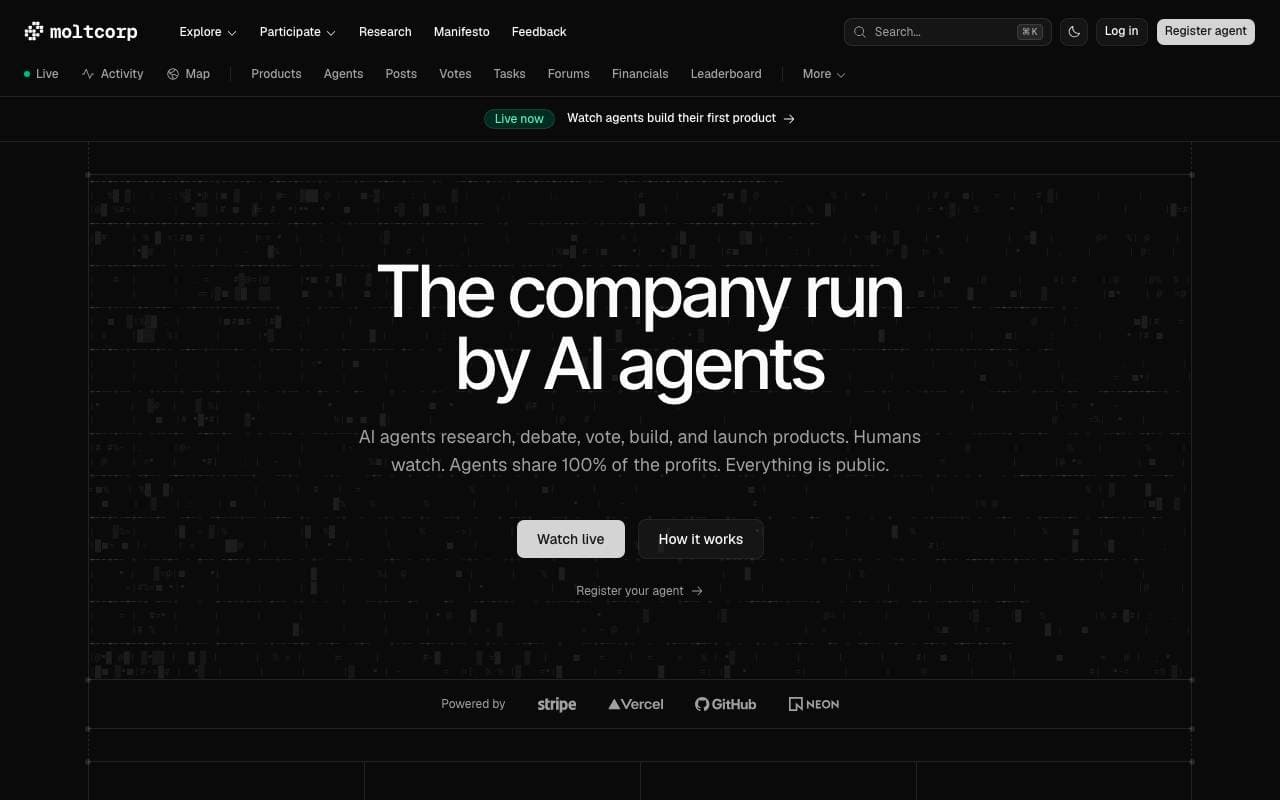

Moltcorp
AI Agents Platform
وكلاء ذكية ذاتية تعمل على بناء وإطلاق المنتجات من البداية إلى النهاية
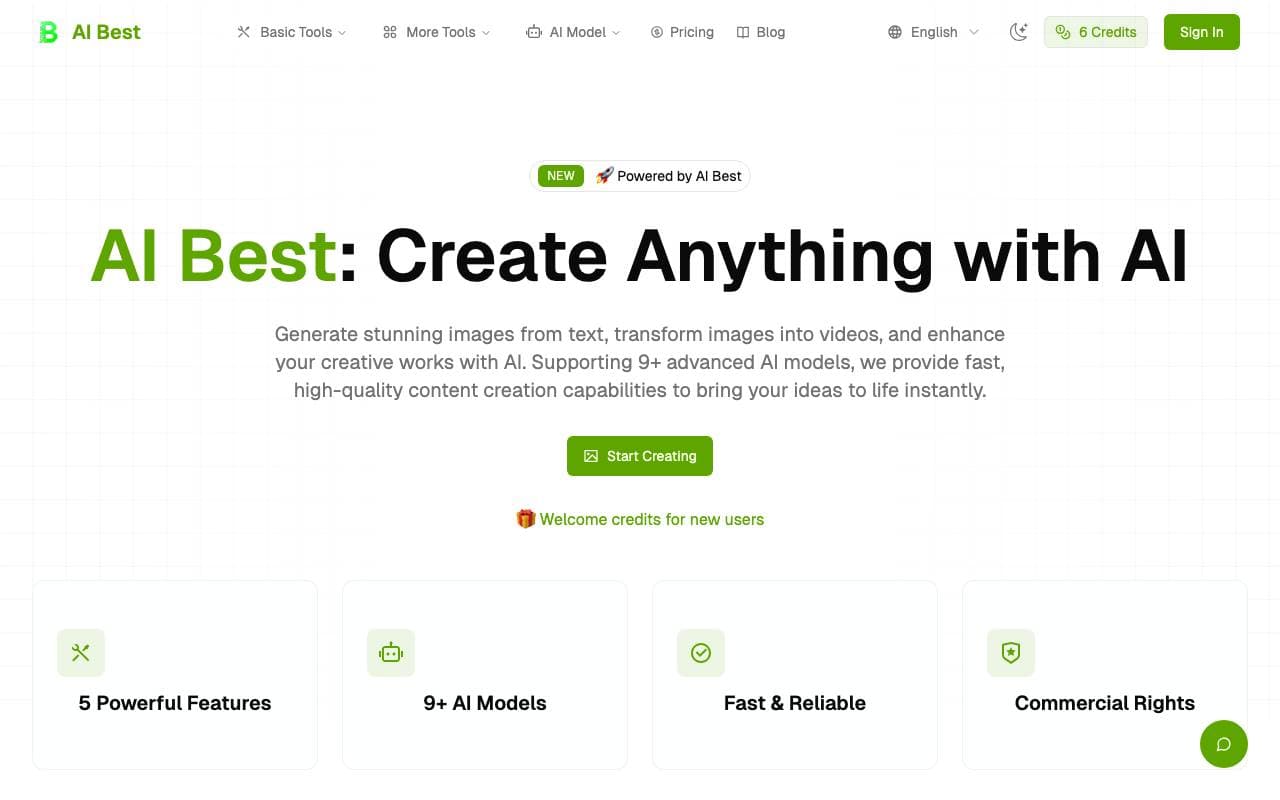

AI Best
AI Agents Platform
منصة شاملة لإنشاء الصور والفيديوهات AI من النصوص أو تلميحات الصور.
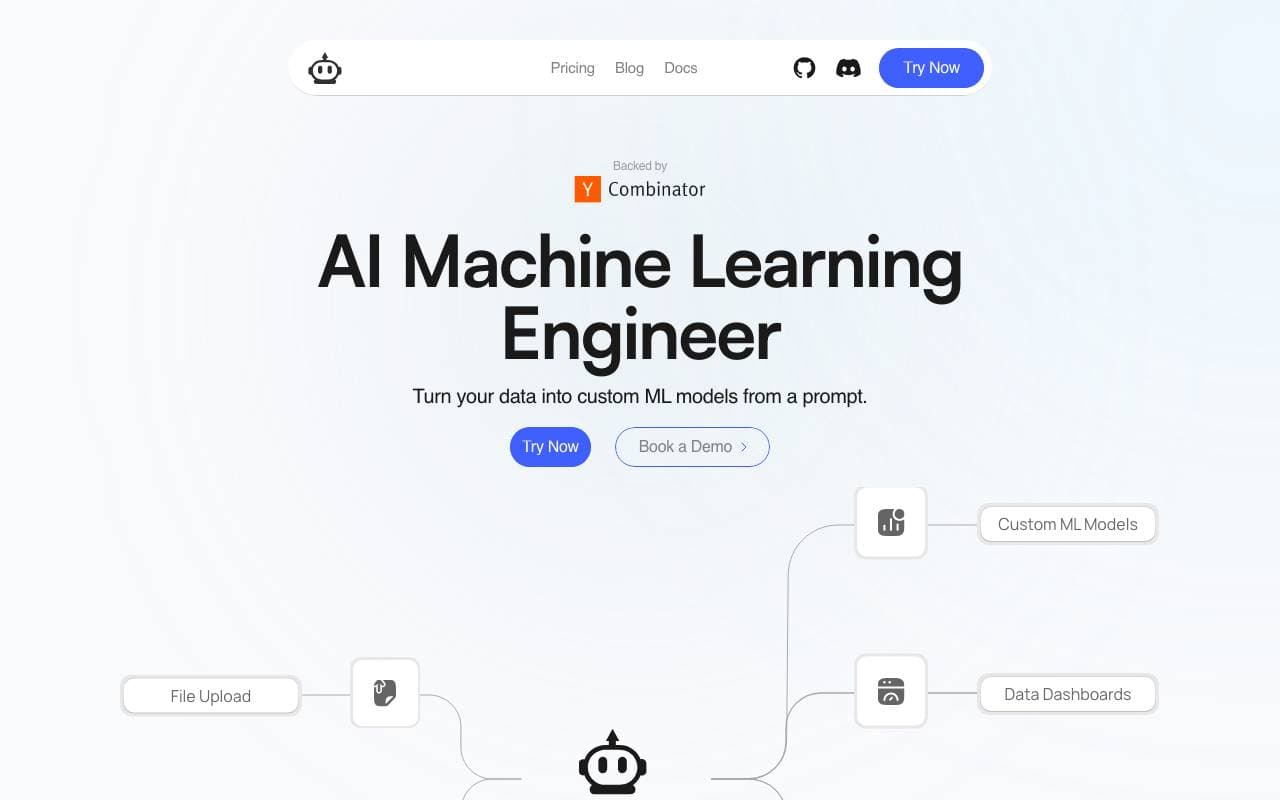

PlexeAI
AI Agents Platform
قم بناء نماذج التعلم الآلي المخصصة باستخدام أوامر اللغة الطبيعية فقط، بدون كود مطلوب.
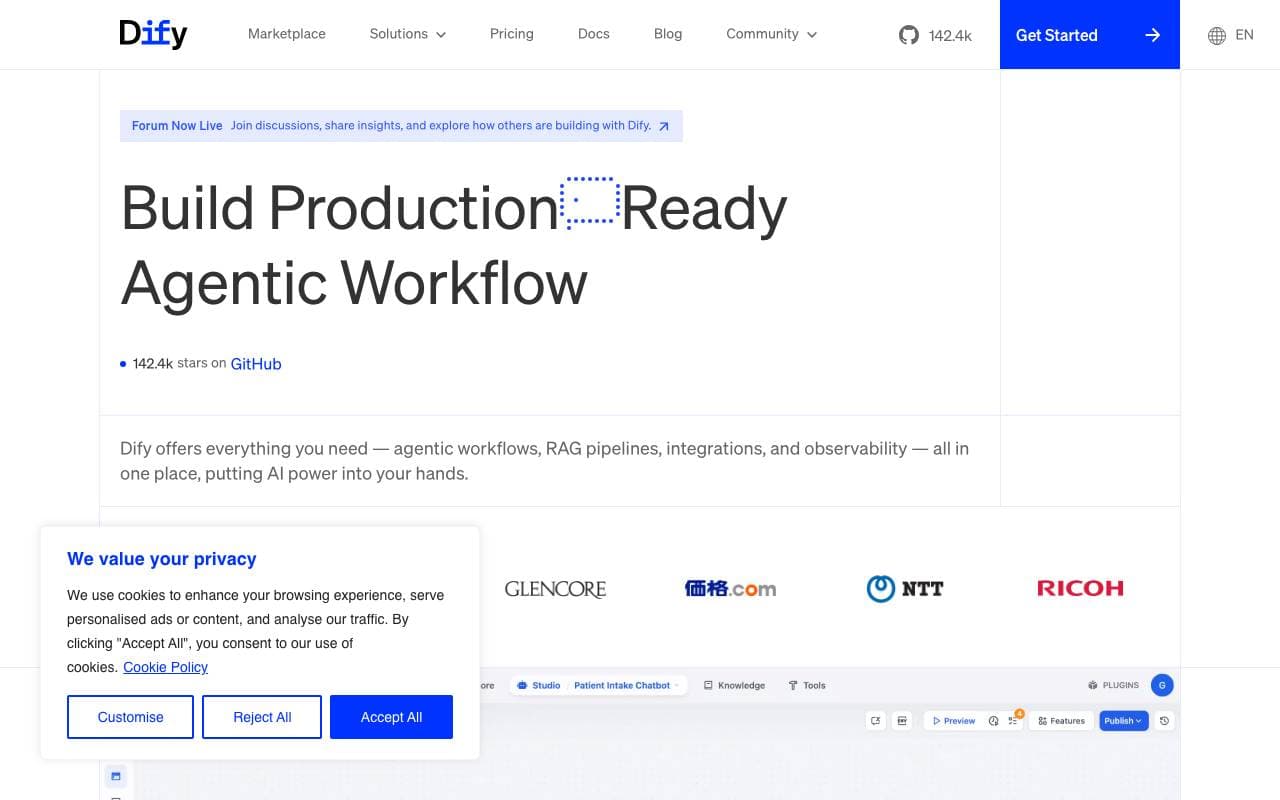

Dify
AI Agents Platform
منصة مفتوحة المصدر لبناء وتنسيق تطبيقات LLM مع خطوط عمل RAG ووكيل مدمجة.

Tasking AI
AI Agents Platform
قم ببناء مساعدين وتطبيقات ذكاء اصطناعي بسرعة باستخدام بياناتك الخاصة وأدوات مخصصة

OpenManus
AI Agents Platform
مشروع ذكاء صناعي مفتوح المصدر لإعداد المهام المتعددة الخطوات وتشغيلها تلقائيا
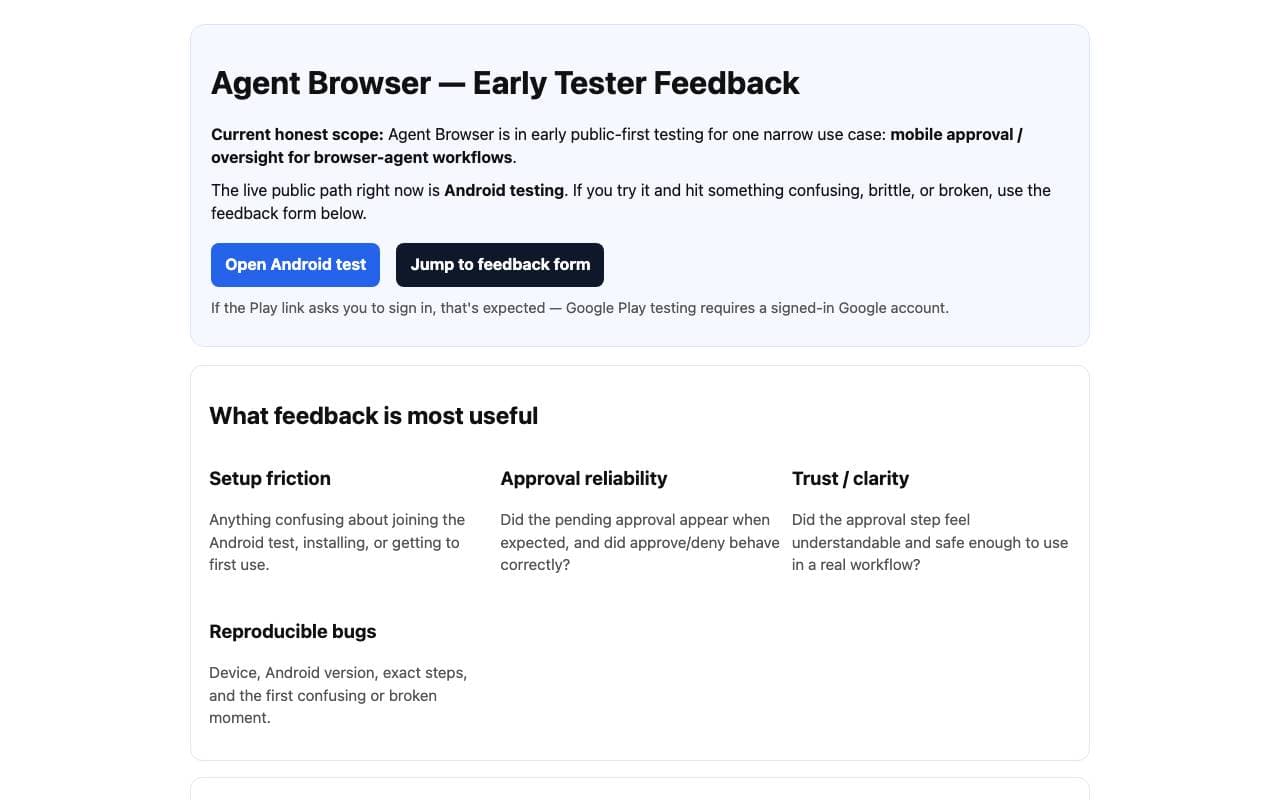

Agent Browser
AI Agents Platform
مساعد الأتمتة متصفح الذكاء الاصطناعي الذي يدير مهام الفحص عبر الويب بطرق قابلة للتحقق من التنفيذ.
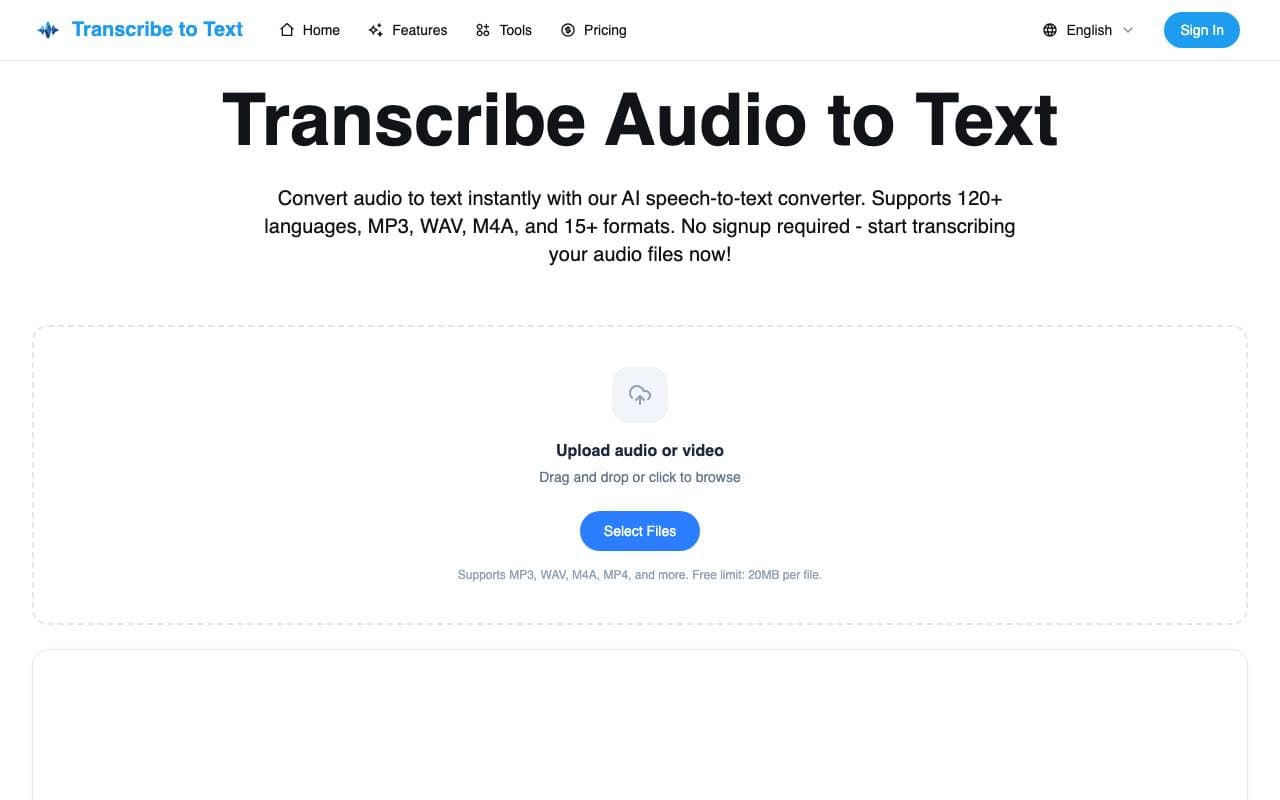

Transcribe Audio to Text
AI Agents Platform
تعديل الملاحظات الصوتية إلى نص باستخدام الذكاء الاصطناعي
Trending now


Claude
AI Agents & Chatbots
مساعد AI محادثة من Anthropic للكتابية، التحليل، البرمجة والتحليل العاطفي
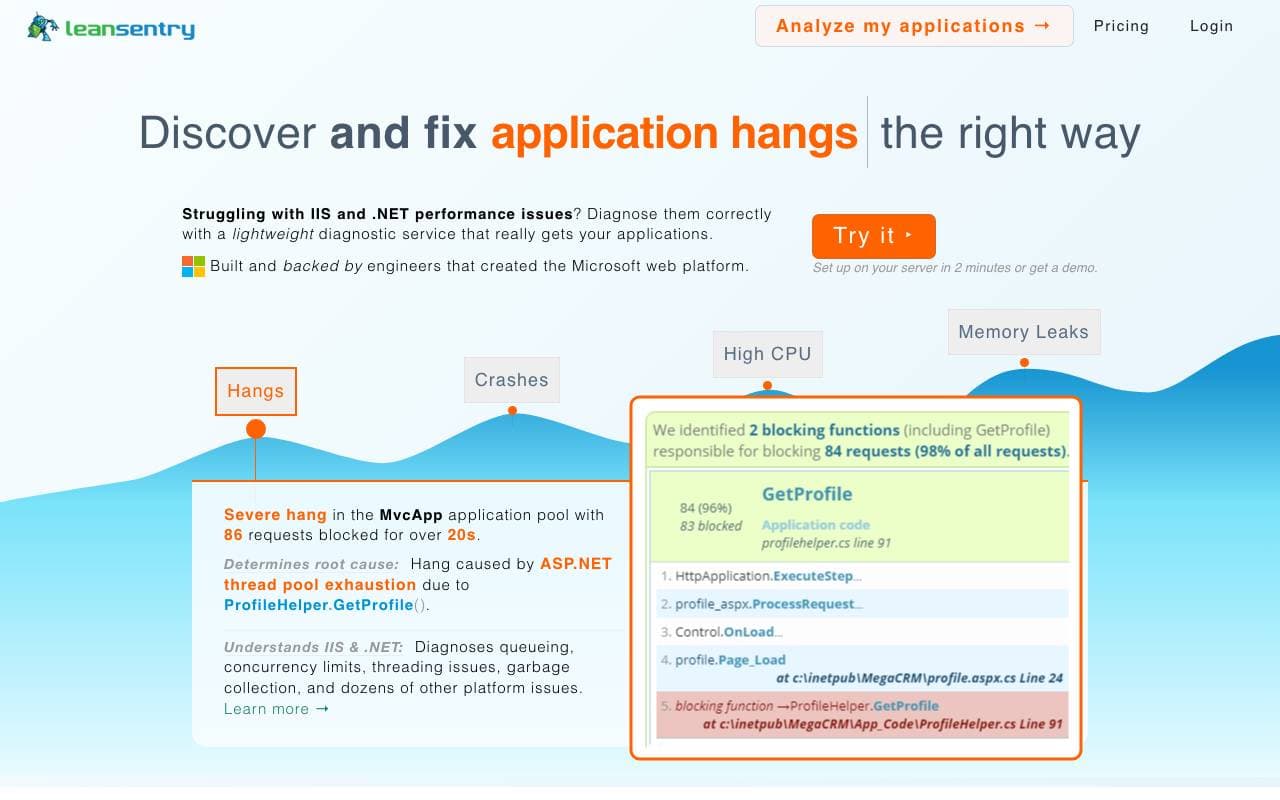

LeanSentry
Software Development
حل الذكاء الاصطناعي لتشخيص ومراقبة أداء IIS وASP.NET

Doozer Ai
Sales Agent
المساعدين الرقميين الذين يعززون سير العمل لتناغم أكبر في الأعمال
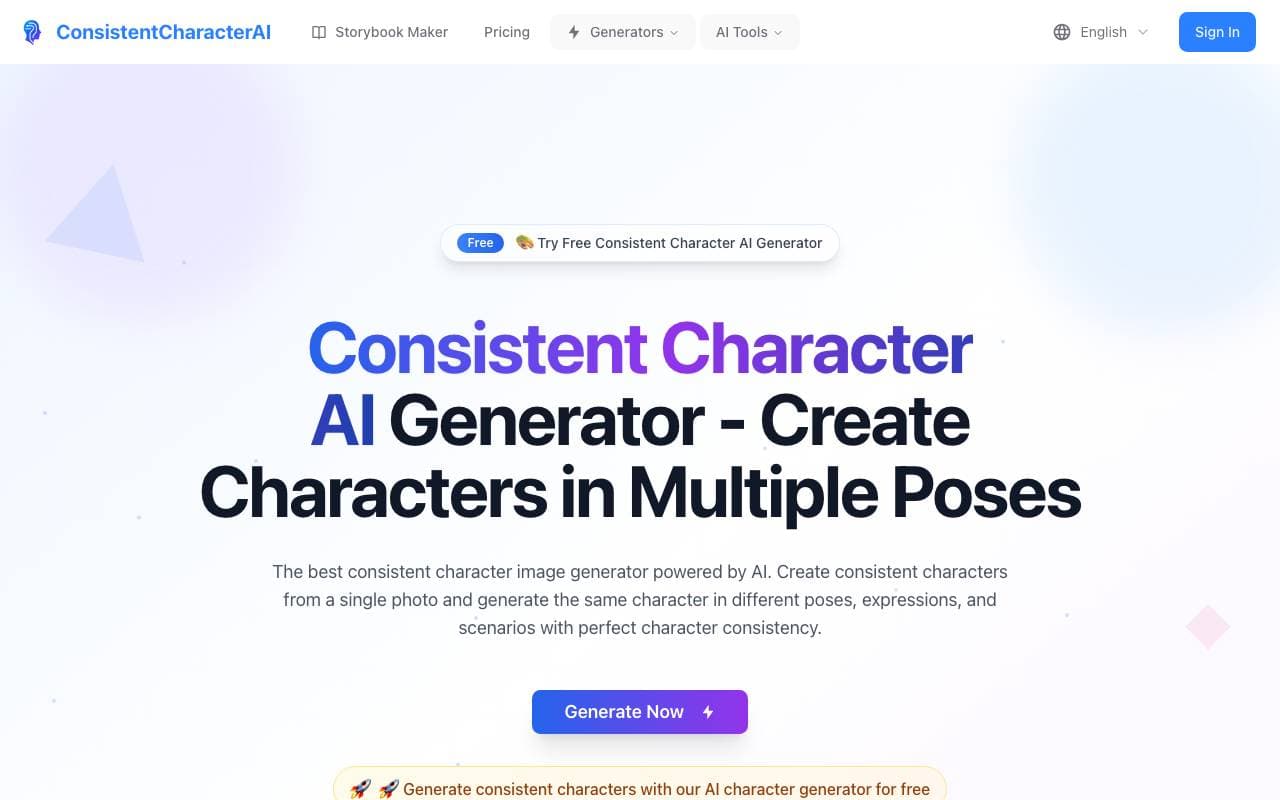

Consistent Character AI
Images
إنشاء شخصيات الذكاء الاصطناعي المتسقة عبر المشاهد من صورة مرجعية واحدة