
Anima | UX Design Agentوكيل تصميم تجربة المستخدم المدعوم بالذكاء الاصطناعي الذي يتعلم إرشادات علامتك التجارية ونظام التصميم لإنشاء واجهات تتوافق مع المواصفات

نظرة عامة
الميزات الرئيسية
- استخراج الأنظمة وتشريعات التصميم
- تشكيل شاشات التفاعل المستخدمة ومسارات التفاعل عبر تقنيات الذكاء الاصطناعي
- توصيات لتقديم شاشات التفاعل المركّزة بالعناصر المكونة
- التسلسل المتسارع وتحقيق الاتساق في عدة أدوات
- إجراء تعديل يشارك فيه تصميميو التفاعل
- دمج عملية الدورة العمل للتوليف بين الطرفين
التسعير
- النموذج
- Free
- الفئة
- Code Generation
- التقييم
- 4.4 / 5 (5)
حالات الاستخدام
التحسين السريع لاستكشاف المنتج المبكر.
أنشئ مفاهيم شاشات وسير العمل المتعددة بسرعة لاستكشاف الاتجاهات دون بناء كل نموذج يدويًا من البداية.
“يسمح Anima بسرورة توفير تصميمات ذكية تتناسب مع إرشادات العلامة التجارية وأنظمة التصميم الموجودة.”
توفير الوقت في المهام المتكررة
قلل الوقت الذي يصرفه المصممون في المهام المتكررة.
“باستخدام Anima، يمكن للمصممين التركيز على المهام الإبداعية وتقليل الوقت المستغرق في المهام المتكررة.”
توحيد معايير التصميم واتساق العلامة التجارية
تتيح Anima تنفيذ معايير العلامة التجارية ونظم التصميم المتوفرة.
“تساعد Anima على توحيد معايير التصميم والحفاظ على ثبات العلامة التجارية.”
تعزيز التعاون بين أعضاء الفريق
تساعد Anima الفرق على التعاون ومشاركة المعرفة.
“تساعد Anima الفرق على التعاون ومشاركة المعرفة والخبرة.”
المزايا والعيوب
المزايا
- يتوافق مع إرشادات هوية العلامة التجارية وأنظمة التصميم القائمة.
- يزود فرق التصميم بإجابات سريعة وذكية على الأسئلة التصميمية
- يروج الإنتاجية عن طريق تحرير المصممين من المهام المتكررة
- تحديث مستمر لقاعدة المعرفة لتحقيق أداء مستمر
- يعزز التعاون بين المصممين والمطورين.
العيوب
- ربما يكون أقل فائدة لاستكشاف العلامة التجارية الجديدة
- يحتاج إلى تعريف إرشادات العلامة التجارية وأنظمة التصميم مقدما
- ينبغي على المصممين مراجعة المخرجات
- التدريب الأولي مطلوب لتخصيص الأداة لتتناسب مع احتياجات التصميم الخاصة بك
- قد لا يستبدل المصممين بشكل كامل.
المراجعات
المتوسط من 5 تقييم.
سجّل الدخول لكتابة مراجعة.
Skeptical, then convinced
I went in skeptical — most tools in this space overpromise. It actually delivers on workflow integration for handoff, and speeds up routine UI production caught me off guard. Requires a defined design system to perform best is why this isn't a perfect score, still, I'd recommend giving it a real trial.
Solid for our team
We rolled this out across the team last quarter and speeds up routine UI production. Brand and design system ingestion fits neatly into how we already work, and consistency across multiple artifacts removed a step we used to do by hand. Output still needs designer review, which is the main caveat, but it has held up under daily use.
Years in this space
I've evaluated a lot of these over the years. What stands out here is component-aware UI suggestions — handled better than most — and speeds up routine UI production. Less useful for greenfield brand exploration is my one real gripe. Worth the time if this is your use case.
Years in this space
I've evaluated a lot of these over the years. What stands out here is aI-generated UX screens and flows — handled better than most — and reduces inconsistency across screens. Learning curve to configure brand context is my one real gripe. Worth the time if this is your use case.
Use it every day
Honestly didn't expect to like it this much. Brand and design system ingestion is exactly what I needed, and integrates into established design workflows. but I reach for it almost every day now and it just clicks.
أسئلة وأجوبة
Do we need an existing design system to use Anima effectively?
Yes. Anima performs best when you have a defined design system, brand guidelines, and component library to ingest. Without that context, it's less useful for greenfield brand exploration, since its strength is generating screens that stay consistent with established patterns.
What are the best use cases for Anima on a product team?
Anima is well-suited for accelerating early UX exploration, filling in repetitive screens, and translating ideas into polished, system-aligned designs. Teams use it to maintain consistency across multiple artifacts and speed up routine UI production without starting from scratch.
Does Anima replace designers, or is human review still required?
Designer review is still required. Anima is built as a designer-in-the-loop tool that acts as an extension of the team, generating on-spec screens and flows that designers then edit, refine, and approve before handoff to development.
اطرح سؤالاً
بدائل لـ Code Generation
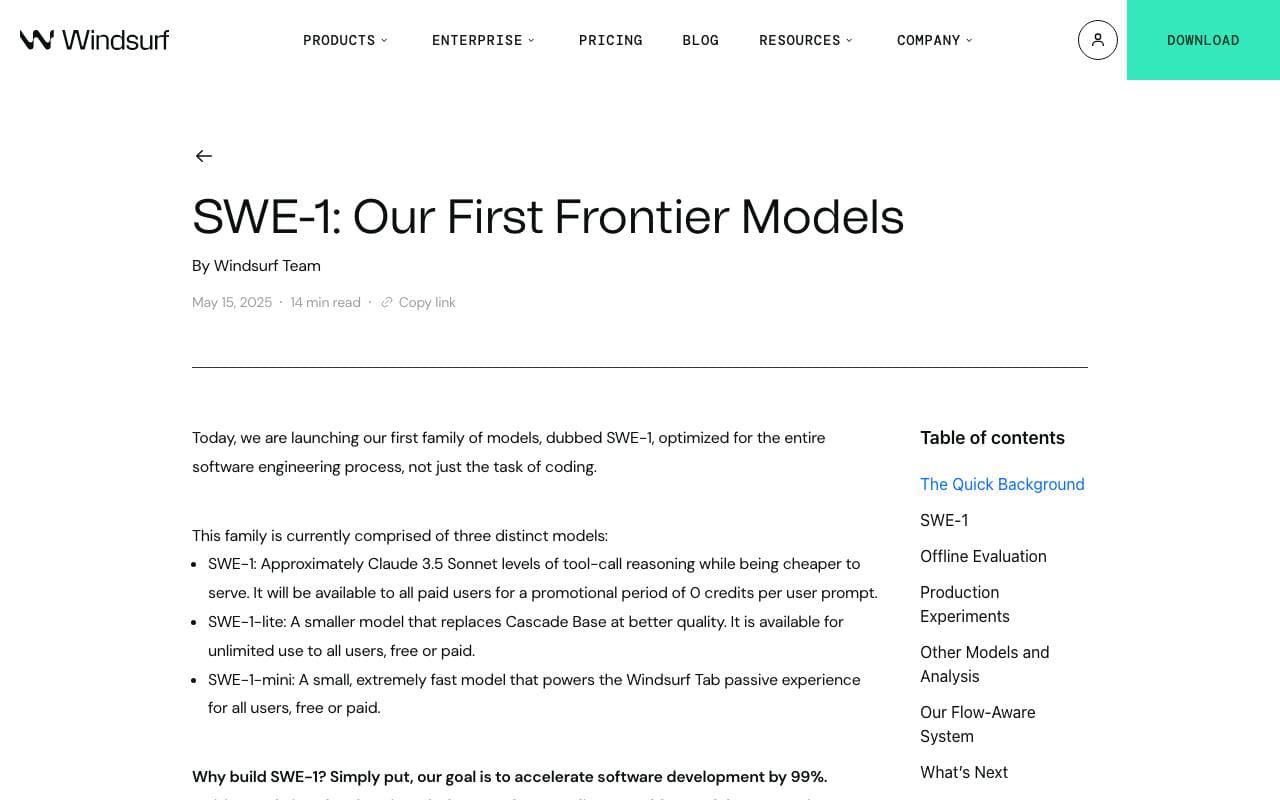

SWE-1 ai coding model
Code Generation
عائلة نماذج الذكاء الاصطناعي الداخلية لـ Windsurf المصممة خصيصًا لتدفقات عمل هندسة البرمجيات من البداية إلى النهاية.
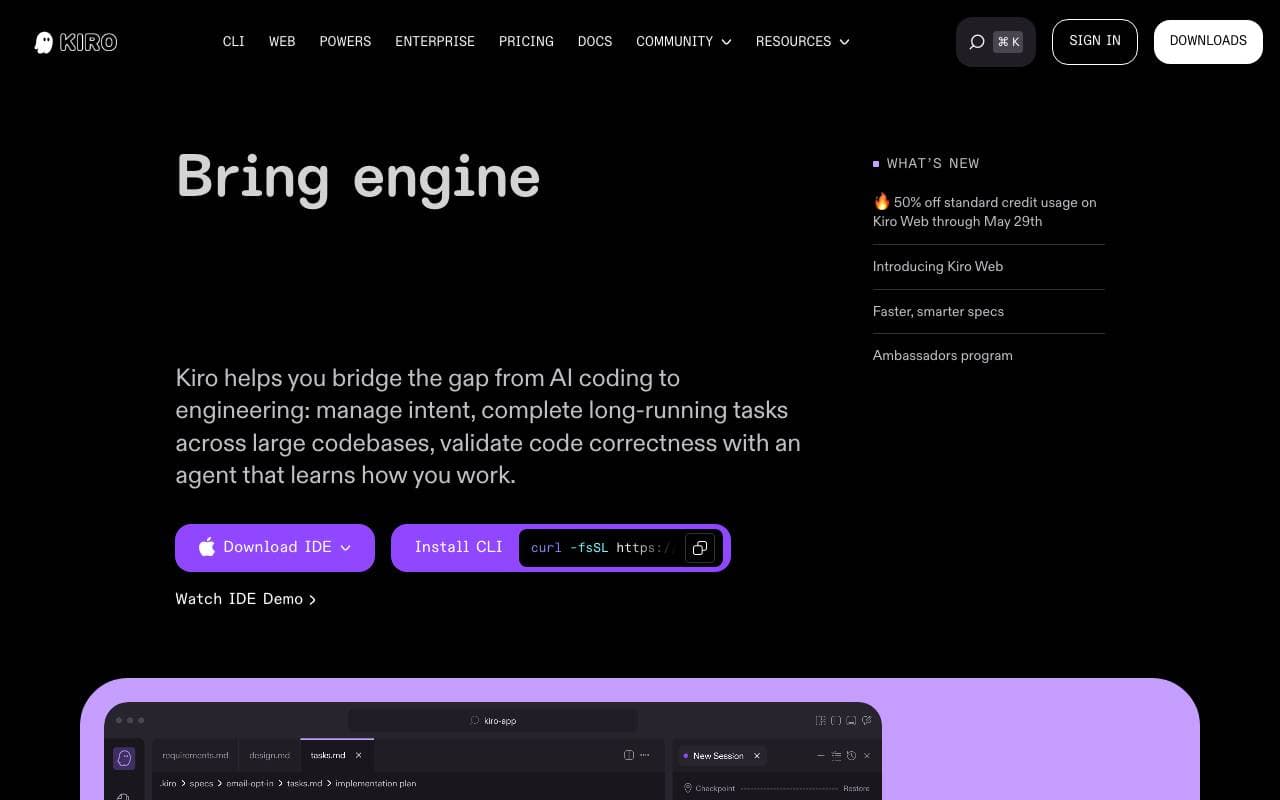

Kiro AI
Code Generation
جسّد رؤيتك باستخدام الذكاء الاصطناعي

DeepCoder-14B-Preview
Code Generation
نموذج الذكاء الاصطناعي الكبير البالغ 14 مليار معامل للتفسير البرمجي من اللغة العادية


OpenAI Codex
Code Generation
مساعد برمجي بالذكاء الاصطناعي يترجم اللغة الطبيعية إلى شفرة تعمل عبر عشرات لغات البرمجة.

Keringit
Code Generation
أكمل الجملة، احصل على تطبيق قابل للتخصيص والتشغيل.
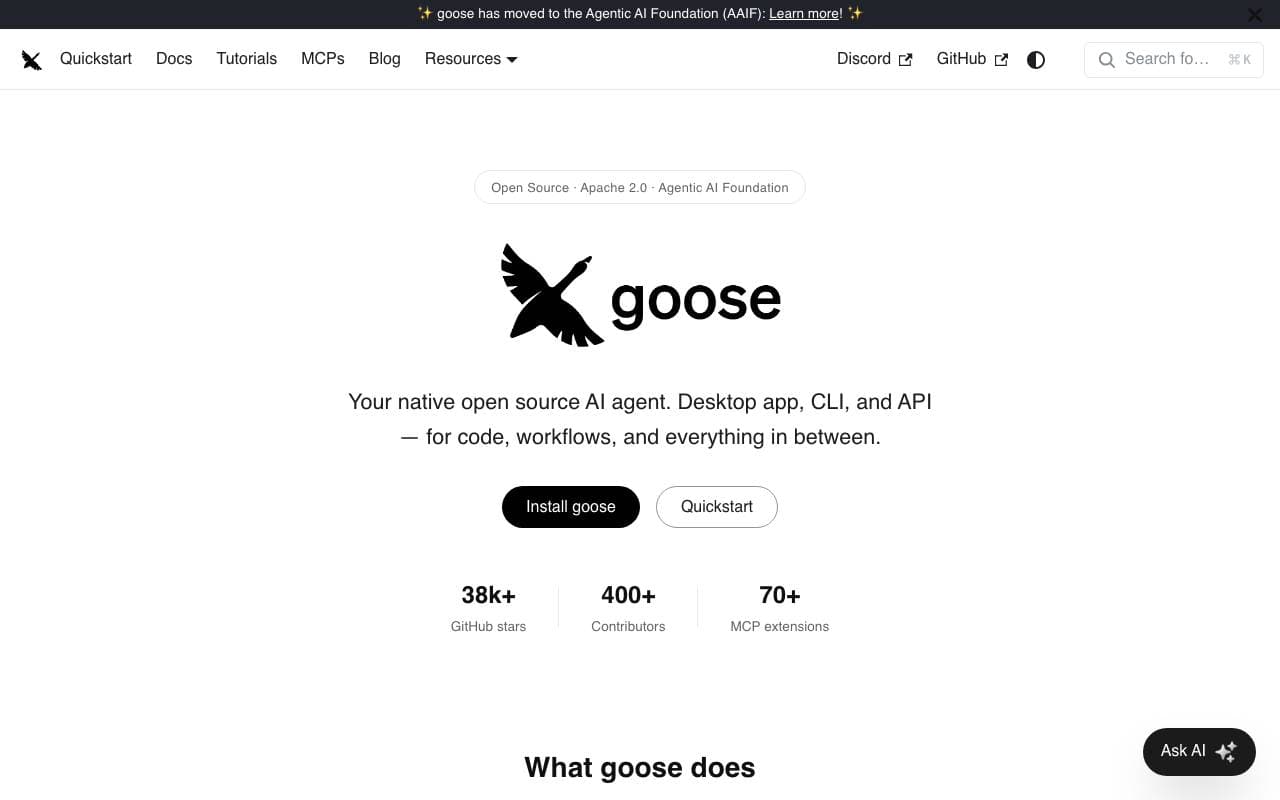

Codename Goose
Code Generation
حيوان شعار كود اسم المستخدم: وكيل الذكاء الصناعي المفتوح المصدر على الجهاز لأتمتة المهام الهندسية المعقدة وتحسين إنتاجية المطورين.
Trending now

Doozer Ai
Sales Agent
المساعدين الرقميين الذين يعززون سير العمل لتناغم أكبر في الأعمال
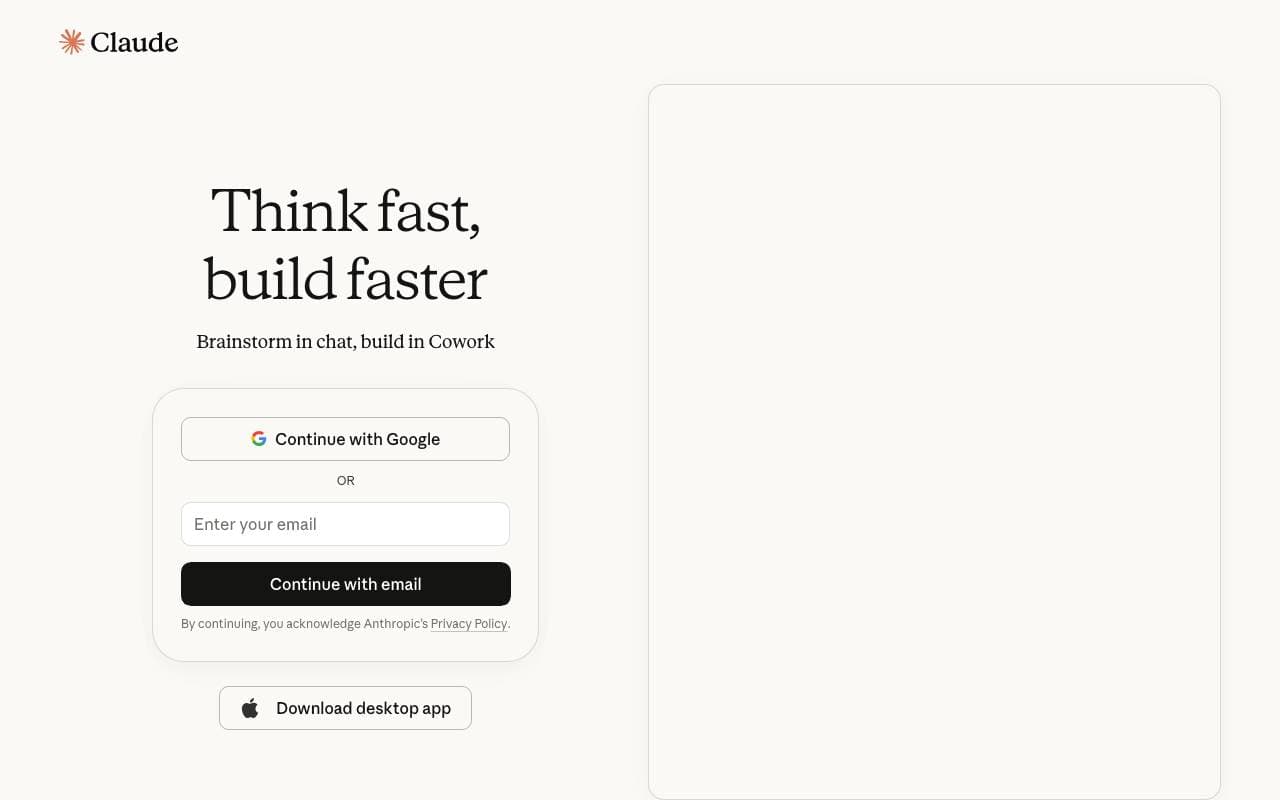

Claude
AI Agents & Chatbots
مساعد AI محادثة من Anthropic للكتابية، التحليل، البرمجة والتحليل العاطفي
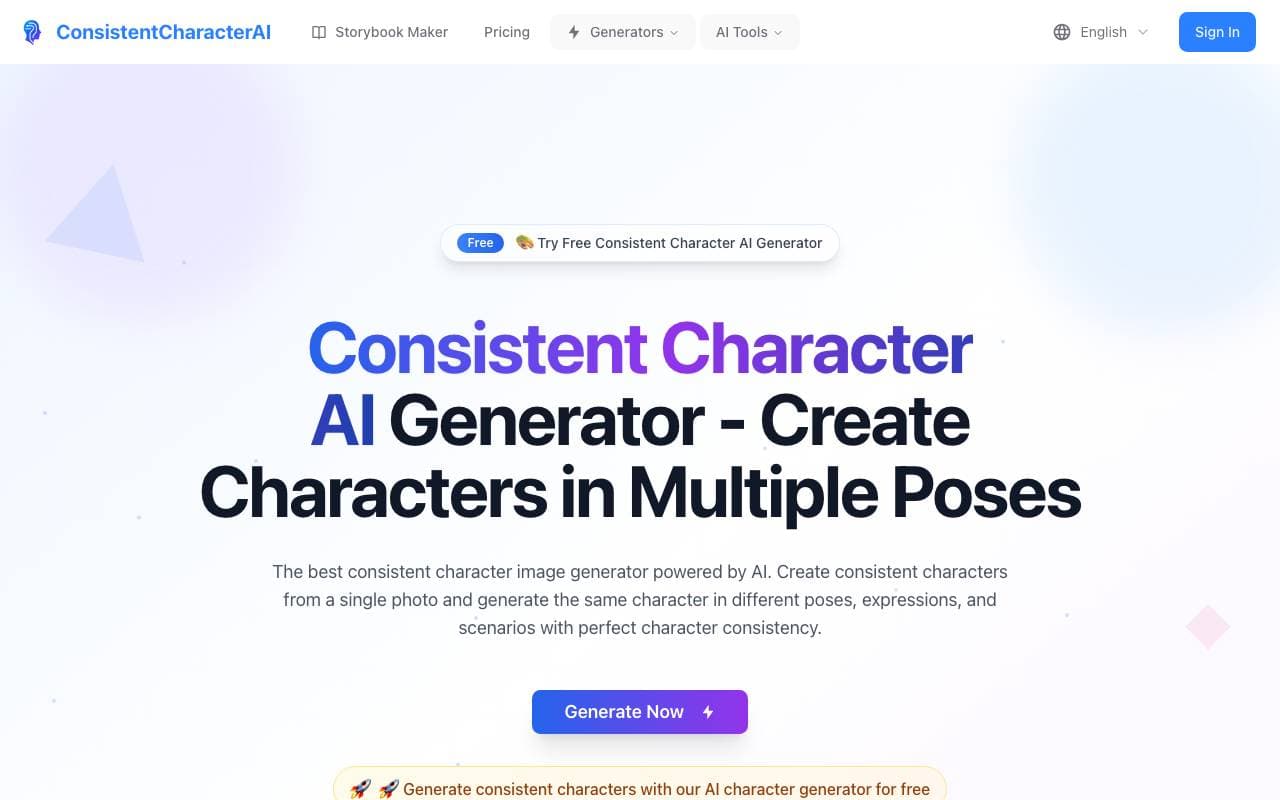

Consistent Character AI
Images
إنشاء شخصيات الذكاء الاصطناعي المتسقة عبر المشاهد من صورة مرجعية واحدة
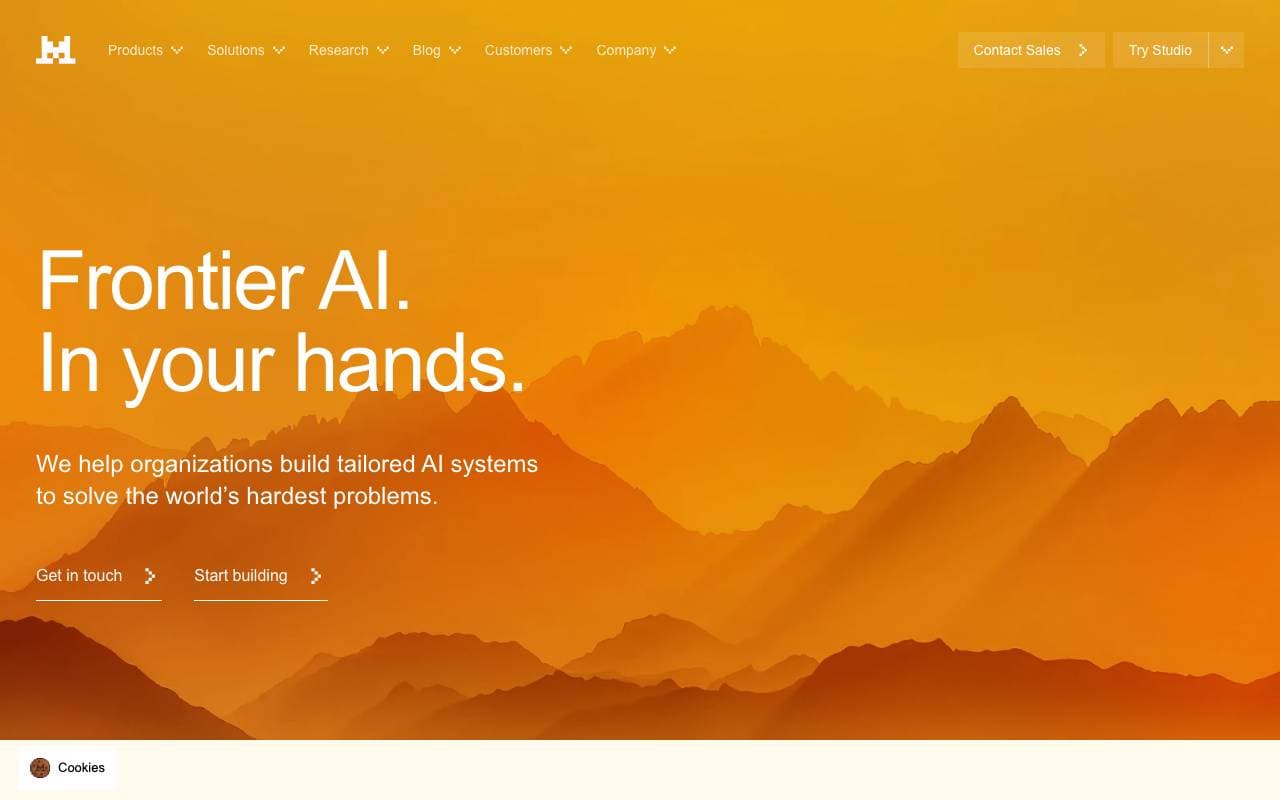

Mistral AI
Large Language Models (LLMs)
تيمور AI