
Skill ScannerNyílt forráskódú biztonsági skannerek, amely auditálja az AI-ügynök képességeit a késési injekciós és gáncskodó mintákra.

Áttekintés
Fő funkciók
- A prompt injekció minták észlelése
- Adat elszállítás heurisztikus értékelések
- Gáncskodó kód minták felkutatása
- SARIF jelentés kimenet
- CI/CD folyamat integráció
- Kiterjeszthető szabálykészlet
Árazás
- Modell
- Freemium
- Kategória
- Software Testing (QA) Agents
- Értékelés
- 4.7 / 5 (6)
Felhasználási esetek
Kerülje a harmadik féltől származó Ágensek felvételét
Felkutassa a külső képességeket és plugineket a késési injekciók és a suspiciumos kódsémákra a felvitelük elkerülése végett, ezzel redukálva a megbízhatatlan integrációk kockázatát.
A fenyegetés ellenőrzések végrehajtása a CI/CD folyamatban
Integrálja a Skill Scanner-t a felépítési folyamatokba az ellenőrzéséhez a SARIF jelentés kimenetnek és automatikusan blokkoljon a pull kérési ágenseket, amelyek megbízhatatlan kód-állást hoznak.
A fenyegetésfelfedezés kód-ágensekben a GitHub kód-átjáró számára
Vízszinten küldje az SARIF jelentés kimeneteket a GitHub kód-átjáróba vagy biztonsága folyamaihoz, hogy a fejlesztők és a biztonsági csapatok a kód-ágensek veszélyeztetéseivel együtt kezelhetik.
Szabályozhatják saját, belső Ágensek szállítását új szabályokkal
Egyéniesítsék a szabálykészletet, hogy az szabaduljon ki a fenyegetésmodellektől és szabályzatoktól, bizonyosítva, hogy a belső képességek szállítva legyenek a megfelelő biztonsági kódsémák és ágensek alatt.
Előnyök és hátrányok
Előnyök
- Támogatás és nyílt forrás
- Lepattanási ágensekhez igazodó fenyegetések célzás
- SARIF kimenet az exisztens biztonsági eszközökkel kompatibilis
- Hasznos a CI/CD biztonsági ellenőrzésekben
- Módosítható a fedezet
- Kifelé a felszámolja a gyakorlati felállás
Hátrányok
- Többé vagy többé specifikus műveleti megismerő és CLI-ellenzős késleltetése szükséges
- A statikus elemzés nem fogná fel az összes futási ágensek
- A fedezet a közösség által fenntartott szabályokból függ
Értékelések
Átlag 6 értékelésből.
Jelentkezz be értékelés írásához.
Does the job
Pretty happy overall. Extensible rule set just works and sARIF output integrates with existing security tools. Static analysis cannot catch all runtime attacks can be annoying, but no dealbreakers — I'd recommend it to a friend without hesitating.
Use it every day
Honestly didn't expect to like it this much. SARIF report output is exactly what I needed, and free and open source. I do wish static analysis cannot catch all runtime attacks, but I reach for it almost every day now and it just clicks.
Use it every day
Honestly didn't expect to like it this much. SARIF report output is exactly what I needed, and useful for CI/CD security gates. but I reach for it almost every day now and it just clicks.
Years in this space
I've evaluated a lot of these over the years. What stands out here is sARIF report output — handled better than most — and free and open source. Worth the time if this is your use case.
Use it every day
Honestly didn't expect to like it this much. SARIF report output is exactly what I needed, and targets agent-specific threats like prompt injection. I do wish coverage depends on community-maintained rules, but I reach for it almost every day now and it just clicks.
Solid for our team
We rolled this out across the team last quarter and useful for CI/CD security gates. Data exfiltration heuristics fits neatly into how we already work, and sARIF report output removed a step we used to do by hand. Requires technical setup and CLI familiarity, which is the main caveat, but it has held up under daily use.
Kérdések
How much does Skill Scanner cost and what's the licensing model?
Skill Scanner is free and open source, so there are no licensing fees. You can self-host and run it as part of your own workflows, with the trade-off that you handle setup, maintenance, and any rule customization yourself.
What threats can it detect, and what are its limitations?
It performs static analysis on skill manifests, instructions, and bundled code to flag prompt injection patterns, data exfiltration heuristics, and suspicious code. As a static tool, it can't catch all runtime attacks, and detection quality depends on the community-maintained or custom rule set.
How does Skill Scanner integrate with CI/CD and existing security tooling?
It outputs findings in SARIF, the standard format consumed by tools like GitHub code scanning, security dashboards, and code review workflows. This makes it straightforward to wire into CI/CD pipelines as a security gate alongside other static analysis tools.
Kérdezz
Software Testing (QA) Agents alternatívái
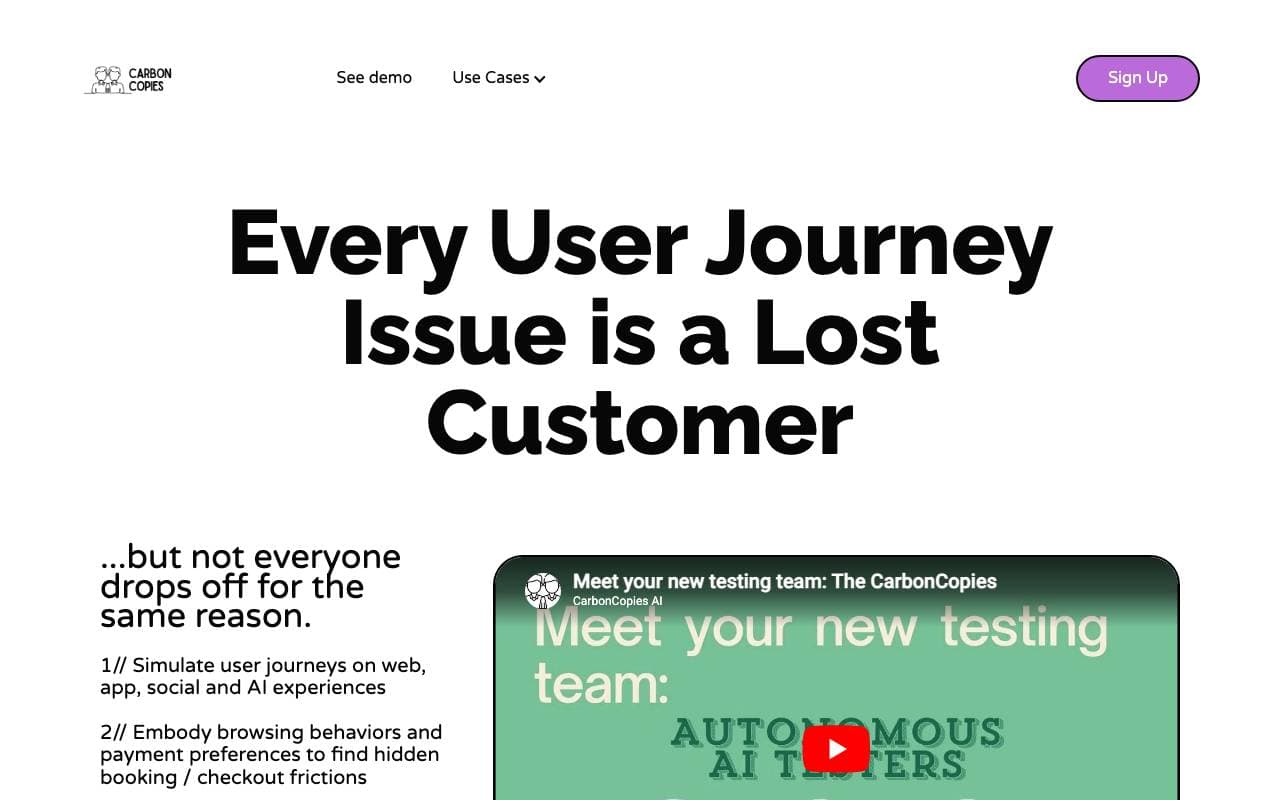

CarbonCopies AI
Software Testing (QA) Agents
A két koppányos technológia az felhasználói interakciók utánzásával hajt végre automatizált felhasználói felületi/ funkcionális tesztelést és kiszűri a hibákat a alkalmazások/oldalakon.
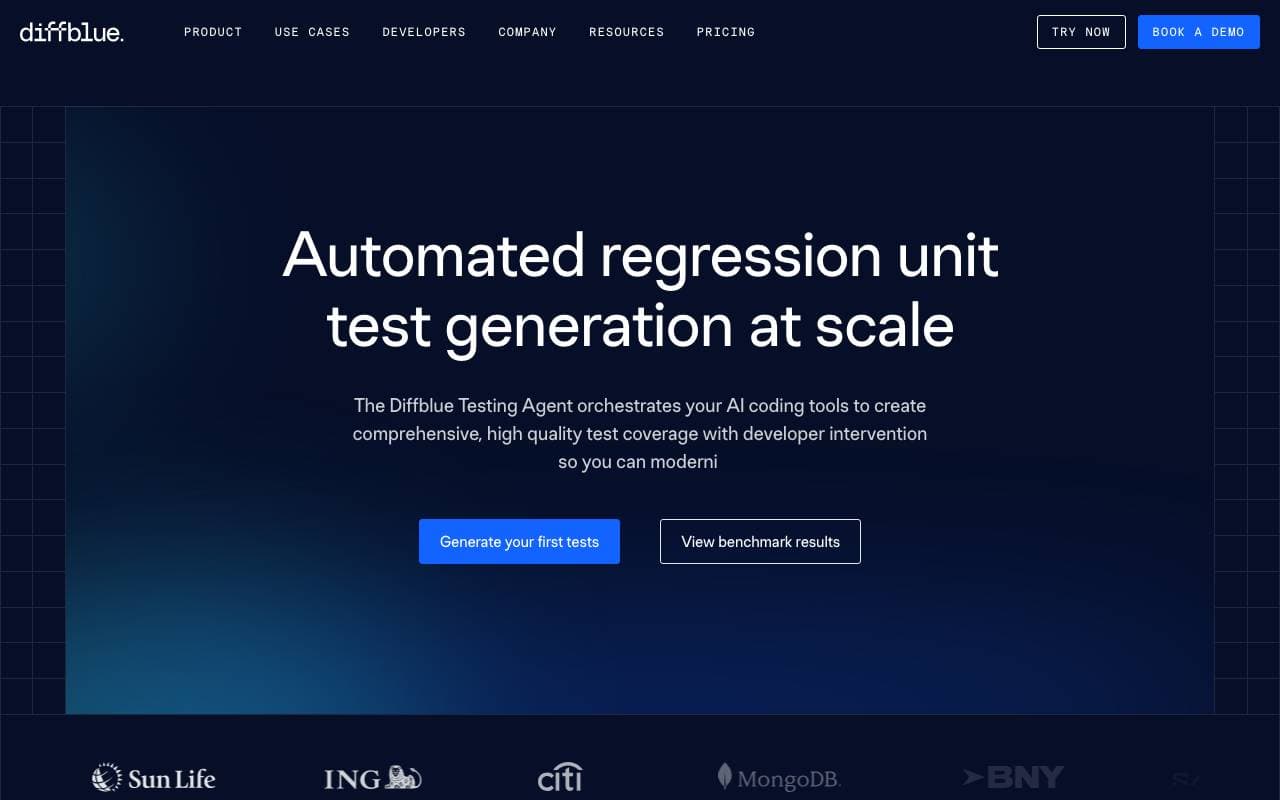

Diffblue Cover
Software Testing (QA) Agents
Autonóm AI ügynök, amely javított precizitással generál és karbantart Java egységteszteket nagy skálán.
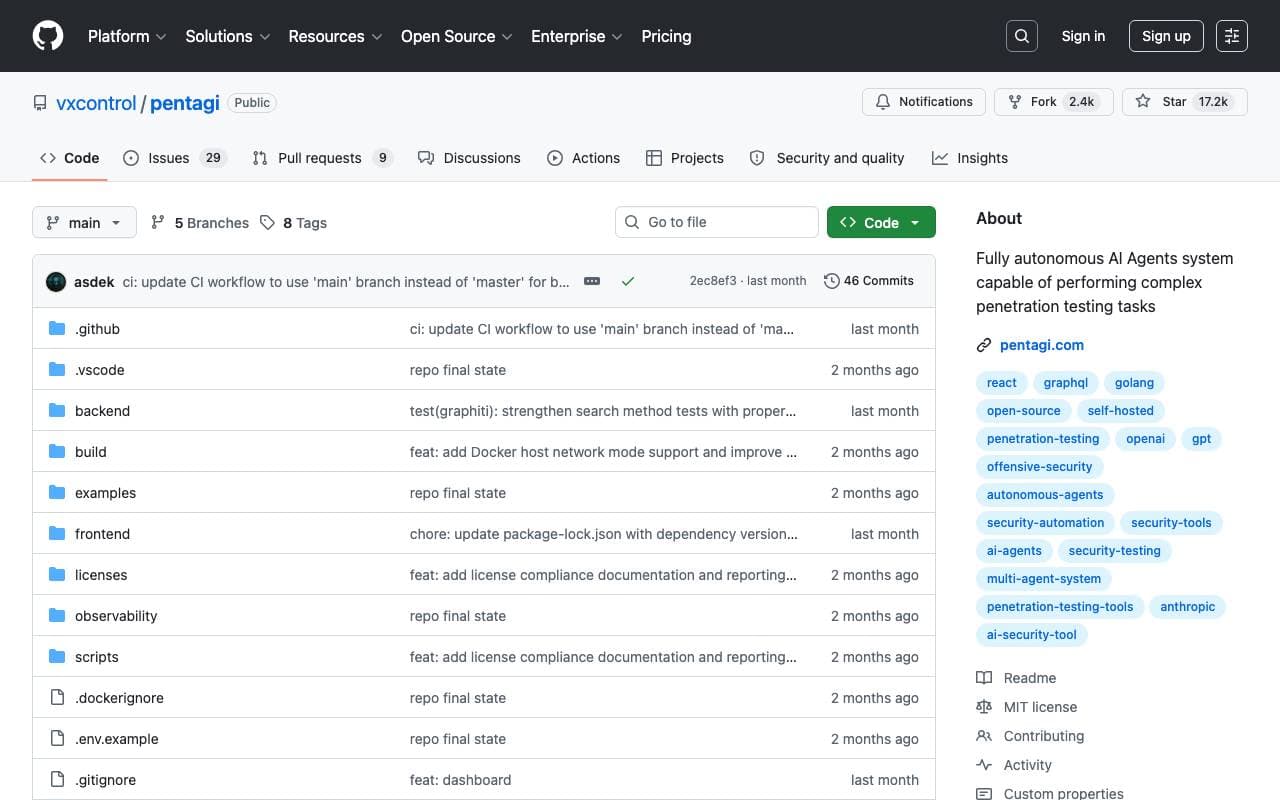

PentAGI
Software Testing (QA) Agents
Nyílt forráskódú autonóm hídfestési ügynökök, amelyek az ellenőrzött Docker-szandbökben 20-nál több biztonsági eszközt futtathatnak az emlékezetesség és a webes intelligencia alapján.
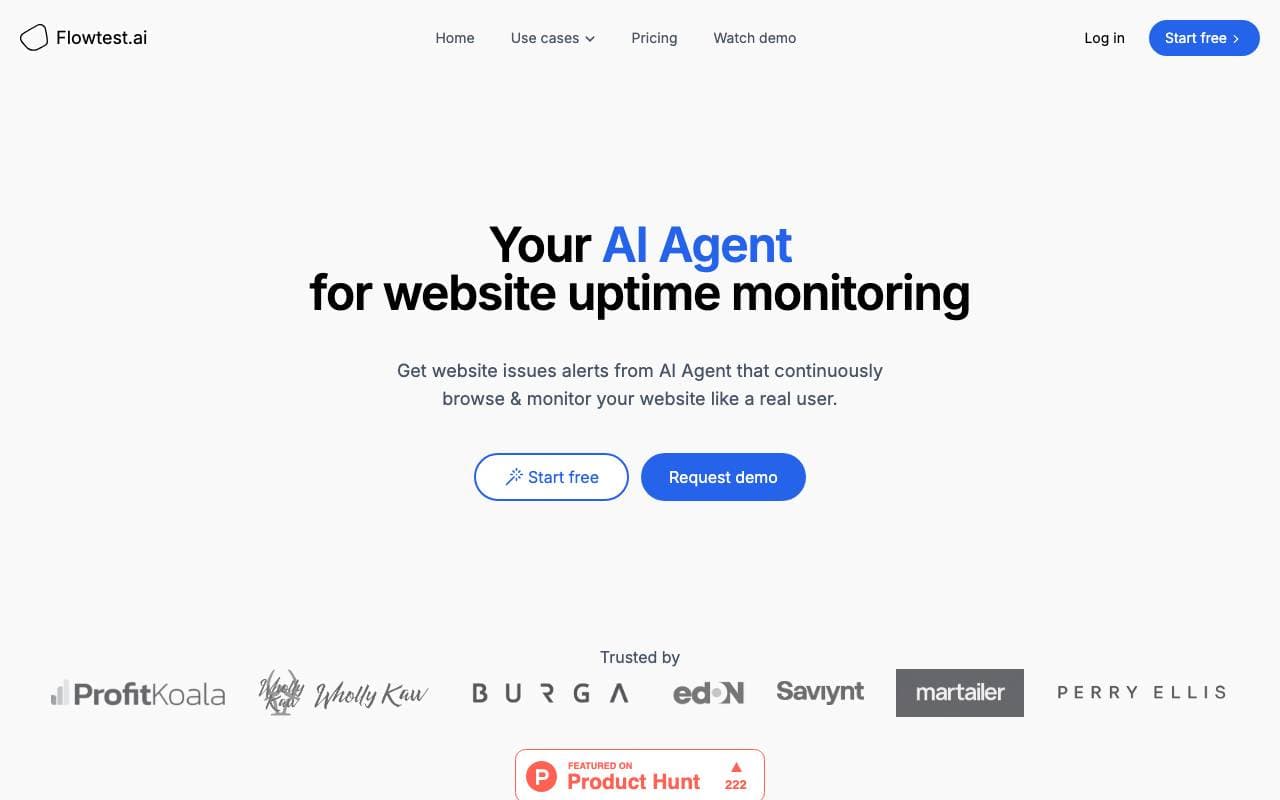

Flowtest AI
Software Testing (QA) Agents
AI ügynök, amely a webhelyeket valódi felhasználói interakciók szimulálásával ellenőrzi a problémák felismeréséhez és a fennálláshoz.
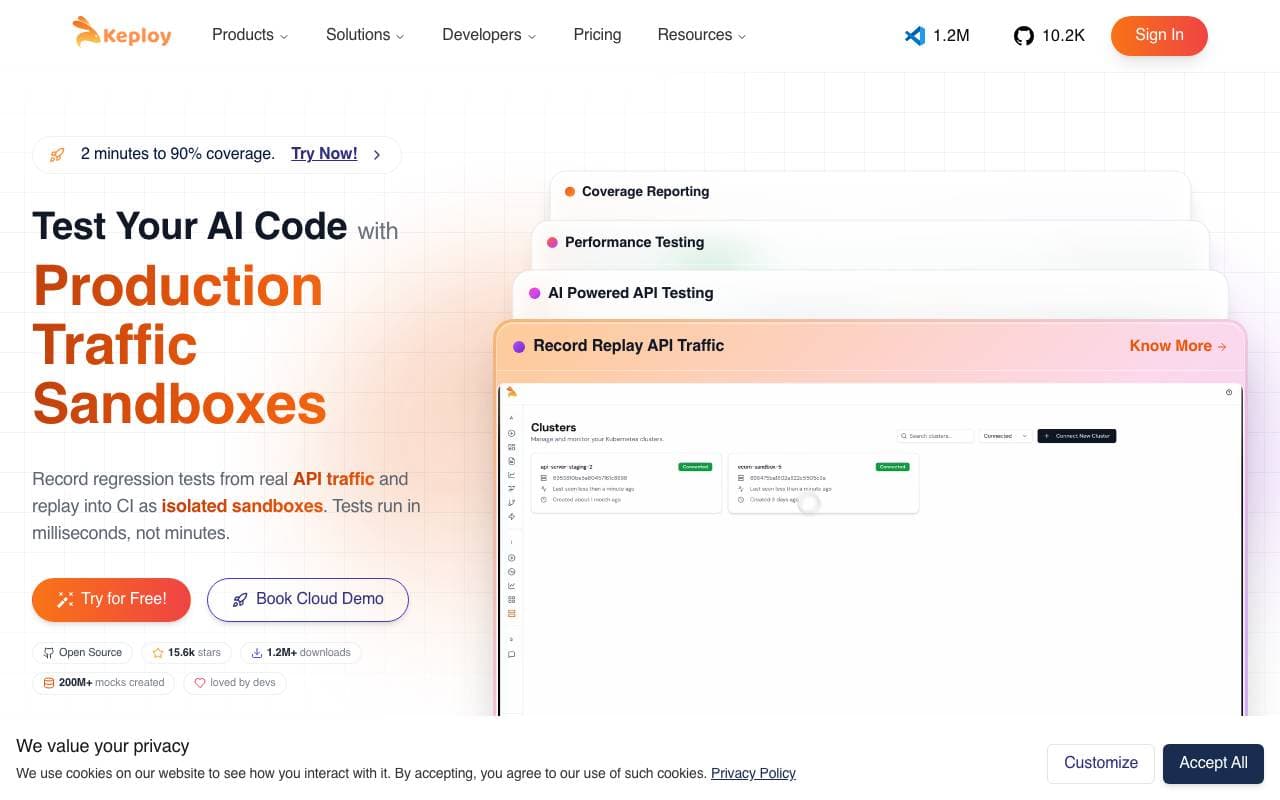

Keploy
Software Testing (QA) Agents
Nyílt forráskódú AI-ügynök, amely automatikusan és fenntartja egység, integrációs és API teszteket a szimulációkkal.
Trending now

Claude
AI Agents & Chatbots
Konverzacios AI segítő az Anthropic részéről írás, elemzés, kódolás és dokumentum feladatokhoz

Doozer Ai
Sales Agent
Digitális csapattagok megjavítják üzleti folyamatok hatékonyságát.
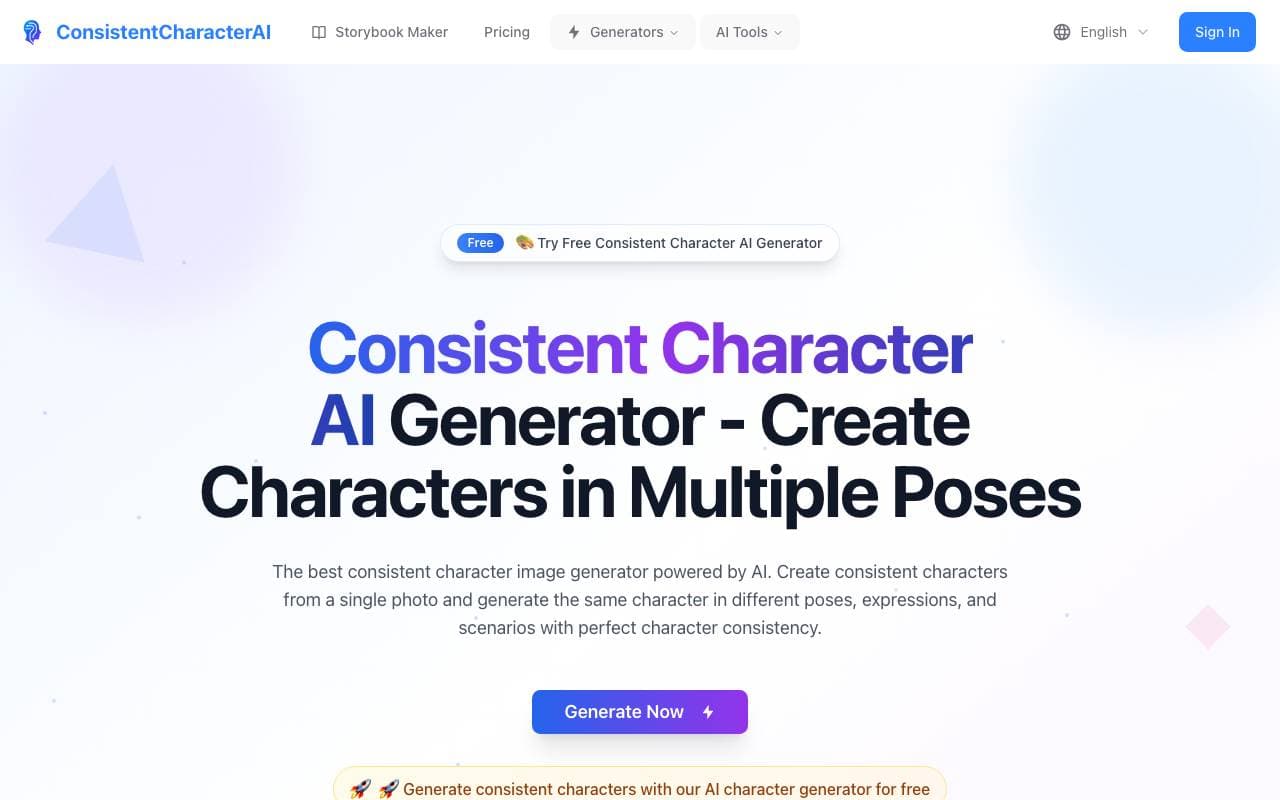

Consistent Character AI
Images
Generáljon konzisztens AI-karaktereket egyetlen referenciafotóról való színpadon.


Pin AI
Workflow automation
Ügynöki AI-felvételi szakértő, amely automatizálja a forráskeresést, a szűrését és a kontaktálását, hogy felgyorsítsa a kiválasztást.