
Pronoia by TarjamaModèles de langues arabes de petites tailles de haut niveau d'entreprise pour la traduction et l'analyse NLP contextuelle.

Aperçu
Fonctionnalités clés
- Modèles de langues arabes spécialisés de petites tailles
- Traduction de machine consciente du contexte
- Support du MSA et des dialectes régionaux
- Options de déploiement d'entreprise
- Adaptation de domaine pour les terminologies des industries
- Tâches NLP au-delà de la traduction
Tarifs
- Modèle
- Freemium
- Catégorie
- Large Language Models (LLMs)
- Note
- 4.2 / 5 (5)
Cas d’usage
Traduction arabe à l'entreprise à grande échelle
Traduire de grands volumes de contenu commercial entre l'arabe et d'autres langages avec de la fidélité au contexte, soutenant à la fois l'arabe standard moderne et les dialectes régionaux.
Traitement des documents gouvernementaux et juridiques
Traiter des documents arabes sensibles avec des terminologies adaptées au domaine pour les flux de travail juridiques, réglementaires et gouvernementaux nécessitant une précision culturelle et linguistique.
Localisation et adaptation du contenu des médias
Adapter le contenu des médias, des émissions et des contenus numériques dans des variantes arabes conscientes du contexte, mobilisant le support des dialectes pour le ciblage de l'audience régionale.
Analyse NLP et contrôle de la terminologie en finance
Exécuter les tâches NLP arabes comme l'extraction d'entités et la classification sur le contenu financier avec des terminologies industrielles et des coûts d'inference inférieurs aux grands LLM.
Pour & contre
Pour
- Conçus par des professionnels pour la nuance linguistique arabe
- Les modèles de petite taille réduisent le coût et la latence de l'inference
- Appuyés par l'expertise en localisation de Tarjama
- Adaptables aux flux de traduction de l'entreprise
- Nécessite un focus étroit, moins accessible aux individus
Contre
- La focalisation étroite peut limiter les cas d'utilisation non arabe
- Orienté vers les entreprises, moins accessible aux particuliers
- Benchmarks publics limités disponibles
- Focalisation étroite sur la langue arabe
Avis
Moyenne sur 5 avis.
Connecte-toi pour laisser un avis.
Skeptical, then convinced
I went in skeptical — most tools in this space overpromise. It actually delivers on context-aware machine translation, and suited to enterprise translation workflows caught me off guard. Limited public benchmarks available is why this isn't a perfect score, still, I'd recommend giving it a real trial.
Use it every day
Honestly didn't expect to like it this much. Context-aware machine translation is exactly what I needed, and backed by Tarjama's localization expertise. I do wish limited public benchmarks available, but I reach for it almost every day now and it just clicks.
Years in this space
I've evaluated a lot of these over the years. What stands out here is nLP tasks beyond translation — handled better than most — and smaller models reduce inference cost and latency. Worth the time if this is your use case.
Compared a few options
Evaluated this against two competitors. Where it wins: support for MSA and regional dialects and backed by Tarjama's localization expertise. Where it lags: limited public benchmarks available. On balance the feature set — especially context-aware machine translation — justifies the 4 stars for our use case.
Use it every day
Honestly didn't expect to like it this much. Domain adaptation for industry terminology is exactly what I needed, and purpose-built for Arabic linguistic nuance. I do wish enterprise-oriented, less accessible to individuals, but I reach for it almost every day now and it just clicks.
Questions & réponses
Pas encore de question — sois le premier à demander.
Poser une question
Alternatives à Large Language Models (LLMs)

Mistral AI
Large Language Models (LLMs)
Modèles de pointe à poids ouverts


Kore.ai
Large Language Models (LLMs)
Une plateforme d'IA conversationnelle sans code permettant aux entreprises de construire et de déployer des assistants virtuels intelligents.
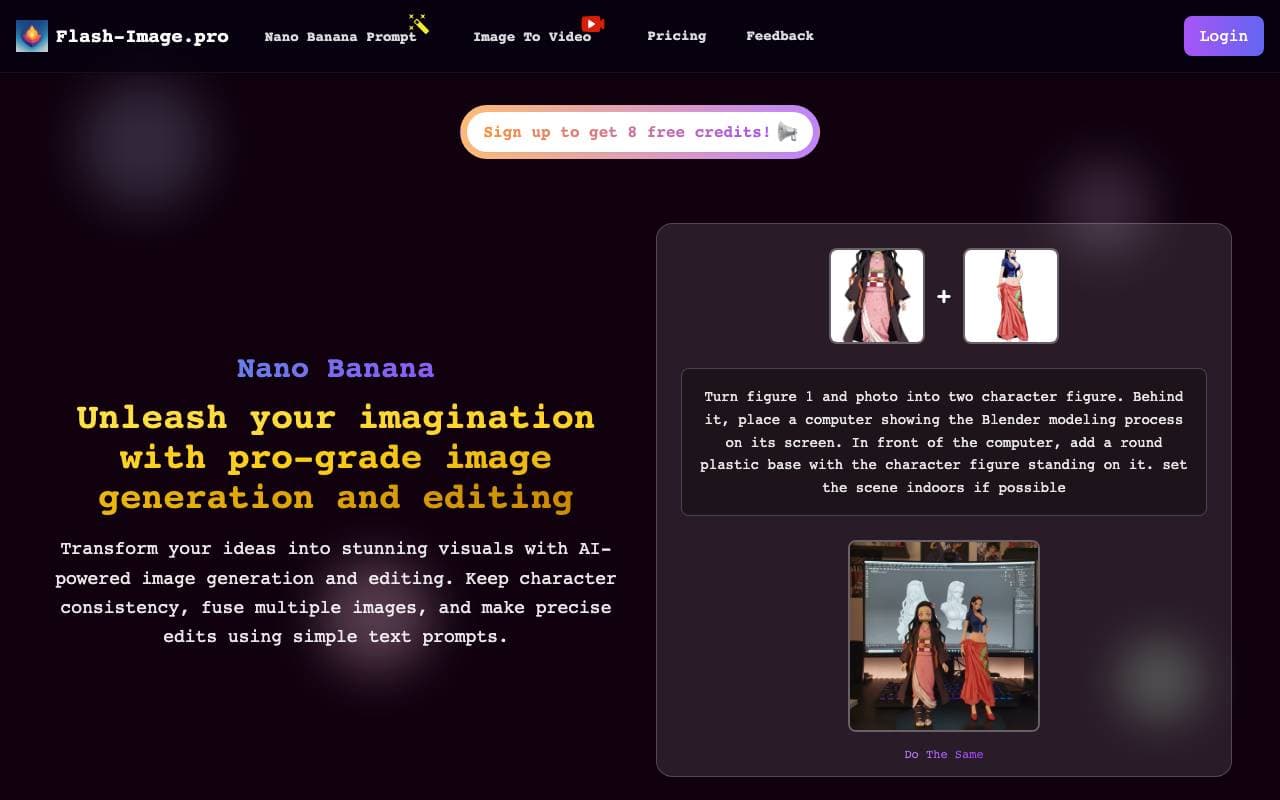

🍌 Nano Banana - Where Ideas Instantly Come to Life, The New Era of AI Image Generation
Large Language Models (LLMs)
Génération rapide d'images IA alimentée par Google Gemini 2.5 Flash pour le prototypage visuel rapide.

Reka AI
Large Language Models (LLMs)
Fondations multimodales comprenant le texte, les images, le vidéo et l'audio.

WebVoyager
Large Language Models (LLMs)
WebVoyager, votre agent Web puissant propulsé par des modèles multimodales méthodes (LMM)
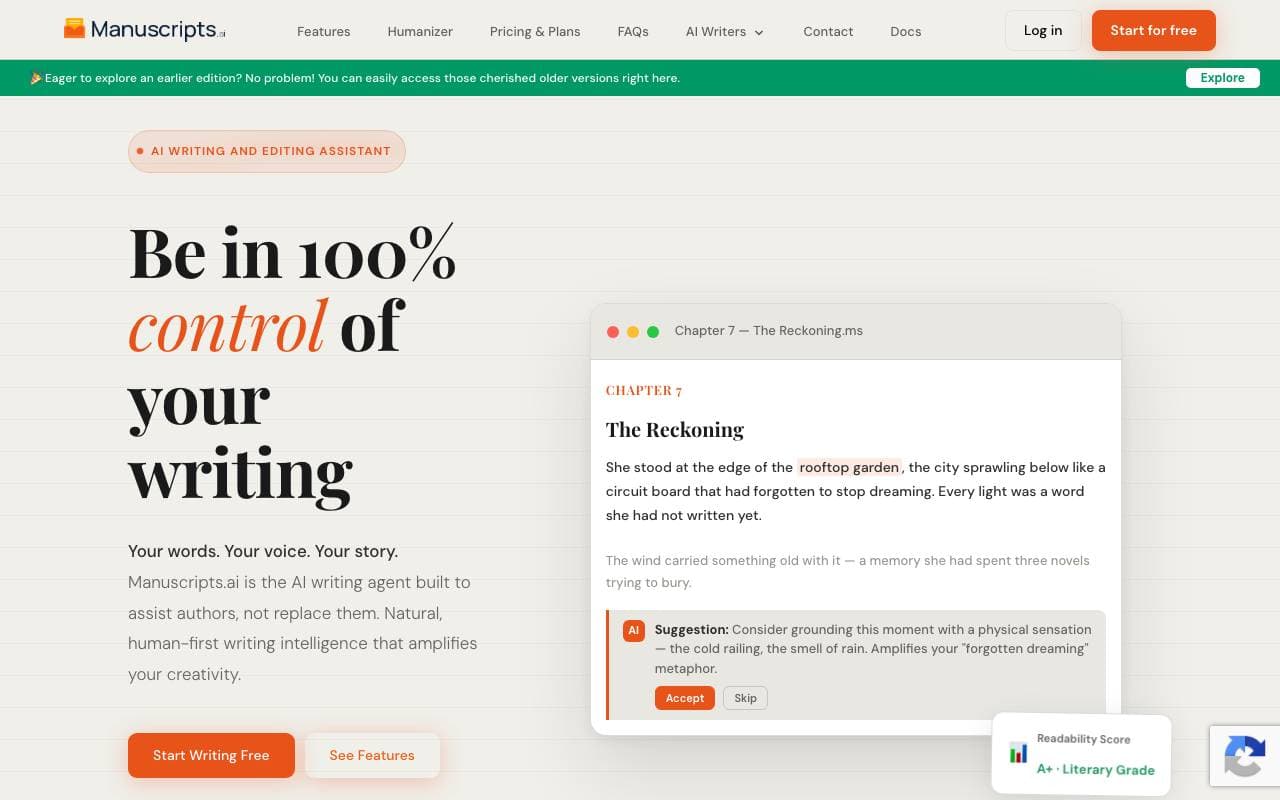

AI Writer
Large Language Models (LLMs)
Plateforme d’écriture assistée par IA pour générer, rechercher et affiner du contenu de longue forme.
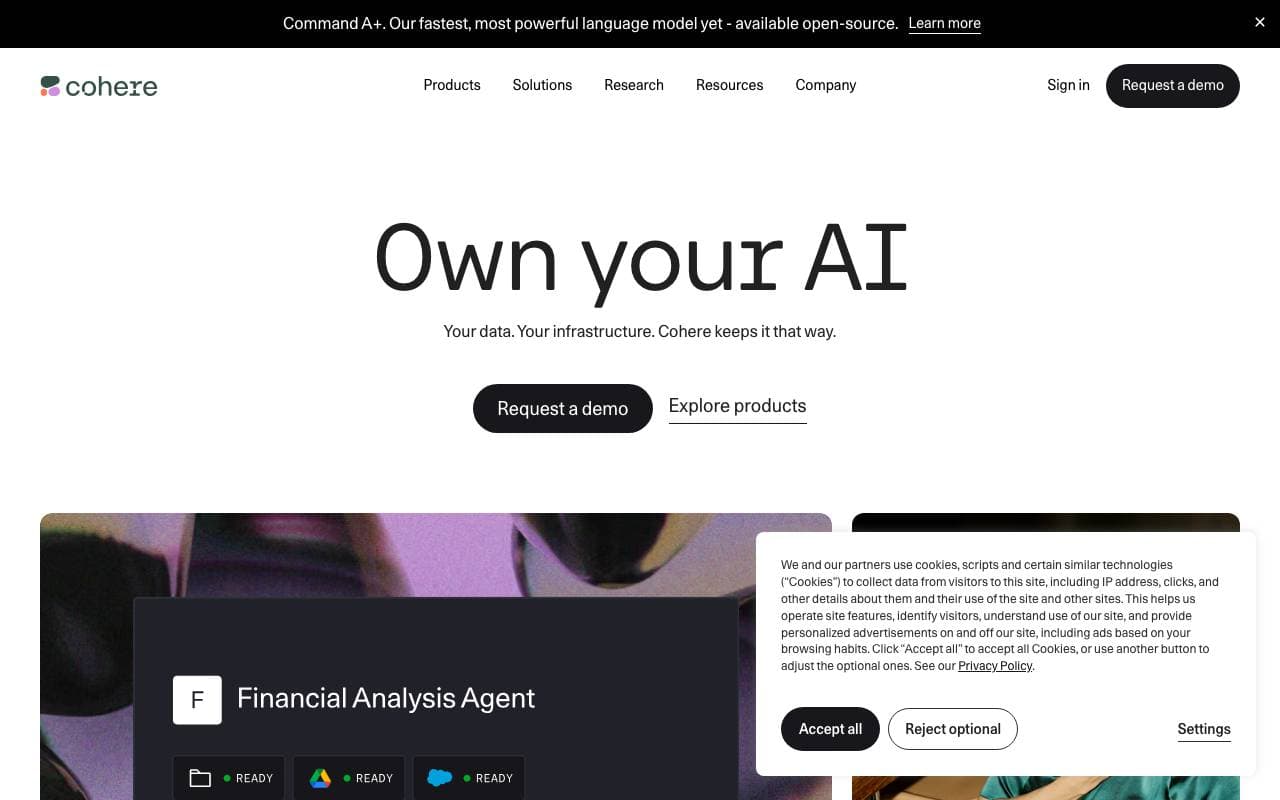

Cohere
Large Language Models (LLMs)
Une plateforme offrant des solutions AI entreprises, spécialisées dans les grands modèles de langage pour les tâches de traitement de langage naturel.
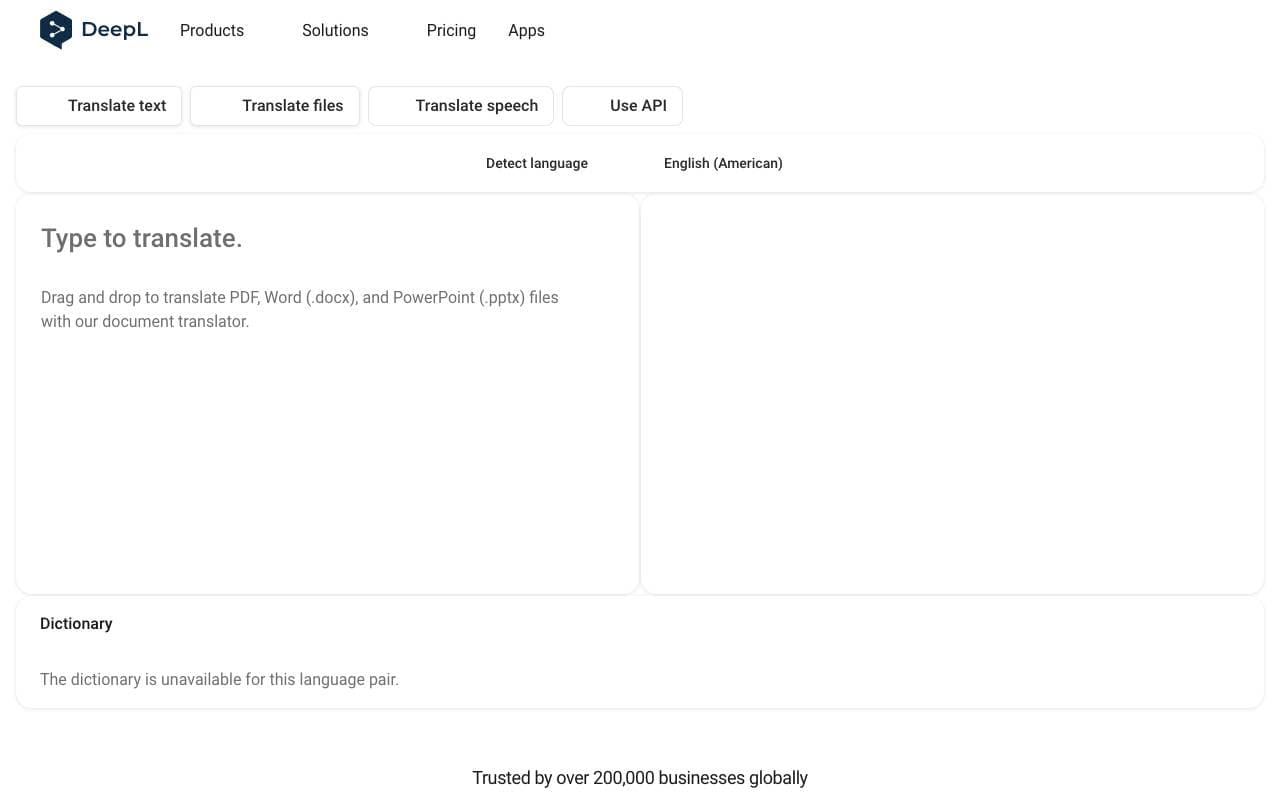

DeepL
Large Language Models (LLMs)
Outil de traduction automatique neuronale connu pour ses résultats précis et naturels dans les principales langues.
Trending now

Claude
AI Agents & Chatbots
Assistant IA conversationnel d'Anthropic pour la rédaction, l'analyse, la programmation et les tâches documentaires

Doozer Ai
Sales Agent
Les co-travailleurs numériques qui automatisent les workflows opérationnels pour augmenter l'efficacité de l'équipe.

Consistent Character AI
Images
Générez des personnages IA cohérents à travers des scènes à partir d'une seule photo de référence.

Reducto AI
AI Agent Development Platforms
API d'intelligence de document qui parse, divise, reconnait les chars et extrait les données structurées de complexes PDF, diapositives et tableurs.