PhoenixOtevřená platforma pro sledování a hodnocení pozorovnosti pro odlehčování a zlepšování aplikací s umělou inteligencí.

Přehled
Klíčové funkce
- Rozdělené sledování pro LLM pipe line
- Předdefinované šablony pro hodnocení
- Srovnání promptů a experimentů
- Analýza RAG výkonu
- Interaktivní vizualizační panel
- OpenTelemetry kompatibilní instrumentace
Ceník
- Model
- Free
- Kategorie
- Data Analysis
- Hodnocení
- 4.5 / 5 (4)
Případy užití
Šetřte problémy s odlehčovacím tokem
Zachytávejte a vizualizujte stopové údaje o proměnných promptů, získávání a odpovědí ke zjištění bodek nebo selhávání komplexních toků aplikací s LLM.
Vyhodnoťte kvalitu RAG a halucinace
Použijte vestavěné hodnotitelé k hodnocení relevance získávání, přesnosti odpovědí a míry halucinace, které poskytnou týmům měřitelné zpětnou vazbu o výkonnosti systému RAG.
Porovnejte proměnné žádosti a verze modelů
Spusťte experimenty s proměnnými žádostmi nebo verzemi modelů a srovnejte výsledky navzájem, aby se mohli týmy odlehčovat aplikace umělé inteligence na základě datově řízených rozhodnutí.
Samoobsazená pozorovnost pro AI výzkum
Nasadit Phoenix v domácnosti s kompatibilní instrumentací OpenTelemetry, aby se monitoroval tok umělé inteligence bez záplatování, vhodný pro týmy výzkumu a produkčním týmům.
Pro a proti
Pro
- K ničemu nenakupujete
- Silné sledování a pozorovnosti pro LLM aplikace
- Vestavěné hodnotitelé pro RAG a halucinace
- Bezpečně se hostuje a bez záplat
- Zvládnuté integrace s populárními AI frameworky
Proti
- Potřebuje technickou konfiguraci a nastavení
- Méně upravený než komerční alternativy
- Dokumentace může být pomalejší než rychlé aktualizace
- Škálování samoobsazených nasazení vyžaduje úsilí
Recenze
Průměr z 4 hodnocení.
Přihlas se, abys mohl napsat recenzi.
Does the job
Pretty happy overall. RAG performance analysis just works and free and open source. but no dealbreakers — I'd recommend it to a friend without hesitating.
Compared a few options
Evaluated this against two competitors. Where it wins: openTelemetry-compatible instrumentation and built-in evaluators for RAG and hallucinations. Where it lags: scaling self-hosted deployments takes effort. On balance the feature set — especially prompt and experiment comparison — justifies the 4 stars for our use case.
Years in this space
I've evaluated a lot of these over the years. What stands out here is openTelemetry-compatible instrumentation — handled better than most — and self-hostable with no vendor lock-in. Worth the time if this is your use case.
Solid for our team
We rolled this out across the team last quarter and free and open source. OpenTelemetry-compatible instrumentation fits neatly into how we already work, and rAG performance analysis removed a step we used to do by hand. Requires technical setup and configuration, which is the main caveat, but it has held up under daily use.
Otázky
Žádné otázky — polož první.
Polož otázku
Alternativy k Data Analysis
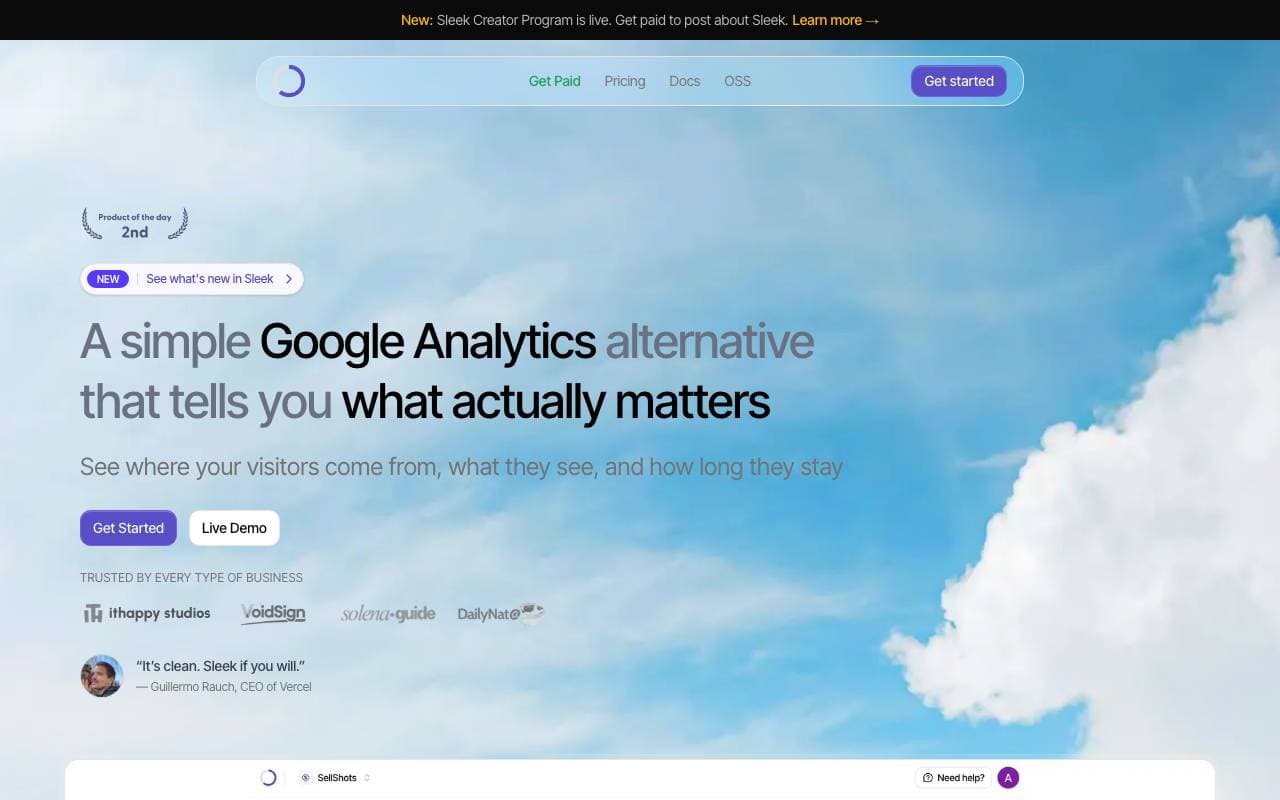

Sleek Analytics
Data Analysis
Sleek Analytics: Klientská webová analytika s reálným v reálném čase a umělým zdrojem poznatků.

Pecan AI
Data Analysis
Platforma prediktivních analýz, která přeměňuje podniková data na akční předpisy bez hlubokých znalostí datových věd.

Buildform
Data Analysis
Formy napojené na AI, navržené tak, aby zvýšily míru odezvy a zapojující více konverzí.
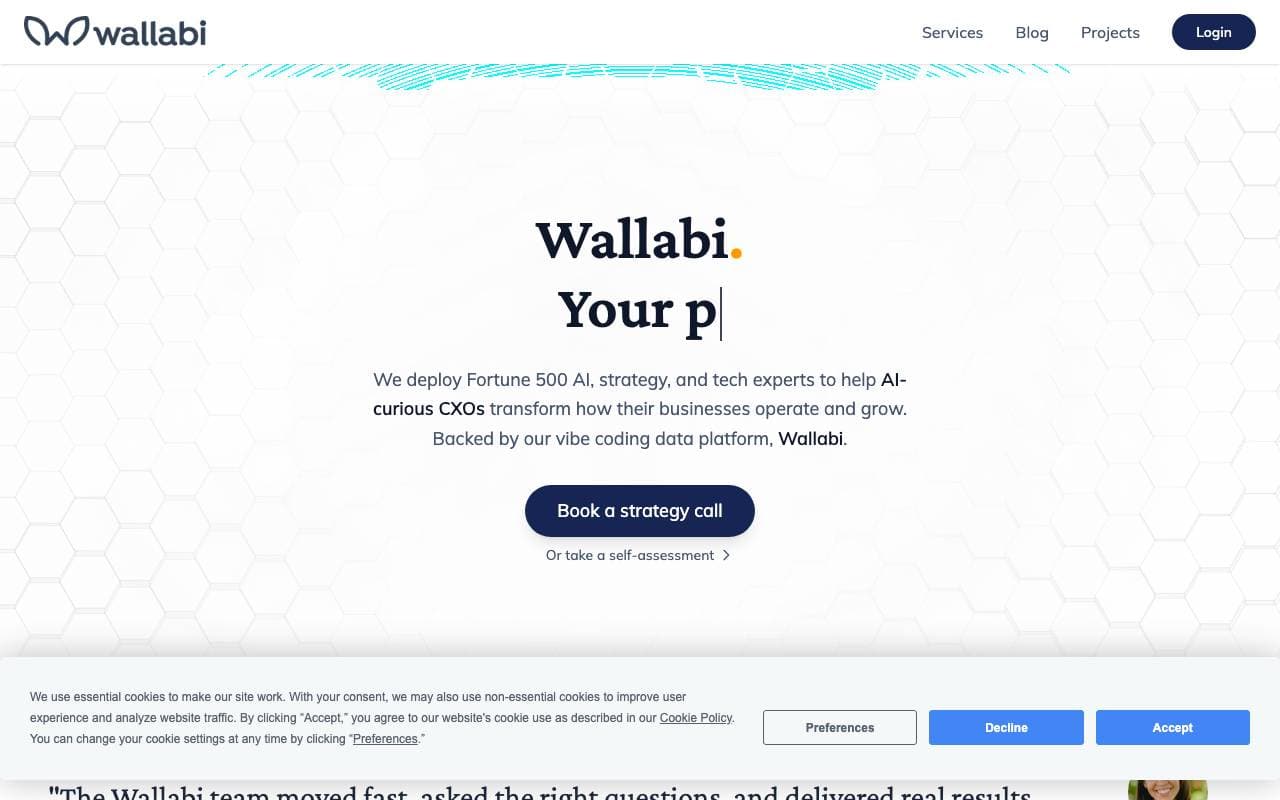

Wallabi
Data Analysis
Firemní inteligence pro ty, kteří nemají rádi firemní inteligence nástroje.

JIFFYAI
Data Analysis
Značkový platform plně automatizujícím službách v oblasti managementu bohatství pro firmy a poraden.
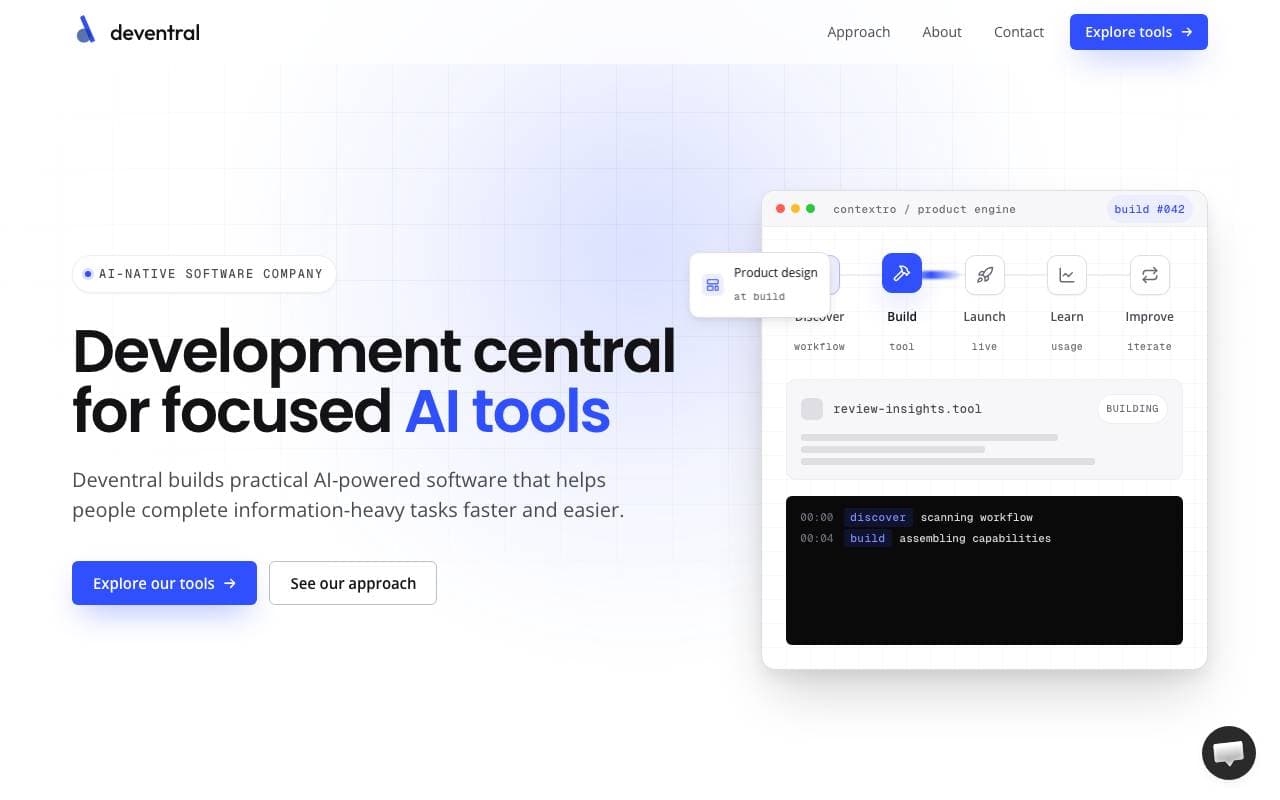

Deventral
Data Analysis
Stavebnice podporovaná AI pro rychlý tvorba interních nástrojů a panelů administrátora


Global Predictions
Data Analysis
Informatika pro předvídání globálních ekonomických trendů a personalizovaný poradenství pro individuální investory.
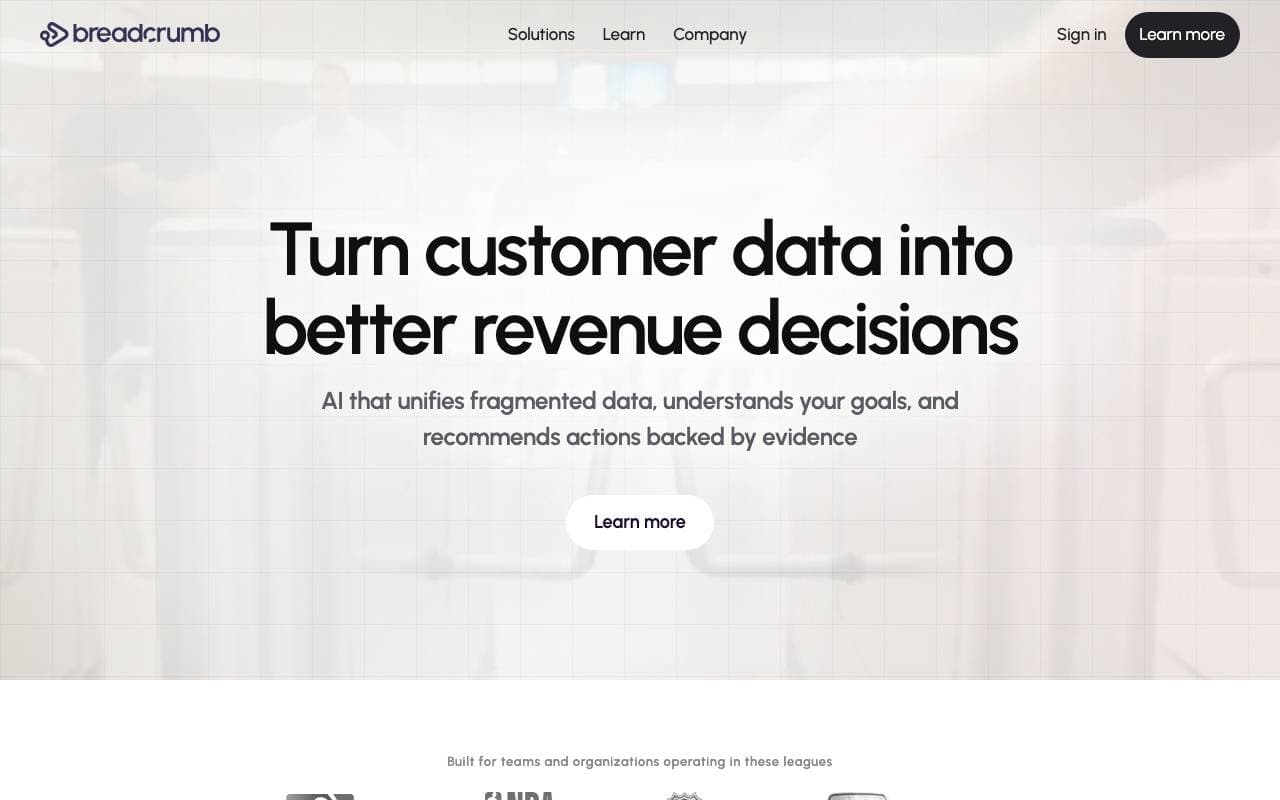
Breadcrumb.ai
Data Analysis
Automatizujte osobní, AI-pohoné zprávy o datech bez psaní kódu.
Trending now


Claude
AI Agents & Chatbots
Asistent pro konverzaci AI od Anthropic pro psaní, analýzu, kódování a zpracování dokumentů

Doozer Ai
Sales Agent
Digitální kolegové, kteří automatizují obchodní procesy pro zlepšení efektivnosti týmu.
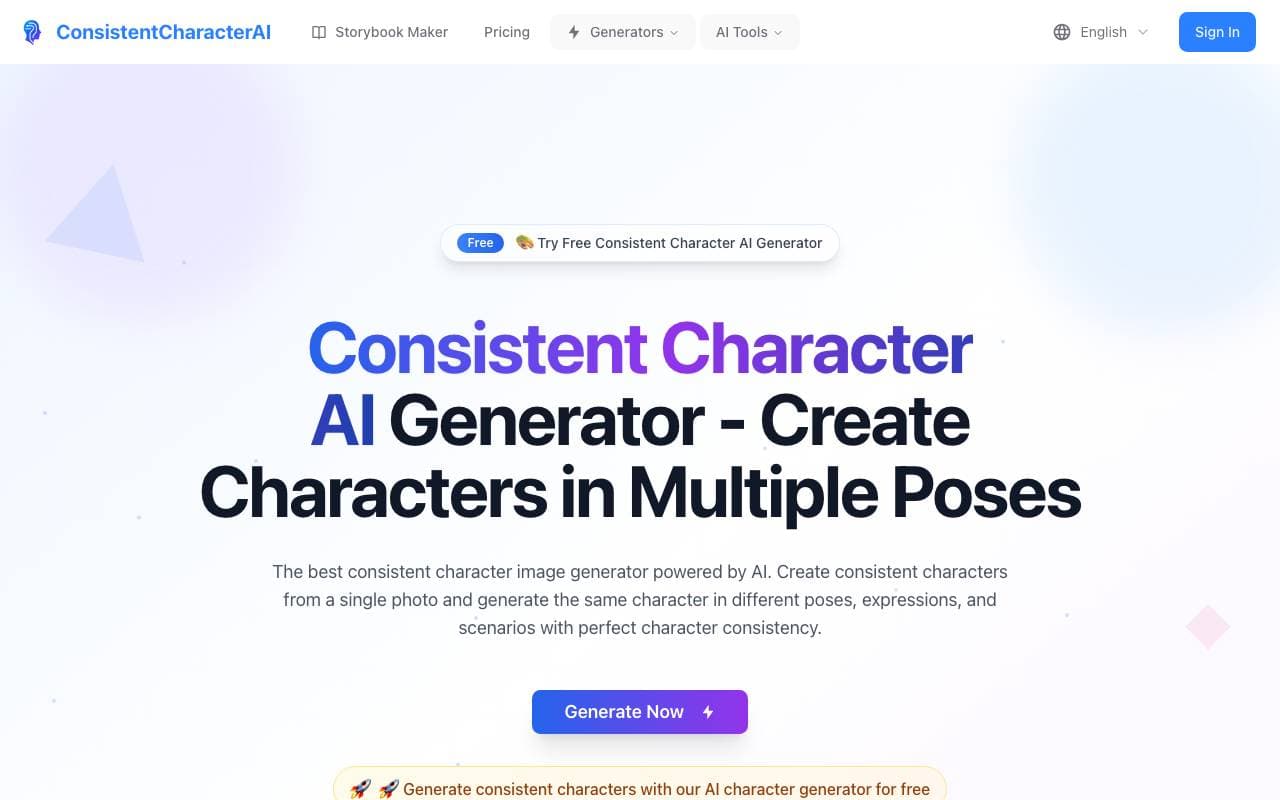

Consistent Character AI
Images
Generujte konzistentní AI postavy v různých scénách na základě jediné referenční fotografie.
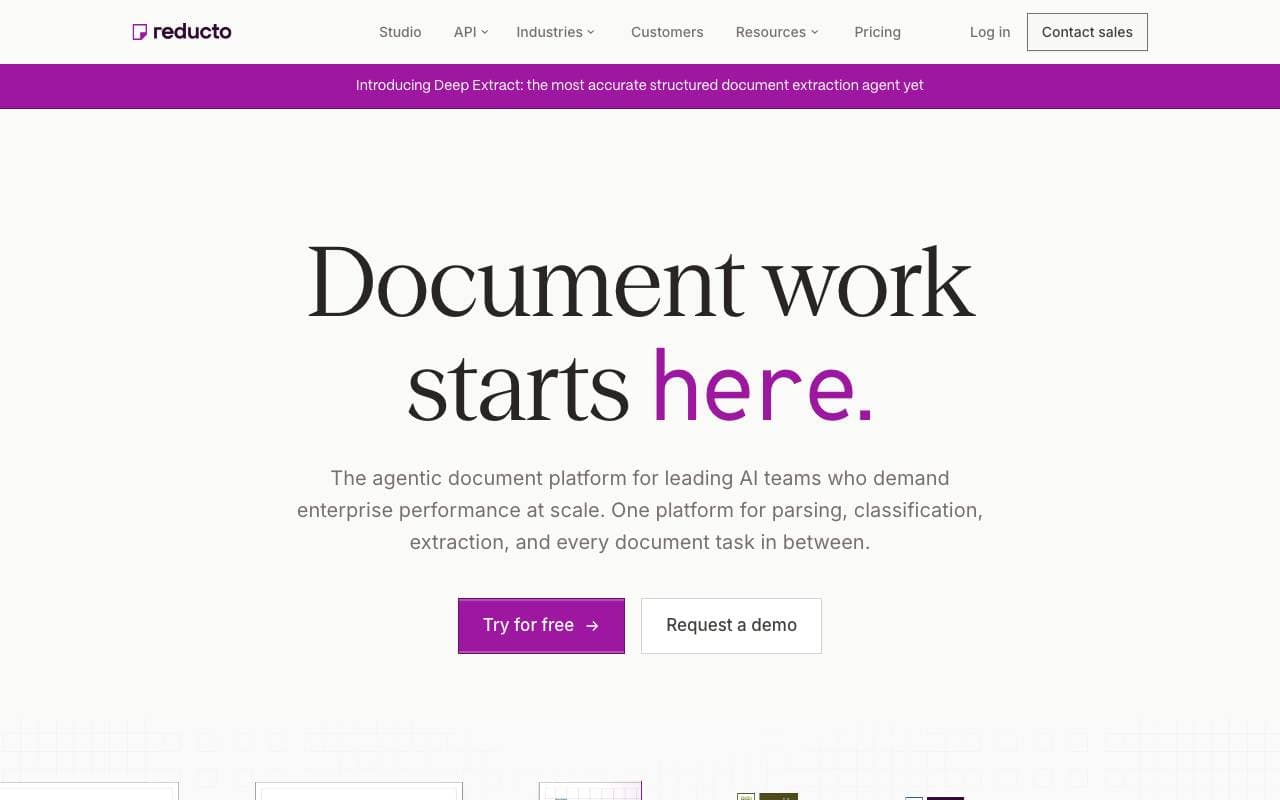

Reducto AI
AI Agent Development Platforms
Inteligentní dokumentová API, které rozpoznává, rozděluje, převede na text a extrahuje strukturovaná data z komplexních dokumentů PDF, prezentací a-tabulkových formulářů.