
OpenAI SwarmExperimental open-source framework for lightweight multi-agent orchestration using handoffs and routines

Overview
Key features
- Agent abstraction with instructions and callable functions
- Handoffs to transfer control between agents
- Shared context variables across agents
- Automatic tool-call execution loop
- Built on the OpenAI Chat Completions API
- Lightweight, client-side and stateless runtime
Pricing
- Model
- Freemium
- Category
- AI Agent Development Frameworks
- Rating
- 4.5 / 5 (4)
Use cases
Prototype multi-agent workflows
Experiment with lightweight agent orchestration patterns using instructions and handoffs to test ideas before committing to production frameworks.
Build specialized agent handoff systems
Create chains of focused agents that pass control between each other, such as routing a user query from a triage agent to domain-specific experts.
Learn agent orchestration concepts
Use the SDK as an educational resource to understand core multi-agent design patterns like coordination, delegation, and context sharing.
Research agent coordination patterns
Explore experimental approaches to agent collaboration in a minimal, transparent codebase suitable for academic or R&D projects.
Pros & Cons
Pros
- Simple, readable codebase that clarifies multi-agent patterns
- Clean handoff and routine abstractions for agent coordination
- Stateless design gives developers full control over context
- Good educational resource for learning orchestration concepts
Cons
- Explicitly experimental and not intended for production
- Largely superseded by the OpenAI Agents SDK
- Tied to OpenAI's Chat Completions API
- Minimal built-in tooling compared to fuller frameworks
Reviews
Average from 4 ratings.
Sign in to leave a review.
Compared a few options
Evaluated this against two competitors. Where it wins: the dashboard and the value for money is strong. Where it lags: the mobile experience lags. On balance the feature set — especially the integrations — justifies the 4 stars for our use case.
Use it every day
Honestly didn't expect to like it this much. The integrations is exactly what I needed, and it saves real time. but I reach for it almost every day now and it just clicks.
Skeptical, then convinced
I went in skeptical — most tools in this space overpromise. It actually delivers on the integrations, and it is genuinely easy to set up caught me off guard. The docs could be deeper is why this isn't a perfect score, still, I'd recommend giving it a real trial.
Use it every day
Honestly didn't expect to like it this much. The onboarding is exactly what I needed, and the value for money is strong. I do wish the docs could be deeper, but I reach for it almost every day now and it just clicks.
Q&A
What is OpenAI Swarm designed for?
Swarm is an open-source experimental SDK for lightweight multi-agent orchestration. It coordinates multiple agents using instructions and handoffs, making it suitable for prototyping agent workflows where tasks can be delegated between specialized agents.
Is OpenAI Swarm production-ready?
No. Swarm is explicitly experimental, intended for exploration and learning rather than production use. Teams needing stability, support, or guarantees should consider more mature agent frameworks.
How much does OpenAI Swarm cost?
Swarm itself is open-source and free to use. However, running it typically involves calling underlying LLM APIs, so costs depend on the model provider and usage volume you connect it to.
Ask a question
AI Agent Development Frameworks alternatives

Wildcard AI / agents.json
AI Agent Development Frameworks
Open spec and platform that lets AI agents discover and call API workflows through an agents.json file.
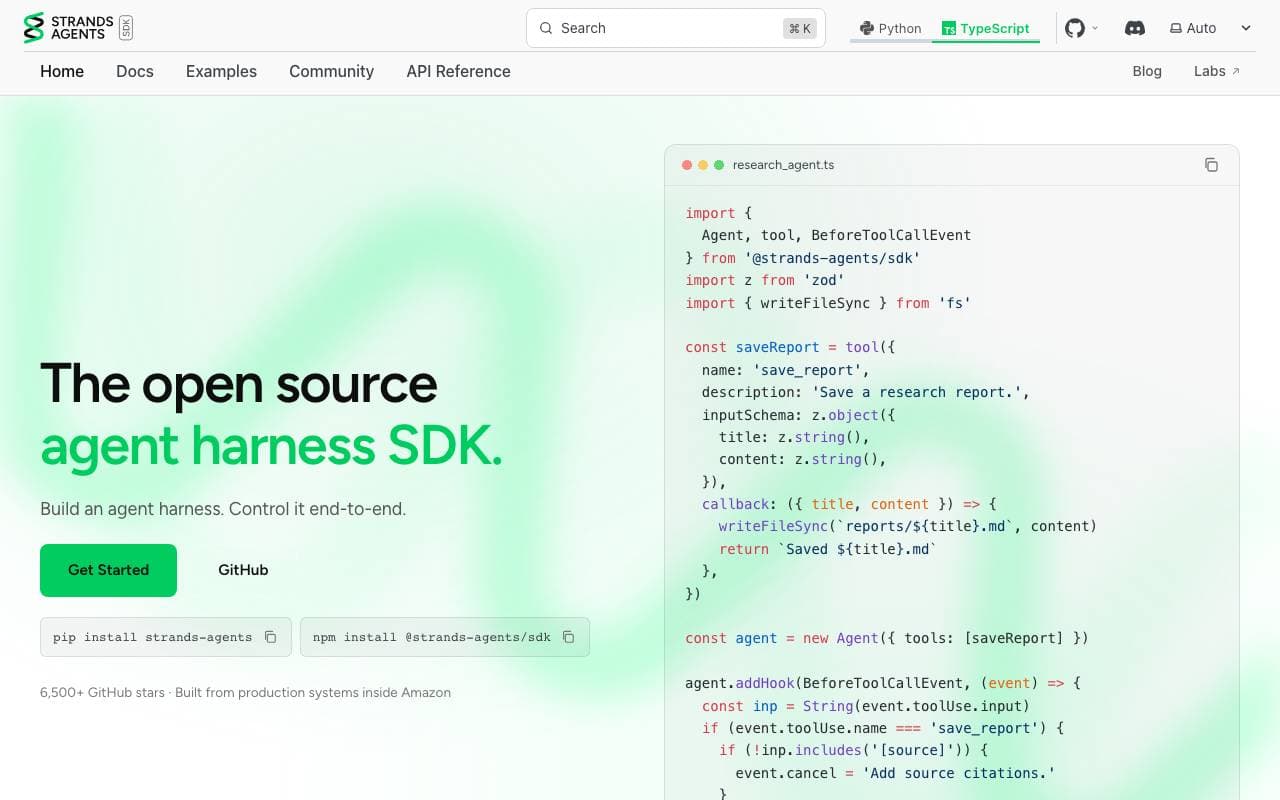

Strands Agents
AI Agent Development Frameworks
Open‑source SDK for building and orchestrating single or multi‑agent systems with LLMs and tool integration.
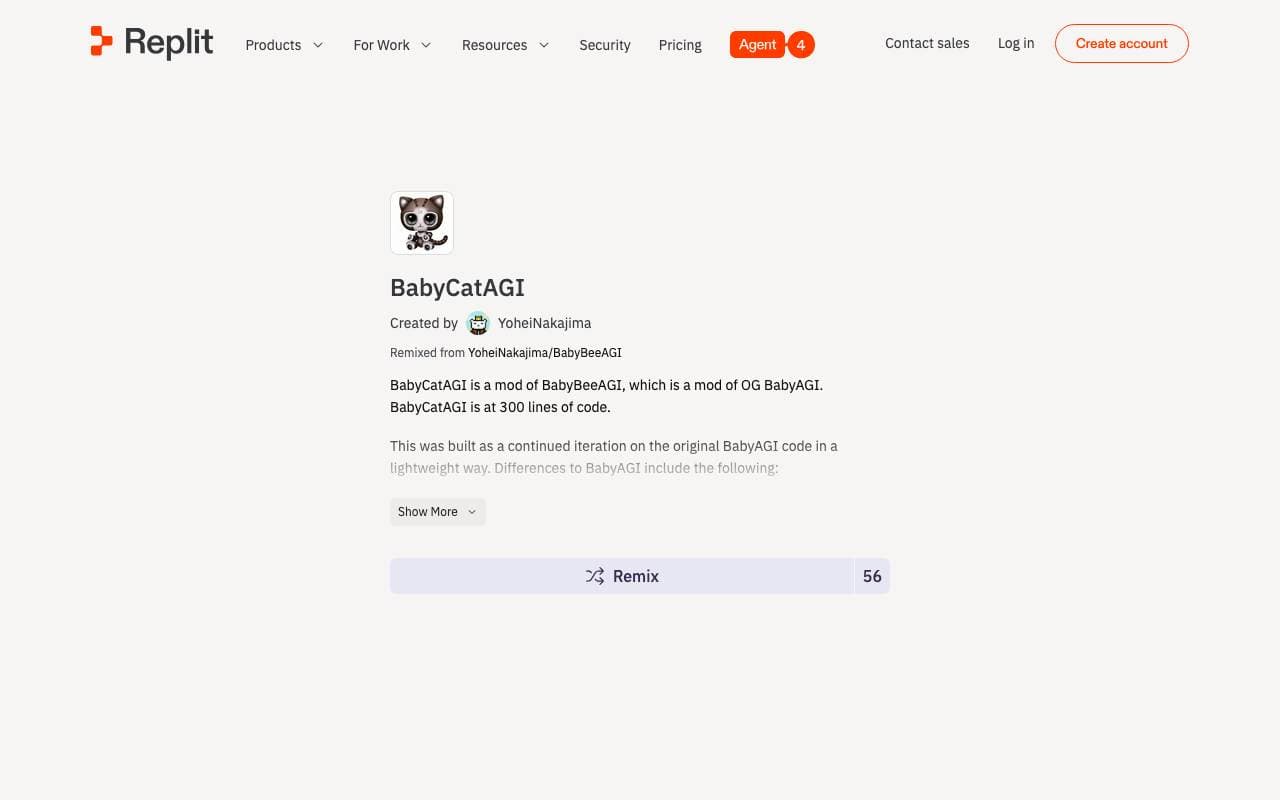

BabyCatAGI
AI Agent Development Frameworks
Lightweight autonomous AI agent framework for streamlined task automation
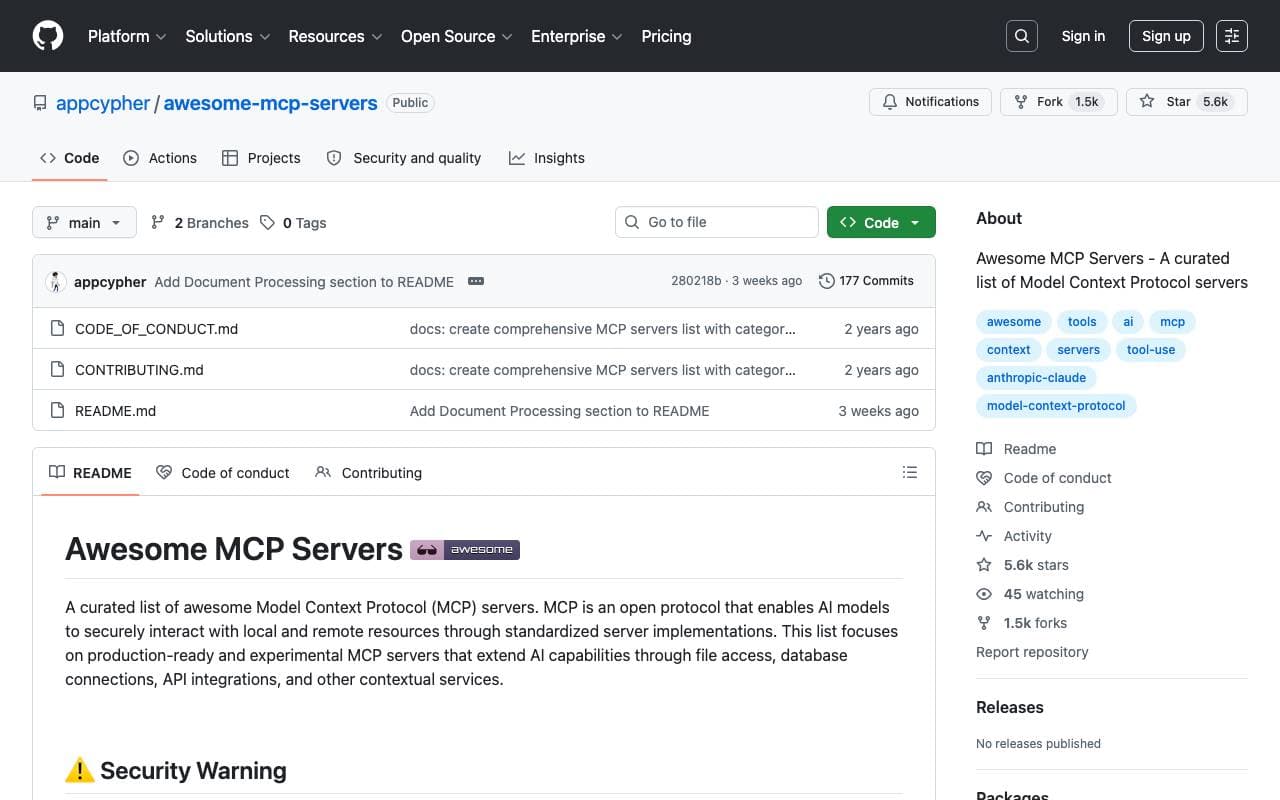

Awesome MCP Servers
AI Agent Development Frameworks
A curated directory of Model Context Protocol servers for extending AI assistants with tools and data.
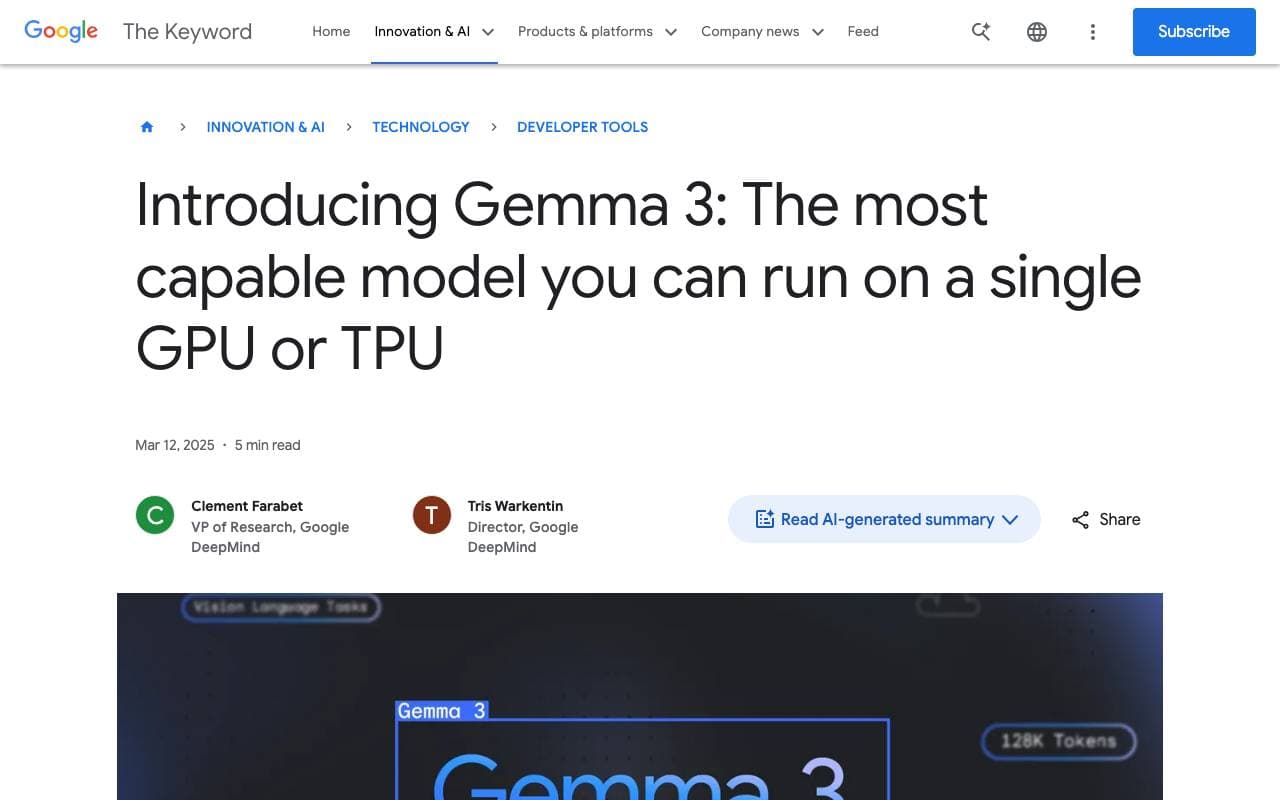

Gemma 3
AI Agent Development Frameworks
An open-source AI model optimized for single-GPU performance, supporting multimodal inputs and over 140 languages.

Rasa
AI Agent Development Frameworks
Open-source framework for building production-grade chat and voice assistants

BabyElfAGI
AI Agent Development Frameworks
Experimental AI agent framework with a modular Skills class for dynamic task planning and execution.

Auto-GPT
AI Agent Development Frameworks
An open-source AI agent capable of autonomously completing complex tasks using GPT models.
Trending now

Doozer Ai
Sales Agent
Digital co-workers that automate operational workflows to boost team efficiency.

Pin AI
Workflow automation
Agentic AI recruiter that automates sourcing, screening, and outreach to accelerate hiring.
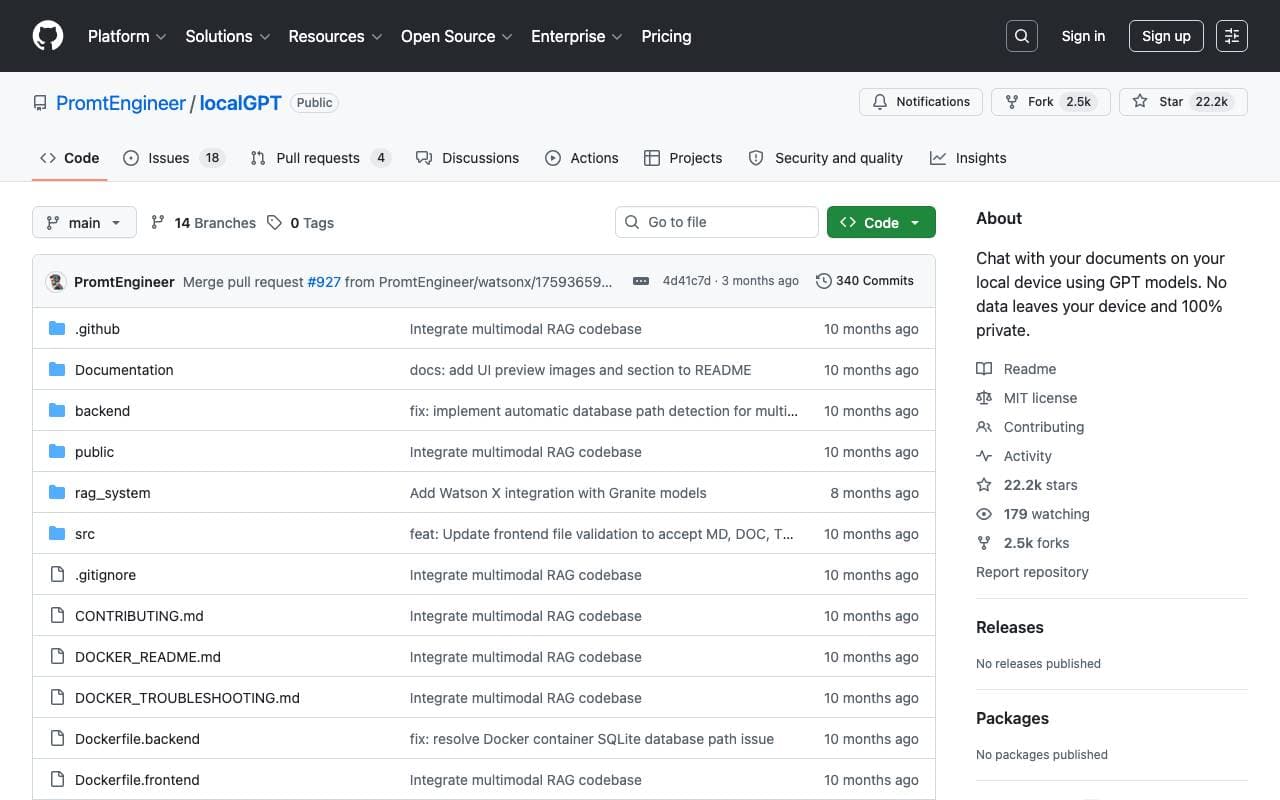

Local GPT
Other
Open-source local AI for private, offline document chat using GPT-style models on your own hardware.

Claude
AI Agents & Chatbots
Conversational AI assistant from Anthropic for writing, analysis, coding, and document tasks