
JulesGoogle's asynchrone AI-codingsagent die bugs en tests aanpakt binnen je GitHub-workflow.

Overzicht
Belangrijkste functies
- Autonome taakuitvoering in geïsoleerde omgevingen
- Levering van wijzigingen op basis van pull requests
- Automatische bugfixing en patching
- Generatie en updates van unit tests
- Afhankelijkheids- en versie-upgrades
- GitHub-repository-integratie
Prijs
- Model
- Free
- Categorie
- Coding Agent
- Beoordeling
- 5.0 / 5 (4)
Toepassingen
Automatische bugfixing via pull requests
Wijs GitHub-problemen toe aan Jules en laat het diagnosticeren, patchen en een pull request indienen voor beoordeling, waardoor ontwikkelaars worden vrijgemaakt van routinematige foutopsporingswerkzaamheden.
Generatie van unit tests
Draag testdekkingstaken over aan Jules, dat unit tests genereert en bijwerkt op de achtergrond, zodat ingenieurs zich kunnen richten op functiedesarrollo.
Afhankelijkheids- en versie-upgrades
Gebruik Jules om vervelende afhankelijkheidsstoten en versie-upgrades over een repository af te handelen, waardoor de wijzigingen als een beoordeelbare pull request worden geleverd.
Code-refactors op de achtergrond
Draag refactorising chores over aan Jules, dat asynchroon werkt in een geïsoleerde omgeving en voorgestelde wijzigingen retourneert voor menselijke goedkeuring.
Pluspunten & minpunten
Pluspunten
- Wordt asynchroon uitgevoerd zonder ontwikkelaars te blokkeren
- Native GitHub-integratie via pull requests
- Houdt zich bezig met vervelende taken zoals tests en bugfixes
- Gesteund door Google's onderzoek en infrastructuur
Minpunten
- Beperkt tot GitHub-gebaseerde workflows
- Uitvoer vereist nog steeds menselijke codebeoordeling
- Kan worstelen met complexe architecturale wijzigingen
- Beschikbaarheid en quota's kunnen restrictief zijn
Strijdrecord
Over 1 strijd in het Pantheon.
Last battle
Recensies
Gemiddelde van 4 beoordelingen.
Log in om een review te schrijven.
Compared a few options
Evaluated this against two competitors. Where it wins: autonomous task execution in isolated environments and native GitHub integration via pull requests. On balance the feature set — especially dependency and version upgrades — justifies the 5 stars for our use case.
Compared a few options
Evaluated this against two competitors. Where it wins: gitHub repository integration and runs asynchronously without blocking developers. Where it lags: may struggle with complex architectural changes. On balance the feature set — especially automated bug fixing and patching — justifies the 5 stars for our use case.
Compared a few options
Evaluated this against two competitors. Where it wins: automated bug fixing and patching and handles tedious tasks like tests and bug fixes. On balance the feature set — especially unit test generation and updates — justifies the 5 stars for our use case.
Skeptical, then convinced
I went in skeptical — most tools in this space overpromise. It actually delivers on automated bug fixing and patching, and native GitHub integration via pull requests caught me off guard. May struggle with complex architectural changes is why this isn't a perfect score, still, I'd recommend giving it a real trial.
Vragen
How does Jules fit into our existing GitHub code review process?
Jules works asynchronously in an isolated environment and delivers its changes as pull requests against your GitHub repository. Your team reviews, comments on, and merges those PRs using your normal review workflow, so human approval remains a required step.
What kinds of engineering tasks is Jules best suited for?
Jules is designed for routine, well-scoped work like bug fixes, patches, refactors, dependency and version upgrades, and generating or updating unit tests. It's less reliable for complex architectural changes, which still need hands-on developer attention.
What are Jules's main limitations to be aware of before adopting it?
Jules only supports GitHub-based workflows, so non-GitHub repos aren't covered. All output still requires human code review, it may struggle with deep architectural work, and availability and usage quotas can be restrictive depending on access.
Stel een vraag
Alternatieven voor Coding Agent

Floot
Coding Agent
AI-aangedreven no-code builder voor het omzetten van prompts in gewone taal naar werkende apps en websites.


Appacella
Coding Agent
Breng app-ideeën in seconden om tot werkende mobiele apps met AI

devlo AI
Coding Agent
AI-teammate die coderingstaken in je repos en ontwikkelworkflows automatiseert

Blocks Team
Coding Agent
Breng coderingsagents rechtstreeks in de ontwikkelworkflow van je team


HeroUI
Coding Agent
Herbruikbare UI-componentenbibliotheek voor het snel bouwen van verfijnde webinterfaces.
Fine
Coding Agent
Snel AI-gedreven toepassingen bouwen, testen en inzetten zonder zware opzet.
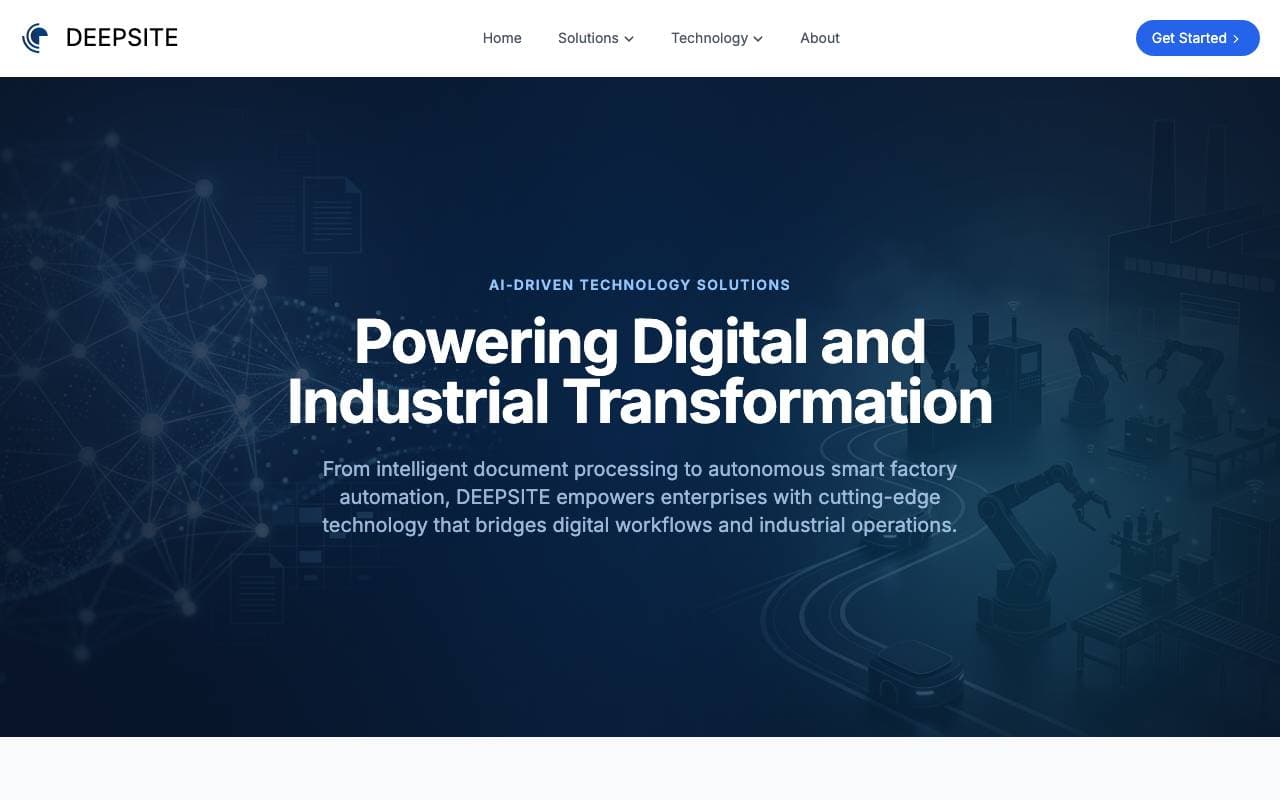

DeepSite
Coding Agent
AI-gedreven documentverwerking voor automatische gegevensextractie en workflowintegratie.


Shipper.now
Coding Agent
Maak complete, inzetbare apps vanuit één enkele natuurlijke-taal prompt.
Trending now


Claude
AI Agents & Chatbots
Conversational AI-assistent van Anthropic voor schrijven, analyse, coderen en documenttaken

Doozer Ai
Sales Agent
Digitale collega's die operationele workflows automatiseren om de team efficiëntie te vergroten.
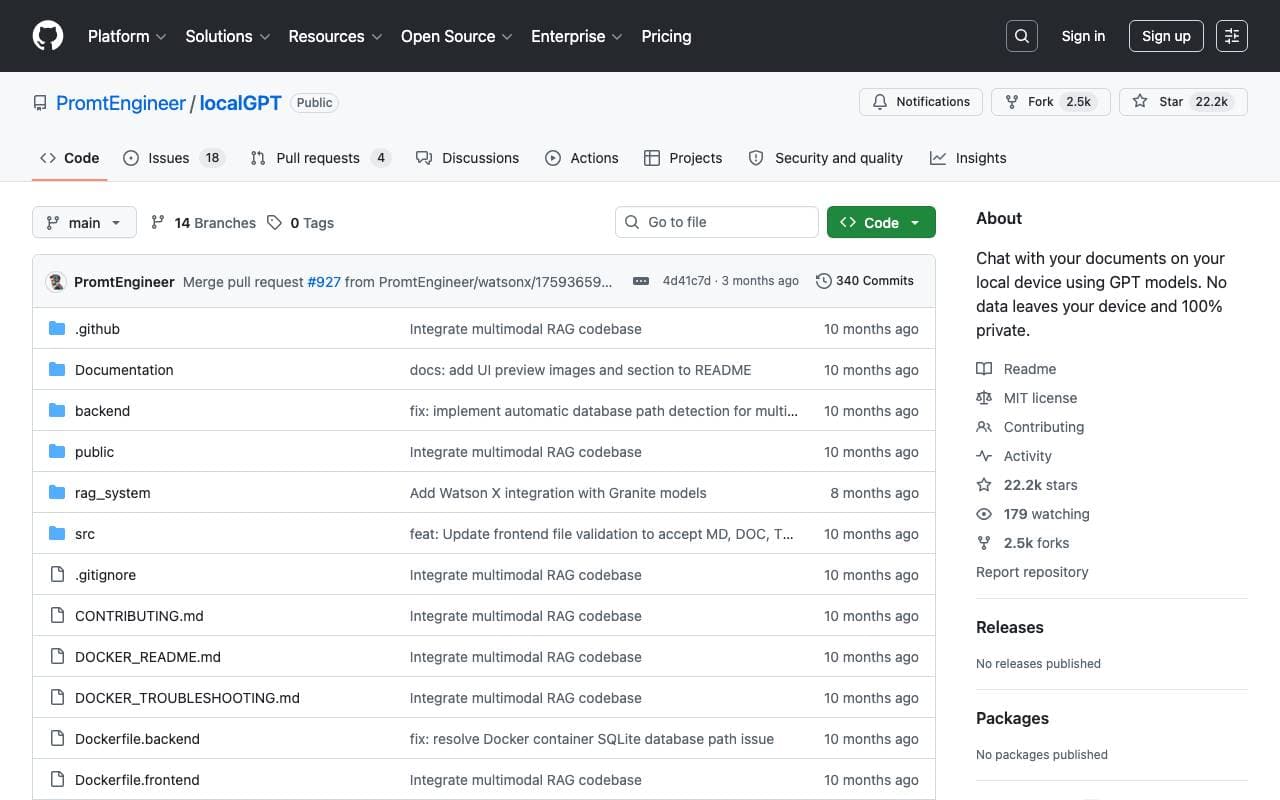

Local GPT
Other
Open-source lokale AI voor privé, offline documentchat met GPT-achtige modellen op uw eigen hardware.


Pin AI
Workflow automation
AI-recruiter die sourcing, screening en outreach automatiseert om het inhuren te versnellen.