ChemcrowAgent autonomiczny zasilany GPT-4 do badań chemicznych i planowania syntezy.

Przegląd
Kluczowe funkcje
- Autonomiczny agent wieloetapowego rozumowania
- Integracja z RDKit i PubChem
- Narzędzia do prognozowania reakcji i retrosyntezy
- Analiza właściwości i podobieństwa molekuł
- Wyszukiwanie bezpieczeństwa i kontroli substancji
- Zestaw narzędzi oparty na Pythonie i dostosowalny
Cennik
- Model
- Freemium
- Kategoria
- Research Assistants
- Ocena
- 5.0 / 5 (4)
Zastosowania
Planowanie wieloetapowych syntez organicznych
Badacze mogą opisać docelowy związek i pozwolić ChemCrow zaproponować retrosyntezy, wywołując narzędzia prognozowania reakcji, aby zweryfikować każdy krok.
Analiza właściwości i podobieństwa molekuł
Wykorzystaj zintegrowane narzędzia RDKit i PubChem do obliczania właściwości, porównywania struktur i eksploracji kandydatów podczas odkrywania leków lub projektowania materiałów.
Wyszukiwanie związków pod kątem ryzyka bezpieczeństwa
Automatycznie sprawdzaj, czy żądane molekuły są niebezpieczne lub kontrolowane, zanim przejdziesz do planowania syntezy.
Prototypowanie własnych agentów chemicznych
Programiści mogą rozszerzać otwartoźródłowy zestaw narzędzi w Pythonie, aby budować dostosowane, autonomiczne przepływy pracy do specjalistycznych zadań badawczych.
Plusy i minusy
Plusy
- Łączy rozumowanie GPT-4 z narzędziami chemicznymi specyficznymi dla dziedziny
- Otwartoźródłowy i rozszerzalny dla niestandardowych przepływów pracy
- Przydatny do planowania syntezy i analizy molekuł
- Włącza kontrole bezpieczeństwa dla związków niebezpiecznych
Minusy
- Wymaga dostępu API i konfiguracji technicznej
- Dokładność wyników zależy wciąż od używanych narzędzi i LLM
- Nie zastępuje recenzji ekspertów chemicznych
- Ograniczony, wykończony interfejs użytkownika dla nienauczycielskich użytkowników
Recenzje
Średnia z 4 ocen.
Zaloguj się, aby zostawić recenzję.
Skeptical, then convinced
I went in skeptical — most tools in this space overpromise. It actually delivers on safety and controlled-substance screening, and includes safety checks for hazardous compounds caught me off guard. still, I'd recommend giving it a real trial.
Does the job
Pretty happy overall. Safety and controlled-substance screening just works and includes safety checks for hazardous compounds. but no dealbreakers — I'd recommend it to a friend without hesitating.
Does the job
Pretty happy overall. Python-based and customizable toolset just works and open-source and extensible for custom workflows. but no dealbreakers — I'd recommend it to a friend without hesitating.
Years in this space
I've evaluated a lot of these over the years. What stands out here is molecule property and similarity analysis — handled better than most — and open-source and extensible for custom workflows. Worth the time if this is your use case.
Pytania i odpowiedzi
Brak pytań — zadaj pierwsze.
Zadaj pytanie
Alternatywy dla Research Assistants
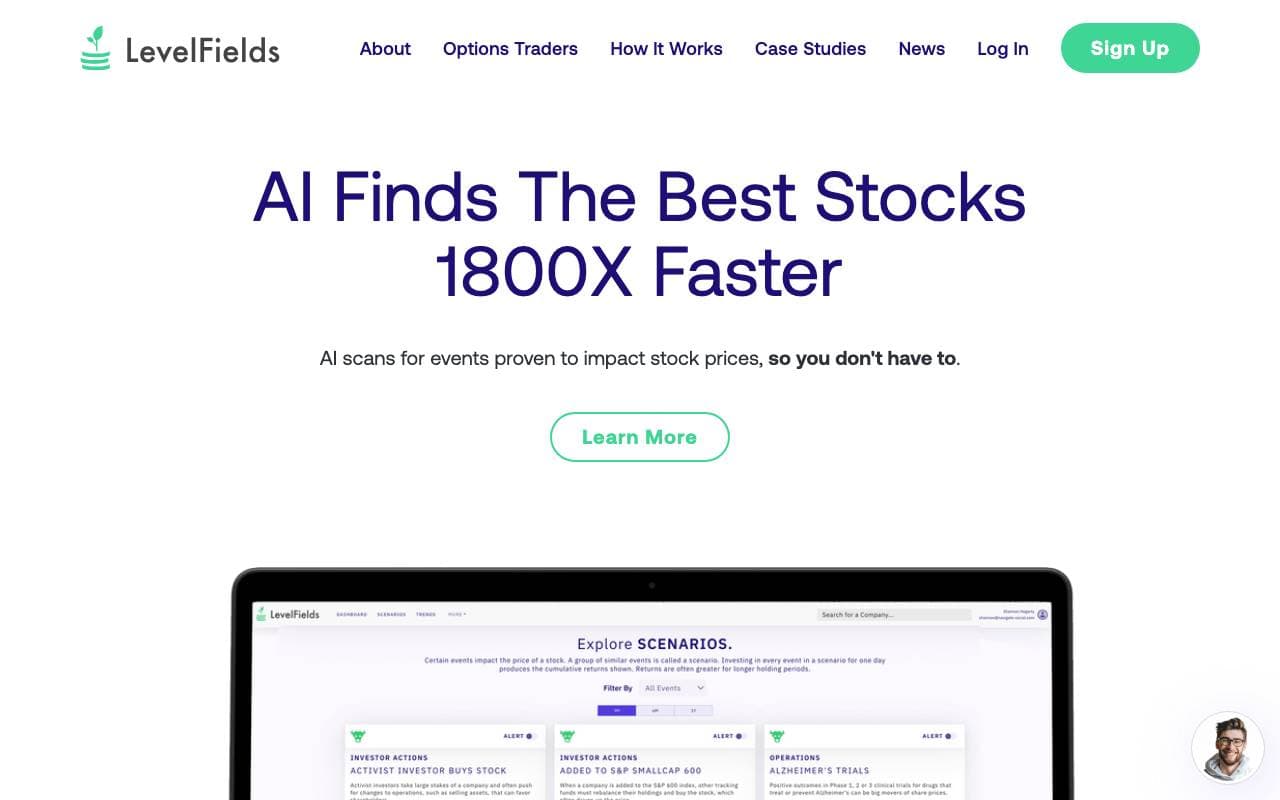

LevelFields AI
Research Assistants
Platforma oparta na sztucznej inteligencji, która generuje pomysły na handel akcjami oparte na zdarzeniach i automatyzuje badania inwestycyjne.

Foundry.ai
Research Assistants
Studio technologiczne tworzące produkty oprogramowania AI i firmy we współpracy z przedsiębiorstwami z listy Global 2000.


Atria by Senso Labs
Research Assistants
Asystent AI dla architektów, który usprawnia zgodność z przepisami, analizę zrównoważonego rozwoju i dane projektowe
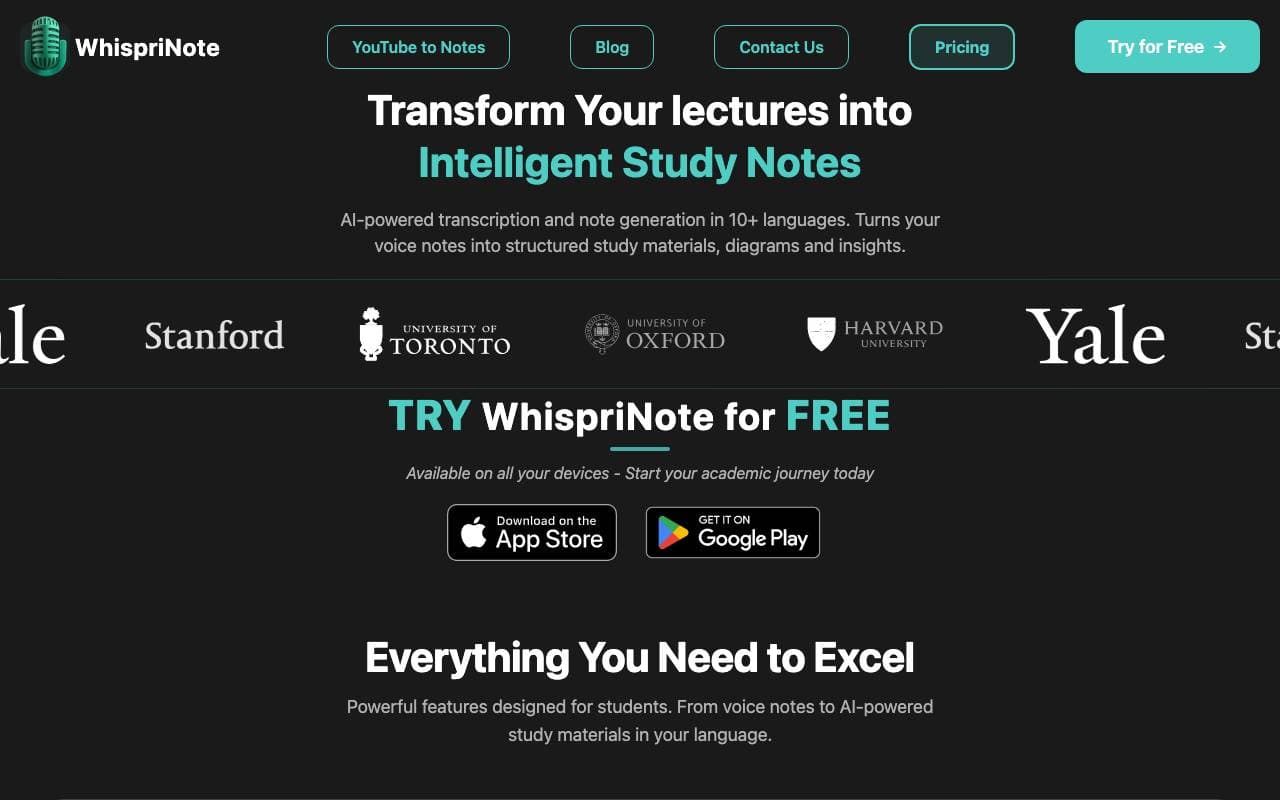

WhispriNote
Research Assistants
Przekształć głos, pliki audio i linki z YouTube w ustrukturyzowane notatki do nauki wraz z diagramami przepływu.
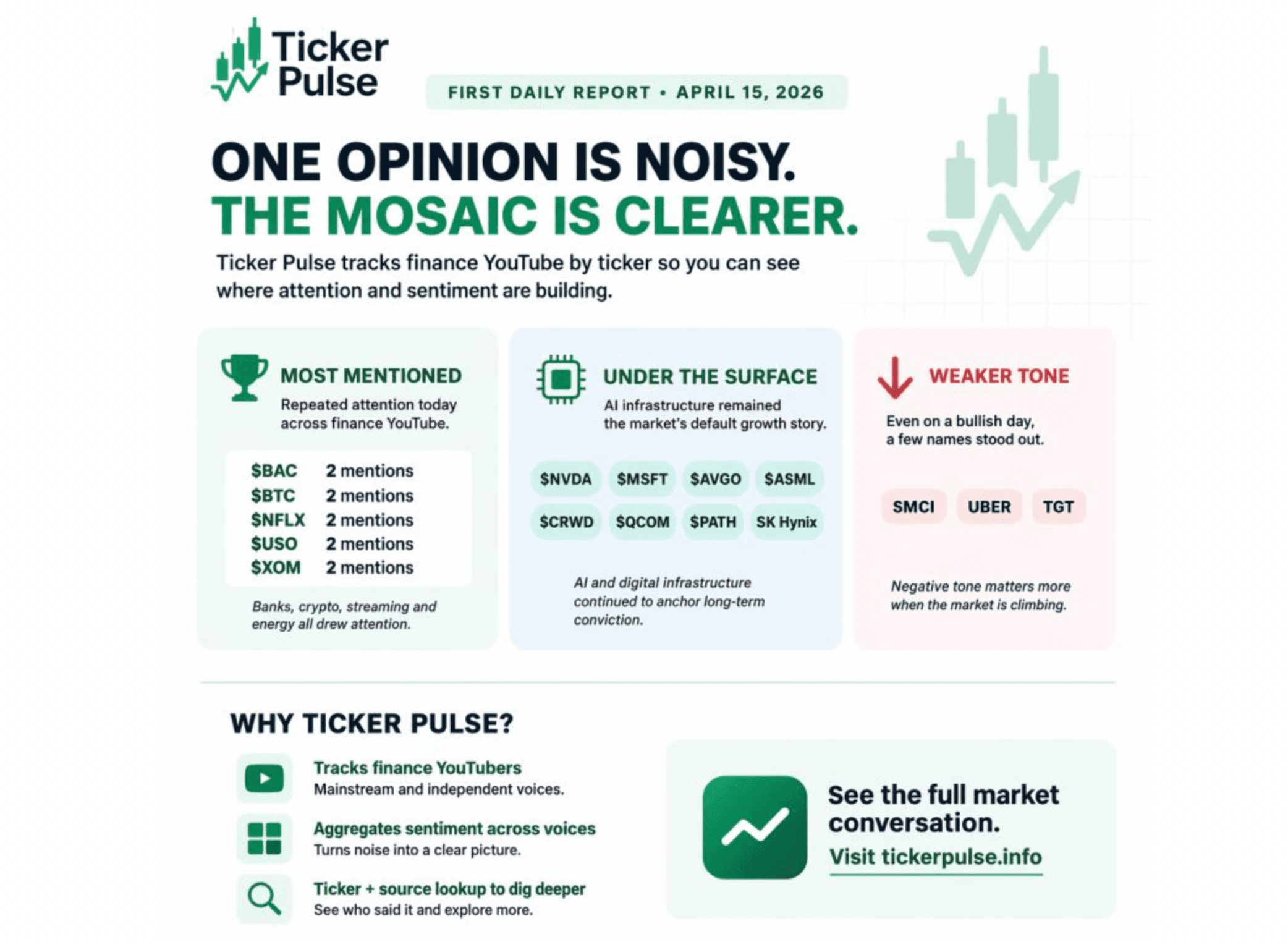

Ticker Pulse
Research Assistants
Odkryj trendy rynkowe zanim staną się nagłówkami
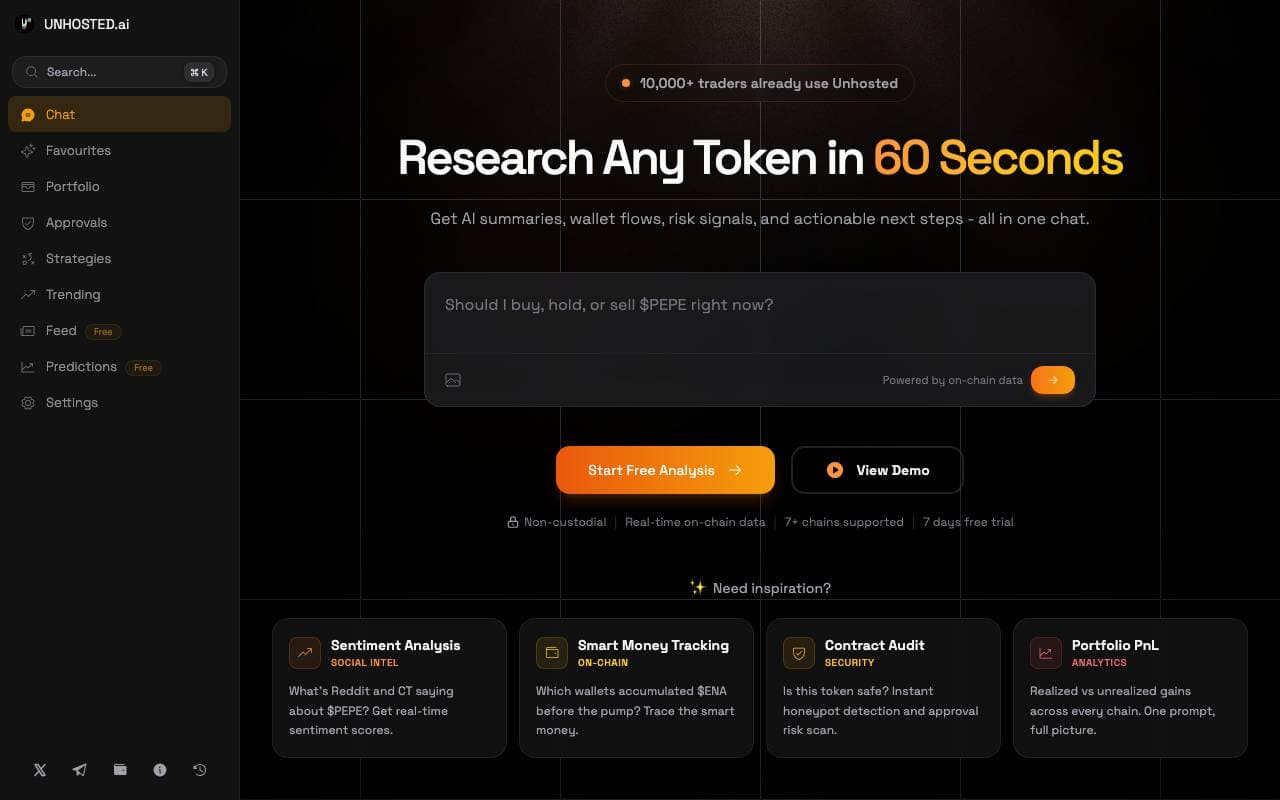

Unhosted AI
Research Assistants
Asystent analityki kryptowalut oparty na AI, pomagający podejmować bardziej inteligentne, oparte na danych decyzje handlowe.


Legora
Research Assistants
Współpracująca platforma AI, która pomaga zespołom prawnym przeglądać, tworzyć i badać szybciej z precyzją i skalą.
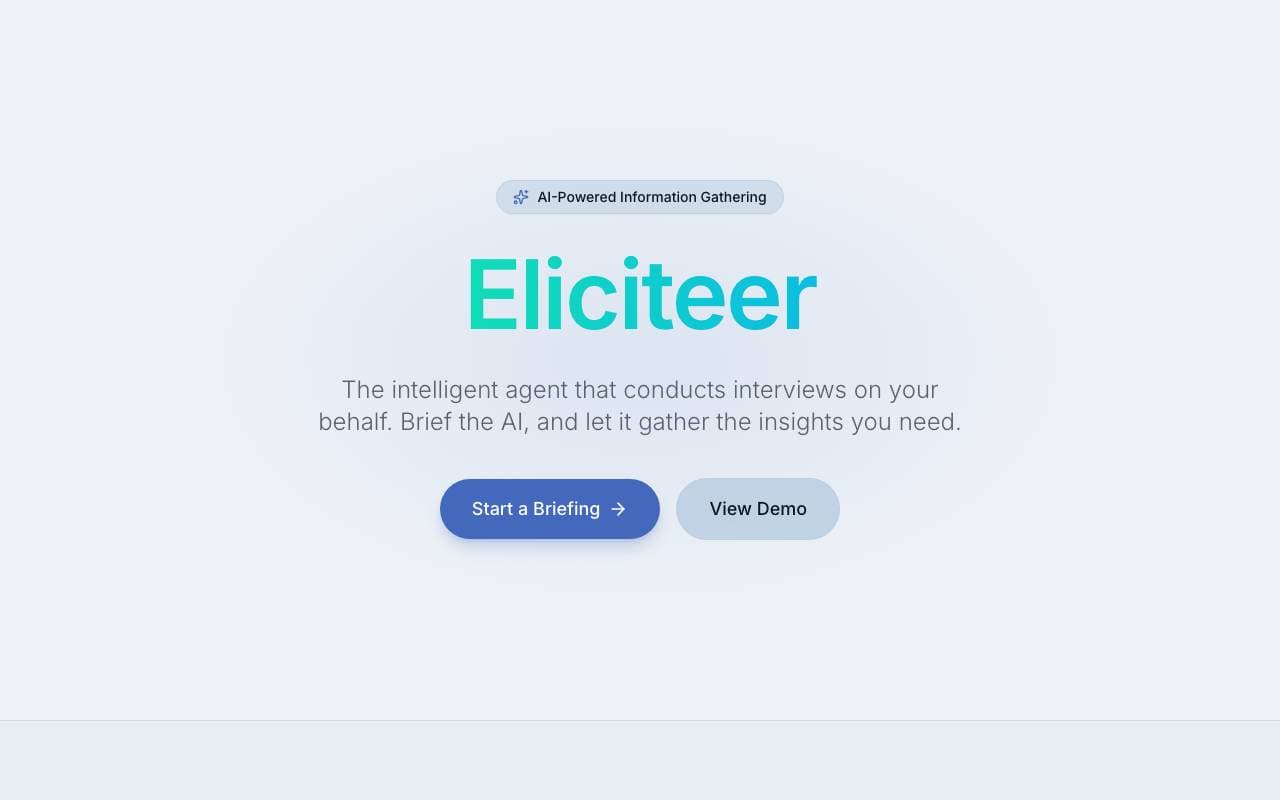

Eliciteer
Research Assistants
Wywiady napędzane sztuczną inteligencją, które skalują się—przygotuj brief, udostępnij link, otrzymaj ustrukturyzowane wnioski bez spotkań.
Trending now


Claude
AI Agents & Chatbots
Konwersyjny asystent AI od Anthropic do pisania, analizy, kodowania i pracy z dokumentami

Doozer Ai
Sales Agent
Cyfrowi współpracownicy, którzy automatyzują operacyjne przepływy pracy, zwiększając wydajność zespołu.
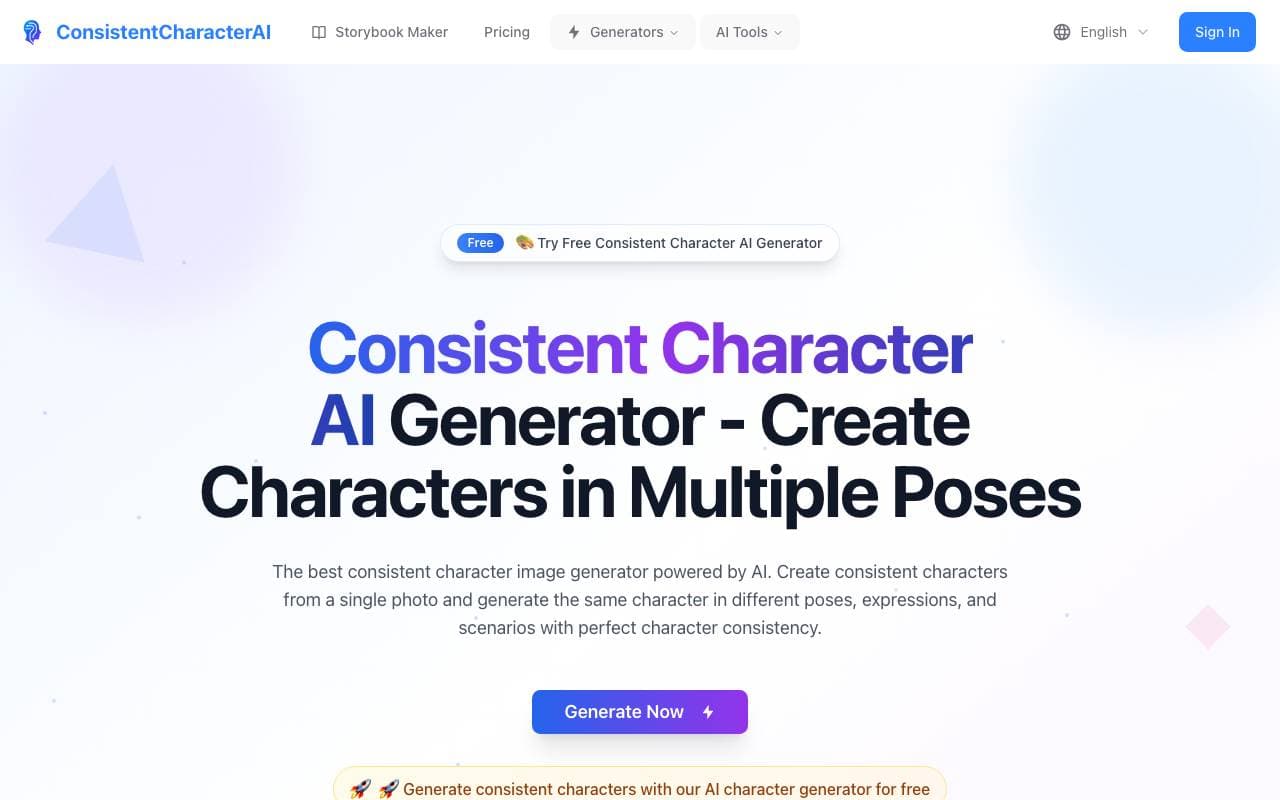

Consistent Character AI
Images
Generuj spójne postaci AI na różnych scenach z jednego zdjęcia referencyjnego.
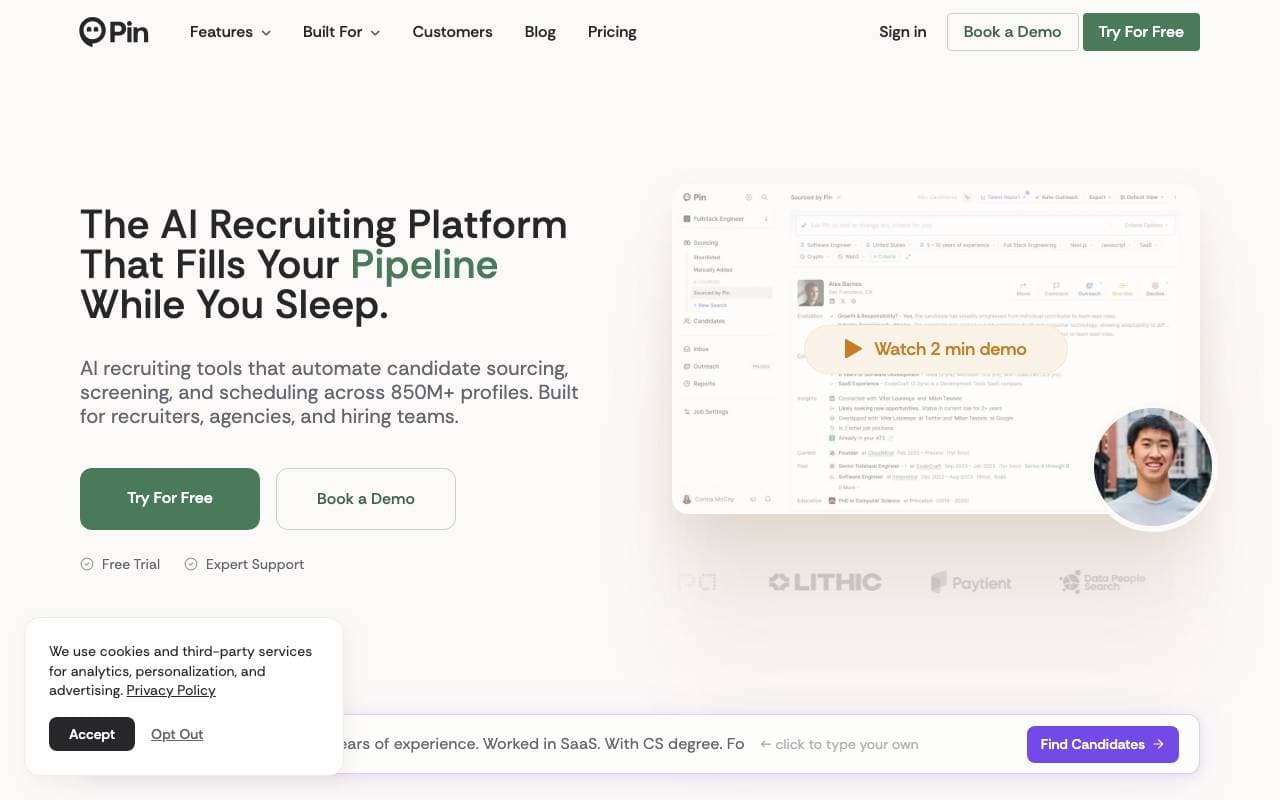

Pin AI
Workflow automation
Agentowy rekruter AI, który automatyzuje pozyskiwanie, selekcję i kontakt, przyspieszając proces rekrutacji.