
Cartesia Sonic-3Real-time, multilingual text-to-speech with sub‑90 ms latency and voice cloning

Overview
Key features
- Sub‑90 ms low‑latency inference
- Multilingual TTS across 40+ languages
- Instant voice cloning with 10 s audio sample
- Custom pronunciation dictionary
- Enterprise‑grade security and compliance
Pricing
- Model
- Freemium
- Category
- Audio Generation
- Rating
- 5.0 / 5 (6)
Use cases
Conversational Voice Agents
Power customer support bots and AI assistants with low-latency, expressive speech so interactions feel natural and human-like in real time.
Multilingual Content Dubbing
Dub videos, podcasts, and training materials into multiple languages using lifelike voices with appropriate emotional tone and pacing.
Interactive Game Characters
Give NPCs and interactive characters expressive voices with laughter, sighs, and tonal shifts that respond dynamically during gameplay.
Audiobook and Podcast Production
Generate emotionally nuanced narration for long-form audio content, using voice cloning and tone controls to maintain consistent character delivery.
Pros & Cons
Pros
- Sub‑90 ms latency enables real‑time interactions
- Supports 40+ languages with native‑speaker quality
- Voice cloning from as little as 10 seconds of audio
- Custom pronunciation dictionaries for domain‑specific terms
- Enterprise security compliance (HIPAA, SOC 2, GDPR, PCI)
Cons
- Pricing and access require sales contact; no self‑serve tier disclosed
- Voice cloning may be limited in nuance with very short source recordings
- Language support limited to the listed 40+ languages
Reviews
Average from 6 ratings.
Sign in to leave a review.
Use it every day
Honestly didn't expect to like it this much. Tunable tone and pacing controls is exactly what I needed, and developer-friendly API integration. but I reach for it almost every day now and it just clicks.
Use it every day
Honestly didn't expect to like it this much. Multiple voice options and cloning is exactly what I needed, and expressive delivery with laughter and emotional cues. but I reach for it almost every day now and it just clicks.
Years in this space
I've evaluated a lot of these over the years. What stands out here is tunable tone and pacing controls — handled better than most — and developer-friendly API integration. Worth the time if this is your use case.
Compared a few options
Evaluated this against two competitors. Where it wins: real-time streaming speech synthesis and low-latency output suitable for live conversation. On balance the feature set — especially emotion and laughter generation — justifies the 5 stars for our use case.
Use it every day
Honestly didn't expect to like it this much. API access for developers is exactly what I needed, and multilingual voice support. but I reach for it almost every day now and it just clicks.
Solid for our team
We rolled this out across the team last quarter and low-latency output suitable for live conversation. Tunable tone and pacing controls fits neatly into how we already work, and aPI access for developers removed a step we used to do by hand. but it has held up under daily use.
Q&A
No questions yet — be the first to ask.
Ask a question
Audio Generation alternatives
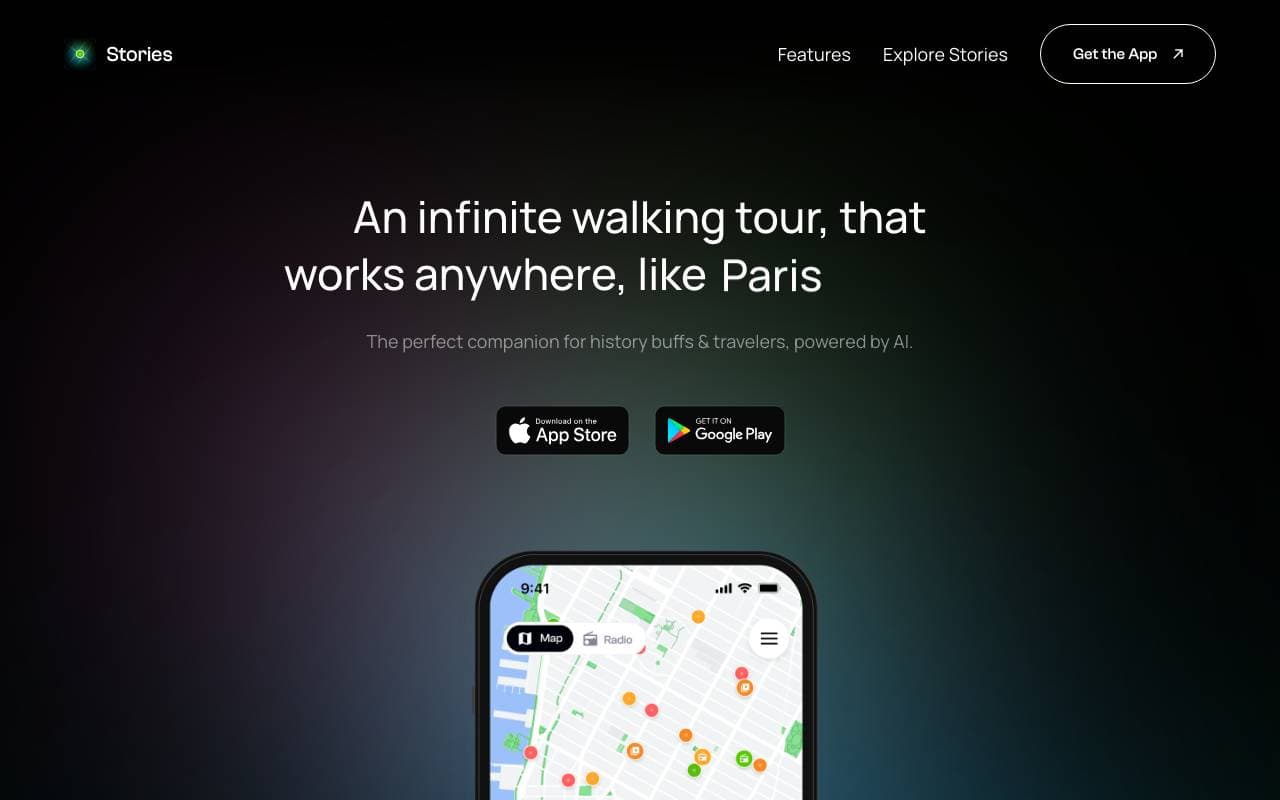

Stories
Audio Generation
AI-powered audio walking tours that work anywhere in the world
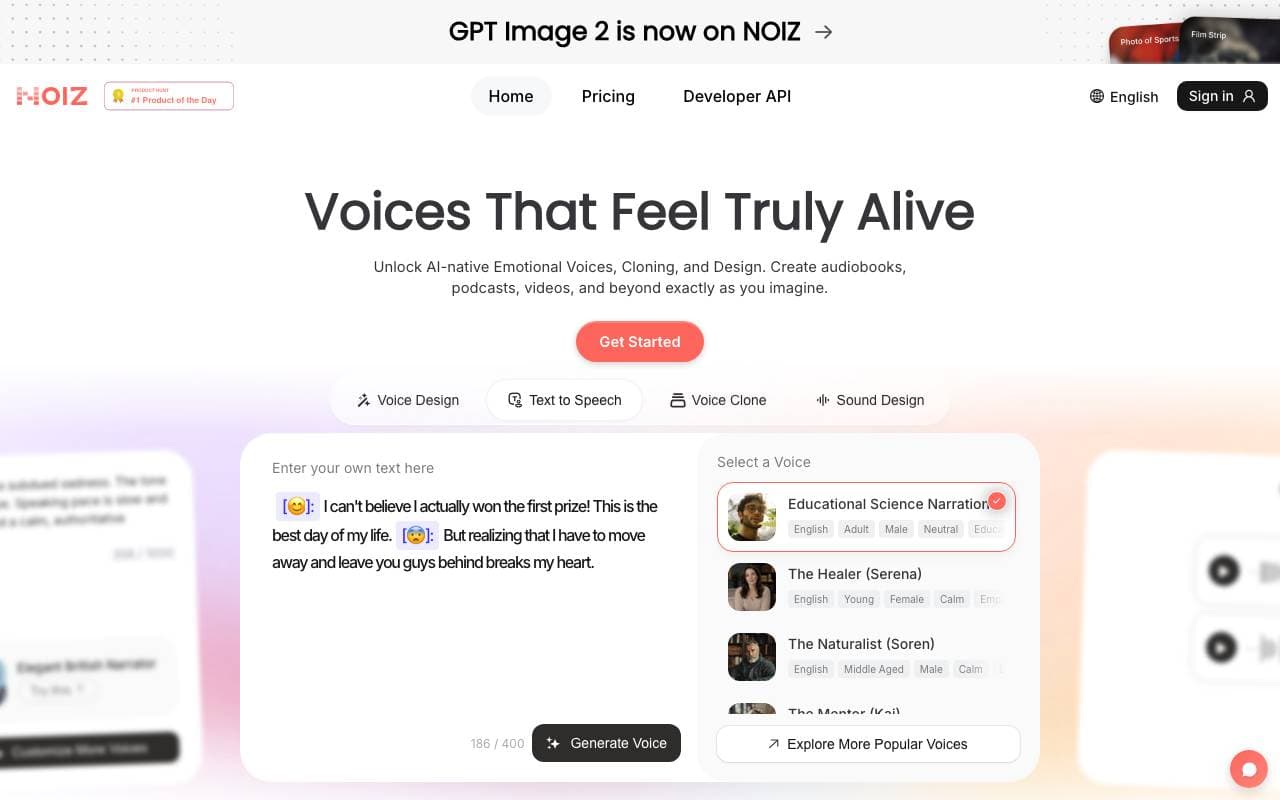

Noiz AI
Audio Generation
Next-generation expressive text-to-speech with instant AI voice design.
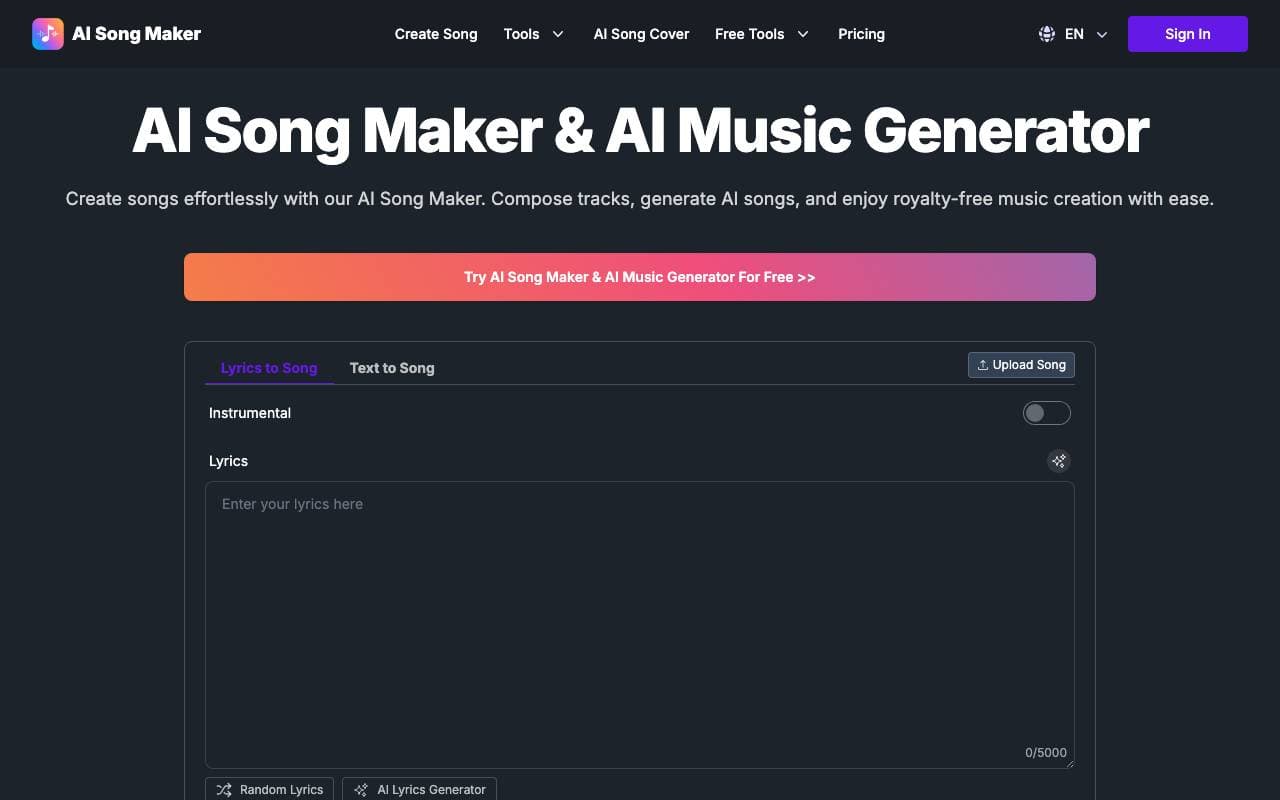

AI Song Generator
Audio Generation
Turn text prompts and ideas into original AI-generated songs in minutes.
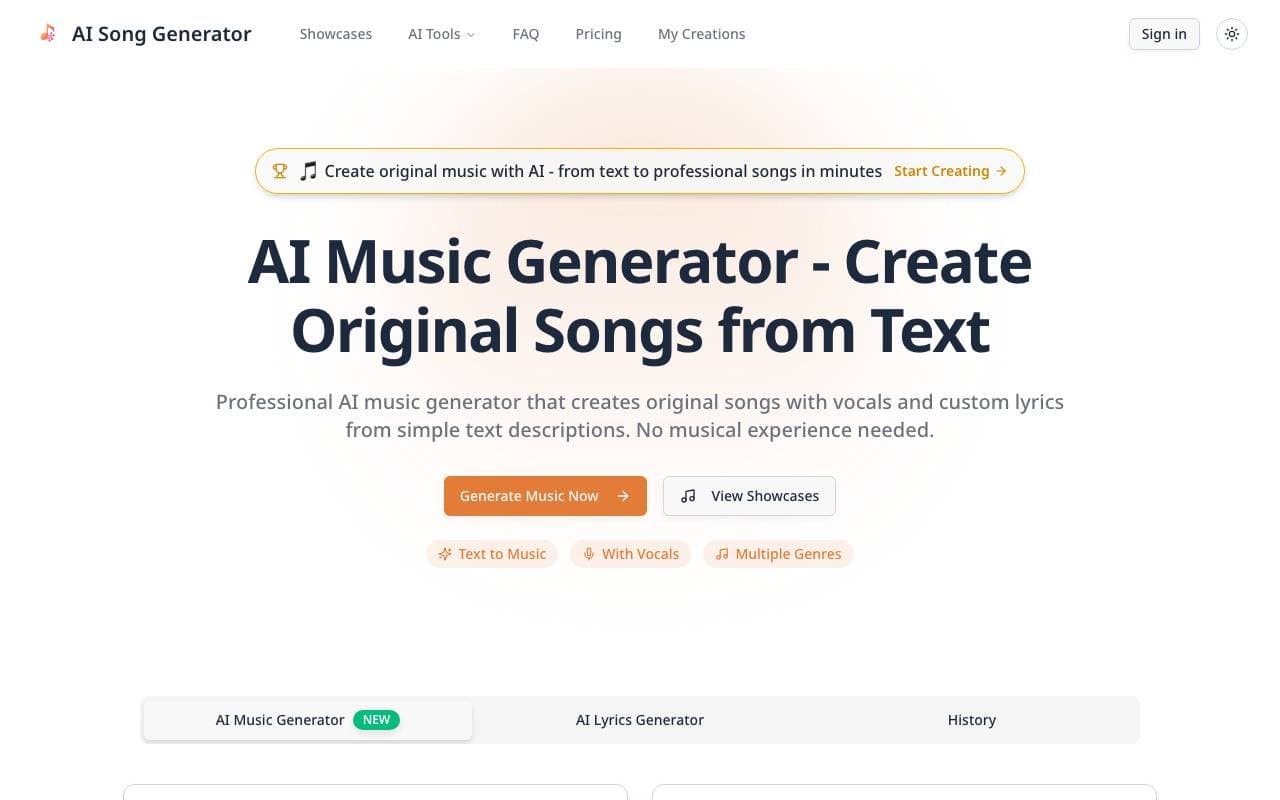

AI Music Generator - Create Songs from Text with AI
Audio Generation
Generate original songs with AI vocals from text prompts.
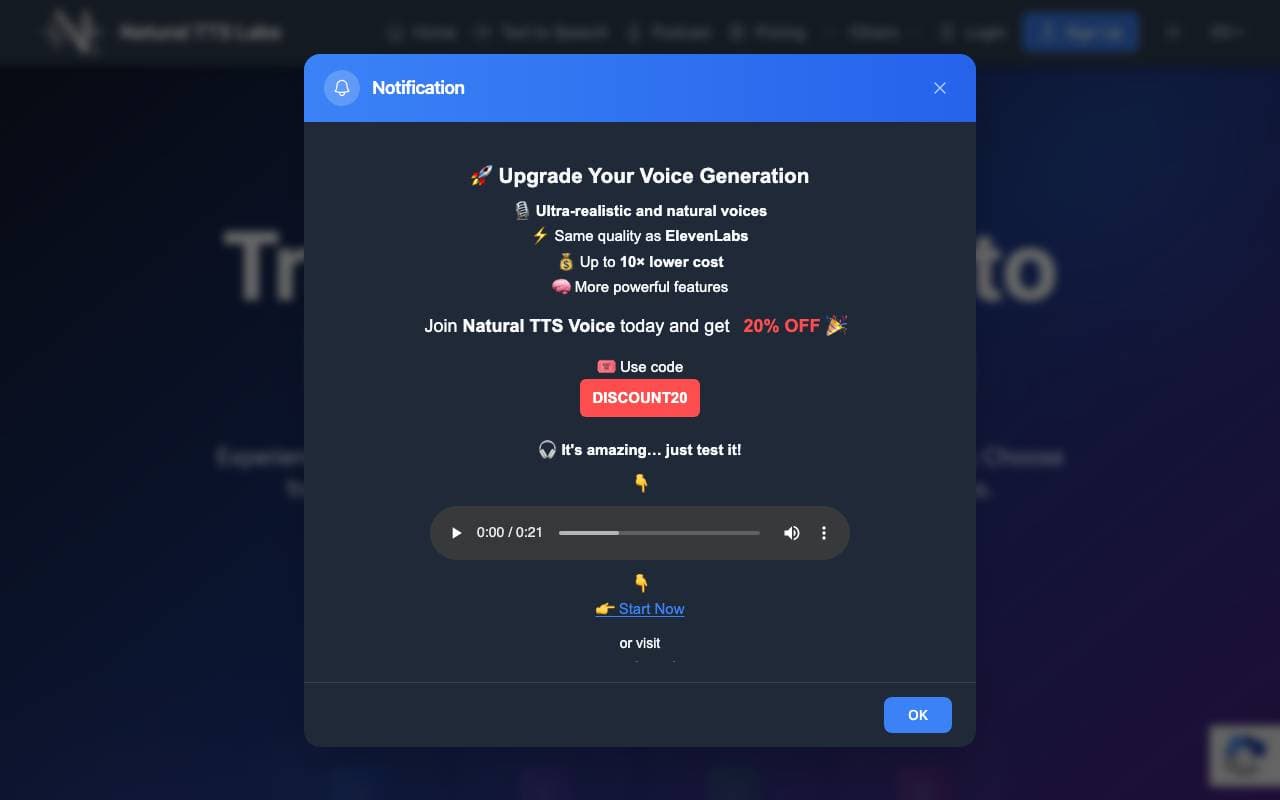
Natural TTS Labs
Audio Generation
Free AI text-to-speech tool for generating natural-sounding voiceovers
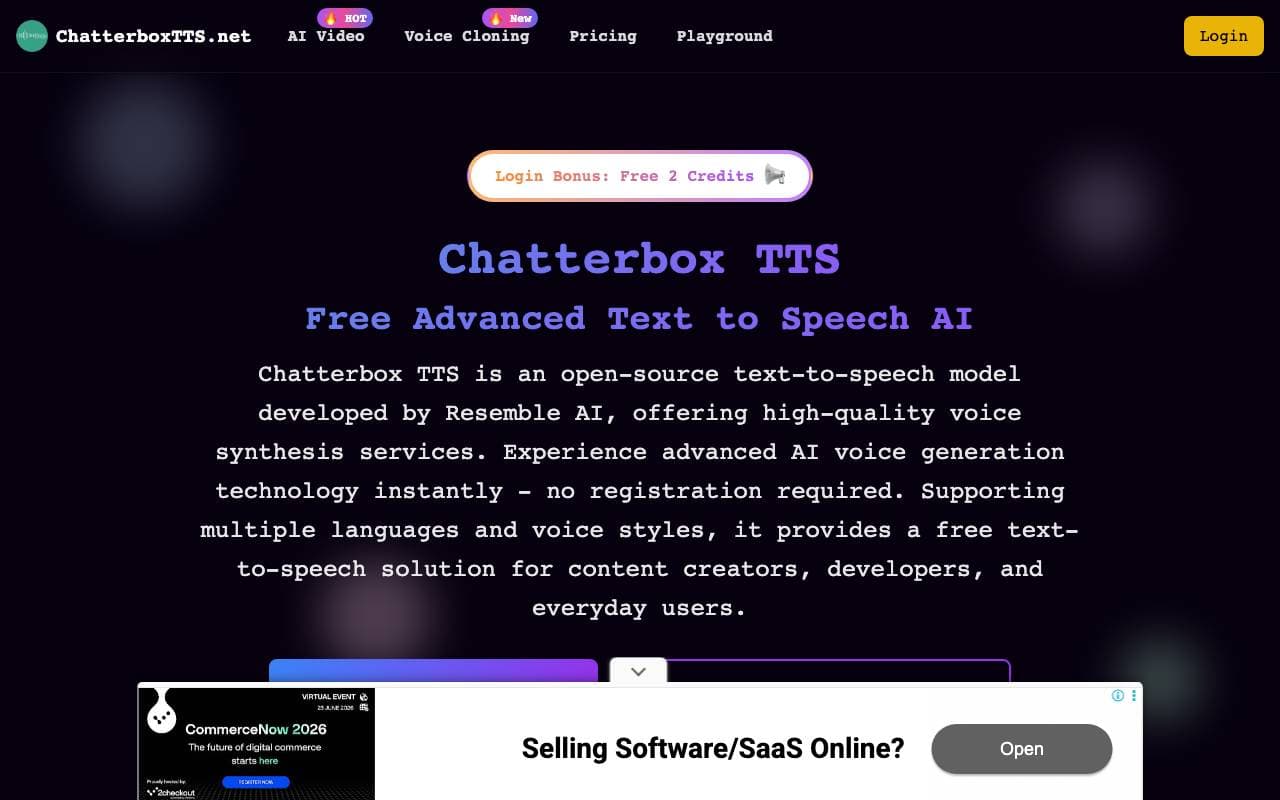

ChatterBoxTTS
Audio Generation
Open-source text-to-speech service with customizable voice settings and zero-shot voice cloning.
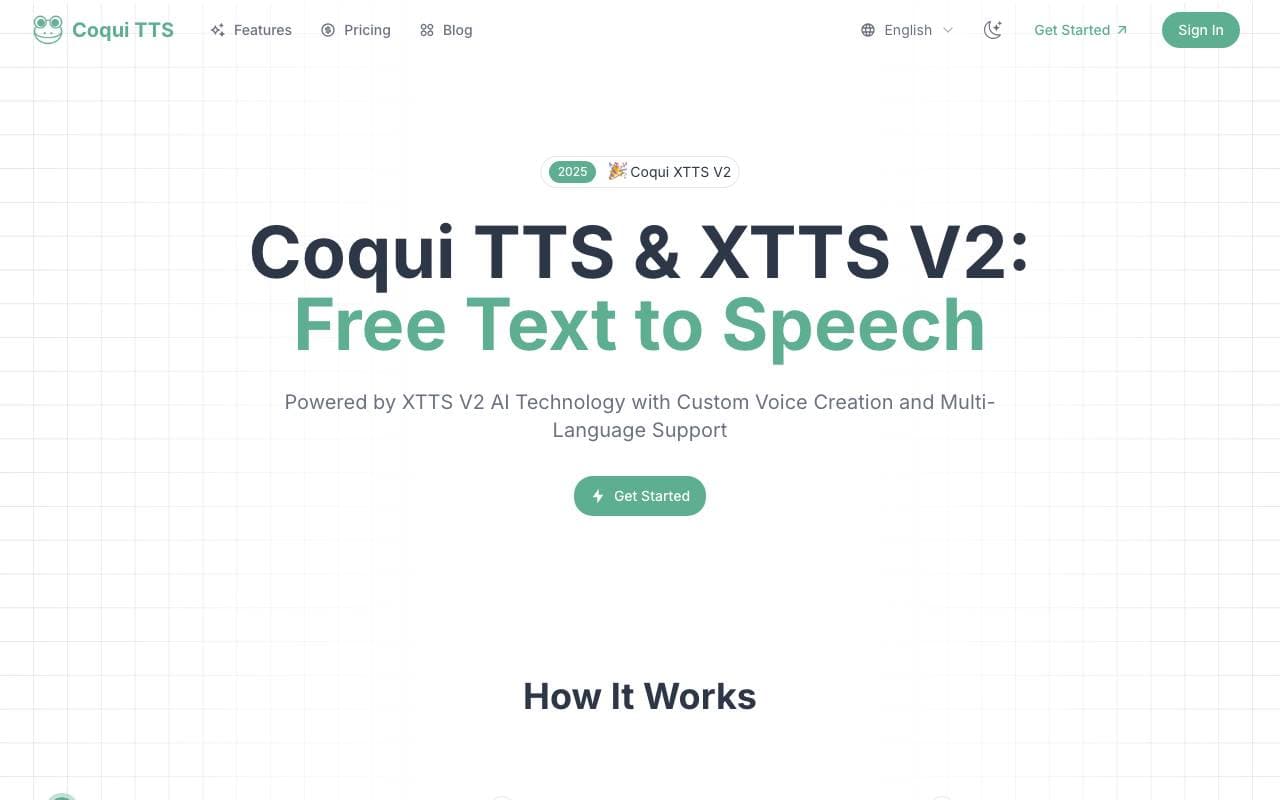
Coqui TTS
Audio Generation
Open-source text-to-speech toolkit with voice cloning and multilingual support.

TuneX AI Music, Song Generator
Audio Generation
AI-powered app for generating royalty-free songs, beats, and vocals across any genre.
Trending now


Claude
AI Agents & Chatbots
Conversational AI assistant from Anthropic for writing, analysis, coding, and document tasks

Doozer Ai
Sales Agent
Digital co-workers that automate operational workflows to boost team efficiency.
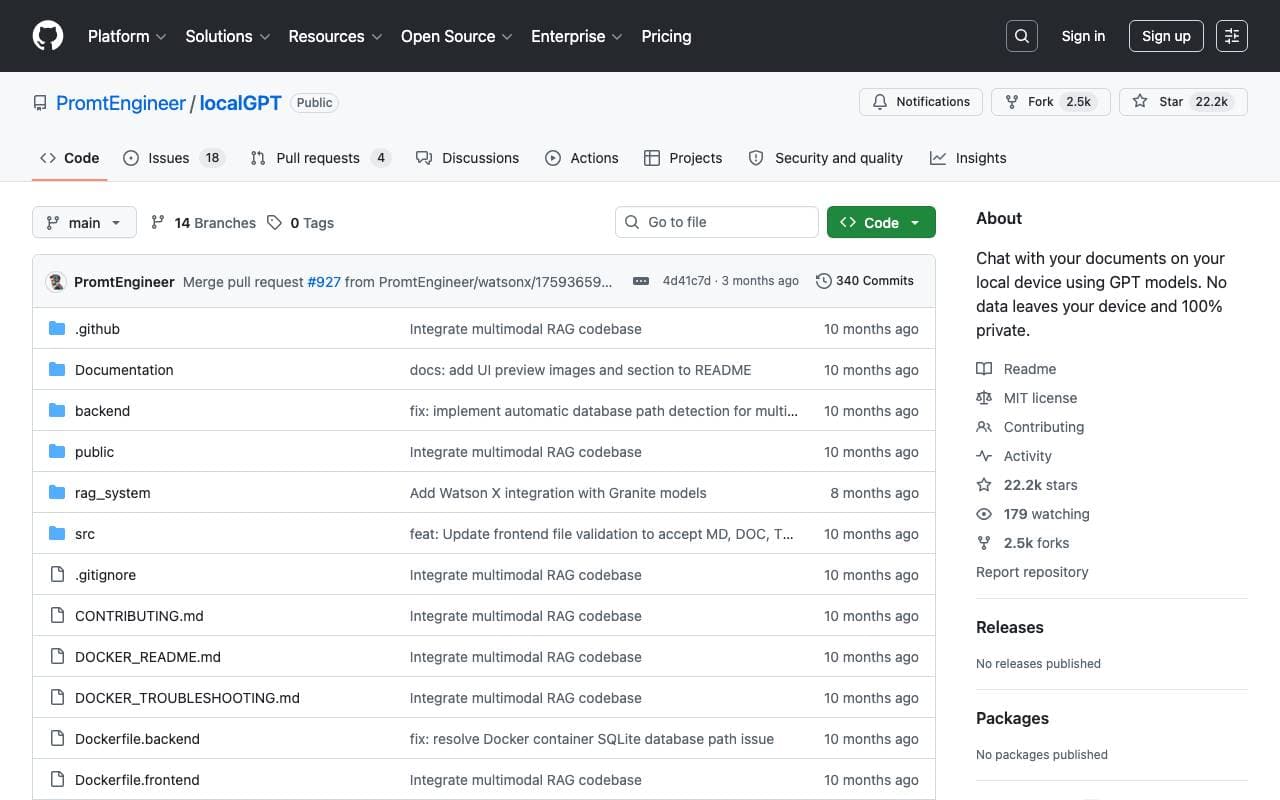

Local GPT
Other
Open-source local AI for private, offline document chat using GPT-style models on your own hardware.
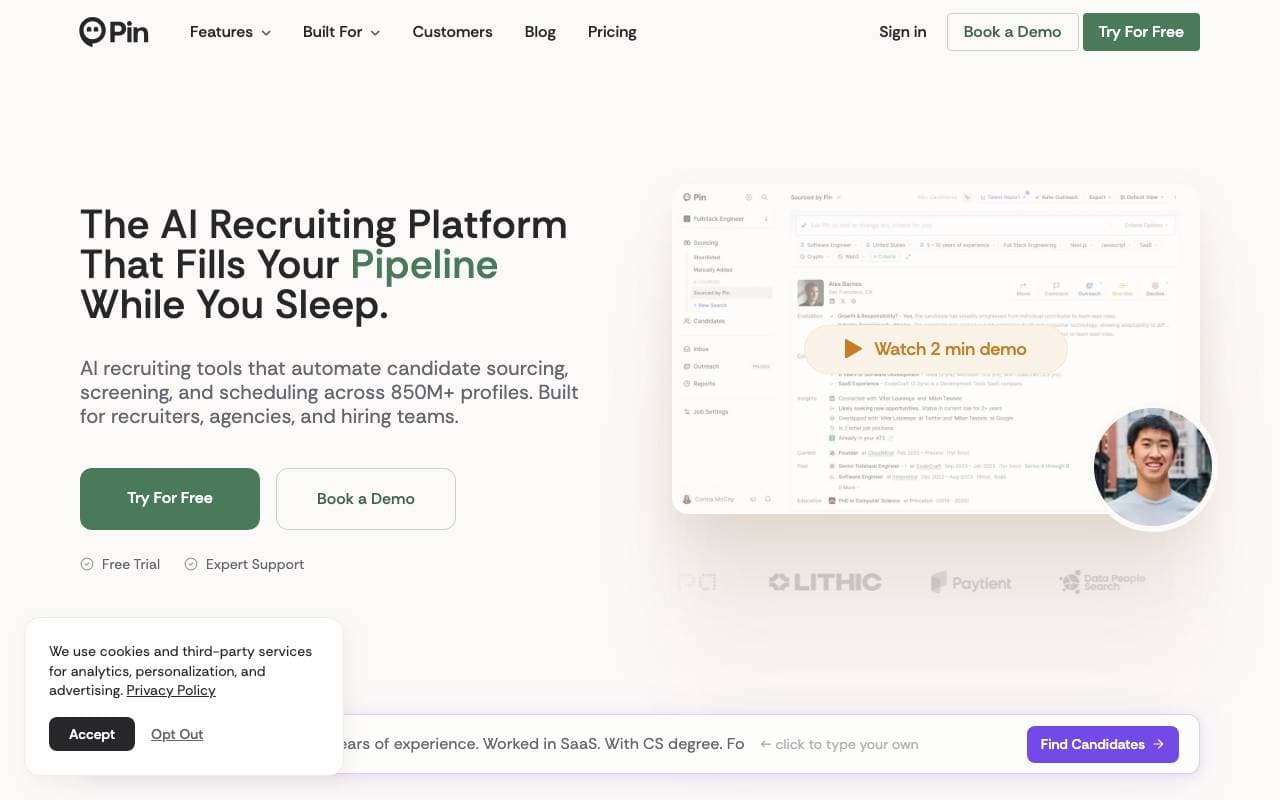

Pin AI
Workflow automation
Agentic AI recruiter that automates sourcing, screening, and outreach to accelerate hiring.