
Anchor BrowserWersja przeglądarki hostowana w chmurze, pozwalająca agentom AI bezpiecznie przeglądać i działać w sieci.

Przegląd
Kluczowe funkcje
- Instancje przeglądarki hostowane w chmurze
- Programistyczna kontrola przyjazna agentom
- Zarządzanie sesjami i poświadczeniami
- Izolowane środowiska dla każdego zadania
- Działa na stronach bez publicznych API
- Skalowalne, równoległe sesje
Cennik
- Model
- Paid
- Kategoria
- Workflow Automation Agents
- Ocena
- 4.2 / 5 (5)
Zastosowania
Automatyzacja aplikacji SaaS bez API
Pozwól agentom AI na logowanie i obsługę narzędzi SaaS, które nie posiadają publicznych API, wykonując zadania takie jak aktualizowanie rekordów czy pobieranie raportów poprzez zarządzaną sesję przeglądarki
Zbieranie danych z witryn z uwierzytelnieniem
Uruchamiaj agentów, którzy logują się do portali i zbierają dane znajdujące się za logowaniem, wykorzystując zarządzanie poświadczeniami i trwałe sesje, aby utrzymać dostęp pomiędzy kolejnymi uruchomieniami
Skalowalne przepływy pracy agentów
Uruchamiaj izolowane, równoległe wystąpienia przeglądarki, dzięki czemu wielu agentów AI może wypełniać formularze lub nawigować w zadaniach w równoległym trybie bez dodatkowego obciążenia infrastruktury
Automatyzacja wewnętrznych portalów
Wspomagaj autonomiczne przepływy pracy w wewnętrznych portalach firmowych, w których brak bezpośrednich integracji, z izolowanymi środowiskami zapewniającymi bezpieczne wykonanie
Plusy i minusy
Plusy
- Brak potrzeby używania API do automatyzacji zadań internetowych
- Izolowane, bezpieczne sesje przeglądarki
- Stworzone specjalnie do przepływów pracy agentów AI
- Obsługuje uwierzytelnianie i utrzymanie sesji
Minusy
- Wymaga konfiguracji technicznej i kodowania
- Automatyzacja przeglądarki może być wolniejsza niż API
- Zmiany na stronach mogą zakłócać przepływy
Recenzje
Średnia z 5 ocen.
Zaloguj się, aby zostawić recenzję.
Solid for our team
We rolled this out across the team last quarter and isolated, secure browser sessions. Works on sites without public APIs fits neatly into how we already work, and session and credential management removed a step we used to do by hand. Site changes may break flows, which is the main caveat, but it has held up under daily use.
Years in this space
I've evaluated a lot of these over the years. What stands out here is scalable concurrent sessions — handled better than most — and no API needed to automate web tasks. Requires technical setup and coding is my one real gripe. Worth the time if this is your use case.
Years in this space
I've evaluated a lot of these over the years. What stands out here is isolated environments per task — handled better than most — and isolated, secure browser sessions. Site changes may break flows is my one real gripe. Worth the time if this is your use case.
Skeptical, then convinced
I went in skeptical — most tools in this space overpromise. It actually delivers on session and credential management, and no API needed to automate web tasks caught me off guard. Browser automation can be slower than APIs is why this isn't a perfect score, still, I'd recommend giving it a real trial.
Solid for our team
We rolled this out across the team last quarter and isolated, secure browser sessions. Session and credential management fits neatly into how we already work, and works on sites without public APIs removed a step we used to do by hand. Site changes may break flows, which is the main caveat, but it has held up under daily use.
Pytania i odpowiedzi
What kinds of use cases is Anchor Browser best suited for?
It's designed for AI agents that need to automate tasks on websites without public APIs, such as navigating SaaS apps, internal portals, filling forms, and gathering public web data. It's ideal for autonomous workflows requiring authenticated sessions at scale.
What are the main limitations or trade-offs to be aware of?
Anchor Browser requires technical setup and coding to integrate with agent logic, browser-based automation is generally slower than direct API calls, and flows can break when target sites change their UI or structure.
How does Anchor Browser handle authentication and session state across tasks?
It provides built-in credential management, session persistence, and isolated environments per task, so agents can stay logged in and resume work without you building auth infrastructure yourself.
Zadaj pytanie
Alternatywy dla Workflow Automation Agents
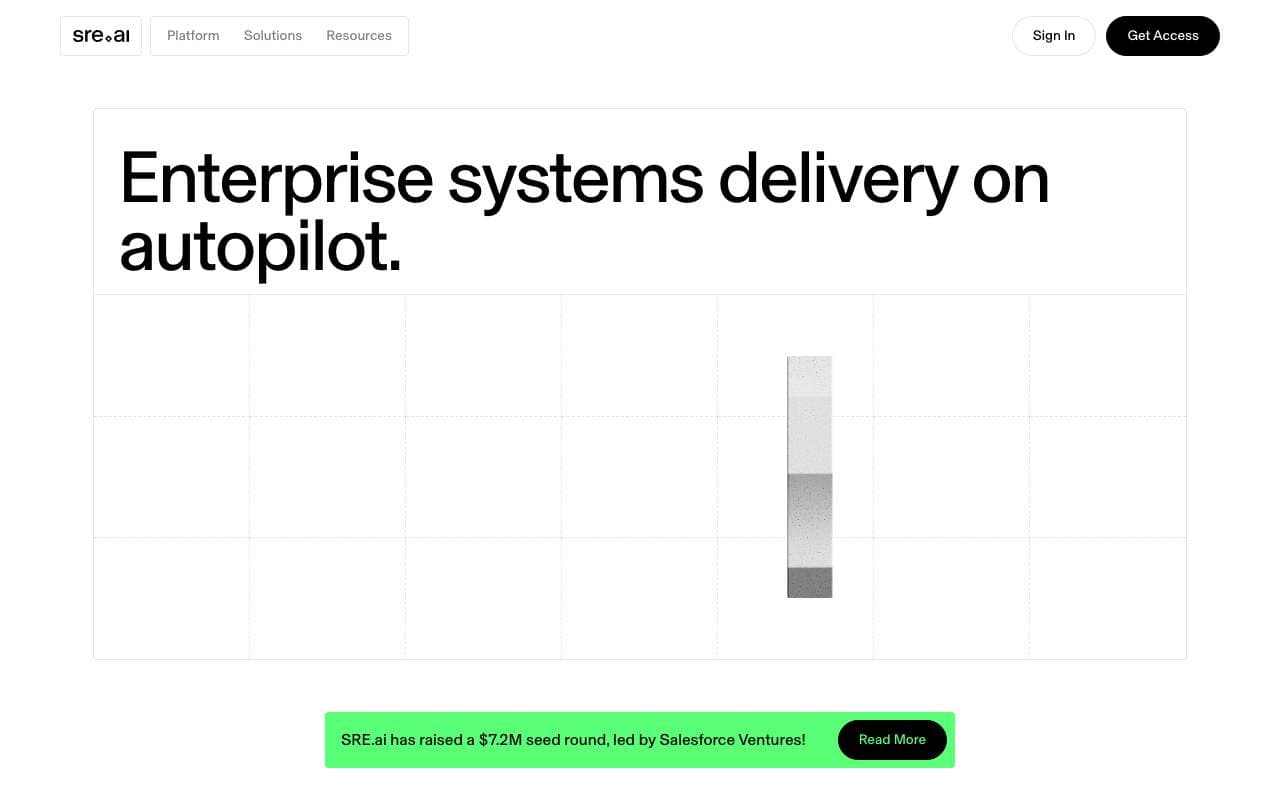

SRE.ai
Workflow Automation Agents
Platforma DevOps oparta na AI, gdzie agenci automatyzują przepływy CI/CD, wykrywanie incydentów i dostarczają rekomendacje oparte na kontekście.
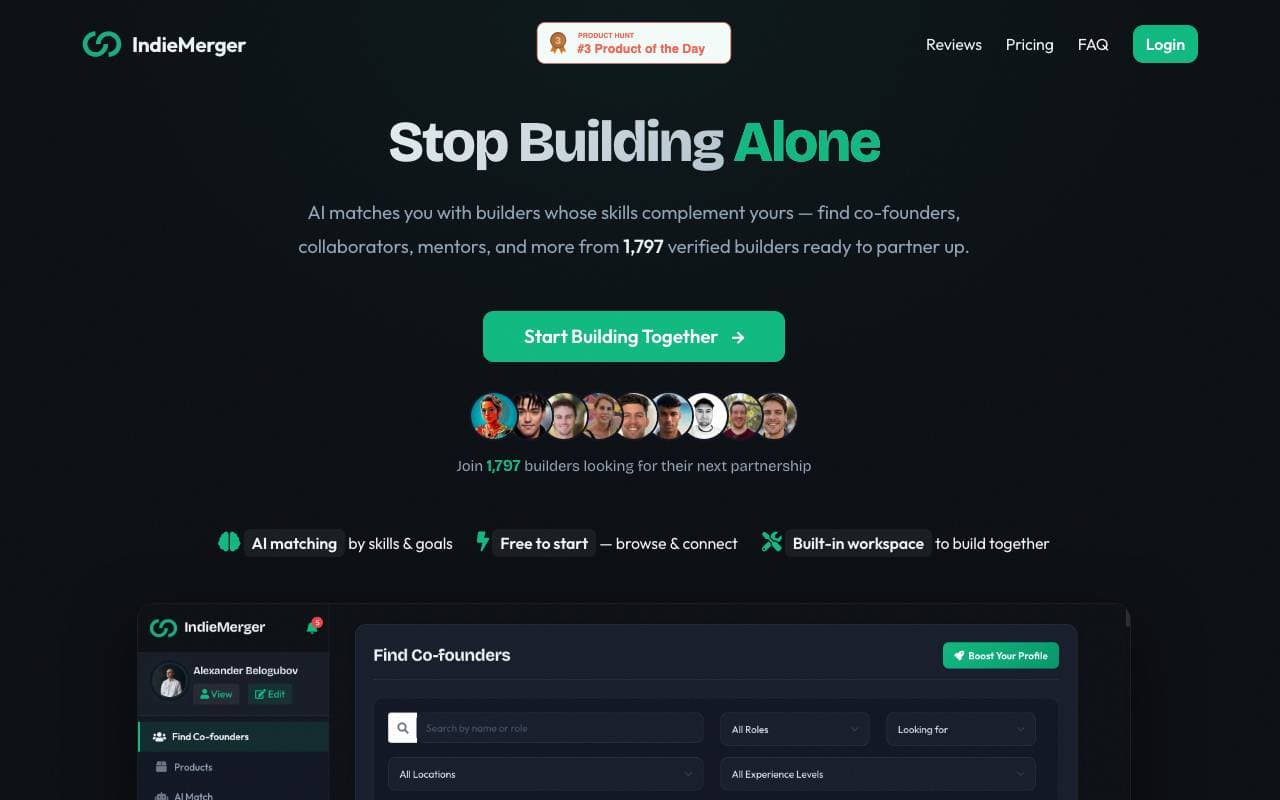

IndieMerger
Workflow Automation Agents
Dopasowywanie współ-założycieli oparte na sztucznej inteligencji dla niezależnych twórców i budowniczych startupów.
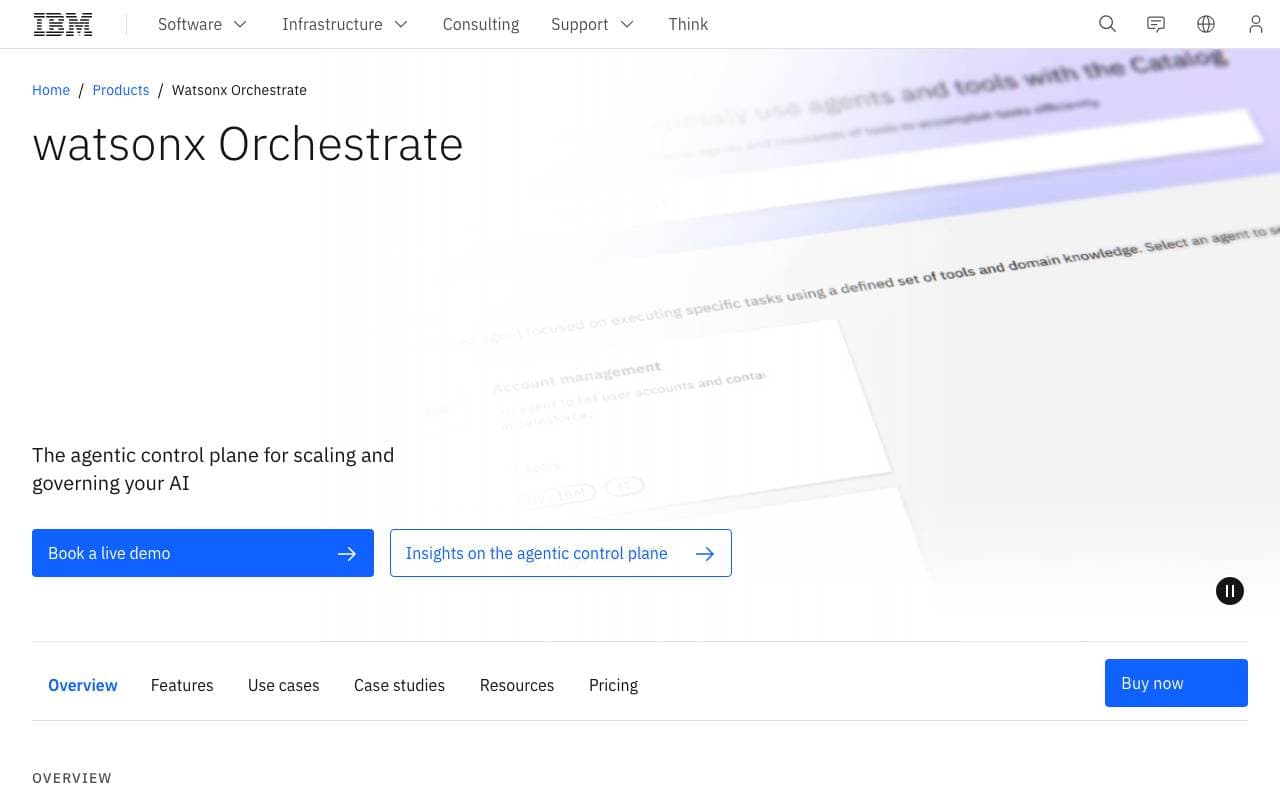

IBM watsonx Orchestrate
Workflow Automation Agents
Platforma do tworzenia, wdrażania i orkestracji agentów AI oraz asystentów, którzy automatyzują przepływy pracy w systemach przedsiębiorstwa.


AI Assistify
Workflow Automation Agents
Buduj agentów AI bez kodowania, zasilanych GPT-4, Claude i Gemini w jednej przestrzeni roboczej.
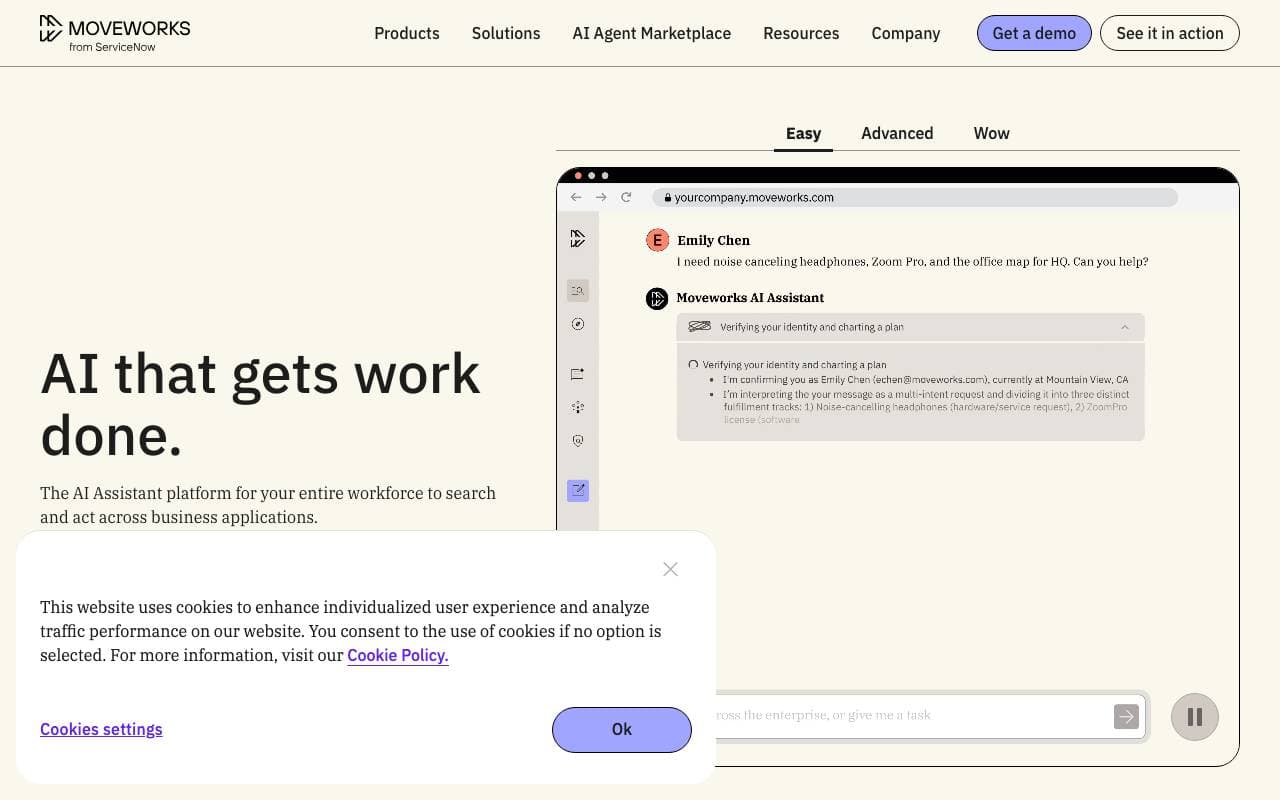

Moveworks AI Assistant
Workflow Automation Agents
Asystent AI z możliwością automatyzacji przepływów pracy, wyszukiwania i wsparcia w różnych platformach dla pracowników.


Convergence Proxy AI
Workflow Automation Agents
Platforma agenta AI umożliwiająca autonomiczne wykonywanie zadań w dynamicznych cyfrowych przepływach pracy.
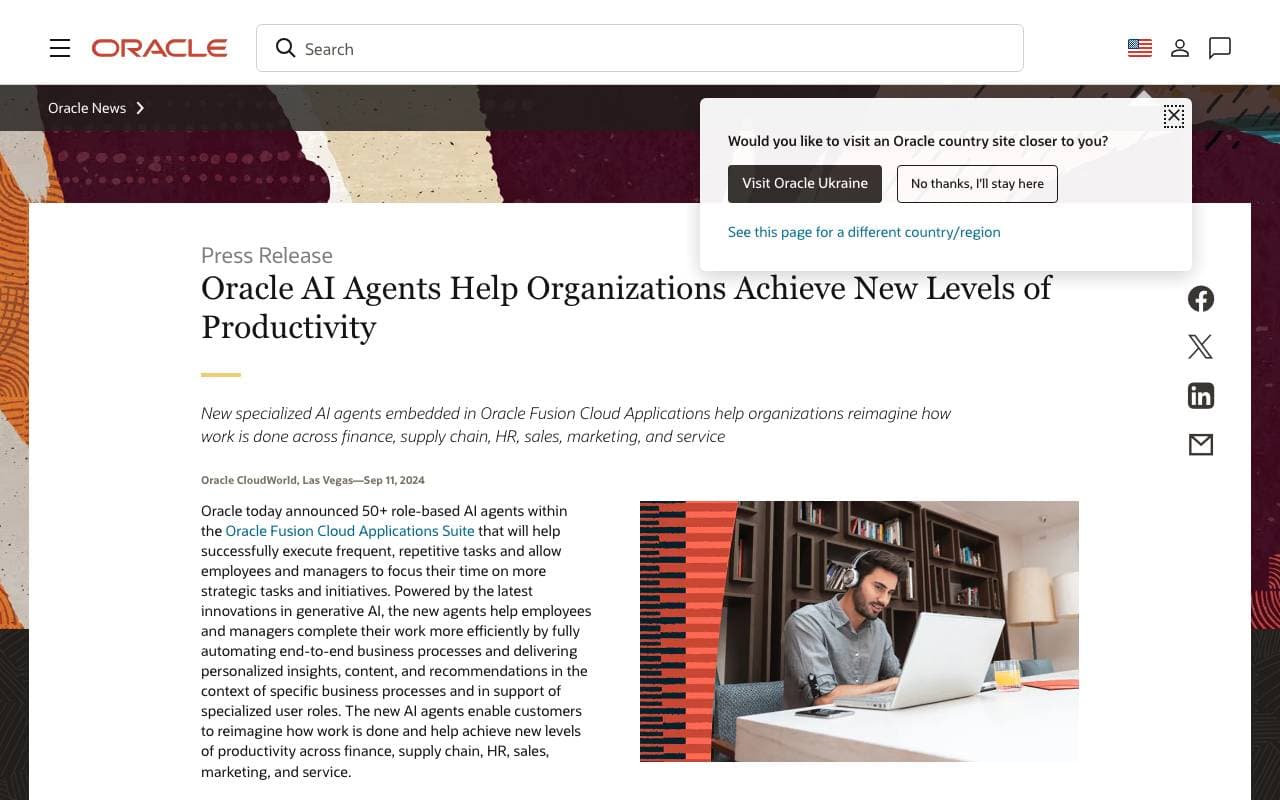

Oracle Miracle Agent
Workflow Automation Agents
Agent AI w ramach Oracle Fusion Cloud Applications, automatyzujący kluczowe procesy biznesowe.

ProAgents
Workflow Automation Agents
Twórz cyfrowe klony zasilane AI, aby automatyzować zadania, angażować klientów i bez wysiłku skalować operacje biznesowe.
Trending now
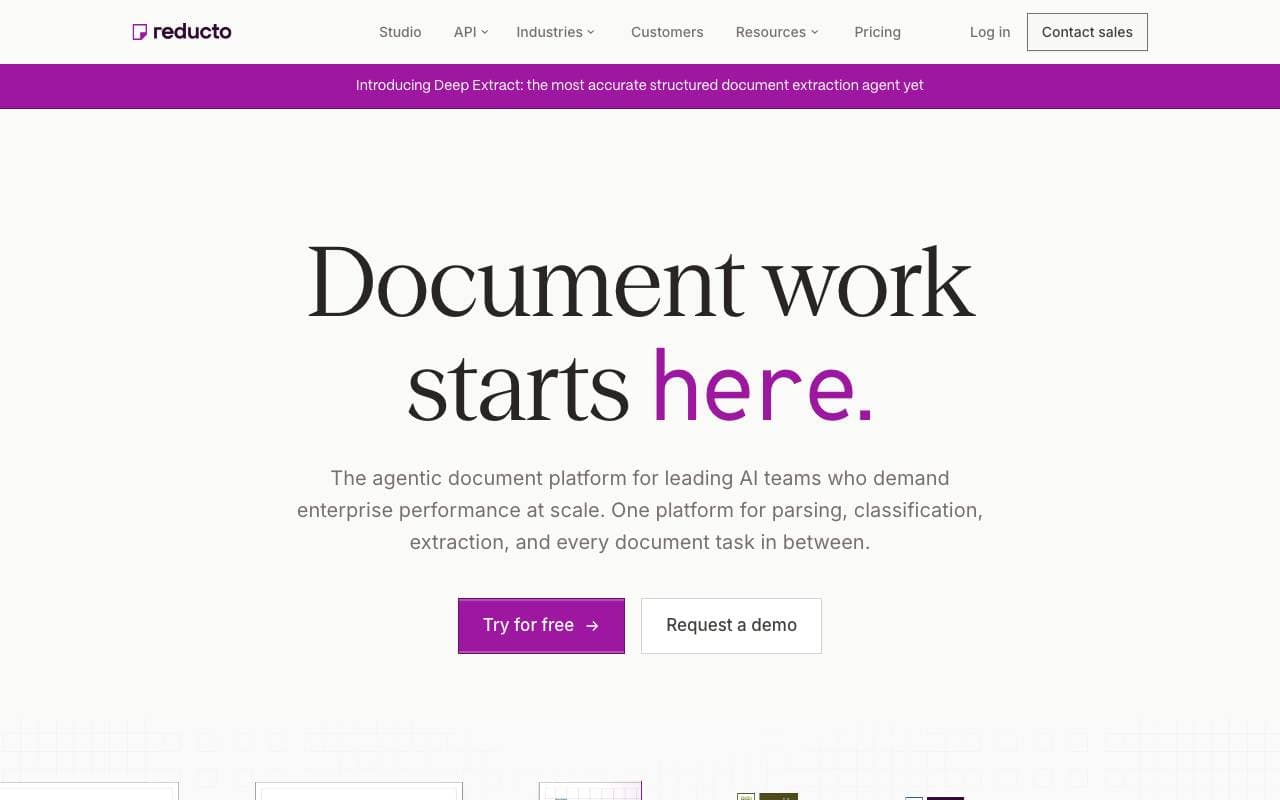

Reducto AI
AI Agent Development Platforms
API inteligencji dokumentowej, które analizuje, dzieli, wykonuje OCR i wyodrębnia strukturalne dane z złożonych PDF-ów, slajdów i arkuszy kalkulacyjnych.
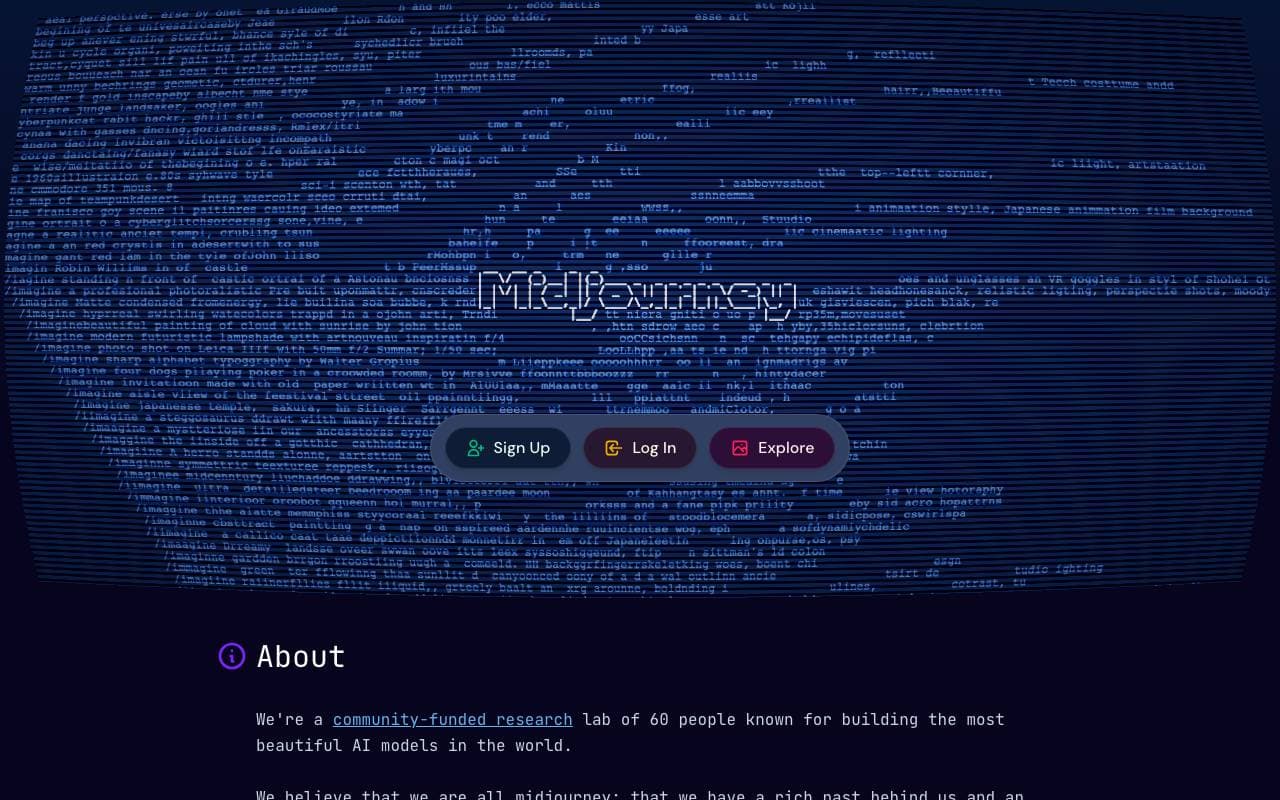

Midjourney
Image Generation
Generuj olśniewające obrazy z tekstu
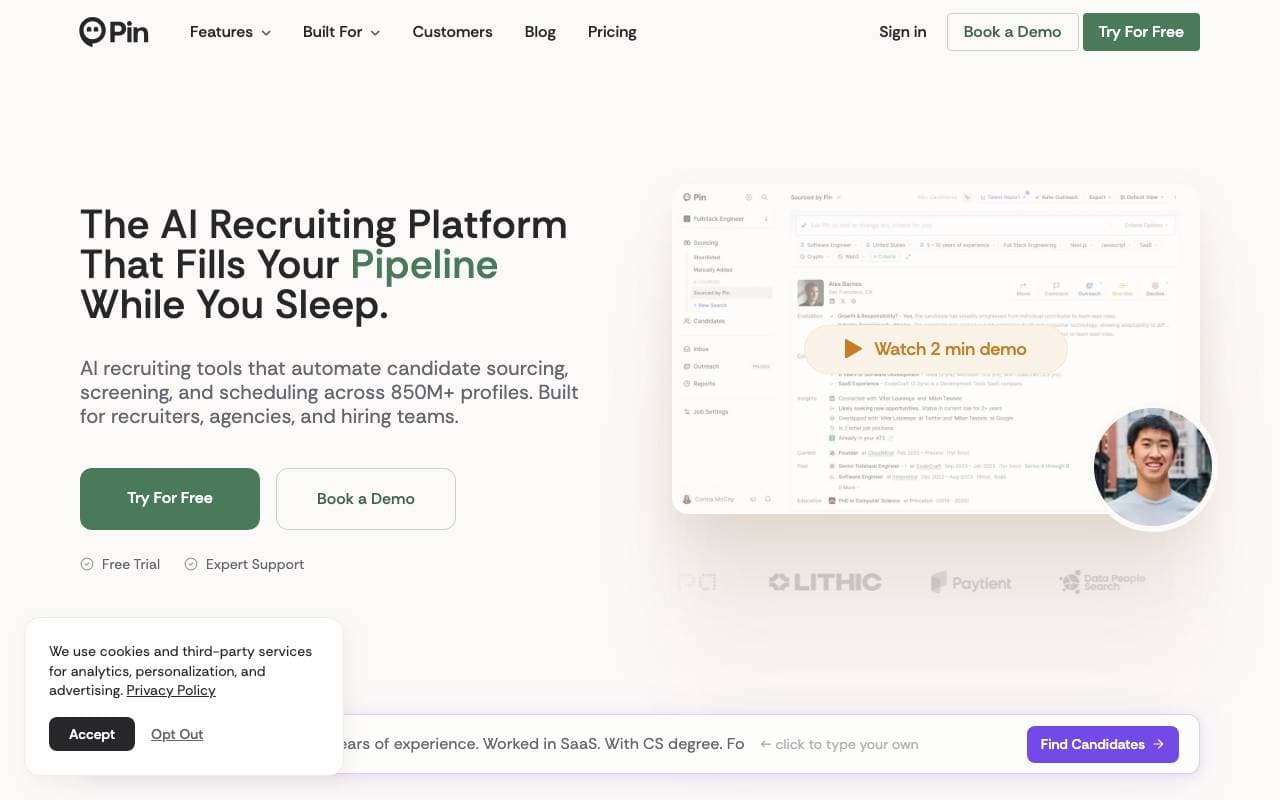

Pin AI
Workflow automation
Agentowy rekruter AI, który automatyzuje pozyskiwanie, selekcję i kontakt, przyspieszając proces rekrutacji.

Doozer Ai
Sales Agent
Cyfrowi współpracownicy, którzy automatyzują operacyjne przepływy pracy, zwiększając wydajność zespołu.